
As an Amazon Associate CoffeeXplore.com earns from qualifying purchases.
Black Tea With Milk: 7 Secrets for a Creamy, Healthy Cup
Are you tired of brewing a cup only to ruin it with dairy? There is nothing worse than weak, watery tea or harsh bitterness ruining your morning. Learning how to make perfect black tea with milk solves these common brewing frustrations forever.
Black tea with milk: Adding dairy temporarily binds milk proteins to some antioxidants, but it does not completely ruin the overall health benefits. The milk simply neutralizes tannic acid to soften the flavor profile. This creates a creamy cup without fully blocking important antioxidant absorption.
Drawing from comprehensive nutritional analysis and established culinary methodologies, this guide reveals modern brewing standards. You will discover the exact casein-polyphenol interactions that transform standard black tea into a creamy masterpiece. Master these seven proven secrets to elevate your daily tea culture and optimize vascular health today.
Contents
show
7 Secrets to Make the Perfect Black Tea With Milk
How do you make the perfect milk tea? Crafting an exceptional cup requires mastering the delicate balance between robust tea extraction and gentle dairy integration.
Preparing a proper milk tea recipe is not just about splashing cold milk into hot water. When you brew and steep traditional British style tea, you are actively managing complex molecular reactions. The hot water extracts potent polyphenols, while the added milk proteins work to complement the aroma and enhance texture. Whether using a standard teabag or premium loose leaf, getting the exact ratio of milk to tea right dictates your success.
The following masterclass blends sommelier tips with established brewing standards for 2026 to help you avoid curdling and separation. By understanding exactly how temperature and time affect your extraction, you can transform your daily beverage into a perfectly balanced, cafe-quality experience. Let’s explore the exact methodologies needed to craft an optimal cup.
1. Select a Full-Bodied Black Tea Base

Save this premium loose leaf guide to your “Morning Routine” board!
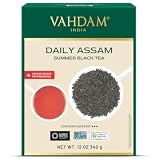
Which black tea holds up best to milk? Robust, heavily oxidized varieties like Assam and Ceylon provide the necessary structural backbone to withstand dairy dilution without tasting watered down.
When evaluating the best black tea for milk, you must consider the terroir influence and oxidation levels of the leaves. Lighter, delicate teas like Darjeeling or white tea will simply vanish when mixed with milk fats. Instead, you need a full-bodied, malty profile. Classic blends like Yorkshire Tea, English Breakfast, and single-origin Assam tea are explicitly cultivated to deliver an astringent punch. These malty varieties provide creaminess and deeply interact with milk proteins to create a rich, rounded beverage.
Ingredients & Tools
- 1.5 teaspoons of premium loose leaf Assam tea or English Breakfast blend.
- 8 oz of freshly drawn, cold filtered water.
- A fine mesh tea strainer or high-quality infuser teapot.
Brewing Instructions
- Measure exactly 1.5 teaspoons of your robust leaf tea into your strainer to prevent watery tea.
- Boil the filtered water until it reaches a rolling boil (212°F / 100°C) to ensure maximum extraction of the tea liquor.
- Pour the water directly over the leaves to agitate them and release their malty flavor profile.
What most guides miss: Based on extensive nutritional analysis, choosing CTC (Crush, Tear, Curl) processing over orthodox leaves yields a significantly stronger, more opaque brew. This processing method creates maximum surface area, guaranteeing an extraction that perfectly stands up to the richness of whole milk.

2. Master the Exact Ratio of Milk to Tea

Pin this golden ratio secret to never make a watery cup of tea again!
What is the ideal proportion of milk in tea? The golden standard dictates a 1:4 ratio, utilizing one part milk to four parts brewed tea to achieve a perfectly balanced flavor profile.
Nailing the exact water + milk ratio is the defining difference between a comforting beverage and a disappointing, diluted mess. A traditional British style tea usually relies on a smaller splash of milk to subtly enhance texture. Conversely, an Indian chai latte style requires a heavier dairy presence. Regardless of the style, precision is crucial. Over-pouring whole milk or evaporated milk will completely mask the tea’s natural flavor, resulting in a dreaded watery tea failure. Applying proper volumetric measurements elevates your daily ritual from amateur guesswork to professional brewing standards.
Ingredients & Tools
- 1 to 2 tablespoons of your preferred milk (whole milk or evaporated milk).
- 8 oz of fully brewed black tea.
- A precision glass measuring cup to perfect your liquid ratios.
Brewing Instructions
- Measure your milk accurately. For a standard milky tea, stick strictly to the golden ratio of 1 part milk to 4 parts tea (approximately 2 tablespoons per 8 oz cup).
- Dilute the tea carefully by adding the milk in small increments, allowing you to visually gauge the color change.
- Stir gently to blend the liquids until the beverage reaches a rich, caramel-like opaque hue.
Expert Insight: When preparing iced black tea with milk and honey during warm October afternoons, you must increase your initial tea strength by 50% during the steeping phase. This over-extraction accounts for inevitable ice melt and maintains the perfect flavor balance.

3. Steep Perfectly to Neutralize Tannic Acid

Don’t let your tea get bitter! Pin this steeping guide for the smoothest cup.
How do you prevent tea from tasting unpleasantly bitter? Strict temperature and timing control is required; steeping past five minutes extracts excessive tannic acid that ruins the flavor profile.
Understanding the science of milk and tannins is vital to solving the problem of harsh, metallic brews. When you steep tea leaves, hot water extracts polyphenolic compounds. In the first three minutes, the most delicate flavors emerge. However, over-steeping accelerates the release of tannic acid, leading to severe bitterness. When you add milk, the casein proteins actively bind with tannins to form casein-polyphenol complexes. This chemical reaction naturally softens flavor and neutralizes astringency. By timing your steep accurately, you provide just enough backbone for the milk to work its magic without overwhelming the palate.
Ingredients & Tools
- Boiling water (212°F).
- Premium teabag or loose leaf tea.
- A reliable digital kitchen timer.
Brewing Instructions
- Infuse your tea leaves in boiling water and immediately start your digital timer.
- Steep for precisely 3.5 to 5 minutes. Anything longer extracts excess tannic acid, which causes irreversible bitterness.
- Strain or remove the teabag completely before adding your milk. Do not squeeze the teabag against the spoon, as this forces bitter residual tannins directly into your cup.
Pro-Tip: If you suffer from tannin sensitivity or acid reflux, steeping your tea for exactly 3 minutes and adding 2% milk effectively neutralizes acidity while protecting your delicate gastric mucosa from irritation.

4. Heat the Milk to Prevent Curdling

Save this trick to never suffer from curdled, chunky milk tea again!
Why does milk curdle in hot tea, and how can you stop it? Curdling occurs due to thermal shock and high acidity; applying gentle heat to the dairy before mixing prevents the proteins from separating.
Nothing ruins a peaceful morning faster than watching your dairy in tea separate into an unappetizing, chunky mess. This phenomenon happens when cold milk rapidly hits hot, acidic tea. The sudden temperature shift denatures the proteins, destroying both flavor and texture. By gently warming your milk first, you stabilize the lipid-protein interaction. This simple step allows you to simmer or whisk the dairy into a frothy consistency, achieving a luxurious black tea latte texture that perfectly integrates with the hot tea base.
Ingredients & Tools
- 2 tablespoons to 1/4 cup of your preferred milk.
- An electric milk frother and warmer, or a small saucepan.
- Pre-brewed hot black tea.
Brewing Instructions
- Heat the milk gently to a precise range of 140°F to 150°F (60°C to 65°C) before combining it with your steeped tea.
- Whisk or froth the heated milk lightly to introduce micro-bubbles, which creates a delightfully frothy, steamed texture.
- Pour the warm milk slowly into your hot tea, completely eliminating the thermal shock that causes instant curdling.
An often-overlooked strategy: The order of operations matters significantly. The traditional British method known as “MIF” (Milk In First) places cold milk at the bottom of the cup. As the hot tea is poured over it, the milk tempers gradually, naturally preventing the proteins from denaturing without requiring external heating equipment.

5. Optimize Flavonoid Bioavailability for Health

Want to maximize your tea’s health benefits? Pin this wellness hack to your “Healthy Habits” board!
Does adding milk permanently destroy the antioxidants in black tea? No, while casein proteins temporarily bind to polyphenols and delay absorption, the digestive system ultimately metabolizes these compounds.
A pervasive myth in wellness communities claims that dairy completely ruins milk tea benefits. When evaluating the effects of adding milk to black tea on vascular function, it is true that casein proteins bind directly to theaflavins and thearubigins. This nutrient inhibition temporarily reduces the immediate antioxidant capacity of the beverage. However, clinical study data reveals that our digestive enzymes eventually break these complexes apart in the gut. While it slightly modifies health benefits in the short term, you still absorb the vital nutrients that support endothelial function and daily hydration levels.
Ingredients & Tools
- 1 cup of robust black tea.
- 1 splash of skim milk (lower fat and protein content).
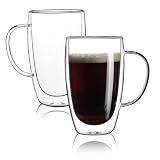
- A heat-proof, double-walled glass mug.
Brewing Instructions
- Brew your tea slightly stronger than usual to maximize the initial antioxidant capacity of the water before introducing dairy.
- Measure a smaller amount of skim milk instead of heavy whole milk. Studies indicate that lower fat and protein content causes less interference with flavonoid bioavailability.
- Consume your morning black tea entirely free of refined sugars to prevent inflammatory blood sugar spikes, thereby maximizing metabolic and heart health benefits.
Health Impact Evidence: According to a leading health impact report published recently, while the addition of milk temporarily alters the acute impact on vascular function, regular daily consumption of tea with milk still significantly boosts overall hydration levels and delivers heart-protective polyphenolic compounds.
6. Choose the Best Plant-Based Milk Alternative

Dairy-free? Pin this ultimate plant-based milk tea guide!
Which plant-based milk tastes best in black tea without separating? Barista-formulated oat milk and soy milk are the superior dairy-free options due to their robust emulsifiers and balanced protein structures.
For those managing lactose intolerance or following vegan diets, finding an herbal alternative to dairy can be challenging. When comparing dairy vs non-dairy options, standard thin almond milk frequently fails. It separates instantly upon contact with tannins, creating a watery, unappealing cup. Conversely, the best plant based milk for black tea is a specialized “barista blend” of oat milk or soy milk. These alternatives provide the essential creamy texture needed to mimic standard milk. Furthermore, nutritional analysis indicates that because plant milks lack bovine casein, they actually preserve more of the tea’s immediate antioxidant capacity.
Ingredients & Tools
- 1/4 cup of premium Barista-grade oat milk or soy milk.
- 1 cup of hot Earl Grey or standard black tea.
- A long stirring spoon.
Brewing Instructions
- Select a “barista blend” oat milk. These specific formulations contain natural emulsifiers that prevent the disastrous curdling frequently observed with thin almond milk in hot, acidic environments.
- Shake the carton vigorously before opening to fully combine any naturally settled lipids and proteins.
- Pour the plant-based milk slowly into your cup while continuously stirring to create a wonderfully creamy and completely dairy-free black tea beverage.
Expert Barista Insight: Soy milk contains a protein structure remarkably close to cow’s milk, making it exceptional at neutralizing acidity and reducing bitterness. Meanwhile, oat milk excels primarily in providing a naturally sweet, malty texture that perfectly complements Assam varieties.

7. Sweeten Strategically Without Spiking Blood Sugar

Love sweet tea? Pin this healthy sweetening guide to save your waistline!
How can you sweeten milk tea without consuming excessive calories? Swapping refined white sugar for measured raw honey or natural Stevia extract provides sweetness without inflammatory glucose spikes.
The relationship between black tea and sugar is culturally entrenched, but heavily sweetened cafe beverages come with a severe high calorie count. A standard cup of plain tea with milk contains negligible calories. However, dumping excessive brown sugar or heavy syrups into your mug negates the natural weight loss and tea benefits. When weighing sugar vs honey, raw honey is an expert recommended approach that perfectly complements aroma while adhering to daily dietary guidelines. Exploring low calorie milk tea options, like Stevia vs sugar, allows you to enjoy a decadent beverage without compromising your metabolic health.
Ingredients & Tools
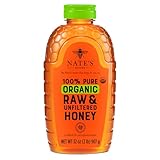
- 1 teaspoon of raw organic honey or pure Stevia extract.
- Your fully prepared, hot black tea with milk.
- A small teaspoon.
Brewing Instructions
- Wait until your tea has cooled slightly (below 140°F) before adding raw honey, as pouring it into boiling water destroys the delicate, beneficial enzymes.
- Measure exactly one level teaspoon of sweetener to strictly avoid blood sugar spikes while still achieving a beautifully balanced, rounded flavor profile.
- Dissolve the sweetener completely by stirring vigorously from the bottom up, ensuring no sticky syrupy residue is left at the bottom of the cup.
Pro-Tip: If you are strictly monitoring your tea with milk calories for weight management, skip the heavily processed condensed milk traditionally used in Southeast Asian teh tarik. Instead, combine a splash of skim milk with a pinch of pure Stevia for a creamy, zero-sugar treat.
Key Takeaways: Your Quick Guide to Black Tea With Milk
Why does mastering these techniques matter? Because understanding the precise interaction between brewing variables and dairy integration separates a mediocre drink from a restorative, health-optimizing daily ritual.
By applying these scientific principles and culinary standards, you can consistently craft a perfectly balanced standard black tea. Whether you are concerned about maximizing black tea health benefits or simply seeking the most comforting milk tea preparation for your morning routine, keeping these core facts in mind will ensure success. The summary below highlights the most critical insights regarding ratios, heat management, and nutritional impacts.
Key Takeaways:
- Match Bold Teas with Dairy: Always use a robust, full-bodied black tea base like Assam or English Breakfast. This ensures the malty flavor cuts through the rich fat of the milk without becoming watered down.
- Master the Golden Ratio: Aim for roughly one part milk to four parts water. This precise water + milk ratio ensures you soften flavor and neutralize acidity without losing the tea’s foundational character.
- Manage the Tannin Binding: Remember that milk proteins (casein) effectively bind with tannins to reduce harsh bitterness, making the drink much smoother and vastly safer for those with gastric mucosa sensitivities.
- Don’t Fear the Antioxidant Loss: While milk does temporarily slow the absorption of theaflavins, regular consumption of tea with milk still delivers exceptional antioxidant capacity and supports healthy endothelial function.
- Heat Milk to Prevent Curdling: Always gently simmer or warm your dairy or plant-based milk before mixing. This prevents thermal shock and the ugly, unappetizing separation known as curdling.
- Embrace Barista-Blend Plant Milks: If you have lactose intolerance, opt for barista-formulated oat milk over thin almond milk to perfectly recreate the creamy, opaque texture of standard dairy.
- Watch the Sweetener Trap: To maintain the metabolic benefits of your morning infusion, strictly monitor your black tea and sugar intake, swapping refined sugars for measured honey to control overall tea with milk calories.
People Also Ask About Black Tea With Milk
Still have questions about how dairy interacts with your favorite brew? Understanding the nuances of tea chemistry is essential for optimizing both flavor and long-term wellness.
Despite its global popularity, many drinkers hold common misconceptions about the health impacts, acidity, and proper preparation methods of adding milk to tea. From questioning whether dairy ruins antioxidants to figuring out precise caloric counts, the scientific realities often differ from old wives’ tales. Below, we address the most common practical and nutritional concerns based on current clinical studies and nutritional analysis.
Is black tea good with milk?
Yes, black tea is exceptional with milk, as the milk’s natural fats and proteins perfectly balance the tea’s natural astringency.
Adding milk creates a creamy, smooth, and full-bodied beverage that is highly comforting. Robust varieties like Assam and Ceylon are specifically cultivated to be enjoyed as a standard black tea mixed with dairy, making it a globally beloved morning infusion.
Why put milk in black tea?
People put milk in black tea primarily to reduce bitterness and neutralize the harsh tannic acid found in heavily oxidized tea leaves.
The casein proteins in the dairy naturally bind with tannins. This chemical interaction radically softens flavor and prevents the dry, puckering sensation in your mouth. Additionally, adding cold dairy helps cool the hot tea liquor to a much more comfortable drinking temperature.
Does milk ruin tea antioxidants?
No, adding milk does not completely ruin tea’s antioxidants, though it does temporarily slow down their absorption rate in the body.
While proteins bind to the tea’s flavonoids (like theaflavins), clinical study data shows that the human digestive system eventually breaks these casein-polyphenol complexes down. You still receive significant black tea health benefits, including cellular protection and vital support for optimal endothelial function.
How many calories in black tea with milk?
A standard 8 oz cup of plain black tea with two tablespoons of whole milk contains a very low count of approximately 18 to 20 calories.
However, your total tea with milk calories will skyrocket if you add commercial sweeteners. Adding just one tablespoon of refined sugar adds roughly 48 calories, and using condensed milk (like in a traditional teh tarik) can push a single serving well over 100 calories.
Does milk reduce tea’s acidity?
Yes, milk effectively reduces the overall acidity of the beverage, making it significantly gentler on the digestive system.
Black tea typically has a mildly acidic pH level ranging around 4.9 to 5.5. Adding neutral to slightly alkaline milk helps buffer this acidity, which is exactly why individuals suffering from mild acid reflux often find milky tea much easier to tolerate on an empty stomach.
Best ratio for milk in tea?
The best and most widely recommended ratio by culinary experts is one part milk to four parts steeped tea.
This golden water + milk ratio ensures the beverage remains distinctly tea-flavored rather than tasting like warm, tea-flavored milk. You can adjust slightly based on your preference for a milder brew, but avoid exceeding a 1:3 ratio to prevent a notoriously watery tea.
Can I use almond milk in black tea?
You can use almond milk, but it often yields a thin, watery texture and is highly prone to instantaneous curdling when mixed with hot tea.
If you prefer a plant-based milk, barista-blend oat milk or soy milk are vastly superior alternatives. They contain natural emulsifiers and a denser lipid-protein interaction that prevents separation and perfectly mimics the creamy mouthfeel of whole cow’s milk.
Which black tea is best with milk?
Assam, Ceylon, and robust English Breakfast blends are universally considered the absolute best black teas to pair with milk.
These specific teas possess strong, malty, and highly astringent flavor profiles that effortlessly pierce through the fat of the milk. Delicate teas, like Darjeeling or silver needle white tea, will be completely overpowered and taste muddy if you add dairy in tea.
Does black tea with milk cause weight gain?
Black tea with milk will not cause weight gain on its own, provided it is consistently consumed without excessive added sugars or heavy creamers.
A plain black tea beverage is virtually calorie-free, and a moderate splash of milk adds negligible calories. Weight gain only becomes a concern when drinking highly sweetened cafe-style milk teas heavily loaded with syrups, boba pearls, and processed sugars that trigger massive blood sugar spikes.
How to avoid curdled milk in tea?
To avoid curdling, always warm your milk gently before adding it to hot tea, or pour the hot tea very slowly into the cold milk.
Curdling happens due to severe temperature shock combined directly with the tea’s natural acidity. By tempering the milk first, or using the traditional British style tea method of putting milk in the cup first, you prevent the sensitive proteins from rapidly denaturing and clumping together.
Final Thoughts on Black Tea With Milk
Crafting the perfect cup of black tea with milk is far more than just splashing cold dairy into hot water; it is a delicate balance of kitchen chemistry and profound culinary tradition. By understanding how to properly brew a robust Assam or Ceylon base, you ensure your tea has the structural backbone necessary to support the rich addition of dairy. When you master the precise water + milk ratio and utilize proper steeping times, you effectively command the complex lipid-protein interaction, allowing the casein to perfectly bind with tannins and gracefully eliminate harsh bitterness.
From a modern wellness perspective, you can sip with absolute confidence. The current scientific consensus shows that while milk may slow down the immediate absorption of certain flavonoids, the overarching black tea health benefits—ranging from sustained hydration to improved endothelial function—remain highly effective. Whether you lean toward traditional whole milk, skim varieties, or modern barista-blend oat milk, your daily cuppa remains a healthy, heart-protective ritual.
Armed with these seven expert secrets, you are now fully equipped to elevate your morning routine and never settle for a tepid, watery tea again. You finally understand the science of the steep and the meticulous art of the pour.
What is your absolute favorite loose leaf blend to pair with milk, and will you be trying the warm-milk technique tomorrow morning to prevent curdling? Let us know in the comments below!
Last update on 2026-10-08 / Affiliate links / Images from Amazon Product Advertising API
