
As an Amazon Associate CoffeeXplore.com earns from qualifying purchases.
Black Tea With Cream: 7 Secrets for a Velvety Smooth Cup
Does your perfectly brewed morning cup suddenly turn into a harsh, astringent disappointment? Experiencing a dry mouthfeel from over-steeped leaves is a frustrating daily struggle for many. Discovering how to master black tea with cream changes everything.
Adding cream to black tea is highly recommended because the heavy dairy fats and proteins bind to the tea’s tannins, effectively neutralizing its natural bitterness. This chemical process smooths out the astringent edges of strong infusions, resulting in a full-bodied beverage.
Drawing from comprehensive analysis of current data and certified tea sommelier methodologies, we understand this delicate balance. You will discover seven expert secrets that transform a harsh brew into a velvety masterpiece. Elevate your daily routine with these proven, science-backed brewing techniques today.
Contents
show
7 Secrets for a Velvety Smooth Cup of Black Tea With Cream
Transforming base ingredients into a luxurious, cafe-quality beverage requires more than just pouring milk into a mug. The perfect creamy black tea relies on a precise brewing process that carefully manages temperature, time, and extraction. By understanding the synergy between an aromatic blend of tea and high-quality dairy, you can completely elevate your morning routine.
Whether you are steeping a robust morning blend or brewing an iced afternoon refresher, the way you integrate these elements dictates the final mouthfeel. A strong black tea with cream requires specific methodologies to prevent curdling and achieve a seamless, rich emulsion. From mastering the tea with milk and sugar ratios of European traditions to whipping modern cold foams, these seven actionable steps will guide you toward crafting an impeccably smooth texture every single time.
1. Select Robust Leaves (Assam or Ceylon) to Hold Up to Dairy

Save this premium tea selection guide to your favorite beverage board!
The foundation of any exceptional dairy-infused beverage begins with the right leaf. A premium black tea naturally holds up to thick dairy, whereas lighter green or white teas will almost always result in a flavor muddle where the subtle notes are completely lost. To punch through the heavy lipids of cream, you need structurally robust options like English Breakfast tea, Irish Breakfast tea, or an African red tea. It is highly recommended to avoid delicate Darjeelings if you plan on adding thick dairy fats.
When sourcing your loose leaf tea, look specifically for highly oxidized varieties. An authentic Assam black tea or a high-grown Ceylon tea possesses the deep, malty notes necessary to complement rather than clash with dairy. The processing method of the leaves dictates how well they will extract in the presence of fat, directly influencing the delicate flavors you experience in the final cup.
Ingredients
- 2 grams (1 teaspoon) of premium Assam or Ceylon tea (loose leaf preferred over tea bags)
- 8 ounces of freshly filtered, cold water
- 1 tablespoon of heavy whipping cream or high-fat dairy alternative
- Optional: A natural sweetener like honey or cane sugar to enhance the malty notes
Directions
- Measure out your loose leaf tea using a precise kitchen scale to ensure a strong, full-bodied ratio.
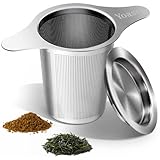
- Place the leaves into a spacious stainless steel infuser to allow the fragrant tea leaves room to expand fully.
- Pre-warm your teacup by swirling a splash of hot water inside and discarding it.
- Prepare to brew, knowing that these specific dark, oxidized leaves are robust enough to prevent a flavor muddle when the dairy is introduced.
What most guides miss: As a certified tea sommelier, I always recommend choosing Assam CTC vs Orthodox if you want a truly punchy, strong cup. The “Crush, Tear, Curl” (CTC) method exposes more surface area, resulting in a darker, more astringent brew that perfectly synergizes with thick cream, unlike Orthodox leaves which offer a lighter liquor.


2. Optimize Water Temperature to Control Tannin Extraction

Pin this brewing temperature hack to guarantee a perfectly smooth cup every time!
Once you have your premium leaves, mastering the heat is your next critical step. Your water temperature directly extracts the tannins and polyphenol oxidation compounds that give the brew its character. If the water is too cool, the beverage will taste flat; if it is relentlessly boiling, it will scorch the leaves and release an overwhelming bitterness. Finding the ideal water temperature for tea is what separates a harsh drink from a smooth, brisk flavor profile.
According to industry standards, dark teas require water between 205°F and 212°F to properly initiate aroma volatile release. By controlling this temperature and adhering to strict timing, you prevent the dreaded over-steeping that pulls excessive, uncorrectable bitterness into the cup before the dairy is even introduced.
Ingredients
- Fresh, cold, filtered water (avoid distilled water as minerals are needed for flavor extraction)
- Your selected premium black tea
- A variable temperature electric gooseneck kettle
- A digital tea timer or stopwatch
Directions
- Fill your kettle with freshly drawn, cold filtered water to ensure optimal oxygen levels for extracting flavor.
- Set your variable temperature kettle to precisely 205°F – 212°F (96°C – 100°C), the ideal temperature for this oxidation level.
- Pour the hot water evenly over the leaves, ensuring they are fully submerged to trigger proper aroma volatile release.
- Set your timer and steep for exactly 3 to 5 minutes; over-steeping past 5 minutes will pull excessive bitterness that even the heaviest dairy cannot fully mask.
- Remove the leaves immediately to halt the extraction process and lock in the brisk flavor.
Expert insight on tannin-protein binding: To master tannin-protein binding, you actually want a slightly more astringent steep than you would drink plain. Steeping closer to the 5-minute mark creates the robust theaflavins and thearubigins profile required to cut through thick dairy fats without getting lost. This ensures the tea remains the star of the show.

3. Employ the East Frisian Method with ‘Kluntje’ Sugar

Save this stunning traditional tea preparation method to inspire your next afternoon tea!
While modern coffee shops have popularized sweet cream foams, turning to history offers one of the most culturally rich ways to enjoy this beverage. The East Frisia tradition seamlessly integrates Kluntje sugar, strong tea, and a specialized cream pouring technique to create a dynamically layered tasting profile. Hailing from Northern Germany, this historical tradition treats the afternoon tea break as an essential daily ritual.
By adopting this authentic recipe, you move beyond just stirring ingredients together. The method specifically relies on the interaction between the hot traditional black tea and the dense sugar crystal, topped off with a delicate layer of cream that forms beautiful “Wulkjes” (clouds). The magic happens when the sugar + cream remain unmixed, offering a different sensory experience with every sip.
Ingredients
- 1 large piece of German rock sugar (traditionally known as East Frisian ‘Kluntje’ sugar)
- 1 cup of freshly brewed black tea (preferably a strong Assam blend)
- 1 to 2 tablespoons of liquid heavy cream
- A specialized cream spoon (Rohmlepel) or small pitcher
Directions
- Place a single, large piece of rock sugar at the very bottom of your empty teacup.
- Pour the steaming, freshly steeped traditional black tea directly over the rock sugar—listen closely for the traditional crackling sound as the sugar reacts to the heat.
- Take your small pitcher and gently, carefully pour the cream in a circular motion along the inner edge of the teacup.
- Allow the cream to sink to the bottom and rise back up, creating beautiful, blooming white clouds.
- Crucial step: Do not stir the cup! Drink it in layers to experience the sugar and cream synergy as it transitions from creamy, to astringent, to deeply sweet at the bottom.
An often-overlooked strategy: The beauty of the East Frisia tradition lies in its unmixed sensory evaluation. By refusing to stir, you experience the viscosity in beverages changing dynamically across your palate, starting with the bitter-creamy top and finishing with the pure, sweet syrupy finish of the melting Kluntje sugar.

4. Compare and Select Your Ideal Dairy (Heavy Cream vs Milk)

Pin this ultimate dairy comparison guide to choose the perfect texture for your morning brew!
Achieving the perfect dairy fat tea pairing requires carefully evaluating your personal preferences regarding texture, dietary needs, and calories + heavy cream intake. The classic cream vs milk debate ultimately comes down to the desired mouthfeel and the fat-to-protein ratio. While whole milk offers a lighter, more traditional British style, understanding the difference between half and half vs heavy cream fundamentally alters the opaque appearance and physical thickness of the drink.
For those requiring lactose intolerance options, non-dairy alternatives have advanced significantly. However, not all plant milks behave the same way under heat. Selecting a rich oat milk creamer or a coconut cream alternative requires understanding how their specific fat structures interact with the brew compared to traditional dairy proteins.
Ingredients
- Option 1: Heavy whipping cream (36-40% fat) – For maximum velvety mouthfeel
- Option 2: Half and half (10-18% fat) – The standard, balanced choice
- Option 3: Whole milk (3.25% fat) – Thinner texture, higher water content
- Option 4: Oat milk creamer or coconut cream alternative – For lactose intolerance
- A dedicated cream pitcher for serving
Directions
- Evaluate your desired texture: If you want to completely mask tannic harshness and create a dessert-like experience, pour 1 tablespoon of heavy cream.
- If you are watching your calorie intake, measure exactly 2 tablespoons of whole milk or half-and-half.
- For a dairy-free approach, thoroughly shake your oat milk creamer before use, as plant-based milks tend to separate.
- Mixing technique: Always add your chosen dairy slowly, assessing the color change until the tea reaches a rich, opaque appearance like caramel.
Nutritional data and dairy chemistry: The science of a tea fat emulsion relies heavily on lipid volume. Casein interaction (the primary protein in dairy) is what actually binds to the bitter tannins. Heavy cream has fewer proteins and more fat than milk, meaning milk actually binds bitterness slightly better chemically, while heavy cream provides superior thickness and viscosity. A blend of the two (half-and-half) is chemically ideal for most drinkers.

5. Temper the Cream to Prevent Curdling and Acidic Reactions

Save this essential culinary technique to ensure your cream never curdles in your tea again!
Nothing ruins a perfectly brewed cup faster than the sight of floating white chunks. Dairy curdling occurs when high heat and natural tea acidity instantly shock the cold milk proteins, causing them to denature and separate. The culinary action of tempering effectively softens this heat shock, safely introducing cold fat into acidic, near-boiling water without breaking the emulsion.
This professional blending technique is standard in fine dining and pastry arts, but it is equally critical for your morning beverage routine. By taking just thirty seconds to gently adjust the temperature of your dairy, you guarantee a visually flawless, perfectly smooth integration every time.
Ingredients
- 1 freshly steeped cup of very hot black tea (can be highly acidic)
- 1 to 2 tablespoons of cold dairy cream straight from the refrigerator
- A small secondary cup or ramekin
- A stirring spoon
Directions
- Instead of pouring cold cream directly into your near-boiling teacup, pour your cold cream into the small, separate ramekin first.
- Take one tablespoon of your hot, freshly brewed tea and slowly dribble it into the cold cream while stirring vigorously.
- Add a second tablespoon of hot tea to the cream, continuing to mix. This is the act of tempering, which gently raises the temperature of the dairy fats.
- Once the cream is warm to the touch, slowly pour the tempered mixture back into your main teacup.
- Watch as the dairy integrates flawlessly without a single clump, completely avoiding the harsh reaction caused by tea acidity and heat shock.
Expert culinary recommendation: If you frequently experience curdling even when tempering, switch your tea base. Extremely fruity black teas (like those blended with hibiscus or heavy citrus) have a much lower pH. The high acid content will denature the dairy proteins instantly, regardless of temperature. Stick to pure tannin-rich beverages like Assam or English Breakfast for maximum stability.
6. Whip a Sweet Cream Cold Foam for Iced Variations

Pin this incredible Starbucks copycat recipe to make your own iced sweet cream tea at home!
Transitioning from hot, traditional preparations to modern, chilled beverages opens up entirely new textural possibilities. An iced black tea with vanilla sweet cream inherently requires specific whipping and frothing techniques to recreate that beloved Starbucks vs home-brewed coffee shop experience. When serving cold tea, simply pouring liquid dairy into ice often results in a watery, separated mess rather than a cohesive drink.
By crafting a sweet cream cold foam, you create a buoyant, highly flavored cap that slowly cascades into the iced morning black tea. This method not only elevates the aesthetic appeal of a standard refreshing iced beverage but also provides a concentrated burst of sweet, luscious vanilla flavor with every sip before mixing into the robust tea beneath.
Ingredients
- 1 cup of strong, double-steeped refreshing iced black tea (chilled)
- 2 tablespoons of heavy whipping cream
- 1 tablespoon of 2% milk (crucial for structural foam)
- 1 tablespoon of high-quality vanilla syrup (or pure extract with simple syrup)
- Ice cubes
- A handheld electric milk frother wand
Directions
- Prepare your glass by filling it to the brim with ice cubes and pouring your chilled, strong infusion of black tea over the ice, leaving about an inch of room at the top.
- In a separate small pitcher, combine the heavy whipping cream, the 2% milk, and the vanilla syrup.
- Submerge your frother wand into the dairy mixture and begin whipping on high speed for approximately 15 to 20 seconds.
- Stop frothing when the mixture doubles in size and achieves a thick, velvety sweet cream cold foam consistency.
- Gently pour the foamed cream over the top of your iced tea, allowing it to slowly cascade and mingle with the dark amber liquid below.
What most home baristas miss: If you only use heavy cream, your foam will turn into stiff whipped cream. The secret to the sweet cream cold foam found in a Starbucks iced tea is the addition of the 2% milk. The milk proteins destabilize the heavy cream just enough to keep it pourable while maintaining a thick, luxurious cap that rests perfectly on the ice.

7. Neutralize Astringency by Balancing Steeping Time and Fat Content

Save this expert ratio guide to perfectly balance the bitterness in your daily tea!
To truly master this beverage without relying on static recipes, you must understand the underlying formula that governs flavor. The duration of your steeping time actively balances with the total volume of dairy fat to act as a highly effective bitterness neutralizer. The more aggressively you are extracting tannins from the leaves, the more lipid volume you need to restore the sweetness balance.
By establishing a baseline ratio and using careful tasting notes, you can systematically eliminate natural bitterness and rescue even an accidentally over-steeped pot. This precise scaling elevates you from a casual drinker to an informed connoisseur capable of adjusting any brew on the fly to achieve a flawless, smooth texture.
Ingredients
- Your preferred hot or iced black tea dairy beverage
- Heavy cream, half-and-half, or milk
- A high-precision digital kitchen scale (capable of measuring to the 0.1 gram)
- A digital timer
Directions
- Establish your baseline: Brew 2.5 grams of tea leaves in 8 ounces of water for exactly 4 minutes.
- Weigh your dairy addition. Start with 15 grams (roughly 1 tablespoon) of heavy whipping cream.
- Perform a tasting notes test. If the tea still exhibits a dry, astringent finish, your tea is overpowering the fat.
- Tempering the ratio: For every additional minute of steeping time past your 4-minute baseline, add 5 extra grams of dairy to act as an effective tannin neutralizer.
- Log your preferred sweetness balance and ratio, as every specific blend (from Assam to Ceylon) will require a slightly different fat percentage to reach a smooth texture.
Expert insight on flavor enhancement: Dairy fats act as incredible lipid-based flavor carriers. If you are using a vanilla cream flavored black tea blend, increasing the heavy cream won’t just mute the bitterness—it will chemically amplify the fat-soluble vanilla aromatics, making the flavor profile taste significantly more pronounced, aromatic, and rich across your palate.

Beyond the Cup: The Rise of Black Tea Cream in Skincare
Did you know that the same chemical compounds that make tea bitter are highly prized in dermatology? The application of the primary entity goes far beyond morning beverages. In the modern cosmetics industry, a black tea extract directly enhances cellular longevity and skin barrier repair when formulated into advanced topical skincare formulations.
As consumers increasingly search for anti-aging solutions, the anti aging night cream market has embraced the potent antioxidants found in Camellia sinensis. A high-quality black tea complex or concentrated black tea essence leverages the exact same polyphenols (like theaflavins and catechins) that we carefully extract during the brewing process. Recent clinical trials and antioxidant analysis demonstrate that these lab-tested formula creams provide intense firming properties, protecting the skin from environmental free radicals just as effectively as they provide health benefits when ingested.
Key Takeaways: Your Quick Guide to Black Tea With Cream
Reviewing these essential brewing guidelines ensures you capture the perfect natural cream flavor while acting as an effective bitterness neutralizer every time you brew:
- Choose Robust Bases Over Delicate Blends: Always start with a strong Assam or Ceylon black tea; delicate green or white teas will suffer a flavor muddle when heavy dairy lipids are introduced.
- Control the Extraction Temperature: Keep your brewing temperature between 205°F and 212°F to properly release the aroma volatiles without scalding the leaves.
- Leverage the Power of Tannin-Protein Binding: The casein proteins in milk and the fats in heavy whipping cream chemically bind to astringent tannins, acting as a natural bitterness neutralizer.
- Embrace the East Frisian Tradition: For an elevated experience, layer Kluntje rock sugar, tea, and cream without stirring to experience a dynamic, changing tasting profile.
- Always Temper to Prevent Curdling: Never pour cold dairy directly into a boiling, acidic cup of tea; warm the cream slowly with a few spoonfuls of tea to prevent heat shock.
- Replicate Cafe Favorites with Cold Foam: You can recreate a Starbucks iced tea by frothing a mixture of heavy cream, 2% milk, and vanilla syrup to pour over chilled black tea.
- Understand the Skincare Crossover: The same potent antioxidants (polyphenols) that make tea astringent are highly prized in cosmetics as a black tea complex for skin barrier repair.
People Also Ask About Black Tea With Cream
Is black tea good with cream?
Yes, black tea is excellent with cream because the heavy dairy fats actively bind to the tea’s natural tannins, neutralizing harsh astringency and creating a velvety, full-bodied beverage.
While delicate green or white teas can be overpowered by thick dairy, robust, highly oxidized varieties like Assam, Ceylon, and English Breakfast are chemically structured to pair perfectly with heavy lipids. This combination transforms a potentially bitter morning brew into a smooth, creamy decoction that is deeply satisfying.
What is black tea with cream called?
Depending on the region and preparation method, black tea with cream can be called a “White Tea” (in British terminology, meaning tea with milk/dairy), a “Tea Latte,” or an “East Frisian Tea.”
If you are using a sweetened, frothed cream poured over ice, it is commonly referred to as an iced tea with sweet cream cold foam. In traditional British tea culture, simply asking for “tea” implies a black breakfast blend served with a side of dairy to be added to taste.
Does anyone drink tea with cream instead of milk?
Yes, drinking tea with heavy cream or half-and-half is very popular, particularly in regions like East Frisia (Germany) and among enthusiasts looking for a richer, more dessert-like flavor profile.
While standard whole milk is the traditional British choice due to its higher protein content (which binds well with tannins), heavy cream is favored by those on low-carbohydrate diets or those who prefer a highly viscous, deeply indulgent velvety mouthfeel that standard milk cannot provide.
Why does my cream curdle in black tea?
Cream curdles in black tea due to a combination of high heat shock and the natural acidity of the tea leaves, which causes the dairy proteins (casein) to instantly denature and clump.
To prevent this frustrating dairy curdling, you must temper the cream. Slowly mix a few spoonfuls of hot tea into your cold cream in a separate vessel before pouring it all back into your mug. Additionally, avoid heavily fruited or citrus-infused black teas, as their high acid content accelerates curdling.
How many calories are in black tea with cream?
A standard 8-ounce cup of black tea contains zero calories, but adding one tablespoon of heavy whipping cream adds exactly 50 calories and 5.5 grams of fat.
If you opt for half-and-half instead, one tablespoon adds approximately 20 calories and 1.7 grams of fat. Understanding this dairy nutrition facts breakdown is crucial for those tracking macros, as multiple cups of thick, dairy-infused infusion can quickly add up in daily caloric intake compared to using a splash of skim milk.
Can I put coffee creamer in black tea?
Yes, you can absolutely put liquid or powdered coffee creamer in black tea, though it will significantly alter the traditional flavor profile by introducing artificial sweeteners and thickeners.
While traditionalists prefer pure dairy cream to let the malty notes of the tea shine, commercial coffee creamers (like hazelnut or vanilla) are formulated to resist heat and acidity, making them incredibly stable. They will not curdle, providing an incredibly smooth, albeit highly sweetened, liquid tea creamer experience.
What is the difference between tea with milk and tea with cream?
The primary difference lies in the fat-to-protein ratio; milk contains more water and protein, making the tea lighter, while cream contains significantly higher fat, resulting in a heavier, more viscous drink.
Because milk has more casein protein, it actually binds to the bitter tannins slightly more efficiently than cream. However, cream provides superior viscosity and a richer mouthfeel. Choosing cream vs milk ultimately comes down to whether you prioritize a lighter, refreshing cup or a heavy, dessert-like texture.
How to order black tea with cream at Starbucks?
To order a creamy black iced tea at Starbucks, ask the barista for a “Custom Iced Black Tea with no classic syrup, and add Vanilla Sweet Cream Cold Foam on top.”
If you prefer a hot beverage, you can order a “Hot Royal English Breakfast Tea with a splash of heavy cream.” Be specific about wanting heavy cream rather than standard milk, as Starbucks defaults to 2% milk for their standard tea-based latte and brewed tea preparations unless specified otherwise.
Is black tea with cream keto friendly?
Yes, a cup of pure black tea combined with a tablespoon of unsweetened heavy whipping cream is highly keto-friendly, containing less than 1 gram of carbohydrates.
Black tea itself has zero carbs, and heavy cream is almost entirely pure dairy fat. However, you must avoid adding sugar, honey, or commercial sweetened creamers. To maintain the sweetness balance while staying in ketosis, use a keto-approved sugar alternative like stevia or monk fruit alongside your heavy cream.
Can I use black tea cream on my face?
Yes, but you must use specially formulated cosmetic “black tea cream” or “black tea complex” products, not the beverage mixture of dairy and brewed tea.
In dermatology, anti aging night cream utilizing black tea extract is highly prized for its potent antioxidant (polyphenol) properties that combat free radicals and aid in skin barrier repair. Applying actual dairy cream and beverage tea to your face can clog pores and cause bacterial breakouts due to the dairy fats.
Final Thoughts on Black Tea With Cream
Mastering the perfect cup of black tea with cream is a journey that elevates your daily morning routine from a simple caffeine fix to a refined, artisanal ritual. By understanding the underlying science of how heavy dairy lipids and casein proteins interact with robust, highly oxidized tea leaves, you unlock the ability to completely eliminate astringency and craft a beverage with an impossibly velvety mouthfeel.
Whether you are seeking the historical elegance of the traditional black tea with cream methods via the East Frisia tradition with its crackling Kluntje sugar, or simply trying to recreate a trendy, indulgent iced beverage with a thick layer of sweet cream cold foam, the foundation of your success relies on these core principles. From selecting a punchy Assam or Ceylon base to meticulously controlling your steeping temperature and tempering your dairy to prevent heat shock, these seven secrets guarantee a flawlessly smooth cup every single time.
Now that you possess the expert recommendation guidelines and the culinary science to chemically balance tannins with fat, the real experimentation begins. Have you tried substituting heavy cream for half-and-half, or perhaps experimented with an oat milk creamer alternative? What is your personal golden ratio for the perfect, creamy black tea? Share your favorite tea bases, dairy combinations, and brewing triumphs in the comments below!
Last update on 2026-10-08 / Affiliate links / Images from Amazon Product Advertising API
