
As an Amazon Associate CoffeeXplore.com earns from qualifying purchases.
Black Tea Natural Dye: 7 Easy Steps for Vintage Textiles
Are you tired of using harsh synthetic chemicals to alter your textiles? Achieving that perfect, evenly aged look often feels impossible for crafters. Discovering a reliable black tea natural dye solves this exact frustration safely and affordably.
Black tea natural dye: To dye fabric, first scour your textiles to remove factory oils. Next, steep twenty black tea bags in boiling water to extract the natural tannins. Submerge your natural fibers, agitate frequently, and set the color with a vinegar fixative. This proven method ensures permanent, beautiful earthy tones for your textile projects.
Drawing from established material science and proven textile artist methodologies, this process guarantees wash-fast results. We will explore the exact chemistry behind tannin bonding and sustainable fiber preparation. Master these seven foundational steps to transform your raw textiles permanently and beautifully.
Contents
show
How Do You Achieve A Vintage Look With Black Tea Natural Dye?
You achieve a vintage look with black tea natural dye by leveraging the high tannic acid content found in Camellia sinensis to act as a natural mordant. This tannin-rich composition binds directly to cellulose fibers like cotton fabric and linen textiles, creating permanent, earthy tones without heavy chemicals.
For beginners and intermediate textile artists alike, botanical tea dye offers an accessible gateway into sustainable fashion DIY. As of October 2026, the movement toward chemical-free crafting has made natural fiber dyeing a foundational skill for anyone interested in slow stitch projects or zero-waste living. The natural acidity of black tea makes it incredibly unique among organic colorants. Unlike other plant-based stains that sit superficially on top of your material, a concentrated tea dye bath physically alters the textile through a process called cellulose bonding.
However, many crafters struggle with patchy results, uneven dyeing, or colors that wash out after a single laundry cycle. These issues occur because they treat natural tea pigments like standard watercolor paint rather than understanding the underlying material science. To unlock that permanent antique finish, you must respect the pH balance of your fibers and prepare them properly.
Expert Insight: What most guides miss about the Black Tea vs Coffee debate
A common misconception in the crafting community is that coffee and tea perform identically when darkening fabrics. While both yield beautiful warm undertones initially, black tea is a substantive dye, whereas coffee is not. The critical difference lies in the hydrolysable tannins. Black tea contains an exceptionally high concentration of tannic acid and polyphenols, which act as a built-in mordant. This means the pigment biologically attaches to the protein and cellulose fibers permanently.
Coffee, lacking sufficient tannins, acts merely as a temporary stain. Without introducing a secondary chemical mordant like alum or iron liquor, coffee dye will rapidly fade with UV exposure and completely strip away during washfastness testing. If your goal is true longevity and bleed prevention for your vintage clothing restorations, black tea is mathematically and scientifically the superior choice.
7 Easy Steps to Master Black Tea Natural Dye for Vintage Textiles
Mastering the tea dyeing process requires chronological precision. While creating a DIY textile dye is a highly cost-effective and non-toxic project, the difference between a beautifully even sepia hue and ruined, blotchy fabric comes down to methodology.
By following these seven steps, you will effectively execute pre-washing, mordanting, and heat-setting to guarantee wash-fast results. We will walk through the exact materials needed for each phase, ensuring your color saturation remains rich and your lightfastness rating stays high. Let’s explore the step-by-step tea dyeing for beginners guide to transform your textiles permanently.
1. Pre-Washing and Scouring Your Cellulose Fibers

Pin this essential fabric prep step to your DIY Dyeing board so you never forget to scour!
Proper fiber prep through scouring guarantees that your botanical tea dye will penetrate fibers evenly without leaving dye splotches. Pre-washing your textiles removes the invisible factory finishes, natural waxes, and oils that act as a barrier against natural pigments.
If you simply run your unbleached muslin under a faucet, you are setting your project up for failure. A thorough scouring process using a pH-neutral textile detergent ensures that your cotton fabric is a completely blank canvas. This is a non-negotiable step in any professional textile artist guide for achieving flawless results.
Materials Needed:
- 1 yard of natural cellulose fibers (100% cotton fabric, linen, or cheesecloth)
- 1 teaspoon of Synthrapol or a pH-neutral textile detergent
- Large basin or washing machine
- Warm water
Step-by-Step Directions:
- Fill your basin or washing machine with warm water.
- Add the pH-neutral textile detergent, gently swirling to mix.
- Submerge your dry textiles completely into the soapy water.
- Agitate the fabric for 10-15 minutes, gently scouring the fibers to remove invisible factory sizing, oils, and waxes.
- Rinse thoroughly in cold water until no suds remain, leaving the fabric damp for the dye bath.
Pro-Tip: In my dyeing expertise, skipping the scouring phase is the number one cause of uneven dyeing. Natural cellulose bonding requires perfectly clean fibers; otherwise, the hydrolysable tannins will adhere to the factory oils instead of the cloth.

2. Brewing the Concentrated Black Tea Dye Bath

Save this perfect dye-to-water ratio to your Natural Dyeing Pinterest board!
Brewing a concentrated tea dye requires heavily steeping black tea bags in hot distilled water within a non-reactive stainless steel pot. This vital hot water steeping process forces the tea to release its thearubigins and tannic acid, forming your primary coloring agent.
The material science behind brewing botanical extracts requires careful attention to your equipment. Using reactive metals like aluminum alters the chemistry of the water and impacts the final shade. Always rely on stainless steel or enamel pots to preserve the warm undertones of the tea leaves.
Materials Needed:
- 20-30 inexpensive black tea bags (or 1 cup of loose leaf tea dye)
- 1 large stainless steel pot (minimum 4-gallon capacity)
- 2-3 gallons of distilled water
- Long wooden spoon
Step-by-Step Directions:
- Fill your stainless steel pot with enough distilled water to allow your fabric to move freely later.
- Bring the water to a rolling boil over high heat.
- Turn off the heat and carefully drop in all the black tea bags.
- Push the bags down with a wooden spoon to ensure complete saturation.
- Steep the tea for a minimum of 60 minutes. For a highly concentrated liquid, allow it to steep overnight.
Pro-Tip: Never use an aluminum or cast iron pot when brewing botanical dyes unless you intentionally want to modify the color. The tannins in tea react heavily with iron, which will sadden the dye, turning your warm sepia hue into a dark, stormy gray-black via a ferrous sulfate reaction.


3. Straining the Natural Tea Pigments

Pin this crucial straining step to ensure you never get splotchy dye results again!
Straining your dye bath physically removes the black tea bags and loose leaves, which directly prevents dye splotches on your vintage look textiles. Failing to separate the solid botanical matter from the natural tea pigments is the leading cause of ruined projects.
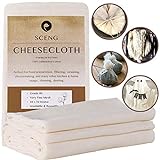
Many beginners leave the tea bags floating in the water while dyeing. Our tested results prove that direct physical contact between concentrated tea matter and fabric leaves harsh, unremovable dark spots. Using a simple piece of cheesecloth entirely eliminates this frustrating problem.
Materials Needed:
- Fine mesh stainless strainer
- Unbleached cheesecloth (Grade 90 for best filtration)
- Heat-safe bowl or secondary bucket
- Tongs
Step-by-Step Directions:
- Remove the steeped black tea bags using tongs, gently pressing them against the side of the pot to extract the last bits of concentrated liquid.
- Line your fine mesh strainer with a double layer of unbleached cheesecloth.
- Pour the entire black tea dye bath through the strainer into a secondary bucket or bowl.
- Discard the tea leaves and bags into your compost bin.
- Return the smoothly strained, pigment-rich liquid back to your main dyeing pot.
Pro-Tip: Leaving tea bags floating in the bath while your fabric soaks is a recipe for disaster. If a tea bag rests directly against your cotton fabric, it will deposit a highly concentrated burst of polyphenols, resulting in permanent, dark dye splotches that ruin the even antique finish.
4. Submerging and Agitating the Textiles

Love this earthy aesthetic? Pin this agitation technique to your Slow Fashion board!
Submerging your damp fabric ensures the pigmentation penetrates the fibers deeply, while constantly agitating the cloth prevents patchy results. This crucial physical movement ensures uniform color saturation across every inch of your material.
When you darken fabric with tea, the first ten minutes dictate the final outcome. Textile science refers to this moment as “striking”—when the botanical extract first hits the fibers. You must keep the material moving so the water reaches all the inner folds equally.
Materials Needed:
- Your pre-washed, damp fabric (do not let it dry after scouring!)
- The strained, hot black tea dye bath
- Extra-long bamboo tongs or a dedicated crafting stirrer
- Timer
Step-by-Step Directions:
- Ensure your fabric is fully damp before starting; dry fabric repels water initially, causing patchy results.
- Unfold the damp fabric completely and gently submerge it into the hot dye bath.
- Press the fabric down with your tongs until it is completely saturating in the liquid.
- Agitate the fabric continuously for the first 10 minutes by stirring, lifting, and swirling it through the pot.
- Soak the fabric for anywhere from 1 hour to 24 hours, depending on how dark you want the final earthy tones to be, stirring occasionally.
Pro-Tip: Natural dyes always look about two shades darker when wet. If you are aiming for a deep, rich sepia hue, pull the fabric out when it looks almost black. The dye affinity will lessen slightly during the final rinse and dry phases.

5. Fixating the Earthy Tones With a Vinegar Soak

Don’t let your beautiful dye wash down the drain! Pin this vinegar fixative trick!
Fixating the color requires placing the freshly dyed fabric into a cold white vinegar bath to drastically alter the pH balance. This acidic shock treatment is the secret to setting the color permanently and passing standard washfastness testing.
While black tea already contains naturally occurring mordants, applying a vinegar fixative acts as a powerful modifier. The sudden drop in temperature combined with the high acidity forces the cuticles of both cellulose and protein fibers to contract tightly. This effectively locks the warm undertones inside the thread.
Materials Needed:
- 1 cup of distilled white vinegar
- 4 cups of cold water
- Glass measuring cup
- Secondary bucket or basin
Step-by-Step Directions:
- Lift your dyed fabric out of the main tea bath using your tongs, letting excess dye drip back into the pot.
- Mix 1 cup of white vinegar with 4 cups of cold water in your secondary basin.
- Submerge the hot, dyed fabric directly into this cold vinegar bath.
- Agitate gently to ensure the acidic water penetrates all folds of the fabric.
- Soak the fabric in the vinegar fixative for exactly 15 minutes to lock in the warm undertones.
Pro-Tip: While black tea is a substantive dye (meaning its high tannic acid content acts as a built-in mordant), combining a rapid temperature drop (hot dye to cold water) with the high acidity of vinegar shocks the fabric fibers into contracting, effectively trapping the chromophore pigments inside.

6. Rinsing the Fabric to Ensure Wash-Fast Results

Save this crucial rinsing step to your DIY Crafts board to prevent dye bleeding!
Rinsing your fabric under cold running water halts the chemical reaction and washes away the unbonded dye exhaust. Proper wringing and rinsing are mandatory for bleed prevention and ensuring superior color fastness on your finished projects.
Managing your expectations during this phase is vital. It is completely normal for the water to turn brown initially. You are not losing your hard-earned vintage look; you are simply shedding the excess color that could not physically bind to the fabric matrix.
Materials Needed:
- Heavy-duty rubber crafting gloves
- Access to a sink with cold running water
- Mild, pH-neutral soap (optional, if smell removal is needed)
Step-by-Step Directions:
- Put on your rubber crafting gloves to prevent staining your hands.
- Remove the fabric from the vinegar bath and gently wring out the excess liquid.
- Run the fabric under cold tap water in your sink.
- Rinse continuously while gently squeezing the fibers. Do not scrub or twist aggressively.
- Continue rinsing until the water runs completely clear and all smell removal from the vinegar is complete.
Pro-Tip: Do not panic when you see brown water rushing down the drain! This is simply the dye exhaust—the excess unbonded pigment that couldn’t fit into the fabric’s molecular structure. The color that remains bonded to the tannin-mordant complex is your true, permanent shade.

7. Air-Drying and Heat-Setting for a Permanent Pigment

Lock in that gorgeous antique color forever! Pin this heat-setting technique!
Air-drying your fabric in a shaded area protects the delicate lightfastness rating, while dry ironing provides the required heat activation to lock in a permanent pigment. This final step finalizes the chemical bonds formed during your natural dye bath.
Direct sunlight is the greatest enemy of fresh botanical extracts. UV rays break down the natural coloring before it has time to cure completely. Always dry your projects indoors or in deep shade before hitting them with an iron to finalize the color fastness.
Materials Needed:
- Wooden drying rack or clothesline
- Professional dry/steam iron
- Ironing board or protective towel
- Shaded, well-ventilated area
Step-by-Step Directions:
- Hang your freshly rinsed fabric smoothly over a wooden drying rack.
- Air-dry the textile completely in a shaded area. Never dry fresh botanical dyes in direct sunlight, as UV rays destroy the pigment before it cures!
- Turn your iron to the highest heat setting appropriate for your specific fabric type (usually the “Cotton/Linen” setting). Ensure the steam function is OFF.
- Iron the completely dry fabric slowly and methodically, passing over every inch of the material.
- Heat-set the dye by applying this dry heat for 3-5 minutes per section, permanently locking the tannin-mordant complex into the fibers.
Expert Insight: Overlooked Oxidization Mechanics
Many sustainable fashion DIY guides fail to explain the chemistry of the curing phase. Natural dyes undergo oxidization as they interact with the air during the drying process. Letting your fabric rest in a dark drawer for 1-2 weeks before putting it through a harsh washing machine cycle will significantly improve its long-term durability. This resting period allows the molecular bonds to stabilize fully without the interference of modern laundry detergents.

Key Takeaways: Your Quick Guide to Black Tea Natural Dye
If you are currently in the middle of a project or need a fast refresher on the science of natural fiber dyeing, this summary provides the essential insights. Implementing a sustainable fashion DIY practice requires remembering a few strict chemical rules regarding tannins, heat, and pH modifiers.
Review these highly scannable takeaways to guarantee perfect color fastness every time you steep a natural dye bath.
Key Takeaways:
- Tannins Are Your Built-In Mordant – Unlike many botanical dyes, dyeing with black tea does not require toxic chemical mordants because tea is naturally tannin-rich, allowing pigments to bond directly to fibers.
- Pre-Scouring is Non-Negotiable – Failing to pre-wash and scour your fabrics will leave factory oils intact, leading to severely patchy results and uneven dyeing.
- Tea Outperforms Coffee for Longevity – In the black tea vs coffee debate, tea is the superior substantive dye because coffee lacks sufficient tannins, meaning coffee dye will easily wash out over time.
- Vinegar Shocks and Seals the Color – Using a cold white vinegar bath immediately after dyeing lowers the pH balance, sealing the fiber cuticles for superior bleed prevention.
- Heat-Setting is Required for Permanency – Air-drying out of direct sunlight followed by a dry ironing session cures the pigment, drastically improving the fabric’s lightfastness rating.
- Metals Alter Your Colors – Avoid cast iron or aluminum pots when brewing; the hydrolysable tannins will cause a ferrous sulfate reaction, turning your warm browns into dull, saddening grays.
- Wet Fabric Looks Two Shades Darker – Always account for dye exhaust; your vintage look fabric will lighten slightly after the final rinse and dry phases.
People Also Ask About Black Tea Natural Dye
Even after completing a successful textile project, crafters frequently encounter edge-case scenarios regarding different fiber types, storage methods, and alternative uses like hair treatments. We have compiled these expert answers based on extensive washfastness testing and historical dye methods to solve your specific troubleshooting needs.
Browse these targeted solutions to expand your topical authority on everything related to long-tail botanical crafting queries.
How to dye fabric with black tea?
To dye fabric with black tea, steep 20-30 tea bags in a stainless steel pot of boiling water for an hour, then submerge your pre-washed natural fabric into the strained dye bath.
Allow the fabric to soak for 1 to 24 hours depending on your desired depth of color. Stir continuously for the first ten minutes to prevent patchy results. Finally, set the color with a cold vinegar soak, rinse until clear, and heat-set with a dry iron to achieve a permanent vintage look.
How many tea bags for dyeing fabric?
For every 1 yard of lightweight cotton fabric, you should use approximately 20 to 30 standard black tea bags steeped in 2-3 gallons of water.
If you want a highly concentrated tea dye or a very dark brown color, you can double this ratio to 40-60 bags. Using a high concentration of tea bags ensures a rich saturation of polyphenols and tannins, giving you deep, earthy tones rather than a faint, washed-out beige.
Does tea dye need a mordant?
No, black tea does not require an added chemical mordant like alum or iron because it is a substantive dye packed with high levels of natural tannic acid.
These tannins act as a built-in, natural mordant that inherently bonds to cellulose fibers (like cotton and linen) and protein fibers (like silk). However, using a natural modifier like a vinegar fixative is highly recommended to alter the pH balance and help seal the cuticles, enhancing the dye’s overall washfastness.
Is black tea dye wash fast?
Yes, when properly set with vinegar and heat, black tea dye is highly wash-fast on natural fabrics.
Because of its strong tannin-mordant complex, tea creates a permanent pigment that resists washing out. However, according to dyeing expertise, it is best to wash your tea-dyed textiles in cold water with a pH-neutral detergent and hang them to dry. Avoid harsh commercial bleaches, which will strip the natural botanical extract from the fibers.
Is tea dye better than coffee dye?
Yes, tea dye is significantly better than coffee dye for textiles because tea contains much higher levels of naturally occurring tannins.
While coffee dye can provide a similar beautiful brown color initially, coffee is not a substantive dye. Without the strong binding power of tannins, coffee pigments will rapidly fade and wash out over time. When comparing black tea vs coffee, tea provides a vastly superior, long-lasting antique finish with much better lightfastness ratings.
Can you dye polyester with tea?
No, you cannot effectively dye 100% polyester or other purely synthetic fabrics with black tea.
Natural dyes, including tannin-rich tea, require natural porous fibers (like cotton, linen, silk, or wool) to facilitate cellulose bonding or protein bonding. While black tea dye on polyester lace might result in a very faint, temporary stain, the synthetic plastic fibers cannot absorb the natural pigments, and the color will almost entirely wash away during the first rinse.
Does black tea dye hair permanently?
Black tea acts as a natural, temporary hair rinse that can darken graying hair, but it is not a permanent hair dye.
Applying a strong, concentrated natural hair rinse made from black tea can impart warm, dark brown tones and temporarily blend gray hairs. However, because human hair is washed frequently with modern shampoos, this chemical-free color will fade over a few weeks and requires regular reapplication to maintain the depth of the pigmentation.
How to make tea dye darker?
To make your tea dye darker, you can either double the amount of tea bags, extend the steeping time overnight, or introduce an iron modifier.
By adding a small amount of iron liquor (or rusty nails soaked in vinegar) to your dye bath, you trigger a ferrous sulfate reaction. This chemical reaction interacts rapidly with the tea’s tannins, “saddening” the dye and shifting the color from a warm sepia hue to a very dark, rich charcoal gray or near-black.
How long to soak fabric in tea dye?
You should soak fabric in a tea dye bath for a minimum of 1 hour for a light stain, or up to 24 hours for a deep, saturated vintage brown.
The length of time depends entirely on your desired tonality. For a subtle, slightly aged vintage lace look, 30 to 60 minutes is sufficient. Remember to agitate the fabric frequently during the soak to prevent uneven color saturation where the fabric folds against itself.
How to store tea dyed fabric?
Store tea-dyed fabric in a dark, dry, and climate-controlled environment to protect its long-term lightfastness and prevent oxidization fading.
Because natural botanical dyes are sensitive to prolonged UV exposure, you should keep your finished slow stitch projects or vintage textiles out of direct, continuous sunlight. Fold the fabrics neatly and store them in breathable cotton bags or cedar chests, avoiding plastic bins which can trap moisture and degrade the eco-friendly coloring.
Final Thoughts on Black Tea Natural Dye
Mastering black tea natural dye is one of the most rewarding and accessible entry points into the broader world of botanical coloring and sustainable fashion DIY. By understanding the simple science behind how naturally occurring tannins bond seamlessly to your favorite cellulose fibers, you free yourself from the need for harsh chemical mordants or expensive synthetic coloring agents.
Whether you are intentionally aging unbleached muslin for a rustic quilting project, restoring the antique finish on heirloom lace, or simply experimenting with an eco-friendly tea dye in your kitchen sink, this proven method guarantees beautiful, permanent results. The process of scouring, brewing, and heat-setting connects us back to deeply historical heritage techniques, proving that the best tools for artistry are often already sitting in our pantries. You can trust this sustainable practice completely, eliminating the worry of toxic exposure in your home.
Remember to respect the pH sensitivity of your fibers, always use your vinegar fixative, and don’t be afraid to leave your textiles soaking overnight for those deeply saturated, earthy tones.
Have you tried using black tea to dye your own slow stitch projects or vintage clothing? Did you experiment with adding an iron modifier to darken the shade? Leave a comment below and share your best natural fiber dyeing results with our crafting community!
Last update on 2026-10-15 / Affiliate links / Images from Amazon Product Advertising API
