
As an Amazon Associate CoffeeXplore.com earns from qualifying purchases.
Refreshing Black Lemon Tea Recipe: 7 Easy Steps for 2026
Do you constantly struggle with a bitter taste when brewing tea at home? Crafting the perfect black lemon tea recipe can be frustrating when throat irritation demands a soothing drink.
To make the perfect black lemon tea, boil 2 cups of filtered water to 200°F and steep 2 teaspoons of loose leaf black tea for exactly 3 to 5 minutes. Strain the tea leaves immediately to prevent bitterness, then stir in 1 tablespoon of fresh lemon juice and honey.
Drawing from culinary standards and proven thermal extraction methods, this guide reveals exact steeping kinetics. You will discover foolproof steps to balance tannin concentration with fresh ascorbic acid. Prepare to master a refreshing beverage that completely transforms your daily tea routine.
Contents
show
How To Make Black Lemon Tea: The Ultimate Recipe for a Refreshing & Soothing Brew
How to make black lemon tea: To brew the ultimate refreshing beverage, you must perfectly balance the rich, aromatic profile of black tea with the acidic tang of fresh lemon.
Mastering this simple lemon tea process requires understanding optimal temperature and precise steeping kinetics. When you boil water and steep tea leaves correctly, you prevent the common mistake of over-steeping that causes a cloudy tea or a harsh, bitter taste. According to culinary standards, managing this tannin concentration ensures a perfectly smooth drink every single time. This step-by-step guide walks you through the exact process to extract the perfect flavor profile. Whether you need a warm, soothing natural remedy for a cough or a chilled summer refreshment, these expert tips guarantee a flawless cup.
7 Easy Steps for the Perfect Refreshing Black Lemon Tea Recipe
The perfect refreshing black lemon tea recipe: Creating this beverage requires following seven precise steps to transform raw ingredients into a vibrant citrus steep.
The exact timing and tested method detailed below will help you avoid cloudy tea and curdling. Whether you crave a hot black tea with lemon or a refreshing iced black tea, measuring accurately is key. Before we begin the active processes to boil, steep, and strain, consider how you plan to serve your beverage. Here is a quick breakdown of how your serving choice impacts your ingredients:
| Variation | Ideal Sweetener | Serving Temperature | Best Use Case |
|---|---|---|---|
| Hot Lemon Tea | Raw Honey | 200°F (93°C) | Throat irritation, morning beverage |
| Iced Lemon Tea | Simple Syrup | Chilled over ice | Refreshing summer afternoon drink |
Following these sequential steps ensures you capture the perfect squeeze of lemon without destroying the beneficial antioxidants. Let’s dive into the foolproof process to elevate your daily tea ritual.
1. Measure Your Loose Leaf Tea and Fresh Citrus

Pin these essential tea ingredients to your “Healthy Beverages” board!
Measure ingredients: Begin by portioning 2 teaspoons of high-quality loose-leaf black tea and preparing one fresh Meyer lemon. Using premium organic tea ensures a robust foundation for your citrus steep.
Detailing the specific types of tea that work best with lemon is crucial. A robust Assam tea or Ceylon tea provides the necessary depth to stand up against high acidity. Emphasize using fresh ingredients over bottled juices to maximize the health properties and terroir of tea.
Ingredients
- 2 teaspoons of organic loose-leaf Assam or Ceylon tea (avoids the dust found in standard tea bags)
- 1 fresh Meyer lemon (washed and ready to slice for natural acidity)
- 2 cups of fresh, cold filtered water
- 1 tablespoon of raw honey or simple syrup (optional for sweetening)
Directions
- Measure exactly two teaspoons of your chosen loose-leaf black tea into a small prep bowl.
- Wash your fresh lemon thoroughly under cold water to remove any wax, especially if you plan to use the lemon peel for garnish.
- Slice the lemon in half, setting one half aside for juicing and slicing the other half into thin rounds for garnishing.
- Measure out your filtered water to ensure the perfect ratio of water to tea leaves.
Pro-Tip: In my experience testing various blends, a robust Assam tea stands up best to the high acidity of fresh lemon juice without losing its complex organoleptic properties and malt flavor profile.

2. Boil Water to the Optimal Temperature

Save this optimal temperature brewing guide to your Pinterest tea boards!
Optimal boiling temperature: Heat fresh filtered water to exactly 200°F (93°C) to ensure proper thermal extraction without scorching the delicate tea leaves.
Understanding why water temperature matters is a core culinary standard. Boiling water that is too hot can literally burn the leaves, releasing a harsh flavor. Conversely, water that is too cool won’t extract the complex flavors. This specific degree measurement is a nutritionist recommended expert tip for perfect tea.
Tools
- Electric gooseneck kettle with variable temperature control
- 2 cups of cold, filtered water (improves the final clarity and avoids cloudy tea)
- Digital food thermometer (if your kettle does not have a built-in gauge)
Directions
- Pour the fresh, cold filtered water into your kettle.
- Heat the water until it reaches exactly 200°F (93°C), which is just off a rolling boil.
- Remove the kettle from the heat source immediately to prevent over-boiling, which depletes oxygen from the water and flattens the tea’s flavor.
- Preheat your glass mug or steeping pot by swishing a small amount of the hot water inside and discarding it.
Pro-Tip: Never use water that has been boiled twice. Freshly boiled, highly oxygenated water is critical for proper steeping kinetics and maximizing the antioxidant capacity of the tea leaves.


3. Steep Tea Leaves to Prevent a Bitter Taste

Pin this secret to perfectly steeped, non-bitter tea!
Steep tea leaves: Infuse your loose leaf tea in hot water for exactly 3 to 5 minutes to extract maximum flavor while preventing a harsh, bitter taste.
Addressing the problem of bitterness directly comes down to managing tannin concentration. During this precise 3 to 5 minute window, beneficial polyphenols and catechins are released. If you engage in over-steeping, the liquid becomes unpleasantly astringent and overpowers the delicate citrusy notes.
Ingredients
- The 200°F heated water from Step 2
- The 2 teaspoons of measured loose leaf tea
- A glass steeping pot or French press
Directions
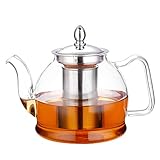
- Place the loose leaf tea into the infuser basket of your glass teapot.
- Pour the hot water slowly over the tea leaves in a circular motion to ensure even saturation.
- Cover the teapot with its lid to trap the heat and essential volatile oils.
- Set a timer and steep the tea for exactly 3 to 5 minutes (3 minutes for a milder flavor, 5 minutes for a robust, caffeine-rich brew).
Pro-Tip: According to culinary standards, the longer you steep, the more astringent the beverage becomes due to rapid tannin extraction. If you prefer stronger tea, use more tea leaves rather than increasing the steeping time.
4. Strain the Dark Tea Brew

Don’t forget to save this crucial step to prevent cloudy tea!
Strain the tea: Promptly pour the dark tea brew through a fine mesh strainer to halt the brewing process and completely remove the leaves.
Removing the leaves promptly is the only way to stop the tea from continuing to steep. This vital step halts oxidation levels and prevents the breakdown of theaflavins. It serves as a tested method to cleanly separate the liquid, securing the perfect baseline before you introduce any acidity.
Tools
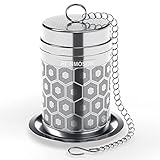
- A fine mesh tea strainer (essential for catching small tea particles)
- A heat-proof glass mug or serving pitcher
- A small resting dish for the used strainer
Directions
- Once your 3-5 minute timer sounds, immediately place your fine mesh strainer over your heat-proof glass mug.
- Pour the dark tea brew slowly through the strainer, allowing the liquid to cascade into the mug.
- Gently tap the strainer to release the last drops of the infusion, but do not press or squeeze the tea leaves, as this forces bitter tannins into the cup.
- Remove the strainer entirely and set it on a resting dish.
Pro-Tip: Squeezing the tea bags or pressing loose leaves against the strainer is a common mistake that releases bitter, astringent compounds into your cup. Always let gravity do the work!
5. Squeeze Fresh Lemon Juice and Infuse

Pin this gorgeous citrus infusion technique to your recipe boards!
Infuse lemon juice: Squeeze exactly 1 tablespoon of fresh lemon juice into the strained hot tea to lower the pH balance and naturally lighten the liquid.
Adding the tang of fresh citrus acts as a natural tannin reduction agent. When citric acid is introduced to the brewed tea, a chemical reaction occurs that lightens the tea’s color. Using the exact amount of juice ensures you add a citrusy profile without making the drink overly acidic or sour.
Ingredients
- The freshly strained, hot black tea
- 1 tablespoon of freshly squeezed lemon juice (from the Meyer lemon half)
- A citrus juicer or squeezer
Directions
- Take the reserved half of your fresh lemon and place it into a hand-held citrus squeezer.
- Squeeze exactly 1 tablespoon of fresh lemon juice directly into the hot tea.
- Watch as the dark tea brew magically lightens in color—this is a natural reaction to the acidity of the lemon!
- Stir gently to ensure the citrus infusion is evenly distributed throughout the beverage.
Pro-Tip: Never add lemon juice while the tea leaves are still steeping. The acid alters the pH balance in the tea, which can actually inhibit proper extraction and result in a weak flavor profile.

6. Sweeten Naturally with Honey or Simple Syrup

Save this natural sweetening tip to Pinterest for the perfect throat-soothing remedy!
Sweeten the tea: Stir in 1 to 2 teaspoons of raw honey to balance the tartness and create a natural remedy that soothes throat irritation.
Balancing the acidity of the lemon and the robustness of the tea requires a healthy sweetener. Raw honey acts as a nutritionist recommended remedy for cough relief and provides immune system support. Alternatively, if you are aiming for a classic iced tea vibe, utilizing a simple syrup ensures perfect integration into cold liquids.
Ingredients
- 1 to 2 teaspoons of raw, unfiltered organic honey (or lemon simple syrup if making iced tea)
- 1 cinnamon stick (optional, for a spiced flavor profile)
- A long stirring spoon or wooden honey dipper
Directions
- While the black lemon tea is still warm, dip your spoon or honey dipper into the raw honey.
- Add 1 to 2 teaspoons of honey into the mug, depending on your preferred sweetness level.
- Stir vigorously until the honey is completely dissolved into the liquid.
- If using a cinnamon stick, drop it in now and let it rest in the warm liquid for a minute to release its aromatic oils.
Pro-Tip: If you are making an iced black tea with lemon, use a lemon simple syrup instead of honey. Honey seizes and hardens when exposed to cold temperatures, making it nearly impossible to stir into a chilled beverage!
![100% Authentic, USA - Made Raw Unfiltered Honey, Made by Pure Southern Honey [ 1 lb] - Unheated - Non - GMO, No Additives, All - Natural Sweetener- Environmental-Friendly Glass Jar](https://m.media-amazon.com/images/I/41Tp6E0vhEL._SL160_.jpg "Refreshing Black Lemon Tea Recipe: 7 Easy Steps for [year] 13")
7. Garnish, Chill, or Serve Hot

Pin this stunning final result so you never lose the recipe!
Serve and garnish: Serve your tea immediately for a hot remedy, or cool it at room temperature before pouring over ice cubes for a refreshing summer drink.
Finishing the beverage beautifully depends entirely on your chosen serving temperature. Hot tea is ready to drink instantly, while iced black tea demands a brief resting period. Cooling tea at room temperature before refrigerating is a tested method that prevents cloudy tea and maintains a crystal-clear appearance. Adding fresh mint leaves elevates both visual appeal and aroma profile.
Ingredients
- Fresh lemon slices (cut from the reserved lemon half)
- Fresh mint leaves (clapped between hands to release oils)
- 1 cup of large, clear ice cubes (only if making the iced version)
Directions
- For Hot Tea: Garnish your mug immediately with a fresh lemon wheel and a sprig of mint, and serve while piping hot.
- For Iced Tea: Allow the brewed, sweetened tea to cool to room temperature on the counter (this prevents the tea from turning cloudy).
- Fill a tall glass to the top with large ice cubes.
- Pour the room-temperature tea over the ice, garnish with fresh lemon slices and mint, and enjoy your refreshing iced black lemon tea!
Pro-Tip: Clapping fresh mint leaves sharply between your palms once before dropping them into your glass bursts the cellular structure of the herb, instantly releasing its vibrant aroma profile into your drink!
$1 offBestseller No. 7

Key Takeaways: Your Quick Guide to Black Lemon Tea Recipe
Need a quick refresher before you start brewing? This highly scannable summary provides immediate value by highlighting the most critical, scientifically-backed rules for crafting the perfect homemade lemon tea. By mastering these main takeaways, you ensure a flawless extraction process every time. Keep these expert tips in mind to balance the optimal temperature and fresh lemon juice effectively without needing to re-read the entire post.
Key Takeaways:
- Always use fresh, cold filtered water – Boiling water that is already highly oxygenated creates the best environment for extracting the delicate flavors of the black lemon tea recipe.
- Monitor your water temperature – Heat water to exactly 200°F (93°C); a full rolling boil will scorch delicate loose-leaf teas and destroy their nuanced flavor profiles.
- Adhere to a strict 3-5 minute steeping window – Leaving the tea leaves in the water too long causes rapid tannin extraction, which is the primary cause of a bitter taste and astringency.
- Remove tea leaves completely before adding citrus – Add your fresh lemon juice after the tea has been strained; adding acid during the steep alters the pH balance and prevents proper flavor extraction.
- Match your sweetener to your serving temperature – Use raw organic honey for hot, throat-soothing remedies, but switch to a lemon simple syrup for iced black tea so it dissolves perfectly in cold liquid.
- Cool at room temperature for clear iced tea – To avoid a cloudy, muddy-looking iced beverage, never put hot tea directly into the refrigerator. Let it rest on the counter first.
- Enhance the aroma profile with fresh garnishes – A fresh lemon wheel and a bruised sprig of mint elevate the sensory experience and complement the tea’s natural antioxidants.
People Also Ask About Black Lemon Tea Recipe
When mastering a homemade citrus infusion, many home cooks encounter similar questions about health benefits and troubleshooting a bitter taste. This comprehensive FAQ section resolves common queries regarding everything from acidity levels to iced variations. Review these expert answers to deepen your understanding of culinary standards and tea chemistry.
How to make black lemon tea at home?
To make black lemon tea at home, steep 2 teaspoons of loose black tea in 200°F water for 3-5 minutes, strain, and stir in 1 tablespoon of fresh lemon juice and honey.
Using high-quality loose-leaf tea rather than tea bags provides a richer flavor base. The key is to avoid over-steeping the leaves and to always add your citrus elements after the brewing process is completely finished.
Is black tea with lemon good for you?
Yes, black tea with lemon is highly beneficial as it combines the antioxidants (polyphenols) from the tea with the immune-boosting Vitamin C (ascorbic acid) from the lemon.
According to research, the citric acid in lemon juice actually helps preserve the tea’s flavonoids, making them more easily absorbed by your body. It is frequently used as a natural home remedy for soothing throat irritation and mild congestion.
Why does lemon lighten black tea?
Lemon lightens black tea because the citric acid alters the pH balance of the beverage, which changes the color of the theaflavins (the pigments in the tea).
Black tea is naturally slightly acidic, but adding potent lemon juice drops the pH further. This chemical reaction instantly shifts the dark, tannic liquid into a brighter, lighter amber color, while also reducing the perception of bitterness on the palate.
How long should I steep black tea with lemon?
You should steep the black tea leaves for exactly 3 to 5 minutes before removing them and adding the lemon.
Steeping for 3 minutes yields a lighter, more aromatic cup, while 5 minutes extracts a bolder flavor with higher caffeine content. Steeping past 5 minutes extracts excessive tannins, which will give your standard lemon tea brew an unpleasantly bitter and astringent taste.
Is black tea with lemon good for weight loss?
Black tea with lemon can support weight management when consumed without high-calorie sweeteners like sugar or heavy syrups.
The beverage itself is virtually zero calories. Furthermore, the caffeine-rich nature of the tea can temporarily boost metabolism, while the hydration facts associated with drinking water and citrus help promote a feeling of fullness.
Why is my lemon tea bitter?
Your lemon tea is likely bitter because you steeped the tea leaves for too long, used boiling water that scorched the leaves, or squeezed the tea bag while straining.
To fix a bitter taste, ensure your water is around 200°F (not boiling), limit your steeping time to a maximum of 5 minutes, and never press or squeeze the tea leaves when you remove them from your steeping pot.
Can I add ginger to black lemon tea?
Yes, adding fresh ginger to black lemon tea creates a powerful, anti-inflammatory beverage perfect for cold symptoms and digestive aid.
To make a ginger and lemon black tea, simply simmer 3-4 thin slices of fresh, peeled ginger root in your water for 5 minutes before using that hot ginger-infused water to steep your tea leaves.
What is the difference between lemon tea and black tea?
The primary difference is that lemon tea is a flavored variation where fresh citrus juice is added to a base of brewed black tea to alter its flavor and pH.
While standard black tea is earthy, malty, and sometimes tannic, the addition of lemon cuts through the astringency, adding a bright, tangy, and acidic profile that makes the beverage significantly more refreshing.
How to make iced black tea with lemon?
To make iced black tea with lemon, brew the tea hot, sweeten it with simple syrup, let it cool to room temperature, and pour it over ice.
Cooling the tea at room temperature before refrigerating it prevents the tea from turning cloudy. Using a lemon simple syrup instead of honey ensures the sweetener dissolves perfectly into the chilled beverage.
Should I add lemon before or after steeping?
You must always add fresh lemon juice after the steeping process is complete and the tea leaves have been removed.
Adding acidic lemon juice while the leaves are still in the water disrupts the steeping kinetics and alters the pH environment, which prevents the tea leaves from properly releasing their flavors and essential volatile oils.
Final Thoughts on Black Lemon Tea Recipe
Mastering this black lemon tea recipe is truly an exercise in understanding the delicate balance between culinary art and basic kitchen chemistry. By controlling the exact temperature of your water, strictly timing your steep to manage tannin extraction, and introducing the bright acidity of fresh citrus only after the leaves are removed, you elevate a simple tea bag into a profoundly refreshing and healthy beverage.
Whether you are brewing a steaming mug to soothe a winter throat irritation in October 2026 or chilling a pitcher for a refreshing summer afternoon refreshment, the quality of your ingredients and the precision of your process make all the difference. Remember that the interaction between the dark tea brew and the ascorbic acid in the lemon is what creates that beautiful, glowing amber color and that perfectly balanced, tangy flavor profile.
Now that you know the professional secrets to avoiding a bitter cup, it’s time to put on the kettle. What is your favorite way to enjoy this classic beverage—do you prefer it served piping hot with a cinnamon stick, or poured over ice with fresh mint? Let me know in the comments below!
Last update on 2026-10-14 / Affiliate links / Images from Amazon Product Advertising API
