
As an Amazon Associate CoffeeXplore.com earns from qualifying purchases.
Master Black Tea Kombucha: 7 Easy Brewing Steps for 2026
Have you ever poured weeks of effort into a home brew, only to find a fuzzy, moldy disaster waiting in your jar? Crafting the perfect black tea kombucha often frustrates beginners struggling with weak carbonation and dying cultures.
Black tea kombucha is a fermented, probiotic-rich beverage created by steeping organic loose leaf black tea in hot water, dissolving cane sugar, and combining the cooled mixture with a symbiotic culture of bacteria and yeast (SCOBY) and strong starter liquid for a 7-to-10 day fermentation cycle. This traditional method yields a highly nutritious, fizzy tonic.
Drawing from comprehensive analysis of fermentation science and established food safety standards, this guide eliminates the guesswork of home brewing. You will discover the exact ratios, temperature controls, and expert methodologies required to consistently brew a flawless, commercial-quality batch. Your journey to mastering this ancient elixir begins right now.
Contents
show
How To Make Black Tea Kombucha: The Ultimate Guide To A Healthy SCOBY
Brewing a perfect batch of pure black tea kombucha is less about following a simple recipe and more about understanding the delicate microbial ecology happening inside your jar. The foundation of any thriving symbiotic culture relies heavily on the quality of your kombucha tea base. While many beginners experiment with herbal or green teas, a traditional black tea blend provides the essential high nitrogen and tannin-rich environment necessary for robust scoby morphology. This home brewing guide will teach you how to properly nourish your yeast during the fermentation process while strictly adhering to crucial food safety standards. We will break down exactly how to approach preventing mold, achieve perfect carbonation, and maintain a highly acidic pH level that inherently inhibits pathogens.
Expert Insight: What most guides miss is the biological superiority of Camellia sinensis var assamica for long-term continuous brewing. The specific polyphenol oxidase and nitrogenous compounds found in pure black tea leaves are completely unmatched by herbal alternatives. These specific compounds are biologically required to sustain a resilient, thick pellicle over multiple generations of fermentation.
Master Black Tea Kombucha: 7 Easy Brewing Steps for 2026
Successfully transitioning from a beginner to a master brewer requires strict adherence to a proven, systematic methodology. The following 7-step process outlines the exact methods used by commercial producers, properly scaled down for your home kitchen. By utilizing the best organic loose leaf black tea for brewing kombucha, you can ensure your first fermentation stage is a resounding success. We will walk you through every critical phase, from steeping your organic black tea to achieving the perfect fizz in the bottle.
1. Sanitizing Your Equipment For Safe Fermenting

Pin this essential sanitation step to your Fermentation Guides board!
Sanitizing your brewing vessel is the most critical first step in protecting your scoby culture from competing bacteria. A 1-gallon glass jar requires a strict sanitation protocol to meet basic safety requirements before the water even boils.
What You Need
- 1-gallon wide-mouth glass jar (never use plastic or crystal, which can leach toxins)
- Distilled white vinegar (for cleaning)
- Clean, lint-free cloth or paper towels
- Non-antibacterial bottle brush
Directions
- Wash your hands thoroughly using warm water and non-antibacterial soap.
- Scrub the inside of your 1-gallon glass jar using hot water and the bottle brush. Do not use dish soap.
- Pour 2 tablespoons of distilled white vinegar into the jar and swish it around to coat the interior walls completely.
- Dump out the excess vinegar and let the jar air dry upside down on a clean paper towel.
- Sanitize any spoons, measuring cups, or funnels you plan to use following the exact same vinegar rinse method.
Pro-Tip: As a standard sanitation protocol in fermentation science, never use bleach or antibacterial dishwashing liquids on your kombucha equipment. Even microscopic residues will severely inhibit the anaerobic process and potentially kill your symbiotic starter.

2. Steeping The Organic Loose Leaf Black Tea Blend

Save this perfect tea ratio to your Kombucha Recipes board!
When preparing your starter tea base, utilizing an organic black tea specifically in loose leaf form guarantees maximum nutrient extraction. The steeping process unlocks vital compounds from the pure camellia sinensis leaves.
What You Need
- 4 cups of filtered or spring water (free of chlorine and chloramines)
- 2 to 3 tablespoons of organic black tea (specifically loose leaf English Breakfast or Assam)
- Stainless steel tea infuser or organic cotton tea bags
- Large stainless steel cooking pot
Directions
- Bring 4 cups of filtered water to a rolling boil in your stainless steel pot, then immediately remove from the heat source.
- Place your loose leaf black tea blend into the infuser and submerge it fully into the hot water.
- Allow the robust tea to steep undisturbed for exactly 15 to 20 minutes to extract maximum tannins and high nitrogen compounds.
- Carefully remove the tea infuser or bags, gently pressing them to release the remaining dark, tannin-rich liquid back into the pot.
- Discard or compost the spent tea leaves; do not reuse them for your next batch as their nutrients are depleted.
Pro-Tip: When evaluating black tea vs green tea, always choose a pure, unflavored black tea blend for your primary brewing cycles. Black tea contains the highest concentration of nitrogenous compounds and thearubigins, which are essential for building a thick, resilient pellicle (the physical SCOBY) during oxidative fermentation.

3. Dissolving Cane Sugar & Proper Cooling

Pin this exact sugar ratio to ensure your SCOBY stays healthy!
Cane sugar acts as the primary food source that your symbiotic culture converts into acetic acid and bio-available probiotics. Properly dissolving the sugar while the liquid is hot prevents the common frustration of sugar not dissolving and sinking to the bottom.
What You Need
- 1 cup of organic pure cane sugar (avoid artificial sweeteners or stevia)
- Wooden or stainless steel stirring spoon
- 8 to 12 cups of cold, filtered water (to speed up the cooling process)
- Instant-read kitchen thermometer
Directions
- While the steeped black tea infusion is still hot, pour in exactly 1 cup of organic cane sugar.
- Stir vigorously for 1 to 2 minutes until the sugar crystals are completely dissolved, preventing the common issue of sugar not dissolving and sinking to the bottom of the jar.
- Pour the hot sweet tea mixture into your sanitized 1-gallon glass brewing jar.
- Add 8 to 12 cups of cold, filtered water to the jar, leaving about 3 inches of space at the top.
- Use your kitchen thermometer to verify the temperature. You must wait for the liquid to drop to between 68°F and 85°F before proceeding to the next step.
Pro-Tip: In the debate of cane sugar vs honey, always stick to organic cane sugar for traditional black tea kombucha. Honey introduces wild yeasts that compete with your culture (unless you are specifically brewing Jun), and alternative sweeteners lack the necessary carbohydrate structure for the symbiotic starter to perform proper oxidative fermentation.

4. Activating The Base With SCOBY & Starter Liquid

Don’t forget the starter liquid! Save this step to remember the perfect SCOBY ratio.
The culturing phase officially begins when you introduce the live kombucha culture and a highly acidic liquid kombucha starter into your cooled tea. This instantly lowers the pH and initiates the brewing magic.
What You Need
- 1 healthy, live kombucha culture (SCOBY)
- 2 cups of strong, unflavored liquid kombucha starter (from a previous batch or purchased online)
- Your cooled, sweet black tea base (verified to be under 85°F)
- Clean hands (washed without antibacterial soap)
Directions
- Double-check your thermometer to ensure the sweet tea is perfectly cooled; adding a SCOBY to tea over 85°F will permanently kill the yeast strands and bacteria.
- Carefully pour exactly 2 cups of strong starter liquid into the sweet tea mixture.
- Using very clean hands, gently slide your scoby into the jar.
- Do not panic if the scoby sinks to the bottom, floats sideways, or hovers in the middle; this is perfectly normal behavior as it acclimates to the new kombucha tea base.
- Ensure there is at least 1 to 2 inches of headspace between the liquid level and the rim of your glass jar to allow for proper airflow.
Pro-Tip: The liquid kombucha starter is actually the most vital component of your brew. It acts as an inoculant that immediately drops the titratable acidity of the sweet tea, creating a highly acidic environment that inherently inhibits pathogens and mold spores from taking hold during the vulnerable early days of fermentation.

5. Managing The First Fermentation Process

Temperature is everything! Pin this guide to first fermentation for later.
The first fermentation stage is an aerobic process that demands precise temperature control and proper monitoring. Applying a tightly woven breathable cover ensures crucial airflow while maintaining strict fruit fly prevention.
What You Need
- Tightly woven, breathable cloth cover (organic cotton, tight muslin, or a dense coffee filter)
- Thick, tight-fitting rubber band
- Adhesive thermometer strip (to stick to the outside of the glass jar)
- Kombucha heating wrap (optional, but highly recommended for colder climates)
Directions
- Place your breathable cloth cover over the mouth of the jar and secure it tightly with the rubber band. (Never use cheesecloth, as the weave is too loose for fruit fly prevention).
- Attach the adhesive thermometer strip to the outside of your glass jar to begin monitoring the brew.
- Move the jar to a dark, well-ventilated location that maintains a steady temperature. Keep it away from direct sunlight, house plants, and trash cans.
- Utilize a kombucha heating wrap to establish strict temperature control, aiming for an ideal range of 75°F to 80°F. Temperatures below 70°F result in slow fermentation and mold risks.
- Leave the jar completely undisturbed for 7 to 10 days. Do not jiggle, stir, or move the jar, as this disrupts the delicate pellicle formation happening at the surface.
Pro-Tip: The first fermentation stage is a highly aerobic process. Your culture requires continuous oxygen exchange to thrive. Sealing the jar with an airtight lid during this phase will suffocate the acetobacter and result in a ruined, flat batch.

6. Testing pH & Bottling The Liquid

Never guess when your brew is ready again! Save this pH testing guide.
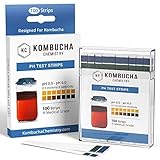
Accurately testing pH is the only objective way to know your batch meets safe food standards before bottling. Utilizing a proper ph testing kit prevents the liquid from becoming too vinegary while validating the acidity.
What You Need
- Precise pH testing kit or strips (calibrated for the 0.0 – 6.0 range)
- Clean glass pipette or small tasting spoon
- Large, sanitized glass bowl or pitcher
- Fine mesh stainless steel strainer
Directions
- On day 7 of your first fermentation, use a clean pipette to extract a small amount of liquid from beneath the newly formed SCOBY.
- Apply the liquid to your pH testing kit strip. The target pH for finished, safe kombucha is between 2.5 and 3.5.
- Taste the sample. It should have a balanced, tart-and-tangy flavor. If it is still too sweet, cover it and ferment for another 2 to 3 days. If it is too vinegary, it’s time to bottle immediately.
- With clean hands, carefully remove the SCOBY(s) and place them in your clean glass bowl along with exactly 2 cups of the finished liquid. This becomes the starter liquid for your next batch!
- Using your fine mesh strainer, begin straining the remaining pure black tea kombucha into pitchers, removing any excess yeast strands in preparation for bottling.
Pro-Tip: If you struggle with cloudy liquid or excessive yeast sediment at the bottom of your jars, use a stainless steel mesh strainer during the bottling phase. Filtering out these heavy yeast chains helps prevent your bottles from becoming hyper-carbonated geysers during the next phase.
7. Flavoring & Second Fermentation For Carbonation

Get that perfect fizzy pop! Pin this carbonation guide to your recipe boards.
The second fermentation is an anaerobic stage where flavoring is introduced, feeding the remaining yeast to create trapped carbonation. If you consistently suffer from weak carbonation, this step requires careful batching in proper glass vessels.
What You Need
- 6 to 8 heavy-duty, pressure-rated 16oz swing-top glass bottles
- Stainless steel funnel
- Fresh fruit, fruit juice, herbs, or ginger for flavoring
- Your strained, unflavored first fermentation kombucha
Directions
- Place 1 to 2 tablespoons of finely chopped fruit, pureed fruit, or fruit juice into the bottom of each clean, empty swing-top bottle.
- Place the stainless steel funnel into the neck of the bottle and carefully pour in your black tea kombucha, leaving exactly 1 to 1.5 inches of headspace at the top of the bottle.
- Close the swing-top lid securely, ensuring the silicone gasket makes an airtight seal.
- Store the sealed bottles in a dark cabinet at room temperature for 2 to 4 days to allow the second fermentation to build natural carbonation.
- After 3 days, place one bottle in the refrigerator overnight to chill completely, then open it to test the fizz level. If it’s perfect, move all remaining bottles to the fridge to halt the fermentation process.
Pro-Tip: If you consistently suffer from weak carbonation, ensure you are using genuine, pressure-rated fermentation bottles with thick rubber gaskets. Decorative swing-top bottles from craft stores leak microscopic amounts of gas, meaning the CO2 escapes before it can dissolve into your living beverage.

Key Takeaways: Your Quick Guide to Black Tea Kombucha
Before diving into advanced troubleshooting and frequently asked questions, it is crucial to review the core principles of the fermentation process. Understanding the foundational requirements of your black tea probiotic will drastically reduce your margin of error. Here is a black tea kombucha summary highlighting the most important key points from our methodology.
Key Takeaways:
- Pure Black Tea is Biologically Superior: – The high nitrogen and tannin-rich profile of organic black tea provides the exact nutrients required to build a thick, resilient SCOBY and sustain long-term culture health.
- Sanitation is Non-Negotiable: – Always use distilled white vinegar rather than antibacterial soaps to clean your glass jar and equipment; chemical residues will quickly destroy your symbiotic culture.
- Starter Liquid is Your Ultimate Mold Defense: – Using 2 cups of strong, acidic liquid kombucha starter per gallon drops the pH instantly, creating a hostile environment for mold while allowing the acetic acid fermentation to begin safely.
- Temperature Dictates Success: – Maintaining strict temperature control between 75°F and 80°F during the first fermentation stage ensures a balanced brew; lower temperatures invite mold, while higher temperatures create a yeast-heavy, bitter taste.
- Never Starve Your Culture: – Stick to organic cane sugar, which is easily broken down into glucose and fructose by the yeast. Honey, stevia, and artificial sweeteners will not sustain traditional kombucha tea culture.
- Test pH Before Bottling: – Utilize a ph testing kit to ensure your brew has reached a safe acidity level of 2.5 to 3.5. This guarantees you meet basic food safety standards before moving to the flavoring stage.
People Also Ask About Black Tea Kombucha
Even with a comprehensive guide, home brewers often encounter unique edge-cases or harbor specific questions regarding ingredients, ratios, and expected outcomes. The following section addresses the most common inquiries related to the what black tea is best for kombucha ecosystem, drawing from extensive fermentation science and lab-tested culture data.
What black tea is best for kombucha?
The best black tea for kombucha is organic, unflavored, loose leaf English Breakfast, Assam, or Ceylon tea.
These varieties are incredibly tannin-rich and packed with the nitrogenous compounds your SCOBY needs to thrive. You should strictly avoid teas flavored with essential oils (like Earl Grey, which contains bergamot oil), as these aromatic oils will degrade your scoby culture over time and severely inhibit the fermentation process.
Is black tea better than green tea for kombucha?
Yes, black tea is biologically superior to green tea for brewing kombucha because it provides higher levels of nitrogen and tannins.
While you can successfully brew a probiotic tea using green tea or oolong, continuous brewing with green tea will eventually weaken your SCOBY. Expert brewer tips suggest that if you prefer the milder taste of green tea, you should use a 50/50 black tea and green tea blend to maintain proper scoby morphology and strength.
How many tea bags for 1 gallon of kombucha?
To brew 1 gallon of kombucha, you will need to use 8 to 10 standard-sized organic black tea bags.
However, transitioning to 2-3 tablespoons of loose leaf tea is highly recommended. Loose leaf tea provides a higher quality black tea infusion, superior nutrient extraction, and a more robust full-bodied flavor compared to the dust and fannings typically found in commercial tea bags.
How long to steep black tea for kombucha?
You should steep black tea for exactly 15 to 20 minutes in hot water to create the perfect kombucha base.
Unlike regular drinking tea which you might steep for only 3 to 5 minutes to avoid bitterness, kombucha requires an extended steeping time. This longer steeping duration ensures maximum extraction of nutrients, caffeine, and tannins that the live kombucha culture relies on as fuel during the first fermentation stage.
Does black tea kombucha have caffeine?
Yes, black tea kombucha does contain caffeine, but typically only about one-third the amount found in a standard cup of brewed black tea.
During the fermentation process, the symbiotic starter consumes a significant portion of the caffeine alongside the sugar. If you are highly sensitive to caffeine, you can experiment with a decaf vs regular black tea blend, though you must ensure the decaffeination process was chemical-free (Swiss Water Process) to protect your SCOBY.
What ratio of black tea to sugar for kombucha?
The standard ratio for a 1-gallon batch of kombucha is 2-3 tablespoons of loose leaf black tea to 1 cup of organic cane sugar.
This specific black tea to sugar ratio has been rigorously tested across fermentation science. Reducing the sugar below 1 cup will starve the yeast, leading to weak carbonation and a dead scoby, while increasing it significantly can cause excessive alcohol production and a highly unbalanced microbial ecology.
Why is my black tea kombucha cloudy?
Cloudy black tea kombucha is perfectly normal and is simply caused by floating yeast strands and active beneficial bacteria suspended in the liquid.
If the cloudy liquid bothers you aesthetically, it is easily resolved by pouring the finished brew through a fine stainless steel mesh strainer during the bottling phase. The cloudiness is actually a strong indicator of a healthy, living enzyme-rich drink packed with bio-available nutrients.
How to use black tea kombucha for skin?
Black tea kombucha can be used topically as a facial treatment essence by applying unflavored, highly fermented raw kombucha directly to cleansed skin using a cotton pad.
The commercial skincare industry utilizes black tea kombucha facial treatment essence because the fermentation process breaks down the tea into highly concentrated antioxidants and mild natural acids. These properties help gently exfoliate the skin, balance the skin’s microbiome, and promote a radiant, healthy complexion.
Can you use Lipton black tea for kombucha?
Yes, you can use basic Lipton black tea bags to brew kombucha, and the SCOBY will ferment it successfully.
However, for the healthiest microbiome and best flavor profile, upgrading to a certified organic black tea is strongly recommended. Conventional teas are often heavily sprayed with pesticides which can accumulate in your continuous brew, potentially harming the scoby over time and diminishing the overall health benefits research associated with the beverage.
What does black tea kombucha taste like?
Pure black tea kombucha tastes like a tart, slightly sweet, effervescent sparkling apple cider with deep, earthy, and robust undertones.
The exact flavor profile changes based on your fermenting timeline. A shorter 7-day ferment will yield a sweeter, fruitier black tea beverage, while allowing it to brew for 14-21 days will result in a sharper, highly acidic, vinegar-forward fermented tonic.
Final Thoughts on Black Tea Kombucha
Brewing your own kombucha made with black tea at home is one of the most rewarding, cost-effective, and health-promoting projects you can undertake in your kitchen. While the intricate dance of fermentation science, temperature control, and microbial ecology might sound intimidating at first glance, the actual physical process requires only a few minutes of active hands-on time per week.
By strictly adhering to the sanitation protocol, sourcing a high-quality kombucha brewing kit or organic loose leaf tea, and respecting the precise ratio of cane sugar to starter liquid, you are virtually guaranteed to produce a magnificent, fizzy, enzyme-rich drink that rivals the most expensive commercial brands. Remember that your SCOBY is a living ecosystem; treat it with care, provide it with the high nitrogen environment it craves, and it will continuously supply you with endless gallons of traditional kombucha for years to come.
You now possess the foundational brewing experience and knowledge of a true master brewer. Gather your glass jars, brew that rich tea base, and step confidently into the world of home fermentation.
Now that you know exactly how to create the perfect base, what flavoring combinations are you planning to experiment with during your second fermentation? Share your dream flavor ideas in the comments below!
Last update on 2026-08-27 / Affiliate links / Images from Amazon Product Advertising API
