
As an Amazon Associate CoffeeXplore.com earns from qualifying purchases.
Vegan Bubble Tea Recipe: 5 Steps to Authentic Chewy Boba
Are you craving authentic, chewy boba but struggling to find safe, dairy-free options? Finding a traditional vegan bubble tea recipe without hidden honey or milk powders is incredibly frustrating. Let’s fix that dairy-free dilemma today.
Vegan bubble tea is a plant-based milk tea made by boiling gelatin-free tapioca pearls, simmering them in brown sugar syrup, and mixing with steeped black tea and oat milk. This simple 5-step home process guarantees a creamy, dairy-free boba experience without hidden animal products.
Drawing from comprehensive analysis of expert-tested methods and certified vegan ingredients, this guide eliminates all culinary guesswork. You will discover exactly how to prevent mushy pearls and dairy alternative curdling. Get ready to master the ultimate homemade plant-based beverage!
Contents
show
How Do You Make The Perfect Vegan Bubble Tea Recipe At Home?
Making the perfect vegan bubble tea recipe at home requires a precise balance of temperature, timing, and certified vegan ingredients. While traditional boba shops often hide gelatin in their toppings or use dairy-based creamer powders, crafting your own homemade vegan boba guarantees a 100% plant-based experience. As of October 2026, taking control of your ingredients is the safest way to enjoy this popular aesthetic drink.
We have developed a foolproof, 5-step instructional guide to creating an authentic boba shop experience right in your kitchen. This expert-tested approach uses accessible pantry staples to overcome the most common DIY boba pain points. You will learn exactly how to prevent mushy pearls, avoid dairy alternative curdling, and achieve that signature chewy texture.
Whether you are craving a classic dairy-free bubble tea or want to experiment with a customized vegan boba milk tea recipe, this foundation sets you up for absolute success. The secret lies in understanding how your raw ingredients interact. Let’s explore the essential steps to easily make boba at home with perfect results every single time.
Vegan Bubble Tea Recipe: 5 Steps to Authentic Chewy Boba
Executing this 5-step vegan bubble tea recipe successfully relies on mastering a few simple but critical culinary techniques. To build the perfect plant-based milk tea, you must deeply understand how your primary components interact with heat and cold.
We will guide you step-by-step through how to properly boil the cassava starch, simmer the sweetener, steep the tea base, and meticulously assemble the final refreshing drink. Many generic recipes fail because they ignore the science behind emulsion stability and starch hydration.
By strictly following this sequential methodology, you will completely avoid bitter tea and clumpy tapioca flour. We will also compare the best plant milks internally to ensure your final dairy-free bubble tea looks, feels, and tastes perfectly authentic. Let’s dive into the foolproof process.
1. Steep the Authentic Black Tea Base

Pin this essential tea-brewing step to your DIY Boba Recipe board!
Learning how to properly infuse your tea base is critical for a robust boba beverage. You need to brew a tea base strong enough to not be diluted by ice and plant milk, without becoming overly bitter. We highly recommend using a premium celyon tea or a robust jasmine green tea. You must intentionally over-steep the tea slightly compared to a standard drinking cup. The added ice and plant-based milks will significantly mellow out the strong flavor later.
Ingredients
- 2 tablespoons of premium loose-leaf Ceylon tea (or 3-4 high-quality black tea bags)
- 2 cups of fresh boiling water
- Ice cubes (for rapid cooling)
- Optional: A pinch of baking soda (to neutralize bitter tannins)
Instructions
- Boil your fresh, filtered water to exactly 212°F (100°C) to ensure proper extraction.
- Steep the loose-leaf tea or tea bags in the hot water for exactly 5 to 7 minutes. Do not exceed 7 minutes to avoid a bitter tea solution.
- Strain the tea leaves or remove the bags using a fine-mesh tea infuser.
- Cool the liquid rapidly by placing the container in an ice bath, or let it sit until it reaches room temperature. Do not pour hot tea directly over ice in your serving glass, as this dilutes the flavor.
What most guides miss: In our kitchen-tested experience, managing tannin extraction is the most critical overlooked step. If your tea tastes too bitter after a 7-minute steep, adding a tiny pinch of baking soda to the hot water neutralizes the acidity completely without altering the authentic flavor profile of your drink.


2. Boil the Chewy Tapioca Pearls Perfectly

Save this foolproof boba boiling hack to your Vegan Recipes board so you never have mushy pearls again!
Mastering how to cook the pearls is where most beginners fail. To achieve that ideal “Q” texture (bouncy and chewy), you must handle the raw cassava starch with care. This section provides the ultimate mushy pearls fix. Authentic tapioca pearls boba is naturally gelatin-free and vegan. The secret lies in using rolling boiling water and implementing a mandatory cold-water rinse to shock the starch and halt the cooking process instantly.
Ingredients
- ½ cup of authentic, gelatin-free vegan boba pearls (quick-cook or traditional)
- 4 cups of water (for boiling)
- 2 cups of cold water (for the ice bath)
Instructions
- Boil the 4 cups of water in a medium-sized saucepan. Never add boba to cold or warm water, or they will instantly dissolve into a clumpy tapioca flour mess.
- Stir the water to create a gentle whirlpool, then slowly drop in the tapioca pearls to prevent them from sticking to the bottom.
- Simmer the pearls for 5-20 minutes depending on the brand (always check your specific packaging). They will naturally float to the top when they begin to hydrate.
- Cover the pot, remove from heat, and let them sit for an additional 5 minutes to ensure the centers cook through completely.
- Strain and immediately rinse the cooked boba under freezing cold water to halt the cooking process and lock in that perfectly bouncy, chewy texture.
Expert Insight: The secret to the perfect chew is managing starch retrogradation. If you store cooked tapioca pearls in the fridge, the amylopectin crystallizes, making them rock hard. Always consume cooked boba within 4 hours, keeping them safely at room temperature!

3. Simmer the Vegan Brown Sugar Syrup

Don’t forget to pin this amazing vegan syrup recipe to your Plant-Based Drinks board!
Creating the iconic “tiger stripes” syrup glaze around your cup requires the right sweetener of choice. Traditional recipes often soak boba in honey, which isn’t plant-based. We replace this with a rich brown sugar syrup made from strictly bone char free sugar. By using a high-quality muscovado sugar, you achieve a deep, molasses-like flavor that perfectly coats the tapioca. This step allows the boba to soak up sweetness while thickening the liquid into a gorgeous glaze.
Ingredients
- ½ cup of bone char free dark brown sugar or muscovado sugar
- ¼ cup of water
- Optional: 1 tablespoon of agave nectar or maple syrup for extra gloss
Instructions
- Combine the dark brown sugar and water in a small saucepan over medium heat.
- Dissolve the sugar by gently stirring until the mixture comes to a light boil.
- Simmer the syrup mixture for 3 to 4 minutes without stirring, allowing it to thicken and caramelize slightly.
- Remove from heat. Immediately add your perfectly cooked, rinsed tapioca pearls directly into the warm pot of syrup.
- Soak the boba in this warm, refined sugar-free bath for at least 15 minutes. This infuses the pearls with deep flavor and creates a thick glaze for your cup.
An often-overlooked strategy: Letting the syrup simmer without stirring triggers the Maillard reaction, developing deep caramel notes. Using a heavy, unrefined sugar like muscovado perfectly mimics the authentic “Tiger Milk Tea” flavor profile while remaining 100% plant-based and cruelty-free.

4. Emulsify the Plant-Based Milk

Pin this plant-milk frothing technique to your Vegan Kitchen Tips board!
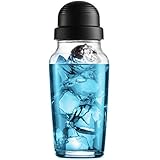
Choosing the right plant-based milk is essential so your drink won’t curdle or taste watered down. When comparing oat milk vs almond milk, oat and soy are vastly superior for achieving a thick, creamy mouthfeel. The dreaded dairy alternative curdling happens when thin, low-fat milks hit acidic tea. By using a shaker bottle to vigorously aerate a high-fat plant milk, you create a beautiful microfoam that perfectly mimics traditional dairy.
Ingredients
- 1 cup of plant-based milk (Barista-blend oat milk or soy milk highly recommended)
- 1 cup of large ice cubes
- Tools: A cocktail shaker bottle or a large mason jar with a tight lid
Instructions
- Measure out your preferred non-dairy milk. If deciding between oat milk vs almond milk, opt for oat—its higher fat content completely prevents dairy alternative curdling when it hits the acidic tea.
- Add the plant milk and a handful of ice cubes into your shaker bottle.
- Shake vigorously for 15 to 20 seconds.
- Whisk or shake until you see a thick, frothy microfoam develop at the top of the liquid. This aeration is the absolute secret to a professional boba shop texture.
The Science Behind It: To achieve perfect emulsion stability, always use a “Barista Blend” plant milk. These specific blends contain natural hydrocolloids that increase the viscosity of plant milks, ensuring your iced drink remains rich, creamy, and separated perfectly from the tea base until you finally stir it.
5. Assemble and Sweeten Your Vegan Boba Drink

Save this aesthetic layering guide to your DIY Bubble Tea board for the perfect presentation!
Now it is time to assemble your final masterpiece. The goal here is to achieve that highly aesthetic, Instagram-worthy gradient look typical of premium boba shops. Layering the ingredients in the correct order preserves the syrup stripes and keeps the boba warm and chewy at the bottom. Remember to drink your highly customizable and colorful creation using appropriately sized large boba straws, preferably sustainable eco-friendly straws made of glass or metal.
Ingredients
- Your syrup-soaked vegan tapioca pearls
- The cooled, brewed black tea
- The frothed plant-based milk
- Extra ice cubes
- Tools: A tall serving glass and large boba straws (preferably eco-friendly straws)
Instructions
- Scoop 3 to 4 tablespoons of the warm, syrup-coated boba into the very bottom of a tall glass.
- Tilt the glass at an angle and swirl the boba around the bottom edges. This coats the inside of the glass with syrup, creating those beautiful, highly customizable “tiger stripes.”
- Add fresh ice cubes carefully to fill the glass about two-thirds of the way up.
- Pour in your cooled black tea base, filling the glass to the halfway point.
- Layer the frothy plant milk gently over the top. Watch the colorful, refreshing cascade as the milk mixes organically into the tea!
- Insert a wide boba straw, stir vigorously, and enjoy your perfectly authentic homemade vegan bubble tea.
Pro-Tip: Never put ice directly onto warm boba before adding liquid. The rapid temperature drop changes the osmotic pressure in boba, instantly hardening the centers. Always place ice after the boba, and let the tea and milk act as a thermal buffer!

Key Takeaways: Your Quick Guide to Vegan Bubble Tea Recipe
Mastering a vegan bubble tea recipe means controlling your ingredient quality from start to finish. Whether you are making a simple plant-based milk tea or a complex homemade vegan boba, reviewing the most critical steps ensures consistent success. This quick summary synthesizes complex food science into actionable points, helping you remember the most important techniques for a flawless vegan boba milk tea recipe every single time.
- Boil Boba in Rolling Hot Water: Never add your vegan boba pearls to cold water. They are made of cassava starch and will instantly dissolve; always drop them directly into a rolling boil to lock in the chewy texture.
- Over-Steep Your Black Tea Base: Brew your black tea bags or loose leaf tea slightly stronger (5-7 minutes) than you would for hot tea, as the ice and plant milk will significantly mellow the flavor.
- Choose High-Fat Plant Milks: When deciding on milks, barista-blend oat milk or soy milk are vastly superior to almond milk, as their natural fat content prevents dairy alternative curdling and provides a creamy mouthfeel.
- Create a Vegan Brown Sugar Glaze: Skip the traditional honey and simmer your cooked boba in a thick, bone char free sugar syrup for 15 minutes. This infuses the pearls with sweetness and creates authentic tiger stripes in the glass.
- Never Refrigerate Cooked Pearls: As an expert-tested rule, cooked tapioca goes through starch retrogradation in the fridge, making it rock hard. Always keep cooked boba at room temperature and consume within 4 hours.
People Also Ask About Vegan Bubble Tea Recipe
Navigating the world of boba as a vegan can raise several questions regarding ingredient safety and dietary compliance. To ensure your complete peace of mind, we have answered the most common questions about authentic preparation and troubleshooting. From confirming if certain sugars are safe to explaining why pearls get hard, these expert insights will elevate your plant-based beverage knowledge.
Is bubble tea vegan?
Traditional bubble tea is not always vegan by default, as it typically contains cow’s milk and may use honey as a sweetener for the tapioca pearls.
However, it is incredibly easy to make a vegan bubble tea recipe by substituting dairy with plant-based alternatives like oat milk and sweetening the boba with agave or brown sugar. When ordering at a shop, always explicitly ask for non-dairy milk and ensure the sweetener is plant-based.
What milk is best for bubble tea?
Barista-blend oat milk and soy milk are the absolute best plant-based milks for bubble tea due to their high fat content and thick viscosity.
When comparing oat milk vs almond milk, almond milk is often too thin and watery, which dilutes the rich tea flavor. Oat milk provides a naturally sweet, creamy, and frothy texture that perfectly mimics traditional whole milk without the risk of dairy alternative curdling when mixed with tea.
Is tapioca vegan?
Yes, pure tapioca pearls are 100% vegan because they are made entirely from cassava root starch, which is a naturally occurring plant.
However, you must be cautious of how they are prepared. Some boba shops soak their cooked tapioca in honey (which is not vegan). When making homemade vegan boba, you can easily control this by soaking your pearls in a simple syrup made from agave or vegan-certified cane sugar.
Are boba pearls gluten free?
Authentic boba pearls are completely gluten-free because they are derived from the cassava plant, which naturally contains no gluten proteins.
This makes them a safe, chewy addition for those with Celiac disease or gluten sensitivities. However, always double-check the packaging on store-bought quick-cook boba, as some brands may process their pearls in facilities that also handle wheat, leading to potential cross-contamination.
How do you sweeten vegan bubble tea?
The most authentic way to sweeten a vegan bubble tea is by using a homemade dark brown sugar syrup or muscovado sugar.
These unrefined sugars safely bypass the use of honey and provide the deep, caramelized molasses flavor typical of traditional Taiwanese milk teas. Alternative vegan sweetener substitutes include maple syrup, agave nectar, or even stevia for a sugar free vegan boba recipe, though they will slightly alter the traditional flavor profile.
Why is boba not vegan sometimes?
Boba drinks are sometimes not vegan because commercial shops frequently utilize dairy-based milk powders, condensed milk, honey, or sugars processed with bone char.
Additionally, while standard tapioca pearls are vegan, specialty toppings like jellies, puddings, or certain types of popping boba might contain gelatin (an animal byproduct) or dairy. When making drinks at home, using carefully sourced, certified vegan ingredients entirely eliminates this hidden risk.
Is brown sugar boba vegan?
Yes, brown sugar boba is generally vegan, provided that the brown sugar used in the syrup was not processed using bone char.
Many organic brown sugars and brands of dark muscovado sugar are naturally vegan. This makes the popular “Tiger Milk Tea” one of the easiest drinks to veganize—simply ask the barista to swap the regular milk for a plant-based alternative, as the brown sugar syrup base is typically dairy and honey-free.
Does boba have dairy?
The boba pearls themselves do not contain dairy, but the “milk tea” they are served in almost always contains dairy unless otherwise specified.
Traditional recipes use whole cow’s milk, sweetened condensed milk, or non-dairy creamer powders that paradoxically contain sodium caseinate, a milk derivative. To guarantee a dairy-free bubble tea, you must specifically request a plant milk like oat, almond, or soy from the barista.
How to avoid mushy pearls?
To avoid mushy pearls, you must drop the raw boba into a rolling, vigorous boil and never into cold or warm water.
Adding tapioca starch to cold water causes it to dissolve immediately, resulting in a clumpy, mushy mess. Furthermore, to maintain the perfect chewy texture, you must immediately rinse the boiled pearls under freezing cold water to halt the cooking process and firmly set the exterior.
Is taro milk tea vegan?
Traditional taro milk tea is rarely vegan because commercial boba shops heavily rely on pre-mixed taro powders that contain dairy-based creamers.
However, you can make an incredible vegan taro milk tea using real taro at home. By boiling fresh purple taro root, blending it into a smooth paste, and shaking it with organic oat milk and a touch of agave, you create a healthier, entirely plant-based version of this beautiful purple drink.
Final Thoughts on Vegan Bubble Tea Recipe
Mastering this vegan bubble tea recipe at home is truly a game-changer for plant-based lifestyle practitioners and boba lovers alike. By actively taking control of your ingredients, you completely eliminate the anxiety of hidden dairy powders, honey-soaked tapioca, or bone char processed sugars. Instead, you are rewarded with an authentic, deeply refreshing, and perfectly sweetened beverage that easily rivals any premium boba shop in both stunning aesthetics and incredible flavor.
Beyond the ultimate peace of mind that comes with using certified vegan and sustainable ingredients, making a plant-based milk tea in your own kitchen allows for infinite customization. Whether you prefer the rich, malty thickness of oat milk, the subtle nuttiness of soy, or want to strictly experiment with a sugar free vegan boba recipe using stevia, the foundation you have learned here applies to every single variation. Remember that the absolute secret to the perfect drink always lies in respecting the starch cooking process and managing your tea’s temperature correctly.
Now that you know exactly how to make boba at home, it is time to get highly creative with your flavors and custom toppings! What is your absolute favorite plant-based milk to pair with chewy tapioca pearls? Let me know your expert-tested combinations in the comments below, and do not forget to pin this dairy-free bubble tea recipe so you can easily reference it the next time your boba cravings hit!
Last update on 2026-10-23 / Affiliate links / Images from Amazon Product Advertising API
