
As an Amazon Associate CoffeeXplore.com earns from qualifying purchases.
Tea Recipe Journal: 9 Aesthetic Blend Layouts for 2026
Have you ever brewed a masterpiece only to forget the exact leaf ratios later? Dealing with inconsistent flavor and lost recipes is frustrating for any enthusiast. A dedicated tea recipe journal solves this problem permanently.
A tea recipe journal is a dedicated logbook designed to document custom herbal tea blends, precise steeping times, and detailed tasting notes. By recording ingredient ratios and water temperatures, this specialized journal helps home herbalists replicate perfect flavor profiles and prevent inconsistent brewing results. This simple tool transforms casual sipping into a precise craft.
Drawing from comprehensive analysis of master blender techniques, we understand the importance of botanical accuracy. In this guide, you will discover nine aesthetic layouts to perfectly organize your tea blending diary. Elevate your morning tea ritual and master the art of traditional preparation today.
Contents
show
What Is A Tea Recipe Journal And Why Do You Need One To Fix Inconsistent Blends?
A tea recipe journal acts as your personal botanical archive, capturing the precise variables needed to recreate your most successful herbal infusions and traditional steeps. When you document specific water temperatures and steep durations, you eliminate the guesswork that leads to bitter, poorly extracted cups.
We have all been there: you mix a phenomenal custom blend of chamomile, lavender, and mint, scribbling the recipe on a scrap of paper that immediately gets lost in the kitchen drawer. The next time you try to recreate it, the ratio is slightly off, resulting in an inconsistent tea taste that just doesn’t hit the same comforting notes. A dedicated tea journal serves as your centralized recipe repository, saving your best ideas from being forgotten.
Using a blank tea recipe book or a pre-formatted tea tasting notebook elevates your daily habit into an intentional practice. By meticulously documenting successes, you begin to understand exactly how a ten-degree shift in water temperature alters the polyphenol content and sweetness of a delicate green tea.
While generic blank notebooks are helpful, a specialized journal encourages you to adopt tea industry standard terminology. You learn to note terroir factors, oxidation levels, and botanical accuracy just like a master blender. This framework moves you beyond basic brewing, providing a structured way to observe how different cultivars behave in your cup and ensuring every pot you steep is crafted to perfection.
9 Aesthetic Blend Layouts To Organize Your Tea Recipe Journal In 2026
Organizing a tea recipe journal requires matching your chosen layout to your specific brewing style, whether you prefer casual morning mugs or highly technical tea evaluations. The right structural framework turns a blank page into an invaluable tool for flavor consistency.
Rather than staring at an intimidating blank page, utilizing structured layouts helps you effortlessly capture the right data. In this comprehensive guide, we will explore nine distinct, aesthetic journaling frameworks designed for every type of enthusiast. From managing an overflowing herbal apothecary to mapping out complex gongfu brewing curves, these layouts act as the “software” you plug into your physical notebook “hardware.”
Whether you are working with premium loose leaf tea or drying your own dried botanicals, these carefully designed printable PDF templates and formatting ideas will completely transform how you record, review, and replicate your favorite brews.
1. Documenting The Herbal Apothecary Layout

Pin this aesthetic herbal layout to your Dream Apothecary board!
Structuring a layout specifically for herbal tea blends requires a focus on medicinal properties and plant identification. A true herbal tea journal goes beyond basic taste; it serves as a functional reference guide for your holistic wellness journey.
When you are documenting roots, flowers, and leaves, tracking the intended health benefits alongside the flavor is essential. This botanical-first approach ensures you remember which concoctions work best for sleep, digestion, or energy.
Supplies Needed
- Hardcover blank tea recipe book with thick, acid-free paper to prevent ink bleeding
- Archival-quality fineliner pens (0.3mm or 0.5mm)
- Washi tape featuring a floral design for securing loose notes
- Dried botanicals and a mortar and pestle for creating the blends
Journaling Workflow
- Divide the page horizontally, dedicating the top half to the ingredient list and botanical names.
- Record the precise blend + ratio (e.g., 2 parts chamomile, 1 part lavender) in the top right corner.
- Write down the targeted health benefits and specific aroma description in the middle section.
- Log the exact water temperature and steeping time required for this specific herbal infusion.
- Tape a small, dried leaf or flower sample directly onto the page using archival washi tape for visual reference.
Pro-Tip: As a certified herbalist, I recommend dedicating a specific sidebar in this layout to note the terroir factors and exact harvest date of your herbs, as polyphenol content degrades over time and drastically alters the medicinal profile of your cup.

2. Recording The Sommelier’s Lateral Tasting Log

Save this professional tasting layout for your next tea flight!
If you want to evaluate Camellia sinensis like a professional, your tea sommelier journal needs a highly structured, comparative format. Evaluating multiple teas side-by-side reveals nuances in flavor that a standalone tasting often misses.
Using a minimalist design keeps the visual focus entirely on your tasting notes. Whether you are comparing a spring harvest green tea against an autumn flush, or contrasting two distinct estates of black tea, standardizing your data collection is the secret to developing a truly refined palate.
Supplies Needed
- Minimalist design notebook with a dot grid interior for drawing custom charts
- Professional tea sommelier tasting cups (gaiwan or standard cupping sets)
- High-precision scale for measuring loose leaf tea
- Variable temperature electric kettle
Journaling Workflow
- Draw a three-column grid to compare three similar teas side-by-side (lateral tasting).
- Weigh exactly 2 grams of each leaf origin and record the batch number at the top of each column.
- Brew all three teas simultaneously using the exact same steep temperature and duration.
- Evaluate and log the liquor color scale, noting the brightness and clarity of the brewed liquid.
- Assign a final cupping score out of 100 based on the balance of the flavor profile and aroma description.
Pro-Tip: During professional lateral tea tasting, always include a section in your layout for mouthfeel descriptors (like buttery, astringent, or brothy). Understanding the tannin balance is just as important as noting the primary flavor notes found on an aroma wheel.


3. Organizing A Minimalist Daily Brew Log

Pin this simple daily brew habit tracker for an organized morning!
Not every cup requires a deep, meditative analysis; sometimes you just want to track your daily brew without friction. A specialized tea log book designed for quick entry ensures you maintain the habit even on rushed mornings.
By keeping a pocket sized, spiral bound notebook right next to your kettle, your morning tea ritual remains uninterrupted. This low-pressure tracking system is perfect for securing a scientific ratio that guarantees your daily caffeine fix never suffers from inconsistent tea taste.
Supplies Needed
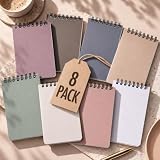
- Pocket sized, spiral bound notebook that lays flat on the kitchen counter
- A dedicated steeping timer (digital or sand-glass)
- Waterproof pen to survive kitchen spills
- Pre-cut index tabs for monthly tracking
Journaling Workflow
- Rule the page into small, simple daily boxes, similar to a calendar planner.
- Log the name of the daily brew and the tea source in the top line of today’s box.
- Record the basic ingredient list if it’s a quick custom blend.
- Note the exact infusion time using your steeping timer to ensure flavor consistency.
- Rate the cup quickly with a simple 1-to-5 star system to track what works for early mornings.
Pro-Tip: The secret to a successful daily log is tracking the water quality for tea. Make a small note if you used filtered, spring, or tap water, as mineral content drastically changes the liquor color scale and taste of delicate greens and whites.
4. Cataloging A Loose Leaf Tea Inventory Index

Save this genius inventory layout to organize your overflowing tea stash!
For enthusiasts who constantly buy new samples, a disorganized tea collection quickly becomes overwhelming. A dedicated tea collection journal acts as your master catalog, ensuring no precious leaf goes stale at the back of the cupboard.
By utilizing a refillable binder + organization system, you can constantly add and rearrange pages as your stash grows. This method is incredibly effective for cataloging large quantities of loose leaf tea, letting you cross-reference your notes directly with your physical tea canisters.
Supplies Needed
- Refillable A5 6-ring binder with heavy-duty blank inserts
- Alphabetical or categorical tab dividers
- Matching airtight tea canisters for physical storage
- Bamboo tea scoop for handling delicate leaves without crushing them
Journaling Workflow
- Create a master index page at the front of your tea recipe binder categorizing by tea type (Black, Green, Oolong, Pu-erh).
- Dedicate a full page to each new tea you purchase, starting with the exact leaf origin and estate name.
- Document the specific cultivar identification and the harvest date (e.g., Spring 2026 First Flush).
- Log the expected shelf life tracking expiration to ensure you drink your stash before it goes stale.
- Cross-reference the page number in your binder with a physical label on your corresponding tea canisters.
Pro-Tip: For comprehensive tea grading systems, always record the leaf grade acronym (like SFTGFOP for Darjeeling) in your index. It helps you remember why certain teas require entirely different brewing instructions despite being from the same estate.

5. Evaluating Gongfu Style Steeping Curves

Pin this advanced Gongfu steeping layout to perfect your multiple infusions!
Traditional Chinese brewing requires highly specific tracking because the flavor profile shifts dramatically with every single pour. A tea brew log formatted for multiple infusions allows you to map out this complex journey across a single sitting.
Using a pre-formatted layout with multiple columns is vital when using a gaiwan or clay teapot. This highly technical approach to traditional preparation helps you pinpoint exactly when a dense post-fermented tea finally opens up and releases its sweetest notes.
Supplies Needed
- Pre-formatted tea log book with dedicated columns for multiple steepings
- Traditional gaiwan or Yixing clay teapot
- High-precision digital thermometer
- Glass fairness pitcher (cha hai) to observe the liquor color
Journaling Workflow
- Outline a table with five to ten columns to represent each successive steep of the session.
- Record your baseline water temperature and the high leaf-to-water ratio typical of traditional preparation.
- Track the precise steeping time for each round, starting at just 10 seconds and increasing incrementally.
- Document how the flavor profile shifts—for example, noting when the astringency fades and the sweetness emerges in a post-fermented tea.
- Chart the steeping temperature curve if you intentionally let the water cool during later infusions.
Pro-Tip: When dedicating a page to gongfu brewing, note your yixing seasoning progress. Clay teapots absorb oils over time, so a Pu-erh brewed in a dedicated pot will yield a noticeably smoother tasting record than the same leaf brewed in porcelain.

6. Customizing A Vintage Multimedia Recipe Binder

Pin this gorgeous vintage scrapbook layout to inspire your next DIY project!
Journaling should be a deeply satisfying creative outlet that goes beyond rigid spreadsheets. Customizing a multimedia binder allows you to merge the analytical side of tea blending with the artistic joy of scrapbooking.
By combining a vintage style leather cover with modern printable PDF inserts, you create an incredibly personalized blank tea recipe book. This aesthetic + minimal approach beautifully accommodates loose wrapper labels, illustrated tags, and printed digital version logs in one stunning volume.
Supplies Needed
- Vintage style A5 leather ring binder
- Heavyweight kraft paper inserts (120gsm or higher)
- Printable PDF tea journal templates downloaded and printed at home
- Adhesive photo corners and double-sided crafter’s tape
Journaling Workflow
- Print your downloaded blank template pages on high-quality, textured paper to match the vintage style aesthetic.
- Trim the printable PDF sheets to size and use a 6-hole punch to prep them for the binder.
- Mount beautiful tea packaging labels or illustrated tea tags directly onto the kraft paper using adhesive photo corners.
- Layer your printed recipe cards over the kraft paper, securing them with aesthetic washi tape to create a flip-up scrapbook effect.
- Customize the borders of your tea blend recipe pages with botanical stamps or watercolor washes to chronicle your journey creatively.
Pro-Tip: If you are pasting authentic tea wrappers into your tea archive, use only acid-free archival glue. Standard glue sticks contain acids that will rapidly yellow and degrade your printed printable PDF pages over time.

7. Tracking Seasonal Foraged Herbal Infusions

Save this forager’s journal layout for your spring and summer harvests!
For home herbalists, the journey begins long before the water boils. Harvesting wild botanicals requires meticulous documentation to ensure safety, efficacy, and peak flavor in your final cup.
A handcrafted, linen cover journal serves as the perfect field companion when you are foraging for herbs. By tracking the exact harvest date and recording your specific drying processes, you preserve the fragile botanical constituents necessary for masterful tisane formulation.
Supplies Needed
- Linen cover bound journal with thick mixed-media pages capable of handling moisture
- Micro-tip botanical drawing pens
- Flower pressing kit or heavy books
- Breathable mesh bags for drying your foraging for herbs hauls
Journaling Workflow
- Dedicate a section of your botanical archive exclusively to the Spring/Summer foraging season.
- Sketch or press the fresh plant material directly into the book before it wilts to ensure precise botanical accuracy.
- Record the exact geographical location and harvest date so you can return to the same patch next year.
- Document your specific herb drying guide method (e.g., air-dried in a dark room for 14 days) alongside the recipe.
- Formulate your final tisane formulation only after noting how the flavor profile changed during the drying process.
Pro-Tip: True tisane formulation relies heavily on seasonal timing. Mint harvested in early spring has entirely different botanical constituents and volatile oil levels than mint harvested in late summer. Always track the seasonal phase in your herbalist record.

8. Formatting Cold Brew & Iced Tea Ratios

Pin this refreshing cold brew ratio tracker for perfect summer teas!
Summer brewing presents an entirely unique set of challenges that can quickly ruin a good batch of leaves. Nailing the correct blend + ratio is incredibly difficult when dealing with melting ice and long cold-steep times, making a specialized tea blend log absolutely essential.
Using a notebook with waterproof pages ensures your notes survive the condensation from a chilled glass pitcher. By diligently measuring ingredients and logging ambient refrigeration temperatures, you completely eliminate the frustratingly diluted, inconsistent tea taste that plagues most homemade iced teas.
Supplies Needed
- Notebook featuring waterproof pages (like stone paper) to withstand pitcher condensation
- Large glass cold-brew pitcher with a fine mesh infuser
- Digital kitchen scale for precise measuring
- Specialized iced tea glasses
Journaling Workflow
- Draw a two-column chart separating “Hot Brew Over Ice” recipes from true “Cold Steep” recipes.
- Calculate and write down the concentrated blend + ratio (usually double the standard amount of leaf) needed to combat ice dilution.
- Record the ambient refrigerator temperature and total cold infusion time (typically 8 to 12 hours).
- Log the exact amount and type of sweetener used, noting how it dissolves differently in cold water temperature.
- Rate the final clarity of the liquor, noting if the tea became cloudy (a sign of tannin shock).
Pro-Tip: Cold water extracts less astringency rating (tannins) and less caffeine than hot water, but requires significantly longer contact time. Use your tea blend log to experiment with 12-hour versus 16-hour cold steeps—you will notice a massive shift in the flavor profile and polyphenol content.

9. Structuring A Tea Party Menu & Pairing Log

Save this elegant tea pairing layout to plan your perfect afternoon tea!
Elevating your journal from a solitary brewing log into a culinary event planner bridges the gap between science and hospitality. Planning an afternoon tea requires carefully balancing complex flavors, making a dedicated tea pairing layout indispensable for any host.
A luxurious, gift-ready journal acts as an elegant record of your best entertaining moments. By mapping out an afternoon tea menu alongside your fine teaware, you ensure the delicate sandwiches and scones perfectly complement the specific astringency rating of your chosen brews.
Supplies Needed
- A luxurious, gift-ready journal with gold foil accents or an elegant cloth cover
- Fine bone china teaware set
- Tiered pastry stand for presentation
- Calligraphy pens for writing the formal afternoon tea menu
Journaling Workflow
- Structure the page into three distinct courses: Savories (sandwiches), Scones, and Sweets (pastries).
- Assign a specific tea pairing to each course, writing the tea’s flavor profile next to the food item.
- Log the logistical brewing instructions so you know exactly when to start the kettle during the tea party.
- Record your guests’ reactions and feedback in the margins for future event reference.
- Document the exact tea and food pairing successes—like how a malty Assam perfectly cut the richness of a clotted cream scone.
Pro-Tip: A successful tea and food pairing requires understanding mouthfeel. Use your cupping book to note the astringency rating of a Black tea; highly astringent teas act as palate cleansers, making them perfect companions for heavy, butter-rich pastries.

Key Takeaways: Your Quick Guide to Perfecting Your Tea Recipe Journal
Mastering your tea blending diary ultimately comes down to systematically tracking variables so you can perfectly recreate your favorite flavor profiles time and time again. Whether you lean toward casual brewing or professional cupping, adhering to these core principles will vastly improve your cup.
Here is a quick summary of the most impactful strategies for organizing your tea log book:
- Track Variables Relentlessly for Consistency – Documenting exact water temperature and precise steeping time is the only foolproof way to eliminate inconsistent tea taste and replicate your favorite custom blend.
- Match Your Journal Format to Your Brewing Style – A minimalist design pocket book works best for a daily brew, while a refillable binder is essential for managing an expanding disorganized tea collection.
- Standardize Your Tasting Vocabulary – Using a consistent aroma wheel and logging specific mouthfeel descriptors will elevate your tasting notes from amateur to sommelier approved.
- Treat Botanicals as Time-Sensitive Ingredients – Always log the harvest date and leaf origin, as the polyphenol content and flavor of a herbal infusion degrade significantly during storage.
- Leverage Layouts to Fix Specific Problems – Use lateral tasting charts to compare cultivars side-by-side, or multi-column grids to master the complex steeping temperature curve of gongfu brewing.
- Integrate Culinary Elements for Entertaining – A comprehensive tea recipe binder should bridge the gap between brewing and hospitality by tracking successful tea pairing menus alongside your brewing instructions and ingredient list.
People Also Ask About Tea Recipe Journals
Building a reliable tea tasting notebook can feel overwhelming when you are first getting started with tracking. To help you build the best possible system, we have compiled authoritative, research backed answers to the most common questions about documenting tea.
What is a tea recipe journal?
A tea recipe journal is a specialized notebook or digital template used to document custom tea blends, precise brewing parameters, and detailed tasting notes.
Unlike a standard diary, it is formatted to track specific variables like water temperature, steep times, and ingredient ratios. It serves as a vital tool for both home herbalists preventing lost recipes and tea enthusiasts wanting to ensure flavor consistency in every cup.
How do I start a tea journal?
Start a tea journal by selecting a dedicated notebook and dedicating the first page to a blank index for easy future reference.
Begin by logging the teas you already drink daily. Focus on recording three core variables first: the exact name of the leaf, the water temperature used, and the steeping duration. As you get comfortable, you can expand your entries to include complex aroma descriptions and custom herbal blending ratios.
Can I use a regular notebook for tea recipes?
Yes, you can use a regular notebook, but you must manually draw grids and charts to track the essential brewing data effectively.
While a standard spiral or hardcover book offers a blank slate, investing in a pre-formatted tea tasting notebook saves time. If you use a regular blank book, dedicate the margins to standard metrics like steep time and temperature so your recipe repository remains organized and highly searchable.
What should a tea tasting journal include?
A complete tea tasting journal should include fields for leaf origin, harvest date, water temperature, steeping time, flavor profile, and a final cupping score.
Advanced users often include sections for the liquor color scale, mouthfeel descriptors, and multiple infusion tracking. Having structured fields ensures you capture all the necessary data required to properly evaluate and replicate the brew in the future.
How to document tea blending ratios?
Document tea blending ratios by strictly using “parts” by weight or volume to ensure your recipe can be scaled up or down accurately.
For example, write “2 parts chamomile, 1 part lavender” rather than “2 tablespoons.” Always note whether you are measuring by weight (grams) or volume (teaspoons), as dense ingredients like dried berries weigh significantly more than light ingredients like dried mint leaves.
Where can I find a tea journal template?
You can find tea journal templates on artisan marketplaces like Etsy, dedicated tea blogs, or by purchasing pre-formatted digital versions for tablet apps.
Many tea sommeliers and home herbalists offer printable PDF downloads that you can easily insert into a customized vintage recipe binder. These printable templates range from minimalist daily trackers to advanced Gongfu steeping charts.
How to track tea sourcing in a journal?
Track your tea sourcing by creating a master inventory index at the front of your journal that links specific batch numbers to the vendor and estate.
Whenever you buy a new loose leaf tea, immediately record the purchase date, the specific farm or leaf origin, and the cultivar identification. This helps you reorder your exact favorites and understand how seasonal terroir factors impact your cup year over year.
How to track shelf life of dried tea?
Track shelf life by recording both the date of purchase and the official harvest date alongside an expected expiration timeline in your log.
Green and white teas generally lose their optimal polyphenol content and vibrant flavor within 6 to 12 months. In your botanical archive, flag these delicate teas with a prominent “drink by” date so they aren’t pushed to the back of your tea cabinet and forgotten.
What is a tea sommelier’s notebook?
A tea sommelier’s notebook is a highly technical journal focused on comparative lateral tasting, grading systems, and precise terroir identification.
Rather than focusing on DIY herbal crafts, a sommelier’s cupping book uses industry-standard aroma wheels and structured evaluation metrics to objectively rate the quality, tannin balance, and astringency of single-origin true teas (Camellia sinensis).
How to create a digital tea recipe journal?
Create a digital tea recipe journal by importing a hyperlinked, interactive PDF template into a tablet note-taking app like GoodNotes or Notability.
A digital version is ideal for users who want to easily search their recipe repository using text recognition, rearrange their collection without rewriting pages, or attach digital photographs of the liquor color directly to their tasting notes.
Final Thoughts on Mastering Your Tea Recipe Journal
Starting a tea recipe journal is about far more than just keeping an orderly kitchen; it is a profound commitment to mastering your craft and respecting the ingredients you brew. Whether you are a budding home herbalist trying to perfect a medicinal custom blend, or an aspiring connoisseur evaluating the terroir factors of a rare Oolong, the act of writing down your tasting notes bridges the gap between casual sipping and true mastery.
By utilizing the aesthetic layouts we’ve explored—from the precision of a sommelier’s lateral tasting chart to the creative joy of a mixed-media tea archive—you empower yourself to permanently solve the frustration of inconsistent tea taste. You are no longer guessing at water temperatures or trying to remember a blend ratio you loved last month. Instead, you are building a personalized, research backed repository of your own culinary successes using proven systems and authentic methods.
Pick the layout that best aligns with your daily habits, grab your favorite steeping timer, and start your first entry today. The perfect cup of tea is no longer a happy accident; it’s a meticulously documented tea blend recipe waiting to be recreated.
Which layout are you going to use for your tea recipe journal this season—are you leaning toward a highly structured tasting log or a creative, aesthetic binder? Let us know in the comments below!
Last update on 2026-10-14 / Affiliate links / Images from Amazon Product Advertising API
