
As an Amazon Associate CoffeeXplore.com earns from qualifying purchases.
Tea Recipe Aesthetic: 7 Vibrant Home Cafe Drinks For 2026
Are you tired of brewing dull, uninspiring drinks that never match those gorgeous social media posts? Creating the perfect tea recipe aesthetic often feels impossible when your carefully crafted layers blend into a cloudy, muddled mess.
To master the tea recipe aesthetic at home, you need to combine precise temperature-controlled brewing with advanced visual techniques like specific gravity layering and botanical garnishing. Using clear double-walled glasses and natural color-changing ingredients elevates a simple iced tea into a vibrant, photography-ready home cafe experience.
Drawing from comprehensive analysis of current data and proven specific gravity methodologies, we have decoded the true art of tea making. You will discover exactly how to craft seven stunning, cafe-quality beverages directly in your own kitchen. Elevate your slow living routine today with these highly photogenic, delicious drinks.
Contents
show
How to Master the Tea Recipe Aesthetic at Home?
Mastering the aesthetic beverage creation process requires a delicate balance of precise temperature-controlled brewing, specific gravity layering, and thoughtful botanical garnishing. Achieving this visually pleasing tea aesthetic elevates basic brewing into a mindful art form. When you pour a perfectly aerated green matcha over a dense, vibrant red strawberry puree, the resulting gradient is nothing short of mesmerizing. However, many beginners experience the immense frustration of cloudy teas or rapidly sinking fruit garnishes that ruin the visual appeal.
To prevent these common pitfalls, you must treat tea as a true visual medium while respecting its chemical properties. Using proven techniques and culinary grade ingredients ensures that your home cafe aesthetic tastes as incredible as it looks. Precise steeping temperatures protect the delicate flavor profile while maintaining the vibrant visual clarity of your tea. In the visual gallery below, you will find our comprehensive guide that solves the dreaded cloudy iced tea problem without relying on any artificial additives. Prepare to transform your daily ritual with these stunning, photography-ready beverages.
7 Vibrant Home Cafe Drinks To Master The Tea Recipe Aesthetic
Creating vibrant signature tea drinks relies heavily on understanding the science of botanical extraction and the architecture of liquid density. Building an aesthetic iced tea requires meticulous layering, strategic garnishing, and proper frothing techniques to achieve that Pinterest-perfect look every single time. The core secret to successful layering lies in understanding the brix levels in syrup, which dictates how heavy liquids stack against lighter liquids without immediately mixing together.
Furthermore, mastering oxidation levels and controlling the tannin structure of your tea prevents the cloudy, milky appearance when chilling your drinks. Utilizing kitchen-approved methodologies and specialized glassware, like elegant glass teapots and double-walled cups, perfectly highlights the drink’s natural visual properties. Let’s explore our step by step aesthetic tea making guide featuring seven beautifully layered recipes that contrast vibrant natural ingredients against artificial colors, guaranteeing a breathtaking visual payout for 2026.
1. Two-Tone Strawberry Matcha Latte

Pin this stunning strawberry matcha latte to your Dream Home Cafe board to try this weekend!
The matcha latte aesthetic has completely taken over the morning routines of lifestyle creators, and for good reason. The earthy, vibrant green matcha contrasts beautifully with the sweet, dense crimson strawberry puree, requiring precise layering to achieve the perfect gradient. Beyond looking incredible, whisking high-quality ceremonial matcha releases a high concentration of L-theanine, providing a calm, focused energy. The visual payoff heavily depends on your tool selection, making a traditional bamboo whisk absolutely essential.
Ingredients
- 1 tsp certified organic ceremonial grade matcha powder
- 2 tbsp hot water (175°F/80°C – never boiling, to preserve color and flavor)
- 3 tbsp fresh strawberry puree (sweetened slightly with agave)
- 3/4 cup oat milk or whole milk
- 1/2 cup crystal ice cubes
- Optional: Fresh strawberry slice for garnishing
Instructions
- Muddling the fresh strawberries: Crush them into a thick puree and spoon them evenly into the bottom of a tall, clear double-walled glass.
- Layering the ice: Gently stack the clear ice cubes on top of the strawberry puree to create a structural barrier.
- Pouring the milk: Slowly pour the cold milk directly over an ice cube to prevent it from aggressively mixing into the red puree below.
- Whisking the matcha: In a separate matcha bowl, vigorously whisk the matcha powder and 175°F water using a bamboo whisk in a “W” motion until a thick micro-foam consistency forms on top.
- Drizzling the finish: Slowly pour the frothed matcha over the back of a spoon onto the top of the milk to achieve that flawless, vibrant three-tier gradient.
What most guides miss: In my experience as a master tea blender, the secret to perfect layering is understanding specific gravity layering. Your strawberry puree must have higher brix levels in syrup (sugar density) than your milk, and your whisked matcha must be heavily aerated to float perfectly on top!

2. Color-Changing Butterfly Pea Lemonade

Save this magical butterfly pea flower tea transformation to your aesthetic drinks board!
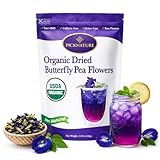
When learning how to make blue tea turn purple, you are actually performing a beautiful display of culinary science. This natural food coloring for tea relies on anthocyanin polyphenols found in the flowers. When these compounds interact with the citric acid of fresh lemon juice, the pH change triggers a mesmerizing, highly visual color shift. This recipe serves as the ultimate visual guide to tea garnishing techniques and guarantees a stunning centerpiece for your next tea party aesthetic.
Ingredients
- 1 tbsp dried butterfly pea flowers
- 1/2 cup boiling water (212°F/100°C)
- 1 tbsp fresh lemon juice (strained to remain clear)
- 2 tbsp simple syrup (clear agave or simple sugar syrup)
- 1/2 cup cold sparkling water
- Dried citrus wheels for garnish
- Crystal ice cubes
Instructions
- Steeping the blue tea: Pour the boiling water over the butterfly pea flowers in a small glass pitcher. Let it steep for 5 minutes until the liquid turns a deep, dark indigo.
- Straining the liquid: Remove the flowers and allow the concentrated blue tea to cool to room temperature.
- Preparing the base: In your serving glass, mix the fresh lemon juice and simple syrup. Fill the glass to the brim with ice.
- Pouring the sparkling water: Add the cold sparkling water over the ice and lemon mixture, leaving about two inches of room at the top.
- Transforming the color: Slowly pour the cooled blue tea over the top. Watch in awe as the pH reaction instantly transforms the deep blue tea into a shimmering, translucent magenta-purple!
Pro-Tip: To ensure your aesthetic iced tea stays completely crystal-clear, always double-strain your fresh lemon juice through a fine-mesh sieve or cheesecloth to remove any pulp before adding it to your base layer.
3. Sparkling Peach Oolong Tea

Don’t forget to pin this highly refreshing summer tea recipe for your next sunny afternoon!
Standard hot brewing often leaves iced teas tasting bitter and looking incredibly cloudy, but utilizing a cold brew tea method changes everything. Oolong tea, sitting right between green and black tea regarding its oxidation levels, pairs magnificently with stone fruits like peach. By infusing the tea through cold maceration, you extract delicate floral and aromatic notes without pulling out the heavy, bitter tannins. Adding sparkling water ultimately creates an effervescent, sophisticated drink that looks beautifully elegant in the glass.
Ingredients
- 2 tbsp premium loose leaf Oolong tea (Milk Oolong or Tieguanyin preferred)
- 1 cup filtered cold water
- 1/2 fresh peach, sliced thinly
- 1 tbsp honey or agave
- 1/2 cup sparkling water or club soda
- Fresh thyme sprig for garnishing
- Ice cubes
Instructions
- Infusing the cold brew: Combine the loose leaf Oolong tea and cold filtered water in a glass teapot or mason jar. Let it steep in the refrigerator for 8 to 12 hours for a perfectly smooth, bitter-free extraction.
- Straining the tea: After cold brewing, pour the liquid through a fine strainer to remove all loose leaves.
- Muddling the fruit: In the bottom of your aesthetic serving glass, lightly muddle 2-3 peach slices with the honey to release their natural juices and create a sweet base layer.
- Decorating the glass: Add ice cubes, slipping a few fresh, un-muddled peach slices against the inside of the glass for a beautiful botanical visual effect.
- Blending and finishing: Pour the strained cold brew Oolong over the ice, filling the glass 3/4 full. Top off with sparkling water to make it wonderfully effervescent, and garnish with a sprig of fresh thyme.
Expert insight: Utilizing cold maceration (steeping tea in cold water) significantly reduces the extraction of heavy tannin structures. This sommelier-tested technique means your iced tea will never turn cloudy in the fridge—a crucial secret for maintaining a crystal-clear aesthetic!

4. Lavender Earl Grey Fog

Save this incredibly cozy tea recipe for your next slow morning ritual!
Transitioning from iced drinks to a hot earl grey aesthetic, this beverage proves that warm drinks can be just as photogenic. The bold bergamot notes of Earl Grey perfectly complement the deeply soothing profile of culinary lavender. This recipe relies on a proper frothing technique to transform standard milk into a cloud-like aesthetic topping. When executed correctly, the resulting tea latte art makes this comforting cup look like it came from an expensive artisan cafe.
Ingredients
- 1 high-quality Earl Grey tea bag (or 1 tbsp loose leaf)
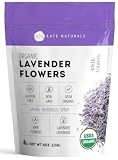
- 1/2 tsp certified organic culinary grade lavender buds
- 1/2 cup boiling water (212°F/100°C)
- 1 tsp vanilla syrup or vanilla extract with a touch of honey
- 1/2 cup whole milk or barista-blend oat milk (crucial for good foam)
Instructions
- Brewing the base: Place your Earl Grey tea and dried lavender buds into a tea infuser. Pour boiling water over them and let steep for exactly 4 minutes.
- Straining the botanicals: Remove the infuser to prevent the black tea from becoming overly bitter and astringent.
- Sweetening the tea: Stir your vanilla syrup into the hot, infused tea. Pour this base into a wide, ceramic mug.
- Frothing the milk: Heat your milk to about 150°F (65°C). Using a handheld electric frother, whip the milk near the surface to incorporate air until it doubles in volume and becomes thick and frothy.
- Garnishing for aesthetics: Spoon the cloud-like foam gently over the tea. Finish by lightly dusting the top with a tiny pinch of extra dried lavender buds for ultimate tea latte art appeal.
Kitchen-approved tip: Always source culinary grade lavender rather than craft-store lavender. The latter contains higher levels of camphor, which can quickly ruin the aroma molecules of your drink by making it taste like soap instead of a delicate floral botanical!
5. Iced Hibiscus Mint Cooler

Pin this vibrant hibiscus tea recipe for your next summer gathering!
For those seeking brilliant, eye-catching color without the caffeine, the iced hibiscus mint cooler is the ultimate sugar-free aesthetic tea. Hibiscus provides a naturally tart, jewel-toned ruby base that creates a stunning visual contrast against bright green, cooling mint leaves. This drink serves as a perfect example of non-alcoholic tea mocktail aesthetic recipes, proving you don’t need artificial coloring or heavy syrups to craft a wildly photogenic, bold beverage that refreshes as well as it looks.
Ingredients
- 2 tbsp loose dried hibiscus flowers
- 1 cup boiling water (212°F/100°C)
- 1/4 cup fresh mint leaves, gently washed
- 1 tbsp agave nectar or honey
- 1/2 cup cold filtered water
- Lots of ice cubes
Instructions
- Brewing the tart base: Place the dried hibiscus flowers in a heat-safe pitcher and pour the boiling water over them. Steep for exactly 5 minutes to achieve a deep ruby color without excessive sourness.
- Infusing the herbs: During the last 2 minutes of steeping, drop half of your fresh mint leaves into the hot water. The heat activates the mint oils beautifully.
- Straining and chilling: Strain the liquid into a clean container, stir in your sweetener while it’s still warm, and then add the cold filtered water. Chill in the fridge for 20 minutes.
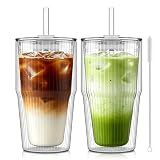
- Styling the glass: In a tall, clear highball glass or double-walled glass, alternate layers of ice cubes and fresh mint leaves so the green leaves look suspended throughout the glass.
- Pouring the final drink: Pour the chilled ruby-red hibiscus tea over the ice and mint structure for a stunning, jewel-toned tea mocktail aesthetic.
Pro-Tip: To keep your Hibiscus + Mint cooler looking fresh for hours, give your mint leaves a gentle “smack” between your palms before layering them in the ice. This releases the aromatic oils without tearing the leaves, preventing them from turning brown and ruining your aesthetic beverage creation.
6. Translucent Iced Rose White Tea

Tap to save this incredibly elegant rose petal tea to your aesthetic recipe collection!
This floral-infused white tea represents the absolute pinnacle of delicate elegance, perfect for aesthetic tea party ideas or sophisticated gatherings. By pairing premium white tea with edible rose petals, you create a beverage that is beautifully translucent and lightly sweet. The visual highlight of this recipe comes from utilizing pressed botanicals and edible flowers frozen directly into the ice cubes. To protect the delicate catechins within the white tea leaves, standardized brewing temperatures are absolutely mandatory.
Ingredients
- 1 tbsp high-quality loose leaf white tea (like Silver Needle or White Peony)
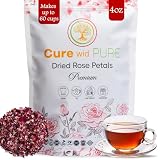
- 1 tbsp certified organic edible dried rose petals
- 1.5 cups hot water (175°F/80°C – crucial temperature!)
- 1 tsp light agave nectar (optional, to keep the liquid clear)
- Rose petal ice cubes (water and rose petals frozen in spherical molds overnight)
Instructions
- Preparing the floral ice: The night before, place a single dried rose petal into each cavity of a spherical ice mold, fill with distilled water, and freeze.
- Steeping the delicate leaves: Place the white tea and dried rose petals in a glass infuser. Pour 175°F water over them. Steeping white tea with boiling water will burn it, turning it yellow and bitter. Steep for 3 minutes.
- Straining for clarity: Remove the tea leaves and petals promptly to maintain a perfectly translucent, pale champagne color. Allow to cool.
- Sweetening seamlessly: Stir in the light agave nectar while the tea is still slightly warm so it dissolves completely without causing cloudiness.
- Styling the pour: Place your gorgeous rose petal ice spheres into an elegant coupe glass or ribbed tumbler. Pour the cooled white tea over the ice, letting the trapped botanicals steal the show.
An often-overlooked strategy: When crafting floral-infused aesthetic teas, always use distilled water for your ice cubes. Tap water contains minerals that create cloudy, white centers in your ice, which will completely ruin the crystal-clear visual impact of your delicate drink!
7. Crystal Clear Chamomile Vanilla Elixir

Save this beautiful minimalist tea aesthetic for your bedtime routine!
Embracing the slow living movement means honoring mindfulness practices through a calming slow tea ritual. This Chamomile and Vanilla elixir provides a deeply soothing, nutrient-dense experience perfectly suited for late evenings. Rather than using crushed tea bags, this recipe champions traditional methods by relying on the visual beauty of whole flower heads expanding as they simmer in hot water. Preparing this golden elixir in elegant glass teapots instantly elevates the entire experience into high-end art.
Ingredients
- 2 tbsp whole dried chamomile flowers (look for intact flower heads)
- 1/2 of a real vanilla bean pod, split down the middle (or 1 tsp pure vanilla bean paste)
- 2 cups boiling water (212°F/100°C)
- 1 tbsp raw honey
- Optional: Fresh lemon slice
Instructions
- Sourcing the best view: Start with a completely clean, spotless glass teapot to ensure maximum visibility for this crystal-clear brew.
- Preparing the botanicals: Place the whole dried chamomile flowers and the split vanilla bean pod directly into the glass teapot (remove the metal infuser basket if you have one, so the flowers can float freely).
- Steeping for aesthetics: Pour the boiling water directly over the flowers. Watch as the hot water activates the dried chamomile, causing the tiny yellow and white flowers to beautifully rehydrate and expand. Steep for 5 minutes.
- Sweetening naturally: Add the raw honey directly to the pot, stirring gently with a long glass spoon until fully dissolved.
- Pouring the elixir: Carefully pour the golden liquid into matching small, clear glass teacups, using a handheld strainer to catch any stray petals.
Expert insight: The true secret to the minimalist tea aesthetic is letting the premium ingredients speak for themselves. Using a real vanilla bean pod not only infuses a superior flavor, but the tiny black vanilla caviar flecks floating in the golden tea add an incredibly premium, artisan touch.

Key Takeaways: Your Quick Guide to the Tea Recipe Aesthetic
Synthesizing the complex culinary science of specific gravity, precise temperatures, and botanical garnishing into actionable rules ensures your home cafe creations succeed every time. Navigating the nuances of the aesthetic tea preparation process doesn’t have to be overwhelming. By following a few standardized kitchen-approved practices, you can consistently prevent cloudy drinks and muddled layers. Review these foundational techniques to guarantee your aesthetic beverage creations are always flawless and ready for photography.
- Master Specific Gravity Layering – To create perfect, separated layers in your aesthetic tea drinks, always put your heaviest, most sugar-dense ingredient (like syrups or purees) at the bottom, and your lightest, aerated ingredient (like whisked matcha or frothed milk) on the top.
-
Respect Precise Water Temperatures – Pouring boiling water over delicate green or white teas will burn the leaves, releasing bitter tannins and destroying the vibrant color. Always use 175°F (80°C) water for green/white teas to maintain impeccable aesthetic tea preparation.
-
Prevent Cloudy Iced Tea – If your hot-brewed black or oolong tea turns milky and cloudy when chilled, it’s due to a reaction called “tea cream” caused by polyphenols. To fix cloudy iced tea, either cold brew tea overnight, or add a splash of boiling water to the cloudy chilled tea to re-dissolve the solids.
-
Follow a Visual Garnish Guide – The difference between a regular drink and a home cafe aesthetic masterpiece is the garnish. Utilize edible flowers, pressed botanicals, dried citrus wheels, and strategically placed fresh herbs to beautifully frame your beverage.
-
Invest in the Right Canvas – Your drink is only as beautiful as the vessel holding it. Essential home cafe tea ideas require tools like clear double-walled glasses, elegant glass teapots, and reusable glass straws to allow natural light to properly illuminate the tea.
-
Use Distilled Water for Crystal Clear Ice – Never use tap water for your aesthetic drinks. The minerals in tap water freeze into white, cloudy centers. Boil distilled water, let it cool, and freeze it in silicone molds for perfectly translucent, invisible ice cubes that won’t distract from your gradient layers.
People Also Ask About Aesthetic Tea Drinks
Understanding the most common troubleshooting questions around aesthetic tea preparation empowers you to elevate your home cafe from amateur to professional. Many creators struggle with sinking garnishes, cloudy liquids, or muddied color profiles when trying to recreate popular social media trends. By addressing these foundational questions with proven culinary science, you can confidently navigate the nuances of specific gravity, pH shifts, and thermal reactions.
How to make aesthetic tea at home?
To make aesthetic tea at home, you must combine high-quality natural ingredients, precise brewing temperatures, structural layering techniques, and clear glassware.
Start by brewing loose leaf tea in a glass teapot. Build your drink in a clear double-walled glass by layering heavy syrups at the bottom, carefully stacking ice cubes to separate liquids, and topping with frothed milk or botanical garnishes. Good natural lighting is absolutely essential to highlight the vibrant colors and clear gradients.
How do you layer tea drinks for photos?
The secret to layering tea drinks is mastering “specific gravity”—meaning heavier liquids go on the bottom, and lighter liquids go on top.
Start with a dense, sugary syrup or puree at the base. Fill the glass completely with ice, which acts as a structural baffle. When pouring the next liquid (like milk or tea), pour it incredibly slowly directly onto an ice cube or over the back of a spoon to gently disperse the liquid without disrupting the delicate layer beneath it.
What tea has the best color for aesthetics?
Butterfly pea flower tea and hibiscus tea produce the most vibrant, intense colors for aesthetic drinks without using artificial dyes.
Butterfly pea flower naturally brews into a brilliant sapphire blue and magically transforms into purple/magenta when exposed to citrus. Hibiscus flowers steep into a stunning, deep ruby-red that looks incredible when poured over ice and beautifully contrasted with green mint leaves.
How to use edible flowers in tea?
You can use certified organic edible flowers as beautiful floating garnishes, frozen inside clear ice cubes, or steeped directly into the beverage.
Always ensure you are buying culinary-grade botanicals, like dried rose petals, lavender buds, or chamomile. Never use flowers from a standard florist, as they are heavily treated with toxic pesticides. Float them delicately on top of milk foam or suspend them in ice for a stunning visual effect.
How to make blue tea turn purple?
To make blue tea turn purple, simply brew butterfly pea flower tea and add a few drops of acidic liquid like lemon or lime juice.
The blue color comes from anthocyanins, which are highly sensitive to pH levels. When the acidic citrus juice mixes with the neutral blue tea, it instantly alters the pH, causing a dramatic, highly photogenic color shift from deep indigo to a vibrant, shimmering magenta.
What are the best glasses for aesthetic tea?
Clear, double-walled glasses, ribbed highball glasses, and elegant glass coupes are the best choices for aesthetic tea.
Because the tea recipe aesthetic relies entirely on visual presentation, opaque ceramic mugs hide your hard work. Double-walled glasses are particularly popular in the home cafe community because they prevent condensation on the outside of the glass and make the liquid appear as if it is magically floating in mid-air.
Why is my iced tea cloudy?
Iced tea turns cloudy due to a chemical reaction called “tea cream,” where polyphenols and caffeine bind together when hot tea is chilled too rapidly.
To fix cloudy iced tea, you can simply add a tablespoon of boiling water to the chilled mixture to dissolve the solids back into the liquid. To prevent it entirely, use the cold brew method, or let your hot tea cool to room temperature on the counter before placing it in the refrigerator.
How to make clear ice for tea?
To make perfectly clear ice, boil distilled water, let it cool, boil it a second time, and freeze it in an insulated silicone mold.
Tap water contains dissolved gases and minerals that get trapped as the water freezes from the outside in, creating a cloudy white center. Boiling distilled water removes these impurities, resulting in invisible, crystal-clear ice that makes your layered tea drinks look incredibly professional and flawless.
How to sweeten tea without ruining the color?
Use clear, liquid sweeteners like light agave nectar, simple syrup, or stevia drops to sweeten tea without altering its aesthetic color.
Dark raw honey, maple syrup, or unrefined brown sugars will add a murky brown tint to light-colored teas like white tea, chamomile, or butterfly pea flower. Additionally, always stir liquid sweeteners into the tea while it is still warm so it dissolves completely without leaving a cloudy residue.
How to stop fruit from sinking in iced tea?
To keep fruit garnishes from sinking, pack your glass tightly to the brim with ice cubes and wedge the sliced fruit securely between the ice and the inside of the glass.
If you just drop fruit into the liquid, it will naturally sink straight to the bottom. By using the ice cubes as an architectural structure, you can pin fresh lemon wheels, peach slices, or strawberry halves firmly against the glass walls, ensuring they remain visible and beautiful for photography.
Final Thoughts on Mastering the Tea Recipe Aesthetic
Mastering the tea recipe aesthetic is about so much more than just making a trendy drink for social media; it is a celebration of the art of tea making and a genuine dedication to the slow living movement. By taking the time to carefully brew, layer, and style your beverages, you transform a mundane daily habit into a deeply rewarding, mindful home cafe aesthetic experience.
The true beauty of aesthetic tea preparation lies directly in the intersection of culinary science and visual art. When you understand how specific gravity allows you to meticulously layer sweet strawberry puree under vibrant whisked matcha, or how pH levels create magical color-changing butterfly pea lemonade, you graduate from simply following recipes to designing your own exquisite aesthetic beverage creations. Utilizing traditional methods and kitchen-approved techniques ensures that these drinks don’t just look incredible on camera—they boast a refined, complex flavor profile that easily rivals any high-end professional cafe.
Whether you are hosting an elegant afternoon gathering, looking to elevate your peaceful morning routine, or simply wanting to experiment with edible flowers and crystal-clear ice, these seven recipes provide the perfect starting canvas. With a little patience, precision, and the right glass teapot, you can turn natural botanicals into stunning, delicious works of art.
Which of these vibrant aesthetic drinks are you going to attempt first, and what unique, botanical garnishes will you add to make it your own signature home cafe recipe? Let us know your favorite flavor combinations in the comments below!
Last update on 2026-10-10 / Affiliate links / Images from Amazon Product Advertising API
