
As an Amazon Associate CoffeeXplore.com earns from qualifying purchases.
Specialty Coffee: 7 Best Single Origin Beans for 2026
Are you tired of starting your morning with a bitter, lifeless cup of dark roast? Dealing with stale beans and sour brews is a frustrating reality for many home baristas. Upgrading your daily routine to specialty coffee immediately solves these common extraction problems.
Specialty coffee is the highest grade of coffee available, strictly defined as beans that score 80 points or higher on a 100-point scale by certified Q-Graders. This prestigious classification from the Specialty Coffee Association guarantees zero primary defects and complete farm-to-cup traceability.
Drawing from established industry standards and expert cupping protocols, this comprehensive guide breaks down the world’s finest single origin beans. You will discover exactly how to source, brew, and evaluate these exceptional coffees in your own kitchen. Master these proven artisanal techniques to completely transform your morning brewing ritual.
Contents
show
Specialty Coffee: How to Elevate Your Daily Brew with 80+ Point Beans
The journey into third wave coffee begins with understanding what makes a bean truly exceptional. If you are constantly battling bitter coffee or struggling with stale beans, the issue likely originates long before the brewing process. When you purchase specialty grade coffee, you are investing in a meticulously managed agricultural product. Every step from the coffee farm to your cup is carefully controlled to preserve delicate flavor compounds.
To truly elevate your daily brew, you must look for single origin specialty coffee that provides complete transparency. This includes knowing the exact altitude, measured in Meters Above Sea Level (MASL), the specific botanical varietal, and the processing method used. These specialty coffee beans are evaluated by a certified Q-Grader acting under the guidelines of the Specialty Coffee Association (SCA). By moving away from anonymous blends, you unlock a world of vibrant, terroir-driven flavors.
What most guides miss: Upgrading your coffee beans without upgrading your equipment is a common pitfall. A high-quality burr grinder is absolutely essential for specialty beans. Blade grinders create an uneven particle size distribution, leading to simultaneous over-extraction (bitterness) and under-extraction (sourness) in the exact same cup.
Now that we understand the foundational elements of high-grade coffee, let’s explore the rigorous grading system that separates true artisanal beans from the rest of the market.
What is Specialty Coffee? Understanding the SCA Scale
Specialty coffee is defined by the Specialty Coffee Association as green coffee that earns a cupping score of 80 points or higher and contains zero primary visual defects. This rigorous evaluation process ensures that only the top percentage of global coffee production earns this prestigious title.
The specialty coffee definition is rooted in strict organoleptic properties evaluated through a process called cupping. A certified Q-Grader performs a blind tasting of a 350g sample, analyzing attributes like fragrance, flavor, aftertaste, acidity, body, and balance. The cupping score provides a universal language for the specialty coffee industry to communicate quality.
Here is how the 100-point scale breaks down:
* 80 – 84.99: Very Good (Standard specialty grade)
* 85 – 89.99: Excellent (Premium micro-lots)
* 90 – 100: Outstanding (Rare, auction-level beans)
To maintain this standard, the beans must exhibit zero primary defects—such as black beans or severe insect damage—which would immediately disqualify them. This intense focus on quality control justifies the premium price of artisanal coffee.
Understanding this technical grading system naturally leads us to question how these 80+ point beans compare to the traditional bags found on grocery store shelves.
Specialty vs Commercial Coffee: The Farm to Cup Difference
The primary difference between specialty and commercial coffee lies in farm-to-cup traceability, ethical sourcing practices, and physical bean quality. While commercial coffee focuses on massive volume and shelf-life, specialty coffee prioritizes flavor clarity and sustainable agriculture.
When comparing specialty vs commercial options, the supply chain ethics are drastically different. Commodity coffee is often associated with unethical sourcing, low wages, and a heavy reliance on agrochemicals, leaving untraceable pesticide residue. In stark contrast, a direct trade relationship is a hallmark of the specialty sector. Roasters often travel directly to the farms, ensuring farmers are paid premiums well above the commodity market rate for their exceptional crops.
Additionally, commercial coffee vs specialty roasting styles highlight different goals. Commercial roasters typically use dark roasts to mask the taste of low-quality, defective beans. Specialty roasters craft lighter profiles to highlight varietal transparency and unique regional characteristics.
An often-overlooked strategy: When shopping for coffee, ignore the “best by” date. Specialty roasters always print a specific harvest date and roast date on the bag. If a bag of coffee only has a “use by” date, it is a clear indicator of commercial-grade coffee that may have been roasted many months ago.
With a clear understanding of why specialty beans are worth the investment, let us explore the top recommendations for your home setup this year.
7 Best Single Origin Coffee Beans to Brew in 2026
The best specialty coffee beans offer a transparent look at their terroir, varietal, and processing method, allowing you to tailor your brewing routine for optimal flavor. Selecting the right bean for your specific brewing equipment is critical for success.
When sourcing freshly roasted coffee, always purchase whole bean coffee rather than pre-ground. This preserves the delicate aromatic compounds until the moment you brew. The following best specialty coffee selections highlight diverse origins and processing methods. Whether you want to fix over-extraction issues in your espresso or highlight bright acidity in a pour-over, these recommendations offer perfect starting points for buying specialty coffee beans online.
Let’s dive into the specific beans and the exact brewing routines required to extract their full potential.
1. Brew Ethiopian Yirgacheffe for Complex Floral Notes

Save this pour-over setup to your morning routine inspiration board!
If you want to experience the bright, tea-like qualities of high-grade African coffee, specialty coffee beans from Ethiopia are the perfect choice. Grown at extreme altitudes, these heirloom varietals develop incredibly dense cellular structures that hold pristine flavor compounds. Proper manual brewing techniques are required to prevent a sour coffee taste when extracting these dense beans.
Bean Specifications & Gear Needed
- Origin & Processing: Ethiopian Yirgacheffe, washed process, strictly high-grown (1,700 to 2,200 MASL).
- Tasting Profile: Light roast with prominent floral notes, bergamot, and a balanced acidity.
- Essential Gear: Glass or ceramic Hario V60 dripper, unbleached paper filters.
- Grinder Requirement: High-quality burr grinder capable of a consistent medium-fine particle size.
- Water Kettle: Variable temperature gooseneck kettle for precise agitation control.
Step-by-Step Brewing Routine
- Heat your filtered water to exactly 205°F (96°C) for optimal extracting of light roast acids.
- Grind 20 grams of fresh Ethiopian whole beans to a medium-fine texture resembling sea salt.
- Rinse the paper filter with hot water to remove paper taste and pre-heat the brewing vessel, then discard the water.
- Tamp gently to level the coffee bed, then pour 40g of water to initiate the bloom. Wait 45 seconds for degassing.
- Pour the remaining water in slow, concentric circles until you reach a total weight of 320g (a 1:16 ratio).
- Swirl the dripper gently once the water draws down to ensure a flat bed and prevent channelling.
Pro-Tip: Lightly roasted African coffees require higher water temperatures to fully extract their complex volatile aromatic compounds. If your brew tastes overly grassy or sour, increase your water temperature to 208°F and slightly fine up your grind to boost your extraction yield.
2. Extract Colombian Supremo for Balanced Sweetness

Pin this gorgeous espresso extraction for your home barista goals!
Finding reliable, ethical specialty coffee beans for espresso can be challenging, but Colombian Supremo offers the perfect solution. This grading size ensures uniform density, making it incredibly approachable for home espresso machines. It directly solves issues of thin mouthfeel or bitter shots, providing a crowd-pleasing cup that pairs perfectly with textured milk.
Bean Specifications & Gear Needed
- Origin & Processing: Colombian Supremo, screen size 17+, traditionally washed process.
- Tasting Profile: Medium roast presenting deep caramel, milk chocolate, and cherry sweetness with a full-bodied mouthfeel.
- Essential Gear: Prosumer or high-quality home espresso machine with a bottomless portafilter.
- Grinder Requirement: Dedicated espresso flat burr grinder capable of micro-adjustments.
- Accessories: A precision scale (0.1g accuracy), WDT tool for distribution, and a calibrated tamping tool.
Step-by-Step Brewing Routine
- Purge your group head and pre-heat your ceramic cup to maintain temperature stability during the brew.
- Grind exactly 18 grams of Colombian Supremo beans directly into your portafilter basket.
- Distribute the grounds using a WDT (Weiss Distribution Technique) tool to break up clumps and prevent uneven grind extraction.
- Tamp with firm, level pressure (roughly 30 lbs) to create a uniform coffee puck.
- Extract the shot, aiming for a 1:2 ratio (yielding 36 grams of liquid espresso) in approximately 27 to 30 seconds.
- Steam your milk to exactly 140°F if you prefer a flat white, ensuring the microfoam highlights the bean’s natural caramel sweetness.
Pro-Tip: The Maillard reaction during a medium roast perfectly develops the sugars in Colombian beans. If your espresso shot pulls too fast and tastes sour, adjust your grinder finer to increase contact time and boost the TDS measurement of your final cup.

3. Grind Costa Rican Tarrazú for Honey-Processed Complexity

Save this manual grinding setup to upgrade your daily coffee ritual!
To explore unique processing methods that bridge the gap between washed clarity and natural fruitiness, look toward Costa Rica. A honey processed bean leaves specific levels of the fruity mucilage (yellow, red, or black honey) intact during the drying phase. This meticulous method yields a highly complex flavor profile from a single estate farm, perfect for a controlled immersion brew.
Bean Specifications & Gear Needed
- Origin & Processing: Tarrazú region, Costa Rica. Honey processed (mucilage left intact during drying).
- Tasting Profile: Syrupy and sweet with notes of brown sugar, baked apple, and a distinctly complex flavor profile.
- Essential Gear: The Aeropress brewer for a highly controlled immersion-percolation hybrid brew.
- Grinder Requirement: A premium manual conical burr grinder (like the Comandante C40) for minimal fines.
- Accessories: A sturdy mug, Aeropress paper micro-filters, and a stirring paddle.
Step-by-Step Brewing Routine
- Assemble your Aeropress in the standard (not inverted) position on top of a sturdy ceramic mug.
- Grind 15 grams of honey-processed beans to a medium-fine consistency.
- Rinse the paper filter in the cap with hot water, attach it to the chamber, and add your ground coffee.
- Pour 250g of water heated to 200°F (93°C) over the coffee bed within 10 seconds.
- Stir the slurry vigorously with the paddle for exactly 10 seconds to ensure total saturation of the grounds.
- Plunge gently but firmly for 30 seconds until you hear the distinct “hiss” of air escaping, signifying the end of the brew.
Pro-Tip: Because honey processing leaves natural sugars on the bean, they roast slightly darker than washed coffees at the same temperature. Lower your brewing water temperature to 200°F to avoid over-extraction and drawing out astringent, bitter compounds.
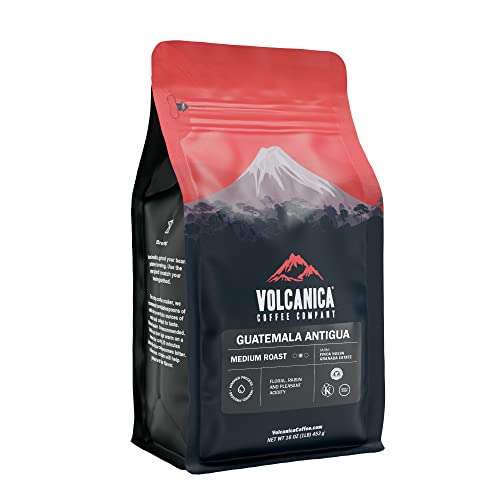
4. Pour Over Guatemalan Antigua for Chocolate Undertones

Pin this beautiful Chemex setup for your weekend slow-brew inspiration!
If you are searching for a deeply comforting, low-acid coffee profile, the volcanic terroir of the Antigua region is unmatched. Cultivated in mineral-rich pumice soil, these shade-grown beans easily handle a dark roast development without burning. Brewing them in a Chemex creates a perfectly sustainable, clean cup that strips away heavy oils while preserving intense chocolate flavors.
Bean Specifications & Gear Needed
- Origin & Processing: Antigua region, Guatemala. Cultivated in volcanic soil, shade-grown, and fully washed.
- Tasting Profile: Medium to dark roast featuring profound cocoa, roasted nuts, and baking spices.
- Essential Gear: An iconic glass Chemex brewer (6-cup or 8-cup size).
- Filter Requirement: Chemex bonded paper filters (unfolded into a cone).
- Scale: Digital kitchen scale to measure the exact water-to-coffee ratio.
Step-by-Step Brewing Routine
- Unfold the thick Chemex paper filter and place it in the brewer with the triple-layered side facing the pouring spout.
- Rinse the filter thoroughly with generous amounts of hot water to preheat the thick glass, then carefully pour the water out while keeping the filter sealed against the walls.
- Grind 30 grams of Guatemalan beans to a medium-coarse consistency (similar to rough sand).
- Bloom the coffee by pouring 60g of water in a circular motion. Let it sit and degas for a full 45 seconds.
- Pour in continuous, slow circles, maintaining the water level just below the rim of the brewer, until you reach 500g total weight.
- Remove the filter immediately once the drip rate slows to a stall to prevent bitter, late-stage extraction compounds from entering the carafe.
Pro-Tip: The thick bonded paper of a Chemex naturally filters out cafestol and coffee oils. This makes it the absolute best brewing vessel for heavier, chocolate-forward Central American coffees, ensuring a rich but incredibly clean flavor profile.
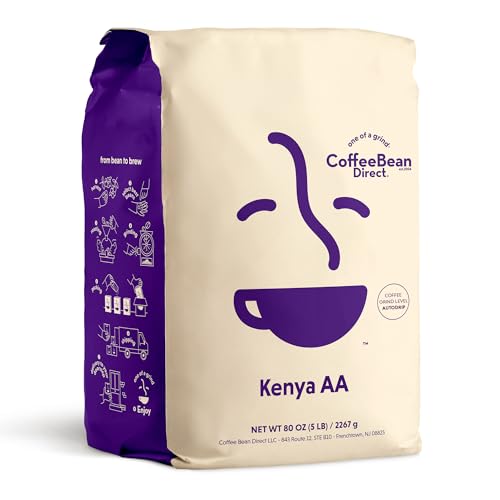
5. Savor Kenyan AA for Bright, Fruity Acidity

Save this beautiful flat-bottom pour over guide to your specialty coffee board!
For enthusiasts looking to experience the highest tier of African coffee, Kenyan AA provides legendary, wine-like acidity. These beans, famously derived from the SL28 and SL34 varietals developed by Scott Laboratories, require extensive sorting to earn the “AA” size grade. Using a flat-bottom brewer ensures an even tasting extraction of these highly acidic, fruity undertones.
Bean Specifications & Gear Needed
- Origin & Processing: Kenya, strictly high grown, double-washed process. Sorted to “AA” screen size (18/64 of an inch).
- Tasting Profile: Brilliant fruity undertones, dominated by blackcurrant, grapefruit, and a wine-like, vibrant acidity.
- Essential Gear: A flat-bottom dripper (like the Kalita Wave or Fellow Stagg X).
- Filter Requirement: Wavy paper filters specifically designed for flat-bottom brewers.
- Grinder Requirement: Burr grinder set to a medium-coarse dial (slightly coarser than V60).
Step-by-Step Brewing Routine
- Heat your water to a high temperature of 208°F (98°C) to fully extract the dense, high-altitude Kenyan beans.
- Grind 22 grams of coffee. A flat-bottom brewer requires a slightly coarser grind to prevent clogging.
- Saturate the coffee bed with 60g of water. The flat bottom design ensures highly even degassing during this bloom phase.
- Pour the remaining water in pulse pours of 50g at a time, allowing the water level to drop slightly between each pour.
- Stop pouring when you reach a total yield of 350g on your scale.
- Taste the coffee as it cools; Kenyan coffees are famous for transforming in the cup, revealing sweeter fruit notes as the temperature drops.
Pro-Tip: The famous “AA” label simply refers to the physical sorting size of the bean, not necessarily the cupping score. However, the prized SL28 cultivar grown in the red volcanic soils of Nyeri or Kirinyaga consistently produces the world’s most complex phosphoric acidity.
6. French Press Sumatran Mandheling for a Full-Bodied Cup

Save this cozy French Press brewing guide for your dark roast mornings!
Mastering the immersion brewing method requires an earthy, low-acid coffee that pairs perfectly with cream. The unique “Giling Basah” (wet-hulled) process of Indonesia produces an organic certified bean that excels in this format. By using fresh beans to avoid the rancid oils associated with stale beans, this dark roast delivers a profoundly thick and comforting mug.
Bean Specifications & Gear Needed
- Origin & Processing: Sumatra, Indonesia. Traditional “Giling Basah” (wet-hulled) process. Often organic certified.
- Tasting Profile: Dark roast, incredibly full-bodied, with earthy notes, dark cocoa, and extremely low acidity.
- Essential Gear: A high-quality glass or double-walled stainless steel French Press.
- Grinder Requirement: Burr grinder set to a coarse setting (resembling breadcrumbs).
- Accessories: Two soup spoons for skimming the crust.
Step-by-Step Brewing Routine
- Grind 30 grams of dark roast Sumatran beans. Ensure they are freshly roasted to avoid rancid oils.
- Pour 500g of water heated to 195°F (90°C) aggressively into the carafe to ensure all grounds are saturated.
- Steep the coffee for exactly 4 minutes. A thick crust of coffee grounds will form at the top.
- Break the crust gently with a spoon. Most of the grounds will fall to the bottom.
- Skim the remaining foam and floating bits off the top using two spoons and discard them (this prevents a bitter, muddy cup).
- Wait an additional 5 minutes for the fine particles to settle, then insert the plunger. Push it down just below the surface of the liquid, rather than all the way to the bottom, and gently pour.
Pro-Tip: Utilizing the “James Hoffmann Method” of skimming the crust and waiting an extra 5 minutes allows the particle size distribution of coffee fines to naturally sink. This results in an incredibly clean, yet massive-bodied cup of Sumatran coffee without the dreaded French Press “sludge.”

7. Experience Panamanian Gesha for the Ultimate Micro-Lot Pour

Pin this ultimate luxury coffee experience to your specialty brew board!
To discover the absolute pinnacle of the coffee world, you must taste the famous Gesha varietal. This micro-lot specialty coffee justifies its high price tag through unprecedented floral aromatics. Rather than a standard brewing method, an at-home cupping protocol allows you to perform an expert review of its delicate tasting notes, exactly as a Q-Grader would evaluate it.
Bean Specifications & Gear Needed
- Origin & Processing: Boquete region, Panama. Usually a washed or natural microlot isolation.
- Tasting Profile: The Gesha varietal offers unprecedented floral aromatics—jasmine, bergamot, honeysuckle, and Earl Grey tea.
- Essential Gear: SCA-standard 7-8oz ceramic cupping bowls.
- Grinder Requirement: Highly consistent burr grinder set to medium-coarse.
- Accessories: A deep silver cupping spoon and a digital scale.
Step-by-Step Cupping Routine
- Weigh exactly 8.25 grams of Gesha beans for a 150ml cupping bowl (following the SCA ratio).
- Grind the beans directly into the bowl. Immediately smell the dry grounds to evaluate the “fragrance.”
- Pour water heated to 200°F directly over the grounds, ensuring all grounds are saturated. Start your timer.
- Evaluate the wet “aroma” by leaning close to the bowl without disturbing the crust that forms on top.
- Break the crust exactly at the 4-minute mark using your cupping spoon. Push the spoon away from you three times, inhaling deeply to catch the burst of volatile aromatic compounds.
- Slurp the coffee audibly from the spoon once it has cooled (around the 10-minute mark). Slurping sprays the coffee across your entire palate, allowing you to fully perceive the delicate jasmine tasting notes.
Pro-Tip: True Panamanian Gesha is the crown jewel of the specialty coffee industry, often breaking auction records. To fully appreciate its delicate tea-like body, never add milk. Evaluate it blindly alongside a commercial coffee to experience a mind-blowing contrast in clarity.

Key Takeaways: Your Quick Guide to Specialty Coffee
Before diving into common questions about the industry, it is crucial to solidify the foundational principles of sourcing and brewing artisanal coffee. This specialty coffee summary provides a quick specialty coffee overview for time-pressed home baristas seeking immediate value.
Key Takeaways:
- The 80-Point Threshold is Mandatory: To be classified as specialty coffee, beans must score 80 points or higher on a 100-point scale graded by certified Q-Graders, ensuring zero primary defects.
- Traceability Equals Quality: Always look for single origin coffee that lists the specific farm, altitude, and processing method, which guarantees a direct trade relationship and ethical sourcing.
- Match Your Gear to Your Roast: Light roasts thrive in manual pour-over setups (like a V60), while dark roast coffees with a full-bodied profile are better suited for immersion methods like the French Press.
- Ditch the Blade Grinder: Upgrading to a quality burr grinder is the single most important step to prevent over-extraction and fix sour coffee at home.
- Processing Methods Dictate Flavor: A washed process bean provides crisp, clean acidity, while a natural process or honey-processed bean yields a syrupy, fruit-forward cup.
- Water Temperature is a Crucial Variable: Light roasted, high-altitude African beans require hotter water (205°F+) to extract properly, whereas darker roasts need cooler water (195°F) to avoid bitterness.
People Also Ask About Specialty Coffee
Navigating the transition to premium beans naturally brings up questions about value, storage, and terminology. Below is a comprehensive look at the most common inquiries regarding third wave coffee standards.
What is specialty grade coffee?
Specialty grade coffee refers strictly to green coffee beans that score 80 points or above on the 100-point SCA cupping scale and contain zero primary visual defects.
According to industry standards, these beans must be grown in ideal micro-climates, meticulously harvested at peak ripeness, and processed flawlessly. Unlike commercial commodities, specialty grade beans offer unparalleled traceability back to the exact coffee farm or cooperative, ensuring ethical sourcing and distinct terroir-driven flavor profiles.
Is specialty coffee better than commercial coffee?
Yes, specialty coffee is objectively superior to commercial coffee in flavor clarity, ethical sourcing, and physical bean quality.
Commercial coffee often relies on lower-grade, mass-produced beans that are roasted extremely dark to hide defects, mold, or pesticide residue. In contrast, specialty roasters focus on small-batch profiles that highlight natural sweetness and complex flavor profiles. Switching from commercial to specialty is the fastest way to eliminate bitter coffee from your morning routine.
Why is specialty coffee so expensive?
Specialty coffee commands a higher price because of its labor-intensive supply chain, strict sorting requirements, and ethical direct-trade pricing models.
Farmers are paid a premium well above the commodity market rate to hand-pick only ripe cherries and implement sustainable agricultural practices. You are paying for farm-to-cup traceability, artisan roasting, and a product that guarantees farmers a living wage while delivering a vastly superior culinary experience.
Does specialty coffee have more caffeine?
No, specialty coffee does not inherently contain more caffeine than commercial coffee; in fact, it often contains slightly less.
The specialty coffee industry almost exclusively uses Arabica beans, which naturally contain about half the caffeine of the cheaper Robusta beans commonly used in commercial blends and instant coffees. If you want a higher caffeine kick from specialty beans, opt for a light roast, as the beans retain slightly more density and caffeine per scoop than dark roasts.
How to store specialty coffee beans?
The best way to store specialty coffee beans is in an opaque, airtight container kept at room temperature, away from direct sunlight and heat.
Never store your daily-use freshly roasted beans in the refrigerator or freezer, as temperature fluctuations cause condensation that rapidly degrades the volatile aromatic compounds. For optimal freshness, only buy whole beans, store them properly, and practice grinding only the exact amount you need right before brewing.
Is Starbucks considered specialty coffee?
Generally, standard Starbucks coffee is considered premium commercial coffee rather than true specialty coffee.
While they purchase high-grade Arabica beans, their massive global scale requires them to roast very dark for consistency across thousands of stores, which destroys delicate terroir characteristics. However, their smaller “Starbucks Reserve” roasteries do operate closer to third-wave standards, occasionally serving limited micro-lot specialty coffee that qualifies for the 80+ point threshold.
How to read a coffee flavor wheel?
Read the coffee flavor wheel by starting at the center with broad flavor categories, then moving outward to pinpoint specific tasting notes.
The SCA flavor wheel helps tasters articulate what they are experiencing. If you taste fruit in your Ethiopian coffee, start at “Fruity” in the center, move outward to decide if it is “Berry” or “Citrus,” and then move to the outer ring to identify specific notes like “Blackberry” or “Grapefruit.”
What is the difference between Arabica and Robusta?
Arabica beans are grown at higher altitudes, contain less caffeine, and offer complex, sweet, and acidic flavors, whereas Robusta is grown lower, has twice the caffeine, and tastes harsh and rubbery.
The specialty coffee movement relies almost exclusively on Arabica cultivars (like Bourbon, Typica, and Gesha varietal) because of their superior organoleptic properties. While some specialty Robusta exists, it remains exceptionally rare in the high-end market.
Why does my specialty coffee taste sour?
Specialty coffee usually tastes sour due to under-extraction, meaning the water did not dissolve enough sweet and bitter compounds from the grounds.
To fix this problem, try grinding your beans slightly finer, increasing your water temperature to at least 205°F, or extending your brewing time. Light roasts are naturally more acidic, but they should taste like sweet fruit, not sharp vinegar. Adjusting your extraction yield will bring the cup back into balance.
What are micro-lots in coffee?
Micro-lots are highly specific, small-volume batches of coffee isolated from a single farm due to their exceptional quality and unique flavor characteristics.
Instead of mixing all the harvest together, a farmer will separate beans from a specific hill, a particular harvest day, or a unique experimental processing method (like anaerobic fermentation). These lots are highly traceable, score exceptionally well in cupping, and represent the absolute pinnacle of a roaster’s offerings.
Final Thoughts on Specialty Coffee
Stepping into the world of craft coffee is a one-way journey. Once you experience the vibrant clarity of a washed Ethiopian Yirgacheffe or the deep, syrupy complexity of a honey-processed Costa Rican bean, returning to stale, commercial-grade commodity coffee is simply no longer an option. The 80+ point SCA standard isn’t just a number—it is a guarantee of farm to cup traceability, ethical compensation for farmers, and a meticulous roasting process designed to highlight, rather than hide, the bean’s natural terroir.
By investing in high-quality whole bean coffee and pairing it with a proper burr grinder and a precise brewing method, you take total control over your morning ritual. Whether you are extracting a rich espresso or practicing the meditative pour-over routine, you are honoring the incredible labor that went into cultivating that micro-lot. The third wave coffee movement thrives on this exact passion and transparency.
Your next step is simple: pick one of the single origin profiles from this guide that sounds most appealing to your palate, secure the right brewing gear, and start experimenting with your extraction. Have you tried dialing in any of these single origins yet, or do you have a favorite local specialty coffee roastery that you swear by in September 2026? Let us know in the comments below, and happy brewing!
Last update on 2026-09-04 / Affiliate links / Images from Amazon Product Advertising API
