
As an Amazon Associate CoffeeXplore.com earns from qualifying purchases.
Kitchen Appliance Cabinet: 7 Best Hidden Ideas For 2026
Are you tired of tangled cords ruining your beautiful countertops? A disorganized kitchen creates unnecessary daily stress and frustration. Upgrading to a custom Appliances Cabinet Kitchen solves this messy countertop clutter immediately.
A kitchen appliance cabinet, often called an appliance garage, is a specialized storage unit designed to conceal small countertop appliances like blenders, toasters, and coffee makers. These cabinets feature retractable doors, integrated power strips, and ventilation systems to keep daily appliances accessible yet hidden when not in use.
Drawing from comprehensive analysis of NKBA guidelines and established architectural best practices, this guide reveals safe storage solutions. You will discover actionable design ideas to optimize your kitchen layout efficiently. Reclaim your workspace today with these brilliant hidden cabinetry designs.
Contents
show
7 Best Hidden Kitchen Appliance Cabinet Ideas For 2026
When evaluating a hidden kitchen cabinet, aesthetics must balance perfectly with structural integrity. Modern custom kitchen cabinetry goes far beyond basic cupboards by utilizing advanced hardware like hydraulic lift mechanisms and Blum hinges to support heavy equipment safely. Whether you plan to retrofit an existing pantry or integrate a freestanding kitchen hutch from scratch, understanding the underlying mechanics is absolutely essential. High-end appliance housing requires careful attention to ventilation specifics, heat dissipation, and dynamic load-bearing constraints. The following actionable projects will show you exactly how to upgrade your space. From sleek tambour doors to heavy-duty pull-out appliance shelves, these kitchen organization tips will help you transform inspiration into immediate, professional-grade reality.
1. Install a Custom Pocket Door Coffee Station

Pin this genius coffee station hack to your “Dream Kitchen” board!
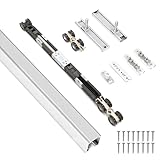
How do you hide a coffee station without blocking your kitchen walkway? A custom appliance garage cabinet with pocket doors completely resolves this clearance problem. By allowing the cabinet doors to slide smoothly back into the casework walls, you gain unobstructed access to your morning espresso without any swing doors obstructing your cooking area.
Designing a robust coffee station cabinet requires specific attention to moisture management and hardware durability. The pocket doors conceal the coffee maker seamlessly, while an integrated power strip connects to your home’s electrical system, keeping cords hidden. Because espresso machines generate steam, selecting a steam-resistant melamine interior prevents warping over time.
Supplies Needed
- Heavy-duty soft-close pocket door slides (rated for 30+ lbs)
- Custom-cut wooden cabinet doors matching existing joinery
- Surface-mounted integrated power strip with surge protection
- Steam-resistant interior cabinet liner or melamine finish
- Cord management grommets
Installation Steps
- Measure the internal cabinet clearance to ensure the coffee maker fits while leaving 3 inches of top clearance for steam dissipation.
- Install the heavy-duty pocket door slides along the interior sidewalls using a laser level to ensure perfectly parallel alignment.
- Mount the integrated power strip securely to the back wall of the appliance hutch, routing the main cable through a pre-drilled grommet hole to the nearest wall outlet.
- Attach the custom wooden doors to the sliding hinges, adjusting the tension screws for a smooth, flush closure.
- Organize the espresso machine, grinder, and beans, testing the door clearance with the appliances fully plugged in.
What most guides miss about pocket doors: According to bespoke joinery standards, standard drawer slides cannot withstand the frequent twisting motion of pocket doors. You must use specialized, soft-close pocket door hardware to prevent the tracks from binding. Additionally, always install a moisture barrier on the ceiling of a coffee station cabinet to prevent warping from daily espresso machine steam.
2. Design a Tambour Door Appliance Garage for Blenders

Save this sleek tambour door design to your kitchen renovation ideas!
What is the best way to hide countertop appliances in a small kitchen corner? A classic tambour door kit provides the ultimate space-saving solution. Unlike swing doors that hit adjacent walls, a tambour door rolls up effortlessly into the housing unit, making it the perfect corner-mounted countertop appliance garage.
When comparing a swing door vs lift up vs tambour door, the slatted roll-up design easily wins for corner utility. It protects your blender and food processor from sticky kitchen grease and dust accumulation while requiring zero outward clearance. Ensuring the track remains properly lubricated is the secret to a long-lasting, smooth glide.
Materials Needed
- Premium slatted wood tambour door kit (cut to width)
- Left and right recessed spiral track guides
- Dry silicone track lubricant
- Wood glue and finishing brad nails
- Flush-mount cabinet handle
Step-by-Step Directions
- Measure the internal width and height of your corner countertop appliance garage to ensure the spiral track has adequate room to coil at the top.
- Route or attach the track guides flush against the interior side panels of the housing unit.
- Apply a light coat of dry silicone lubricant to the track grooves—never use oil-based lubricants as they attract dust and kitchen grease over time.
- Slide the flexible tambour door into the tracks from the bottom up, ensuring it glides smoothly without catching.
- Secure the front fascia board to hide the rolled-up door mechanism, then attach a low-profile handle to the bottom slat.
Expert insight on tambour maintenance: In custom casework, sizing the tambour door 1/8-inch narrower than your track-to-track measurement prevents the wood from swelling and sticking during high-humidity summer months. This tiny clearance adjustment ensures the door rolls smoothly year-round.

3. Build a Ventilated Built-In Microwave Cabinet

Repin this essential microwave cabinet ventilation hack!
How do you safely integrate a high-heat appliance into closed cabinetry? Building a built-in microwave cabinet requires strict adherence to electrical code compliant practices, including the installation of appliance garage ventilation slots and active heat dissipation fans to prevent dangerous overheating.
A microwave requires massive air circulation that standard cupboards cannot provide. Proper ventilation protects the surrounding cabinetry finish from delamination and enables the microwave’s motor to cool efficiently. This project focuses heavily on structural integrity and heat safety to meet professional-grade standards.
Supplies Needed
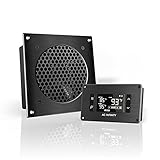
- Heat dissipation fans (USB or hardwired with temperature triggers)
- Decorative aluminum ventilation grille slots
- Heat-safe interior reflective foil lining (optional for high-wattage units)
- Heavy-duty mounting shelf (rated for 50+ lbs)
- Trim kit matching the microwave dimensions
Installation Steps
- Cut precision ventilation slots into the toe-kick and top fascia of the built-in microwave cabinet to establish a natural convection airflow path.
- Mount the automated heat dissipation fans at the upper rear of the cabinet, configuring the thermal sensor to activate when temperatures exceed 85°F.
- Install a dedicated, electrical code compliant 20-amp outlet specifically for the microwave to prevent circuit overload.
- Secure the heavy-duty base shelf, ensuring it is perfectly level to prevent microwave turntable malfunction.
- Slide the appliance into the housing unit, test the fan activation, and secure the front aesthetic trim kit to conceal the internal gaps.
An often-overlooked safety strategy: Never place a standard countertop microwave into a closed cabinet without a manufacturer-approved trim kit and active cooling fans. Failing to meet proper clearance requirements will immediately void the appliance warranty and create a severe fire hazard. Thermal sensors should always dictate your fan operation.
4. Maximize Corner Space with a Heavy-Duty Appliance Lift

Keep heavy mixers out of sight with this brilliant lift mechanism! Pin for later!
How can you store heavy baking equipment without straining your back? Installing a heavy-duty appliance lift inside a base appliance cabinet optimizes kitchen ergonomics instantly. This clever hardware mechanism connects to the cabinet walls and supports the heavy lifting, raising your stand mixer perfectly flush with the countertop.
Moving a heavy stand mixer manually is an ergonomic nightmare that discourages baking. A hydraulic lift mechanism serves as the ultimate ergonomic fix, offering a high appliance lift weight capacity that stabilizes the machine during vigorous mixing. Understanding the difference between dynamic weight capacity (when moving) and static weight capacity (when locked in place) guarantees a safe setup.
Tools & Hardware Required
- Heavy-duty hydraulic appliance lift mechanism (60+ lb dynamic weight capacity)
- 1-inch thick solid wood or butcher block shelf
- Heavy-duty cabinet screws and mounting brackets
- Power drill and right-angle attachment
- Safety locking hinges
Assembly Instructions
- Empty the base appliance cabinet and remove all existing internal shelves and shelf pegs to clear the swing path.
- Align the left and right lift mechanism arms flush against the interior cabinet walls, ensuring they clear the door hinges when extending.
- Mount the hydraulic brackets using heavy-duty screws, checking that both sides are perfectly level to prevent the mixer from sliding during operation.
- Attach the custom solid wood shelf to the top mounting brackets of the lift.
- Adjust the spring tension on the hydraulic arms based on the exact weight of your stand mixer so it raises effortlessly and locks securely at countertop height.
Pro-Tip for baking stations: Always install a grounded outlet inside the base cabinet so the stand mixer can remain permanently plugged in. This allows you to effortlessly raise the unit and start baking immediately without messing with tangled, messy wires across your clean backsplash.
5. Retrofit a Tall Pantry Unit with Pull-Out Appliance Shelves

Transform your messy pantry into an appliance powerhouse! Save this idea!
Where is the best place to store bulky secondary kitchen gadgets? Retrofitting a tall pantry storage unit with a heavy duty pull out appliance shelf provides immediate organization for large items like your slow cooker, juicer, and food processor.
Rather than paying for an entirely new custom tall appliance cabinet, modifying your existing cabinetry is a highly effective, budget-friendly pantry organization strategy. These slide-out shelves organize the deep, dark corners of your pantry, while specialized mounting hardware supports the hefty weight of glass-bowl food processors and heavy ceramic crockpots effortlessly.
Supplies Needed
- Full-extension heavy-duty drawer slides (100 lb capacity)
- Pre-assembled wooden pull-out trays (dovetail joints preferred)
- Rear mounting brackets
- Cabinet door bumpers
- Cord wrap organizers for appliance cables
Installation Steps
- Measure the precise width of your tall appliance cabinet opening, subtracting the clearance needed for the door hinges to swing open.
- Install the rear mounting brackets and side rails of the full-extension slides starting at the bottom of the pantry, working your way up.
- Space the pull-out shelves vertically based on the height of your tallest appliance (allow 18 inches for large food processors and blenders).
- Snap the wooden pull-out trays into the sliding tracks, pulling them out fully to test for smooth, wobble-free operation.
- Wrap the cords of your slow cookers and juicers using cord organizers before placing them on the trays to prevent cables from jamming the slide tracks.
The secret to flawless pantry retrofits: Always install full-extension slides rather than cheaper 3/4 extension slides in a tall pantry unit. Full extension guarantees you can lift heavy items like crockpots straight upward without banging them against the shelf positioned directly above them.


6. Integrate an Under-Cabinet Slide-Out Toaster Hub

Stop moving your toaster every morning! Pin this under-cabinet slide-out trick!
Is it safe to store a toaster inside a wooden box? Storing a toaster inside an enclosed cubby is a known fire hazard, making an open-air, under-cabinet toaster garage door alternative much safer. Utilizing sliding countertop extensions allows the tray to fit seamlessly inside the under-cabinet shadow void while enabling perfect crumb management.
When users search for where to store toaster and blender in kitchen spaces, they often overlook the radiant heat toasters produce. Trapping this heat will degrade custom wood finishes and invalidate manufacturer safety warranties. An open slide-out caddy offers easy access without compromising your beautifully designed backsplash.
Materials Required
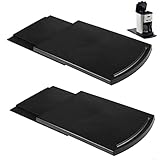
- Low-profile appliance sliding caddy or tray
- Heat-resistant silicone mat liner
- Under-cabinet mounting clips (if suspending)
- Cable management clips
- Under-cabinet LED strip lighting (optional)
Assembly Steps
- Clean the countertop area directly beneath your chosen upper cabinet, ensuring the surface is free of grease or debris.
- Place the sliding appliance caddy against the backsplash, ensuring it has enough forward travel distance to pull the toaster completely clear of the upper cabinets.
- Apply the heat-resistant silicone mat to the top of the tray to catch crumbs and prevent the appliance from sliding during movement.
- Route the toaster’s power cord through adhesive cable management clips attached to the wall, leaving enough slack for the tray to extend fully.
- Push the tray back flush against the wall; the toaster is now hidden in the under-cabinet shadow but can glide forward for safe, well-ventilated use.
Critical safety reminder for toasters: Never operate a toaster while it is pushed entirely underneath an upper cabinet. The intense, localized radiant heat will rapidly degrade the cabinet finish, melt under-cabinet lighting wires, and warp melamine interiors. Always slide the hub fully forward over the open counter before turning the appliance on.
7. Create a Flush-Mount Lift-Up Door Air Fryer Compartment

Ditch the swinging doors! Pin this upward-lifting cabinet hardware idea!
How do you integrate a bulky air fryer into an upper wall cabinet? Swapping standard hinges for a lift up cabinet door creates the perfect mid-level appliance garage for air fryer storage. The flush mount design replaces clunky traditional swing doors, keeping the aesthetic impeccably modern.
When evaluating a swing door vs lift up door, pneumatic hardware wins easily for eye-level compartments. The hydraulic hinges support the door weight completely out of your line of sight. This compartment seamlessly houses the air fryer, keeping your counters clear while maintaining immediate access for daily meal prep.
Hardware Required
- Heavy-duty pneumatic gas struts or hydraulic lift-up hinges
- Flush-mount cabinet door matching existing casework
- Concealed hinge jig and Forstner drill bit
- Heat-resistant cabinet base liner
- Screwdriver and measuring tape
Installation Steps
- Remove the existing traditional swing door and hardware from your chosen mid-level appliance hutch, filling any old screw holes with wood putty.
- Use a hinge jig to drill precise mounting cups into the back of your new flush-mount door for the lift-up hardware.
- Attach the pneumatic gas struts to the interior side walls of the cabinet, ensuring you measure the exact mounting height specified by the hinge manufacturer.
- Snap the door onto the hydraulic arms, adjusting the multi-dimensional tension screws until the door lifts effortlessly and stays securely open at a 90-degree angle.
- Place your air fryer inside on a heat-resistant mat, ensuring you pull the appliance completely out onto the counter before turning it on to allow proper air circulation.
Hardware selection advice: When choosing between a traditional swing door vs a lift-up door for a dedicated appliance garage, the lift-up is universally superior. It prevents bumped heads while cooking rapidly and leaves your adjacent countertop workspace completely clear for meal preparation.

Key Takeaways: Your Quick Guide to Kitchen Appliance Cabinets
Before you finalize your kitchen renovation ideas, reviewing these crucial technical standards will save you from costly mistakes. Whether you are building a custom appliance hutch from scratch or seeking a budget-friendly appliance storage solution, success requires blending impeccable design with rigorous safety features. Keep these professional guidelines in mind:
- Ventilation is Non-Negotiable: Heat-generating appliances like microwaves and air fryers require dedicated heat dissipation fans and ventilation slots to meet safety standards.
- Upgrade Your Hardware: Standard hinges fail under heavy daily use; always opt for heavy-duty pocket door slides, tambour doors, or pneumatic lift-up hinges for smooth operation.
- Manage the Weight Load: When storing heavy items like stand mixers, ensure your pull-out shelves or appliance lifts have a dynamic weight capacity exceeding 60 pounds.
- Integrate Internal Power: A true appliance garage features built-in, surge-protected power strips so appliances stay plugged in, solving the issue of messy wires and cord management.
- Pull Appliances Forward: Never operate high-heat devices (like toasters) while completely recessed inside cabinetry; utilize sliding countertop extensions to protect your woodwork.
FAQs About Appliances Cabinet Kitchen
What is a kitchen appliance cabinet?
A kitchen appliance cabinet, frequently called an appliance garage, is a specially designed storage compartment that conceals countertop appliances while keeping them plugged in and ready to use. These units sit flush with your countertop or are built into tall pantries, featuring specialized hardware like tambour or pocket doors to hide the disorganized kitchen clutter of blenders, toasters, and coffee makers.
Do appliance cabinets need ventilation?
Yes, appliance cabinets strictly require ventilation if they house heat-generating devices like microwaves, air fryers, or toaster ovens. According to safety guidelines, enclosing active heating elements without proper airflow traps radiant heat, which can warp casework, damage the appliance motor, and create a severe fire hazard. Passive ventilation slots or active heat dissipation fans are required.
How much does a custom appliance cabinet cost?
The cost of a custom appliance cabinet depends heavily on hardware complexity and the specific materials chosen. Simple DIY retrofits using pull-out trays are highly budget-friendly, while bespoke joinery featuring high-end pneumatic lift mechanisms, integrated power strips, and custom wood finishes will push toward the higher end of a professional remodeling budget.
Where to put an air fryer in a kitchen cabinet?
The best place to put an air fryer is in a mid-level wall appliance cabinet equipped with a heavy-duty sliding tray. Because air fryers expel massive amounts of hot air, the sliding tray allows you to pull the appliance fully out of the enclosure and onto the open counter during operation, protecting your cabinet interiors from heat damage.
Can you put a microwave in a regular cabinet?
You should never put a countertop microwave into a regular closed cabinet without structural modifications. Standard cabinets lack the necessary depth and ventilation clearance. To do this safely, you must convert the space into a dedicated built-in microwave cabinet using a proper metal trim kit and cutouts for air circulation.
What are the best doors for appliance cabinets?
The best doors for appliance cabinets are tambour doors, pocket doors, or lift-up pneumatic doors. Traditional swing doors are problematic because they block adjacent countertop workspace when left open. Pocket doors slide away seamlessly, while a tambour door kit rolls up vertically, making them the most ergonomic choices for tight kitchen layouts.
How deep should an appliance cabinet be?
A standard countertop appliance garage should be at least 15 to 18 inches deep to accommodate common kitchen gadgets. However, if you are designing a tall pantry unit or housing larger items like a high-end espresso machine or stand mixer, you should plan for a full base cabinet depth of 24 inches.
Should I use pocket doors or lift doors?
Choose lift doors for upper wall cabinets and pocket doors for countertop-level appliance stations. A lift up cabinet door is perfect for eye-level access because it completely clears your line of sight. Pocket doors are better for wide, countertop-level coffee stations where vertical clearance is limited by overhanging upper cabinets.
Can a toaster stay in an appliance garage?
A toaster can be stored in an appliance garage, but it must be pulled out completely before turning it on. Operating a toaster inside an enclosed wooden cubbyhole traps radiant heat that will damage the melamine interior and poses a significant fire risk. Always use a sliding countertop extension for easy access and safety.
How to add power to a kitchen cabinet?
To add power to a kitchen cabinet, hire a certified electrician to install an electrical code compliant outlet directly inside the casework back panel. For a simpler solution, you can drill a clean grommet hole through the cabinet wall and route a heavy-duty, surface-mounted power strip with surge protection to the nearest existing wall outlet.
Final Thoughts on Kitchen Appliance Cabinets
Integrating a beautifully designed built-in appliance cabinet is arguably the most impactful upgrade you can make to your daily culinary workflow. By thoughtfully concealing your blenders, coffee makers, and stand mixers behind elegant tambour doors or sleek pocket slides, you instantly eliminate visual countertop clutter while maintaining the ultimate convenience of having your tools exactly where you need them.
Whether you choose a simple weekend DIY project—like retrofitting a tall pantry with heavy-duty pull-out shelves—or opt for bespoke, custom cabinetry with high-end pneumatic hardware, success comes down to mastering the functional details. Prioritizing electrical code compliant power strips, ensuring adequate heat dissipation, and investing in professional-grade hinges will guarantee your newly upgraded appliance hutch isn’t just a beautiful aesthetic addition, but a durable, long-lasting architectural feature.
As you plan to maximize your kitchen layout and finalize your remodeling budget, remember that true luxury is a seamless blend of style and structural functionality. Which of these hidden appliance storage ideas are you most excited to implement in your space first? Are you leaning toward designing a dedicated coffee station, or is a heavy-duty mixer lift exactly what your ergonomic kitchen needs?
Last update on 2026-10-23 / Affiliate links / Images from Amazon Product Advertising API
