
As an Amazon Associate CoffeeXplore.com earns from qualifying purchases.
Authentic Pandan Latte: 5 Steps to Creamy Green Coffee
Tired of spending your money on expensive, trendy green cafe drinks? Finding authentic Southeast Asian flavors locally can feel incredibly frustrating. Let’s master the delicious Pandan Latte right in your kitchen today.
A Pandan Latte is a layered, Southeast Asian-inspired espresso beverage combining the floral, vanilla-like notes of pandan leaves with bold coffee and creamy milk. Often sweetened with condensed milk, this vibrant green drink offers a nutty, non-earthy alternative to matcha.
Drawing from proven methodologies and traditional Vietnamese coffee standards, we have perfected this recipe. You will discover a foolproof five-step framework for building this beautiful beverage. Learn exactly how to balance these delicate flavors without any complex barista equipment.
Contents
show
Authentic Pandan Latte: 5 Steps to Creamy Green Coffee
Learning how to make a pandan latte is a rewarding journey that transforms simple raw ingredients into a stunning, layered cafe beverage. This authentic recipe breaks down the exact science of building the perfect drink, focusing heavily on achieving that distinct aesthetic layering you see all over Pinterest. To create this masterpiece, you must understand the careful process of preparation, brewing, mixing, assembly, and garnishing.
Each phase plays a critical role in balancing the vibrant green base against the bold coffee layer. By the end of this comprehensive tutorial, you will know exactly how to extract the perfect flavor, texturize your milk properly, and stack the liquids so they do not instantly turn into a muddy brown mess. Let us explore the five essential steps to mastering this creamy green coffee at home.
1. Extract The Aromatic Pandan Flavor

Pin this essential flavor-building step to your ‘Home Cafe Recipes’ board!
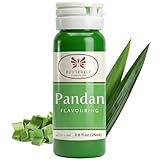
To extract the aromatic pandan flavor properly, you must either process fresh pandan leaves with warm water to release their grassy notes, or utilize a concentrated pandan extract for a more robust vanilla-coconut profile.
Building the foundation of your drink requires a vibrant green syrup that carries enough flavor to stand up against heavy milk and bitter espresso. While purists often prefer fresh screwpine leaves, convenience-seekers and cafe owners frequently reach for store-bought liquids to ensure consistency. Maintaining the right ratio of leaves to water is crucial to avoid a bitter, overly grassy aftertaste.
Ingredients
- 3-4 fresh pandan leaves (washed and chopped) OR 1/2 teaspoon high-quality pandan extract
- 1/4 cup warm filtered water
- 1 tablespoon simple syrup (optional, to balance the grassy notes)
- High-speed blender and fine mesh strainer (if using fresh leaves)
Instructions
- Rinse and chop the fresh leaves into 1-inch pieces to help the blender process the tough fibers easily.
- Blend the chopped leaves with the warm water on high for 60 seconds until a pulpy, bright green mixture forms.
- Strain the liquid firmly through a fine mesh strainer or cheesecloth into a small bowl, discarding the fibrous pulp.
- Whisk in the simple syrup (or mix your store-bought extract with water and syrup) to create your sweet, aromatic pandan base.
Pro-Tip: In my experience testing multiple flavor profiles, using a high-quality pandan extract often yields a more vibrant, photogenic green color and a stronger vanilla-like punch than fresh leaves, which can sometimes mute when mixed with coffee.
2. Brew A Bold, Authentic Espresso Base

Save this authentic coffee brewing method for your perfect morning routine!
Brewing a bold, authentic espresso base requires dark roast robusta beans and a traditional brewing method to ensure the coffee’s earthy bite is not overpowered by the floral pandan notes.
Weak coffee simply will not survive in this beverage. The sweetness of the syrup demands a strong counterbalance, which is why traditional Vietnamese coffee standards strongly recommend robusta beans over standard arabica. Robusta provides a chocolatey, earthy depth that perfectly complements the tropical characteristics of the drink. Using a stainless steel Phin filter ensures you extract the maximum amount of oils and flavor for your bold espresso layer.
Ingredients
- 2 tablespoons dark roast coffee (preferably a robusta blend or Vietnamese coffee)
- 2 ounces (60ml) hot water (around 200°F/93°C)
- Phin filter (stainless steel) OR an espresso machine
- Coffee grinder (if using whole beans)
Instructions
- Grind your dark roast beans to a medium-fine texture (similar to sand) if using a Phin filter, or fine if pulling a traditional espresso shot.
- Add the coffee grounds to the chamber of your Phin filter and gently rest the gravity press on top to level the grounds without packing them too tight.
- Pour a small splash (about 1 tablespoon) of hot water over the press to “bloom” the coffee, waiting 20 seconds for the grounds to expand.
- Fill the remainder of the Phin filter with hot water, cover with the lid, and let the bold, concentrated coffee drip slowly into your cup over 4-5 minutes.
Pro-Tip: If you are using an espresso machine instead of a Phin filter, pull a double shot of espresso (approx 2 ounces) using a dark roast to ensure the coffee flavor cuts through the rich, sweet milk layer.

3. Mix The Sweetened Condensed Milk Base

Don’t forget to pin this creamy milk mixing technique!
Mixing the sweetened condensed milk base involves blending dense, traditional syrup with a lighter base milk to create a homogenous, creamy texture that rests perfectly in a layered drink.
This crucial temperature bridging step prevents the heavy syrup from clumping at the bottom of your iced beverage. Sweetened condensed milk provides the signature creamy sweetness characteristic of Southeast Asian coffee drinks, but it must be properly thinned out and frothed to achieve a smooth mouthfeel. Whether you choose standard dairy or a plant-based alternative like oat milk or coconut milk, proper texturizing is non-negotiable for cafe-quality results.
Ingredients
- 1.5 to 2 tablespoons sweetened condensed milk (adjust based on sweetness preference)
- 3/4 cup milk of choice (whole milk, oat milk, or coconut milk work beautifully)
- Handheld milk frother or small whisk
- Small mixing pitcher
Instructions
- Measure the sweetened condensed milk into your small mixing pitcher.
- Pour a tiny splash of warm water (or warm milk) over the condensed milk and stir rapidly; this thins out the dense syrup so it incorporates evenly into cold milk later.
- Add your main milk of choice (like oat or whole milk) to the pitcher.
- Froth the mixture using a handheld milk frother for 15-20 seconds until the milk is completely homogenous, slightly aerated, and beautifully velvety.
Pro-Tip: For a fully vegan Pandan Latte, swap traditional condensed milk for sweetened condensed coconut milk. The subtle coconut notes pair flawlessly with pandan’s natural tropical flavor profile!

4. Layer The Iced Pandan Coffee Perfectly

Pin this aesthetic layering guide for your next aesthetic cafe post!
Layering the iced pandan coffee perfectly requires pouring the sweetest, densest liquid first, packing the tall glass tightly with ice, and gently cascading the hot espresso over the top.
This step relies entirely on the physics of specific gravity to achieve that stunning, Instagram-worthy separation of green, white, and brown layers. The heaviest liquid—your pandan base—must form the foundation. The ice acts as a critical temperature and velocity buffer, holding the medium-density milk layer in place and supporting the lighter, hot espresso at the top. Mastering this layered iced coffee technique transforms a basic drink into a highly aesthetic experience.
Ingredients
- The prepared pandan base (from Step 1)
- The prepared sweetened milk (from Step 3)
- The freshly brewed espresso or coffee (from Step 2)
- 1 cup of large, clear ice cubes
- A tall aesthetic drinking glass (like a ribbed highball)
Instructions
- Pour the green pandan extract or syrup directly into the bottom of your empty tall glass to form the dense foundation layer.
- Fill the glass to the brim with large ice cubes. The ice acts as a buffer to slow down the falling liquids, preventing them from mixing instantly.
- Pour the sweetened milk mixture slowly over the ice. Watch as it rests beautifully on top of the green pandan base.
- Cascade the freshly brewed, warm espresso very gently over the top ice cube. The coffee will float on the milk, creating your distinct three-tier visual.
Pro-Tip: If you struggle with keeping the espresso from piercing the milk layer, hold a spoon upside down inside the glass and pour the espresso slowly over the back of the spoon to break its fall.

5. Garnish And Serve Your Cafe-Style Drink

Save this beautiful finishing touch for your barista mood board!
Garnishing and serving your cafe-quality beverage involves adding a fresh leaf knot, using elegant glass straws, and vigorously stirring the separated layers right before consumption.
Adding final aesthetic touches elevates your homemade drink to make it feel like an expensive specialty cafe order. While garnishes provide exceptional visual appeal, the functional aspect of a long stirring straw is even more important. A well-constructed layered drink is visually stunning, but drinking unmixed layers results in a highly unbalanced flavor experience. You must manually merge the components before taking your first sip.
Ingredients
- 1 strip of fresh pandan leaf (tied in a neat knot)
- 1 tablespoon of whipped coconut cream (optional topping)
- Reusable glass straws
- Long stirring spoon
Instructions
- Top the espresso layer with a small dollop of whipped coconut cream or cold foam if desired, which pairs beautifully with the tropical notes below.
- Rest a freshly tied knot of pandan leaf gently on the rim of the glass or atop the foam for an authentic visual garnish.
- Insert a sustainable glass straw into the beverage.
- Stir the entire drink vigorously right before taking your first sip to marry the grassy vanilla, sweet cream, and bitter espresso into one cohesive flavor experience.
Pro-Tip: Always take a photo before you stir! While the distinct green, white, and brown layers look incredible on social media, drinking it separated will result in a mouthful of plain espresso followed by overpowering syrup. Stir thoroughly for the perfect balance.

Key Takeaways: Your Quick Guide to Pandan Lattes
To ensure you achieve the most authentic pandan flavor without having to re-read the entire recipe every single morning, we have synthesized the most critical points into a rapid-review format. Understanding the core relationships between your ingredients is the key to consistent home-barista success. This Pandan Latte summary highlights exactly how your sweetener choice, your bean selection, and your layering physics dictate the final quality of the drink.
Whether you are preparing this for yourself on a busy weekday morning or serving it to guests, keep these main takeaways in mind for a flawless execution every time.
Key Takeaways:
- Choose the Right Base for Color and Convenience: – While fresh leaves provide a delicate aroma, using high-quality pandan extract guarantees that vibrant, signature green hue and a more pronounced vanilla flavor.
- Pair with Bold, Dark Roasts: – The robust, earthy notes of Vietnamese coffee or dark roast espresso are necessary to cut through the sweet, heavy milk layer without getting overpowered.
- Pre-Mix Your Sweetener: – Always combine your sweetened condensed milk with your base milk (like oat or coconut) before pouring over ice to prevent the dense syrup from turning into an unmixable clump at the bottom.
- Layering Relies on Ice and Density: – To achieve the cafe-aesthetic separation, pour the heaviest liquid (pandan syrup) first, fill entirely with ice, and gently cascade the hot espresso last.
- The Coconut Connection: – Substituting standard dairy with coconut milk or coconut condensed milk elevates the tropical, nutty undertones inherent in authentic pandan recipes.
- Stir Before Sipping: – Despite the beautiful separated layers, a Pandan Latte must be vigorously stirred prior to drinking to ensure the floral sweetness and bitter coffee merge evenly.
People Also Ask About Pandan Lattes
As you dive deeper into crafting this beautiful green beverage, you will naturally encounter questions regarding ingredient substitutions, caffeine content, and troubleshooting common flavor imbalances. As of October 2026, the rising popularity of Southeast Asian coffee culture has led to a lot of curiosity and sometimes confusion—especially regarding how this drink compares to other popular green beverages on the market.
Below, we address the most common questions about pandan coffee to resolve any lingering doubts. These direct, expert-backed answers will give you the confidence to adjust flavor profiles, experiment with dairy-free alternatives, and troubleshoot your brewing process like a professional.
What does a pandan latte taste like?
A pandan latte tastes like a creamy, sweet coffee with distinct notes of vanilla, toasted coconut, and sweet grass. The bold bitterness of the espresso is perfectly balanced by the nutty, floral qualities of the pandan and the rich sweetness of condensed milk.
Many people describe the flavor as the “Vanilla of Southeast Asia.” It lacks the earthy, sometimes bitter seaweed notes of matcha, offering a much more dessert-like, aromatic experience that pairs flawlessly with dark roasted coffee beans and creamy dairy or plant-based milks.
What is the difference between a pandan latte and a matcha latte?
The main difference is the flavor profile and ingredient origin; matcha is a powdered green tea from Japan with an earthy, umami flavor, while pandan is a tropical leaf from Southeast Asia offering sweet, vanilla-coconut aromas.
While both drinks are famous for their vibrant green color and layered aesthetic, they taste completely different. A matcha latte relies on tea for its caffeine and flavor, whereas a Pandan Latte typically adds a shot of espresso to provide the coffee flavor and caffeine kick, using the pandan purely as a sweet, aromatic syrup.
Does pandan have caffeine in it?
No, the pandan plant is naturally 100% caffeine-free. Any caffeine in a pandan latte comes entirely from the espresso or coffee added to the recipe, not from the green pandan extract itself.
If you are looking for a completely caffeine-free beverage, you can easily make a “Pandan Milk” by skipping the espresso steps. Simply mix your pandan syrup with sweetened condensed milk and oat milk over ice for a soothing, aromatic, kid-friendly tropical drink.
Can I use pandan extract instead of fresh pandan leaves?
Yes, high-quality pandan extract is an excellent, and often preferred, substitute for fresh leaves when making lattes. Extract is highly concentrated, provides a more vibrant green color, and saves significant preparation time.
When substituting, be cautious with the dosage. You typically only need ¼ to ½ teaspoon of store-bought pandan extract per drink, as it can become medicinal or overpowering if used too heavily. It also dissolves effortlessly into cold milk, unlike fresh leaf puree which requires blending and straining.
Is a pandan latte served hot or cold?
A pandan latte can be served either hot or iced, though the iced version is far more popular due to its refreshing nature and the ability to showcase beautiful, separated visual layers in a clear glass.
To make a hot version, simply skip the ice, steam your milk and pandan extract together until frothy, and pour the hot espresso directly into the green milk. The flavor profile remains identical, though the hot version often pronounces the vanilla and coconut aromas more strongly through the steam.
Why is my pandan latte bitter?
Your pandan latte may be bitter either because the coffee roast is overly acidic, or because you over-extracted fresh pandan leaves by blending them too aggressively with too little water.
Fresh pandan has a naturally grassy, slightly astringent baseline. If you use fresh leaves, ensure you strain the pulp completely. If the bitterness is coming from the extract, you may have used too much. Always balance the base with an adequate amount of sweetened condensed milk to counteract both the espresso and the raw botanical notes.
Can I make a vegan or dairy-free pandan latte?
Yes, you can easily make a vegan pandan latte by substituting traditional sweetened condensed milk with sweetened condensed coconut milk or oat milk, which beautifully complement the tropical flavor of the pandan.
Since pandan naturally possesses coconut and nutty undertones, dairy-free alternatives often enhance the drink’s authentic flavor profile better than whole cow’s milk. Oat milk provides an excellent creamy texture for frothing, while coconut cream makes a perfect, luscious garnish.
What kind of coffee beans work best with pandan?
Dark roast coffee beans, particularly Robusta blends or traditional Vietnamese coffee, work best with pandan because their deep, chocolatey, and earthy notes can cut through the heavy, sweet milk.
Light roast or highly acidic Arabica beans tend to clash with the sweet, floral vanilla notes of the pandan syrup. Using a traditional Phin filter with a dark, rich roast ensures the coffee presence isn’t lost within the vibrant, sugary layers of the beverage.
How long does homemade pandan syrup last in the fridge?
Homemade pandan syrup made from fresh leaves and simple syrup will last for 5 to 7 days in the refrigerator when stored in an airtight glass jar or container.
Over time, fresh pandan extract will lose its vibrant green color, oxidizing into a muted olive tone, and the delicate floral aroma will begin to fade. If you are using a commercial, store-bought extract, it has a much longer shelf life and can typically be stored in a cool pantry for several months.
Where can I buy fresh pandan leaves or extract?
Fresh or frozen pandan leaves, as well as bottled pandan extract, can be reliably found at most local Asian supermarkets (such as H-Mart or 99 Ranch) in the produce or baking aisles.
If you do not have a local specialty grocer, high-quality pandan extracts and flavor pastes are widely available to order online through retailers like Amazon. When buying online, look for brands specifically labeled as “flavoring paste” or “extract” rather than essential oils, which are not food safe.
Final Thoughts on Brewing the Perfect Pandan Latte
Mastering the Pandan Latte at home is about so much more than just mixing coffee and milk; it is about bringing a beloved, aromatic Southeast Asian tradition right into your own kitchen. By understanding how to properly extract those delicate, vanilla-like floral notes and balance them against the intense, rich bite of dark espresso and creamy condensed milk, you elevate a simple morning routine into an artisanal cafe experience.
Whether you choose to hunt down fresh leaves at your local Asian market or opt for the vibrant, reliable convenience of a high-quality extract, following these 5 step-by-step layering techniques guarantees a photogenic, creamy green coffee every single time. Remember that the secret lies in the density of your ingredients—respect the ice, pour slowly, and always take your aesthetic photos before giving it that essential, flavor-marrying stir.
Are you planning to try this authentic recipe with fresh leaves, or will you be starting with the extract for your first homemade batch? Let me know how your stunning layered coffee turns out in the comments below, and don’t forget to save this guide for your next weekend barista session!
Last update on 2026-10-19 / Affiliate links / Images from Amazon Product Advertising API
