
As an Amazon Associate CoffeeXplore.com earns from qualifying purchases.
Best Chai Tea Recipe: 7 Steps to Authentic Masala Chai
Are you tired of spending money on weak, overly sweet coffee-shop lattes that barely taste like real tea? Finding an authentic masala chai can feel impossible when most modern cafes simply pump syrupy concentrates into a cup. You need a traditional chai tea recipe that actually delivers bold, spicy comfort and rich flavor.
Masala Chai: To make the best chai tea recipe from scratch, combine crushed whole spices like cardamom, cloves, and fresh ginger with water. Boil the water to create a strong decoction, add loose leaf Assam black tea, pour in whole milk, and simmer until it reaches a creamy consistency before straining.
Drawing from traditional grandmother’s recipe principles and extensive kitchen testing, this method perfects the exact liquid-to-spice ratio. You will discover the culinary secrets behind proper spice extraction and dairy caramelization that most generic guides completely ignore. Get ready to brew a foolproof, aromatic cup that rivals the finest street vendors in India.
Contents
show
7 Essential Steps to Brew the Perfect Authentic Masala Chai
Creating an authentic indian spiced chai is much more than simply throwing ingredients into a pot and hoping for the best. While a quick tea bag approach might save a few minutes, the traditional method of staged brewing chai tea is scientifically superior. By following a precise, chronological sequence, you maximize the delicate organoleptic profile of the spices without accidentally extracting bitter tannins from the tea leaves.
This step-by-step guide breaks down the exact progression needed to transform basic pantry staples into a deeply comforting beverage. Whether you want a quick morning cup or a deeply traditional brew, mastering these seven steps ensures you simmer for 5 minutes at exactly the right time to unlock profound flavor. With step-by-step photos and professional advice guiding you, let’s explore the beautiful, sensory journey of authentic tea preparation.
1. Select and Crush the Authentic Whole Spices

Pin this authentic spice mix to your ‘Cozy Drinks’ board for later!
Building a proper tea masala requires selecting the freshest ingredients available. While pre-ground spices might seem convenient, crushing these botanical elements by hand infuses flavor significantly faster. Crushing releases the volatile spice oils critical for a fragrant brew. Ground spices oxidize quickly on the shelf, leaving you with a flat, muddy tasting beverage.
Ingredients
- 4-5 whole green cardamom pods (lightly crushed to expose the seeds)
- 1 small piece of true cinnamon sticks (Ceylon preferred for sweet notes)
- 3 whole cloves
- 3 black peppercorns (adds the signature spicy kick)
- 1 optional star anise pod (for a subtle licorice depth)
- A heavy-duty brass or granite mortar and pestle
Instructions
- Place the cardamom pods, cinnamon stick, whole cloves, and black peppercorns into your mortar.
- Firmly crush the whole spices with the pestle until the cardamom pods split open and the cinnamon breaks into shards.
- Do not grind them into a fine powder; rough, coarse pieces are perfect to prevent a gritty texture in your final cup.
Pro-Tip: In my experience perfecting this traditional method, avoiding powdered spices is crucial. Ground spices act like silt, bypassing the strainer and causing a muddy, overly gritty texture at the bottom of your cup. Sticking to roughly crushed whole spices preserves the clarity and viscosity of chai.

2. Prepare the Fresh Ginger and Liquid Base

Save this essential fresh ginger prep tip to your ‘Kitchen Hacks’ board!
The foundation of your brew relies on fresh ginger root acting as the primary warming agent. Grating the ginger maximizes its surface area, which perfectly complements milk later by providing a fiery undertone. Utilizing fresh root over dried powder taps into the complex phytochemicals in spices, offering a much brighter, cleaner heat profile.
Ingredients
- 1-inch piece of fresh ginger root (washed; peeling is optional if organic)
- 2 cups of fresh, cold filtered water
- 1 stainless steel microplane grater or fine box grater
- 1 medium-sized heavy-bottomed saucepan (copper or stainless steel preferred)
Instructions
- Measure 2 cups of filtered water and pour it into your heavy-bottomed saucepan.
- Take your 1-inch piece of fresh ginger root and rigorously grate it directly into the water using a fine microplane grater.
- If you prefer a milder ginger flavor, simply slice the ginger into thin coins instead of grating it, as grating releases more pungent gingerol compounds.
Pro-Tip: If you’ve ever experienced curdled milk when making chai, adding grated ginger directly to hot milk is often the culprit. Always boil your ginger + cardamom in the cup of water base first to neutralize the specific enzymes in ginger that cause dairy proteins to coagulate.

3. Execute the Initial Decoction Boiling Process

Don’t skip this crucial step—Pin it to remember how to build deep chai flavor!
To extract maximum flavor without burning your ingredients, you must master decoction brewing. Boiling the water alongside the crushed spices draws out deep aromatic compounds necessary for authentic flavor. This is a massive culinary secret that many western recipes skip entirely, resulting in a bland and watery cup.
Ingredients
- The crushed tea masala from Step 1
- The ginger-infused water inside the saucepan from Step 2
- A long-handled wooden spoon for stirring
Instructions
- Combine the freshly crushed whole spices into the saucepan with the ginger and water.
- Heat the mixture over medium-high heat until it comes to a vigorous, rolling boil.
- Once boiling, immediately reduce the heat to medium-low and allow the mixture to simmer uncovered for 4 to 5 minutes.
- Watch as the water transforms into a beautiful, fragrant amber color as the spices release their essential oils.
Pro-Tip: The secret to a deeply flavorful chai lies in the extraction temperature. Water extracts the water-soluble flavor compounds from hard spices far better than milk fat does. Rushing this mulling process will result in a bland tea where the milk overpowers the delicate spices.

4. Infuse the Robust Indian Black Tea Base

Pin this guide to choosing the perfect black tea for your chai!
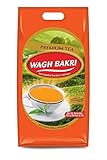
Choosing the right black tea provides the robust backbone that beautifully complements milk. Authentic Indian tea contains caffeine and requires specific steeping times to avoid a bitter taste. We strongly recommend CTC tea (Crush, Tear, Curl) over orthodox leaves, as its granular nature yields a faster, stronger brew that cuts through heavy dairy.
Ingredients
- 2 generous tablespoons of loose leaf tea (specifically Assam black tea in CTC form if available)
- Alternative: 3 to 4 high-quality black tea bags (if loose leaf is unavailable)
Instructions
- Once your spice decoction has simmered for 5 minutes, carefully measure and add the loose leaf black tea to the boiling water.
- Immediately turn off the heat (or reduce to the absolute lowest setting) to allow the tea to steep.
- Infuse the tea leaves in the hot water for exactly 2 to 3 minutes.
- Do not vigorously boil the tea leaves, as this will rapidly extract harsh tannins and result in a deeply bitter taste.
Pro-Tip: If you are seeking that truly authentic, dark roadside diner (dhaba) color and strength, you must use CTC tea. This processing method creates tiny, hard pellets of tea rather than long leaves, allowing for rapid, robust tannin extraction that perfectly balances heavy dairy.
5. Integrate the Whole Milk and Bring to a Rolling Boil

Save this step to nail the perfect creamy chai texture!
Adding dairy transforms your sharp spice decoction into a deeply comforting beverage. The fat in the whole milk thickens with milk proteins to create a rich, smooth texture that wraps around the spices. The milk + water dynamic is crucial; keeping a balanced ratio prevents the brew from feeling overly thin or excessively heavy.
Ingredients
- 2 cups of whole milk (provides the most authentic, creamy mouthfeel)
- Vegan Alternative: 2 cups of barista-blend oat milk or almond milk
- 1 stainless steel pitcher or ladle for pouring
Instructions
- After the tea has steeped for 2 minutes, gently pour the whole milk directly into the saucepan, combining it with the dark tea and spices.
- Turn the heat back up to medium-high.
- Allow the mixture to come to a full, rolling boil. Watch it very closely! As the milk heats, it will rapidly foam and rise to the top of the pan.
- Just before it boils over, quickly reduce the heat to drop the liquid back down, then let it simmer for another 2 minutes to thicken.
Pro-Tip: Do not skip boiling the tea after the milk is added. This step triggers a gentle Maillard reaction in milk, lightly caramelizing the dairy sugars and transforming the drink from a standard milky tea into a deeply rich, comforting masterpiece.

6. Sweeten and Balance the Organoleptic Profile

Pin this sweetener guide to perfectly balance your spices!
Properly sweetening your brew is not just about making it sugary; it is about harmonizing the aggressive flavor notes. Sweeteners like jaggery or sugar + honey perfectly balance spices and prevent the black tea tannins from feeling too harsh on the palate. If you want a comforting cup, do not skip this vital finishing touch.
Ingredients
- 2 to 3 tablespoons of raw cane sugar, organic jaggery powder, or maple syrup
- Optional: 1 teaspoon of pure vanilla extract (if you want a Starbucks chai latte copycat flavor)
Instructions
- While the chai is in its final simmer, measure your chosen sweetener and add it to the saucepan.
- Whisk or stir gently until the sugar or honey is completely dissolved.
- Taste the brew carefully with a spoon. You may need to adjust and balance the sweetness depending on how aggressively you crushed your spices.
Pro-Tip: If you are trying to replicate a sweet, creamy westernized coffee-house drink, you can swap the regular sugar for a drizzle of sweetened condensed milk and a dash of vanilla. However, for a truly traditional experience, seek out jaggery—an unrefined cane sugar with deep molasses notes that pairs flawlessly with cardamom.

7. Strain, Aerate, and Serve the Hot Spiced Tea

Don’t forget the frothing step! Pin this aerating trick for the best texture!
The final step is separating the rough solids from the creamy liquid to ensure a perfectly smooth texture. A proper tea strainer guarantees your hot spiced drink is entirely free of gritty sediment. Furthermore, employing the authentic technique of “pulling” the tea heavily aerates the liquid, resulting in a delightfully frothy crown.
Ingredients
- The finished, hot chai beverage
- 1 fine mesh tea strainer (conical preferred to catch all tea dust)
- Traditional clay cups (kulhads) or your favorite ceramic mugs
- Optional: Classic Indian tea biscuits for dipping
Instructions
- Remove the saucepan from the heat entirely.
- Hold a fine mesh tea strainer over your serving mug or a clean teapot.
- Carefully pour the hot liquid through the strainer to catch all the loose leaf tea and whole spices.
- To achieve an incredibly smooth texture, practice “pulling” the tea: pour the strained tea from one cup to another from a height of about 12 inches. This will aerate the liquid, cool it slightly, and naturally froth the milk.
Pro-Tip: Press gently on the spices left in the strainer with the back of a spoon before discarding them. This squeezes out the last few drops of highly concentrated, intensely flavored liquid—often the most flavorful part of the entire pot!
$3.00 offBestseller No. 7

Key Takeaways: Your Quick Guide to Chai Tea Recipe
Before you begin mastering your masala chai tea, reviewing these core principles will ensure your success. Making tea from scratch is a highly sensory experience, and avoiding common pitfalls like a watery chai or an overly bitter taste requires understanding a few strict rules of thumb. Keep these expert tips in mind to fix flavor issues instantly and guarantee a perfected ratio every single time.
Key Takeaways:
- Always Crush Whole Spices Fresh – Pre-ground spices create a gritty texture and lose their volatile aromatic oils quickly. For the most fragrant and authentic brew, always lightly crush whole cardamom, cloves, and cinnamon right before brewing.
- Boil Water First, Milk Second – Never boil ginger and raw spices directly in plain milk. Boiling your ginger in a cup of water first neutralizes enzymes that cause curdled milk, while water also acts as a superior solvent for extracting deep spice flavors.
- Master the Perfect 1:1 Ratio – To avoid a watery chai or an overly thick beverage, stick to the golden perfected ratio: one part filtered water to one part whole milk.
- Select the Right Tea Base – Standard western tea bags often result in a weak tea when heavily milked. Seek out granular Indian CTC tea (Crush, Tear, Curl) or strong loose-leaf Assam to ensure the tea’s natural astringency cuts through the dairy.
- Don’t Fear the Sweetener – An authentic indian chai is meant to be sweet. Using natural sweeteners like jaggery or honey beautifully balances spices and rounds out the bitter tannins of the black tea.
- Execute the Double Boil (Maillard Reaction) – For the ultimate creamy texture and complex flavor, allow the tea to come to a rolling boil again after the milk has been added, lightly caramelizing the dairy sugars.
People Also Ask About Chai Tea Recipe
Even with a flawless step-by-step guide, you might encounter unique situations when brewing your first batch of homemade tea. Understanding the deep culinary science behind tannin extraction, milk coagulation, and authentic Indian methods helps troubleshoot any bad batches. Below, we address the most common questions and misconceptions to elevate your tea-brewing mastery to expert levels.
How to make chai tea from scratch?
To make a chai tea recipe from scratch, crush whole spices (cardamom, cinnamon, cloves, ginger), boil them in water, steep robust black tea, and finish by simmering with whole milk and sugar.
Creating an authentic masala chai requires making a spice decoction in water before the milk is added. Avoid pre-packaged powders; starting with raw, whole ingredients ensures you can customize the heat and sweetness while achieving a deeply comforting, aromatic brew.
What is the best tea for chai?
The best tea for an authentic chai tea recipe is a robust Indian black tea, specifically Assam CTC (Crush, Tear, Curl) loose leaf tea.
Because a traditional spiced milk tea contains heavy dairy and bold spices, delicate teas will be completely overpowered. CTC tea is processed into tiny hard granules that rapidly release strong color and astringency, ensuring the tea flavor remains distinct and powerful even after the milk is added.
How to make chai tea like Starbucks?
To make a chai tea recipe like Starbucks, you need to brew a heavily concentrated spice base, sweeten it aggressively with vanilla syrup, and serve it with highly frothed milk.
A Starbucks chai latte differs from authentic indian chai because it relies on a sweet liquid chai tea concentrate rather than fresh steeping. You can replicate this by doubling the spices and sugar in this recipe, adding a splash of pure vanilla extract, and using a mechanical milk frother.
Can you use ground spices for chai?
While you can use ground spices for a quick chai tea recipe in a pinch, whole crushed spices are highly recommended to avoid a muddy texture and dull flavor.
Pre-ground tea masala powder oxidizes quickly on the shelf, losing the vibrant essential oils that give tea its signature punch. Furthermore, fine powders slip through standard strainers, leaving a gritty, unpleasant sediment at the bottom of your hot spiced drink.
Why is my chai tea bitter?
Your chai tea is likely bitter because you boiled the loose leaf black tea too vigorously or steeped it for longer than 3 minutes, over-extracting harsh tannins.
To avoid bitterness and fix flavor issues, ensure you turn off the heat immediately when adding the tea leaves to the water. Let the tea steep gently, then let the dairy proteins in the whole milk bind to the remaining tannins during the final gentle simmer.
What is the difference between chai and masala chai?
“Chai” simply translates to “tea” in Hindi, while “masala chai” specifically refers to tea brewed with a mixture of aromatic spices.
When you order “chai” in India, you are generally served a milky tea. If you want the spicy, fragrant version packed with ginger, cardamom, and cloves, you are technically looking for a masala chai recipe. In the West, however, the term “chai” has colloquially become synonymous with the spiced version.
What is the ratio of water to milk in chai?
The perfect, traditional ratio for a standard homemade chai tea recipe is a 1:1 ratio—one part filtered water to one part whole milk.
This perfected ratio ensures the liquid is thin enough to act as a proper solvent to extract the whole spices during the initial boil, but creamy enough to yield a beautifully rich and soothing mouthfeel once the milk is integrated and simmered.
What is CTC tea in chai?
CTC stands for “Crush, Tear, Curl,” a specific manufacturing process where black tea leaves are passed through cylindrical rollers to create tiny, hard pellets.
This style of tea is universally used by Indian street vendors to make authentic masala chai because it produces a very dark, highly caffeinated, and robust liquor incredibly fast. It is scientifically designed to stand up perfectly to heavy boiling, bold spices, and generous amounts of milk.
How to fix weak chai tea?
To fix a watery or weak chai tea, allow the mixture to simmer uncovered on low heat for an additional 5 to 10 minutes to evaporate excess water and concentrate the flavors.
A weak tea is usually the result of using too much water, not crushing the spices sufficiently, or using standard western tea bags instead of robust loose leaf tea. Next time, ensure you thoroughly crush your spices to release their aromatic compounds quickly.
Can you make chai tea with milk only?
No, you should not make an authentic chai tea recipe using milk only; boiling raw spices directly in 100% milk severely limits flavor extraction and frequently causes the dairy to curdle.
Water is a much better solvent for extracting the essential oils from hard spices and fresh ginger. Always begin your decoction brewing with a water base, and add the milk only in the final minutes of preparation to thicken and enrich the beverage.
Final Thoughts on Chai Tea Recipe
Mastering a homemade chai tea from scratch is one of the most rewarding culinary skills you can develop. By stepping away from the pre-packaged, artificially flavored concentrates and embracing the traditional method of crushing whole spices, you unlock a deeply comforting, complex flavor profile that simply cannot be bought in a cardboard cup.
The secret to a truly authentic masala chai isn’t just in the ingredients—it lies entirely in your respect for the process. Allowing the ginger and spices to decoct in water, choosing a robust Indian black tea, and watching the milk slowly caramelize into a rich, creamy texture turns a simple recipe into a beautiful morning ritual. Once you understand how heat and water extract these incredible aromatics, you will never want to go back to standard tea bags again.
As you practice this classic chai tea recipe, don’t be afraid to adjust the spice ratios. Want more heat? Add extra fresh ginger. Prefer a sweeter, floral note? Toss in an extra cinnamon stick and a heavier scoop of jaggery. Your kitchen is now your personal tea house. Have you tried making this authentic recipe yet? Which spice is your absolute favorite to highlight in your perfect cup? Let me know in the comments below!
Last update on 2026-09-18 / Affiliate links / Images from Amazon Product Advertising API
