
As an Amazon Associate CoffeeXplore.com earns from qualifying purchases.
9 Best Homemade Syrups For Drinks: Easy DIY Coffee Recipes For Home Baristas
Tired of spending a fortune on artificial, chemical-tasting coffee shop sweeteners? You can easily craft your own homemade syrups for drinks to completely transform your morning beverage routine. Ditching high-fructose corn syrup is much simpler than you think.
To make the best homemade syrups for drinks, combine equal parts sugar and water (a 1:1 ratio) in a saucepan over medium heat. Stir until dissolved, simmer briefly, remove from heat to steep your chosen ingredients, cool completely, and store in the fridge. This fundamental culinary technique creates endless flavor possibilities.
Drawing from comprehensive analysis of established food safety guidelines and mixologist-approved standards, this tested recipe guide guarantees perfect batch consistency. You will discover exactly how to balance acidity, prevent crystallization, and craft cafe-quality botanical extracts from scratch. Let’s elevate your home barista setup today.
Contents
show
How To Make The Best Homemade Syrups For Drinks: Your Ultimate Home Barista Guide
Creating the ultimate homemade simple syrup recipe requires balancing your solute (sugar) and solvent (water) through precise heat application to extract maximum flavor while ensuring long-term shelf stability. Mastering this foundational skill elevates everything from your morning latte to evening mocktails.
As of October 2026, home baristas are increasingly moving away from commercial brands in favor of crafting DIY drink syrups. The standard baseline is a 1:1 ratio of sugar to water. This creates a versatile, crystal-clear liquid that easily dissolves in cold and hot beverages. However, professional mixologists often prefer a 2:1 rich syrup. By doubling the sugar content, you create a highly viscous sweetener that naturally extends shelf life because the high density prevents bacteria growth on the refractometer brix scale.
A common challenge when making sugar syrup for cocktails is keeping the sugar from crystallizing. To prevent crystallization, never stir your mixture vigorously once it begins to boil. Gently swirl the pan instead. When exploring the best homemade syrups, always prioritize proper storage. Keeping your creations in sterilized containers at a safe storage temperature in the fridge is essential for food safety.
9 Best Homemade Syrups For Drinks: Easy DIY Coffee Recipes
Transforming your kitchen into a gourmet cafe requires a solid menu of flavored simple syrups. Below, we have curated nine exceptional low sugar homemade coffee syrup recipes designed for effortless execution.
These recipes move far beyond basic sugar-water combinations. We will explore how to perfectly macerate raw ingredients, safely de-glaze caramelized sugars, and properly infuse botanicals. Whether you want to make your own copycat coffeehouse staple or experiment with DIY flavored syrups for an upcoming cocktail party, this actionable list provides exact measurements and expert troubleshooting tips for every single batch.
1. Classic Vanilla Bean Syrup

Pin this classic coffee shop staple to your “DIY Coffee Bar” board!
Learning how to make vanilla syrup for coffee at home is the first step to mastering your morning brew. The relationship between pure vanilla + bean and simple syrup creates a potent botanical extract that instantly sweetens and rounds out the bitter notes of dark roast coffee. Using real pods ensures an authentic, crystal-clear result packed with natural flavor.
Ingredients
- 1 cup filtered water
- 1 cup granulated sugar (for a crystal-clear appearance)
- 1 whole Grade A Madagascar vanilla bean, split and scraped
- 1 tsp high-quality pure vanilla extract (optional, to boost aroma)
- Airtight container or mason jars for storage
Instructions
- Combine the water and sugar in a small saucepan over medium heat.
- Stir until dissolved completely, ensuring no sugar crystals remain on the sides of the pan to prevent crystallization.
- Simmer gently for 2 minutes, then remove the saucepan from the heat.
- Scrape the seeds from the vanilla bean into the syrup and drop the empty pod in as well.
- Steep the mixture for at least 45 minutes as it cools to room temperature.
- Strain out the large pod pieces (leave the tiny specks) and bottle the syrup.
- Refrigerate for up to one month.
Pro-Tip: For the most authentic, barista standard flavor, use the cold maceration technique: rub the scraped vanilla bean seeds directly into the dry sugar before adding water. This releases the essential oils directly into the sugar crystals for a deeply aromatic botanical extract.

2. Rich Caramel Macchiato Syrup

Save this decadent caramel recipe for your next iced macchiato craving!
When you caramelize sugar, you completely alter its molecular structure. This creates a beautifully complex 2:1 rich syrup that easily mimics the famous caramel + macchiato flavor profile. The trick is to watch the sugar closely to avoid a harsh burnt sugar smell while creating that gorgeously thick, viscous texture.
Ingredients
- 1 ½ cups granulated sugar
- ¾ cup filtered water (divided into ¼ cup and ½ cup)
- 1 tsp vanilla extract
- Pinch of flaky sea salt (to balance sweetness)
- Heavy-duty saucepan
Instructions
- Add 1 ½ cups of sugar and ¼ cup of water to your saucepan over medium-high heat.
- Swirl the pan gently (do not stir with a spoon) until the sugar turns a deep amber color and smells toasted.
- Remove immediately from the heat to avoid burning.
- Carefully de-glaze by slowly pouring in the remaining ½ cup of water while whisking vigorously (it will bubble violently).
- Return to low heat and simmer for 1 minute until any hardened sugar pieces dissolve in the liquid.
- Cool completely, stir in the vanilla and salt, and store in fridge.
Pro-Tip: If your caramel seizes into hard chunks when you add the water, don’t panic. Simply return the pan to a gentle simmer and continuously whisk; the ambient heat will melt the large crystals back into a smooth, thick syrup.


3. Spiced Cinnamon Dolce Syrup

Pin this warming cinnamon dolce syrup for your cozy autumn mornings!
Nothing signals the fall season quite like a rich, spiced latte. By simmering whole cinnamon sticks in a robust brown sugar base, you can perfectly replicate your favorite cinnamon + apple coffeehouse treats. This method ensures you extract pure essential oils and easily fix cloudy syrup issues commonly caused by powdered spices.
Ingredients
- ½ cup brown sugar (packed)
- ½ cup granulated sugar
- 1 cup filtered water
- 4 whole cinnamon sticks (Ceylon preferred)
- 1 tsp vanilla extract
- Fine mesh strainer
Instructions
- Combine the brown sugar, white sugar, and water in a saucepan over medium heat.
- Whisk gently until the sugar solution begins to simmer.
- Add the whole cinnamon sticks and reduce the heat to low.
- Simmer for 10 minutes to extract the spicy, warming essential oils.
- Remove from heat, cover the pot, and let the sticks steep for an additional 30 minutes.
- Filter the syrup through a fine mesh strainer to catch any bark fragments.
- Bottle and chill in the refrigerator.
Pro-Tip: Never use ground cinnamon to make spiced syrups. Ground spices will not dissolve, leaving your syrup with a gritty, unappealing sludge at the bottom of your latte. Always use whole spices for a clean, mixologist approved extraction.

4. Decadent Dark Chocolate Mocha Sauce

Save this rich chocolate mocha sauce recipe to upgrade your afternoon coffee!
Understanding the difference between thin vs thick syrup is crucial when dealing with chocolate. A proper mocha requires a viscous, fudgy sauce rather than standard liquid sugar for cocktails. By blooming premium cocoa powder and using a sturdy whisk, you create a luxurious sauce that integrates beautifully with freshly pulled espresso shots.
Ingredients
- ½ cup premium Dutch-process cocoa powder
- 1 cup granulated sugar
- 1 cup filtered water
- 1 tsp vanilla extract
- Pinch of espresso powder (to enhance chocolate flavor)
- Label maker and squeeze bottle
Instructions
- Sift the cocoa powder into your saucepan to remove any hard lumps.
- Whisk in the filtered water over medium heat, allowing the cocoa to “bloom” and dissolve completely before adding the sugar.
- Stir in the sugar and espresso powder, bringing the mixture to a gentle boil.
- Reduce heat and simmer for 3-4 minutes until the sauce becomes viscous and coats the back of a spoon.
- Remove from heat, stir in the vanilla, and let it cool completely.
- Transfer to a squeeze bottle using a funnel and refrigerate.
Pro-Tip: Dutch-process cocoa is essential here. It has lower acidity than natural cocoa, resulting in a much deeper, fudgy flavor profile that balances acidity perfectly with robust coffee beans to ensure a smooth texture.

5. Toasted Hazelnut Praline Syrup

Pin this nutty hazelnut praline syrup for your ultimate homemade Nutella latte!
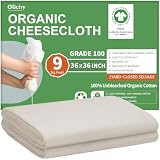
If you are tired of artificial extracts that taste like plastic, you need to learn how to steep real, toasted nuts. These homemade barista syrups capture pure, roasted flavors. By passing the infused liquid through cheesecloth to filter out heavy nut oils, you achieve a clean, gourmet syrup that mirrors high-end European cafes.
Ingredients
- 1 cup raw hazelnuts, roughly chopped
- 1 cup granulated sugar
- 1 ¼ cups filtered water
- 1 tsp vanilla extract
- Cheesecloth and a fine mesh strainer
Instructions
- Toast the chopped hazelnuts in a dry skillet over medium heat for 3-5 minutes until fragrant and golden.
- Combine the toasted nuts, sugar, and water in a saucepan and bring to a gentle simmer.
- Simmer for 15 minutes, allowing the liquid to slightly reduce and capture the praline essence.
- Remove from heat, cover, and let the nuts steep in the syrup for 1 hour.
- Strain the mixture twice: first through a wire strainer to remove the nuts, then through a double layer of cheesecloth to catch the excess oils.
- Bottle in an airtight container and store in fridge.
Pro-Tip: If you skip the cheesecloth step, the natural nut oils will float to the top of your syrup in the fridge and solidify, shortening the shelf life extension and creating an unpleasant texture in iced drinks. Double strain for a crystal-clear finish!
6. Winter Peppermint Mocha Syrup

Save this festive peppermint syrup recipe for your holiday drink menu!
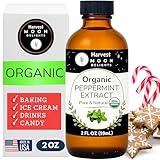
During seasonal drink planning, the best homemade syrups for holiday cocktails are those that offer punchy, bright flavors without tasting medicinal. By utilizing pure peppermint extract rather than fresh mint leaves (which can turn bitter when heated), you can create a perfectly balanced, non-alcoholic sweetener that pairs flawlessly with rich chocolate bases.
Ingredients
- 1 cup granulated sugar
- 1 cup filtered water
- 1 ½ tsp pure peppermint extract (do NOT use mint flavoring)
- Optional: 1 sprig of fresh mint for a subtle botanical undertone
- Glass bottles for storage
Instructions
- Combine the sugar and water in a saucepan over medium heat.
- Stir until dissolved, creating a standard 1:1 ratio simple syrup.
- Simmer for 1 minute, then immediately remove from the heat.
- Cool completely to room temperature before adding the peppermint extract (adding it while hot will cause the volatile oils to evaporate).
- Whisk the extract into the cooled syrup.
- Bottle in a sterilized container and refrigerate.
Pro-Tip: Always use pure peppermint extract, not “mint flavor” or spearmint, to avoid your latte tasting like toothpaste. If you want to experiment with molecular mixology, try adding a drop of food-grade gum arabic for texture to give the syrup a silkier mouthfeel and prevent an over-extraction of herbs.
7. Deep Brown Sugar Vanilla Syrup (Boba Style)

Pin this rich brown sugar syrup to master the viral brown sugar shaken espresso at home!
Understanding how to make brown sugar syrup for boba or iced espressos requires mastering the rich simple syrup ratio. When looking at white sugar vs brown sugar in cocktails, brown sugar—specifically raw demerara sugar—offers profound molasses notes. This heavier base naturally creates those highly sought-after thick tiger stripes inside your glass.
Ingredients
- 1 cup dark brown sugar (tightly packed)
- ½ cup demerara sugar (or raw turbinado)
- 1 cup filtered water
- 1 tsp high-quality vanilla extract
- Airtight container
Instructions
- Combine both the dark brown sugar and the demerara sugar with water in a saucepan.
- Heat over medium-low heat. Brown sugar burns easily, so do not let it reach a rolling boil.
- Stir until dissolved, watching as the mixture turns dark and glossy.
- Simmer gently for 5-7 minutes to evaporate some water and reduce it into a thick, sticky syrup (perfect for coating boba cups).
- Remove from heat, stir in the vanilla, and cool.
- Store in a glass jar. Due to the high sugar content, this rich simple syrup is highly shelf-stable.
Pro-Tip: Using a blend of dark brown sugar (for molasses flavor) and demerara sugar (for complex, raw toffee notes) creates a significantly more dynamic culinary syrup than using standard light brown sugar alone. Because of the refractometer brix scale density, this will significantly extend shelf life.

8. Lavender Honey Latte Syrup

Save this elegant lavender honey syrup to bring spring cafe vibes to your kitchen!
Learning how to make lavender syrup for lattes involves a delicate touch. The combination of lavender + honey produces an exquisite botanical sweetness, but over-boiling the flowers quickly pulls out bitter tannins. When evaluating sugar vs honey vs agave, honey provides a robust, earthy backbone that perfectly anchors the delicate floral notes.
Ingredients
- ½ cup high-quality honey
- ½ cup granulated sugar
- 1 cup filtered water
- 2 tbsp organic culinary-grade dried lavender buds
- Fine mesh strainer
Instructions
- Combine the water, sugar, and honey in a saucepan.
- Bring to a boil over medium heat, stirring gently to dissolve the sugars.
- Remove completely from the heat before adding the lavender (boiling lavender extracts bitter tannins).
- Stir in the culinary lavender buds.
- Steep for exactly 15 minutes. Set a timer to prevent an over-extraction of herbs which causes a soapy taste.
- Filter immediately through a fine mesh strainer, pressing gently on the buds.
- Bottle and refrigerate.
Pro-Tip: If you want your syrup to have a beautiful purple hue, you must employ a bit of molecular mixology. Lavender naturally brews brown. Add one single dried butterfly pea flower or a tiny drop of natural purple food coloring during the steeping process for that perfect aesthetic without adding a bitter aftertaste.

9. White Chocolate Macadamia Syrup

Pin this creamy white chocolate macadamia recipe for the ultimate iced latte upgrade!
If you are figuring out how to make a large batch of syrup containing actual fat (like cocoa butter), maintaining a smooth texture is your primary challenge. Fat-based syrups are prone to separation and rapid syrup fermenting if left at room temperature. You must emulsify carefully and always refrigerate to keep it stable.
Ingredients
- ¾ cup premium white chocolate chips (must contain real cocoa butter)
- ½ cup granulated sugar
- ¾ cup filtered water
- ½ tsp macadamia nut extract
- ½ tsp vanilla extract
- Squeeze bottle
Instructions
- Prepare a basic simple syrup by heating the sugar and water in a saucepan until dissolved.
- Reduce the heat to the lowest possible setting.
- Whisk the white chocolate chips into the hot syrup continuously until perfectly melted and a smooth texture is achieved. Do not let it boil, or the chocolate will split.
- Remove from heat and stir in the macadamia and vanilla extracts.
- Cool slightly before pouring into a squeeze bottle.
- Refrigerate immediately. Shake well before each use as natural separation may occur.
Pro-Tip: The secret to this recipe is checking the label on your white chocolate. If it says “white morsels” and uses palm oil instead of cocoa butter, it will leave a greasy film in your coffee. Always use real white chocolate to ensure it dissolves in your drink smoothly!

Key Takeaways: Your Quick Guide to Homemade Syrups For Drinks
Understanding the core rules of homemade syrups for drinks overview ensures your homemade beverage syrups turn out perfectly every single time. Whether you are building a potent flavor concentrate or a delicate infusion, following these mixology standards eliminates guesswork and prevents common culinary mistakes.
If you are short on time, here are the most critical, expert-backed rules to remember when crafting any liquid sweetener at home:
- The Basic Ratio: The basic simple syrup ratio is always 1 part sugar to 1 part water, while a rich simple syrup uses 2 parts sugar to 1 part water, which yields a thicker, more viscous liquid that lasts significantly longer.
- Preventing Crystallization: Never stir your syrup vigorously once it begins to simmer; gently swirl the pan instead to ensure no sugar crystals stick to the sides and ruin your batch consistency.
- Botanical Steeping Rules: When using fresh herbs like mint or lavender, always remove the syrup from the heat before adding the botanicals to prevent a bitter, cooked-weed taste.
- Proper Straining: Always use a fine mesh strainer and cheesecloth to remove fruit pulp, spices, or nut oils, which guarantees a crystal-clear appearance and extends the syrup’s lifespan.
- Storage and Safety: To prevent syrup fermenting or mold growth, always store your creations in sterilized glass bottles or mason jars inside the refrigerator.
- Cold Maceration: For peak topical authority and flavor, try rubbing zest or scraped vanilla beans directly into dry sugar before adding water to extract maximum essential oils (known as creating an oleo saccharum base).
People Also Ask About Homemade Syrups For Drinks
Navigating the specific science behind liquid sweeteners can be tricky, but having reliable answers to common troubleshooting questions ensures consistent success. Below, we have compiled the most frequently asked questions regarding the syrup-making process, directly addressing shelf life, crystallization, and creative ingredient swaps.
How long does homemade syrup last in the fridge?
A standard 1:1 homemade simple syrup will last for about 1 month in the refrigerator if stored in a sterilized, airtight container.
To extend its shelf life up to 6 months, you can make a 2:1 rich syrup (two parts sugar to one part water). The higher sugar concentration acts as a natural preservative, preventing bacteria and mold growth. Adding a splash of vodka or a pinch of citric acid can also serve as a shelf life extension technique for fruit-based syrups.
How to stop simple syrup from crystallizing?
To stop simple syrup from crystallizing, ensure all sugar is completely dissolved before the mixture begins to simmer, and do not stir it once it is bubbling.
Crystallization occurs when a stray sugar crystal clings to the side of the saucepan and triggers a chain reaction as the syrup cools. If you wash down the sides of the pot with a wet pastry brush during cooking, you will ensure a perfectly smooth texture and a crystal-clear result every time.
Can you make syrup without heat?
Yes, you can make simple syrup without heat by combining equal parts superfine sugar and room temperature water in a jar and shaking vigorously until dissolved.
This is known as the “cold process” method. It is highly recommended for delicate flavor infusions like cucumber or fresh mint, as applying heat can alter their fresh, bright flavors. However, cold process syrups generally have a shorter shelf life and should be used within two weeks.
Why is my simple syrup cloudy?
Your simple syrup is cloudy either because the sugar hasn’t fully dissolved, you used tap water with high mineral content, or your infused ingredients left behind micro-particles.
To fix cloudy syrup, always use filtered water rather than tap water. If you are infusing spices like cinnamon or nutmeg, never use the powdered versions. Always use whole spices and strain the final liquid through a fine cheesecloth to achieve a professional, crystal-clear appearance.
Can I use honey instead of sugar for syrup?
Yes, you can make a honey syrup by mixing equal parts honey and warm water to thin out the honey’s viscosity so it mixes easily into cold drinks.
Comparing sugar vs honey, honey brings intense floral notes and a thicker mouthfeel. Because straight honey will seize and harden when added to an iced latte or cocktail, turning it into a 1:1 honey syrup makes it the perfect liquid sweetener for cold beverages.
Does simple syrup need to be refrigerated?
Yes, homemade simple syrups must be refrigerated because they lack the artificial preservatives found in commercial store-bought brands.
If left at room temperature, a standard 1:1 sugar water syrup will begin fermenting and growing mold within a few days. Always store your syrups in sterilized glass bottles at a safe storage temperature in the fridge to maintain batch consistency and safety.
How do you thicken homemade syrup?
To thicken homemade syrup, you should increase your ratio to 2 parts sugar to 1 part water, or let the standard 1:1 mixture simmer longer to reduce the water content.
Using a 2:1 ratio naturally creates a much more viscous liquid. If you are making fruit syrups, the natural pectins in the fruit will help it thicken. For chocolate or caramel sauces, a longer reduction time on the stove will evaporate excess water, leaving you with a richer flavor concentrate.
How to make sugar free simple syrup for drinks?
To make sugar-free simple syrup, substitute granulated sugar with a 1:1 liquid alternative like Allulose or a Monk Fruit sweetener blend dissolved in warm water.
When exploring liquid sweetener alternatives, be aware that sweeteners like Stevia or Erythritol may crystallize rapidly when cooled in the fridge. Allulose behaves most similarly to real sugar, maintaining a smooth texture and avoiding the bitter aftertaste often associated with artificial sweeteners.
What is rich simple syrup?
Rich simple syrup is a sweetener made using a 2:1 ratio of sugar to water, resulting in a thicker texture and a significantly longer shelf life.
Because there is less water content, rich syrups add profound sweetness and silky mouthfeel to cocktails and coffees without over-diluting the drink. This is the barista standard for heavy coffee syrups like mocha and caramel.
Can you freeze homemade drink syrup?
Yes, you can freeze homemade drink syrups in ice cube trays for up to 6 months without the syrup losing its flavor profile.
Because of the high sugar content, the syrup may not freeze rock solid, but it will become slushy and completely preserved. Freezing in small cubes allows you to pop a single portion of infused simple syrup directly into a hot coffee or blender for iced frappes without needing to thaw a whole bottle.
Final Thoughts on Homemade Syrups For Drinks
Crafting your own homemade syrups for drinks is one of the most rewarding upgrades you can make to your daily coffee or cocktail routine. By mastering the basic 1:1 simple syrup ratio and applying the gentle infusion techniques we’ve covered, you have completely unlocked the ability to replicate any expensive cafe beverage right in your own kitchen.
Moving away from store-bought bottles not only saves money, but it guarantees you are consuming preservative-free, naturally flavored ingredients. Whether you are whipping up a rich chocolate mocha sauce for a cozy winter morning, or steeping a delicate lavender honey flavor concentrate for an elegant spring iced latte, these DIY drink syrups put creative control entirely in your hands. Remember to always use sterilized mason jars or bottles, keep an eye on your simmering temperatures to prevent crystallization, and don’t be afraid to experiment with your own botanical combinations to create the ultimate craft drink syrups.
Which of these DIY coffee recipes are you going to brew first for your home barista setup? Drop a comment below and let us know your favorite flavor combination!
Last update on 2026-10-24 / Affiliate links / Images from Amazon Product Advertising API
