
As an Amazon Associate CoffeeXplore.com earns from qualifying purchases.
Herbal Tea With Honey: 7 Soothing Remedies For 2026
Are you tossing and turning with a painfully stubborn cough? Finding a reliable sore throat remedy often feels incredibly frustrating. You need real relief without relying on artificial daytime syrups. Discover how herbal tea with honey can finally soothe your worst symptoms.
Is herbal tea with honey good for you? Yes, an organic tea with honey is excellent for your overall health. It combines the hydrating, antioxidant-rich properties of botanical infusions with the antimicrobial benefits of raw honey. This powerful combination actively soothes a sore throat, promotes deep relaxation, and delivers essential phytonutrients.
Drawing from comprehensive analysis of botanical data and proven methodologies, we uncovered the precise brewing science. A proper botanical brew with natural sweetener requires exact hot water temperature control. You will discover seven targeted remedies to maximize your healing. Transform your daily routine with these evidence-based wellness tonics today.
Contents
show
Is Herbal Tea With Honey Good For You? The Ultimate Natural Cold Remedy & Sleep Aid
When properly brewed, a honey-infused botanical brew functions as an incredibly powerful natural cold remedy and sleep aid tea. The holistic health benefits of pairing organic herbs with raw honey go far beyond simple flavor enhancement. This dynamic combination provides unparalleled immune system support by delivering a concentrated dose of antioxidants directly to your cells. Raw honey acts as a natural humectant that gently coats and soothes an irritated throat, while the specific medicinal properties of the steeped herbs reduce dangerous inflammation throughout your body.
However, the therapeutic success of this warm beverage relies entirely on precise preparation. Many wellness seekers accidentally destroy their expensive organic ingredients by failing to understand thermal degradation. Adding a high-quality natural sweetener to actively boiling water instantly neutralizes its most powerful healing properties.
What most guides miss: To preserve the critical medicinal-grade antimicrobial activity and diastase enzymes in your raw honey, your hot water temperature must drop below 104°F (40°C) before sweetening. Exposing apiary products to temperatures higher than this threshold permanently destroys the delicate phytonutrients that actually suppress your cough and fight off bacterial infections.
By mastering this simple temperature rule, you transform a basic cup of hot tea with honey into a clinically effective wellness tonic. Whether you need immediate insomnia help or a fast-acting sore throat remedy, the correct preparation ensures maximum bioavailability of every nutrient.
Herbal Tea With Honey: 7 Soothing Remedies For 2026
Creating your own DIY herbal tea blends with honey allows you to target specific health conditions with pinpoint accuracy. The secret to an effective herbal tea recipe with honey lies in matching the biological intensity of your herbs with the correct botanical nectar. For example, robust and spicy roots like ginger demand a completely different type of natural syrup than delicate, sleep-inducing florals like chamomile.
By following the exact brewing and steeping instructions below, you will build a complete therapeutic tea and honey pairing chart right in your own kitchen. Let’s explore the absolute best herbal tea with honey for sore throat relief, stress management, digestion, and more.
1. Steep a Honey Lemon Ginger Tea for Sore Throat Relief

Save this natural cold remedy to your wellness board for the winter season!
A properly steeped ginger lemon honey herbal tea recipe for cold symptoms acts as a powerful, fast-acting sore throat remedy and natural cough suppressant.
Fresh ginger root provides potent warming and anti-nausea benefits, while lemon delivers a vital burst of vitamin C. When you combine these sharp, acidic ingredients with unprocessed, viscous raw honey, they synergistically soothe mucosal tissues and clear stubborn chest congestion. Always choose fresh ginger slices over pre-packaged tea bags to ensure you extract the maximum amount of therapeutic volatile oils during the boiling process.
Ingredients
- 1 inch fresh ginger root (peeled and thinly sliced)
- 1 tablespoon fresh organic lemon juice
- 1 tablespoon raw, unfiltered wildflower honey
- 1.5 cups filtered water
- Optional: 1 slice of fresh lemon for garnish
Instructions
- Bring the filtered water to a rolling boil in a small saucepan.
- Add the freshly sliced ginger root, reduce the heat, and allow it to simmer gently for 5-7 minutes to extract the potent volatile oils.
- Remove from heat and strain the hot ginger infusion into your favorite mug.
- Let the tea cool for 3-4 minutes until it stops steaming heavily (target temperature: 104°F/40°C).
- Stir in the fresh lemon juice and raw wildflower honey, mixing gently until completely dissolved, and sip while warm.
Expert Insight: Herbalist recommended rule of thumb: Never add your raw honey while the water is actively boiling. Exposing raw honey to temperatures over 104°F (40°C) accelerates thermal degradation, which permanently destroys the delicate beneficial enzymes and natural antimicrobial activity that actually help heal your sore throat.

2. Brew a Honey Vanilla Chamomile Herbal Tea for Deep Sleep

Pin this relaxing nighttime ritual to ensure you always have a natural sleep aid ready!
The benefits of chamomile tea with honey before bed include dramatic anxiety reduction and the elimination of middle-of-the-night insomnia.
This aromatic honey vanilla chamomile infusion serves as the ultimate calming sleep aid tea. Chamomile contains a powerful antioxidant known as apigenin, which naturally binds to specific receptors in your brain to decrease nocturnal anxiety and initiate deep sleep. By adding a mild, floral clover honey, you effortlessly balance the botanical notes while providing the exact blood sugar stabilization your body needs to rest peacefully through the night.
Ingredients
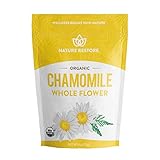
- 1.5 tablespoons organic whole-flower loose leaf chamomile tea
- 1/4 teaspoon pure vanilla bean paste (or half a scraped vanilla pod)
- 1 teaspoon raw organic clover honey
- 1.5 cups hot water (heated to 200°F/93°C)
Instructions
- Place the loose leaf chamomile flowers into a tea infuser or strainer and set it inside your mug.
- Pour the hot water over the flowers, cover the mug with a small saucer to trap the essential oils, and let it steep for exactly 5 minutes.
- Remove the infuser and gently stir in the pure vanilla bean paste.
- Allow the botanical brew to cool slightly to a safe, warm drinking temperature.
- Drizzle in the raw clover honey, stirring slowly until the natural sweetener is completely integrated, and enjoy 30 minutes before bed.
Expert Insight: Adding a small amount of raw honey to your nightly routine provides powerful prebiotic effects for your gut microbiome, while simultaneously ensuring your liver has an adequate supply of glycogen to prevent sleep-disrupting blood sugar spikes overnight.
3. Infuse Lavender and Lemon Balm with Honey for Stress Management

Save this beautiful floral infusion to your self-care and stress relief boards!
A perfectly steeped calming tea for anxiety with honey and lavender actively lowers elevated cortisol levels without causing unwanted daytime drowsiness.
This highly aromatic stress relief tea relies on the dynamic synergy between lavender and soothing lemon balm. The specific terpenoid compounds found in high-quality lavender flowers act directly on the central nervous system to calm racing thoughts. Honey functions as the ultimate botanical bridge in this recipe, perfectly counteracting the sharp, bitter notes that can sometimes occur when brewing delicate floral ingredients.
Ingredients
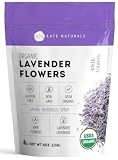
- 1/2 teaspoon organic culinary-grade dried lavender flowers (do not over-measure)
- 1 tablespoon dried lemon balm leaves
- 1 teaspoon raw orange blossom honey
- 1.5 cups near-boiling water (around 195°F/90°C)
Instructions
- Combine the dried lavender flowers and lemon balm leaves in a glass teapot or large infuser.
- Pour the near-boiling water over the herbs, ensuring they are fully submerged.
- Steep for only 3 to 4 minutes—steeping lavender any longer will release tannins that make the tea highly bitter and soapy.
- Strain the floral water immediately into a serving teacup.
- Wait for the tea to cool slightly, then sweeten with orange blossom honey to perfectly complement the bright, floral flavor profile.
Expert Insight: Always use “culinary grade” lavender for brewing. Standard decorative lavender contains high levels of camphor, which tastes like soap. The volatile oils in true culinary lavender pair flawlessly with citrus-forward honeys to calm the central nervous system.
4. Prepare a Peppermint and Raw Honey Tisane as a Digestive Aid

Pin this fast-acting digestive remedy for after heavy meals!
Mixing an organic herbal tea with honey and fresh peppermint creates an evidence-based stomach ache cure and highly effective digestive aid.
Peppermint contains potent cooling, antispasmodic menthol compounds that actively relax the gastrointestinal tract, preventing acid reflux flare-ups. To create the ultimate post-dinner wellness tonic, you must pair these bright peppermint leaves with an incredibly dark, mineral-rich buckwheat honey. This sophisticated flavor profile contrasts cooling botanicals with deep, earthy sweetness while providing exceptional relief from painful gas and painful bloating.
Ingredients
- 1 large handful of fresh peppermint leaves (or 1 tablespoon dried organic peppermint)
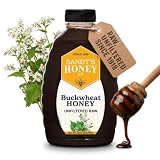
- 1 teaspoon raw buckwheat honey (or other dark, robust honey)
- 1.5 cups boiling water
Instructions
- Tear the fresh peppermint leaves gently with your fingers to release the natural menthol oils.
- Place the bruised leaves into a mug and pour the actively boiling water directly over them.
- Cover the mug to trap the cooling steam and steep for 7-10 minutes for a highly concentrated decoction.
- Remove the leaves or strain the liquid.
- Allow the tea to cool to a warm, drinkable temperature, then vigorously stir in the thick buckwheat honey until fully dissolved.
Expert Insight: Dark honeys like Buckwheat or Chestnut have the highest concentrations of polyphenols and exceptional antimicrobial activity. When paired with peppermint’s ability to relax the digestive sphincter, it becomes a powerful, evidence-based remedy for gastritis and bloating.
5. Dissolve Turmeric and Cinnamon in Spiced Honey Tea for Inflammation

Don’t forget to save this powerful anti-inflammatory spiced tea recipe!
Brewing a deeply colored herbal tea with honey and cinnamon for inflammation delivers highly bioavailable curcumin compounds directly to your aching joints.
This Ayurvedic-inspired wellness tonic relies on turmeric for massive inflammation reduction and cinnamon for crucial blood sugar regulation. The real secret to this therapeutic drink is the mandatory inclusion of black pepper, which acts as an absorption enhancer. The honey not only provides a lower glycemic sweetening option but acts as a rich, soothing agent to balance out the spicy, earthy bite of the medicinal roots.
Ingredients
- 1 teaspoon organic ground turmeric (or 1 tablespoon freshly grated turmeric root)
- 1 whole true Ceylon cinnamon stick
- A tiny pinch of freshly ground black pepper (essential for absorption)
- 1 tablespoon raw honey
- 1.5 cups filtered water
Instructions
- Add the filtered water, ground turmeric, Ceylon cinnamon stick, and pinch of black pepper to a small saucepan.
- Bring the mixture to a gentle simmer on the stove and let it cook for 10 minutes to fully release the active compounds.
- Remove the pan from the heat and carefully strain the bright golden liquid through a fine-mesh sieve into a mug.
- Let the spiced decoction cool for about 5 minutes to protect your honey’s nutritional profile.
- Stir in the raw honey until completely dissolved into the warm, earthy beverage.
Expert Insight: Always choose true Ceylon cinnamon over standard Cassia cinnamon for daily wellness tonics. Ceylon has significantly lower levels of coumarin, making it safer for your liver, while its phytonutrients perfectly complement honey’s low glycemic index impact.

6. Mix an Echinacea and Elderberry Manuka Honey Tonic for Immune Support

Pin this ultimate cold-prevention tonic featuring medicinal-grade Manuka honey!
Blending echinacea and dark elderberry with medicinal grade Manuka honey creates the ultimate defense tonic for robust immune system support.
This specific triad of ingredients functions as nature’s ultimate immune defense system, designed to be consumed at the very first sign of a tickle in your throat. Echinacea delivers immune-stimulating floral properties, while the antiviral dark juices of the elderberry inhibit viral replication. By elevating this recipe to “medicinal” status with authentic New Zealand Manuka honey, you actively inhibit bacteria and prevent a minor cold escalation.
Ingredients
- 1 tablespoon dried organic elderberries
- 1 teaspoon dried echinacea root and aerial parts
- 1 teaspoon high-grade raw Manuka honey (MGO 400+ recommended)
- 1.5 cups filtered water
Instructions
- Combine the dried elderberries and echinacea root in a small saucepan with the filtered water.
- Bring to a boil, then immediately reduce the heat to low, cover, and let it simmer for 15 minutes to extract the dense berry juices and root properties.
- Strain the deep purple decoction into your favorite thick-walled mug, pressing the berries against the strainer to extract all the liquid.
- Let the tea cool considerably (Manuka honey is highly sensitive to heat).
- Once the tea is comfortably warm to the touch (under 100°F), slowly dissolve the thick, medicinal-grade Manuka honey into the liquid.
Expert Insight: When investing in Manuka honey, always check the UMF or MGO rating. A high methylglyoxal (MGO) concentration is what provides Manuka’s clinically proven antimicrobial activity, making it far superior to regular honey for actively fighting off seasonal infections.

7. Stir an Apple Cider Vinegar and Sage Herbal Blend for Throat Irritation

Save this traditional herbalist secret for clearing out stubborn throat irritation!
A traditional chinese medicine herbal tea with honey and sage provides immediate relief for severe throat irritation by acting as an astringent natural syrup.
Sage is a dramatically underutilized botanical that possesses incredible astringent properties capable of instantly clearing swollen mucosal membranes. When you introduce raw apple cider vinegar into the mix, its acidic nature quickly cuts through thick chest congestion. The thick honey then coats and soothes the newly cleared throat lining, providing hours of comfort and accelerated healing.
Ingredients
- 1 tablespoon fresh organic sage leaves (or 1 teaspoon dried sage)
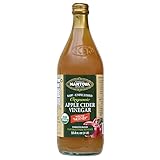
- 1 teaspoon raw, unfiltered Apple Cider Vinegar (with the “mother”)
- 1 tablespoon thick, raw honey
- 1.5 cups hot water
Instructions
- Place the fresh or dried sage leaves into your mug.
- Pour actively boiling water over the leaves, cover the mug, and steep for a full 10 minutes to draw out the astringent properties.
- Remove the sage leaves from the mug using a spoon or strainer.
- Allow the hot sage water to cool until it is comfortably warm, ensuring it won’t destroy the live cultures in the ACV or the enzymes in the honey.
- Stir in the raw apple cider vinegar and the thick raw honey, mixing until it forms a perfectly balanced, sweet-and-sour medicinal broth.
Expert Insight: The combination of raw honey and unpasteurized Apple Cider Vinegar creates a powerful synergistic prebiotic effect. To avoid damaging the beneficial bacteria (the “mother”) in the ACV and the diastase activity in the honey, test the water on your wrist—if it burns, it’s too hot for your ingredients!
Key Takeaways: Your Quick Guide to Herbal Tea With Honey
Understanding how to properly prepare and pair your herbal tea with honey overview ensures you always maximize the holistic health benefits of your natural sweetener.
Whether you are seeking a rapid cold remedy or a soothing evening ritual, the science of tea and honey pairings dictates your success. By following these foundational herbalist rules, you will confidently transform ordinary pantry staples into highly effective wellness tonics without ever compromising their delicate medicinal properties.
- Temperature is Everything for Raw Honey – Never add raw honey to actively boiling water; wait until the tea cools below 104°F (40°C) to prevent thermal degradation and preserve its antimicrobial properties.
- Match Intensity in Your Tea Pairings – Pair delicate, floral botanicals (like Chamomile and Lavender) with light honeys (Clover, Orange Blossom), and robust herbs (Peppermint, Ginger) with dark honeys (Buckwheat).
- Leverage Manuka for Immune Support – For an active cold or flu, use medicinal-grade Manuka honey, which contains a high MGO rating for clinically proven bacterial inhibition.
- Always Maximize Bioavailability – When brewing anti-inflammatory spices like turmeric, always include a pinch of black pepper to ensure your body actually absorbs the nutrients alongside the honey.
- Use Real Honey as a Sleep Aid – A teaspoon of honey in nighttime teas stabilizes liver glycogen overnight, preventing the blood sugar drops that frequently cause insomnia and night waking.
- Protect the Volatile Oils – Always cover your mug with a saucer while steeping herbs like peppermint and lavender to trap the therapeutic essential oils from escaping into the steam.
FAQs About Herbal Tea With Honey
How much honey should I add to tea?
For the best balance of health benefits and flavor, add exactly one teaspoon to one tablespoon of raw honey per 8-ounce cup of herbal tea.
Using this precise measurement provides enough natural sweetness to counteract botanical bitterness while delivering a sufficient dose of antioxidants and throat-coating properties. Adding more than one tablespoon drastically increases the glycemic load, which can negate the holistic wellness benefits of your natural herbal drink.
When to add honey to tea?
You should always add honey to your tea after it has finished steeping and cooled to a comfortably warm drinking temperature under 104°F or 40°C.
Stirring raw honey into boiling water triggers thermal degradation, which completely destroys the delicate enzymes, phytonutrients, and natural antibacterial properties. Wait about 4 to 5 minutes after pouring your hot water before dissolving your liquid gold into the mug.
Does chamomile tea with honey help you sleep?
Yes, chamomile tea with honey is a clinically proven, natural sleep aid that effectively reduces anxiety and promotes deep rest.
Chamomile contains an antioxidant called apigenin, which binds to specific brain receptors to induce sleepiness. When paired with a small amount of honey, it slightly raises insulin levels, allowing tryptophan to enter the brain more easily, ensuring you stay asleep without sudden blood sugar spikes.
Can babies have herbal tea with honey?
No, babies under the age of 12 months should never consume herbal tea with honey under any circumstances.
Raw and unprocessed honey can contain Clostridium botulinum spores, which infant digestive systems cannot handle, potentially leading to infant botulism, a rare but fatal illness. According to pediatric experts, always wait until your child is at least one year old before introducing any apiary product.
Can you put honey in herbal tea while fasting?
No, adding honey to your herbal tea will technically break a strict metabolic fast because it contains carbohydrates and natural sugars.
Even a single teaspoon of honey contains roughly 17 calories and 5 grams of sugar, which is enough to trigger an insulin response and pull your body out of a fasted state known as autophagy. If you are intermittent fasting, stick to plain, unsweetened aqueous extracts until your eating window fully opens.
Does boiling water ruin honey in tea?
Yes, mixing raw honey with actively boiling water permanently ruins its medicinal grade benefits by destroying its natural enzymes.
While the tea will still taste sweet and function as a natural syrup, the high heat eradicates the diastase activity and unique antimicrobial properties that make raw honey an effective remedy for a sore throat and immune system support. Always let your botanical brew cool before sweetening.
Does honey in tea help a sore throat?
Absolutely, combining a warm herbal infusion with honey is one of the most effective, evidence-based remedies for a sore throat.
The warm liquid helps increase blood flow to the mucosal membranes and reduces tissue inflammation, while the viscous honey physically coats the throat to suppress coughing and prevent throat irritation. The natural antibacterial properties also actively fight the bacteria causing the painful discomfort.
Is honey better than sugar in tea?
Honey is vastly superior to refined white sugar in tea because it contains trace minerals, antioxidants, and a notably lower glycemic index.
While both are sweeteners, raw honey acts as a functional food with proven therapeutic effects, including prebiotic support for your gut microbiome and profound antimicrobial activity. Refined sugar simply offers empty calories that promote internal inflammation, making nature’s sweetener the undisputed holistic choice.
How many calories are in herbal tea with honey?
A standard cup of plain herbal tea contains zero calories, but adding one tablespoon of honey brings the total to approximately 64 calories.
Because tisanes and floral waters are naturally calorie-free, the entire caloric content of the beverage comes exclusively from your chosen sweetener. If you are drinking a wellness tonic for weight loss, stick to a modest one-teaspoon serving, which contains only about 21 calories.
What honey goes best with green tea?
Light, mild honeys such as Clover, Orange Blossom, or Acacia are the absolute best choices to pair with delicate green tea.
Because green tea has a highly nuanced, slightly grassy, and naturally astringent flavor profile, dark or robust honeys like Buckwheat or Chestnut will completely overpower the beverage. A light floral honey effortlessly enhances the natural flavor without masking the tea’s delicate antioxidant-rich properties.
Final Thoughts on Herbal Tea With Honey
Mastering the perfect herbal tea with honey is about much more than simply satisfying a sweet tooth—it is an ancient, evidence-based practice of blending holistic botanicals with nature’s most powerful medicinal syrup. Whether you are steeping spicy ginger to actively fight off a cold, brewing a delicate chamomile infusion to conquer insomnia, or dissolving Manuka honey into a dark elderberry tonic for supreme immune support, you now have the exact herbalist knowledge required to craft a highly functional wellness tonic right in your own kitchen.
The secret to unlocking these therapeutic effects lies entirely in your brewing technique. By honoring the golden rule of temperature control—waiting patiently for your botanical brew to cool before drizzling in your raw honey—you preserve the delicate enzymes, vital antioxidants, and clinically proven antimicrobial properties that make this warm beverage pairing so incredibly effective.
Your pantry is now your personal apothecary. The next time you feel a scratch in your throat or a spike in your daily stress levels, you can confidently skip the artificial syrups and reach for a natural, comforting cup of liquid gold. Which of these seven soothing remedies will you be brewing first? Let us know your favorite tea and honey pairing in the comments below!
Last update on 2026-09-12 / Affiliate links / Images from Amazon Product Advertising API
