
As an Amazon Associate CoffeeXplore.com earns from qualifying purchases.
Herbal Tea for Sore Throat: 7 Proven Remedies for 2026
Waking up with a fiery, scratchy throat can instantly ruin your entire day. Finding the right herbal tea for sore throat relief provides immediate, much-needed comfort. You need a fast, natural solution to stop that agonizing pain when swallowing.
The best herbal tea for sore throat contains high mucilage content or anti-inflammatory properties that physically coat and soothe irritated tissues. Demulcent herbs like slippery elm and marshmallow root provide a protective barrier, while ginger and peppermint offer analgesic, pain-relieving effects to instantly reduce throat inflammation and difficulty swallowing.
Drawing from NIH research and established clinical herbalism, this guide reveals scientifically backed botanical infusions. You will discover exactly how specific plant-based medicines target inflammation and infection. Keep reading to find the perfect remedy to heal your throat today.
Contents
show
How Does Herbal Tea for Sore Throat Provide Fast, Natural Relief?
Herbal tea for sore throat provides rapid relief by delivering active pharmacological compounds directly to inflamed mucosal membranes.
When you suffer from pharyngitis, your throat tissues become red, swollen, and painfully irritated. Drinking generic hot water offers mild hydration, but medicinal-grade botanical infusions act as targeted therapy. These natural home remedies contain specific plant compounds—like gingerols, menthol, and mucilage—that actively alter your throat’s physical state. The warmth promotes vasodilation, increasing blood flow to help flush out toxins, while the medicinal ingredients go to work coating, cooling, or healing the tissue.
To choose the most effective therapeutic drink, you must first identify your exact symptoms of a sore throat. A dry, persistent tickle requires a completely different herbal treatment than severely swollen tonsils.
Before selecting your remedy, use this quick symptom checklist to find your ideal match:
* Dry, raw, scratchy feeling: You need a Demulcent (coats and protects).
* Severely swollen, throbbing pain: You need an Anti-inflammatory (reduces swelling).
* Burning pain with sinus congestion: You need an Analgesic (numbs and cools).
Here is a quick comparison of how these distinct botanical properties work to ease throat discomfort:
| Herb Category | Primary Function | Active Compound | Best Used For |
|---|---|---|---|
| Demulcent (Slippery Elm) | Creates a physical protective barrier | Mucilage | Dryness, scratchiness, raw pain |
| Anti-inflammatory (Ginger) | Reduces tissue swelling and redness | Gingerols | Swollen tonsils, deep aches |
| Analgesic (Peppermint) | Numbs pain receptors and cools | Menthol | Burning pain, congestion |
Herbal Tea for Sore Throat: 7 Proven Remedies for 2026
Selecting the right botanical infusion requires matching raw organic ingredients to your specific throat symptoms.
Not all teas are created equal. To alleviate pain effectively, you must move beyond generic grocery store tea bags and utilize medicinal-grade herbs. The natural ways to soothe a sore throat with tea depend heavily on how you prepare them. The steeping times, ingredient pairings, and temperatures dictate how much medicine you extract from the plant.
The following 7 highly effective herbal teas offer targeted relief for specific symptoms. Each recipe includes precise brewing instructions to maximize the therapeutic extraction of these powerful botanical remedies.
1. Steep Slippery Elm Tea for Deep Mucilaginous Coating

Pin this soothing remedy to your Natural Wellness board for the next time you have a scratchy throat!
Slippery elm bark is a powerful demulcent that transforms into a thick, mucilaginous gel when mixed with hot water, instantly coating a dry, raw throat.
When you suffer from severe dryness that makes swallowing agonizing, this soothing herbal brew is your best defense. The inner bark of the slippery elm tree contains complex polysaccharides. Upon contact with hot water, these compounds expand to create a slippery barrier over your inflamed mucosal membranes. This physical coating protects your nerve endings from further irritation while you heal.
Ingredients
- 1 tablespoon of organic, raw slippery elm bark powder (medicinal-grade)
- 2 cups of filtered water
- 1 teaspoon of raw honey (optional, for added soothing and taste)
- A fine mesh tea strainer or organic unbleached tea bag
Brewing Instructions
- Boil the filtered water in a temperature-controlled kettle until it reaches a rolling boil.
- Whisk the slippery elm bark powder directly into the hot water to prevent clumping, or place the tea bag into your mug.
- Steep the mixture covered for 10 to 15 minutes to allow the mucilage to fully release and thicken.
- Strain the tea if you used loose bark, pressing down to extract all the therapeutic gel.
- Sweeten with raw honey while warm, and sip slowly to coat the throat.
Pro-Tip: To maximize the mucilage content, never rush the steeping process. In clinical herbalism, allowing a demulcent like slippery elm to steep for a full 15 minutes ensures maximum extraction of the gel-like polysaccharides necessary for acute pharyngitis treatment.


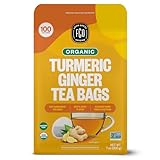
2. Brew Ginger and Turmeric Tea to Reduce Inflammation

Save this powerful anti-inflammatory tea recipe to your Cold & Flu Remedies board!
Combining ginger and turmeric creates a highly active healing herbal tea that aggressively reduces throat inflammation and painful swelling.
If your tonsils are throbbing and visibly red, you need to address the underlying inflammation. Ginger contains powerful gingerols, while turmeric boasts high levels of curcumin. Together, these polyphenols work synergistically to suppress inflammatory enzymes in your throat tissues. This spicy, warming decoction helps fight off early viral or bacterial infections while providing deep pain management.
Ingredients
- 1 organic turmeric and ginger tea bag (or 1 inch of fresh, thinly sliced ginger and turmeric root)
- 1 cup of boiling water
- 1 pinch of black pepper (essential for curcumin absorption)
- 1 squeeze of fresh lemon juice
- 1 teaspoon of raw honey
Brewing Instructions
- Place your fresh root slices or medicinal-grade tea bag into a mug.
- Pour boiling water over the herbs and add a tiny pinch of black pepper.
- Cover the mug with a small plate to keep the aromatic essential oils from escaping.
- Infuse for 10 minutes to draw out the deep anti-inflammatory compounds.
- Mix in the fresh lemon juice and honey once the tea has cooled slightly, then consume while steaming hot.
Pro-Tip: The pharmacological properties of turmeric are poorly absorbed by the body on their own. Adding a tiny pinch of black pepper increases the bioavailability of curcumin by up to 2,000%, turning this simple drink into a highly effective acute pharyngitis treatment.
3. Infuse Licorice Root Tea for Antiseptic Relief

Pin this traditional medicine secret to your Holistic Health board to remember the benefits of licorice root!
Licorice root tea offers powerful antiseptic relief by utilizing glycyrrhizin, a compound that simultaneously fights bacterial infections and deeply coats the throat.
When you need a remedy that tastes naturally sweet but acts as potent medicine, licorice root is unmatched. The active compound, glycyrrhizin, gives the herb its distinct flavor and provides incredible dual-action relief. It works to neutralize harmful microbes while laying down a hydrating, protective layer over your scratchy throat.
Ingredients
- 1 high-quality licorice root tea bag (standardized extract)
- 8 oz of freshly boiled water
- 1 cinnamon stick (for added antimicrobial benefits and flavor)
Brewing Instructions
- Drop the licorice root tea bag and the cinnamon stick into your favorite mug.
- Pour the boiled water over the ingredients.
- Steep for 10 to 12 minutes. Licorice root requires a slightly longer steep to release its beneficial compounds fully.
- Remove the tea bag, leaving the cinnamon stick for continued infusion.
- Sip slowly; you won’t need honey, as licorice root is naturally much sweeter than sugar.
Pro-Tip: While highly effective due to its glycyrrhizin content, licorice root is a potent botanical. Medical Disclaimer: It should be avoided by pregnant women and individuals with high blood pressure, as excessive consumption can lead to hypertension and lower potassium levels. Always consult a health professional before daily use.

4. Prepare Peppermint Tea for Analgesic Menthol Cooling

Save this cooling peppermint remedy to your Herbal Tea Recipes board for instant pain relief!
Peppermint tea utilizes a high menthol concentration to act as a natural analgesic, instantly cooling and numbing intense throat pain.
Unlike demulcents that coat the throat, peppermint provides a sharp, cooling sensation that actively interrupts pain signals. The high menthol content serves a dual purpose: it numbs the burning sensation in your throat and acts as a powerful decongestant. If your throat pain is accompanied by a stuffy nose and sinus pressure, this aromatic infusion will help clear your airways fast.
Ingredients
- 1 heaping tablespoon of organic dried peppermint leaves (or 1 high-quality tea bag)
- 1 cup of boiling water
- Optional: A slice of fresh lemon to balance the intense mint flavor
Brewing Instructions
- Place the dried peppermint leaves into a tea infuser.
- Pour boiling water over the leaves, ensuring they are fully submerged.
- Cover tightly. This step is crucial; menthol is a volatile essential oil that will evaporate into the air if not trapped during steeping.
- Steep for 5 to 7 minutes to extract the cooling oils without pulling out bitter tannins.
- Inhale the steaming vapors deeply before your first sip to help clear nasal congestion, then drink to numb throat pain.
Pro-Tip: Look for teas that explicitly mention high menthol concentration on the packaging. Medicinal-grade peppermint has a profoundly stronger analgesic effect compared to standard grocery store culinary mint teas, providing rapid pain management for acute pharyngitis.

5. Simmer Marshmallow Root Tea as a Demulcent Throat Soother

Pin this incredible demulcent herb to your Natural Home Remedies board for severe dry throat relief!
Marshmallow root acts as a supreme demulcent, releasing dense mucilage that heavily hydrates and coats a severely dry, ticklish throat.
Do not confuse this ancient medicinal plant with the sugary campfire treat. The actual marshmallow root contains some of the highest mucilage levels found in traditional medicine. When your throat feels like sandpaper, causing a dry, hacking cough that keeps you awake, this thick, viscous root decoction provides unparalleled liquid relief.
Ingredients
- 1 tablespoon of organic, dried cut-and-sifted marshmallow root
- 1.5 cups of water
- A small saucepan for simmering
- A fine mesh strainer
Brewing Instructions
- Combine the dried marshmallow root and water in a small saucepan.
- Bring the mixture to a very gentle simmer over medium-low heat. Do not boil vigorously, as excessive heat can break down the delicate mucilage.
- Simmer gently for 15-20 minutes to create a potent decoction.
- Remove from heat and allow it to cool until it is safe to drink.
- Strain the liquid thoroughly into a mug, pressing the roots to extract the thick, healing, therapeutic drink.
Pro-Tip: While warm marshmallow root tea is incredibly soothing, you can also prepare this herb as a cold infusion. Soaking the root in cold water overnight extracts the highest mucilage content, creating a highly viscous, cooling liquid relief that is perfect for a severely dry, scratchy throat.

6. Craft Chamomile and Honey Lemon Tea for Sleep and Repair

Don’t let a sore throat keep you awake—pin this sleep-inducing chamomile recipe to your Wellness routines board!
Chamomile infused with honey and lemon delivers calming flavonoids that promote sleep quality while simultaneously fighting off throat infections.
Sleep is your body’s most critical rest and recovery tool when fighting pharyngitis. The delicate chamomile flowers contain apigenin, an antioxidant that binds to brain receptors to induce sleep and reduce anxiety. When paired with the antibacterial power of honey and the vitamin C from lemon, this classic botanical blend becomes the ultimate nighttime remedy for cold and flu symptoms.
Ingredients
- 1 heaping tablespoon of organic, whole chamomile flowers (or 1 premium tea bag)
- 1 cup of near-boiling water
- 1 tablespoon of raw, unpasteurized honey
- 1 wedge of fresh lemon
Brewing Instructions
- Steep the chamomile flowers in near-boiling water for 5 to 7 minutes to extract the calming essential oils and flavonoids.
- Strain the flowers and allow the tea to cool slightly (to preserve the antibacterial properties of the honey).
- Squeeze the fresh lemon wedge into the tea to provide a gentle dose of Vitamin C to help break up throat mucus.
- Stir in the raw honey until completely dissolved.
- Sip slowly 30 minutes before bed to soothe the throat and calm the nervous system.
Pro-Tip: When comparing honey vs sugar for throat health, always choose raw, unpasteurized honey. It contains natural anti-bacterial enzymes and acts as a mild hypertonic osmotic, meaning it naturally draws water out of inflamed throat tissues to reduce swelling.

7. Brew Echinacea and Elderberry Tea for Immune System Support

Boost your immune system fast—save this powerful elderberry and echinacea tea to your Healthy Habits board!
An echinacea and elderberry infusion delivers potent immuno-modulatory properties that actively help your body fight off the viral infection causing your sore throat.
When a scratchy throat is the first sign of a larger upper respiratory tract infection, you must focus on systemic immune support. Echinacea stimulates your white blood cells, while elderberry is rich in dark, antiviral antioxidants. This isn’t just a natural throat soother; it is a proactive defense mechanism designed to shorten the duration of your illness.
Ingredients
- 1 organic echinacea and elderberry tea blend bag
- 1 cup of boiling water
- Optional: A dash of apple cider vinegar (for added microbiome support)
- 1 teaspoon of honey to sweeten the tart berry flavor
Brewing Instructions
- Place the immune-boosting tea bag into your mug.
- Pour the boiling water over the tea.
- Cover and steep for a full 10 to 15 minutes. Heavy roots and berries like echinacea and elderberry require longer steeping times for full medicinal extraction.
- Dilute with a tiny dash of apple cider vinegar if desired for extra gut health and immune support.
- Drink up to 3 times daily at the very first sign of a tickle in your throat.
Pro-Tip: For the best results in fighting an upper respiratory tract infection, start drinking echinacea tea at the very first sign of a symptom. Clinical studies suggest its immuno-modulatory effects are most effective at the onset of a cold, significantly reducing the severity of throat inflammation.

Key Takeaways: Your Quick Guide to Herbal Tea for Sore Throat
Properly matching your herbal blend to your symptoms ensures the fastest natural cure for your pharyngitis.
When you need rapid relief, remembering the pharmacology of your botanical remedies is essential. Use this quick overview to ensure you are preparing your therapeutic drink correctly for maximum benefit.
- Understand Your Symptoms First – Match your tea to your pain. Use demulcent teas (slippery elm, marshmallow root) for a dry, scratchy throat, and analgesic teas (peppermint) for acute, burning pain.
- Maximize Mucilage Content – Demulcent herbs require a longer steeping time (10-15 minutes) or even cold infusion to properly release the gel-like substance that physically coats and soothes inflamed tissues.
- Pair Ingredients for Bioavailability – Always add a pinch of black pepper to ginger and turmeric tea; this crucial step significantly boosts the absorption of anti-inflammatory curcumin.
- Choose Raw Honey Over Sugar – When sweetening your therapeutic drink, raw, unpasteurized honey offers natural anti-bacterial properties and helps draw water out of swollen throat tissues, unlike processed sugar.
- Observe Medical Safety Guidelines – Natural doesn’t mean weak. Potent herbs like licorice root contain glycyrrhizin, which can elevate blood pressure and must be avoided during pregnancy.
- Trap the Essential Oils – Always cover your mug while steeping aromatic herbs like peppermint or chamomile to prevent the healing, volatile essential oils from evaporating into the air.
- Start at the First Sign of Illness – Incorporating immune-modulatory herbs like echinacea at the first “tickle” in your throat can significantly reduce the duration of an upper respiratory tract infection.
People Also Ask About Herbal Tea for Sore Throat
Understanding the science behind plant-based medicine helps you safely and effectively treat your cold and flu symptoms at home.
From navigating pregnancy safety to understanding exact steeping methodologies, these medically reviewed answers clarify common questions about natural throat remedies.
What is the best tea for a sore throat?
The best tea for a sore throat depends on your symptoms: slippery elm and marshmallow root are best for a dry, scratchy throat due to their coating mucilage, while ginger and turmeric are best for severe swelling and inflammation.
For general relief, a blend containing chamomile, raw honey, and lemon provides an excellent balance of soothing properties, antibacterial benefits, and mild pain relief, making it a highly recommended natural home remedy.
Can I drink herbal tea while pregnant?
Many herbal teas are safe during pregnancy, such as ginger and peppermint, but you must strictly avoid potent medicinal teas containing licorice root or high doses of chamomile.
Licorice root contains glycyrrhizin, which can negatively impact fetal development and elevate blood pressure. Always consult your health professional or OBGYN before using any plant-based medicine or therapeutic drink while pregnant.
Why does warm tea soothe a throat?
Warm tea soothes a throat by promoting vasodilation, which increases blood flow to the infected tissues, helping to flush out toxins and speed up the natural recovery process.
Additionally, the steam from hot tea provides vital hydration to dry, irritated mucosal membranes, while the warm liquid physically washes away accumulated mucus buildup in the upper respiratory tract.
Is chamomile tea good for a cough?
Yes, chamomile tea is excellent for a cough because it acts as a mild antispasmodic, helping to relax the throat muscles that spasm during coughing fits.
Furthermore, chamomile is deeply calming and promotes sleep quality. Since coughing often worsens at night, drinking this soothing herbal brew before bed helps suppress the urge to cough while supporting your body’s rest and recovery.
What is a demulcent tea?
A demulcent tea is an herbal infusion made from plants high in mucilage, which creates a thick, gel-like substance when mixed with water that physically coats, soothes, and protects inflamed throat tissues.
Traditional demulcents include slippery elm bark and marshmallow root. According to NIH research, demulcent therapy is proven to be highly effective for acute pharyngitis treatment and provides superior relief compared to a placebo.
Does peppermint tea help a sore throat?
Peppermint tea helps a sore throat by utilizing its high menthol concentration, which acts as a natural analgesic to instantly cool and numb inflamed tissues.
In addition to relieving throat pain, the steaming aromatic vapors of peppermint tea are highly effective at clearing nasal congestion and sinus pressure, making it the perfect remedy for cold and flu symptoms.
Can children drink throat coat tea?
Most commercial throat coat teas are generally safe for children over the age of 12, but parents should consult a pediatrician before giving medicinal-grade herbs to younger children.
For younger kids, simple, gentle options like a weak chamomile infusion or warm water with a teaspoon of raw honey and lemon are the safest and best tea for kids with a sore throat. Note: Never give honey to infants under 1 year old due to botulism risks.
How long should I steep throat tea?
You should steep medicinal throat tea for 10 to 15 minutes, which is significantly longer than standard black or green tea, to ensure all the pharmacological properties are fully extracted.
Herbs with hard structures, like dried ginger root, slippery elm bark, and elderberry, require this prolonged steeping time in boiling water to properly release their active anti-inflammatory and mucilaginous compounds.
Is turmeric tea effective for throat swelling?
Turmeric tea is highly effective for throat swelling because it contains curcumin, a scientifically proven anti-inflammatory compound that aggressively reduces tissue swelling and pain.
To make turmeric tea effective, you must always brew it with a tiny pinch of black pepper. The piperine in black pepper increases the bioavailability of curcumin, ensuring your body actually absorbs the inflammation-reducing benefits.
What tea helps with throat mucus?
Ginger tea and peppermint tea are the best options for breaking up throat mucus and clearing congestion related to a bacterial or viral infection.
Ginger provides an incredible warming, stimulating effect that thins out mucus buildup, while the menthol in peppermint acts as a natural decongestant. Adding a squeeze of fresh lemon juice also provides acidity that helps cut through thick phlegm.
Final Thoughts on Herbal Tea for Sore Throat
Finding the right herbal tea for sore throat relief doesn’t have to be a guessing game. By understanding the specific symptoms of your pharyngitis, you can move past generic grocery store tea bags and start utilizing true plant-based medicine. Whether you need the thick, protective coating of a demulcent like slippery elm, the intense anti-inflammatory power of ginger and turmeric, or the analgesic numbing effect of peppermint menthol, nature provides a targeted, clinically proven solution for your pain.
Remember that while these traditional medicine remedies are incredibly effective for symptom ease and hydration, they work best when combined with proper rest, a healthy immune system, and time. Always source high-quality, organic ingredients to ensure you are getting the full pharmacological properties of the herbs, and respect the potency of these botanicals by following safe brewing guidelines.
Medical Disclaimer: While these natural home remedies are excellent for viral colds and general irritation, severe throat pain that lasts longer than a few days, is accompanied by a high fever, or features white patches on the tonsils could be a sign of a bacterial infection like strep throat. Always consult a health professional if symptoms persist.
Which of these 7 soothing herbal blends are you going to brew first to find relief? Let us know your favorite holistic drink in the comments below!
Last update on 2026-10-26 / Affiliate links / Images from Amazon Product Advertising API
