
As an Amazon Associate CoffeeXplore.com earns from qualifying purchases.
Black Tea Photography: 9 Moody Styling Ideas for 2026
Have you ever struggled to capture the cozy essence of a hot cup? Flat lighting often makes steaming beverages look entirely lifeless on camera. Mastering black tea photography requires overcoming these frustrating lighting challenges.
Black tea photography requires manipulating directional backlighting to highlight rising steam and reveal rich amber translucency. By using negative fill to deepen shadows, photographers easily create a striking, moody aesthetic. This specific lighting technique instantly transforms flat images into captivating visual stories.
Drawing from comprehensive analysis of tested studio setups, this guide explores advanced styling methodologies. You will discover exactly how to manipulate dark backgrounds and loose leaf textures. These nine proven lighting frameworks will finally elevate your food styling to professional magazine quality.
Contents
show
Is Black Tea Photography the Secret to Mastering Moody Food Styling?
Mastering black tea photography is indeed the ultimate secret to perfecting your moody food styling techniques. This challenging medium forces you to control specular highlights, manage fast shutter speeds, and manipulate dark shadows.
When you transition from generic, flatly lit stock photos to advanced moody tea styling, you unlock a highly sought-after aesthetic. Capturing the beautiful amber liquid and elusive steam against a dark background demands absolute precision. Most photographers fail because they rely purely on ambient front lighting, which completely flattens the scene and washes out the delicate atmosphere. This comprehensive approach shifts your focus toward directional backlight, negative fill, and deliberate prop placement. By mastering these foundational elements, you can easily conquer the complexities of photographing hot beverages and dark food photography in any studio setting. Understanding how to capture the perfect steam using specific shutter speed settings builds a technical foundation that translates beautifully to all other forms of culinary photography.
9 Moody Styling Ideas for Black Tea Photography in 2026
Transitioning from basic tabletop setups to professional-grade imagery requires a strategic approach to styling a cup of tea for Instagram or high-end lifestyle publications. The secret lies in perfectly orchestrating your lighting setups, applying strict composition rules, and selecting the right textural props. Whether you are manipulating natural window light or artificial studio strobes, these specific techniques will dramatically elevate your dark moody photography. Each styling idea below provides the exact setup, equipment list, and professional camera settings you need to succeed. By following these nine actionable frameworks, you will finally capture those rich, magazine-quality aesthetics that stop viewers mid-scroll. Let’s explore the essential setups that will transform your next creative session.
1. Master the Backlit Steam Shot

Pin this steam photography setup guide to your “Moody Food Photography” board for your next shoot!
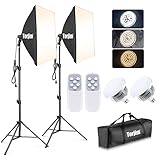
The most common failure in dark aesthetic black tea photography is attempting to shoot steam with front lighting, which renders the moisture completely invisible to the lens. To properly capture the perfect steam, you must strategically place a continuous LED light behind your subject. This precise backlighting illuminates the microscopic water droplets while keeping your backdrop bathed in shadow, creating the high-contrast drama necessary for moody styling.
Equipment & Props Needed
- Dark vinyl backdrop (matte finish to prevent unwanted glare)
- High-quality loose leaf black tea brewed at a rolling boil
- Continuous LED light with a narrow snoot or grid modifier
- Matte ceramic teacup in a dark tone (charcoal or navy)
- Heavy-duty light stand
Shooting Instructions
- Set up your dark backdrop and position your teacup at least two feet away from the background to ensure it falls into complete shadow.
- Position your continuous LED light behind the cup at a 10 o’clock or 2 o’clock angle, pointing slightly downward toward the surface of the tea.
- Adjust your camera settings to a fast shutter speed (minimum 1/200s) to freeze the delicate tendrils of the steam.
- Pour freshly boiled water over the tea just seconds before shooting; steam dissipates incredibly fast as the water cools.
- Capture in burst mode while gently blowing on the steam to create beautiful, swirling patterns in the backlight.
Pro-Tip: In my experience shooting hot beverages, front lighting completely flattens steam. You must use directional backlighting to illuminate the water particles while keeping the background dark so the white steam pops through contrast.
2. Create a Dark and Moody Vintage Teascape

Save this vintage styling inspiration to your aesthetic photography boards!
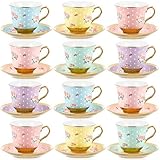
When styling warm drinks, building a cohesive narrative around your main subject is critical. A vintage teacup paired with deeply textured props instantly establishes a nostalgic, academic atmosphere. The core strategy here involves strictly utilizing matte surfaces, like a tarnished spoon and distressed wood, which actively absorb light and enhance the dark background rather than reflecting harsh specular highlights into your lens.
Equipment & Props Needed
- Vintage teacup and saucer (preferably with intricate, muted floral patterns)
- Tarnished antique spoons (matte finish prevents blown-out highlights)
- Distressed wooden styling board or vintage linen napkins
- Old books or vintage letters for background texture
- Matte spray (optional, to dull any shiny porcelain surfaces)
Shooting Instructions
- Layer your scene by starting with the distressed wood, adding a crumpled vintage linen slightly off-center, and placing the saucer on top to build depth.
- Arrange the tarnished spoon resting gently on the saucer or leaning against the cup, ensuring its handle leads the viewer’s eye toward the tea.
- Position old books softly blurred in the background to establish an immediate nostalgic, academic atmosphere.
- Diffuse your window light heavily using a sheer white curtain to ensure the light wraps softly around the vintage porcelain without creating harsh, modern glare.
- Adjust your composition using the rule of thirds, leaving negative space in the dark areas of the frame to let the moody aesthetic breathe.
Pro-Tip: Always source tarnished silver rather than polished silverware for moody setups. Highly reflective props will bounce harsh specular highlights into your lens, ruining the deeply shadowed, atmospheric vibe you are trying to achieve.
3. Freeze the Perfect Action Pour

Don’t forget to pin this action photography technique to remember your camera settings!
Mastering the dynamic action pour elevates your portfolio by injecting raw movement into an otherwise static still-life scene. To successfully freeze motion while maintaining a deeply shadowed exposure, you must synchronize a fast shutter speed with the heavy, organic shape of a cast iron teapot. Relying on a heavy-duty tripod is non-negotiable here, as it allows you to lock focus manually before initiating the splash.
Equipment & Props Needed
- Heavy-duty camera tripod (essential for locking composition)
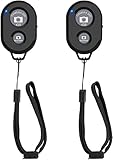
- Wireless or wired camera remote shutter release
- Pouring vessel with a defined spout (like a traditional cast iron teapot)
- Dark, waterproof styling surface (like slate or dark sealed wood)
- Towels and a turkey baster (for quick cleanups between takes)
Shooting Instructions
- Mount your camera securely to the tripod and compose your frame, leaving extra space at the top of the frame for the teapot and the stream of liquid.
- Pre-focus manually on the exact spot inside the teacup where the liquid will hit; switch your lens to manual focus (MF) so the camera doesn’t hunt for focus during the pour.
- Increase your shutter speed to at least 1/500s or 1/1000s to completely freeze the splashing droplets mid-air. (You may need to raise your ISO to compensate for the dark aesthetic).
- Hold the teapot with one hand and your remote shutter in the other, taking a test shot to ensure your exposure still looks moody but properly lit.
- Pour the tea steadily while simultaneously holding down the remote shutter in continuous burst mode to capture a rapid sequence of the splash.
Pro-Tip: If you are shooting alone, place a skewer or a long spoon across the top of the teacup to use as a manual focus target. Once your lens is locked onto the spoon, remove it and begin your action pour.

4. Sculpt Deep Shadows With Negative Fill

Add this professional lighting trick to your photography tips board!
The true hallmark of exceptional dark background tea photography is the presence of deep cinematic shadows. Amateurs rely on editing software to darken their images, but professionals sculpt these shadows in-camera using negative fill. By introducing black foam core boards opposite a single light source, you actively absorb bouncing ambient light, creating a rich, three-dimensional chiaroscuro effect that editing sliders simply cannot replicate.
Equipment & Props Needed
- Black foam core boards or professional V-flats
- Spring clamps or A-clamps for holding boards upright
- A single, strong directional light source (window or strobe)
- Minimalist teacup to emphasize lighting over props
- Dark styling surface
Shooting Instructions
- Position your primary light source (like a window) to one side of your teacup (e.g., placing the light at 9 o’clock).
- Place a piece of black foam core on the completely opposite side of the light source (at 3 o’clock), standing it vertically just outside the camera frame.
- Block any extra ambient light bouncing off walls or ceilings by placing another black board slightly overhead or behind the subject.
- Observe how the black boards absorb the light, preventing it from bouncing back onto the shadowed side of the teacup, instantly deepening the blacks.
- Adjust the proximity of the black boards; moving them closer to the teacup will make the shadows harsher and more cinematic, while pulling them back softens the transition.
Pro-Tip: Photographers often think they need more light, but true moody photography requires the absence of light. Using negative fill creates a heavy, three-dimensional contrast that you simply cannot replicate using the contrast slider in Lightroom.

5. Scatter Loose Leaf Textures for Storytelling

Pin this brilliant texture styling hack for your next creative flat lay!
Advanced food styling goes beyond the final brewed liquid; it celebrates the raw ingredients. By deconstructing your subject and incorporating dry loose leaf tea against a highly textured dark slate background, you add critical visual interest. Using a macro lens allows you to highlight the brittle, organic textures of the botanical elements, transforming a plain cup of dark liquid into a rich, sensory storytelling experience.
Equipment & Props Needed
- High-quality loose leaf black tea (choose blends with visible distinct leaves, not fine dust)
- A dark, highly textured background (like slate, dark concrete, or oxidized metal)
- A vintage brass tea scoop or wooden spoon
- Tweezers for precision styling
- A macro lens (or extension tubes) for capturing fine details
Shooting Instructions
- Place your primary hero object (the teacup or the brass scoop filled with leaves) in the lower-left or lower-right intersection of your rule-of-thirds grid.
- Pinch a small amount of loose leaf tea between your fingers and drop it from about a foot above the surface to allow the leaves to scatter organically and naturally.
- Refine the scatter using your styling tweezers, pulling stray leaves away from the edges of the frame and clustering a few slightly closer to the main focal point.
- Mix in secondary textural elements if applicable to your tea blend, such as a single star anise, a dried rose petal, or a curl of orange peel, to break up the monochromatic black.
- Focus your macro lens precisely on the sharpest, most textured leaf closest to your light source to highlight the dry, brittle nature of the raw ingredient.
Pro-Tip: The secret to styling scattered ingredients is the “spill” technique. Make it look as though the tea scoop naturally tipped over. Forced, deliberate placement of individual leaves rarely looks appetizing; embrace controlled chaos.

6. Illuminate the Liquid’s Amber Translucency

Save this lighting setup to your boards to master photographing dark liquids!
A frequent frustration among food bloggers is that highly concentrated black tea often photographs like murky black coffee. To reveal the stunning amber liquid naturally hidden within the brew, you must combine intense side lighting with a custom white balance. By bouncing a concentrated beam of light directly through a clear glass vessel using small silver reflectors, you create brilliant specular highlights and make the tea appear beautifully lit from within.
Equipment & Props Needed
- Clear glass teacup (double-walled glass works beautifully for this)
- A small, highly reflective surface (a small silver photography reflector or even aluminum foil)
- Directional backlight or harsh side light
- Black tea brewed slightly lighter than usual (for better light penetration)
- Custom white balance card
Shooting Instructions
- Brew your black tea just slightly weaker than you would for drinking; highly concentrated black tea will absorb too much light and appear like black coffee on camera.
- Pour the tea into your clear glass vessel, ensuring there are no distracting water spots or smudges on the outside of the glass.
- Position your main light source behind the glass at a 45-degree angle so the light travels directly through the liquid toward the camera lens.
- Place your small silver reflector just out of frame on the shadow side, angling it so it catches the backlight and bounces a concentrated beam directly into the side of the glass.
- Adjust your camera’s custom white balance to around 5500K-6000K; auto white balance often cools down the scene, ruining the rich, warm amber tones of the tea.
Pro-Tip: If your tea still looks too dark and muddy, cut a small piece of silver foil exactly to the shape of the back of your glass. Stick it behind the glass out of the camera’s view. It will bounce light forward, creating a spectacular internal glow.

7. Introduce the Human Element With Hands

Add this cozy aesthetic pose to your lifestyle photography inspiration board!
Transitioning from a static still-life composition to engaging lifestyle photography requires introducing a relatable human element. By integrating carefully modeled hands wrapped in chunky knit sweaters, you instantly amplify the cozy aesthetic of the dark styling setup. If you are shooting solo, utilizing an intervalometer or a hidden wireless camera remote allows you to seamlessly orchestrate this warm, aspirational storytelling without requiring an assistant.
Equipment & Props Needed
- Wireless camera shutter remote (or camera smartphone app)
- Cozy, highly textured wardrobe (like a chunky knit sweater in charcoal, deep burgundy, or forest green)
- A mug that fits comfortably in two hands
- Tripod with an adjustable center column for top-down or 45-degree angles
- Hand lotion (dry skin shows up aggressively in macro/close-up food photography)
Shooting Instructions
- Set your camera on the tripod and frame your composition, leaving intentional negative space where your hands and arms will enter the frame.
- Program your camera’s intervalometer to take a photo every 2 seconds, or hide your wireless remote in the palm of your hand facing away from the lens.
- Moisturize your hands lightly; matte, dark photography emphasizes skin texture, and you want natural, healthy-looking hands holding the cup.
- Wrap your hands around the mug naturally, ensuring your sleeves are pulled down slightly over your wrists to maximize the cozy, autumnal aesthetic.
- Engage the remote and gently shift your hand positioning between clicks—try holding the handle, cupping the bowl, or adjusting the spoon to capture a variety of natural interactions.
Pro-Tip: When introducing hands into a moody scene, be careful with your lighting. Hands reflect a lot of light. You may need to flag off the light source slightly so your hands don’t become the brightest, most distracting element in the dark aesthetic frame.
8. Design a Rustic Dark Flat Lay

Pin this flat lay composition guide to help you style your next overhead photography session!
Mastering the ubiquitous, highly-pinnable flat lay is essential for any modern food portfolio. Executing a perfect top-down angle heavily relies on strict composition rules, such as arranging cinnamon sticks and botanicals in an organic “C-shape” around the teacup. To prevent dangerous camera shake and frustrating perspective distortion, using proper grip equipment like C-stands combined with a deep f/8 depth of field guarantees edge-to-edge sharpness across your rustic backdrop.
Equipment & Props Needed
- Photography C-stand with a boom arm (essential for safe, perfectly level overhead shots)
- Dark, distressed wooden or vinyl backdrop
- Complementary rustic props (cinnamon sticks, star anise, dried orange slices)
- Dark linen or muslin napkin
- Bubble level (or camera’s internal digital level)
Shooting Instructions
- Mount your camera onto the boom arm of your C-stand, extending it directly over the center of your styling surface.
- Level your camera perfectly parallel to the table using a bubble level; even a slight tilt will distort the circular shape of your teacup.
- Build your base layer by scrunching the dark linen napkin organically in the center of the frame, providing a textured bed for your main subject.
- Place the teacup in the center or on a rule-of-thirds intersecting line, then arrange your supporting props (spices, spoons) in a sweeping “C” shape around the cup to guide the viewer’s eye.
- Set your aperture to f/8 or f/11. When shooting flat lays, you need a deep depth of field to ensure the rim of the cup and the surface of the table are both in sharp focus.
Pro-Tip: In overhead flat lay photography, height matters. Don’t build your props up too high vertically, or they will appear much larger and closer to the lens than the background, creating weird proportional distortions. Keep everything relatively flat to the surface.

9. Enhance Atmosphere With Atmospheric Smoke

Save this magical smoke photography trick for your most dramatic moody edits!
When real steam dissipates too rapidly for a complex shoot, introducing atmospheric smoke is a brilliant practical effect that pushes your aesthetic into the cinematic realm. Utilizing smoldering incense sticks combined with directional backlighting yields a stunning mystical aesthetic that lingers beautifully in the studio. This industry secret provides you with unlimited time to perfect your lighting ratios without the stress of constantly pouring boiling water to generate fresh steam.
Equipment & Props Needed
- Natural sandalwood incense sticks or cones (produces thick, white smoke)
- A small heat-proof dish to hold the incense out of frame
- A dark background and strong directional backlight (same setup as capturing steam)
- A small battery-operated fan or piece of cardboard
- Fast shutter speed settings (1/250s or faster)
Shooting Instructions
- Prepare your moody tea setup exactly as you want the final composition to look, locking your focus and exposure settings.
- Light the incense stick and place it just out of frame, slightly behind and to the side of the teacup, ensuring it is positioned between the backlight and the subject.
- Waft the smoke gently toward the teacup using a small piece of cardboard or your hand to create beautiful, curling tendrils that wrap around the cup.
- Expose for the highlights of the smoke; because the smoke is brightly lit by the backlight, you may need to underexpose your overall image slightly so the smoke doesn’t blow out to pure, detail-less white.
- Shoot in continuous burst mode as the air currents change the shape of the smoke second by second.
Pro-Tip: Steam dissipates in seconds, making it incredibly stressful to shoot. Using incense smoke as a practical effect gives you unlimited time to perfect your lighting and composition while still achieving that incredible, ethereal moody atmosphere.

Key Takeaways: Your Quick Guide to Black Tea Photography
This black tea photography overview serves to synthesize all the advanced frameworks we just explored into core, immutable laws of dark background tea photography. Whether you are rushing to build your studio set or quickly need to review how to capture the perfect steam, internalizing these fundamental lighting principles guarantees technical success. These essential key points condense the physics of chiaroscuro and backlighting into immediately actionable rules for your next shoot.
Key Takeaways:
- Backlighting is Mandatory for Steam and Smoke: Front lighting makes steam invisible. Always place your continuous light or strobe behind the tea at a 10 or 2 o’clock angle to illuminate the water particles against a dark background.
- Sculpt Shadows with Negative Fill: Don’t rely on Lightroom to create mood. Actively block ambient light from hitting the shadow-side of your teacup using black foam core boards to create true, rich chiaroscuro contrast in-camera.
- Freeze Action with Fast Shutter Speeds: When capturing an action pour or swirling steam, your shutter speed must be at least 1/200s (up to 1/1000s for splashing droplets) to ensure crisp, professional sharpness.
- Choose Matte Props Over Polished Metals: Vintage, tarnished silver spoons and matte ceramic cups are superior for moody styling. Highly reflective surfaces will bounce harsh specular highlights into your lens and ruin the dark aesthetic.
- Illuminate Amber Liquids with Reflectors: Black tea can look like muddy coffee in photos. Use clear double-walled glass and bounce a small beam of light through the back of the glass using a silver reflector to make the liquid glow.
- Embrace Controlled Chaos in Styling: When scattering loose leaf tea or autumnal spices on a rustic dark flat lay, drop them naturally from above rather than placing them individually with tweezers for a more organic, storytelling feel.
People Also Ask About Black Tea Photography
How do you capture steam in tea photography?
To capture steam in tea photography, you must use strong directional backlighting against a completely dark background to make the water particles glow. If you use flat lighting from the front, the light flattens the steam, making it invisible to the camera lens. Set your camera to a fast shutter speed (at least 1/200s) and pour boiling water just seconds before pressing the shutter, as steam dissipates incredibly rapidly.
What is the best lighting for dark moody food photography?
The best lighting for dark moody food photography is a single, heavily diffused directional light source positioned at the side or back of your subject. This creates long, dramatic shadows across your scene. To enhance the moody aesthetic, photographers use a technique called “negative fill”—placing black foam boards opposite the light source to absorb bouncing ambient light and deepen the shadows further.
Why does my black tea look like dark coffee in photos?
Your black tea looks like dark coffee because it is absorbing too much light; you must bounce light completely through the liquid to reveal its color. To fix this, brew the tea slightly weaker than normal, use a clear glass vessel, and place a small silver reflector directly behind the glass. This forces your backlight to travel through the liquid, illuminating its rich amber translucency.
What camera settings should I use for dark background tea photography?
For dark background tea photography, start with a low ISO (100-400), a medium aperture (f/4 to f/5.6) for depth, and adjust your shutter speed based on the action. If you are shooting static tea, you can use a slower shutter speed on a tripod. However, if you are attempting to capture tea steam or a pouring splash, you must raise your shutter speed to 1/250s or faster to freeze the motion.
How do you make a moody photo look professional, not just underexposed?
A professional moody photo relies on high contrast and intentional lighting, whereas an underexposed photo simply lacks light everywhere. To achieve a professional look, ensure your subject (like the rim of the teacup or the steam) has crisp, bright highlights. The background and shadows should be deeply dark, but the main subject must be properly exposed to draw the viewer’s eye through the darkness.
What is the best background for moody tea styling?
The best backgrounds for moody tea styling are matte, dark, and highly textured surfaces that absorb light rather than reflect it. Excellent choices include dark slate, oxidized metal, distressed dark wood, or hand-painted canvas backdrops in charcoal or deep navy. Avoid glossy surfaces like polished marble, as they will reflect your light source and ruin the shadowy atmosphere.
Can I shoot dark moody photography with natural window light?
Yes, you can shoot dark moody photography with natural window light by blocking off sections of the window to create a narrow strip of directional light. Pull dark curtains closed, leaving only a small slit of light to hit your teacup. Use black boards to block any ambient room light, and position your setup so the window acts as a dramatic side or backlight.
How do you edit black tea photos to look moody?
To edit black tea photos for a moody aesthetic, lower your black point and shadows in post-processing while maintaining bright, crisp highlights. In Lightroom, use the tone curve to crush the blacks slightly for a matte look, decrease overall exposure, and warm up the white balance to emphasize the amber tones of the tea and the cozy, autumnal vibe of the scene.
What props work best for vintage dark tea photography?
The best props for vintage dark tea photography are items with matte finishes, organic textures, and muted colors. Look for tarnished silver spoons, distressed wooden boards, aged books with yellowed pages, raw linen napkins, and matte ceramic or intricately patterned vintage porcelain. Avoid anything shiny, modern, or brightly colored, as it will break the cohesive nostalgic atmosphere.
How do I take sharp top-down flat lay photos of tea?
To take sharp top-down flat lay photos, you must use a sturdy C-stand to hold your camera perfectly parallel to the table and shoot at a narrow aperture like f/8. Because the rim of the teacup is closer to the lens than the table surface, shooting at a wide aperture (like f/2.8) will result in a blurry background. A narrower aperture ensures the entire styling scene is in sharp focus.
Final Thoughts on Mastering Black Tea Photography
Mastering black tea photography and the dark aesthetic is less about the camera you own and entirely about how you manipulate, block, and shape light. While it might seem intimidating to purposefully surround your beautiful styling with deep shadows, learning to embrace negative fill and directional backlighting is the gateway to creating truly magazine-quality imagery.
By applying these nine styling ideas—from capturing the ethereal dance of backlit steam to scattering loose leaf textures for organic storytelling—you can effortlessly capture and transform a simple cup of hot water and leaves into an evocative, cinematic masterpiece. Remember that the secret to styling warm drinks and the moody aesthetic isn’t just underexposing your image in post-production; it is intentionally crafting contrast in-camera so your highlights pop brilliantly against a canvas of rich, textured darkness.
Set up your tripod near a window, grab some black foam boards, and start experimenting with the physics of light and liquid. The perfect, cozy, dark aesthetic shot is entirely within your reach.
Which of these moody styling setups are you going to try first? Are you tackling the action pour, or starting with a rustic flat lay? Let me know in the comments below!
Last update on 2026-10-08 / Affiliate links / Images from Amazon Product Advertising API
