
As an Amazon Associate CoffeeXplore.com earns from qualifying purchases.
DIY Herbal Tea Garden: 7 Best Healing Plants for 2026
Tired of brewing weak, flavorless store-bought infusions or dealing with invasive mint taking over your yard? Creating a thriving herbal tea garden solves these frustrating culinary challenges instantly while elevating your daily wellness routine.
A DIY herbal tea garden is a specialized kitchen garden dedicated to growing, harvesting, and curing aromatic herbs, edible flowers, and hardy perennials specifically for brewing tisanes. Choosing a location with full sun and well-drained organic soil is the crucial first step.
Drawing from comprehensive horticultural research and proven permaculture frameworks, this guide maps out your exact plant selection. You will discover how to cultivate the absolute best healing botanicals for your daily wellness journey. Let’s dig into building your ultimate backyard apothecary and mastering your soil.
Contents
show
How Do You Start a Healing DIY Herbal Tea Garden at Home?
To start a healing DIY herbal tea garden at home, choose a dedicated location with full sun, test your soil pH, and amend the earth with organic compost for excellent drainage.
Unlike a standard vegetable patch, a specialized tisane space prioritizes volatile oils and fragrant foliage over high-calorie yields. Many beginners struggle with weak tea flavor or moldy dried herbs, but mastering your soil microbiomes solves these issues before planting begins. You must differentiate between annual vs perennial herbs to set proper expectations for your harvest and winter care.
Starting a tea garden requires balancing aesthetic elements with functional medicinal plants. Whether you are using raised garden beds or designing a classic potager, anchoring your tea herb garden in nutrient-rich soil prevents root rot and common diseases. By implementing foundational composting techniques and proper soil preparation, growing tea herbs becomes an incredibly rewarding journey into self-sufficiency. If you are starting fresh, a high-quality tea garden kit for beginners provides an excellent foundation for understanding seed germination.
What most guides miss: Soil pH optimization directly impacts the terpene profiles of your botanicals. While most vegetables thrive in slightly acidic soil (6.0-6.8), many Mediterranean tea herbs demand neutral to slightly alkaline soil (6.5-7.5) to produce maximum essential oil concentration. Testing and adjusting your soil pH before planting is the secret to rich, robust tea flavors.
7 Best Healing Plants for Your DIY Herbal Tea Garden in 2026
Cultivating the best herbs for tea requires moving beyond generic gardening advice and focusing on specific therapeutic profiles and ecosystem dynamics.
Selecting the right organic herbal tea garden for beginners involves choosing low maintenance tea garden plants that thrive together while delivering powerful medicinal properties. Your tea garden plants list should prioritize pollinator-friendly varieties that naturally resist pests and diseases while enhancing your landscape’s beauty.
By combining drought-tolerant aromatics with moisture-loving botanicals in separate zones, you maximize both flavor output and garden health. Proper harvesting tea herbs relies on understanding individual plant biology, alkaloid content, and precise essential oil concentration. From advanced soil amendments to expert dehydration techniques, these seven plants offer the perfect blueprint for your botanical sanctuary. Always reference USDA Hardiness Zones and proper botanical names to ensure you are planting the correct medicinal varieties for your climate.
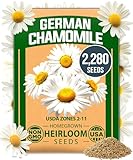
1. Sow German Chamomile for a Calming Tea Garden

Pin this calming chamomile guide to your “Dream Tea Garden” board!
When starting a tea garden, understanding the distinct herbal tea benefits of specific plant variations is essential. German Chamomile (Matricaria recutita) is a self-seeding annual that grows upright and delivers a remarkably sweet, apple-like flavor. This differs entirely from Roman Chamomile, which acts as a creeping perennial and often produces a bitter infusion. Chamomile + lavender makes an exceptional nighttime blend, pairing brilliant botanical aesthetics with profound calming effects.
Seeds/Plants & Tools Needed
- Organic German Chamomile (Matricaria recutita) seeds
- Seed starting kits with humidity domes for early spring germination
- Well-drained soil blended with organic compost
- A fine-mesh herb drying rack for curing tiny flowers
- Airtight glass mason jars for safe winter storage
Care & Harvesting Instructions
- Germinate the seeds indoors 6 weeks before the last frost, pressing them gently into the soil (they require sunlight to sprout).
- Transplant the seedlings to a garden bed that receives full sun once the danger of frost has passed.
- Water moderately; chamomile is surprisingly drought-tolerant once established but needs consistent moisture early on.
- Deadhead and harvest the flower heads in the mid-morning after the dew has dried but before the sun is at its hottest.
- Dehydrate the blossoms on a mesh rack in a dark, well-ventilated room until they crumble easily, preventing mold.
Pro-Tip: In my experience as a master gardener, harvesting chamomile flowers precisely when the white petals begin to point downward ensures the absolute highest concentration of volatile oils and maximum medicinal benefit for your bedtime infusions.
2. Cultivate Peppermint for Digestion (and Keep It Contained)

Save these essential mint growing tips to your “Container Gardening” board!
Peppermint (Mentha × piperita) improves digestion beautifully, but it is notoriously aggressive. Managing this hardy perennial requires strict invasive mint control to prevent its runners from choking out your yard. A dedicated pot-grown herbal tea garden is the definitive solution. Understanding the difference between peppermint vs spearmint tea is crucial; peppermint contains high levels of menthol for stomach soothing, while spearmint is sweeter and milder.
Seeds/Plants & Tools Needed
- 1 nursery starter plant of Peppermint (Mentha × piperita)
- 5-gallon heavy-duty fabric grow bags (vital for invasive mint control)
- Nutrient-rich soil with high moisture retention
- Sharp pruning shears for regular harvesting
- Organic mulch to retain topsoil moisture
Care & Harvesting Instructions
- Plant your peppermint starter directly into the fabric grow bag or a large pot to effectively restrict its aggressive rhizome root system.
- Position the container in an area with morning sun and afternoon shade; mint is one of the few great shade-tolerant tea herbs.
- Water frequently, ensuring the soil remains moist but not waterlogged to prevent root rot.
- Prune aggressively by snipping the stems just above a leaf node; this encourages bushier, thicker leggy growth.
- Harvest the leaf and stem in early summer right before the plant flowers for the highest menthol content.
Pro-Tip: Never plant peppermint and spearmint in the same ground bed. Their aggressive root systems will tangle, and they can suffer from cross-pollination issues, resulting in a muddy, weak tea flavor. Keep all mints isolated in separate pots!

3. Propagate Lemon Balm for an Anxiety-Relief Infusion

Pin this anxiety-busting herb guide for your next garden project!
Building a tea garden for anxiety relief is incomplete without Lemon Balm (Melissa officinalis). This robust member of the mint family boasts incredibly fragrant foliage and attracts essential pollinators to your yard. Combining mint + lemon balm creates a refreshing, stress-melting iced tea. However, strict harvesting protocols are required to preserve its phytochemicals, as the leaves quickly turn brown and lose efficacy if dried improperly.
Seeds/Plants & Tools Needed
- Lemon Balm (Melissa officinalis) starter plants or seeds
- Well-draining potting mix
- A zippered, hanging mesh dehydrator net
- Organic compost for side-dressing
- Pot-friendly ceramic planters (optional, to control spread)
Care & Harvesting Instructions
- Transplant your lemon balm into a spot that receives partial shade to full sun; it is highly adaptable and very fast-growing.
- Pinch off the growing tips every few weeks early in the season to encourage a dense, bushy shape rather than leggy growth.
- Deadhead the tiny white flowers immediately when they appear, as lemon balm is aggressively self-seeding and will take over your garden.
- Harvest large handfuls of leaves on a dry afternoon.
- Cure the leaves rapidly in a hanging mesh drying rack out of direct sunlight; lemon balm turns black and loses its flavor if it dries too slowly.
Pro-Tip: To retain the fragile, citrusy terpene profile of lemon balm, never dry it in a hot oven. Use a dedicated mesh drying rack in a dark, air-conditioned room to ensure crisp, vibrant green dried leaves.

4. Plant English Lavender for a Soothing Sleep Blend

Don’t forget to save this lavender growing secret for your spring planting!
When researching herbs for sleep tea garden integration, English Lavender (Lavandula angustifolia) stands out as the ultimate botanical. Originating from the Mediterranean, this drought-tolerant perennial requires full sun and exceptional drainage to survive. Mastering the specific soil pH for herbs is critical here; planting ornamental varieties or allowing roots to sit in heavy clay will lead to rapid winter kill and plant failure.
Seeds/Plants & Tools Needed
- English Lavender (Lavandula angustifolia) – Ensure it is labeled culinary grade!
- Horticultural sand or organic perlite for aggressive drainage
- Soil pH testing kit
- Limestone (if your soil is too acidic)
- Bypass pruning shears
Care & Harvesting Instructions
- Amend your garden bed heavily before planting. Mix in generous amounts of perlite or coarse sand; lavender will die quickly in heavy clay or poor drainage.
- Plant your lavender in a location that receives 8+ hours of blasting, full sun daily.
- Water sparingly. Lavender is highly drought-tolerant and prefers its roots to dry out completely between waterings to prevent root rot.
- Harvest the flower wands just as the first few buds on the stem begin to open, before the entire flower head blooms.
- Bundle the stems with twine and hang them upside down in a warm, dark place to preserve the brilliant purple color and sweet oils.
Pro-Tip: Testing your soil pH for herbs is non-negotiable for lavender. It requires a slightly alkaline environment (6.5 – 7.5). If your soil is naturally acidic, side-dressing with a handful of crushed limestone will save your plants from winter kill.

5. Sow Echinacea for Powerful Immune Support

Add this gorgeous immune-boosting flower to your garden boards!
Echinacea (Echinacea purpurea), commonly known as purple coneflower, acts as both a visual anchor and a powerful medicinal tool in varying permaculture zones. These native North American hardy perennials possess profound medicinal properties that support immune health. Understanding the roots + refuge principle is vital, as successful germination requires precise cold stratification, and harvesting the most potent medicine requires a multi-year commitment to taproot development.
Seeds/Plants & Tools Needed
- Organic Echinacea purpurea seeds
- Refrigerator (for cold stratification)
- A sturdy digging fork (for eventual root harvesting)
- A stiff root brush for cleaning
- Organic-grown compost
Care & Harvesting Instructions
- Stratify your seeds by placing them in a damp paper towel inside the refrigerator for 4-8 weeks before planting to mimic winter and break dormancy.
- Sow the seeds directly into the garden after the last frost; they will develop into incredibly tough, hardy perennials.
- Weed carefully around the young plants during their first year, as they grow slowly while establishing a massive taproot.
- Harvest the brilliant pink petals and prickly seed cones during the second summer for mild immune-boosting teas.
- Dig up the roots in the fall of the plant’s third year using a garden fork. Wash thoroughly, chop into small pieces, and dehydrate completely for potent medicinal decoctions.
Pro-Tip: If you skip cold stratification, Echinacea germination rates drop to near zero. These native seeds possess chemical inhibitors that absolutely require a prolonged cold-moist period to trigger sprouting.

6. Nurture Holy Basil (Tulsi) for Daily Adaptogens

Save this adaptogenic herb guide to your daily wellness boards!
Holy Basil, or Tulsi (Ocimum tenuiflorum), brings exceptional spicy, clove-like botanicals into your wellness routine. When deciding between annual vs perennial herbs, realize that Tulsi is highly frost-tender; it is a perennial only in tropical Zones 10-11. For most gardeners, keeping an indoor tea garden is the secret to year-round harvests. Proper steeping + temperature management extracts its adaptogenic properties, which actively help the human body manage daily stress.
Seeds/Plants & Tools Needed
- Tulsi / Holy Basil (Ocimum tenuiflorum) seeds or starts
- Premium, well-draining potting mix
- A heat mat (if starting seeds indoors)
- Small garden snips for regular harvesting
- Decorative herbs planter with excellent drainage holes
Care & Harvesting Instructions
- Germinate seeds on a heat mat; Tulsi is incredibly heat-loving and will refuse to sprout in cool soil.
- Transplant outdoors only when nighttime temperatures are consistently above 60°F (15°C).
- Prune the plant regularly by snipping above a leaf node to encourage dense, bushy foliage and prevent it from going to seed too early.
- Harvest the leaves and the beautiful purple flowers continuously throughout the late summer.
- Steep the fresh or dried leaves immediately in hot water to extract its potent adaptogenic properties, which help the body manage daily stress.
Pro-Tip: If you live in a colder climate (Zones 4-8), pot your Tulsi and bring it indoors before the first autumn frost. Place it in a south-facing window to maintain an indoor tea garden yielding fresh leaves all winter long.

7. Harvest Calendula for Vibrant Skin and Gut Health

Pin these beautiful edible flowers to your “Garden Apothecary” board!
Calendula (Calendula officinalis), or pot marigold, is the ultimate multi-tasker for your yard. These stunning edible flowers are self-seeding superstars perfect for companion planting, as they actively repel destructive pests. Beyond aesthetics, their resinous heads profoundly heal mucous membranes and support gut health. Nailing the harvest + dry cycle is crucial; premature storage in a glass jar inevitably leads to ruined batches of medicine.
Seeds/Plants & Tools Needed
- Calendula officinalis seeds (Pot Marigold)
- General organic garden soil
- A harvest basket
- Dehydrator machine or mesh drying screens
- Herb storage jars with airtight bamboo or rubber seals
Care & Harvesting Instructions
- Sow the crescent-shaped seeds directly into the garden soil in early spring; they tolerate light frost beautifully.
- Water regularly, though they will adapt to poorer soils. Place them strategically around your garden, as they actively repel pests from sensitive vegetables.
- Pluck the entire flower head off the stem at midday when the blooms are fully open and the sticky, medicinal resin is at its peak.
- Dehydrate the flower heads whole. The petals will dry quickly, but the green central base takes significantly longer.
- Store in airtight glass jars only when the green base snaps and crumbles between your fingers, ensuring zero hidden moisture remains.
Pro-Tip: Calendula is famously sticky. The resin that coats your fingers during harvesting is packed with highly beneficial phytochemicals. Do not wash this off the flowers; it is exactly what provides the powerful anti-inflammatory benefits to your herbal tea!

Key Takeaways: Your Quick Guide to a Thriving Herbal Tea Garden
A successful herbal tea garden requires maximizing sun exposure, managing invasive root systems, and perfecting your dehydration techniques to preserve delicate flavor profiles.
When establishing your backyard apothecary, keeping a quick reference of foundational rules prevents common horticultural disasters. Whether you are selecting the best botanicals or establishing new harvesting protocols, mastering these basic principles guarantees a vibrant, high-yield organic harvest. A thriving herbal tea garden overview focuses heavily on preventative care, ensuring your plants develop robust immune systems naturally. By understanding your garden’s microclimates, prioritizing food safety guidelines, and respecting plant-specific needs, you easily transition from a novice grower to a confident, self-sufficient herbalist.
Key Takeaways:
- Sunlight is Non-Negotiable – Most tea garden plants, including chamomile, lavender, and echinacea, require a minimum of 6-8 hours of direct, full sun daily to produce the strong volatile oils needed for flavorful tea.
- Contain the Invaders – Aggressive spreaders like peppermint and spearmint must be grown in pots or fabric grow bags; invasive mint control is vital to prevent them from choking out your entire garden.
- Drainage Prevents Disease – Mediterranean herbs (lavender, lemon balm) despise wet feet. Amending your beds with perlite or sand prevents root rot and deadly winter kill.
- Harvest Timing Matters – Harvesting should occur mid-morning after the dew has evaporated but before the intense afternoon sun draws the essential oils out of the leaves and flowers.
- Dry Completely Before Storage – Never store herbs with lingering moisture. Proper dehydrating prevents moldy dried herbs and dangerous bacteria; stems and flower bases must snap cleanly before being jarred.
- Beware of Cross-Pollination – Keep different varieties of the same family (like various mints or basils) physically separated to maintain pure, distinct terpene profiles and flavor clarity.
- Respect Seed Dormancy – Native perennials like Echinacea require cold stratification to break seed dormancy; skipping this step will result in failed germination.
People Also Ask About Herbal Tea Gardens
Navigating the complexities of plant toxicity warnings and finding the exact right botanical names can feel overwhelming for beginners. As you plan your medicinal landscape, lingering questions regarding container suitability, safe drying techniques, and proper steeping temperatures naturally arise. According to horticultural research, directly answering these common roadblocks is the fastest way to ensure your botanical success. Explore these expertly verified answers to master the nuances of your home apothecary.
What herbs are best for a tea garden?
The best herbs for a tea garden include German Chamomile for sleep, Peppermint for digestion, Lemon Balm for stress relief, and English Lavender for relaxation.
For beginners, these hardy perennials and vigorous annuals are incredibly forgiving. When designing your edible landscape, also consider immune-boosting additions like Echinacea and Holy Basil (Tulsi). Ensure you plant them according to their specific sunlight and drainage needs, keeping invasive species like mint in separate containers.
How do you start a tea garden?
Start a tea garden by selecting a site with full sun, testing your soil pH, and amending the earth with organic compost and perlite for excellent drainage.
Begin with a curated selection of 3 to 5 easy-to-grow starter plants rather than seeds. Group your plants by water requirements—placing drought-tolerant herbs like lavender away from moisture-loving mints. Map out your tea garden layout to ensure taller plants don’t overshadow ground-crawling botanicals.
Can you grow a tea garden in containers?
Yes, you can easily grow a highly productive tea garden entirely in containers, which is actually the preferred method for invasive herbs.
Using 5-gallon fabric grow bags or large terracotta pots is ideal for patio gardeners. Pot-grown herbal tea gardens require high-quality potting mix and more frequent watering than in-ground beds, as the soil dries out faster. Regular fertilizing with organic compost tea will keep your container botanicals thriving all season.
How to dry herbs for homemade tea?
To dry herbs for tea, bundle the stems and hang them upside down in a warm, dark, well-ventilated room, or lay individual leaves flat on mesh drying screens.
Avoid exposing drying herbs to direct sunlight or high oven heat, which destroys the delicate volatile oils and bleaches the color. The curing process takes 1-2 weeks. You know they are ready for storage when the leaves crumble easily and the stems snap cleanly.
Why is my mint taking over the garden?
Mint is taking over your garden because it spreads aggressively through a vigorous underground rhizome root system known as “runners.”
Once planted in an open garden bed, mint will rapidly colonize and choke out neighboring plants. The only effective invasive mint control is to dig it up completely and replant it in restricted, bottomless pots sunk into the earth, or keep it entirely in above-ground container gardens.
Which tea herbs grow in shade?
The best tea herbs that tolerate partial shade include Lemon Balm, Peppermint, Spearmint, and Sweet Woodruff.
While the vast majority of aromatic botanicals require blazing full sun, the mint family is famously adaptable. If you are struggling with a yard that receives fewer than 6 hours of direct sunlight, prioritize these shade-tolerant tea herbs. Just be aware that growth may be slightly less vigorous than in full sun environments.
Are there toxic plants that look like tea herbs?
Yes, several highly toxic plants mimic edible herbs; for example, toxic Foxglove leaves closely resemble edible Comfrey or Borage before blooming.
Proper herb identification is critical for food safety. Never harvest or brew a plant unless you are 100% certain of its botanical name and origin. When starting a nature’s pharmacy at home, it is always safest to purchase certified organic seeds or nursery starts rather than foraging in the wild.
How to prune herbs for better production?
Prune your herbs by snipping the main stems just above a set of leaf nodes, which forces the plant to branch out horizontally rather than growing tall and spindly.
Regular trimming—often called “pinching back”—is essential for leggy growth prevention. Frequent harvesting actually stimulates the plant, yielding a much larger, bushier harvest over the season. Always remove flower buds from leafy herbs (like lemon balm) to maintain a sweet flavor.
What soil is best for herbal tea plants?
The best soil for herbal tea plants is moderately fertile, well-draining loam with a neutral to slightly alkaline pH.
Most aromatic botanicals originate in the Mediterranean and despise heavy, wet clay, which quickly causes root rot. To perfect your soil preparation, mix standard garden topsoil with generous amounts of organic compost for nutrients, and coarse sand or perlite to guarantee aggressive drainage.
How to store homegrown tea herbs?
Store homegrown tea herbs in airtight glass jars kept in a cool, dark cupboard away from direct sunlight, heat, and moisture.
Before jarring, ensure the botanicals are 100% dehydrated to prevent moldy dried herbs. Do not crush the leaves into small pieces until the exact moment you are ready for steeping; leaving the leaves whole in the jar preserves the maximum amount of essential oils and flavor integrity for winter use.
Final Thoughts on Cultivating Your Herbal Tea Garden
Designing and cultivating your own diy herbal tea garden is one of the most rewarding steps you can take toward a sustainable, wellness-focused lifestyle. By transitioning from store-bought tea bags to homegrown brews, you take absolute control over the purity, flavor, and therapeutic potency of your daily infusions.
As we’ve explored, success relies on understanding the unique needs of your botanicals—from managing the aggressive spread of peppermint to mastering the cold stratification of echinacea. Remember that building nature’s pharmacy in your backyard doesn’t have to happen all at once. Start small this season with a few beginner-friendly, low-maintenance pots of chamomile and lemon balm. As you gain confidence in harvesting, curing, and blending, you can expand your raised beds to include more complex, perennial medicinals.
The incredible herbal tea benefits you’ll experience from drinking a fresh, organic infusion grown by your own hands far outweigh the initial effort of digging the soil. Trust the process, respect the USDA Hardiness Zones of your specific climate, and enjoy the profound peace that comes with hands-on herbalism.
Which of these healing botanicals are you most excited to plant first in your garden? Let me know in the comments below, and happy growing!
Last update on 2026-08-25 / Affiliate links / Images from Amazon Product Advertising API
