
As an Amazon Associate CoffeeXplore.com earns from qualifying purchases.
Herbal Tea for Sleep: 7 Calming DIY Recipes for Insomnia
Tossing and turning at 3 AM while your mind races is absolutely exhausting. This chronic insomnia and the constant cortisol spikes it causes can completely ruin your next day. Finding the right herbal tea for sleep can finally break this frustrating cycle.
The best herbal tea for sleep contains high concentrations of bioactive compounds like apigenin and valerenic acid, which actively lower cortisol and bind to GABA receptors in the brain. Unlike synthetic sleeping pills, organic botanical blends like chamomile, valerian root, and passionflower calm the nervous system to promote deep, restorative sleep without morning grogginess.
Drawing from comprehensive analysis of current clinical studies and medical herbalist guides, we know exact botanical dosages matter. This therapeutic botanical drink safely regulates your sleep latency and circadian rhythm. In this guide, you will discover seven potent DIY recipes for immediate, natural relief.
Contents
show
Is Herbal Tea for Sleep the Ultimate Natural Remedy for Insomnia?
Yes, herbal tea for sleep is an exceptional natural remedy for insomnia because specific botanical compounds actively lower cortisol levels and interact with brain receptors to induce drowsiness. Tossing and turning with racing thoughts stems from nervous system overactivity. While many people view a nighttime botanical drink as just a comforting ritual, clinical research updated for 2026 from Sleep Foundation recommended guidelines shows that a properly brewed sedative herbal tea fundamentally alters your neurochemistry.
Bioactive compounds like apigenin in chamomile and valerenic acid in valerian root directly activate parasympathetic responses and bind to GABA receptors. This drastically improves your sleep latency and fixes circadian rhythm disruption. Unlike pharmaceutical sleeping pills, these organic, caffeine-free natural sleep remedies help you wake up refreshed. To understand the differences, here is a quick medical herbalist guide to how top herbs compare: chamomile provides mild nervous system relaxation, valerian root acts as a potent sedative, and lavender utilizes olfactory triggers to reduce anxiety.
7 Calming DIY Recipes for Insomnia to Brew Before Bed
Crafting the perfect bedtime tea requires more than just dunking a bag in hot water. To create effective homemade herbal tea recipes for better rest, you must master the precise steeping time and water temperature to extract crucial phytochemicals. Whether you are using delicate leaves like lemon balm or tough roots like valerian, how you brew your herbal decoction dictates its therapeutic strength.
These actionable bedtime tea blends naturally reduce anxiety, induce sleepiness, and soothe the stomach without the risks associated with synthetic medications. Below are seven distinct botanical blends formulated for different types of sleep disturbances, from cortisol spikes to physical tension. By following these exact measurements and preparation methods, you can safely steep a potent brew that transforms your nightly routine.
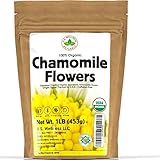
1. Brew a Classic Chamomile and Lavender Restful Blend

Save this gentle bedtime recipe to your “Natural Sleep Remedies” board for tonight!
If you want to fall asleep faster and ease mild anxiety, pairing chamomile and lavender is an exceptional starting point. This organic herbal tea for sleep and stress provides rapid nervous system relaxation without morning grogginess. Chamomile contains the powerful antioxidant apigenin, which effectively binds to brain receptors to initiate sleep latency. When combined with the aromatic olfactory triggers of lavender, this caffeine-free blend naturally calms the nervous system.
Ingredients
- 1 tablespoon of pure, loose-leaf organic chamomile flowers
- 1/2 teaspoon of high-quality organic culinary-grade lavender buds
- 1 teaspoon of raw organic honey
- 10 ounces of filtered water
Instructions
- Boil the filtered water and let it sit for one minute to drop to about 200°F (boiling water can scorch delicate lavender).
- Blend the chamomile flowers and lavender buds in a stainless steel or glass tea infuser.
- Steep the botanical mixture in the hot water for exactly 5 to 7 minutes to extract the maximum relaxing oils.
- Strain the herbs carefully, ensuring no gritty bits remain in your cup.
- Stir in the raw honey if desired, and sip slowly 45 minutes before your planned bedtime while reading or unwinding.
What most guides miss: In my practice as an herbalist, I always remind clients that apigenin—the primary sleep-inducing compound in chamomile—requires at least 5 full minutes of steeping to fully release into the water. Rushing the process significantly lowers the tea’s effectiveness.
2. Formulate a Potent Valerian Root Deep Sleep Infusion

Pin this powerful deep sleep recipe for nights when you just can’t shut your brain off!
When struggling with severe tossing and turning, you need the strongest herbal tea for severe insomnia available. Valerian root paired with lemon balm creates an incredibly potent alternative to Ambien that will quickly promote restful sleep. The true power lies in valerenic acid, a compound that actively prevents the breakdown of GABA in your brain. This earthy, sedative blend heavily induces sleepiness and supports GABA levels for deep, uninterrupted rest.
Ingredients
- 1 teaspoon of medical-grade, cut and sifted organic Valerian Root
- 1 teaspoon of dried aromatic Lemon Balm leaves
- 1/4 teaspoon of pure cinnamon chips
- 12 ounces of filtered water
Instructions
- Prepare a small saucepan and add the 12 ounces of cold filtered water along with the tough Valerian Root.
- Simmer (do not rapid-boil) the root on the stove for 10-15 minutes. Roots require a decoction method rather than simple steeping to break down their tough cellular walls.
- Remove the pan from the heat and incorporate the Lemon Balm and cinnamon chips.
- Cover the pot and let the entire mixture infuse for an additional 5 minutes.
- Strain the dark, therapeutic liquid through a fine-mesh sieve into a mug, and consume exactly 1 hour before you want to be completely asleep.
Expert botanical safety insight: Because valerian root contains potent valerenic acid that prevents the breakdown of GABA in the brain, it acts very much like a mild pharmaceutical sedative. Always start with a half-dose to see how your body reacts, as a small percentage of people experience paradoxical stimulation from valerian.

3. Mix a Passionflower and Lemon Balm Tisane for Racing Thoughts

Save this anxiety-busting tea blend to your “Stress Relief” board!
If midnight anxiety and racing thoughts are keeping you awake, this specific tea for sleep and anxiety is your best defense. Passionflower is famous for its mind-quieting flavonoids, while lemon balm provides uplifting nervous system relaxation. Lemon balm contains rosmarinic acid, which inhibits GABA transaminase, effectively keeping your brain in a calm, relaxed state. Together, they create a delicious tisane to calm your mind.
Ingredients
- 1 tablespoon of high-quality organic dried Passionflower (aerial parts)
- 1 tablespoon of dried organic Lemon Balm
- 1 thin slice of fresh ginger
- 10 ounces of water
Instructions
- Boil your water and let it rest for a moment so it isn’t at a rolling boil.
- Mix the Passionflower and Lemon Balm together in a large tea ball or french press.
- Infuse the herbal mixture and the slice of ginger in the hot water.
- Steep for a full 10 minutes. Because passionflower is a lighter, calming aerial herb, an extended steep ensures you extract all the beneficial flavonoids without pulling out bitter tannins.
- Strain into your favorite mug and sip while practicing deep breathing to manually help lower cortisol.
An often-overlooked strategy: If your primary issue is middle-of-the-night waking accompanied by a pounding heart or racing mind, brew this tea before bed and keep it in a small thermos on your nightstand. Taking a few warm sips at 3 AM can rapidly reactivate your parasympathetic activation and help you drift back off.

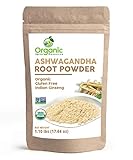
4. Steep an Ashwagandha and Holy Basil Cortisol-Lowering Brew

Pin this adaptogenic cortisol-lowering brew for high-stress days!
Chronic stress prevents the natural sleep cycle from initiating, making traditional sedatives less effective. Instead, you need adaptogens like Ashwagandha and Holy Basil to target the root cause through HPA axis regulation. This therapeutic infusion facilitates immense cortisol reduction by supporting your adrenal glands. By mitigating circadian rhythm disruption, this ayuverdic pairing provides comprehensive stress management techniques directly in your mug.
Ingredients
- 1/2 teaspoon of pure, organic Ashwagandha root powder
- 1 tea bag (or 1 tablespoon loose) of organic Holy Basil (Tulsi)
- 1 splash of warm almond or oat milk (fat helps absorb the ashwagandha)
- 8 ounces of water
Instructions
- Boil the water in a kettle.
- Formulate your cup by placing the Ashwagandha powder and Holy Basil into your mug.
- Pour the hot water over the herbs and steep for 6-8 minutes.
- Remove the Holy Basil leaves/bag.
- Blend in the splash of warm milk, stirring vigorously to ensure the root powder is fully dissolved and the bioavailability is optimized.
- Sip this earthy, calming beverage about 2 hours before bed to give your adrenal glands time to process the adaptogens.
Expert insight on adaptogens: Unlike acute sedatives (like valerian), adaptogens like Ashwagandha work best when built up in your system. Incorporate this ayurvedic herbal tea for night sleep into your nightly bedtime routine for at least two weeks to notice a significant drop in evening cortisol spikes.
5. Blend Peppermint and Magnolia Bark to Relax Muscle Tension

Save this muscle-melting peppermint and magnolia blend for post-workout evenings!
Physical restlessness and tight muscles can completely derail your sleep architecture. Fortunately, Magnolia bark tea is highly effective for insomnia linked to physical discomfort. Magnolia Bark contains bioactive compounds that trigger deep physical relaxation, while peppermint offers powerful antispasmodic menthol. Together, this cooling and grounding pairing eases muscle tension and soothes the stomach.
Ingredients
- 1 teaspoon of raw, dried Magnolia Bark
- 1 tablespoon of organic, loose-leaf Peppermint leaves
- 10 ounces of water
Instructions
- Boil the water in a small pot.
- Add the tough Magnolia Bark to the boiling water and simmer lightly for 10 minutes to extract its heavy resins.
- Remove from heat, then immediately incorporate the Peppermint leaves into the hot water.
- Steep the combined mixture for an additional 5 minutes (keep it covered so the volatile peppermint oils don’t escape!).
- Strain the soothing liquid into a mug.
- Consume this blend when you feel physical aches, muscle tightness, or digestive discomfort keeping you awake.
What most guides miss: The menthol in peppermint is a natural muscle relaxant that works synergistically with the honokiol compound found in magnolia bark. This makes it the best tea for restlessness and a fantastic natural alternative if physical discomfort is your primary sleep barrier.

6. Prepare a Tart Cherry and Banana Tea for Natural Melatonin

Pin this delicious, natural melatonin-boosting fruit tea recipe for kids and adults alike!
If you are wondering if kids can drink herbal tea for sleep, this delicious fruit-based option is the answer. Boiling banana tea extracts high levels of relaxing magnesium and potassium from the peel, while tart cherry juice provides incredible natural melatonin production. This sweet combination acts as a perfect melatonin alternative, enhancing sleep quality safely without the need for synthetic supplements.
Ingredients
- 1 organic banana (thoroughly washed, with the ends cut off)
- 2 tablespoons of pure, unsweetened organic Tart Cherry juice concentrate
- 1 dash of cinnamon
- 12 ounces of water
Instructions
- Boil the 12 ounces of water in a small pot.
- Slice the clean banana in half (leaving the peel on, as the peel contains the highest concentration of magnesium!).
- Boil the banana chunks in the water for exactly 10 minutes.
- Strain the banana-infused water into a large mug, discarding the boiled fruit.
- Mix in the Tart Cherry concentrate and the dash of cinnamon.
- Sip this sweet, calming fruit tea 30 minutes before bed to flood your system with natural sleep hormones.
Expert insight: Utilizing Banana Tea alongside tart cherry concentrate is a brilliant alternative to melatonin pills. Synthetic melatonin can leave you feeling groggy, but the naturally occurring phytomelatonin in cherries works in harmony with your body’s innate circadian rhythm.

7. The Ultimate Medical Herbalist’s “Knockout” Decoction

Save this powerful herbalist-formulated “knockout” tea for your most stubborn nights of insomnia!
For absolute worst-case scenarios, you need the strongest sleep tea possible. This advanced medical herbalist guide blend combines three heavy sedatives to force parasympathetic activation. Skullcap relaxes deep nervous spasms, while hops and valerian compound their sedative qualities. This incredibly powerful sleep tea rapidly activates receptors, delivering clinical-level results for stubborn sleeplessness.
Ingredients
- 1/2 teaspoon of organic Valerian root
- 1/2 teaspoon of organic dried Hops flowers (strobiles)
- 1/2 teaspoon of organic Skullcap
- 1 teaspoon of honey (mandatory, as hops are extremely bitter!)
- 10 ounces of water
Instructions
- Combine all three potent herbs in a saucepan with the water.
- Boil gently, then reduce to a low simmer for 10 minutes to properly extract the dense resins from the hops and valerian.
- Remove from heat, cover, and let it steep for a final 5 minutes to allow the lighter skullcap to release its nervine properties.
- Strain thoroughly through a fine mesh strainer.
- Mix in the honey to cut the sharp bitterness of the hops.
- Administer this powerful botanical drink only when you are already in bed and ready to sleep immediately.
Crucial botanical safety warning: The combination of Valerian and Hops is one of the most studied synergistic effects in botanical medicine. Clinical studies frequently combine these two to successfully increase the time spent in deep delta wave sleep. Because it is highly drowsiness-inducing, do not read or watch TV after drinking—just close your eyes.

Key Takeaways: Your Quick Guide to Herbal Tea for Sleep
Before you start brewing, it is vital to remember that preparation determines potency. The best herbal tea for sleep requires proper extraction methods to guarantee high bioavailability of the active phytochemicals. Following strict botanical safety guidelines and understanding exact steeping times ensures your bedtime brew will actually improve sleep quality and effectively reduce cortisol levels. Review these essential rules to maximize the therapeutic benefits of your nighttime routine.
- Extract Apigenin Properly: To get the most out of your bedtime tea, chamomile must steep for a minimum of 5-7 minutes to release apigenin, the specific antioxidant that binds to receptors in your brain to promote restful sleep.
- Roots Require Decoction, Not Just Steeping: Tough botanicals like Valerian Root and Ashwagandha must be gently simmered (decocted) for 10-15 minutes to break down cellular walls and release their potent, drowsiness-inducing oils.
- Address the Root Cause of Your Insomnia: Choose your herbs strategically; use Lemon Balm and Passionflower to calm the mind and stop racing thoughts, or use Ashwagandha to specifically reduce cortisol levels if you suffer from chronic stress.
- Leverage Natural Melatonin Over Synthetics: Boiling organic banana peels with Tart Cherry juice creates a powerful, highly bioavailable melatonin alternative that won’t leave you feeling groggy the next morning.
- Respect Botanical Contraindications: Treat the strongest herbal tea for severe insomnia (like the Valerian, Hops, and Skullcap blend) with respect. Do not mix powerful nervines or sedatives with pharmaceutical sleeping pills or alcohol.
- Consistency is Key for Adaptogens: While acute herbs like chamomile work instantly, adaptogens used to regulate the HPA axis require daily consumption as part of a healthy bedtime routine to effectively reset your circadian rhythm.
People Also Ask About Herbal Tea for Sleep
Navigating the world of botanical sleep aids often brings up important questions regarding efficacy, pregnancy safety, and side effects. Whether you are wondering about the mechanisms of valerian root or how to avoid morning grogginess, understanding these nuances is crucial for success. Below, we address the most common questions about finding and brewing the perfect nighttime tea.
What is the best herbal tea for sleep?
The best herbal tea for sleep depends on your specific type of insomnia, but Chamomile and Valerian root are universally considered the most effective. According to clinical studies, chamomile is ideal for mild anxiety and relaxation due to its high apigenin content. For severe sleeplessness, valerian root is the strongest option, as it actively prevents the breakdown of GABA in the brain, functioning similarly to mild pharmaceutical sedatives.
Does chamomile tea actually help you sleep?
Yes, chamomile tea effectively helps you sleep by binding to benzodiazepine receptors in the brain. It contains a potent antioxidant called apigenin, which acts as a mild tranquilizer. To get the full sedative effect, you must brew loose-leaf organic chamomile and steep it for at least 5 to 7 minutes to ensure the bioactive compounds fully extract into the water.
How does valerian root tea work?
Valerian root tea works by increasing the levels of gamma-aminobutyric acid (GABA) in your brain. GABA is a naturally occurring amino acid that calms the nervous system and blocks nerve impulses. Valerenic acid, the active compound in the root, prevents GABA from breaking down, which dramatically reduces anxiety, stops racing thoughts, and significantly improves sleep latency.
Can I drink herbal tea for sleep while pregnant?
You must consult your doctor before drinking herbal tea for sleep during pregnancy, as many common herbs have strict contraindications. While plain, organic chamomile is often considered safe in moderation, potent herbs like Valerian root, Passionflower, and Ashwagandha should generally be avoided during pregnancy as they can stimulate uterine contractions or affect hormones. Always verify botanical safety with your healthcare provider.
How long does it take for sleep tea to work?
Most herbal sleep teas take between 30 to 60 minutes to take full effect. Unlike synthetic sleeping pills that can knock you out rapidly, botanical infusions require time to digest and for the phytochemicals to enter your bloodstream and cross the blood-brain barrier. For best results, incorporate your tea into a calming bedtime routine about an hour before your desired sleep time.
Why do I feel groggy after sleep tea?
Morning grogginess after drinking sleep tea is usually caused by brewing a blend that is too strong, or drinking it too close to your wake-up time. Teas heavy in valerian root or hops have a long half-life in the body. If you feel a “hangover” effect, reduce your steeping time, halve the dosage of the herbs, or switch to a lighter nervine herb like lemon balm.
Is tea better than melatonin for sleep?
Herbal tea is often better than synthetic melatonin because it supports your body’s natural sleep architecture without disrupting your circadian rhythm. Synthetic melatonin supplements can cause dependency, nightmares, and morning grogginess. In contrast, teas like chamomile and passionflower simply calm the nervous system, allowing your body to naturally produce its own melatonin at the appropriate time.
Does peppermint tea help with sleep?
Peppermint tea helps with sleep primarily by acting as a powerful muscle relaxant and digestive aid. While it doesn’t contain sedating compounds like valerian does, the menthol in peppermint eases muscle tension and soothes stomach discomfort. If physical aches or late-night indigestion are the primary reasons you are tossing and turning, peppermint is an excellent, caffeine-free choice.
What is the difference between sleep tea and regular tea?
Sleep teas are technically “tisanes” made from naturally caffeine-free herbs, flowers, and roots, whereas regular tea comes from the caffeinated Camellia sinensis plant. Regular green, black, or white teas contain caffeine and L-theanine, which stimulate the brain. Sleep teas contain entirely different botanical ingredients—like lavender, chamomile, and magnolia bark—specifically chosen for their drowsiness-inducing and anxiety-reducing properties.
What tea is best for middle-of-the-night waking?
Passionflower and Lemon balm teas are best for middle-of-the-night waking because they quickly reduce cortisol and stop racing thoughts. If you wake up at 3 AM with a pounding heart, avoiding heavy sedatives like valerian (which will make you groggy in the morning) is crucial. A light, warm cup of passionflower tea rapidly reactivates the parasympathetic nervous system to help you fall back asleep naturally.
Final Thoughts on Herbal Tea for Sleep
Finding the perfect herbal tea for sleep doesn’t require expensive, pre-packaged blends filled with artificial flavorings. By utilizing organic botanicals like chamomile, valerian root, and passionflower, you can harness powerful, evidence-based phytochemicals to naturally calm your nervous system and reduce cortisol levels. Whether you need a gentle lavender infusion to unwind after a long day or a potent medical herbalist decoction to combat severe insomnia, these DIY recipes put the power of natural medicine directly in your hands.
Remember that while these natural sleep remedies are incredibly effective, they work best when integrated into a broader, healthy bedtime routine. Minimizing blue light exposure, maintaining a cool bedroom temperature, and practicing good sleep hygiene will amplify the synergistic effects of your nightly brew.
By replacing synthetic pharmaceutical aids with a grounding, therapeutic cup of tea, you are taking a holistic approach to your wellness—ensuring you fall asleep faster, achieve deeper rest, and wake up completely groggy-free. Which botanical blend are you going to brew tonight to finally get the rest you deserve?
Last update on 2026-10-24 / Affiliate links / Images from Amazon Product Advertising API
