
As an Amazon Associate CoffeeXplore.com earns from qualifying purchases.
Herbal Tea Blends: 7 Easy Wellness Recipes for 2026
Tired of spending a fortune on stale, flavorless store-bought teas? Finding a natural, caffeine-free routine for your daily wellness shouldn’t feel like a frustrating compromise. Learning to create your own herbal tea blends solves this perfectly.
To make a balanced herbal tea blend, combine a base herb for primary benefits and a modifier herb for supporting flavor. Add a tiny accent herb for a pop of taste and visual appeal. Steep one tablespoon of this loose leaf mixture in boiling water for ten minutes.
Drawing from traditional herbalism principles and clinical understanding of botanical volatile oils, this approach ensures maximum therapeutic value. You will discover exactly how to craft vibrant, organic loose leaf infusions at home. Start upgrading your holistic health routine with these proven recipes today.
Contents
show
How to Make Custom Herbal Tea Blends for Daily Wellness
Making your own herbal tea starts with understanding the professional three-part botanical blending formula: base, modifier, and accent. Moving beyond basic single-herb recipes allows you to create highly effective wellness tea that rivals expensive store-bought options in both flavor and holistic benefits.
Most commercial bagged teas sit on warehouse shelves for months, losing their precious volatile oils and medicinal potency. By sourcing vibrant, organic loose leaf herbs, you can craft potent tisanes that actively support your physical and mental well-being. The foundational framework requires combining a primary base herb for bulk and targeted health benefits, a modifier herb to support the flavor profile, and a specific accent herb for a pop of taste or visual beauty.
Properly combining these botanicals—from earthy roots to delicate floral blossoms—creates synergistic infusions that promote better digestion, restorative sleep, and robust immunity. Before diving into the recipes, consider your primary wellness goal to determine which dried herbs will serve your body best.
7 Easy Wellness Recipes for 2026
Crafting the perfect natural wellness tea blend requires precise attention to steeping times and water temperatures. These seven herbal tea recipes demonstrate how to properly transform raw tea ingredients into powerful wellness drinks using both decoction and infusion methods in your own kitchen.
If you pour boiling water over delicate flowers, you risk destroying their therapeutic properties and drawing out bitter tannins. Conversely, tough roots require sustained heat to release their healing compounds. The recipes below detail the exact ratios, optimal water temperatures, and essential kitchen tools needed to maximize your medicinal yield safely.
Each formula follows the professional base-modifier-accent framework to guarantee delicious flavor profiles and targeted health benefits. Whether you are using a glass teapot, a stainless steel infuser, or an airtight jar for storage, these step-by-step guides will help you brew the perfect steep every single time.
1. Calming Chamomile & Lavender Sleep Blend

Save this sleep-inducing bedtime blend to your Wellness Recipes board!
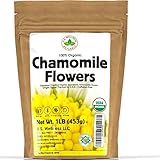
Chamomile tea acts as a powerful natural nervine to promote deep, restful sleep without morning grogginess. The secret lies in apigenin, a specific antioxidant found in organic dried herbs like chamomile that binds to brain receptors to initiate sleep and provide profound stress relief. By heavily favoring chamomile as the base, the aromatic lavender accent provides a soothing scent without making the sleep time herbal tea recipe taste like floral soap.
Ingredients
- 3 tablespoons organic whole dried chamomile flowers (base)
- 1 tablespoon dried lemon balm leaves (modifier)
- 1/2 teaspoon culinary-grade dried lavender buds (accent)
- 1 teaspoon raw honey (optional, for serving)
Directions
- Measure all dried herbs into a small, clean glass mixing bowl.
- Toss the herbs gently with a wooden spoon until evenly distributed.
- Scoop 1 tablespoon of the blend into a stainless steel mesh tea infuser.
- Pour 8 ounces of freshly boiled water (cooled slightly to 205°F) over the infuser.
- Steep covered for exactly 7 minutes to extract the essential oils without drawing out bitter tannins.
- Remove the infuser, stir in honey if desired, and enjoy 30 minutes before bed.
Pro-Tip: In traditional herbalism, always cover your mug while steeping floral teas. This prevents the delicate, therapeutic volatile oils from escaping with the steam, ensuring you get maximum relaxing benefits.
2. Invigorating Peppermint & Citrus Morning Blend

Pin this energizing morning brew to your Healthy Habits board!
A properly formulated caffeine-free morning tea provides a clean cognitive boost without the dreaded afternoon energy crash. Peppermint tea contains natural menthol, which acts as a gentle vasodilator to increase blood flow and oxygen to the brain naturally. When paired with uplifting citrus ginger or dried orange peel, this stimulating base creates a vibrant, healthy alternative to your daily coffee habit.
Ingredients
- 3 tablespoons organic cut and sifted peppermint leaves (base)
- 1 tablespoon dried orange peel pieces (modifier)
- 1/2 tablespoon dried lemongrass (accent)
- 1 slice of fresh lemon (for garnish)
Directions
- Combine the dried peppermint, orange peel, and lemongrass in an airtight glass storage jar.
- Shake the jar vigorously to blend the ingredients thoroughly.
- Measure out 1 heaping tablespoon of the blend per 8 ounces of water.
- Place the leaves directly into a French press or large tea strainer.
- Brew with water brought to a rolling boil (212°F).
- Steep for 5-7 minutes, then plunge or strain into your favorite morning mug.
Pro-Tip: Proper storage is crucial for mint-family herbs. Always store your homemade blends in UV-protected or opaque airtight jars in a cool, dark cupboard to prevent the menthol compounds from degrading over time.

3. Soothing Ginger & Turmeric Digestion Blend

Save this powerful gut-healing tea recipe to your Natural Remedies board!
Creating an effective digestive wellness tea blend requires a proper decoction to extract the healing compounds from tough, fibrous roots. The synergistic trinity of anti-inflammatory turmeric, anti-nausea ginger root, and bioavailability-enhancing black pepper works wonders to relieve bloating and soothe the digestive tract. You must include the black pepper activator; otherwise, your body cannot properly absorb the turmeric’s potent curcumin compounds.
Ingredients
- 2 tablespoons dried ginger root pieces (base)
- 1 tablespoon dried turmeric root chips (modifier)
- 1 teaspoon dried fennel seeds (accent)
- 1/4 teaspoon whole black peppercorns (activator)
Directions
- Crush the fennel seeds and black peppercorns lightly using a mortar and pestle to release their volatile oils.
- Mix the crushed seeds with the dried ginger and turmeric chips.
- Add 1.5 tablespoons of this root mixture to a small saucepan filled with 10 ounces of cold water.
- Simmer (do not boil) the mixture on the stove over low heat for 15-20 minutes to create a proper decoction.
- Strain the golden liquid through a fine-mesh sieve into a mug.
- Sip slowly after a heavy meal to stimulate digestion and reduce bloating.
Pro-Tip: Unlike delicate flowers that require a gentle infusion, dense roots and barks (like ginger and turmeric) require a decoction—a slow simmering process in water—to properly break down their hard cell walls and extract the medicinal properties.


4. Immune-Boosting Echinacea & Elderberry Blend

Pin this powerful immune-defense recipe for cold and flu season!
An immune boosting tea blend diy project is a winter apothecary staple for proactive seasonal defense. Elderberry tea serves as a potent blood builder rich in anthocyanins, while echinacea actively stimulates your body’s natural immune response. It is absolutely critical to use properly dried elderberries for safe consumption, as raw berries contain natural alkaloids that can cause severe stomach upset.
Ingredients
- 2 tablespoons organic dried Echinacea purpurea herb (base)
- 2 tablespoons dried whole elderberries (base modifier)
- 1 tablespoon dried rosehips (modifier)
- 1 cinnamon stick, broken into pieces (accent)
Directions
- Combine the echinacea, dried elderberries, rosehips, and broken cinnamon stick pieces in a bowl.
- Store the mixture in an airtight tin away from direct sunlight.
- Measure out 2 tablespoons of the blend into a small pot with 12 ounces of water.
- Simmer gently for 10-15 minutes to fully extract the tough berries and cinnamon bark.
- Strain through a fine mesh tea strainer to catch all tiny seeds and plant matter.
- Sweeten generously with raw, local honey to balance the tartness of the berries and soothe the throat.
Pro-Tip: Never consume raw, fresh elderberries as they can cause severe stomach upset. Always ensure your elderberries are properly dried or cooked thoroughly, which safely neutralizes the natural alkaloids while preserving the immune-boosting antioxidants.

5. Floral Rose & Hibiscus Skin Radiance Blend

Save this stunning magenta beauty tea to your Natural Skincare board!
This berry delight combines floral herbal teas to create a visually stunning, antioxidant-rich beverage that nourishes the skin from within. Hibiscus tea provides a massive dose of natural Vitamin C and a tart flavor profile, while cooling rose petals and silica-rich oatstraw support collagen synthesis and cellular hydration. This brilliant magenta infusion is equally delicious served hot or poured over ice for a refreshing summer cooler.
Ingredients
- 2 tablespoons organic dried hibiscus flowers (base)
- 1.5 tablespoons culinary-grade pink rose petals (modifier)
- 1 tablespoon dried oatstraw (modifier)
- 1/2 tablespoon dried spearmint (accent)
Directions
- Blend the hibiscus, rose petals, oatstraw, and spearmint together gently to avoid crushing the delicate petals.
- Transfer 1.5 tablespoons of the floral blend into a glass teapot with an infuser to watch the water change color.
- Pour 10 ounces of hot water (around 200°F) over the botanical mixture.
- Steep for exactly 5 minutes; steeping hibiscus longer can result in an overly bitter, astringent cup.
- Strain the beautiful magenta liquid immediately.
- Serve hot, or pour over a tall glass of ice for a refreshing, skin-hydrating summer cooler.
Pro-Tip: Always verify that your dried rose petals are labeled specifically as “culinary grade.” Roses from standard florists or craft stores are heavily sprayed with harmful systemic pesticides and are not safe for human consumption.
6. Stress-Relief Lemon Balm & Ashwagandha Blend

Pin this adaptogenic stress-buster to your Mental Wellness board!
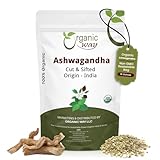
Harnessing adaptogenic herbs like ashwagandha root creates a powerful end-of-workday transition tea for profound anxiety relief. Adaptogens specifically help the body resist physiological stressors and regulate cortisol levels, promoting an ageless mind and combating brain fog. By blending the earthy, slightly bitter ashwagandha with uplifting nervines like lemon balm and Holy Basil, you can actively down-regulate your nervous system while enjoying a perfectly balanced flavor profile.
Ingredients
- 2 tablespoons organic dried lemon balm leaves (base)
- 1 tablespoon dried Tulsi (Holy Basil) leaves (modifier)
- 1 tablespoon cut and sifted ashwagandha root (modifier)
- 1/2 teaspoon dried stevia leaf (accent/sweetener)
Directions
- Mix the lemon balm, Tulsi, ashwagandha root, and stevia leaf in a small bowl.
- Measure 1 heaping tablespoon of the blend into a spacious tea filter or infuser bag.
- Pour 8 ounces of freshly boiled water over the herbs.
- Cover your mug tightly with a saucer to keep the volatile oils of the lemon balm and Tulsi trapped inside the cup.
- Steep for a full 15 minutes. The longer steep time is necessary to extract the beneficial compounds from the dense ashwagandha root.
- Sip slowly during high-stress moments or immediately after work to down-regulate your nervous system.
Pro-Tip: Ashwagandha is highly earthy and slightly bitter on its own. Using naturally sweet herbs like lemon balm, or a pinch of actual dried stevia leaf in your bulk blend, perfectly masks the medicinal taste without adding sugar.
7. Respiratory Focus Eucalyptus & Thyme Blend

Save this lung-clearing tea recipe for your winter wellness toolkit!
This dual-action eucalyptus tea and thyme infusion allows you to breathe deeply and achieve much-needed respiratory wellness during a chest cold. Culinary thyme boasts an exceptionally high thymol content, proving that everyday kitchen spices contain powerful, scientifically-backed antimicrobial properties. Combined with eucalyptus as a natural expectorant and licorice root for soothing mucilage, this blend quickly opens congested airways and coats scratchy throats.
Ingredients
- 1.5 tablespoons organic dried eucalyptus leaves (base)
- 1.5 tablespoons dried culinary thyme (base modifier)
- 1 tablespoon dried licorice root (modifier)
- 1 teaspoon dried peppermint (accent)
Directions
- Combine the eucalyptus, thyme, licorice root, and peppermint until well blended.
- Scoop 1 tablespoon of the mixture into your favorite large tea mug.
- Pour 10 ounces of boiling water directly over the loose herbs.
- Lean carefully over the mug with a towel draped loosely over your head, and inhale the aromatic steam for 2-3 minutes to clear your sinuses.
- Steep for an additional 7 minutes.
- Strain the herbs out using a fine mesh sieve. Stir in a spoonful of honey using a wooden honey dipper to coat and soothe a sore throat.
Pro-Tip: Licorice root acts as a natural “demulcent,” meaning it creates a soothing, protective coating of mucilage over irritated tissues in the throat. However, individuals with high blood pressure should consume licorice root in moderation.

Key Takeaways: Your Quick Guide to Herbal Tea Blends
Reviewing the foundational rules of botanical medicine ensures your homemade herbal tea batches are consistently potent, safe, and delicious. Whether you are practicing diy tea blending for the first time or refining your advanced apothecary skills, keeping these key points in mind will prevent common extraction mistakes and ruined batches.
Understanding the chemical reasons behind these rules—such as why we must trap volatile oils during infusion or perform robust root decoctions—empowers you to experiment with new ingredients confidently. The way you source, store, and steep your botanicals directly determines the therapeutic value of your final cup. Review this quick reference guide before heading into the kitchen to mix your next batch of healing herbs.
- Master the 3-Part Ratio Formula: Always build your herbal tea blends using a Base herb (bulk/primary benefit), a Modifier herb (supporting flavor), and an Accent herb (pop of taste).
- Cover Your Cup During Steeping: When brewing delicate flowers and mints, trapping the steam prevents essential, therapeutic volatile oils from evaporating into the air.
- Match the Method to the Plant Material: Use a gentle hot water infusion for delicate leaves and petals, but utilize a simmering decoction for tough barks, seeds, and roots like ginger.
- Source Quality Organic Ingredients: Because you are extracting compounds directly into hot water, always prioritize certified organic loose leaf herbs to avoid consuming concentrated pesticides.
- Protect Herbs from Light and Air: Store your homemade herbal tea batches in airtight, opaque, or UV-protected glass jars to prevent flavor degradation and maintain medicinal potency.
- Avoid Boiling Delicate Botanicals: Pouring 212°F boiling water directly onto fragile flowers like chamomile or rose can burn the leaves and release bitter tannins; let the water cool slightly first.
FAQs About Herbal Tea Blends
Understanding the finer details of herbal tea FAQs is essential for any home herbalist looking to master the botanical craft. These common questions about homemade herbal tea cover everything from the ideal ratio for herbal tea to practical concerns about how long do tea blends last in pantry storage. By clearing up common misunderstandings regarding fresh versus dried herbs and steeping mechanics, you can ensure your daily infusions are both remarkably safe and highly effective.
What is the best ratio for blending herbal tea?
The industry standard ratio for herbal tea blending is 3 parts base herb, 1 to 2 parts modifier herb, and 1/4 to 1/2 part accent herb.
This formula ensures your tea has a robust primary flavor and health benefit without being overpowered by strong accent spices like clove, peppermint, or lavender. By sticking to this ratio, you create a balanced, harmonious flavor profile that mimics professional, store-bought teas perfectly.
Can I mix fresh herbs with dried herbs for tea?
It is not recommended to mix fresh and dried herbs in a stored bulk tea blend because the moisture from the fresh herbs will cause the dried herbs to mold.
However, you can absolutely steep fresh and dried herbs together for immediate consumption in a single cup. If you want to make a large batch for your pantry, ensure all botanicals are completely dehydrated and brittle before mixing them in a jar.
How much loose leaf herbal tea should I use per cup?
The general rule of thumb is to use 1 heaping tablespoon of dried, loose leaf herbal tea per 8 ounces of hot water.
If you prefer a stronger flavor or more medicinal benefits, it is better to increase the amount of herbs rather than dramatically increasing the steeping time, as over-steeping can draw out bitter tannins from certain botanicals and ruin the flavor of the infusion.
How long do homemade herbal tea blends last?
When stored correctly in an airtight container away from direct sunlight, heat, and moisture, homemade herbal tea blends will maintain optimal freshness and potency for 6 to 12 months.
They don’t typically “spoil” after a year, but the volatile oils will dissipate, resulting in a weak, flavorless cup of tea with significantly diminished wellness benefits. Always label your jars with the blending date so you know when they expire.
Does all herbal tea naturally lack caffeine?
Most herbal teas—often called tisanes—are naturally 100% caffeine-free because they are not made from the Camellia sinensis plant (traditional tea plant).
However, there are a few exceptions to be aware of. Herbs like Yerba Mate, Guayusa, and Yaupon contain high natural levels of caffeine. Always research your specific ingredients thoroughly if you are creating a blend strictly for nighttime or anxiety relief.
What herbs mix well with chamomile?
Chamomile pairs beautifully with lavender, lemon balm, spearmint, rose petals, and vanilla bean.
Because chamomile has a soft, earthy, slightly apple-like flavor profile, it serves as an excellent base herb. To avoid overpowering its delicate notes, avoid mixing it with highly pungent spices like clove or heavy roots like turmeric, sticking instead to soft florals and bright citrus herbs.
Why does my homemade herbal tea taste bitter?
Homemade herbal teas usually taste bitter because the water was too hot, the tea was steeped for too long, or the blend contains too high a ratio of astringent herbs.
Delicate flowers and leaves should be steeped in water just off the boil (around 200°F) for no more than 5-10 minutes. Leaving the herbs in the water indefinitely releases tannins, which create a dry, deeply bitter mouthfeel.
Can I drink herbal wellness teas every day?
Yes, most gentle wellness teas like chamomile, peppermint, and ginger are incredibly safe and beneficial for daily consumption.
However, potent medicinal herbs (like licorice root, ashwagandha, or St. John’s Wort) can interact with prescription medications or cause side effects if consumed in massive quantities. It’s best to rotate your daily blends and consult a healthcare provider if you are using herbs to treat specific medical conditions.
Do I need to wash dried herbs before making tea?
You do not need to wash commercially prepared, organic dried herbs before steeping them.
Adding water to dried herbs initiates the brewing process. If you wash them beforehand, you will wash away the valuable essential oils and flavors. This is why sourcing high-quality, certified organic botanicals from reputable apothecaries is crucial—it ensures your herbs are clean and pesticide-free from the start.
What is the difference between an infusion and a decoction?
An infusion is made by pouring hot water over delicate plant parts (leaves, flowers) and steeping, while a decoction involves actively boiling or simmering tough plant parts (roots, barks, berries).
You use an infusion for peppermint or chamomile to gently release their oils without destroying them. You use a decoction for ginger root or elderberries because high, sustained heat is required to break down their tough cellular walls.
Final Thoughts on Herbal Tea Blends
Creating your own herbal tea blends is much more than a fun kitchen project; it is an empowering step toward taking absolute control of your daily natural wellness. By transitioning away from stale, mass-produced tea bags and embracing vibrant, organic loose leaf botanicals, you unlock a world of potent health benefits and vastly superior flavor profiles. Whether you are seeking deeper sleep, better digestion, or a mid-day stress reliever, the natural apothecary in your kitchen can provide exactly what your body needs.
The true beauty of make your own herbal tea routines lies in their incredible flexibility. While the seven recipes provided here serve as excellent, scientifically-balanced starting points, you should never be afraid to experiment. Once you master the simple professional ratio of base, modifier, and accent herbs, you can confidently tweak these formulas to perfectly suit your unique palate. Remember to respect the specific steeping times for different plant materials, properly store your precious ingredients in airtight glass, and always source the highest quality organic herbs you can find.
Which of these natural wellness teas are you going to blend first? Are you leaning toward the soothing Chamomile Sleep Blend or the spicy Ginger Digestion tea? Let us know your favorite combinations below, and enjoy your journey into botanical blending!
Last update on 2026-10-15 / Affiliate links / Images from Amazon Product Advertising API
