
As an Amazon Associate CoffeeXplore.com earns from qualifying purchases.
Healthy Green Tea Latte Recipe: An Easy Acid Reflux Friendly Drink for Home Baristas
Are you exhausted by the harsh burning sensation your morning coffee leaves behind? Giving up your favorite cafe rituals due to severe heartburn feels incredibly frustrating. Fortunately, you can still enjoy a comforting healthy green tea latte recipe without the digestive pain.
A healthy green tea latte recipe is an ideal acid reflux friendly drink made by whisking ceremonial grade matcha or steeping bagged green tea, then combining it with warm, frothed alkaline plant milks like oat or almond milk. This low-acid alternative provides a gentle energy boost without triggering heartburn.
Drawing from current gastroenterology guidelines and proven barista methodologies, we have crafted the ultimate soothing solution. A properly brewed matcha green tea latte offers naturally alkaline properties to protect your digestive tract. Discover seven gentle, low-acid coffee alternatives that will transform your morning routine forever.
Contents
show
Healthy Green Tea Latte Recipe: Your Easy Acid Reflux Friendly Solution
A healthy green tea latte recipe is an easy acid reflux friendly solution because it naturally balances your stomach’s pH levels while providing a gentle caffeine lift. By combining alkaline plant milks with antioxidant-rich green tea, you prevent the severe heartburn typically triggered by traditional highly acidic coffee.
Transitioning from a heavy coffee habit to a low acid coffee alternative can seem intimidating at first. However, becoming a confident home barista empowers you to take absolute control over your digestive health and ingredient quality. When examining the core differences through the lens of modern gastroenterology guidelines, standard coffee is highly acidic and instantly weakens the lower esophageal sphincter (LES).
In stark contrast, green tea derived from the camellia sinensis plant boasts incredible naturally alkaline properties. When you pair this delicate tea with a soothing dairy alternative like oat milk or almond milk, you create a powerful buffer against GERD symptoms. Instead of suffering through morning discomfort, you can quickly master these accessible home barista tools, like a traditional bamboo whisk and handheld milk frother, to craft cafe-quality beverages that actually soothe your stomach.
7 Healthy Green Tea Latte Recipe Variations for Home Baristas
These seven healthy green tea latte variations range from classic ceremonial matcha to steeped botanical infusions specifically designed for sensitive stomachs. Each unique recipe utilizes plant-based milks and precise temperature control to ensure a delicious, acid-reflux-safe beverage every single time.
Exploring a healthy matcha latte recipe does not mean you are restricted to a single flavor profile. We have developed seven distinct variations that cater to various palates, equipment constraints, and specific dietary needs. Whether you want to master a homemade iced matcha latte for warm summer days or need a simple steeped green tea latte using standard pantry tea bags, there is an optimized option here for you.
To ensure these recipes remain perfectly safe for severe heartburn sufferers, we strictly avoid inflammatory cow’s milk and heavily refined, acidic cafe syrups. Instead, we lean on advanced culinary principles, utilizing ingredients that work chemically to prevent acid reflux flare-ups. You will soon discover exactly why a vegan matcha latte recipe featuring rich coconut cream or calming chamomile blossoms provides both exceptional flavor and deep, soothing relief for an irritated esophagus.
1. Prepare The Classic Acid-Reflux Friendly Matcha Latte

Pin this classic cafe-style recipe to your “Healthy Morning Drinks” board!
When you want to master the traditional cafe-style experience at home, starting with a classic healthy matcha latte is absolutely essential. This foundational recipe prioritizes proper water temperature and high-quality ingredients to prevent any bitterness, which is a common trigger for stomach discomfort. Using hot water precisely at 175°F ensures optimal extraction of the tea’s sweet, earthy notes without burning the delicate leaves. By combining ceremonial grade matcha powder pure with an alkaline oat milk base, you create a perfectly balanced, deeply comforting morning ritual that is incredibly gentle on your digestive tract.
Ingredients
- 1 teaspoon organic ceremonial grade matcha powder (vibrant green, no bitter aftertaste)
- 2 tablespoons hot filtered water (around 175°F, not boiling)
- 1 cup barista blend oat milk (naturally alkaline to soothe the esophagus)
- 1 teaspoon pure maple syrup (a gentle, unrefined sweetener)
Directions
- Sift the matcha green tea powder through a fine mesh strainer into a wide ceramic bowl to remove any microscopic clumps.
- Pour the hot water over the sifted powder.
- Whisk vigorously using a traditional bamboo whisk in a rapid “W” or “M” motion until a thick, frothy layer forms with absolutely no lumps.
- Heat and froth your oat milk using a handheld frother until it doubles in volume and becomes velvety.
- Pour the frothed milk directly over the concentrated matcha base and stir in the maple syrup gently.
Pro-Tip: In my experience testing dozens of matcha brands, investing in true ceremonial grade from Uji, Japan, naturally contains fewer astringent tannins, making it significantly gentler on a sensitive, acid-reflux-prone stomach. Boiling water scorches tea leaves, releasing excess tannins that actively exacerbate acid reflux symptoms.

2. Brew The Steeped Bagged Green Tea Vanilla Latte

Save this genius no-matcha hack to your “Easy Drink Recipes” board!
Not everyone has specialized matcha tools on hand, which is why this simple green tea latte made with standard pantry tea bags is a brilliant daily alternative. By utilizing accessible bagged green tea, you can bypass the expense of ceremonial powders while still reaping the robust health benefits. The secret to this easy recipe lies in creating a highly concentrated “tea shot” that delivers maximum flavor without the bitterness that leads to heartburn. Enhancing this brew with a dash of pure vanilla extract adds an illusion of sweet decadence, perfectly complementing the light dairy alternative of almond milk without adding unnecessary acidity.
Ingredients
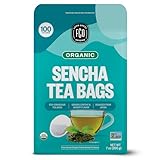
- 2 organic sencha green tea bags (for maximum flavor concentration)
- 1/4 cup hot filtered water (steaming, not boiling)
- 3/4 cup unsweetened almond milk
- 1/2 teaspoon pure vanilla extract
- 1 tablespoon raw honey
Directions
- Place both green tea bags into a small, heat-safe mug or glass.
- Pour the 1/4 cup hot water over the bags to create a highly potent, concentrated tea shot.
- Steep for exactly 3 minutes—steeping longer releases bitter compounds that can trigger intense heartburn.
- Remove the tea bags, gently squeezing out the remaining liquid to extract all essential oils.
- Stir the vanilla extract and raw honey into the hot tea concentrate until dissolved.
- Warm and froth the almond milk separately, then pour it gracefully over the tea base.
Pro-Tip: Using two tea bags in a tiny amount of water creates a potent flavor base that won’t get diluted by the milk, perfectly mimicking the rich flavor profile of expensive coffee shop lattes without requiring you to buy specialized powders.
3. Mix The Iced Oat Milk Green Tea Latte

Pin this refreshing iced version for your next warm afternoon!
When transitioning from cozy, warm mornings to sweltering afternoons, a homemade iced matcha latte serves as the ultimate refreshing healthy drink. One common frustration with creating a cold green tea drink at home is clumpiness, as matcha powder resists dissolving in cold liquids. To solve this, we rely on a smart emulsification technique using a cocktail shaker or mason jar, paired with thick oat milk barista blends to maintain that coveted creamy texture. This cooling method ensures a perfectly smooth beverage that invigorates your senses while remaining completely gentle on a sensitive digestive system.
Ingredients
- 1.5 teaspoons matcha green tea powder pure ceremonial
- 1 tablespoon warm water (essential for initial solubility)
- 1 cup cold barista blend oat milk
- 1 cup large, clear ice cubes
- 1 tablespoon agave nectar (dissolves easily in cold liquids)
Directions
- Whisk the matcha powder and warm water in a small bowl or cocktail shaker until completely smooth and lump-free.
- Fill a tall, elegant highball glass to the top with the large ice cubes.
- Pour the cold oat milk into the glass over the ice, leaving about an inch of room at the top.
- Stir the agave nectar directly into the cold milk.
- Slowly pour the concentrated matcha mixture over the milk and ice to create a beautiful, café-style layered visual effect.
- Stir well immediately before drinking to incorporate the layers.
Pro-Tip: Cold beverages can sometimes cause esophageal spasms for severe GERD sufferers. Letting the ice melt slightly so the drink is cool, rather than freezing cold, makes this iced green tea latte significantly gentler on the digestive tract.

4. Blend The Calming Chamomile Green Tea Latte

Add this gut-soothing herbal blend to your “Wellness Routine” board!
Moving beyond standard caffeinated recipes, sometimes your body demands intense acid reflux relief. By blending chamomile and green tea, you create an ultra-soothing botanical infusion specifically optimized to calm an inflamed stomach. This gut friendly tea leverages profound herbalism principles: the natural L-theanine from the green tea synergizes beautifully with the anti-inflammatory apigenin found in chamomile flowers. The resulting soothing warm drink expertly balances a very mild energy lift with deep muscular relaxation, combating the stress that often exacerbates heartburn symptoms in the first place.
Ingredients
- 1 organic green tea bag
- 1 pure organic chamomile tea bag
- 1/3 cup hot water (steaming, not boiling)
- 3/4 cup unsweetened almond milk
- 1 teaspoon Manuka honey (known for its powerful antibacterial and stomach-coating properties)
Directions
- Place both the green tea and chamomile tea bags in a heat-safe, wide mug.
- Pour the hot water over the bags, cover the mug with a small saucer to trap the delicate essential oils, and steep for exactly 4 minutes.
- Remove the tea bags and carefully discard them.
- Stir in the Manuka honey while the tea concentrate is still steaming hot so it dissolves completely into the liquid.
- Heat and aggressively froth the almond milk until it becomes light and airy.
- Pour the frothy milk over the botanical tea base.
Pro-Tip: Manuka honey acts as a natural demulcent, physically coating the throat and esophagus. This provides immediate, soothing relief if you are actively recovering from a painful acid reflux flare-up caused by previous dietary missteps.

5. Whisk The Dairy-Free Coconut Matcha Fusion

Save this rich, tropical dairy-free recipe to your “Healthy Lattes” board!
For those who desperately miss the heavy, decadent mouthfeel of whole milk lattes, this dairy-free matcha latte provides the perfect luxurious solution. By introducing a rich coconut milk latte base, you can enjoy a full-bodied texture while maintaining strict lactose avoidance for GERD management. The healthy fats found in medium-chain triglycerides (MCTs) within coconut milk work synergistically to neutralize any slight astringency from the earthy matcha. This incredibly healthy green tea matcha latte recipe proves that avoiding heavy dairy cream—a notorious acid reflux trigger—does not mean sacrificing an indulgent cafe experience.
Ingredients
- 1 teaspoon matcha green tea powder pure
- 1 tablespoon hot water
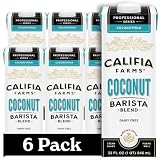
- 1/2 cup unsweetened coconut milk (from a carton, not canned, to control richness)
- 1/2 cup oat milk (to balance the overall density)
- 1 tablespoon pure maple syrup
Directions
- Whisk the matcha powder and hot water vigorously in your favorite mug until completely smooth.
- In a small saucepan, combine the unsweetened coconut milk and oat milk over medium-low heat until steaming.
- Pour the hot milk blend into a tall heat-safe glass and use a handheld milk frother to whip it until a dense, velvety micro-foam forms on top.
- Pour the frothed tropical milk blend gracefully over the matcha base.
- Sweeten with the maple syrup to your personal taste preference.
Pro-Tip: Blending coconut milk with oat milk prevents the latte from becoming overwhelmingly heavy. Using 100% full-fat canned coconut milk can sometimes be too rich and slow down stomach emptying, a physiological scenario we want to strictly avoid when managing acid reflux.
6. Craft The Decaf Green Tea Evening Latte

Pin this brilliant caffeine-free evening routine to your “Better Sleep” board!
Nighttime reflux is arguably the most disruptive form of GERD, making evening beverage selection critical. A decaf green tea latte stands out as the ultimate caffeine free hot drink to wind down your day safely. Because caffeine naturally relaxes the esophageal sphincter, drinking regular tea before bed is a recipe for disaster. This healthy nighttime drink utilizes a strict water extraction decaffeination method paired with incredibly neutral macadamia milk, ensuring you are effectively avoiding heartburn at night while still enjoying a comforting, warm ritual before slipping under the covers.
Ingredients
- 2 organic water-processed decaf green tea bags
- 1/4 cup hot water (not fully boiling)
- 3/4 cup macadamia nut milk (incredibly creamy and boasts a neutral pH)
- A tiny pinch of ground cinnamon
Directions
- Steep the decaf green tea bags in the hot water for exactly 3 minutes to maximize flavor without over-extracting.
- Gently squeeze the bags to extract the remaining essence before discarding them.
- Heat the macadamia nut milk gently on the stove or carefully in the microwave until warm.
- Froth the warm milk using a manual whisk or electric frother.
- Pour the silky milk into the tea base.
- Dust the top extremely lightly with a pinch of cinnamon (use sparingly, as heavy spices can sometimes trigger reflux in highly sensitive individuals).
Pro-Tip: Always look explicitly for “water-processed” or “effervescent decaffeination” on the product label. This natural method retains the tea’s healthy antioxidants without using harsh chemical solvents (like ethyl acetate) that can easily upset a delicate stomach lining.

7. Create The Honey-Lavender Green Tea Latte

Save this stunning, cafe-worthy floral latte to your “Aesthetic Recipes” board!
To truly elevate your home brewing experience, mastering an artisanal lavender matcha latte proves that dietary restrictions do not equal boring beverages. This impressive floral tea latte recreates an expensive, specialty cafe drink using completely natural, gut-friendly ingredients. By combining high-quality culinary lavender with viscous natural honey and an earthy matcha foundation, you achieve a sophisticated flavor profile. Most importantly, this elegant healthy green tea matcha latte recipe teaches you how to infuse complex aromatherapeutic flavors naturally, entirely bypassing the acidic, chemical-laden cafe syrups that reliably trigger devastating heartburn.
Ingredients
- 1 teaspoon matcha green tea powder pure
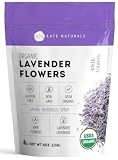
- 1/4 teaspoon organic dried culinary lavender buds
- 2 tablespoons hot water
- 1 cup oat milk
- 1.5 tablespoons raw honey (for natural sweetness and viscosity)
Directions
- Place the dried culinary lavender buds and hot water in a small glass and steep for precisely 2 minutes to extract the delicate floral oils.
- Strain the lavender water through a fine mesh sieve directly into your favorite serving mug, discarding the spent buds.
- Add the matcha powder directly to the hot infused lavender water and whisk briskly with a bamboo whisk until beautifully frothy.
- Stir the raw honey into the hot matcha base until completely dissolved.
- Heat and froth your oat milk, then pour it gracefully over the fragrant floral matcha base.
Pro-Tip: Never boil lavender buds, as high heat extracts a camphor-like chemical compound that tastes exactly like soap and can severely upset your stomach. A gentle, short steep in hot (not boiling) water is all you need for the perfect floral aromatic note.
Key Takeaways: Your Quick Guide to a Healthy Green Tea Latte Recipe
A healthy green tea latte recipe summary highlights the critical necessity of strict temperature control, alkaline dairy alternatives, and natural sweeteners. By adhering to these foundational matcha latte key points, you guarantee an acid reflux friendly drink overview that actively protects your esophageal lining.
When navigating the intricate balance of enjoying morning beverages while managing GERD, consistency is your greatest ally. Synthesizing the core principles from our seven variations reveals a clear, actionable roadmap for long-term digestive health. Rather than memorizing every single measurement, focusing on these fundamental physiological guardrails will empower you to experiment safely with your own home barista creations. Here is your rapid-reference guide for protecting your digestion daily:
- Alkaline Milks Are Mandatory – Replacing standard acidic dairy milk with alkaline options like barista blend oat milk or unsweetened almond milk is the single most important step for preventing acid reflux flare-ups.
- Control Your Water Temperature – Pouring boiling water directly over green tea scorches the delicate leaves, immediately releasing excess bitter tannins and acidic compounds. Always use water cooled to around 175°F.
- Invest in Ceremonial Grade – While cheap culinary matcha is perfectly fine for baking, pure ceremonial grade matcha is significantly smoother, naturally sweeter, and vastly gentler on a highly sensitive stomach.
- Avoid Artificial Syrups – Commercial cafe syrups are packed with refined sugars and citric acid preservatives. Strictly stick to pure maple syrup, raw honey, or agave nectar for natural sweetness.
- Caffeine Timing Matters – Even the incredibly gentle L-theanine balanced caffeine in green tea can slightly relax the lower esophageal sphincter. Switch strictly to the decaf green tea variation if drinking within 4 hours of your bedtime.
- Emulsify Thoroughly – Using a traditional bamboo whisk or electric frother prevents dry clumps of powder from reaching your stomach, which can cause sudden, sharp digestive irritation.
People Also Ask About Healthy Green Tea Lattes
Addressing common matcha latte queries reveals a massive intersection between seeking a healthy coffee alternative and managing daily acid reflux. Resolving these specific, lingering doubts ensures you can confidently customize your home brewing process to suit your unique dietary triggers without sacrificing exceptional flavor.
As more people actively transition away from highly acidic morning routines, numerous questions arise regarding ingredient substitutions, caffeine tolerance, and exact brewing methodologies. Based on established gastroenterology guidelines and practical home barista testing, we have compiled the definitive answers to the most persistent questions regarding GERD safety and green tea consumption.
Is a green tea latte good for acid reflux?
Yes, a green tea latte is significantly better for acid reflux than coffee, as it is naturally less acidic and contains soothing compounds like L-theanine.
While coffee is highly acidic and a notorious GERD trigger, high-quality green tea has a much closer to neutral pH balance. When properly combined with alkaline plant milks like almond or oat milk, it creates a profoundly stomach-soothing beverage. This powerful combination provides a sustained, gentle energy boost without triggering the painful heartburn flare-ups associated with roasted coffee beans.
Can I use regular green tea bags instead of matcha?
Absolutely. You can steep two regular green tea bags in a small amount of hot water to create a highly concentrated tea base for your latte.
This is an incredibly accessible and easy recipe hack for those who do not want to invest heavily in expensive matcha powder immediately. Simply steep the organic tea bags for exactly 3 minutes to avoid extracting harsh, bitter tannins, then pour your perfectly frothed plant milk directly over the hot tea concentrate for a delicious result.
Does oat milk cause heartburn in a latte?
No, for most people, oat milk actually helps prevent heartburn because it is naturally alkaline and gently coats the sensitive lining of the esophagus.
Unlike high-fat cow’s milk, which can dangerously relax the lower esophageal sphincter and allow harsh stomach acid to escape upward, oat milk digests incredibly easily. For the absolute best texture in a healthy green tea latte recipe, intentionally look for an unsweetened “barista blend” oat milk, which froths beautifully without separating or adding refined sugars.
How much caffeine is in a healthy matcha latte?
A standard matcha latte made with 1 teaspoon of ceremonial powder contains roughly 30 to 70 milligrams of caffeine.
This amount is significantly less than a standard cup of brewed drip coffee (which generally has about 95-150mg). Furthermore, the unique caffeine in matcha actively binds with phytonutrients, resulting in a slow, stable absorption rate that brilliantly prevents the sudden jitters and stomach acid spikes typically associated with coffee consumption.
What is the healthiest sweetener for a green tea latte?
The healthiest sweeteners for an acid reflux friendly drink are pure maple syrup, raw honey, or a very small amount of agave nectar.
You should strictly avoid heavily refined white sugar and commercial flavored syrups, as they quickly ferment in the gut and dramatically increase stomach acidity. Raw Manuka honey is particularly beneficial for GERD sufferers, as it possesses potent natural antibacterial properties that actively help soothe underlying gastric inflammation.
Why does my homemade matcha latte taste bitter?
A bitter matcha latte is almost always caused by using water that is too hot (boiling) or using low-quality, heavily oxidized culinary matcha powder.
To instantly fix this common issue, always ensure your filtered water is around 175°F (steaming but absolutely not boiling) before you begin whisking. Additionally, always purchase matcha green tea powder pure ceremonial grade directly from Japan, which is carefully shade-grown and harvested early to maintain a distinctly sweet, grassy, and remarkably smooth flavor profile.
Can I drink a green tea latte on an empty stomach?
If you have severe acid reflux, it is best to consume your green tea latte alongside or immediately after a light meal rather than on a completely empty stomach.
While significantly gentler than standard coffee, the mild natural tannins present in green tea can occasionally stimulate excess stomach acid production in highly sensitive individuals. Drinking your latte with a piece of alkaline fruit (like a ripe banana) or a bowl of plain oatmeal acts as an excellent physical buffer for sensitive digestive tracts.
Do I really need a bamboo whisk for matcha?
While not strictly mandatory, a traditional bamboo whisk (chasen) is the absolute most effective tool for perfectly emulsifying matcha powder with hot water.
Standard metal kitchen spoons simply cannot break up the microscopic clumps of finely ground green tea powder. If you do not currently own a bamboo whisk, a handheld electric milk frother serves as a fantastic home barista alternative to ensure your healthy green tea matcha latte recipe is completely smooth and pleasant to digest.
Is it healthier to drink a matcha latte hot or iced?
Both hot and iced matcha lattes offer the exact same nutritional benefits, but warm (not scalding) drinks are generally much easier for severe acid reflux sufferers to properly digest.
Extreme beverage temperatures—either ice-cold or boiling hot—can literally cause the esophagus to spasm forcefully, which closely mimics the intense pain of heartburn. An iced latte remains perfectly healthy, but letting the ice melt slightly so the drink is merely cool rather than freezing is a much safer approach for highly sensitive stomachs.
How long does matcha powder stay fresh once opened?
Once opened, high-quality matcha powder begins to oxidize rapidly and should ideally be consumed within 1 to 2 months for optimal flavor and health benefits.
Oxidized matcha quickly loses its vibrant emerald green color, turns a dull yellowish-brown, and develops a harsh, extremely bitter taste that can easily upset your stomach. Always diligently store your premium matcha in an airtight tin in the refrigerator to dramatically prolong its freshness and preserve its delicate, acid-fighting antioxidants.
Final Thoughts on This Healthy Green Tea Latte Recipe
Transitioning away from your daily coffee habit due to severe digestive discomfort can feel incredibly frustrating, but this healthy green tea latte recipe proves that you absolutely do not have to sacrifice your comforting morning rituals. By understanding the simple, empowering science of internal pH balance and utilizing gentle, alkaline ingredients, you can successfully recreate the luxurious, frothy experience of a high-end cafe right in your own kitchen.
Whether you choose to meticulously whisk a premium ceremonial matcha base, quickly steep an organic green tea bag on busy mornings, or craft a deeply soothing chamomile infusion before bed, embracing the role of a home barista empowers you to control exactly what goes into your cup. By intentionally eliminating refined sugars, strictly avoiding acidic dairy, and mastering precise temperature control, you are actively protecting your delicate esophagus while still enjoying a delicious, energizing acid reflux friendly drink as an exceptional coffee alternative.
Remember that effectively managing dietary triggers is always a highly personal, evolving journey. I strongly encourage you to experiment with these seven distinct variations, adjusting the plant milks and natural sweeteners until you find the perfect bespoke blend that profoundly soothes your stomach and delights your palate.
Which of these gentle, gut-friendly latte variations are you most excited to try first? Let me know your favorite creative combinations in the comments below, and don’t forget to save these healing recipes for your next cozy, pain-free morning in!
Last update on 2026-09-12 / Affiliate links / Images from Amazon Product Advertising API
