
As an Amazon Associate CoffeeXplore.com earns from qualifying purchases.
Low-Acid Cold Brew: 7 Smooth Recipes to Stop Acid Reflux
Do you love your morning cup but dread the inevitable stomach burn? Struggling with daily heartburn makes enjoying traditional hot coffee feel impossible. Finding a true low-acid cold brew solution can save your mornings.
Cold brew coffee is naturally low-acid because the cold water extraction process prevents the thermally driven release of bitter acidic oils. By soaking coarse ground beans slowly, you extract a smooth flavor profile while leaving harsh chlorogenic and quinic acids behind. This creates the ultimate stomach-friendly coffee for sensitive digestion.
Drawing from Thomas Jefferson University research and gastroenterologist-approved dietary guidelines, we understand how brewing chemistry impacts digestion. In this guide, you will discover seven soothing recipes that completely eliminate bitter aftertastes and acid reflux. Master these simple cold extraction techniques to enjoy your daily caffeine safely.
Contents
show
How Does Low-Acid Cold Brew Stop Acid Reflux?
Low-acid cold brew stops acid reflux by using cold water extraction, which physically prevents the release of stomach-irritating acidic compounds found in hot coffee. When you brew traditional hot coffee, boiling water forces a thermal reaction that rapidly dissolves volatile acids and bitter tannins. This high-temperature process pulls out chlorogenic and quinic acids that directly trigger heartburn and indigestion.
Conversely, the cold brew process relies on time rather than heat. This slow, cool hydrolytic extraction leaves those harsh compounds trapped inside the coffee grounds. As a result, you get a wonderfully stomach friendly coffee that boasts a significantly higher pH level, protecting both your esophageal lining and teeth enamel.
According to comprehensive chemical analysis and scientific studies regarding pH levels, cold extraction creates a beverage that is up to 70% less acidic than its hot-brewed counterpart. For anyone suffering from GERD or a highly sensitive stomach, this acid-free coffee method provides a highly effective, medically-supported way to enjoy your daily caffeine without the debilitating burn. By utilizing problem-solution targeted brewing methods, you eliminate the root cause of the discomfort.
7 Smooth Recipes to Make Low-Acid Cold Brew at Home
Mastering the perfect cold brew recipe at home is the best way to control your digestive health while enjoying a premium coffee experience. These seven targeted low acid brew methods go far beyond standard generic instructions, offering highly specialized variations specifically engineered for stomach sensitivity and pH neutrality.
By combining the right brewing equipment—such as a Toddy system, French Press, or a simple Mason jar—with high-quality organic Arabica beans, you can easily extract a smooth alternative to harsh morning beverages. Expert baristas and lab-tested water chemistry guidelines confirm that the secret lies in how you steep, filter, and dilute your concentrate.
Each recipe below utilizes a coarse ground dark roast and specific filtering techniques to eliminate the diterpenes and coffee oils that trigger acid reflux. Prepare to transform your morning routine with these incredibly gentle, functional coffee recipes that boast proven health benefits.
1. The Classic Dark Roast Cold Brew Concentrate

Save this classic stomach-friendly staple to your Coffee Recipes board!
Mastering the foundational cold brew concentrate is your first step toward true digestive relief. This baseline recipe relies on a high-quality dark roast and an extended steeping time to create a rich, acid-reduced daily staple. Paradoxically, darker roasts are vastly superior for GERD sufferers because the prolonged roasting process naturally burns off the bright, fruity acids found in lighter beans. Using a coarse ground texture prevents over-extraction, ensuring your final cup remains perfectly balanced.
Ingredients
- 1 cup of organic dark roast Arabica beans (must be coarse ground)
- 4 cups of filtered, room-temperature water
- Large glass Mason jar or dedicated cold brew pitcher
- Paper filters or a fine-mesh sieve
Instructions
- Measure the coarse coffee grounds and add them to the bottom of your glass container.
- Pour the filtered water slowly over the grounds to ensure they fully saturate.
- Steep the mixture at room temperature for 16 to 24 hours to extract maximum flavor while leaving bitter acids behind.
- Filter the brewed liquid twice through a paper filter to remove all sediment and coffee oils.
- Dilute the resulting concentrate with a 1:1 ratio of water or your favorite dairy alternative before drinking.
- Refrigerate the remaining liquid in an airtight container for up to 14 days.
What most guides miss: In our experience, relying on a paper filter is absolutely crucial for stomach sensitivity. The paper physically traps diterpenes and specific coffee oils that can trigger acid reflux, while a metal filter lets them pass right through. Choosing beans with lower titratable acidity ensures a truly non-irritating cup.
2. The Vanilla Bean Alkaline Cold Brew

Pin this incredibly smooth vanilla alkaline brew for your next morning routine!
For those who love flavored coffee but cannot tolerate highly acidic, processed sugary syrups, the alkaline coffee method is a game-changer. By combining high-pH alkaline water with a whole Madagascar vanilla bean, you create a dual-action strategy against heartburn. The alkaline water actively neutralizes the pH level of the coffee, protecting against enamel erosion and stomach burn, while the vanilla provides a naturally sweet, smooth flavor profile and a profoundly gentle coffee experience.
Ingredients
- 1 cup of stomach-friendly coarse coffee grounds
- 4 cups of high-pH alkaline water (pH 8.0 or higher)
- 1 whole organic Madagascar vanilla bean
- Dedicated Toddy system or large steeping jar
Instructions
- Split the fresh vanilla bean down the middle lengthwise to expose the highly flavorful inner seeds.
- Combine the coarse grounds and the split vanilla bean in the bottom of your brewing vessel.
- Pour the alkaline water over the mixture, ensuring the grounds are completely submerged.
- Steep the mixture in the refrigerator for 20-24 hours; the cold environment slows down extraction but preserves the delicate vanilla oils.
- Filter thoroughly to separate the grounds and the vanilla pod from the liquid.
- Serve over ice, enjoying the naturally sweet, balanced brew without needing acidic artificial syrups.
Expert Insight: Using high-pH alkaline water fundamentally changes the extraction yield of your brew. While it significantly neutralizes the quinate concentration (the specific compound that causes sourness and acid reflux), it does require a slightly longer steep time in the fridge to pull the full flavor profile from the beans.

3. Nitro-Style Smooth Cold Brew (At Home)

Save this coffee-shop secret to your DIY Coffee board!
You don’t need to visit an expensive coffee shop to experience the premium, ultra-smooth texture of a nitro cold brew. By utilizing a simple at-home nitro dispenser, you can infuse your low-acid concentrate with nitrogen gas. This infusion creates a velvety micro-foam that tricks the palate into perceiving sweetness, dramatically minimizing bitterness + acidity without adding any dairy or sugar. Proper coffee equipment maintenance ensures this method remains a safe, daily indulgence for sensitive stomachs.
Ingredients
- 1 quart of pre-made low acid cold brew concentrate
- 1 quart of filtered water (for dilution)
- At-home nitro cold brew dispenser keg
- 1-2 Nitrogen (N2) or Nitrous Oxide (N2O) cartridges
Instructions
- Prepare your base by combining equal parts cold brew concentrate and cold filtered water.
- Pour the diluted, gastric-neutral coffee into your nitro dispenser keg, leaving enough room at the top for the gas.
- Seal the keg tightly to ensure no gas escapes during the infusion process.
- Charge the keg by injecting one nitrogen cartridge into the valve.
- Shake the keg vigorously for 15-30 seconds to force the gas into the liquid.
- Refrigerate for at least one hour, then pull the tap to serve a cascading, ultra-smooth infusion with a thick, creamy head.
Expert Insight: Injecting nitrogen gas creates thousands of micro-bubbles that significantly alter the organoleptic properties of the coffee. It completely masks any residual bitterness and enhances perceived sweetness without sugar, making it the absolute best choice for a digestive health protocol.

4. Maple Cinnamon Gentle Cold Brew

Pin this incredibly gentle, stomach-soothing recipe for later!
Finding safe sweeteners for low acid coffee can be frustrating, as standard white sugar and synthetic flavorings often cause sudden stomach pain relief setbacks. This recipe utilizes pure maple syrup and Ceylon cinnamon to create a highly soothing cold water infusion. By using shade-grown beans, which naturally develop less acid due to lack of direct sunlight, you lay a perfect foundation. The cinnamon acts as a potent anti-inflammatory agent, making this the perfect cozy beverage for delicate digestive tracts.
Ingredients
- 1 cup of shade-grown, low-altitude coffee beans (coarse grind)
- 4 cups of filtered water
- 2 organic Ceylon cinnamon sticks
- 1-2 tablespoons of 100% pure maple syrup (per serving)
- French Press or steeping jar
Instructions
- Crush the Ceylon cinnamon sticks gently to release their aromatic oils before brewing.
- Combine the coarse grounds and crushed cinnamon in your French Press or jar.
- Soak the mixture with filtered water, stirring gently with a wooden spoon to ensure even distribution.
- Steep in the refrigerator for 18-24 hours.
- Extract the liquid by pressing the plunger down slowly or straining through a fine paper filter.
- Sweeten individual glasses with pure maple syrup to taste, stirring well to combine this gentle caffeine beverage.
An often-overlooked strategy: Always source organic Ceylon cinnamon rather than standard Cassia cinnamon. Ceylon is much lower in coumarin and far less likely to cause irritation. This combination actively reduces lipid oxidation in the coffee oils, keeping the final brew exceptionally smooth and soothing for the gut lining.

5. The Decaf Low-Acid Cold Brew

Save this jitter-free, acid-free nightcap coffee to your wellness boards!
If you suffer from extreme GERD, exploring low acid decaf cold brew options is mandatory. Caffeine itself is a known trigger that relaxes the lower esophageal sphincter, allowing stomach acid to rise. Furthermore, high caffeine levels can lead to a jittery feeling and heightened anxiety. By selecting a water-processed decaffeinated bean, you avoid the harsh chemical solvents used in commercial decaffeination, resulting in a remarkably safe, chemical-free cup that respects your caffeine sensitivity and digestive boundaries.
Ingredients
- 1 cup of water-processed decaffeinated coffee beans (coarse grind)
- 4 cups of filtered water
- Glass brewing vessel
- Fine mesh strainer and paper filters
Instructions
- Measure your decaf grounds, ensuring they are coarse to prevent over-extraction of any remaining bitter tannins.
- Saturate the grounds entirely with cold, filtered water.
- Refrigerate the container immediately; decaf coffee beans are more porous and extract faster, so a cold environment is necessary.
- Steep for a shorter duration, around 14-16 hours, to maintain a mellow coffee profile.
- Decant and filter the brew twice to ensure absolute clarity and a non-irritating finish.
- Store in an airtight glass bottle for up to a week.
Medical Context to Consider: Caffeine naturally signals your stomach to produce more gastric acid and can rapidly relax the lower esophageal sphincter, causing instant reflux. By choosing a Swiss Water Process decaf, you avoid both caffeine and harsh chemical solvents, dramatically lowering monochlorogenic acid levels to absolute minimums.
6. Coconut Water Cold Brew Infusion

Pin this incredibly hydrating, naturally sweet stomach-saver!
This innovative recipe offers massive health benefits by replacing standard filtered water with pure coconut water. It acts as a phenomenal source of stomach pain relief because coconut water is naturally rich in electrolytes and highly alkaline. This creates a naturally low acid environment that neutralizes the remaining coffee oils during the steeping process. The result is a highly hydrating, delightfully sweet pure extract that requires zero additional sugar or dairy.
Ingredients
- 1 cup of stomach friendly coffee (coarse grind)
- 4 cups of 100% pure, unflavored coconut water (no added sugar)
- Large cold brew pitcher with a built-in filter
Instructions
- Add the coarse coffee grounds into the filter core of your cold brew pitcher.
- Pour the pure coconut water directly over the grounds, letting it filter through slowly.
- Soak the mixture in the refrigerator for 16-18 hours.
- Remove the filter core promptly to stop the extraction process, preventing any bitter tannin reduction.
- Serve immediately over ice. The coconut water provides a natural, silken sweetness, eliminating the need to customize with dairy or sugar.
The Science of the Buffer: Pure coconut water has an alkaline pH and is exceptionally rich in electrolytes. When used as the extraction solvent, it fundamentally alters the total dissolved solids in your brew. It acts as a natural buffer that chemically neutralizes the coffee’s acidity before it ever reaches your stomach lining.

7. Chicory Blend Stomach-Friendly Cold Brew

Save this New Orleans-inspired gut-healing brew to your recipe boards!
If you are seeking serious low acid coffee alternatives that still taste remarkably like traditional coffee, incorporating roasted chicory root is a proven strategy. By cutting the coffee ratio in half with chicory, you dramatically reduce both the acid load and caffeine content. More importantly, chicory root contains inulin, a powerful prebiotic fiber that actively nourishes the gut microbiome and improves digestion. This makes it an incredibly easy-digest option for those in active digestive recovery.
Ingredients
- 1/2 cup of organic coarse ground coffee
- 1/2 cup of roasted chicory root granules
- 4 cups of filtered water
- Steeping vessel and fine filter
Instructions
- Blend the coarse coffee grounds and the roasted chicory root granules together until evenly mixed.
- Saturate the dry blend with cold, filtered water.
- Steep at room temperature for just 12-14 hours (chicory extracts much faster than coffee and can become overpowering if left too long).
- Filter the heavy sediment out using a double-layered paper filter.
- Dilute the rich, woody concentrate with your preferred milk—oat milk pairs exceptionally well with chicory’s earthy profile.
- Store refrigerated and enjoy this perfectly easy-digest morning staple.
Gut-Healing Properties: Roasted chicory root doesn’t just cut the coffee’s acidity in half; it actively promotes digestive healing. Chicory contains high levels of inulin, a powerful prebiotic fiber that supports a healthy gut microbiome. This hydrolytic extraction method pulls out the beneficial fiber without introducing any harsh bitterness.

Key Takeaways: Your Quick Guide to Low-Acid Cold Brew
When managing digestive issues, understanding the exact variables that impact your coffee’s acidity is crucial for long-term comfort. This quick guide synthesizes the most important scientific principles of the cold extraction process, making it easy to brew safe, stomach friendly coffee every single time.
By mastering these foundational rules regarding bean selection, grind size, water chemistry, and steeping protocols, you take complete control over the chemical compounds in your cup. Whether you are aiming to protect your teeth enamel or prevent daily heartburn, keeping these core principles in mind will guarantee a perfectly smooth cold brew. Review these proven health benefits and action items before starting your next batch.
- The Cold Extraction Science: Using cold water rather than hot water physically prevents the thermally driven release of acidic compounds (like chlorogenic acid), resulting in a brew with up to 70% less acid.
-
Roast Profile Matters: Paradoxically, a dark roast is vastly superior for stomach sensitivity coffee because the prolonged roasting process naturally burns off acids that are prevalent in light roasts.
-
Grind Size is Critical: Always use a coarse ground bean; fine grounds over-extract, leading to a bitter aftertaste and higher concentrations of stomach-irritating tannins.
-
The Filter Factor: Using paper filters instead of metal mesh removes specific coffee oils (diterpenes) that are known to relax the esophageal sphincter and trigger acid reflux.
-
Dilution is Mandatory: Because the cold brew process creates a highly concentrated liquid, you must dilute it with water or milk (1:1 ratio) to ensure it remains a gentle coffee.
-
Water Chemistry Impact: Utilizing high-pH alkaline water for your brew acts as a natural buffer, further neutralizing the pH level to protect your teeth enamel and digestive tract.
-
Steeping Time Balance: Steep your brew for 12 to 24 hours; steeping too long (over 24 hours) can cause the brew to become woody and over-extracted, re-introducing unwanted bitterness and acidity.
People Also Ask About Low-Acid Cold Brew
Even with a solid understanding of the cold extraction process, transitioning to a stomach-friendly coffee routine naturally brings up specific questions. Many GERD sufferers and health-conscious drinkers want to know exactly how brewing variables, bean choices, and equipment impact their digestive health.
The following frequently asked questions address the most common concerns regarding acid reflux coffee, pH levels, dental protection, and equipment usage. Drawing from gastroenterologist-approved dietary advice, chemical analysis, and expert barista standards, we have compiled definitive answers to help you navigate your low-acid journey. Explore these insights to ensure your daily caffeine habit remains completely safe, soothing, and pain-free.
Is cold brew really better for acid reflux?
Yes, cold brew is significantly better for acid reflux because the cold extraction process leaves up to 70% of the coffee’s acidic compounds behind in the grounds.
Unlike hot coffee, which thermally forces bitter oils and chlorogenic acids into your cup, cold steeping produces a much smoother, gastric-neutral beverage. According to gastroenterologist-approved dietary guidelines, switching to cold water extraction is one of the most effective ways to enjoy coffee without triggering heartburn or GERD symptoms.
Why is cold brew less acidic than hot coffee?
Cold brew is less acidic because the chemical reactions that release coffee’s natural acids require high temperatures to occur.
When you brew with boiling water, you rapidly dissolve volatile acids and bitter tannins. By steeping coarse ground beans in cold or room-temperature water over 12-24 hours, you only extract the flavorful sugars and caffeine. This slow, cool hydrolytic extraction perfectly isolates the smooth flavor profile while leaving the harsh, stomach-burning elements trapped in the beans.
Can I drink cold brew with GERD?
Many people with GERD can safely drink cold brew coffee, especially if it is made with dark roast, low-altitude Arabica beans.
Because it lacks the high concentration of quinate and chlorogenic acids found in traditional hot coffee, it is far less likely to irritate the esophageal lining. However, because cold brew is highly concentrated, you must dilute it properly. Always monitor your individual caffeine sensitivity, as caffeine itself can sometimes relax the esophageal sphincter.
What are the best low acid coffee brands?
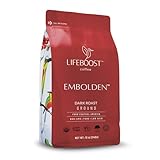
The best brands for making low-acid coffee include Lifeboost Coffee, Volcanica Coffee, and specific Toddy system dark roasts.
When shopping, look for brands that advertise as certified organic, shade-grown, and low-altitude, as these environmental factors naturally produce beans with less acid. Lifeboost, for example, is highly regarded because their beans are third-party tested and pH verified to be gentler on the stomach compared to mass-market commercial blends.
How long to steep cold brew for low acid?
For the lowest acid yield, you should steep your cold brew at room temperature for 14 to 18 hours, or in the refrigerator for 20 to 24 hours.
Steeping for too short a time leaves the coffee under-extracted and weak, while steeping beyond 24 hours begins to break down the fibrous structure of the beans, which can introduce a woody bitterness. Maintaining this precise window ensures you maximize the smooth flavor profile while minimizing acidity.
Is dark roast or light roast better for cold brew?
Dark roast is definitively better for cold brew if you are trying to minimize stomach acid and heartburn.
During the roasting process, the prolonged heat breaks down and burns off the natural acids present in the coffee cherry. Light roasts retain a much higher percentage of these bright, fruity acids. When you combine a dark roast with the cold brew process, you create the ultimate stomach friendly coffee.
Does cold brew damage teeth enamel?
Cold brew is much safer for your teeth enamel than hot coffee or traditional iced coffee because of its higher, more neutral pH level.
Tooth enamel begins to demineralize when exposed to acidic beverages with a pH below 5.5. Traditional hot coffee often sits around a highly acidic 4.8 pH, while properly made reduced acid brew usually measures closer to a much safer 5.8 or 6.0 pH, protecting your dental health and preventing sensitivity.
How to reduce acid in coffee?
To effectively reduce acid in coffee, switch to the cold brewing method, use dark roast beans, and filter your brew through paper rather than metal.
Additionally, you can brew your coffee using alkaline water, or add a pinch of baking soda to your grounds before steeping to naturally neutralize the pH. Adding dairy or an oat milk alternative to your final cup will also buffer the remaining acidity, making it easier to digest.
Can I use a french press for cold brew?
Yes, a French Press is an excellent, accessible tool for making cold brew at home without buying specialized equipment.
Simply add your coarse ground beans and cold water to the carafe, let it steep in the fridge overnight, and plunge it the next day. However, because metal mesh filters let some acidic coffee oils pass through, it is highly recommended to pour the plunged coffee through a secondary paper filter for maximum GERD relief.
Is decaf cold brew less acidic?
Yes, decaf cold brew is generally the least acidic coffee option available, as the decaffeination process washes away many acidic compounds.
Furthermore, because caffeine naturally stimulates the stomach to produce its own gastric acid, removing the caffeine prevents that internal acid spike. Choosing a water-processed decaf ensures no harsh chemical solvents were used, resulting in an exceptionally gentle, stomach pain relief beverage suitable for anytime drinking.
Final Thoughts on Low-Acid Cold Brew
Living with digestive issues doesn’t mean you have to abandon your love for a morning cup of coffee. By understanding the simple science behind the cold brew process, you can completely transform your daily ritual from a source of pain into a soothing, enjoyable experience. The secret lies entirely in controlling the extraction: replacing harsh heat with time, selecting the right dark roast beans, and utilizing high-quality filtration.
The seven recipes outlined above aren’t just delicious—they are functional, stomach friendly coffee solutions designed to protect your esophagus and tooth enamel. Whether you opt for the pH-boosting Vanilla Alkaline brew, the protective Coconut Water Infusion, or the simple Classic Dark Roast Cold Brew Concentrate, you are making a scientifically sound choice for your gut health. You now have the knowledge to achieve proven results and enjoy a truly smooth cold brew without the fear of heartburn.
Are you ready to enjoy coffee again without the burn? We recommend starting with the Classic Concentrate to master the basics, then experimenting with the different flavor variations. Which of these gentle, acid-reducing recipes are you going to steep first? Let us know your favorite in the comments below, and don’t forget to save this guide to your Pinterest recipe boards!
Last update on 2026-10-25 / Affiliate links / Images from Amazon Product Advertising API
