
As an Amazon Associate CoffeeXplore.com earns from qualifying purchases.
Closet Coffee Bar Ideas: 7 Stunning DIY Nooks for 2026
Are your kitchen counters constantly cluttered with bulky espresso machines and endless syrup bottles? You are not alone in this daily frustration. Transforming an empty hallway or coat closet into a functional beverage station solves this exact problem. Exploring the best closet coffee bar ideas will completely elevate your morning routine while reclaiming your valuable real estate.
A closet coffee bar is a space-saving home design project that transforms an unused coat or hallway closet into a dedicated beverage station. By removing the doors, adding base cabinets or a dresser, installing a countertop, and mounting floating shelves, you can create a functional, stylish coffee nook that frees up kitchen counter space. This transformation seamlessly blends high-end aesthetics with practical daily utility.
Drawing from comprehensive analysis of spatial planning data and proven DIY methodologies, this guide provides everything you need to succeed. You will discover exactly how to execute a stunning hidden coffee station safely, structurally, and beautifully. Let us explore the exact blueprints and expert techniques required to build your perfect morning oasis.
Contents
show
Transform Your Unused Space: The Ultimate Guide to Closet Coffee Bar Ideas
Converting a wasted coat closet into a DIY closet coffee bar is one of the most impactful home upgrades you can tackle this year. Most standard closets sit drastically underutilized, hoarding out-of-season coats or random household clutter. By rethinking this square footage, you can create a dedicated home coffee station that rivals your favorite local café. The beauty of this transformation lies in its accessibility; for most designs, you do not need to knock down structural walls or engage in heavy demolition.
However, achieving that Pinterest-perfect look requires more than just sliding a table behind a door. A successful project demands fundamental spatial planning and a solid understanding of structural integrity. Whether you are framing out an electrical rough-in to power your espresso machine or using a stud finder to securely mount heavy-weight shelving brackets, doing the foundational work correctly is non-negotiable. By prioritizing smart millwork and safe electrical planning, you will seamlessly transform a coat closet into a permanent, value-adding architectural feature in your home.
7 Stunning DIY Nooks for 2026: Actionable Closet Coffee Bar Ideas
Moving from inspiration to execution requires a clear roadmap tailored to your specific aesthetic. The secret to a flawless custom coffee nook is perfectly matching your desired design style with the correct functional elements and structural techniques. Whether you lean toward a stark minimalist approach or crave the warmth of a rustic build, your stylistic choices will dictate your material list, paint finishes, and electrical needs.
To ensure your success, we have broken down seven distinct, stunning coffee bar ideas into actionable, step-by-step blueprints. We move beyond generic advice to provide you with the exact materials required, precise weight-bearing considerations, and curated aesthetic choices. From mastering the installation of a DIY built-in coffee bar to optimizing a small space coffee bar with clever organization, these comprehensive guides will help you confidently build the beverage station of your dreams.
1. Build an Arched Moody Espresso Nook

Pin this moody, architectural coffee bar hack to your “Dream Home” board for later!
An arched moody espresso nook utilizes flexible drywall corner bead and dark, rich paint to create a high-end architectural focal point. By framing out a custom archway inside a standard square closet, you instantly elevate the space from a basic storage unit to a bespoke design feature.
The arched coffee bar trend pairs perfectly with moody interior design aesthetics. The contrast between a deep charcoal or forest green backdrop and warm metallic hardware creates a highly sophisticated environment for your daily brew. Building a DIY drywall arch might sound intimidating, but utilizing the right materials makes it completely manageable for an intermediate DIYer. The curved architecture flawlessly frames a dark green coffee station, drawing the eye directly to your espresso machine.
Materials Needed
- Plywood or MDF board (1/2 inch) for the arch template
- Flexible drywall corner bead (essential for smooth curves)
- Drywall screws and joint compound (mud)
- Dark moody paint (e.g., Peppercorn or dark forest green in a satin finish)
- Walnut butcher block countertop cut to closet dimensions
- High-quality flexible corner bead for flawless architectural curves
Step-by-Step Directions
- Remove the existing closet door, hinges, and track hardware, then patch the hinge holes with wood filler.
- Measure the top width of the closet and cut your MDF into a half-circle arch template using a jigsaw.
- Secure the wooden arch template to the top framing of the closet using wood screws.
- Attach the flexible drywall corner bead along the curve of the arch, stapling it securely every few inches.
- Apply three thin coats of joint compound over the bead, sanding between each coat until perfectly smooth.
- Paint the entire interior of the nook—walls, trim, and ceiling—in your chosen moody, dark color for a cohesive look.
- Install your butcher block counter and set up your high-end espresso machine as the crown jewel of the space.
Pro-Tip: When applying joint compound to your arch, use a curved trowel or a flexible plastic putty knife. It hugs the curve much better than a standard metal knife, reducing your sanding time by half! What most guides miss is that scoring standard bead will always lead to jagged edges; flexible bead is the only way to achieve a truly professional sweep.

2. Install a Hidden Bi-Fold Door Coffee Station

Save this hidden coffee bar idea to keep your kitchen completely clutter-free!
A concealed coffee bar utilizes upgraded bi-fold closet doors to create a fully functional beverage station that can be hidden from view in seconds. This approach is the ultimate kitchen clutter solution, allowing you to maintain a sleek, minimalist home exterior while housing heavy machinery out of sight.
If you want to master coffee station organization without sacrificing your home’s aesthetic, upgrading your bi-fold closet doors is the way to go. Standard builder-grade doors can be swapped for elegant slatted wood or frosted glass, turning a basic closet into a sophisticated cabinet. Because this design encloses your appliances, managing moisture and clearance becomes your top priority.
Materials Needed
- Upgraded slatted or frosted glass bi-fold doors
- Heavy-duty bi-fold door track hardware kit
- Moisture-resistant interior cabinet paint (semi-gloss)
- Pull-out sliding cabinet drawers for base storage
- Glass syrup dispensers with aesthetic pumps
- Clear acrylic bins for coffee pod organization
Step-by-Step Directions
- Upgrade the track hardware at the top of the closet to ensure the bi-fold doors glide smoothly without jumping the track.
- Paint the interior of the closet with a semi-gloss, moisture-resistant paint to protect the drywall from coffee maker steam.
- Install base cabinetry, leaving a 2-inch clearance from the front edge to ensure the bi-fold doors close completely.
- Mount slide-out shelving in the lower cabinets to easily access heavy items like bulk coffee beans or a hidden blender.
- Decant all your syrups into uniform glass dispensers to maintain a high-end, uncluttered look when the doors are open.
- Position your coffee maker on a sliding appliance tray so you can pull it forward when brewing to protect the upper shelves from steam.
Pro-Tip: Heat and steam are the enemies of enclosed spaces. Always place your drip coffee maker or espresso machine on a rolling appliance slider tray. Pull it out past the closet frame when brewing, then slide it back when done to prevent moisture damage to your upper shelves. An often-overlooked strategy is adding a small battery-operated fan inside to help circulate air after a brew session.

3. Create a Modern Farmhouse Butcher Block Bar

Pin this stunning butcher block transformation to your favorite DIY Home Decor board!
A modern farmhouse coffee bar combines bright white shiplap walls with a richly sealed wood countertop and matte black accents. This design creates a cozy, welcoming atmosphere that perfectly complements the daily ritual of brewing fresh coffee.
When building a butcher block coffee station, treating the wood correctly is your most crucial step. A DIY butcher block counter provides immense warmth and character, but raw wood and dark liquids are a recipe for disaster. Pairing the waterproofed wood with a classic shiplap coffee bar backing and sturdy matte black brackets results in an incredibly durable, magazine-worthy finish.
Materials Needed
- Solid wood butcher block (birch or acacia are budget-friendly)
- White shiplap panels (pre-primed)
- Brad nailer and 2-inch brad nails
- Matte black heavy-duty shelf brackets (J-bracket style)
- Water-based matte polyurethane sealer
- Fine-grit sandpaper (220 grit)
Step-by-Step Directions
- Measure the interior width of your closet in three places (front, middle, back) as closets are rarely perfectly square, and cut your butcher block to the smallest measurement.
- Sand the butcher block completely smooth, wipe away dust, and apply three coats of water-based polyurethane, sanding lightly between coats to waterproof it against coffee spills.
- Install the shiplap horizontally along the back wall of the closet using a brad nailer, starting from the bottom and working your way up.
- Mount heavy-duty wooden cleats (1×2 boards) along the back and side walls, directly into the studs, to support the heavy butcher block countertop.
- Rest the sealed countertop onto the cleats and secure it from underneath using wood screws.
- Attach your matte black farmhouse brackets to the wall studs and mount matching wooden shelves above the counter.
Pro-Tip: Never use standard mineral oil to seal a coffee bar butcher block. While great for cutting boards, mineral oil won’t protect the wood from the dark, staining liquids and hot steam of a coffee station. Always use a high-quality, matte water-based polyurethane for maximum water resistance. Expert insight dictates applying at least three thin layers for a bulletproof seal.


4. Style a Minimalist Floating Shelf Setup

Love clean lines? Save this minimalist floating shelf layout to your Pinterest boards!
A minimalist floating shelf setup relies on concealed steel brackets mounted directly into wall studs to create an illusion of hovering shelves. This creates a clean, uncluttered visual aesthetic that transforms a chaotic closet into a serene morning retreat.
Implementing floating shelves for a coffee bar requires precision. To achieve a true minimalist coffee station, you must utilize hidden shelf brackets that can support heavy ceramic mugs without sagging over time. A clean aesthetic coffee bar is defined not just by what you display, but by the negative space you preserve. Monochromatic styling and clever hidden storage are your best friends here.
Materials Needed
- Thick, hollow-core wood or MDF shelving (at least 2 inches thick)
- Heavy-duty concealed steel floating shelf brackets
- Stud finder and level
- Minimalist sleek single-serve coffee machine
- Monochromatic matching ceramic mugs (stick to one color)
- Air-tight matte coffee canisters
Step-by-Step Directions
- Locate and mark every wooden wall stud inside the closet using a reliable magnetic stud finder.
- Drill pilot holes directly into the studs and mount the solid steel back-plate of your concealed shelf brackets, ensuring it is perfectly level.
- Slide the thick wooden shelf directly over the steel rods protruding from the back-plate, hiding all hardware completely from view.
- Secure the shelf to the metal rods using the small set-screws located underneath the shelf.
- Style the shelves using the “rule of three” and leave at least 40% of the shelf space completely empty (negative space) to achieve the minimalist look.
- Organize all coffee pods, filters, and ugly packaging inside opaque, matte canisters so no brand labels disrupt the clean aesthetic.
Pro-Tip: True floating shelves are notorious for sagging over time if you only use drywall anchors. For a coffee bar holding heavy ceramic mugs and glass jars, you must anchor the concealed steel bracket directly into at least two wooden wall studs. If stud placement doesn’t align with your shelf layout, you will need to open the drywall and add horizontal blocking between the studs before mounting.

5. Design a Built-In Cabinet & Mini Fridge Combo

Upgrade your mornings! Pin this mini-fridge coffee bar layout to inspire your next renovation.
A built-in cabinet and mini-fridge combo merges custom cabinetry with a front-venting appliance to keep milks, creamers, and cold brews within arm’s reach. This setup transforms a simple counter into a luxurious, fully self-sufficient beverage center.
Creating a coffee bar with a mini fridge is the ultimate upgrade, elevating your space to feel like a high-end hotel suite. Building a proper beverage center cabinet requires specific knowledge of appliance ventilation. By integrating a fridge alongside custom closet cabinetry, you maximize utility while maintaining a flush, professional appearance.
Materials Needed
- Unfinished stock base cabinet (width depends on your closet, usually 18″ or 24″)
- Glass-front beverage mini fridge (front-venting model is required)
- Wood filler strips and baseboard trim
- Quartz or laminate countertop remnant
- Heavy-duty hole saw drill bit (for routing electrical cords)
- Outlet installation kit (if hiring an electrician to add power)
Step-by-Step Directions
- Hire a licensed electrician to install a dedicated GFCI outlet inside the lower back wall of the closet if one does not already exist.
- Place your stock base cabinet to one side of the closet, leaving exact width clearance on the other side for your mini fridge.
- Secure the base cabinet to the wall studs through the back hanging rail to ensure it doesn’t tip forward.
- Attach wood filler strips between the cabinet and the closet walls, and wrap the bottom in baseboard trim to give it a seamless, custom “built-in” look.
- Slide your front-venting mini fridge into the open gap, plugging it into the newly installed outlet behind the cabinetry.
- Install your countertop straight across both the base cabinet and the mini-fridge, securing it only to the cabinet side.
Pro-Tip: If you are enclosing a mini-fridge in a tight closet, you must purchase a “front-venting” model. Standard freestanding mini-fridges vent heat from the back and sides; placing one in a tight cabinet enclosure will cause it to overheat, burn out the compressor, and create a fire hazard. Integrating baseboards across the bottom of the cabinet (but leaving the fridge vent clear) is the designer secret to making cheap stock cabinets look incredibly expensive.

6. Install a Wallpaper Backsplash Statement Bar

Make a massive impact with zero demolition! Pin this wallpaper coffee bar to your decor boards.
A wallpaper backsplash statement bar uses bold, moisture-resistant peel-and-stick patterns to create a dramatic visual impact without the mess or expense of real tile. This is the perfect strategy for adding personality to a small, dark closet space.
Applying a wallpaper backsplash for a coffee bar is incredibly popular for a reason: it offers maximum aesthetic return for minimal physical effort. A peel and stick wallpaper closet transformation acts as the perfect renter friendly coffee bar solution. By replacing permanent tile with a vivid statement coffee nook pattern, you can introduce vibrant colors and botanical prints that easily peel off when you move out.
Materials Needed
- Moisture-resistant peel-and-stick wallpaper (measure your square footage and add 15% for pattern matching)
- Wallpaper smoothing tool and sharp utility knife
- TSP (Trisodium Phosphate) wall cleaner
- Sleek white or glass floating shelves to not obstruct the pattern
- Copper or brass coffee accessories to pop against the background
Step-by-Step Directions
- Clean the back wall of the closet thoroughly using a TSP substitute to remove all dust, grease, and old paint residue, allowing it to dry completely.
- Measure and cut your first strip of wallpaper, starting from the top left corner of the closet interior.
- Peel back just the top 3 inches of the backing paper, adhere it to the top of the wall, and use a plastic smoothing tool to push out air bubbles as you slowly pull the rest of the backing downward.
- Align your second strip carefully to ensure the pattern matches perfectly with the first strip before pressing it to the wall.
- Trim the excess wallpaper at the bottom baseboard and side corners using a fresh, sharp utility knife for perfectly clean edges.
- Mount simple, unassuming floating shelves so the bold wallpaper pattern remains the star of the show.
Pro-Tip: If your closet was recently painted, wait at least 30 days before applying peel-and-stick wallpaper. Applying it to freshly painted drywall will cause the adhesive to fail and the paper will bubble and fall down, especially once the heat from your coffee maker is introduced. Always look for vinyl-based wallpaper rather than paper-based for areas near steam.
7. Repurpose a Dresser for a Renter-Friendly Conversion

No power tools required! Pin this renter-friendly dresser hack to save for later.
Repurposing a dresser into a coffee station creates a custom, built-in look without requiring any demolition, hardwiring, or structural changes to the property. By sliding a carefully measured piece of vintage furniture into the closet, you gain immediate counter space and hidden storage.
When searching for a no drill coffee bar, a repurposed dresser coffee station is unmatched in its simplicity. This easy closet makeover protects your security deposit while delivering immense charm. The dresser’s top surface becomes your prep station, while the deep drawers provide vast amounts of hidden storage for mugs, k-cups, and filters, keeping the visual space clean and intentional.
Materials Needed
- A sturdy thrifted or vintage dresser (measure closet interior carefully!)
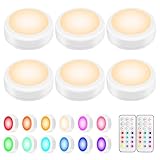
- Battery-operated LED puck lights (remote controlled)
- Clear acrylic drawer organizers for coffee pods and tea bags
- High-quality furniture paint and new drawer pulls
- Decorative serving tray to protect the top surface
- Tension rod and curtain (optional, to replace closet doors)
Step-by-Step Directions
- Measure the absolute narrowest part of your closet (usually right at the baseboards or door frame hinges) to ensure your selected dresser will actually slide in.
- Remove the closet doors and store them safely under your bed or in a basement to ensure you get your security deposit back.
- Refurbish your dresser outside the closet by sanding the top surface, painting the base, and updating the hardware.
- Slide the finished dresser directly into the closet—it will instantly look like a custom built-in cabinet.
- Stick battery-operated, remote-controlled LED puck lights to the ceiling of the closet or underside of the existing wire shelving to create ambient lighting without wiring.
- Organize all your coffee pods, stirring spoons, and napkins into clear acrylic dividers hidden away in the top drawers of the dresser.
Pro-Tip: Protect the top of your vintage dresser from water rings and coffee stains by placing your coffee maker inside a large, stylish decorative tray. If spills happen, the tray catches them before they ruin the wood veneer! Furthermore, checking your measurements against the baseboards—not just the drywall width—is a critical step most beginners forget.
Key Takeaways: Your Quick Guide to Closet Coffee Bar Ideas
Before you grab a sledgehammer or start ordering custom cabinetry, it is vital to synthesize the closet coffee bar ideas summary into actionable principles. Whether you are executing a full demolition or styling a renter-friendly setup, successful DIY coffee station takeaways revolve around smart spatial planning and electrical safety. The following coffee nook essentials act as your mental checklist to ensure your project is structurally sound, visually pleasing, and safe from moisture damage.
Key Takeaways:
- Plan for Power First – Unless you are strictly making pour-over coffee, you will need a grounded electrical outlet inside the closet. Hiring an electrician to pull a wire from a nearby room is the safest first step in your DIY journey.
- Protect Against Moisture and Steam – Coffee makers generate significant heat and steam. Protect your closet walls with moisture-resistant semi-gloss paint, and always seal wood countertops with water-based polyurethane, not just mineral oil.
- Anchor Heavy Items Properly – A collection of ceramic mugs and a heavy espresso machine require substantial support. Always anchor floating shelf brackets and base cabinets directly into the wooden wall studs, never relying solely on drywall anchors.
- Ventilation is Mandatory for Appliances – If you choose to incorporate a mini-fridge into built-in lower cabinetry, you must purchase a specific “front-venting” model to prevent the compressor from overheating inside the enclosed space.
- Renters Have Options, Too – You don’t need to demolish a closet to transform it. Removing the doors and sliding a perfectly measured, upcycled dresser into the space provides a custom built-in look with zero damage to the property.
People Also Ask About Closet Coffee Bars
As you move from inspiration to planning, you likely have specific logistical questions regarding plumbing, electrical safety, and standard dimensions. Understanding exactly how to build a closet coffee bar requires addressing these common hurdles head-on. By resolving these technical questions about coffee stations, you can avoid costly mistakes and execute your DIY coffee nook FAQs with professional-level confidence.
How much does it cost to build a closet coffee bar?
A DIY closet coffee bar typically costs between $300 and $1,500, depending on the materials and appliances you choose.
If you repurpose an old dresser and use peel-and-stick wallpaper, you can easily keep the budget under $300. However, if you are installing custom stock cabinetry, a quartz countertop, purchasing a front-venting mini-fridge, and paying an electrician to install an outlet, your costs will trend closer to the higher end of the spectrum.
Can you put a coffee maker inside a closet?
Yes, you can safely put a coffee maker in a closet as long as there is adequate ventilation and clearance for steam.
Standard drip coffee makers and espresso machines release upward steam that can damage drywall and warp low-hanging shelves over time. To prevent this, ensure there is at least 18 to 20 inches of clearance above the machine. Alternatively, place the coffee maker on a sliding appliance tray so you can pull it forward out of the closet enclosure while it brews.
How deep should a coffee bar counter be?
The ideal depth for a coffee bar counter is between 18 and 24 inches to comfortably accommodate a coffee machine and prep space.
Standard kitchen counters are 24 inches deep, which works perfectly if your closet is deep enough. If you are working with a shallow coat closet, an 18-inch depth is the absolute minimum required to fit most standard espresso machines, drip brewers, and grinders while still allowing the closet doors to close properly.
Do I need a water line for a coffee station?
No, a dedicated water line is not strictly required for a home coffee station, though it is a luxurious convenience.
Most standard home espresso machines and drip coffee makers have built-in water reservoirs that you can easily refill with a pitcher. Plumping a direct water line is only necessary if you are purchasing high-end, commercial-grade espresso machines, or if you want a built-in small sink for rinsing mugs, which will significantly increase the project’s complexity and cost.
How do you hide the cords on a coffee bar?
The best way to hide cords on a coffee bar is to drill a small grommet hole through the countertop directly behind the appliance.
You can route the power cords down through the countertop and plug them into an outlet hidden inside the lower cabinetry. If your outlet is above the counter, bundle the cords tightly with zip ties and conceal them behind aesthetic elements like leaning cutting boards, tall coffee canisters, or strategically placed potted plants.
What is the best paint finish for a coffee nook?
The best paint finish for a coffee bar is semi-gloss or satin, as these finishes are moisture-resistant and easily wipeable.
Coffee stations are prone to liquid splashes, dark syrup drips, and steam. Flat or matte wall paint will quickly absorb coffee stains and show watermarks from steam. Using a highly durable, washable semi-gloss paint ensures that when inevitable splashes happen, you can wipe the wall clean with a damp cloth without removing the paint.
Can I put a regular mini fridge in a cabinet?
No, you cannot safely put a standard freestanding mini fridge inside a tight cabinet enclosure.
Standard mini-fridges disperse their heat through the back and side walls. If enclosed in cabinetry, that heat cannot escape, causing the compressor to overwork, eventually breaking the appliance and posing a fire risk. You must specifically purchase a “front-venting” built-in beverage cooler designed for enclosed spaces.
Do I need to remove my closet doors?
Removing closet doors is optional but highly recommended if you want to display your coffee bar as a design feature in your home.
Removing bi-fold or sliding doors opens up the space, making the room feel larger and allowing you to showcase your design work. However, keeping the doors is an excellent choice if your goal is a minimalist aesthetic where kitchen clutter can be completely hidden away when guests arrive.
How high should floating shelves be above a coffee bar?
The first floating shelf should be installed approximately 18 to 20 inches above the countertop surface.
This standard measurement provides enough vertical clearance to easily operate tall appliances like drip coffee makers with top-opening lids, or espresso machines with tall hoppers. Any subsequent shelves above the first one should be spaced 12 to 15 inches apart to accommodate tall mugs and coffee bean canisters.
What kind of lighting is best for a dark closet coffee bar?
Under-cabinet LED puck lights or LED strip lighting are the best options for illuminating a dark closet coffee bar.
Because closets rarely have overhead lighting perfectly positioned for a countertop, shadows can make the space feel cramped. Installing battery-operated or plug-in LED strips directly under the lowest floating shelf provides excellent task lighting for making coffee, while simultaneously creating a warm, high-end ambient glow.
Final Thoughts on Transforming Your Space
Creating a DIY home coffee station is one of the most rewarding home improvement projects you can tackle in 2026. It perfectly bridges the gap between form and function—reclaiming wasted square footage in your home while instantly elevating your daily morning routine. You no longer have to tolerate a cluttered kitchen counter or a coat closet that only collects junk. By executing one of these stunning coffee nook inspiration designs, you are literally building a small daily luxury into the architecture of your home.
Whether you decide to tackle a full custom built-in with a front-venting mini fridge, or you opt for the brilliant renter-friendly dresser hack, the key to a professional finish is in the preparation. Take your time measuring your dimensions carefully, never skip the polyurethane sealer on wood surfaces, and always anchor heavy shelves securely into the wall studs. A well-planned project guarantees a gorgeous result that looks like it was installed by a high-end interior designer.
Now it’s time to measure your space, pick your favorite aesthetic from our closet coffee bar ideas conclusion, and start gathering your materials. What approach fits your lifestyle best? Are you leaning toward the moody arched nook or the sleek minimalist floating shelves? Let us know your plans and questions in the comments below!
Last update on 2026-10-26 / Affiliate links / Images from Amazon Product Advertising API
