
As an Amazon Associate CoffeeXplore.com earns from qualifying purchases.
Easy Blue Tea Recipe: 5 Color-Changing Butterfly Pea Drinks
Have you ever brewed a cup of herbal infusion only to be disappointed by a dull, uninspired color? Discovering an authentic blue tea recipe solves the problem of boring beverages by offering a visually stunning, all-natural alternative.
To make a basic blue tea recipe, bring 1 cup of filtered water to a boil, then remove from heat. Add 1 teaspoon of dried butterfly pea flowers to the water and steep for 5 minutes until vibrant blue, then strain and serve. This simple method extracts maximum benefits without bitterness.
Drawing from comprehensive botanical analysis and traditional Ayurvedic pharmacology, this guide explores the scientifically proven properties of Clitoria ternatea. You will discover exactly how to brew five distinctive variations that maximize both aesthetic appeal and holistic wellness. Let’s master these magical, color-changing drinks today.
Contents
show
How To Make The Perfect Blue Tea Recipe At Home For Health And Wellness
Mastering how to make blue tea starts with understanding its primary ingredient: the spectacular Clitoria ternatea flower. Also known as butterfly pea, Aparajita in India, and Anchan in Thailand, this remarkable botanical produces a deep indigo hue completely naturally. Unlike artificial dyes that dominate modern beverages, an authentic blue tea recipe relies solely on steeped tea petals and boiling water to release powerful antioxidants called anthocyanins.
It is important to note that butterfly pea flower tea is entirely different from blue lotus. While blue lotus is a water lily known for its mild psychoactive properties, butterfly pea is a nutrient-dense legume prized in Ayurvedic medicine for holistic wellness. By learning the proper techniques, you can easily transform these delicate petals into a vibrant, health-boosting daily ritual that perfectly balances aesthetic charm with clean-label nutrition.
5 Color-Changing Butterfly Pea Drinks
The incredible versatility of the butterfly pea flower extends far beyond a simple cup of hot tea. Because of its mild taste and remarkable pH sensitivity, it serves as the ultimate base for a wide variety of modern and traditional beverages. Whether you are craving a comforting wellness brew or a highly Instagrammable cafe-style drink, you can adapt this botanical into hot tea, refreshing iced lemonade, creamy lattes, and even sophisticated mocktails.
By utilizing different botanical states—from dried petals and fresh flowers to micro-milled butterfly pea powder—you can control the intensity of your beverage’s color and nutrient profile. The following five recipes combine precise water temperatures and strategic flavor enhancers like lemon juice, ginger, honey, and coconut milk to help you extract the perfect cup every single time.
1. Classic Hot Blue Tea (The Standard Brew)

Pin this classic brewing method to your “Healthy Teas” board!
The foundation of all butterfly pea beverages is the standard blue tea brew. This foolproof method focuses on extracting the maximum amount of color and health benefits from the dried butterfly pea flowers without compromising their delicate structure. Since the liquid boasts a naturally earthy flavor with very mild woody notes, temperature control is essential to prevent the brew from tasting overly vegetal.
Ingredients
- 1 tbsp organic dried butterfly pea flowers (culinary grade, non-toxic dye free)
- 2 cups filtered water (heated to 205°F)
- 1 tsp raw honey or stevia (optional, for sweetening)
- Optional: 1 slice of lemon (to trigger the pH sensitive color change later)
Instructions
- Boil the filtered water using a temperature-controlled kettle or stovetop until it reaches about 205°F, just shy of a rolling boil.
- Place the dried petals into a glass teapot or directly into your favorite mug.
- Pour the hot water over the flowers, ensuring they are completely submerged.
- Steep for exactly 5 minutes. Watch as the water transforms into a brilliant, translucent blue.
- Strain the blue tea leaves from the liquid.
- Sweeten with honey while warm, and serve immediately to enjoy its woody notes and earthy flavor.
Pro-Tip: In my experience studying Ayurvedic pharmacology, steeping the flowers for longer than 10 minutes doesn’t increase the health benefits; it only risks breaking down the delicate anthocyanins (the antioxidants responsible for the color) and making the tea taste overly vegetal.

2. Magical Color-Changing Iced Lemonade

Save this magical color-changing trick for your next summer party!
If you are looking for a refreshing blue iced tea recipe for summer, this color changing tea is guaranteed to impress your guests. By combining concentrated blue tea + lemon, you trigger a fascinating chemical reaction. The visual transformation is completely natural, offering a stunning and healthy alternative to sugary lemonades packed with artificial food coloring.
Ingredients
- 1/2 cup concentrated butterfly pea drink (brewed double strength and cooled)
- 1/2 cup fresh lemon juice or lime juice
- 1 cup cold water or sparkling water
- 2 tbsp liquid sweetener (honey, agave, or simple syrup)
- 1 cup ice cubes
- Fresh mint leaves and lemon wheels (to garnish)
Instructions
- Brew a strong batch of blue tea (using 2 tablespoons of flowers per cup of water) and chill it in the refrigerator until completely cold.
- Mix the freshly squeezed lemon juice, cold water, and liquid sweetener in a separate pitcher until the sweetener dissolves.
- Fill your tall ribbed aesthetic glasses to the brim with ice cubes.
- Pour the sweetened lemon water into the glasses, filling them about two-thirds of the way up.
- Pour the chilled blue tea concentrate slowly over the ice to top off the glass.
- Watch the magic happen as the blue liquid hits the acidic lemon base, instantly changing from deep indigo to neon magenta.
- Garnish with a sprig of fresh mint and a lemon wheel before serving.
Pro-Tip: The magic behind this is purely scientific. Butterfly pea flowers are highly pH sensitive. The specific ternatins in the flower act as natural pH indicators. When they synergize with citrus (an acid), the pH level drops, altering the molecule’s structure and shifting the color from blue to purple or pink!

3. Creamy Blue Matcha-Style Latte

Love cafe drinks? Pin this caffeine-free blue latte to your aesthetic drink board!
Creating a visually striking blue latte recipe at home is easier than you might think. By substituting whole flowers with finely milled butterfly pea powder, you can replicate the exact texture of a traditional matcha latte. Because this vibrant pastel beverage is completely caffeine-free, it serves as the perfect natural sleep aid and evening relaxation drink.
Ingredients
- 1 tsp butterfly pea powder (micro-milled, organic)
- 2 oz hot water (not boiling, around 175°F)
- 1 cup milk of choice (coconut milk or oat milk froth best)
- 1/2 tsp vanilla extract
- 1 tsp maple syrup or agave
Instructions
- Sift the butterfly pea powder into a wide, flat-bottomed mug or matcha bowl to prevent clumps.
- Pour the 2 ounces of hot water over the powder.
- Whisk vigorously using a bamboo chasen or an electric milk frother until the powder is completely dissolved and a slight blue paste forms.
- Heat and froth your coconut milk in a separate pitcher until it achieves a silky, micro-foam texture.
- Mix the vanilla extract and maple syrup into the blue tea concentrate.
- Pour the steamed milk slowly over the blue base, holding back the foam until the end to create beautiful, cloud-like latte art.
Pro-Tip: Using high-quality powder instead of steeped flowers gives you a much higher concentration of proanthocyanidins. Because you are consuming the actual ground plant matter (similar to traditional green matcha), the bioavailability of the nutrients is significantly higher, promoting better collagen production for your skin.

4. Ayurvedic Lemongrass & Ginger Infusion (Anchan / Aparajita)

Save this traditional Ayurvedic healing tea to your wellness routine board!
Rooted deep within South and Southeast Asian wellness traditions, this infusion utilizes the profound synergy of butterfly pea + lemongrass and ginger. This specific Aparajita flower tea blend acts as a holistic powerhouse specifically formulated to promote digestive health and alleviate stress. It provides a warming, aromatic experience that balances the body naturally.
Ingredients
- 1 tbsp dried aparajita flower tea (butterfly pea)
- 3 slices fresh ginger root (peeled)
- 1 stalk fresh lemongrass (bruised and cut into 2-inch pieces)
- 2.5 cups filtered water
- 1 tsp raw honey (optional)
Instructions
- Prepare your fresh herbs by thoroughly washing the ginger and using the back of a knife to gently smash (bruise) the lemongrass stalk, which releases its essential oils.
- Boil the filtered water in a stovetop-safe glass teapot or a small saucepan.
- Simmer the ginger slices and bruised lemongrass in the boiling water for 3 to 4 minutes to extract their bold flavors.
- Remove the pot from the heat and add the dried blue flowers to the hot liquid.
- Infuse the mixture for an additional 4 to 5 minutes until the water becomes a deep, rich indigo.
- Strain the tea into mugs. The resulting brew will be exceptionally aromatic with a warming, spicy kick.
Pro-Tip: In traditional Ayurvedic medicine, this exact blend of Aparajita (butterfly pea) and ginger is revered for its pharmacological properties. It acts as a powerful anti-inflammatory agent and supports healthy digestion, making it an ideal post-meal beverage to help manage blood sugar control naturally.
5. Spiced Blue Herbal Mocktail

Elevate your weekend with this stunning, alcohol-free blue mocktail! Pin it for later!
When entertaining, this sophisticated butterfly pea drink serves as the ultimate centerpiece. By infusing the tea with aromatic cinnamon sticks and topping it with carbonation, you elevate basic mocktail recipes into true molecular mixology. It provides a dazzling aesthetic without resorting to the sugary, artificial syrups found in conventional bartending.
Ingredients
- 3 oz cold-brewed blue herbal infusion (strongly brewed butterfly pea tea, chilled)
- 1 cinnamon stick
- 1 whole star anise
- 1/2 oz simple syrup
- 3 oz sparkling water or tonic water
- Ice spheres or large ice cubes
- Lime twist (for garnish)
Instructions
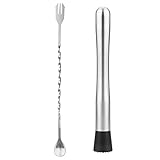
- Muddle the simple syrup with a small chip of the cinnamon stick and the star anise in the bottom of a cocktail shaker to release the aromatic oils.
- Pour the chilled blue herbal infusion into the shaker.
- Fill the shaker with standard ice and stir gently for 15 seconds to chill and dilute slightly.
- Strain the magnificent blue liquid over a large, clear ice sphere into a crystal coupe or rocks glass.
- Top the glass off with crisp sparkling water or tonic. (Note: if your tonic contains citric acid, expect a slight, beautiful color gradient shift!).
- Garnish by lighting the end of your remaining cinnamon stick briefly for a smoky aroma, and express the oils from a lime twist over the rim of the glass.
Pro-Tip: If you love entertaining, using butterfly pea flower is the ultimate alternatives to artificial food coloring. Unlike synthetic dyes or Blue Curaçao, this non-toxic dye provides a completely natural, sugar-free vibrant hue while adding a sophisticated, earthy undertone to your molecular mixology creations.
Key Takeaways: Your Quick Guide to Blue Tea Recipe
If you are short on time and simply want to master the fundamentals of brewing the perfect cup, understanding the core botanical rules will ensure success every time. Review these critical insights to guarantee your home-brewed creations are both visually stunning and nutritionally intact.
- Mind Your Water Temperature: Boiling water that is too hot can destroy the delicate anthocyanins; always steep your butterfly pea flower tea at around 205°F for exactly 5 minutes for the perfect earthy flavor.
- Master the Color Change: The flower is highly pH sensitive. Adding acidic ingredients like lemon or lime juice will instantly shift your blue tea recipe from a deep cobalt blue to a vibrant magenta or purple.
- Embrace the Health Benefits: Rich in antioxidants, daily consumption supports weight management, stress reduction, and provides a cognitive boost without the jitters, as it is naturally caffeine-free.
- Powder vs. Whole Flowers: Using finely milled butterfly pea powder in a blue latte recipe increases nutrient bioavailability since you are consuming the whole plant, similar to green matcha.
- Always Verify Your Source: Ensure you are buying culinary-grade, organic blue tea to avoid pesticides. Also, do not confuse it with Blue Lotus, which is an entirely different plant with different pharmacological properties.
People Also Ask About Blue Tea Recipe
As interest in natural wellness and clean-label beverages grows throughout September 2026, many new brewers have questions about safety, flavor, and traditional uses. Drawing from clinical studies and Ayurvedic medicine, we have compiled the definitive answers to the most common queries regarding this fascinating botanical.
What is blue tea?
Blue tea is a caffeine-free herbal infusion made from the dried petals of the Clitoria ternatea plant, commonly known as the butterfly pea flower.
Originating in Southeast Asia, this vibrant floral tisane is celebrated for its brilliant cobalt color, earthy taste, and high concentration of antioxidants. In India, it is widely known as Aparajita flower tea, while in Thailand it is referred to as Anchan tea.
Does blue tea change color?
Yes, blue tea changes color from deep blue to purple or pink when exposed to acidic ingredients like lemon or lime juice.
The flower contains specific antioxidants called ternatins, which act as a natural pH scale indicator. When the pH level of the beverage drops due to the added citrus, the molecular structure shifts, causing a stunning visual transformation that makes it popular in mocktail recipes.
What does blue tea taste like?
Blue tea has a very mild, earthy, and slightly woody flavor profile, similar to a light green tea or chamomile, but without any bitterness or astringency.
Because the flavor is so subtle, it acts as a perfect canvas for other ingredients. People frequently pair butterfly pea + lemongrass, ginger, or honey to enhance its natural taste while retaining its incredible bright blue aesthetic.
Is blue tea good for weight loss?
Blue tea may support weight management by acting as a natural diuretic and helping to regulate blood sugar levels, though it is not a magic cure.
Clinical studies suggest that the anthocyanins in the tea can help inhibit glucose absorption. Furthermore, because it is naturally low calorie and sugar-free, substituting sugary sodas with a blue iced tea can significantly aid in maintaining a healthy diet.
Is butterfly pea tea safe to drink every day?
Yes, butterfly pea tea is generally considered botanically safe and non-toxic for daily consumption for most healthy adults.
In Ayurvedic medicine, it has been consumed safely for centuries. However, because it can have mild diuretic properties and may affect blood sugar, pregnant women or individuals on diabetes medication should consult a health professional before making it a heavy part of their daily routine.
Are blue tea and blue lotus tea the same thing?
No, blue tea and blue lotus tea are entirely different plants with different effects.
Blue tea comes from the Clitoria ternatea legume family and is primarily consumed for its antioxidants and color. Blue lotus (Nymphaea caerulea) is a water lily that contains mild psychoactive alkaloids historically used for deep relaxation and lucid dreaming. They should not be used interchangeably.
How many flowers do I need for one cup of blue tea?
For a standard 8-ounce cup of tea, you need about 1 teaspoon of dried butterfly pea flowers, which equals roughly 5 to 7 whole dried petals.
If you want a deeper, more concentrated deep indigo hue for natural food coloring in baking or lattes, you can double the dosage to 2 tablespoons, steeping it longer to extract more of the natural dye.
Does blue tea help with memory and brain health?
Traditional Ayurvedic pharmacology highly regards butterfly pea for its nootropic properties, meaning it may help support cognitive function and memory.
The plant is believed to reduce oxidative stress in the brain and boost acetylcholine levels, which are vital for communication between nerve cells. While more modern human trials are needed, its historical use for an anxiety relief and cognitive boost is well documented.
How do I make blue tea powder from fresh flowers?
To make blue tea powder at home, harvest fresh butterfly pea flowers, dry them completely, and grind them into a fine dust.
First, rinse the freshly picked flowers, then dry them using a food dehydrator or by leaving them in a warm, dark, well-ventilated space for several days. Once brittle, pulse them in a high-speed spice grinder until they become a micro-milled organic blue tea powder.
Is blue tea better than green tea?
Neither tea is strictly better; they offer different health benefits based on their unique phytochemical profiles.
Green tea contains caffeine and EGCG, making it excellent for energy and metabolism. Blue tea vs green tea comparisons favor blue tea for those seeking a caffeine-free option that offers natural sleep aid properties, high anthocyanin content for skin health, and a gentler effect on the stomach.
Final Thoughts on Blue Tea Recipe
Mastering a perfect homemade blue tea recipe is one of the easiest and most rewarding culinary projects you can undertake. Whether you are seeking the traditional Ayurvedic benefits of a hot Aparajita flower tea to aid in stress reduction, or you simply want to impress your guests with a magical, color-changing iced lemonade, the versatile butterfly pea flower delivers on all fronts.
By choosing natural blue tea, you are actively stepping away from artificial food dyes and embracing a scientifically proven, antioxidant-rich botanical that has been cherished in Asian cultures for centuries. Remember to respect the precise steeping times and water temperatures we covered to ensure you extract the maximum health benefits without compromising that delicate, earthy flavor.
Now that you have these five foolproof recipes in your repertoire—from creamy lattes to spiced mocktails—it’s time to start brewing! Which of these vibrant, caffeine-free creations are you going to prepare first? Let me know your favorite preparation method, and don’t forget to share your magical color-changing photos!
Last update on 2026-09-09 / Affiliate links / Images from Amazon Product Advertising API
