
As an Amazon Associate CoffeeXplore.com earns from qualifying purchases.
Kashmiri Chai Pink Tea Recipe: 7 Secrets to Vibrant Color
Have you ever tried brewing a homemade kashmiri chai pink tea recipe? It is incredibly frustrating when your carefully brewed tea turns muddy brown instead of vibrant pink. You just want that perfect, authentic color.
To make an authentic Kashmiri chai pink tea recipe, boil 3 tablespoons of specific Kashmiri green tea leaves with exactly 1/4 teaspoon of baking soda and 2 cups of water until reduced by half. Shock the hot concentrate with 2 cups of ice cold water, vigorously aerate for 10 minutes, and add full-fat milk.
Drawing from comprehensive culinary analysis and proven South Asian methodologies, this guide reveals the exact science behind the color change. You will discover the flawless technique for mastering this traditional beverage. Follow these exact steps to achieve a stunning, photogenic brew every single time.
Contents
show
How Do You Make The Perfect Kashmiri Chai Pink Tea Recipe?
The perfect Kashmiri chai is made by balancing the pH level of specific green tea leaves with baking soda, executing a rapid temperature shock, and manually aerating the liquid to produce a vivid pink hue naturally.
Understanding the science behind the authentic kashmiri chai is what separates a failed, muddy brew from a spectacular, vibrant beverage. This hot beverage originates directly from the Kashmir Valley and is universally renowned for its creamy texture and unique salty flavor. The traditional Kashmiri tea leaves (Camellia sinensis) require a highly specific chemical reaction to release their pigment. You must use baking soda to neutralize the water’s acidity, creating an alkaline environment. When this hot, alkaline extract is subjected to forceful aeration and ice cold water, it triggers a stunning visual transformation.
Many home cooks struggle with achieving this color, often resorting to artificial food dyes or ending up with a soapy flavor from soda. By mastering the kashmiri tea aeration process and strictly adhering to precise measurements, you guarantee an authentic result. We will explore the precise ph level chemistry and the original Noon Chai method so you understand exactly why each step is absolutely mandatory for success.
7 Secrets to Vibrant Color in Your Authentic Kashmiri Chai
Creating the best kashmiri chai recipe at home is entirely dependent on mastering seven specific techniques. The entire process maps a fascinating culinary journey from dry kashmiri green tea and baking soda through intense boiling, temperature shocking, and vigorous whisking. When these steps are executed flawlessly, you are rewarded with a frothy top and a beautiful pinkish hue that blooms the moment you add dairy.
In this guide, we break down the complex authentic kashmiri method into seven actionable, foolproof secrets. Whether you want to enjoy a traditional gulabi chai or simply crave a pink tea without food color, these detailed steps will prevent the dreaded scenario where your tea fails to change color. From maintaining the perfect kashmiri chai milk ratio to executing the mandatory simmering and aerating stages, this framework guarantees a delicious and visually stunning result.
1. Sourcing Authentic Kashmiri Pink Tea Leaves

Save this essential ingredient guide to your “Authentic Recipes” board!
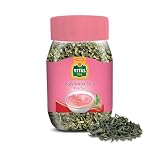
The foundation of any authentic noon chai recipe relies entirely on sourcing genuine kashmiri pink tea leaves. These leaves belong to a highly specific camellia sinensis variety kashmir that possesses a unique tannin and polyphenol profile. Standard grocery store green tea simply does not contain the right chemical structure to yield the vibrant pink color when exposed to alkaline water. Sourcing genuine leaves alongside high-quality green cardamom and star anise is the first non-negotiable step to building those foundational aromatic spices.
Ingredients
- 3 tablespoons of authentic loose Kashmiri tea leaves (look for rolled, dark green leaves, not standard green tea bags)
- 4-5 whole green cardamom pods, gently cracked open
- 1 whole star anise (adds a subtle licorice note essential for the authentic taste)
- 1 small cinnamon stick (optional, for warming spice notes)
- 2 cups of filtered cold tap water for the initial boil
Instructions
- Measure your loose tea leaves accurately, ensuring you are not using overly aged or stale leaves, as the chlorophyll breakdown will hinder the color reaction.
- Crack the cardamom pods slightly using a mortar and pestle or the flat side of a knife to expose the fragrant seeds inside.
- Combine the tea leaves, cracked cardamom, star anise, and cinnamon stick in a heavy-bottomed, deep stainless steel pot.
- Pour in the 2 cups of cold filtered water, preparing the leaves for the initial extraction phase.
Pro-Tip: In my experience studying the molecular gastronomy of tea, sourcing gunpowder green tea can serve as the best substitute for kashmiri tea leaves in an absolute pinch, but genuine Kashmiri leaves have a specific tannin structure that interacts best with alkalinity to produce that signature vibrant pink color.
2. Measuring the Precise Baking Soda Ratio

Pin this crucial baking soda ratio trick so you never get a soapy-tasting tea!
Adding a precise teaspoon sodium bicarbonate is the chemical catalyst that makes this recipe possible. The baking soda strictly neutralizes acidity in the water and reacts with bicarbonate to initiate the delicate color-changing process. When comparing baking soda vs food coloring, the natural chemical method is always superior for an authentic experience. However, adding even a fraction too much will immediately result in an undrinkable, soapy beverage.
Ingredients
- Exactly 1/4 teaspoon fresh baking soda (sodium bicarbonate) – ensure it is not expired!
- The prepared pot of water and tea leaves from step one
- Note: Do not substitute with baking powder under any circumstances.
Instructions
- Level your 1/4 measuring spoon perfectly flat using the back of a knife; an overflowing mound will result in a disastrously bitter and soapy brew.
- Add the precisely measured baking soda into the pot with the cold water, tea leaves, and spices before turning on the heat.
- Stir gently to ensure the fine powder dissolves completely and distributes evenly throughout the water.
- Prepare your stovetop, keeping in mind that the alkaline water will foam aggressively once it begins to boil.
Pro-Tip: The goal here is perfecting the ph level. The baking soda + pink color reaction requires a pH of around 8.5. Using heavy-duty, highly accurate measuring spoons is non-negotiable—eyeballing this ingredient is why most first-timers end up with unpalatable tea! Understanding these ph sensitive pigments is the true science of pink tea.

3. Boiling Down the Tea Concentrate

Save this simmering technique for the richest tea extraction!
The art of boiling down and reducing the liquid is what forces the deep tannin extraction from the boiled tea leaves. This extended boiling phase fundamentally transforms the green leaves and spices into a dark, highly concentrated amber liquid. Following this traditional preparation requires patience, as rushing the process prevents the necessary protein-tannin interactions from developing. Be vigilant, as over-boiling tea leaves past their reduction point creates a harsh bitterness that leads to a difficult bitter taste fix later on.
Ingredients
- The tea, spice, water, and baking soda mixture prepared in the previous steps
- A heavy-bottomed 2-quart stainless steel saucepan (distributes heat evenly and prevents scorching)
Instructions
- Place the saucepan on the stove over medium-high heat and bring the mixture to a rolling boil. You will see it foam up immediately due to the baking soda.
- Reduce the heat to medium-low, allowing the tea to maintain a steady, active simmer.
- Simmer the mixture for approximately 15 to 20 minutes without a lid.
- Monitor the liquid level closely; you are boiling down the water until it is reduced by exactly half (leaving about 1 cup of dark liquid).
- Observe the color—it should transform from a muddy green to a deep, dark amber or reddish-brown hue. This indicates successful tannin extraction.
Pro-Tip: Never use an aluminum pot for this step. The alkaline cooking environment can react with reactive metals, stripping the pot and giving your traditional kashmiri brew a metallic, greyish tinge instead of a vibrant ruby red base.


4. Shocking with Ice Cold Water

Pin this ice water shock trick to your kitchen hacks board—it’s the real secret to pink tea!
Introducing ice cold water into the boiling pot is a vital culinary technique known as shocking the tea. This extreme temperature drop creates chemical reaction within the hot concentrate, instantly altering the state of the polyphenol oxidase compounds. This specific ice water + oxidation dynamic is the catalyst that prepares the brew for rapid aeration-induced oxidation. Skipping this step, or simply using room temperature tap water, is the leading reason home cooks end up with a brown beverage.
Ingredients
- 2 to 3 cups of ice cold water (keep a pitcher in the fridge or use water heavily chilled with ice cubes)
- The reduced, dark amber tea concentrate on the stove
Instructions
- Prepare your ice cold water just as the tea concentrate reaches the halfway reduction point. The colder the water, the better the reaction.
- Pour 2 cups of the freezing water forcefully directly into the boiling hot tea concentrate.
- Observe the immediate thermal shock; the liquid’s temperature will plummet instantly, which is exactly what you want.
- Return the pot to a simmer immediately, preparing for the most physically demanding step of the recipe.
Pro-Tip: Among professional expert tea brewing tips, the “Science Behind the Pink Color” relies entirely on this step. Shocking with ice water traps the extracted polyphenols, forcing a rapid oxidation process when you begin whisking. If you use standard tap water, the chemical reaction stalls, and you’ll end up with a dull brown tea instead of pink.

5. Aerating the Brew (The Phatka Technique)

Save this traditional aeration technique to achieve that magical color change!
Vigorously aerating the shocked liquid through the traditional “Phatka” method is what finally produces pink pigment in the pot. By repeatedly scooping and pouring the hot liquid from a height, you are causing hydrodynamic cavitation, which rapidly forces oxygen molecules into the alkaline tea base. This prolonged shaking + aeration directly causes the kashmiri chai color reaction to finalize, turning the amber water into a deep, frothy maroon. A lack of aeration here will invariably leave you with a highly disappointing pale pink color.
Tools Required
- A traditional long-handled stainless steel soup ladle or a heavy-duty wire whisk
- Your simmering, recently shocked tea concentrate
Instructions
- Scoop a ladle full of the hot tea concentrate from the pot.
- Lift the ladle high above the pot (about 12 to 18 inches) and violently pour the liquid back down into the pot.
- Repeat this scooping and pouring action (known traditionally as phatka) continuously for 10 to 15 minutes. Alternatively, vigorously whisk the liquid.
- Watch as the aeration introduces oxygen into the liquid. You will see the foam turning slightly pinkish, and the liquid itself will transform into a deep, dark burgundy or maroon color.
- Stop aerating once the liquid is a rich dark red and a thick, frothy lather has developed on top.
Pro-Tip: The science behind the color reaction during this phase is pure hydrodynamic cavitation. By lifting and pouring the tea, you are vigorously forcing oxygen into the alkaline tea molecules. Mastering the technique triggers the final stage of the anthocyanin reaction, ensuring your tea will blossom into a vivid pink when dairy is added.

6. Adding the Full Fat Milk for Milky Consistency

Pin the magic moment your tea turns vibrant pink!
The visual magic of this recipe happens the second you introduce full fat milk into the dark red concentrate. The dairy acts as a diluting agent, dramatically shifting the dark maroon hue into a stunning pastel pink, while simultaneously providing the rich milky consistency this winter tea is known for. Using whole milk or traditional heavy cream ensures an incredibly velvety mouthfeel that skim milks simply cannot replicate. Properly balancing flavors and carefully avoiding milk curdling during this step elevates the drink to a professional level.
Ingredients
- 2 to 3 cups of full fat milk (whole milk yields the best results)
- 2 tablespoons of heavy cream or traditional malai (optional, for an extra rich creamy texture)
- The completed dark red tea concentrate (strained to remove the loose leaves and spices)
Instructions
- Strain the dark red tea concentrate through a fine-mesh sieve into a clean pot or pitcher, discarding the boiled leaves and whole spices.
- Heat your full fat milk gently in a separate saucepan until it is warm, but do not let it reach a rolling boil to prevent scalding.
- Pour the warm milk slowly into the strained tea concentrate.
- Stir gently, watching the magic happen as the dark maroon liquid instantly dilutes into a stunning, opaque vibrant pink color.
- Adjust the color by adding more milk if the pink is too dark, or adding a splash of heavy cream for a truly velvety mouthfeel.
Pro-Tip: In traditional Pakistani breakfast items, the fat content of the milk is non-negotiable. Using low-fat or milk powder will result in a watery, pale beverage. If you want a truly shahi kashmiri chai (royal tea) experience inspired by a traditional family recipe, use half whole milk and half evaporated milk for unparalleled richness.

7. Garnishing with Crushed Nuts and Sea Salt

Save this authentic garnish guide for the perfect savory tea experience!
To complete the authentic taste of this iconic beverage, you must finalize the cup with a generous garnish of crushed nuts and a pinch of fine sea salt. While modern variations lean heavily toward sugar, the historic meaning of noon chai literally translates to “salt tea,” demanding a distinct salty flavor and savory profile. Perfecting the noon chai salt amount and topping the foam with brightly colored pistachios and almonds ties the entire visual and culinary experience together beautifully.
Ingredients
- 1/4 teaspoon fine sea salt (or to taste, strictly required for authentic Noon Chai)
- 2 tablespoons sugar (optional, for modern sweet Gulabi Chai variations)
- 2 tablespoons unsalted pistachios, finely crushed
- 2 tablespoons blanched almonds, finely chopped
- A few saffron strands (optional, for a luxurious touch)
Instructions
- Crush your nuts fresh using a mortar and pestle; pre-ground nuts lose their oils and vibrant green color quickly.
- Pour the hot, pink, milky tea into your serving cups.
- Stir in your sea salt slowly. Start with a tiny pinch per cup, taste, and adjust. (If you prefer a sweet drink, add sugar instead).
- Sprinkle a generous spoonful of the crushed nuts over the frothy top of each cup.
- Serve immediately alongside traditional baked goods like bakarkhani or kulcha for a complete South Asian tea culture experience.
Pro-Tip: Addressing the great sugar vs salt kashmiri chai debate: the word “Noon” means salt in several South Asian languages. While sweet pink latte versions are popular at Western weddings, honoring the original kashmiri style means embracing the savory, buttery profile. Adjusting salt carefully ensures it dissolves perfectly without overpowering the delicate spices!

Key Takeaways: Your Quick Guide to Kashmiri Chai Pink Tea Recipe
The secret to a flawless Kashmiri tea lies in executing the chemical reaction perfectly: using the right leaves, exact baking soda measurements, rigorous aeration, and a dramatic ice-water shock to coax out the pink pigment naturally.
This kashmiri chai overview distills the complex art of kashmiri chai into immediate, actionable bullet points. If you are ever in a rush or need to quickly reference the pink tea recipe key points to ensure your next batch is a success, rely on these foundational principles of the authentic kashmiri chai methodology.
Key Takeaways:
- Use Genuine Ingredients: True authentic Kashmiri chai cannot be made with standard green tea bags; you must source loose, rolled Kashmiri tea leaves (Camellia sinensis) for the proper polyphenol profile.
- Precision is Everything: Do not eyeball the baking soda. Exactly 1/4 teaspoon is required to achieve the perfect sodium bicarbonate alkalinity; too much will ruin the tea with a soapy flavor.
- The Science of the Pink Color: The color change is a complex anthocyanin reaction. It requires an alkaline environment (baking soda), intense tannin extraction (boiling down), and rapid aeration-induced oxidation to work.
- Embrace the Thermal Shock: Shocking the tea with heavily iced water is not optional. Dropping the temperature rapidly locks the extracted pigments, preparing them for aeration.
- Put in the Physical Work: The Kashmiri tea aeration process (phatka) requires 10-15 minutes of vigorous ladling. Lack of aeration is the number one reason homemade batches result in a pale pink color.
- Fat is Flavor: Diluting the dark maroon concentrate into a vibrant pink color requires dairy. Use full-fat milk or cream for the best milky consistency and velvety mouthfeel.
- Respect the Culinary Heritage: Traditional Noon Chai is a savory drink seasoned with sea salt, while modern Gulabi Chai is often sweetened. Both are historically garnished with a heavy hand of crushed nuts like pistachios.
People Also Ask About Kashmiri Chai Pink Tea Recipe
When learning how to make pink tea at home, many users encounter issues with the color reaction or the flavor profile.
Navigating the nuances of the kashmiri chai FAQs helps demystify the complex questions about pink tea recipe execution. Whether you are wondering why is kashmiri chai pink or asking does kashmiri chai use food coloring, these expert answers will troubleshoot your process and guarantee success.
Why did my kashmiri chai not turn pink?
Your tea likely didn’t turn pink due to a lack of aeration, using the wrong type of green tea leaves, or failing to shock the liquid with ice-cold water.
To achieve the vibrant pink color, you must use authentic Kashmiri leaves, as standard green tea lacks the specific polyphenols needed. Additionally, if you skipped the 15 minutes of vigorous whisking (the phatka method), the necessary aeration-induced oxidation won’t occur, leaving you with a brown tea instead of pink.
Does authentic kashmiri chai use food coloring?
No, authentic traditional Kashmiri chai never uses artificial pink food coloring.
The stunning pinkish hue is entirely natural, resulting from a chemical reaction between the Kashmiri tea leaves and the sodium bicarbonate alkalinity (baking soda). When the tea is heavily aerated and diluted with milk, this natural pigment reveals itself. Commercial restaurants often use dye to save time, but a true traditional Kashmiri brew relies strictly on culinary chemistry.
Why is my pink tea bitter or soapy tasting?
A bitter or soapy flavor is almost exclusively caused by using too much baking soda or over-boiling the tea leaves.
You only need exactly 1/4 teaspoon of baking soda to create the alkaline environment required for the color change. Eyeballing the measurement often leads to a soapy flavor from soda. To execute a bitter taste fix, you can try diluting the concentrate with more water and full-fat milk, but usually, a severely over-soda’d batch must be restarted.
What is the difference between noon chai and gulabi chai?
“Noon Chai” translates to “salt tea” and is traditionally savory, whereas “Gulabi Chai” generally refers to the modern, sweetened version of the same pink beverage.
While the brewing method and the color reaction are identical for both, the final seasoning is where they diverge. In the original Kashmiri style, it is seasoned with sea salt and served with savory breads. At modern Pakistani weddings, it is often served sweet with copious amounts of sugar and heavy cream.
Can I use regular green tea for pink tea?
You can technically use gunpowder green tea as an emergency substitute, but standard bagged green tea will not work for Kashmiri pink tea.
Standard green tea undergoes a different oxidation and rolling process, breaking down the specific tannins needed to react with the baking soda. For the best Kashmiri chai recipe results, always source genuine, loose-leaf Camellia sinensis variety Kashmir.
How long does kashmiri chai concentrate last in the fridge?
You can safely store strained Kashmiri tea concentrate in an airtight glass jar in the refrigerator for up to two weeks.
This makes it an excellent instant Kashmiri pink tea recipe for busy mornings. Do not add milk to the concentrate before storing. When you want a cup, simply heat your desired amount of concentrate in a saucepan, add hot milk, and garnish with crushed nuts.
Can I make kashmiri chai without milk?
No, you cannot achieve the pink color without adding milk, as the dairy is required to dilute the dark red concentrate and reveal the pastel pink hue.
Before milk is added, the aerated tea concentrate is a deep, dark burgundy color. The fat and proteins in dairy (or heavy cream) create the visual milky consistency and iconic pink aesthetic. If you want a non-dairy option, you can use high-fat oat milk or almond milk, though the color may be slightly less vibrant.
How much salt should I put in noon chai?
You should add approximately 1/8 to 1/4 teaspoon of fine sea salt per individual cup of Noon Chai, adjusting carefully to your personal taste.
The noon chai salt amount is delicate; it should taste savory and rich, like a light broth, not overwhelmingly salty. Always stir the salt in right before serving, rather than adding it to the main boiling pot, to allow guests to customize their own savory profile.
What nuts go in pink tea?
Finely crushed, unsalted pistachios and blanched almonds are the traditional and authentic nuts used to garnish pink tea.
The bright green of the pistachios provides a stunning visual contrast against the frothy top and pinkish hue of the tea. Ensure the nuts are crushed finely using a mortar and pestle, as large, heavy chunks will sink to the bottom of the cup rather than floating aesthetically on the surface.
Why do you add ice water to kashmiri tea?
Adding ice water creates a sudden thermal shock that halts the extraction process and prepares the polyphenols for rapid oxidation.
When you dump freezing water into the boiling, highly alkaline tea, it “shocks” the liquid. This ice water and oxidation dynamic is the essential catalyst that allows the liquid to turn from muddy brown to dark red when you begin the vigorous aerating process. Without cold water, the reaction will simply fail.
Final Thoughts on Kashmiri Chai Pink Tea Recipe
As of October 2026, the desire for visually stunning, naturally colored beverages continues to rise, and this kashmiri chai conclusion serves as your definitive guide to mastering the technique. Brewing an authentic noon chai recipe is a deeply rewarding culinary achievement that connects you directly to centuries of rich South Asian heritage. While the process of making traditional kashmiri tea may seem intimidating at first glance, understanding the simple chemistry behind the color reaction empowers you to recreate this stunning beverage flawlessly in your own kitchen.
Remember, the secret to that mesmerizing, vibrant pink color lies not in a bottle of food dye, but in your patience. Sourcing the right tea leaves, meticulously measuring your baking soda, executing a sharp ice-water shock, and putting elbow grease into the aerating process are the non-negotiable pillars of success. Once you witness that dark maroon concentrate bloom into a beautiful pastel pink upon contact with warm milk, all the effort becomes undeniably worth it.
Whether you choose to honor the historical Noon Chai roots with a pinch of sea salt, or lean into modern festivities with a heavily sweetened, almond-laden Gulabi Chai, you now possess the expert tea brewing tips to make it spectacular. Gather your spices, prepare your stovetop, and embrace the beautiful, aromatic art of Kashmiri chai.
Now, we’d love to hear from you: when you make your first perfect batch of pink tea, will you be serving it traditionally salty, or delightfully sweet? Let us know your preference in the comments below!
Last update on 2026-10-10 / Affiliate links / Images from Amazon Product Advertising API
