
As an Amazon Associate CoffeeXplore.com earns from qualifying purchases.
Best Zobo Tea Recipe: 5 Steps to Perfect Nigerian Drink
Craving a refreshing, immune-boosting beverage but tired of cloudy, bitter homemade drinks? Finding the perfect zobo tea recipe can feel completely overwhelming. Let’s fix your brewing struggles today.
To master this authentic Nigerian drink, rinse your dried hibiscus leaves using cold water. Next, boil them with pineapple peels, crushed ginger, and cloves for 30 minutes. Finally, strain the deep red liquid, sweeten it while warm, and serve chilled. This foolproof method guarantees absolute flavor perfection.
Drawing from traditional West African preparation methods and established culinary science, we understand exact flavor extraction. You will discover a structured, foolproof 5-step methodology that guarantees zero sediment. Get ready to enjoy this ultimate West African staple without excessive refined sugar.
Contents
show
The Ultimate Zobo Tea Recipe: How to Make the Perfect Nigerian Drink at Home
Creating authentic Nigerian hibiscus tea requires more than just boiling random ingredients together.
When it comes to crafting the perfect Zobo Drink (a highly popular Hibiscus sabdariffa beverage), balancing the intense, natural tartness of the leaves is an absolute culinary art form. Across West Africa, this deep red, spiced beverage holds immense cultural significance, widely enjoyed as both a vibrant street food refreshment and a staple at celebratory gatherings. Whether you know it as zobo in Nigeria, sobolo in Ghana, or bissap in Senegal, the core challenge remains the same: how do you achieve that complex, fruity flavor without ending up with a bitter, gritty, or cloudy mess in your pitcher?
Many standard recipes offer vague ingredient lists that leave beginners frustrated. By relying on precise, traditional zobo preparation techniques, we can completely eliminate the common pain points of sandy textures and overpowering medicinal tastes. The secret lies in a carefully structured brewing process. When you properly layer the flavors of ginger, cloves, and natural pineapple, the aroma filling your kitchen will be absolutely irresistible.
Best Zobo Tea Recipe: 5 Steps to Perfect Nigerian Drink
This step-by-step zobo recipe breaks down complex traditional methods into a highly actionable, sequential workflow.
To guarantee a perfect pitcher of this healthy African beverage every single time, you must follow a logical chronological methodology. Unlike vague competitor recipes that dump all the instructions into one confusing block, our structured approach ensures beginners can achieve perfect flavor extraction and clarity. We have divided the entire process of making zobo into five distinct, foolproof phases: Sorting and Rinsing, Preparing Aromatics, Boiling and Infusing, Double Straining, and Finally Sweetening.
By separating the workflow into these manageable process entities, we significantly reduce cognitive load and prevent easily avoidable mistakes, like burning the delicate zobo petals or trapping chalky ginger sediment in your glass. Each phase requires specific techniques, exact measurements, and essential visual cues to ensure your brewing hibiscus tea transitions flawlessly from raw, dry leaves to a crystal-clear, professionally balanced refreshment.
1. Prep and Wash the Zobo Leaves

Save this essential first step to your Nigerian Recipes board so you never end up with dusty zobo!
Properly cleaning your raw ingredients is the most critical first step to remove sediment and sand without washing away essential flavors.
Ingredients
- 2 generous cups of dried hibiscus petals (ensure they are the deep dark red variety for the best color)
- 4 cups of cool, clean water (strictly for rinsing)
- A large mixing bowl
- A premium stainless steel fine-mesh colander to prevent losing smaller petals
Instructions
- Place the 2 cups of dried zobo leaves into your large mixing bowl and pick out any visible twigs, debris, or non-petal material.
- Pour the cool water over the leaves. Never use hot water for this step.
- Gently swirl the leaves with your hands for about 15 to 20 seconds. You will notice the water turning a dusty purple-brown.
- Immediately pour the contents through your fine-mesh strainer, discarding the dirty water.
- Briefly rinse one more time under running cool tap water to ensure all hidden sand is completely removed, then set the strainer aside to let the leaves drain.
What most guides miss: In our extensive recipe testing, washing zobo leaves for too long or using warm water causes the anthocyanins to bleed out prematurely. Anthocyanins are the scientific compounds responsible for that rich red color and tart flavor. Keep the cold water rinse under 30 seconds to preserve your beverage’s potency!


2. Prepare the Aromatics and Pineapple

Pin this flavor-building secret to your favorite Drink Recipes board!
Preparing your zobo aromatics correctly transforms a basic, flat hibiscus tea into an authentic, deeply layered Nigerian refreshment.
Ingredients
- 1 whole ripe pineapple (thoroughly washed with the exterior scrubbed clean)
- 1 large thumb-sized piece of fresh ginger root (about 2-3 inches)
- 1 tablespoon of whole cloves (konafuru)
- 1-2 cinnamon sticks (optional, but highly recommended for warmth)
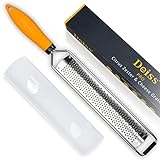
- A heavy-duty grater or zester for maximizing the ginger’s surface area
Instructions
- After scrubbing the whole pineapple, carefully slice off the skin/peel. Do not throw this away! The peel holds incredible flavor and natural sweetness crucial for authentic zobo. Cut the remaining pineapple flesh into chunks and set aside.
- Wash the fresh ginger root. You do not need to peel it.
- Using a heavy-duty grater, grate the ginger roughly. Grating (rather than simply slicing) releases significantly more essential oils and spicy heat into the broth.
- Lightly crush the whole cloves and cinnamon stick with the flat side of a knife or a mortar and pestle to help them release their aromatic oils faster during the boil.
An often-overlooked strategy: Utilizing the thoroughly washed pineapple peels is a cornerstone West African zero-waste cooking technique. The peel contains high levels of bromelain enzymes and complex natural sugars that perfectly counteract the intense astringency of the hibiscus petals, dramatically reducing your need for artificial sweeteners later in the process.
3. Boil and Infuse the Flavors

Don’t let this traditional brewing method get lost—pin it to your Healthy Drinks board!
Properly executing the boiling process ensures maximum flavor infusion without scorching the delicate floral notes of the hibiscus leaves.
Ingredients
- The washed and drained zobo leaves
- All prepped aromatics (pineapple peels, grated ginger, crushed cloves, cinnamon)
- 10 to 12 cups of clean, filtered water
- A premium heavy-bottomed stainless steel stockpot (at least 8-12 quarts) to prevent scorching
Instructions
- Place the washed zobo leaves at the bottom of your large, heavy-bottomed stockpot.
- Layer the pineapple peels, grated ginger, crushed cloves, and cinnamon sticks directly on top of the leaves.
- Pour in the 10 to 12 cups of filtered water, ensuring all ingredients are fully submerged.
- Place the pot on the stove over medium-high heat and bring the mixture to a vigorous, rolling boil.
- Once boiling, reduce the heat to low, cover the pot with a tight-fitting lid, and let it simmer gently for 25 to 30 minutes. The liquid will transform into an intensely dark, opaque red, and your kitchen will smell incredibly spiced and fruity.
- Turn off the heat. Crucial step: Leave the pot covered and allow the mixture to steep and cool down gradually for another 20-30 minutes off the heat.
Expert insight: Proper infusion temperature control is the secret to premium flavor. Boiling aggressively for too long extracts heavy tannins, bringing out a bitter, medicinal taste. Our two-stage temperature approach—a 30-minute gentle simmer followed by a 30-minute off-heat steep—ensures a perfectly smooth, full-bodied flavor profile while protecting heat-sensitive vitamins.

4. Strain the Zobo Base

Save this pro-straining technique to your Kitchen Hacks board for crystal-clear beverages!
Separating the concentrated liquid from the solid chaff requires a double-filtration method to guarantee a perfectly smooth, grit-free drinking experience.
Ingredients
- The cooled, infused zobo mixture
- A large, clean glass pitcher or secondary large bowl
- A standard wire mesh strainer
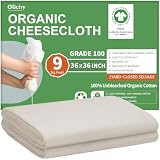
- Unbleached organic cotton cheesecloth (essential for removing fine ginger grit)
Instructions
- Once the zobo mixture is cool enough to handle safely, set up your straining station. Place your standard wire mesh strainer over a large, clean bowl or pitcher.
- For the first strain, pour the contents of the pot through the wire mesh to catch the large debris—the pineapple peels, whole spices, and swollen hibiscus petals (this solid waste is known as the “chaff”).
- Press down firmly on the chaff in the strainer using a wooden spoon to squeeze out every last drop of the concentrated liquid, then discard the chaff.
- For the second strain (the secret to clear hibiscus tea), line your wire strainer with a layer of unbleached cheesecloth or a nut-milk bag.
- Pour the liquid through the cheesecloth into your final pitcher. This step catches the microscopic ginger fibers and clove dust that standard strainers miss, resulting in a pristine, crystal-clear beverage.
Pro-Tip: Never skip the second strain through a high-quality cheesecloth. Freshly grated ginger leaves a fine, powdery sediment that can make the bottom of your pitcher highly unpleasant and chalky. Double straining is the professional standard that guarantees a commercial-quality mouthfeel.
5. Sweeten, Chill, and Serve

Pin this gorgeous serving idea to your Summer Party Ideas board!
Properly sweetening your warm base balances the sharp tartness, while extreme chilling transforms the extract into a deeply refreshing, crowd-pleasing drink.
Ingredients
- The strained, clear zobo base (still slightly warm)
- Sweetener of choice (traditional granulated sugar, pure honey, agave, or date syrup)
- Pineapple juice or orange juice (optional, for extra fruitiness)
- Fresh garnishes (lemon slices, orange wheels, fresh mint leaves)
- Plenty of ice cubes
- An elegant glass serving pitcher with a lid
Instructions
- While the strained zobo is still slightly warm, add your chosen sweetener gradually. Start with 1/2 cup, stir vigorously to dissolve, and taste. The tartness of hibiscus can be strong, so sweeten to your personal preference. (Warm liquid dissolves sugars and syrups much more efficiently than cold).
- Optional: Stir in 1 to 2 cups of the fresh pineapple chunks you saved earlier, or a splash of fresh orange juice for a citrusy, fruity profile.
- Transfer the sweetened drink into a large glass serving pitcher.
- Cover tightly and place in the refrigerator to chill completely for at least 2 to 3 hours. Iced hibiscus tea tastes exponentially better when extremely cold.
- To serve, fill a tall glass with ice cubes, pour the chilled zobo over the ice, and garnish the rim with a fresh citrus wheel or a sprig of mint.
Nutritional upgrading tip: If you are looking for a highly authentic, ultra-healthy way to sweeten your zobo naturally without refined white sugar, use Nigerian date syrup (known locally as dabino). It provides a rich, caramel-like sweetness that complements the earthy cloves and spicy ginger flawlessly while maintaining the beverage’s status as a nutritional powerhouse.

Key Takeaways: Your Quick Guide to the Perfect Zobo Tea Recipe
Mastering this perfect Nigerian drink requires remembering a few critical, non-negotiable rules for flavor extraction.
If you are a time-pressed cook looking to quickly review the most important technical steps without re-reading the entire process, this summary is for you. We have synthesized the complex flavor-balancing information into five essential action items. By following these main takeaways, you will easily avoid the common failure-points that ruin homemade hibiscus tea, ensuring your final pitcher is beautifully clear, naturally sweet, and optimally spiced every single time you brew.
Key Takeaways:
- Always Rinse with Cold Water – Never use hot water to wash your dried zobo leaves; hot water prematurely extracts the vital anthocyanins and vibrant color you want saved for the boiling pot.
- Don’t Toss the Pineapple Peel – Boiling the thoroughly washed exterior skin of the pineapple provides immense natural sweetness, complex tropical flavor, and highly beneficial bromelain enzymes.
- Grate, Don’t Slice, Your Ginger – Grating the ginger root maximizes surface area, allowing the spicy, aromatic oils to fully infuse into the beverage and perfectly balance the tartness.
- Master the Double Strain – Always strain your boiled mixture twice: first through a wire mesh to remove large chaff, and second through a cheesecloth to catch fine, chalky ginger sediment.
- Sweeten While Warm – Add your sugar, honey, or date syrup while the strained liquid is still warm to ensure complete dissolution without a gritty syrup layer settling at the bottom of your pitcher.
People Also Ask About Zobo Tea
Understanding the science and versatility behind traditional zobo preparation helps you troubleshoot common kitchen mistakes.
When crafting this popular West African beverage at home, many home cooks encounter lingering questions regarding recipe variations, proper storage techniques, and specific health benefits. Beyond just following the basic instructions, having a deep understanding of how hibiscus interacts with various natural sweeteners and spices elevates your culinary expertise. We have compiled and answered the most common queries about making sobolo and zobo to resolve any remaining confusion. From managing the beverage’s astringency to adjusting its consistency, these expert insights ensure you get the absolute best results from your ingredients.
Does zobo tea contain caffeine?
No, traditional Nigerian zobo tea is completely naturally caffeine-free.
Because it is brewed from the petals of the Hibiscus sabdariffa flower rather than traditional tea leaves (like green or black tea), it contains zero caffeine. This makes it an excellent, refreshing beverage choice for any time of day, including late evenings, without the risk of sleep disruption.
Why is my homemade zobo drink bitter?
Your zobo drink is likely bitter because it was boiled for too long or lacks balancing aromatics.
Hibiscus petals are naturally highly astringent and tart. If you aggressively boil the leaves for more than 40 minutes, they release heavy tannins that taste intensely bitter and medicinal. To fix this common issue, always include sweet aromatics like pineapple peels during the boil, stick to a maximum 30-minute simmer, and sweeten adequately to balance the natural tartness.
How long does fresh zobo drink last in the fridge?
Freshly brewed zobo drink will easily last up to 5 to 7 days when stored in an airtight pitcher in the refrigerator.
Because this authentic recipe uses fresh fruit components like pineapple juice and raw ginger, the beverage can begin to ferment if left sitting at room temperature. For much longer storage, you can pour the cooled, unsweetened zobo base into ice cube trays, freeze them solid, and keep them fresh for up to 3 months.
Can I make zobo tea without sugar?
Yes, you can make a perfectly delicious and healthy zobo tea entirely without refined sugar.
To naturally sweeten your beverage, rely heavily on ripe pineapple peels during the boiling phase to extract maximum natural fructose. After straining, you can stir in 100% pure honey, organic maple syrup, agave nectar, or traditional date syrup (dabino). You can also blend soft, pitted Medjool dates with a little warm water and stir the resulting paste into the warm tea.
What are the health benefits of drinking zobo?
Zobo tea is incredibly rich in Vitamin C, anthocyanins, and powerful antioxidants that comprehensively support immune health.
According to established nutritional profiles of Hibiscus sabdariffa, regular consumption has been strongly linked to helping manage high blood pressure and reducing systemic inflammation. Furthermore, the addition of fresh ginger and cloves in this traditional recipe adds excellent digestive support and robust anti-bacterial properties to the final drink.
What is the difference between Zobo, Sobolo, and Bissap?
Zobo, Sobolo, and Bissap are essentially regional names for the exact same West African spiced hibiscus beverage.
It is officially called Zobo in Nigeria, Sobolo in Ghana, and Bissap in Senegal and various other Francophone West African countries. While the core primary ingredient (dried hibiscus petals) remains absolutely identical across borders, slight regional variations exist regarding the specific spices utilized or the types of fresh fruit juices mixed in after brewing.
Can I drink zobo tea hot instead of iced?
Absolutely; while traditionally served chilled over ice in Nigeria, hot zobo tea is incredibly soothing and highly flavorful.
To enjoy this beverage hot, simply skip the chilling process outlined in step five. Serve the freshly strained, warmly spiced liquid directly in a mug with a generous touch of honey and a fresh slice of lemon. Hot zobo is highly recommended during cold weather months or if you are actively nursing a sore throat, thanks to the comforting, warming properties of the ginger and cloves.
Do I have to use pineapple in my zobo recipe?
While highly recommended for authentic tropical flavor, you do not strictly have to use pineapple in your recipe.
If you have a known pineapple allergy or simply cannot find fresh pineapple locally, you can confidently substitute the citrusy sweetness by boiling the thick peels of two sweet oranges or a large lemon alongside the ginger and cloves. However, be aware that you may need to adjust your added sweeteners slightly, as pineapple provides a unique, deep sweetness that standard citrus fruits lack.
How can I make my zobo drink thicker?
Traditional zobo is meant to have a light, watery, juice-like consistency, but you can thicken it by blending in fruit purees.
To creatively achieve a thicker, smoothie-like texture, do not strain out and discard the freshly boiled pineapple chunks. Instead, blend those soft, boiled pineapple pieces with a small portion of the strained zobo liquid until completely smooth, then rigorously mix that puree back into the main serving pitcher.
Is it safe to drink zobo tea every day?
For most healthy individuals, drinking a moderate amount (1-2 cups) of zobo tea daily is perfectly safe and highly beneficial.
However, because concentrated hibiscus can naturally lower blood pressure and may gently interact with certain medications (like prescribed diuretics or specific hypertension drugs), you should proactively consult a healthcare provider if you have pre-existing health conditions. High doses of hibiscus are also sometimes advised against during pregnancy.
Final Thoughts on the Perfect Zobo Tea Recipe
Mastering homemade hibiscus tea is a deeply rewarding way to bring vibrant West African flavors directly into your daily routine.
Executing this authentic zobo tea recipe is about much more than just following a basic list of ingredients; it is about confidently embracing a rich culinary tradition right in your own kitchen. By truly understanding the delicate balance between the sharp tartness of the hibiscus petals, the deep, warming spice of the freshly grated ginger and cloves, and the natural, tropical sweetness of the boiled pineapple, you have unlocked the permanent secret to the ultimate homemade refreshment.
Whether you are preparing a massive, ice-cold batch for a sunny summer barbecue, actively seeking a healthy, antioxidant-rich alternative to sugary commercial sodas for your family, or simply craving a comforting taste of Nigerian home cooking, this foolproof 5-step process guarantees crystal-clear, perfectly balanced results every single time. As you grow more comfortable with the foundational method, do not be afraid to experiment with your natural sweetening choices or slightly adjust the aromatic spice levels to make the final flavor profile uniquely your own.
Have you actually tried making this traditional recipe yet? Did you stick to the classic pineapple peels, or did you boldly experiment with citrus wheels or rich date syrup? Leave a comment below sharing exactly how your freshly brewed batch turned out, and don’t forget to save this recipe to your favorite Pinterest food boards so you always have the perfect ingredient proportions readily on hand!
Last update on 2026-10-16 / Affiliate links / Images from Amazon Product Advertising API
