
As an Amazon Associate CoffeeXplore.com earns from qualifying purchases.
Yuzu Tea Recipe: 5 Easy Steps to Soothing Winter Yuja-Cha
Are you craving a comforting cup of traditional winter tea but worried about a harsh, bitter taste? Finding the perfect yuzu tea recipe can feel frustrating when the thick rind overpowers the delicate citrus flavor. Let’s fix that common struggle together.
To make an authentic yuzu tea recipe, wash and thinly slice fresh yuzu fruit, carefully removing all seeds to prevent bitterness. Mix the sliced rind and juice with an equal weight of honey or sugar. Let this mixture macerate in a sterilized glass jar for three to four days before diluting one tablespoon in hot water.
Drawing from proven culinary methods and traditional food preservation techniques, this guide unlocks the true secrets of the Citrus junos fruit. You will discover exactly how to balance those complex bitter-sweet flavors safely at home. Get ready to master the ultimate soothing winter beverage today.
Contents
show
How to Make the Ultimate Yuzu Tea Recipe: Your Guide to Authentic Yuja-Cha
Creating an authentic yuja-cha at home requires more than just mixing fruit and sugar. You need to understand the unique characteristics of the Yuzu fruit to unlock its full potential. This aromatic, tart, yellow yuzu boasts a complex flavor profile that standard lemons simply cannot match.
By mixing the fresh, fragrant peel with sweet honey or rock sugar, you will create a beautiful citron preserve with a thick marmalade consistency. This deeply flavorful base serves as a highly therapeutic, traditional winter wellness drink across East Asia. Whether you call it a traditional Japanese yuzu tea recipe or Korean yuja-cha, the foundational technique remains identical.
Expert Insight: What most guides miss is the underlying science of the maceration process. The common struggle of a bitter taste happens when seeds and thick albedo (white pith) are left intact. By meticulously removing these parts and relying strictly on the osmotic pressure in fruit preservation from a 1:1 sweetener ratio, you naturally extract the volatile aromatic oils without introducing any harshness.
Many people search for “What is yujacha?” or “How to make yuzu tea at home?” The answer lies in proper preparation and responsible sterilization. Let’s walk through the exact, step-by-step process to create this beloved beverage perfectly from scratch.
5 Easy Steps to Soothing Winter Yuja-Cha
Crafting the perfect homemade yuzu marmalade for tea is a highly rewarding culinary project. This easy yuzu tea recipe for beginners breaks down the traditional method into foolproof, manageable stages. You will learn exactly how to scrub, slice, and macerate your fresh ingredients safely.
Proper preparation ensures your citrus preserve lasts for months without developing mold or excessive bitterness. Let’s dive into the essential process needed to create your new favorite winter tradition.
1. Sterilize Your Mason Jars for Safe Preservation

Pin this essential canning safety tip to your “Kitchen Basics” board!
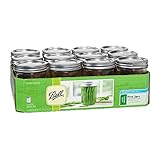
Preparing your storage vessels is the most crucial step for maintaining optimal storage safety. Properly prepared mason jars prevent harmful bacteria from ruining your homemade batch. This critical step ensures complete mold prevention and guarantees safe long term storage for your preserves.
You must completely sterilize your equipment before any fruit touches the glass. This simple boiling water technique is a fundamental culinary standard for any fruit preservation project.
Ingredients
- 2 wide-mouth mason jars (16 oz capacity) with brand-new, rust-free lids
- Large stainless steel pot for the water bath
- Kitchen tongs or dedicated canning jar lifters
- Clean, lint-free linen kitchen towel
Directions
- Place the empty glass jars and their lids right-side up in a large pot.
- Fill the pot with enough cold water to completely submerge the jars by at least one inch.
- Bring the water to a rolling boil over high heat, then let the jars sterilize in the boiling water for exactly 10 minutes.
- Turn off the heat and carefully remove the hot jars using your tongs, pouring out any water trapped inside.
- Place the jars upside down on a clean linen towel and let them air dry completely (do not wipe the insides with a cloth, as this introduces lint and bacteria).
Pro-Tip: In my experience with fruit preservation, ensuring your jars are 100% bone-dry before adding the citron preserve is the most critical step for mold prevention. Even a single drop of residual tap water can ruin the shelf life of your batch.

2. Scrub and Clean the Fresh Yuzu Thoroughly

Save this gentle fruit cleaning method to your “Healthy Habits” board!
The entire peel is consumed in traditional Japanese yuzu cha, making proper cleaning absolutely essential. You must carefully scrub and rinse each ripe yuzu fruit to remove all surface impurities, dirt, and commercial waxes.
This gentle natural abrasion cleans the bumpy rind of the yellow yuzu without destroying its delicate, fragrant surface oils. Taking your time here guarantees a vibrant, clean-tasting final beverage.
Ingredients
- 1 lb (approx. 4-5 medium-sized) fresh, ripe yuzu fruit
- 2 tablespoons of coarse sea salt or food-grade baking soda
- Clean running water
- Natural bristle vegetable brush
Directions
- Place your fresh yuzu in a large bowl and sprinkle the coarse sea salt or baking soda generously over the fruits.
- Use your hands or a natural vegetable brush to gently scrub the surface of each fruit, paying special attention to the deep pores and bumpy texture of the yellow yuzu.
- Rinse the fruits individually under lukewarm running water to wash away all the salt, dirt, and potential wax.
- Pat each fruit completely dry with a clean paper towel or cloth.
- Let the fruit sit at room temperature for 10 minutes to ensure no external moisture remains before slicing.
Pro-Tip: The essential volatile aromatic oils that give this tea its signature pungent aroma live exclusively in the outer peel (the flavedo). Gently scrubbing with salt cleans the pores without puncturing these oil glands, preserving maximum flavor.

3. Halve, Deseed, and Slice to Remove Bitterness

Pin this brilliant bitterness-removal hack to your “Cooking Tips” board!
Taking the time to properly process your fruit is the ultimate secret to recipe success. You must carefully deseed and slice the fruit by hand to successfully remove bitterness.
Separating the bitter interior seeds from the fragrant yuzu peel and hard rind prevents a harsh, bitter taste from ruining your batch. Never use a blender or food processor for this delicate step.
Ingredients
- The cleaned, dried yuzu fruit from Step 2
- A sharp chef’s knife or Japanese Santoku knife
- A small bowl (for seeds)
- A medium mixing bowl (for the sliced fruit and juice)
- A citrus juicer (optional)
Directions
- Halve the yuzu horizontally along its equator.
- Carefully squeeze the juice into your mixing bowl, using your fingers or a small strainer to catch the large seeds (place all seeds in the small side bowl to discard later).
- Take the empty citrus halves and use a spoon or your fingers to pull away any excess thick, spongy white pith from the inside of the hard rind.
- Place the rind halves flat-side down on your cutting board and use a very sharp knife to shred or julienne the peel into extremely thin, matchstick-like slices (about 1/16-inch thick).
- Add all the thinly sliced yuzu peel into the bowl with the reserved juice.
Pro-Tip: How to Remove Bitterness: The number one reason homemade tea turns out too sour or has a harsh bitter taste is due to crushed seeds or excessive white pith (albedo). If you notice your fruit has exceptionally thick white pith, use a paring knife to carefully shave it off before slicing the yellow rind. Never blend the fruit; always hand-slice to keep the bitter compounds intact and separated from your tea base.

4. Mix and Macerate the Yuzu Marmalade Base

Save this perfect honey-to-fruit ratio to your “Healthy Recipes” board!
The true culinary magic happens when you combine your thinly sliced fruit with natural sweeteners. You will mix your prepared citrus with equal weights of high-quality honey or rock sugar to initiate the critical aging process.
As the sugar naturally begins to dissolve, it creates a glossy, vibrant yuzu honey marmalade. This hands-off process results in that iconic, beautiful thick marmalade consistency found in premium Asian cafes.
Ingredients
- The sliced yuzu and juice (weighed on a kitchen scale)
- An equal exact weight of high-quality honey or white cane sugar (1:1 ratio)
- A clean mixing spoon or spatula
- Your sterilized mason jars from Step 1
Directions
- Weigh your prepared fruit slices and juice together on a kitchen scale.
- Measure out the exact same weight of your chosen sweetener.
- Pour the sweetener over the fruit in the mixing bowl and use a clean spoon to gently mix everything together until the fruit is thoroughly coated.
- Let the mixture sit at room temperature for 30 minutes to allow the sugar to begin to dissolve.
- Carefully pack the mixture into your sterilized mason jars, leaving about half an inch of headspace at the top. Seal tightly.
- Allow the jars to sit at room temperature for 2 to 3 days to macerate, then move them to the refrigerator to store.
Pro-Tip: The traditional maceration process relies on osmotic pressure—the sweetener draws the natural juices out of the rind, creating that signature thick marmalade consistency. If you notice sugar crystallization at the bottom of the jar during the first two days, simply turn the jar upside down for a few hours to help it distribute.

5. Brew, Dilute, and Serve Your Traditional Yuja-Cha

Pin this cozy winter drink recipe to your “Tea Time” board!
Now it is finally time to enjoy the delicious fruits of your labor. You will simply dilute a large spoonful of your beautifully aged preserve in fresh hot water to create a deeply soothing beverage.
This highly aromatic winter tea is naturally caffeine-free and perfect for chilly, relaxing evenings. Just stir gently and savor the complex, comforting flavors.
Ingredients
- 1 to 2 tablespoons of your aged homemade yuzu marmalade
- 1 cup (8 oz) of fresh hot water (or sparkling water for iced versions)
- Optional: Fresh ginger slices or a black tea bag
Directions
- Scoop 1 to 2 tablespoons of the thick marmalade, making sure to grab plenty of the syrupy liquid and the candied rind slices.
- Place the marmalade into the bottom of a heat-safe glass or ceramic mug.
- Pour near-boiling hot water over the marmalade to dilute it.
- Stir vigorously for 10-15 seconds until the honey and syrup are fully dissolved into the water.
- Sip and enjoy while hot, making sure to use a spoon to eat the softened rind at the bottom of the cup!
Pro-Tip: Don’t throw away the peel at the bottom of your cup! Because this is a caffeine-free, whole-fruit infusion, eating the candied rind is a traditional part of the experience and gives you the ultimate vitamin C boost for optimal ascorbic acid retention.
$1 offBestseller No. 5

Yuzu Tea Variations: Starbucks Copycat & Iced Refreshers
Once you master the basic recipe, a massive world of exciting drink possibilities opens up. Your homemade marmalade serves as an incredibly versatile foundation for both hot and cold beverages. Let’s explore how to recreate premium cafe drinks right in your own kitchen without paying a premium price.
Customizing Your Base: Honey vs. Sugar
Before exploring variations, the sweetener you choose during Step 4 drastically impacts your final drink. Here is exactly how they compare:
| Feature | Honey (Traditional) | White Sugar (Cafe Style) |
|---|---|---|
| Flavor Profile | Floral, rich, earthy | Clean, bright, highly citrusy |
| Consistency | Thick, syrupy, viscous | Lighter, highly soluble syrup |
| Health Focus | Soothing for sore throats | Better for bright, iced beverages |
| Storage Life | Excellent (natural antibacterial) | Excellent (high osmotic pressure) |
1. The Starbucks Yuzu Citrus Tea Copycat
To recreate the famous starbucks yuzu citrus tea at home, you need to step away from the traditional hot water dilution. The commercial version relies on a robust tea base to balance the sweetness.
Brew a strong cup of English Breakfast or Earl Grey using a high-quality black tea bag. While the tea is still hot, stir in 2 tablespoons of your homemade yuzu tea base. Add a splash of fresh lemonade. The bitter-sweet notes of the black tea perfectly cut through the marmalade, creating a complex, layered yuzu black tea experience.
2. Iced Yuzu Citrus Refreshers
For a refreshing summer twist, you can easily convert your winter yuja-cha into a brilliant iced beverage. Add 2 tablespoons of the preserve into a glass. Pour in 2 ounces of hot water just to dissolve the syrup. Fill the glass to the brim with ice cubes, then top it off with sparkling water and a splash of fresh lemon juice. Garnish with a fresh shiso leaf or a shot of whisked matcha for a stunning, cafe-quality iced yuzu tea.
Key Takeaways: Your Quick Guide to Yuzu Tea Recipe
Before you begin slicing your fruit, it helps to quickly review the most critical success factors. This yuzu tea recipe overview highlights the absolute non-negotiables for preparing a perfect, long-lasting batch. Keep these korean citron tea key points in mind to guarantee delicious results every time.
Key Takeaways:
- Wash and dry your yuzu fruit meticulously to prevent residual water from spoiling the batch and severely reducing the shelf life of your Korean citron tea.
- Remove all seeds and excess white pith before slicing to guarantee a tea completely free of harsh bitterness. Deseeding is non-negotiable!
- Always use a strict 1:1 ratio by weight of fruit-to-sweetener. This ensures the maceration process creates enough syrup and preserves the fruit safely.
- Sterilize glass jars in boiling water for 10 minutes to ensure a long, safe shelf life. Proper sterilization prevents mold and elevates your citron preserve.
- Allow the marmalade to macerate at room temperature for 3 days before refrigerating. Patience allows the osmotic pressure to extract maximum flavor.
- Dilute 1-2 tablespoons of the base in hot water or iced black tea for a cafe-quality drink. It is incredibly versatile for Starbucks copycats or a yuzu tea latte.
People Also Ask About Yuzu Tea Recipe
Navigating the nuances of traditional fruit preservation naturally brings up a few questions. We have compiled the most common questions about yuzu tea to ensure your absolute success in the kitchen. Browse these yuzu tea FAQs to resolve any lingering uncertainties about your homemade yuja cha.
How long does yuzu tea last in the fridge?
Homemade yuzu tea marmalade lasts for 3 to 6 months in the refrigerator when properly sealed in a sterilized jar.
Because the recipe uses a high concentration of sugar or honey (a 1:1 ratio), it creates an environment that naturally resists bacterial growth. Always use a clean spoon when scooping your citron preserve to prevent contamination. If you notice mold on the surface or a fermented, alcoholic smell, discard the batch immediately.
Does yuzu tea have caffeine?
No, traditional yuzu tea is naturally 100% caffeine-free.
Unlike black or green teas derived from the Camellia sinensis plant, authentic korean yuzu tea is simply a fruit infusion made by diluting the citrus and honey preserve in plain hot water. This makes it an incredibly soothing bedtime beverage and completely safe for children or those looking to avoid caffeine.
Can you eat the yuzu in yuzu tea?
Yes, you can and absolutely should eat the yuzu peel at the bottom of your cup!
During the maceration process, the hot water and honey soften the hard rind, effectively turning it into a delicious candied peel. Consuming the rind provides a massive vitamin C boost and is considered a traditional and essential part of the japanese yuzu cha experience.
Can I use lemon instead of yuzu?
Yes, you can substitute Meyer lemons to make a similar citrus tea, though the flavor profile will differ significantly.
Yuzu vs lemon is a common debate; yuzu has a highly complex, floral citrus aroma with notes of mandarin and grapefruit that standard lemons lack. If you must substitute, Meyer lemons are the best alternative as they share a similarly thin, fragrant rind and a slightly sweeter juice profile than regular lemons.
Why is my yuzu tea bitter?
Your yuzu tea is likely bitter because crushed seeds or excess white pith (albedo) were left intact during the slicing process.
The seeds contain powerful bitter compounds that seep into the syrup over time. To fix or prevent a bitter taste in future batches, meticulously deseed the fruit and gently shave away any excessively thick, spongy white pith from the inside of the rind before you begin slicing.
Is honey better than sugar for yuzu tea?
Honey is better for soothing sore throats, but sugar is preferred for achieving a brighter, cleaner citrus flavor.
Choosing honey vs sugar depends on your goals. Honey adds a rich, earthy flavor and natural antibacterial properties, making it the perfect winter wellness drink. White sugar, however, melts faster, maintains the vibrant yellow color of the fruit, and allows the nuanced, fragrant notes of the yuzu to take center stage.
How to make yuzu ginger tea?
To make yuzu ginger tea, simply add finely julienned fresh ginger root to your yuzu mixture during the initial maceration step.
Use a ratio of 1 part ginger to 4 parts yuzu. The ginger will age alongside the citrus, infusing the honey with a spicy, warming kick. This yuzu ginger tea recipe for cold relief is a highly effective, proven remedy for soothing throat irritation and clearing winter congestion.
What is the difference between yuzu and yuja?
There is no botanical difference; “yuzu” is the Japanese name, while “yuja” is the Korean name for the exact same fruit.
Therefore, japanese yuzu cha and Korean yujacha are essentially the identical beverage. Both cultures utilize the Citrus junos fruit, slice it thinly, and preserve it in sweetener to create a concentrated marmalade base meant for dilution in hot or cold water.
Can I use yuzu juice instead of fresh yuzu?
No, bottled yuzu juice cannot be used to make traditional yuzu tea.
The defining characteristic of this traditional method is the essential oils found exclusively in the fresh yuzu peel. Without the physical rind to steep in the hot water, you will merely have sweetened citrus water rather than the thick, aromatic, and deeply flavorful experience of an authentic citron tea recipe.
How to make yuzu matcha tea?
To make yuzu matcha tea, prepare a layer of yuzu tea at the bottom of a glass and top it with freshly whisked matcha.
Place 2 tablespoons of your homemade yuzu marmalade in a glass with a splash of hot water. Fill the glass with ice. In a separate bowl, whisk high-grade matcha powder with warm water until frothy, then gently pour it over the ice to create a stunning, layered yuzu matcha tea that looks exactly like a premium cafe drink.
Final Thoughts on Yuzu Tea Recipe
Mastering this authentic yuzu tea recipe is one of the most rewarding culinary projects you can undertake during the colder months. While taking the time to properly scrub, meticulously deseed, and thinly slice the fresh fruit requires a bit of patience, the resulting homemade yuja cha is vastly superior to anything you can buy in a jar at the grocery store. By controlling the quality of your sweetener and taking the time to sterilize your jars, you are crafting a premium, handcrafted pantry staple.
The true magic of this korean citron tea lies in its incredible versatility. Whether you are diluting it with boiling water for a soothing nighttime remedy, blending it with black tea for a cafe-style afternoon pick-me-up, or pouring it over ice for a bright summer refresher, this vibrant marmalade base delivers complex, aromatic joy in every single cup. It perfectly bridges the gap between a delicious culinary treat and a highly effective winter wellness drink.
Now that you know exactly how to balance the flavors, prevent bitterness, and store your batch safely, you are fully equipped to preserve the fleeting magic of fresh Citrus junos in October 2026 and beyond. Grab your jars, start slicing, and get ready to enjoy months of incredible citrus flavor.
Have you ever tried mixing your yuzu marmalade with ginger or hojicha? Let me know which flavor combination you plan on trying first in the comments below!
Last update on 2026-10-10 / Affiliate links / Images from Amazon Product Advertising API
