
As an Amazon Associate CoffeeXplore.com earns from qualifying purchases.
Popping Boba Tea: 7 Easy DIY Bursting Recipes for 2026
Have you ever craved that magical burst of sweet fruit juice at the bottom of your cup? Many bubble tea lovers struggle to recreate that exact popping sensation at home. Mastering Popping Boba Tea seems intimidating.
Popping boba tea is a refreshing beverage featuring small, translucent pearls filled with real fruit juice. Unlike chewy tapioca pearls, popping boba has a delicate, gel-like skin made from sodium alginate and calcium lactate that bursts with flavorful liquid when bitten. You can easily replicate this technique in your kitchen.
Drawing from comprehensive analysis of food encapsulation technology and tested culinary methodologies, this guide demystifies the entire process. You will discover exactly how to craft seven unique bursting boba recipes using safe, accessible ingredients. Prepare to completely transform your homemade beverage experience today.
Contents
show
What Is Popping Boba Tea? The Ultimate Guide to Bursting Boba Pearls
Popping boba tea is a refreshing beverage featuring small, translucent pearls filled with real fruit juice. Unlike chewy tapioca pearls, popping boba has a delicate, gel-like skin made from sodium alginate and calcium lactate that bursts with flavorful liquid when bitten.
Understanding the core popping boba tea concept requires looking into the fascinating world of molecular gastronomy. Also known as bursting boba or popping pearls, these tiny spheres are created using a technique called spherical spherification. When fruit juice mixed with food-grade alginate drops into a calcium bath, an immediate chemical reaction forms a thin gel skin. This scientific process traps the delightful fruity liquid inside, creating that signature burst.
To ensure you are consuming a safe product, it is crucial to understand the food safety standards popping boba requires. Commercial and high-quality DIY variations utilize FDA approved ingredients like calcium chloride or calcium lactate. The rheology of boba encapsulants dictates how osmotic pressure in boba pearls creates that perfect popping sensation. Before diving into our recipes, let’s look at how these juicy pearls compare to traditional bubble tea ingredients.
- Core Ingredient: Popping boba uses seaweed extract (Sodium Alginate) and calcium, while traditional tapioca relies on cassava root starch.
- Texture Experience: Bursting boba features a thin gel skin that bursts with liquid. Tapioca is dense and chewy all the way through.
- Preparation Method: Spherification is a cold chemical reaction. Tapioca pearls require extensive boiling in hot water.
- Serving Temperature: Popping pearls melt in high heat and are best served cold. Tapioca can be enjoyed warm or cold.
7 Easy DIY Bursting Recipes for Popping Boba Tea in 2026
To make popping boba tea at home: 1. Blend fruit juice with sodium alginate. 2. Prepare a separate calcium lactate bath. 3. Use a dropper to drop the juice mixture into the calcium bath. 4. Wait one minute for the gel skin to form. 5. Rinse pearls in fresh water. 6. Add to your favorite tea.
Crafting an easy homemade popping boba tea recipe is an exciting culinary adventure that transforms ordinary drinks into extraordinary experiences. Whether you are using a basic diy popping boba kit or sourcing individual popping boba ingredients, the process is incredibly rewarding and surprisingly straightforward.
Many beginners encounter the dreaded boba pearls sticky solution issue, but utilizing proper sodium alginate concentration for boba and a precise calcium chloride bath recipe eliminates these homemade boba fails. By mastering these foundational steps, you can create bursting pearls that easily rival premium boba shop offerings. Below, we explore seven distinct flavor applications to elevate your home beverage menu, carefully curated to meet high food safety standards popping boba demands.
1. Classic Strawberry Popping Boba Milk Tea

Save this classic strawberry bursting boba recipe to your DIY Drinks board for your next bubble tea craving!
Making your own strawberry popping boba introduces you to foundational spherical spherification techniques using accessible natural fruit juice boba. A completely smooth puree is essential to ensure your final product features perfect translucent pearls that look as good as they taste.
Ingredients
- 1 cup fresh strawberry puree (strained for a completely smooth outer shell)
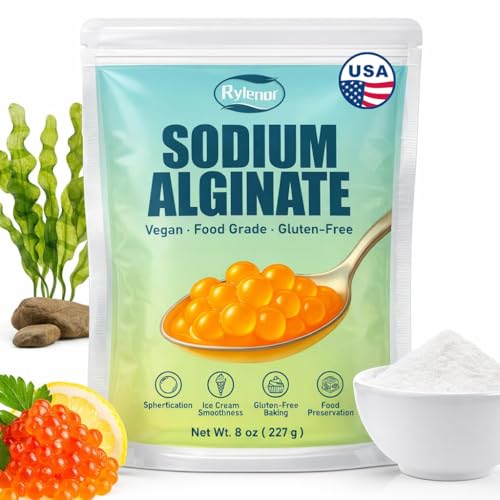
- 1/2 teaspoon food-grade alginate (Sodium Alginate)
- 1 teaspoon Calcium Lactate (fda approved ingredients)
- 2 cups distilled water (for the calcium bath)
- 1 cup clean drinking water (for rinsing)
- 1 glass of prepared milk tea
Instructions
- Mix boba ingredients by blending the strained strawberry puree with the sodium alginate using an immersion blender until completely dissolved.
- Let the mixture rest in the refrigerator for 1 hour to remove trapped air bubbles (preventing boba pearls sticky solution).
- Dissolve alginate alternative (Calcium Lactate) into the 2 cups of distilled water in a separate bowl to create the bath.
- Form boba spheres by using a dropper or syringe to squeeze drops of the strawberry mixture into the calcium bath.
- Wait 60 seconds to allow the thin gel skin to form.
- Strain boba mixture using a slotted spoon and rinse boba pearls thoroughly in the clean water bowl.
- Serve popping boba immediately by scooping the flavorful bursting boba into your prepared milk tea.
What most guides miss: For the perfect optimized boba burst sensation, ensure your strawberry juice isn’t too acidic. If the pH is below 3.6, the gelation mechanisms in boba will fail, resulting in mushy spheres. Add a tiny pinch of sodium citrate to buffer high acidity!
2. Tropical Mango Bursting Pearls Green Tea

Pin this refreshing mango boba recipe to elevate your summer tea parties!
Crafting tropical mango popping boba provides the perfect complement to lighter, refreshing green teas. We are going to address flavorless popping boba boost techniques by focusing on high-quality mango nectar, which dictates the delightful fruity liquid interior of your juice balls.
Ingredients
- 1 cup pure mango nectar or smooth puree
- 1/2 teaspoon Sodium Alginate
- 1 teaspoon Calcium Lactate
- 2 cups water (for the calcium bath)
- 1 cup water (for the rinsing station)
- 1 glass of iced green tea boba base
- 1 tablespoon simple syrup (optional, for soaking)
Instructions
- Extract fruit juice or measure your high-quality mango nectar, whisking it vigorously with the sodium alginate.
- Chill the mixture for 1-2 hours until all air bubbles have completely dissipated.
- Prepare the calcium chloride bath recipe (using calcium lactate for a better taste) by mixing it into 2 cups of water until clear.
- Drop calcium bath droplets by holding your syringe 3 inches above the water line to ensure perfectly round gel spheres.
- Cook popping boba in the bath for 1 minute so the chewy outer layer is strong enough to handle, but the inside remains a delightful fruity liquid.
- Rinse boba pearls in fresh water to halt the gelation process.
- Store bursting boba briefly in a light simple syrup before adding them to your iced green tea to preserve their sweetness.
Expert insight: Understanding boba tea science is crucial here. Using Calcium Lactate instead of Calcium Chloride is a major chef-approved boba tip. Calcium Chloride can leave a bitter, metallic aftertaste on your mango popping boba, whereas Lactate ensures a clean, sweet, flavorful bursting boba profile!
3. Sweet Lychee Popping Boba for Smoothies

Love exotic flavors? Save these translucent lychee pearls for your next smoothie bowl!
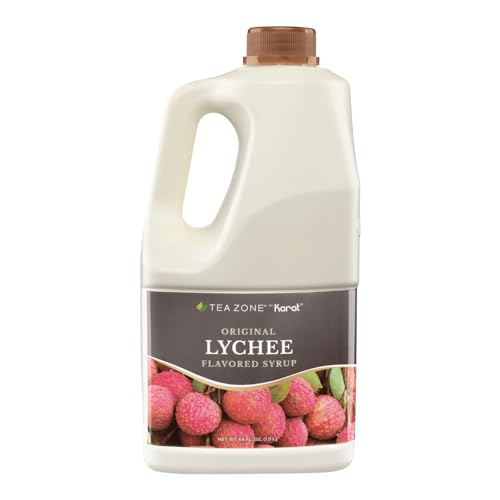
Creating highly aesthetic, translucent lychee popping boba is an art form. By using premium syrups instead of thick purees, these boba-like pearls capture light beautifully. Since popping boba complements smoothies incredibly well, learning proper storage techniques prevents preventing boba tea spills when adding them to thick bowls.
Ingredients
- 1/2 cup premium lychee syrup
- 1/2 cup filtered water (to dilute the syrup)
- 1/2 teaspoon Sodium Alginate
- 1 teaspoon Calcium Lactate
- 2 cups water (for the bath)
- 1 cup water (for rinsing)
Instructions
- Mix boba ingredients by combining the lychee syrup and 1/2 cup water, then blending in the sodium alginate. Let rest to remove bubbles.
- Prepare the calcium bath by dissolving the calcium lactate in 2 cups of water.
- Form boba spheres using a specialized boba dropper tool to create uniform, small spherical boba.
- Allow the pearls to rest in the bath for exactly 45 seconds to maintain a highly delicate, thin gel skin.
- Strain boba mixture carefully, as lychee pearls are incredibly fragile due to the syrup base.
- Rinse boba pearls gently in the clean water bowl.
- Add popping boba to drink by gently spooning the translucent pearls over a thick smoothie or blending them gently into your beverage.
An often-overlooked strategy: For the most aesthetically pleasing, glass-like translucent pearls, use a premium clear lychee syrup rather than fresh puree. The lack of fruit pulp allows for perfect light refraction, demonstrating molecular gastronomy boba techniques used by award-winning boba brands.
4. Refreshing Peach Juice Balls Iced Tea

Looking for a refreshing summer sip? Pin this homemade peach popping boba tutorial!
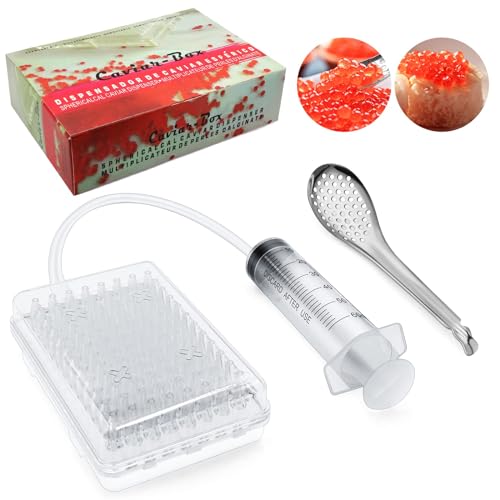
If you want to craft popping pearls for a party, making them one by one is too slow. This refreshing popping boba recipe introduces the multi-hole caviar maker, allowing you to batch-produce peach popping boba rapidly. This resolves common bursting boba preparation challenges related to speed and volume.
Ingredients
- 1 cup fresh peach juice (pulp-free)
- 1/2 teaspoon Sodium Alginate
- 1 teaspoon Calcium Lactate
- 2 cups water (for the bath)
- 1 cup water (for rinsing)
Instructions
- Mix boba ingredients by blending the peach juice and sodium alginate until smooth. Let rest to de-gas.
- Prepare your calcium bath in a wide, shallow dish rather than a deep bowl.
- Fill your caviar maker tool (multi-dropper) with the peach fruit juice boba mixture.
- Form boba spheres by holding the tool steady over the wide bath and applying even pressure, allowing dozens of droplets to fall simultaneously.
- Swirl the bath gently for 45-60 seconds to ensure the chewy outer layer forms evenly on all spheres.
- Strain boba mixture using a large slotted spoon, retrieving all the pearls at once.
- Rinse boba pearls thoroughly and infuse tea with boba for a refreshing popping boba experience.
Pro-Tip: Applying industry best practices boba techniques to home production matters. When using a multi-dropper box to make fruit juice pearls, hold the device high enough (at least 3-4 inches) above the calcium bath. This allows the droplets to gain enough terminal velocity to break the surface tension cleanly, preventing boba pearls sticky solution or odd, tail-like shapes!
5. Tangy Passion Fruit Gel Spheres

Add a tropical, tangy burst to your sparkling water! Pin this passion fruit pearl recipe!
Creating tangy popping boba requires specific homemade boba fails troubleshooting. Because passion fruit is highly acidic, it alters how the certified organic boba alginate reacts. This recipe teaches you how to conquer acidic flavor boba safely, yielding flavorful bursting boba perfectly matched with fizzy soda.
Ingredients
- 1 cup passion fruit juice (strained to remove seeds)
- 1/2 teaspoon Sodium Alginate
- A tiny pinch (1/8 tsp) of Sodium Citrate (crucial for high-acid fruits)
- 1 teaspoon Calcium Lactate
- 2 cups water (for bath)
- 1 cup water (for rinsing)
- Extra wide boba straws
Instructions
- Dissolve the pinch of sodium citrate into the passion fruit juice first. This acts as a buffer to lower acidity so the alginate can work.
- Mix boba ingredients by blending the buffered juice with the sodium alginate. Chill to remove bubbles.
- Prepare the calcium bath.
- Form boba spheres by dropping the mixture into the bath. Because of the acidity, you may notice the smooth outer shell forms slightly faster.
- Cook popping boba for only 30-45 seconds to prevent them from becoming overly tough.
- Strain boba mixture and rinse boba pearls thoroughly.
- Serve popping boba in clear soda or sparkling water, using extra wide boba straws to suck up the flavorful bursting boba.
What most guides miss: High-acid juices like passion fruit, lemon, or lime repel sodium alginate, leading to overly chewy boba solutions or complete liquid messes. Understanding pH influence on boba texture is vital. A pinch of Sodium Citrate is the scientific spherification method secret to balancing the pH without altering the tangy popping boba flavor!
![[Angled Tips] 5 Pcs 10' Reusable Bubble Tea Straws & Smoothie Straws, 0.5' Wide Stainless Steel Straw, Metal Straw for Boba, Tapioca Pearl, Milkshakes, Jumbo Drinks | 2 Cleaning Brushes](https://m.media-amazon.com/images/I/51DHfcB+VoL._SL160_.jpg "Popping Boba Tea: 7 Easy DIY Bursting Recipes for [year] 9")
6. Sour Green Apple Popping Pearls Lemonade

Craving something sour? Save this green apple popping pearl lemonade recipe to your drinks board!
This sweet and sour boba treat appeals to fans of tangy, candy-like flavor profiles. When working with delicate skin boba, utilizing proper kitchen equipment for drinks is mandatory. We will use a proper slotted spherification spoon to retrieve these acidic flavor boba pearls without damaging them.
Ingredients
- 1/2 cup sour green apple syrup
- 1/2 cup water
- 1/2 teaspoon Sodium Alginate
- 1 teaspoon Calcium Lactate
- 2 cups water (for bath)
- 1 cup water (for rinsing)
- Prepared fresh lemonade
Instructions
- Combine the green apple syrup and water, then thoroughly blend boba ingredients with the sodium alginate. Chill.
- Mix the calcium lactate into the 2 cups of bath water.
- Form boba spheres by dropping the green apple mixture into the bath.
- Let the acidic flavor boba sit for exactly 1 minute so the gel-like boba skin solidifies perfectly.
- Strain boba mixture using a specialized molecular gastronomy slotted spoon. This ensures you lift the popping pearls without bringing excess calcium bath water with you.
- Rinse boba pearls in fresh water.
- Serve popping boba immediately by layering the bright green pearls at the bottom of a glass of icy lemonade.
Pro-Tip: Never use a regular household slotted spoon to retrieve your burst bubbles. The holes are too small, which traps the bitter calcium water. Investing in a true spherification spoon ensures quality control popping boba and is a key chef-approved boba tip for clean-tasting pearls!
7. Cold Brew Coffee Bursting Boba

Transform your morning coffee routine! Pin this unique cold brew bursting boba recipe!
Pivoting from fruit juices to coffee showcases the true versatility of spherified juice. This sugar-free popping boba serves as an incredible low calorie boba alternative for adult palates. Since popping boba transforms drinks entirely, adding coffee pearls to your morning cup adds a completely unexpected texture.
Ingredients
- 1 cup strong cold brew coffee (unsweetened for sugar-free popping boba)
- 1/2 teaspoon Sodium Alginate
- 1 teaspoon Calcium Lactate
- 2 cups water (for bath)
- 1 cup water (for rinsing)
- Milk or cream of choice
Instructions
- Ensure your cold brew is completely chilled. The effect of temperature on boba is significant; cold liquids react better with alginate.
- Mix boba ingredients by blending the cold brew with the sodium alginate until smooth. Rest in the fridge.
- Prepare the calcium bath.
- Form boba spheres by dropping the coffee mixture into the bath.
- Cook popping boba for 60 seconds. You will notice the gel spheres are darker and incredibly striking.
- Strain boba mixture and rinse boba pearls.
- Assemble boba tea by placing the coffee pearls in stylish glass bubble tea cups, pouring fresh cold brew over them, and topping with milk.
Expert insight: Coffee is naturally slightly acidic but usually doesn’t require a buffer. However, for a perfect low calorie boba treat, ensure your coffee is cold-brewed rather than hot-brewed and chilled. Cold brewing results in lower acidity, making the gelation mechanisms in boba far more stable!
Key Takeaways: Your Quick Guide to Popping Boba Tea
Understanding popping boba doesn’t have to be complicated. If you are short on time and need the most crucial facts about this food encapsulation technology, we have distilled the core concepts for you. Review these essential points to ensure your DIY boba tea with popping pearls comes out perfect every single time.
Key Takeaways:
- The Molecular Magic Behind the Burst: Popping boba tea relies on a process called spherical spherification, where a thin gel skin forms when sodium alginate (mixed with juice) reacts with a calcium bath, creating a delightful fruity liquid center.
- Popping Boba vs. Tapioca Pearls: Unlike traditional tapioca which is chewy all the way through and made from cassava root, bursting boba is a purely gel-like boba that bursts in mouth, requiring no cooking or boiling.
- Acidic Fruits Require Adjustments: When attempting to make popping boba with high-acid juices like lemon or passion fruit, you must add a sodium citrate buffer, otherwise, the acidic flavor boba will fail to gel properly.
- DIY Tools Matter: To effectively create bursting pearls at home without homemade boba fails troubleshooting, investing in a caviar dropper box and a proper molecular gastronomy slotted spoon is highly recommended for uniformity.
- Health and Dietary Benefits: When made at home, you have complete control over your ingredients, allowing for sugar-free popping boba, vegan popping boba, and gluten-free popping boba variations tailored to your diet.
- Storage and Shelf Life: While store-bought, fda approved ingredients versions are shelf-stable until opened, homemade natural fruit juice boba should be stored in a light syrup in the refrigerator and consumed within 3-4 days before the skins break down.
People Also Ask About Popping Boba Tea
As popping boba tea surges in popularity, many consumers have specific questions regarding its health profile, ingredient list, and practical usage. We have compiled authoritative answers based on verified food safety standards popping boba data and nutritional facts popping boba guidelines to clear up any lingering uncertainties.
What is popping boba tea?
Popping boba tea is a popular cold beverage featuring small, edible, juice-filled spheres that burst with flavor when you bite them. Usually added to iced fruit teas, milk teas, or lemonades, these translucent pearls are created through a molecular gastronomy process called spherification, encasing natural fruit juice boba inside a delicate, seaweed-derived alginate skin.
How is popping boba made?
Popping boba is made by mixing fruit juice with sodium alginate, then dropping that mixture into a calcium bath to form a gel skin. This process, known as spherification, relies on scientific spherification methods. When the alginate hits the calcium, an immediate chemical reaction creates a chewy outer layer while trapping the delightful fruity liquid inside the sphere.
What are the ingredients in popping boba?
The primary ingredients in popping boba are water, sugar, fruit juice, sodium alginate, and calcium lactate or calcium chloride. Commercial brands may also include malic acid, potassium sorbate (as a preservative), and natural food coloring. High-quality certified organic boba prioritizes real fruit puree and food-grade alginate without artificial additives.
Is popping boba the same as tapioca pearls?
No, popping boba and tapioca pearls are completely different in ingredients, texture, and preparation. In the popping boba vs tapioca pearls debate, tapioca is made from cassava starch, must be boiled, and is dense and chewy. Popping boba is made from seaweed extract and calcium, requires no heat, and features a thin gel skin that bursts in mouth.
Are popping boba pearls safe to eat?
Yes, popping boba pearls are entirely safe to eat, as they are made from FDA-approved, natural food additives. The sodium alginate comes from brown seaweed, and calcium lactate is a common mineral supplement. However, because they are small, spherical spherification objects, they can be a choking hazard for children under 4 years old, so supervision is advised.
How many calories are in popping boba?
A standard serving of popping boba (about 2 tablespoons or 30g) contains roughly 25 to 30 calories. The calorie count comes almost entirely from the sugar and fruit juice inside the burst bubbles. Because they are predominantly water and juice, they are generally considered a low calorie boba topping compared to dense, high-carb tapioca pearls.
Is popping boba vegan and gluten-free?
Yes, standard popping boba is naturally 100% vegan and gluten-free. Because the gelation mechanisms in boba rely on plant-based sodium alginate (from seaweed) rather than animal-derived gelatin, it is perfectly safe for vegan diets. Additionally, none of the core ingredients contain wheat or gluten, making it a safe gluten intolerance boba options topping.
Does popping boba have caffeine?
The popping boba pearls themselves are completely caffeine-free. However, if you order popping boba tea at a cafe, the tea base (like green tea, black tea, or oolong) will contain caffeine. If you want a zero-caffeine drink, ask to add popping boba to drink bases like lemonade, sparkling water, or fruit slushies.
What happens if you don’t chew popping boba?
If you swallow popping boba without chewing, it will pass safely through your digestive system. The gel-like boba skin is entirely edible and digestible. However, swallowing them whole defeats the entire purpose of the bursting boba sensory experience, as you miss out on the flavorful juice trapped inside the sphere.
Can you put popping boba in hot tea?
It is not recommended to put popping boba in hot tea, as extreme heat can melt the delicate gel skin. The effect of temperature on boba is significant; hot liquids will cause the thin gel skin to dissolve, turning your drink into a messy, sticky juice mixture. Always serve bursting pearls in iced teas, cold smoothies, or frozen yogurt.
Final Thoughts on Popping Boba Tea
Mastering the art of Popping Boba Tea at home is easier than it looks. What was once exclusively the domain of high-end boba shops and fancy molecular gastronomy restaurants can now be recreated right in your own kitchen. By understanding the simple science behind sodium alginate and calcium baths, you are no longer limited to standard store-bought flavors. You have the power to customize the sweetness, invent wild flavor combinations, and ensure every single ingredient meets your own quality control popping boba standards.
Whether you are shaking up a tangy passion fruit soda, blending a smooth lychee smoothie bowl, or enjoying a classic strawberry iced milk tea, these bursting boba pearls undeniably elevate the beverage experience. They offer a refreshing, low calorie boba alternative to traditional tapioca, with a sensory pop that makes every sip an exciting event. Exploring molecular gastronomy boba techniques opens up a completely new realm of culinary creativity.
Now that you have the ultimate guide and seven distinct diy popping boba recipes at your fingertips, it’s time to start experimenting. Gather your boba tea supplies, invite some friends over, and transform your kitchen into the ultimate custom beverage bar. Which flavor of boba tea drinks are you going to try spherifying first? Let us know your favorite combinations below!
Last update on 2026-09-09 / Affiliate links / Images from Amazon Product Advertising API
