
As an Amazon Associate CoffeeXplore.com earns from qualifying purchases.
What Is a Cortado Definition and Key Differences
Trying to understand what a cortado is? You’re not alone; many coffee lovers struggle to tell the difference between the growing number of espresso drinks on a cafe menu. This can make ordering a new coffee feel like a gamble.
A cortado is a Spanish coffee beverage defined by its 1:1 ratio of espresso to lightly steamed milk. This equal-parts composition is designed to “cut” the acidity of the espresso without overwhelming its robust flavor, unlike milkier drinks. It is traditionally served in a small 4-ounce glass with minimal to no foam.
Based on an analysis of current methodologies and real-world barista experience, this guide clarifies the cortado’s identity. You will discover exactly how it differs from a latte, cappuccino, and flat white, and learn how to make an authentic one at home.
Key Facts
- Perfect Balance: The cortado’s defining characteristic is its strict 1:1 ratio of espresso to steamed milk, creating a perfect balance between coffee intensity and creamy texture.
- Spanish Origins: The drink originated in the Basque Country of Spain, where it remains a popular mid-day coffee.
- The Meaning is in the Name: Its name comes from the Spanish verb “cortar,” which means “to cut,” referencing how the milk cuts through the espresso’s acidity.
- Specific Serving Style: A traditional cortado is served in a small 4 to 4.5-ounce glass, often a specific type known as a “Gibraltar” glass.
- Concentrated Caffeine: With a double shot of espresso and very little milk, a 4-ounce cortado contains a significant caffeine punch, typically around 120-150 mg.
Contents
show
What Is a Cortado Coffee?
A cortado is an espresso-based coffee drink consisting of equal parts espresso and steamed milk. Its primary purpose is to reduce the natural acidity of the espresso while preserving the coffee’s core flavor and strength. The name itself comes from the Spanish word “cortar,” meaning “to cut,” because the milk is used to “cut” the intensity of the coffee. Unlike many other popular coffee drinks, it has a minimal amount of micro-foam, creating a smooth, liquid texture from top to bottom.

This beverage is perfect for those who find a straight shot of espresso too harsh but feel a latte or cappuccino is too milky and dilutes the coffee flavor too much. It strikes a harmonious balance, allowing the nuanced notes of the espresso to shine through while being softened by the warm, velvety milk. It’s a small, potent, and flavorful drink.
Here are the four key characteristics that define a true cortado:
* Ratio: A precise 1:1 balance of espresso to milk.
* Size: A small drink, typically served in a 4 to 4.5-ounce (133 ml) glass.
* Milk: Lightly steamed milk with a very thin, velvety texture and little to no stiff foam.
* Glass: Traditionally served in a small glass tumbler, often a “Gibraltar” glass.
Did You Know? The concept of “cutting” the espresso isn’t just about flavor. In Spanish coffee culture, it’s about making the intense post-lunch espresso shot a more sociable and leisurely drink without turning it into a large, milky beverage like a breakfast café con leche.
What Is the Exact Ratio of Espresso to Milk in a Cortado?
The exact ratio in an authentic cortado is strictly 1:1, meaning one part espresso to one part steamed milk. In our experience, most specialty coffee shops achieve this by using a standard double shot of espresso (a “doppio”) as the base. This results in a simple and balanced recipe:
2 oz Espresso + 2 oz Steamed Milk = 4 oz Cortado
This precise composition is what makes the cortado unique. If the ratio shifts to include significantly more milk (e.g., 1:2 or 1:3), the drink moves into the territory of a flat white or a small latte. Adhering to the equal-parts formula ensures the drink maintains its signature espresso-forward flavor profile.
How Does a Cortado Compare to Other Coffee Drinks?
A cortado differs from a latte, cappuccino, and flat white primarily in its milk-to-espresso ratio, serving size, and foam level. With its 1:1 ratio, a cortado is smaller, stronger, and less milky than a latte. It has significantly less foam than a cappuccino and a less integrated, velvety texture than a flat white. Understanding these key differences helps you choose the right drink for your taste preferences.
Based on industry standard ratios, here is how the cortado stacks up against its closest relatives:
| Feature/Aspect | Cortado | Latte | Cappuccino | Flat White |
|---|---|---|---|---|
| Espresso to Milk Ratio | 1:1 (Equal Parts) | 1:3+ (Milk-dominant) | 1:1:1 (Espresso:Milk:Foam) | 1:2 (Slightly more milk) |
| Typical Serving Size | 4-4.5 oz | 8-12+ oz | 5-6 oz | 5-6 oz |
| Milk Texture | Lightly steamed, thin micro-foam | Steamed with a foamy layer | Thick, airy, dry foam cap | Velvety, integrated micro-foam |
| Primary Flavor Profile | Balanced, espresso-forward | Milky, subtly sweet | Strong coffee with airy foam | Strong but creamy, integrated |
| Serving Vessel | Small glass (Gibraltar) | Large ceramic cup/mug | Rounded ceramic cup | Tulip-shaped ceramic cup |
What Is the Difference Between a Cortado and a Latte?
The main difference between a cortado and a latte is the ratio of milk to espresso, which dramatically affects their size, strength, and flavor. A cortado is a small, 4-ounce drink with a 1:1 ratio, making it strong and espresso-forward. A latte, by contrast, has a 1:3 or higher milk-to-espresso ratio, resulting in a much larger, milkier, and less intense 8-12+ ounce drink.
From years of working with coffee, we find the taste difference is significant. A cortado allows the coffee’s unique origin notes—like fruitiness or nuttiness—to remain prominent. In a latte, the primary flavor is that of sweet, steamed milk, with the coffee acting as more of a background note.
Choose the right drink for you based on these points:
* Choose a Cortado if… you love the taste of espresso but want to soften its sharp edges without losing its intensity.
* Choose a Latte if… you prefer a larger, milder, and creamier coffee experience where the milk is the star of the show.
Where Did the Cortado Originate?
The cortado originated in the Basque Country of Spain and is a staple of Spanish café culture. The name is the past participle of the Spanish verb “cortar” (to cut), perfectly describing how the small amount of milk “cuts” the espresso’s intensity. In Spain, it is not typically a breakfast drink like the larger, milkier café con leche. Instead, it’s a popular choice for a mid-morning break or as a quick, social coffee consumed after lunch, often while standing at a café bar.
This cultural context is important for understanding the drink’s purpose. It was designed to be a quick, fortifying, and flavorful coffee that you can drink in a few sips, providing an energy boost without the volume of a larger beverage. While its roots are firmly in Spain, the cortado’s popularity has surged globally, especially within the third-wave coffee movement, which values its balanced flavor and showcases the quality of the espresso.
Cultural Tip: When in Spain, ordering a “cortado” gets you the small, strong afternoon drink. If you want a large, milky coffee for breakfast, you should ask for a “café con leche.” Knowing the difference is key to ordering like a local.
How Do You Make an Authentic Cortado at Home?
To make a cortado, you pull a double shot of espresso (2 oz) into a pre-heated 4.5 oz glass, then add an equal amount of lightly steamed milk (2 oz) with minimal foam. The key to an authentic cortado is mastering the milk texture. You are aiming for a silky, velvety consistency—similar to wet paint—not the thick, bubbly foam of a cappuccino. This allows the milk to integrate seamlessly with the espresso.
What Do You Need to Make a Cortado?
Based on our practical implementation, here is the essential equipment and ingredients you’ll need.
Ingredients:
* High-quality, freshly roasted espresso beans
* 2-3 ounces of cold milk (whole milk is traditional and creates the best texture)
Equipment:
* Espresso machine with a steam wand
* Coffee grinder
* A 4.5-ounce glass (a “Gibraltar” glass is classic)
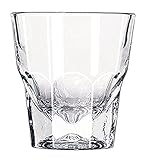
The traditional and most iconic vessel for a cortado is the 4.5-ounce “Gibraltar” glass, made famous by Blue Bottle Coffee Roasters. Its faceted base and smooth rim make it durable and comfortable to hold, and its size is perfectly suited for the drink’s 1:1 ratio.
Step-by-Step Cortado Recipe
Step 1: Prepare Your Glass and Espresso
Action: Pre-heat your 4.5 oz glass by filling it with hot water and letting it sit for a minute. Grind your coffee beans fresh and pull a double shot of espresso (approximately 2 oz) directly into the warmed, empty glass.
Step 2: Steam the Milk
Action: Pour about 2-3 oz of cold milk into your steaming pitcher. Purge your steam wand, then insert the tip just below the surface of the milk. Steam the milk until it reaches a temperature of 130-140°F (55-60°C). You want to create a velvety micro-foam, not thick froth. An expert barista tip is to listen for a gentle hissing sound and stop aerating before the pitcher becomes too hot to touch.
Step 3: Combine and Serve
Action: Gently swirl the steamed milk in the pitcher to ensure it’s a consistent, silky texture. Pour 2 oz of the steamed milk directly into the center of the espresso in your glass. The goal is to integrate the milk with the coffee, not to create distinct layers. Serve immediately and enjoy.
Pro Tip: For a flawless texture, tap the milk pitcher on the counter a few times after steaming and then swirl it vigorously. This will break up any larger bubbles and create that signature velvety sheen you’re looking for.
FAQs About what is a cortado
How do you pronounce Cortado?
The correct pronunciation is “cor-TAH-doh,” with the emphasis on the second syllable. It is a Spanish word, and following the Spanish pronunciation respects the drink’s cultural origins. Avoid pronouncing it as “cor-tah-doo” or with the emphasis on the first syllable.
Is a Cortado sweet?
No, a traditional cortado is not sweet. It contains only espresso and milk, with no added sugar. The steaming process brings out the natural sweetness of the milk, which balances the bitterness of the espresso, but the overall flavor profile is strong and coffee-forward, not sugary.
How much caffeine is in a Cortado?
A standard cortado contains the same amount of caffeine as a double shot of espresso, typically between 120-150 mg. Because the drink only contains espresso and milk with no other coffee added, its caffeine content is determined solely by the espresso shots used. It is more concentrated in caffeine than a larger latte.
Can I get a Cortado at Starbucks?
While the cortado is not on the official Starbucks menu, you can order a similar drink. The closest custom order is a “double shot of espresso with an equal amount of steamed milk.” Some baristas may know the term “cortado,” but being specific about the recipe ensures you get the correct 1:1 ratio.
What is a Gibraltar coffee?
A Gibraltar is essentially a cortado served in a specific 4.5 oz Libbey “Gibraltar” glass. The name originated at Blue Bottle Coffee Company in San Francisco, where baristas started making cortados for themselves in these glasses. The name refers to the glassware, but the drink itself is a cortado.
Does a Cortado have foam?
A traditional cortado has very little to no foam. The milk is steamed to a thin, velvety micro-foam texture that integrates with the espresso, rather than being frothed into a thick, airy cap like a cappuccino. The focus is on the liquid coffee and milk, not a layer of foam.
Can you make a Cortado with oat milk?
Yes, you can absolutely make a cortado with oat milk or other alternative milks. Barista-quality oat milk steams very well, creating a smooth texture that complements espresso. While whole milk is traditional for its fat content and sweetness, oat milk is a very popular and delicious alternative.
What is the difference between a Cortado and a Macchiato?
The key difference is that a cortado is “cut” with an equal amount of milk, while a macchiato is “marked” with a tiny dollop of foam. A cortado is a balanced 1:1 ratio drink (e.g., 2 oz espresso, 2 oz milk), whereas a traditional macchiato is just a shot of espresso with a spot of milk foam on top.
Is a Cortado stronger than a Flat White?
A cortado generally tastes stronger and more intense than a flat white. Although both have a strong coffee flavor, a cortado has a 1:1 ratio of coffee to milk. A flat white typically has a 1:2 ratio, meaning it contains more milk, which dilutes the espresso’s intensity more than in a cortado.
What is a Cortadito?
A cortadito is the Cuban version of a cortado, and it is sweetened. It is made by whipping a small amount of the initial espresso extraction with granulated sugar to create a sugary paste (espumita) before brewing the rest of the shot. Steamed milk is then added, resulting in a strong, sweet, and small coffee drink.
Key Takeaways: Cortado Summary
- The Defining 1:1 Ratio – A true cortado is defined by its precise ratio of equal parts espresso and steamed milk, typically 2 oz of each, creating a balanced, 4 oz drink.
- It’s Stronger Than a Latte, Weaker Than Espresso – It offers the perfect middle ground: the full flavor of espresso with its acidity “cut” by milk, making it less intense than a straight shot but stronger than a milky latte or cappuccino.
- Minimal Foam is Key – Unlike a cappuccino, a cortado has very little to no foam. The milk is steamed to a thin, velvety texture that integrates smoothly with the coffee, not layered on top.
- Spanish Origins, Global Popularity – Originating in Spain’s Basque Country, the cortado is a staple of European café culture that has been globally popularized by the third-wave coffee movement.
- Served in a Specific Glass – The traditional serving vessel is a small 4-4.5 oz glass, famously known as a “Gibraltar” glass, which is the perfect size for its small volume.
- Easy to Make, Hard to Master – The recipe is simple, but achieving the perfect micro-foam texture and a well-extracted espresso shot requires practice, making it a favorite among home baristas.
Final Thoughts on the Cortado
The cortado stands as a testament to the beauty of balance in coffee. It’s the ideal choice for anyone who finds straight espresso too intense but feels that lattes and cappuccinos hide the coffee’s true character behind too much milk and foam. By perfectly marrying the robust nature of espresso with the gentle sweetness of steamed milk, it offers a drinking experience that is both strong and smooth, complex and comforting.
Now that you understand its origins, its precise composition, and how it stands apart from other popular drinks, you are well-equipped to order one with confidence or even craft an authentic one in your own kitchen. What has been your experience with the cortado?
Last update on 2026-10-22 / Affiliate links / Images from Amazon Product Advertising API
