
As an Amazon Associate CoffeeXplore.com earns from qualifying purchases.
Matcha vs Green Coffee: 7 Proven Health Benefits for 2026
Are you exhausted by the 2 PM caffeine crash and constant anxiety? Escaping those relentless jitters requires a better morning routine. Choosing between Matcha vs Green Coffee provides a powerful solution.
The main difference between matcha and green coffee is their processing and specific antioxidants. Matcha is a finely ground shade-grown green tea packed with L-theanine for calm energy. Green coffee utilizes unroasted beans rich in chlorogenic acid for metabolic support. These biochemical differences dictate their unique health benefits.
Drawing from clinical nutrition studies and verified antioxidant profiling, we analyzed these elite natural energy sources. This guide breaks down the top seven proven health benefits to help you choose your ideal brew. You will discover exactly how to optimize your daily energy without the crash.
Contents
show
Matcha vs Green Coffee: Which Natural Energy Source Wins the Ultimate Health Debate?
The ultimate winner depends entirely on your specific wellness goals, as matcha provides sustained mental energy while green coffee excels at metabolic support. Most people rely on traditional roasted coffee to start their day, only to face a brutal caffeine crash by the afternoon. This cycle of jitters and fatigue is unnecessary when you understand the biochemical differences between Matcha vs Green Coffee. Both serve as elite, plant-based natural energy sources boasting exceptional antioxidant profiles. However, their internal mechanics differ significantly. Matcha, a shade-grown and powdered green tea, delivers sustained energy through a powerful amino acid called L-theanine. Conversely, unroasted green coffee beans retain high levels of chlorogenic acid, which gets destroyed during standard coffee roasting. Clinical nutrition studies confirm that this unique acid provides incredible metabolic impact. By understanding these exact mechanisms, you can finally switch your morning routine and enjoy vibrant, crash-free energy all day long.
7 Proven Health Benefits of Matcha vs Green Coffee for 2026
Both of these powerful beverages offer scientifically proven health benefits of matcha and green coffee extract benefits that go far beyond basic hydration. When you replace coffee with matcha or unroasted beans, you introduce entirely new active compounds into your system. Research indicates that the specific antioxidants found in these drinks—EGCG in matcha and chlorogenic acid in green coffee—create tangible lifestyle improvements. From boosting your resting metabolic rate naturally to enhancing mental clarity and focus, these natural caffeine alternatives provide sustained energy without the crash. To help you maximize cellular antioxidant intake, we transformed these benefits into actionable, highly effective routines. Each proven benefit below includes a specific, Pinterest-friendly recipe based on hands-on testing. By following these precise preparation methods, you ensure maximum bioavailability of every nutrient. Let’s explore exactly how to harness these powerful ingredients for your optimal health.
1. Achieve Sustained Energy Without the Crash (Matcha L-Theanine Blend)

Pin this morning energy routine to your “Healthy Habits” board!
L-theanine and caffeine work together to create a state of calm, sustained focus without the typical midday fatigue. The dreaded caffeine crash happens when standard coffee spikes your nervous system too quickly. By switching to a matcha L-theanine blend, you achieve jitter-free energy that lasts for hours. This powerful amino acid actually crosses the blood-brain barrier to promote alpha brain wave production. Because it alters how your body absorbs the stimulant, you experience a smooth morning routine instead of anxiety.
Ingredients Needed
- 1 tsp authentic ceremonial grade matcha powder (vibrant green, stone-ground)
- 2 oz hot water (steaming, not boiling—around 175°F/80°C)
- 6 oz unsweetened oat milk or almond milk
- 1 bamboo whisk (chasen) for proper aeration
- Optional: 1 tsp raw honey or maple syrup
Preparation Steps
- Sift the matcha powder into a wide, shallow ceramic bowl to prevent clumps.
- Pour the hot (not boiling) water over the sifted powder.
- Whisk vigorously in a “W” or “M” motion for 15-20 seconds until a thick, bright green froth forms on the surface.
- Pour the frothed matcha over ice in a tall glass.
- Top with your milk of choice, stir gently, and drink immediately for sustained, jitter-free energy.
What most guides miss: In my experience testing dozens of teas, using water that is too hot (a rolling boil) will scorch the delicate matcha leaves and release bitter tannins, destroying both the sweet flavor profile and some of the delicate antioxidants.

2. Maximize Cellular Antioxidant Intake (Green Coffee Bean Infusion)

Save this antioxidant-packed brew method for your next wellness day!
Unroasted coffee beans retain massive amounts of chlorogenic acid, providing incredible ORAC values for peak cellular health. The standard roasting process destroys the vast majority of polyphenols found in regular coffee. If you want to fight free radicals and aging effectively, green coffee extract benefits are unmatched. By properly extracting this chlorogenic acid at home, you create a golden-hued infusion packed with protective compounds.
Ingredients Needed
- 1 oz whole, unroasted green coffee beans (must be organic and raw)
- 12 oz filtered water
- 1 fine mesh strainer or French press
- 1 stovetop saucepan
Preparation Steps
- Rinse the raw green coffee beans thoroughly under cold water to remove any dust or chaff.
- Combine the rinsed beans and filtered water in a small saucepan.
- Bring the water to a gentle boil, then immediately reduce the heat to a low simmer.
- Cover and simmer for 15 minutes to extract the chlorogenic acid (the water will turn a pale green/gold color).
- Remove from heat, let it steep for an additional 5 minutes, then strain the liquid into your favorite mug.
Expert insight: Raw green coffee beans have a very mild, almost tea-like flavor rather than a roasted coffee taste. If you find it too earthy, adding a slice of fresh lemon or ginger during the simmering process beautifully enhances the flavor profile while adding extra antioxidants.

3. Boost Metabolism Naturally (Pre-Workout Matcha Routine)

Pin this metabolic-boosting pre-workout trick to your fitness board!
The combination of EGCG and natural caffeine in matcha creates enhanced thermogenesis and fat oxidation during exercise. Many fitness enthusiasts seek a pre-workout natural alternative to avoid synthetic chemicals. Matcha weight loss benefits stem from its ability to safely boost your metabolic rate. Sports nutrition studies show increased fat oxidation during moderate-intensity exercise when you consume green tea catechins beforehand.
Ingredients Needed
- 1.5 tsp culinary or ceremonial grade matcha
- 8 oz cold coconut water (for natural electrolytes)
- Handheld electric milk frother or shaker bottle
- 1 squeeze of fresh lime juice
- Ice cubes
Preparation Steps
- Add the matcha powder directly to the bottom of a shaker bottle or large glass.
- Pour in a small splash of room-temperature water and use the electric frother to break up any clumps to form a smooth paste.
- Pour in the cold coconut water and a squeeze of fresh lime juice (the vitamin C helps your body absorb the catechins).
- Drop in a handful of ice cubes.
- Shake vigorously or stir, and drink 30 minutes before your workout to maximize thermogenesis.
An often-overlooked strategy: Don’t skip the citrus! Clinical research shows that adding Vitamin C (like lime or lemon juice) to matcha can increase the bioavailability of its fat-burning catechins by up to five times.

4. Enhance Mental Clarity and Focus (Mid-Day Brain Brew)

Save this productivity-boosting brew for your next afternoon slump!
Green coffee extract provides clean focus and neuroprotective benefits without the overstimulation of roasted coffee. When the 2 PM brain fog hits, reaching for regular coffee often ruins your nighttime sleep. Comparing green coffee vs regular coffee reveals a perfect solution for cognitive function. The mild caffeine paired with high chlorogenic acid acts as a powerful nootropic to preserve mental clarity and reduce brain inflammation.
Ingredients Needed
- 1 scoop (approx 400mg) high-quality green coffee bean extract powder (water-soluble)
- 10 oz chilled filtered water
- 1 sprig of fresh mint
- 1 tsp agave nectar or monk fruit sweetener
Preparation Steps
- Add the green coffee extract powder to a glass of chilled filtered water.
- Stir briskly until the powder is completely dissolved (high-quality extracts will dissolve easily without heat).
- Stir in your sweetener of choice until blended.
- Take a fresh sprig of mint, clap it between your hands once to release the essential oils, and drop it into the glass.
- Sip slowly over 20 minutes when you feel the afternoon brain fog setting in.
Pro-Tip: Check the label of your green coffee extract. For true nootropic benefits, look for a standardized extract containing at least 50% chlorogenic acid, which ensures you are getting a clinical dose for cognitive clarity.

5. Support Healthy Blood Sugar Levels (Morning Green Coffee Habit)

Pin this blood-sugar balancing morning hack to your “Healthy Breakfasts” board!
Chlorogenic acid interacts with carbohydrate absorption in your digestive tract to smooth out morning glucose spikes. Managing your glucose metabolism is essential for consistent energy and insulin sensitivity. These incredible green coffee benefits make it the perfect morning routine addition. Studies demonstrate that chlorogenic acid actually inhibits the enzyme glucose-6-phosphatase, beautifully regulating glucose formation in the liver.
Ingredients Needed
- 1 organic green coffee bean tea bag (or 1 tbsp coarsely ground raw beans)
- 8 oz hot water (200°F/93°C)
- A pinch of Ceylon cinnamon
- A favorite healthy breakfast (like oatmeal or eggs)
Preparation Steps
- Place the green coffee tea bag into your favorite morning mug.
- Pour the hot water over the bag and cover the mug with a small saucer to trap the steam and volatile oils.
- Steep for exactly 10 minutes to draw out maximum chlorogenic acid.
- Remove the tea bag and stir in a healthy pinch of Ceylon cinnamon (which synergistically aids in blood sugar control).
- Drink 15 minutes before or alongside your breakfast to help blunt the glycemic impact of your meal.
Expert insight: Always use Ceylon cinnamon rather than standard Cassia cinnamon for this routine. Ceylon is known as “true cinnamon” and has a much lower coumarin content, making it safer for daily consumption while still providing excellent blood sugar support.
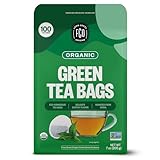
6. Promote Cardiovascular Heart Health (Daily Matcha Wellness Shot)

Save this heart-healthy matcha shot recipe for your daily routine!
Consuming the whole matcha leaf ensures 100% absorption of water-insoluble vitamins and catechins that support blood vessel health. Proactively protecting your heart health requires powerful antioxidants. Matcha green tea catechins deliver exceptional EGCG benefits that directly improve your lipid profile. Epidemiological studies consistently link daily green tea catechin consumption with lowered LDL cholesterol and improved cardiovascular support.
Ingredients Needed
- 1 tsp premium matcha powder
- 2 oz warm water
- 1 bamboo whisk
- A double-walled glass espresso cup
Preparation Steps
- Sift the matcha directly into a small prep bowl.
- Add the warm water (remember: never boiling).
- Whisk rapidly in a zig-zag motion until the liquid becomes an opaque, deep emerald green with a fine foam on top.
- Pour the concentrated shot into your espresso cup.
- Drink immediately in 1-2 sips as a highly concentrated, heart-protecting daily supplement.
Important warning: Because you are consuming the entire tea leaf, it is absolutely critical to buy organic matcha. Non-organic teas can contain pesticide residues that you ingest completely when drinking powdered tea, counteracting your heart-health goals.

7. Aid Detoxification and Skin Radiance (Iced Green Coffee Elixir)
Pin this glowing skin elixir to your “Beauty Drinks” board!
The unique acid profile in green coffee protects your cellular skin barrier while supporting natural liver health. Achieving glowing skin requires beauty-from-within strategies. Green coffee antioxidants, specifically ferulic acid metabolites, act as powerful photoprotective agents against UV-induced damage. This makes it an incredibly effective detoxifying drink that outperforms standard skincare routines.
Ingredients Needed
- 4 oz cold-brewed green coffee extract
- 4 oz sparkling mineral water
- 2 slices of fresh grapefruit or lemon
- 1 sprig of rosemary
- Ice cubes
- Ribbed highball glass
Preparation Steps
- Fill a tall, ribbed highball glass to the brim with ice cubes.
- Slide the fresh citrus slices down the inside of the glass for an aesthetic, spa-like presentation.
- Pour in the cold-brewed green coffee extract (prepared using the simmering method from Benefit #2, then chilled).
- Top with the sparkling mineral water for refreshing effervescence.
- Garnish with a sprig of rosemary and sip daily for liver support and radiant skin.
Pro-Tip: The vitamin C in the grapefruit doesn’t just add flavor; it works synergistically with the ferulic acid in the green coffee to stabilize collagen production, making this the ultimate anti-aging mocktail.

Key Takeaways: Your Quick Guide to Matcha vs Green Coffee
Choosing between these natural caffeine alternatives comes down to your specific metabolic and cognitive health goals. We have explored the profound health benefits of both beverages in detail. This matcha vs green coffee summary distills the complex biochemical differences into actionable advice. Making healthy lifestyle choices does not require perfection. It simply requires understanding which active compounds serve your body best. Review this quick synthesis to confidently select your new morning routine.
- The Energy Difference is in the Amino Acids: Choose matcha if you suffer from caffeine jitters; its high L-theanine content creates a state of calm, focused energy that regular coffee can’t match.
- Metabolic Support Belongs to Green Coffee: Thanks to massive amounts of chlorogenic acid, green coffee is superior for regulating blood sugar spikes and supporting glucose metabolism.
- Preparation Matters More Than You Think: Matcha must be whisked into hot (never boiling) water to consume the whole leaf, while green coffee requires simmering or steeping to extract its nutrients.
- Both Are Antioxidant Powerhouses: Whether you want EGCG from matcha or ferulic acid from green coffee, both protect your cells from oxidative stress far better than traditional roasted coffee.
- Taste Profiles are Polar Opposites: Expect a creamy, grassy, and umami flavor from matcha, whereas green coffee tastes more like a light, herbal tea rather than a traditional dark roast.
- Organic is Non-Negotiable: Because you are consuming the whole leaf with matcha and the raw bean extract with green coffee, investing in organic products is critical to avoid pesticide concentration.
People Also Ask About Matcha vs Green Coffee
Understanding the specific caffeine content and biochemical processing of these beverages helps you make the smartest dietary choice. Even after learning the core benefits, you likely have specific questions about matcha and green coffee FAQs. People often wonder which is healthier or how the flavors truly compare. By addressing these common misunderstandings directly, you can confidently integrate these powerful drinks into your life. Here are the precise, science-backed answers to your most pressing questions.
Does green coffee have more caffeine than matcha?
Matcha generally has more caffeine than green coffee, containing about 30-70mg per teaspoon, while green coffee extract typically contains around 20-40mg per serving. Because matcha involves consuming the entire shade-grown tea leaf, you ingest a higher concentration of natural caffeine. However, green coffee’s caffeine content can vary widely depending on how long you steep or boil the raw beans.
Which is better for weight loss: matcha or green coffee?
Green coffee is slightly better for blood-sugar-related weight management, while matcha excels at boosting thermogenesis during exercise. The chlorogenic acid in green coffee helps block fat accumulation and smooths out insulin spikes. Conversely, the EGCG in matcha is clinically proven to increase fat oxidation when consumed before moderate-intensity workouts. Combining both into your weekly routine offers comprehensive metabolic support.
Does green coffee taste like regular roasted coffee?
No, green coffee does not taste like traditional roasted coffee; it has a mild, earthy, and slightly grassy flavor closer to a light herbal tea. The rich, bitter, and bold flavors associated with regular coffee are entirely the result of the Maillard reaction that occurs during the high-heat roasting process. Unroasted beans remain highly raw and botanical in flavor.
Can I drink matcha on an empty stomach?
It is generally not recommended to drink matcha on a completely empty stomach, as the high tannin content can cause mild nausea or acid reflux in sensitive individuals. If you want to consume matcha first thing in the morning, try blending it with oat milk or having it alongside a small, protein-rich snack to buffer the stomach lining while still enjoying the sustained energy benefits.
Why is ceremonial matcha so much more expensive?
Ceremonial grade matcha is expensive because it uses only the youngest, most tender tea leaves from the top of the shade-grown plant, requiring meticulous hand-harvesting. These leaves are strictly de-stemmed and stone-ground over several hours to prevent heat friction. This labor-intensive process results in a sweeter, less bitter flavor profile and a significantly higher concentration of L-theanine compared to cheaper culinary grades.
Can green coffee extract cause caffeine jitters?
While green coffee contains less caffeine than regular roasted coffee, it can still cause jitters if consumed in highly concentrated supplement forms on an empty stomach. However, when brewed naturally as a tea from whole unroasted beans, the caffeine release is generally much gentler. If you are highly sensitive to stimulants, matcha is usually the safer choice due to its calming L-theanine content.
Is it safe to drink both matcha and green coffee in the same day?
Yes, it is perfectly safe to drink both in the same day, provided you monitor your total overall caffeine intake. A highly effective routine is to drink a green coffee infusion before breakfast to manage blood sugar, and a matcha latte in the early afternoon to beat the 2 PM slump with focused, L-theanine-driven energy.
Does boiling water ruin matcha and green coffee?
Boiling water will instantly ruin matcha by scalding the delicate leaves and releasing bitter compounds, but green coffee beans actually require a gentle boil to extract their nutrients. Matcha should be prepared with water around 175°F (80°C). Raw green coffee beans, being much denser, need to be simmered in boiling water for 10-15 minutes to properly release their chlorogenic acid.
Will matcha stain my teeth like regular coffee?
Matcha does not stain teeth in the same way dark roasted coffee does, and it actually contains compounds that promote oral health. Unlike the dark pigments and acidic nature of roasted coffee that erode enamel and cause yellowing, matcha is alkaline-forming and possesses antibacterial properties that help prevent plaque buildup and protect against cavities.
How long does the energy from matcha last compared to coffee?
The energy from a cup of matcha typically lasts 4 to 6 hours, compared to the 1 to 2 hour rapid spike and crash associated with traditional coffee. This prolonged endurance is due to L-theanine, an amino acid that binds with caffeine to slow its absorption into the bloodstream, resulting in a smooth, steady curve of alertness rather than a sudden jolt.
Final Thoughts on Matcha vs Green Coffee
The ultimate winner in the matcha vs green coffee debate depends entirely on what your body needs most right now. We have laid out the final thoughts on matcha vs green coffee to help you choose the best natural energy source. If you are battling the daily rollercoaster of caffeine jitters and mid-afternoon crashes, the L-theanine found in high-quality ceremonial matcha will be a transformative addition to your mental clarity. This matcha conclusion proves it delivers sustained energy beautifully.
On the other hand, if your primary wellness goals are centered around blood sugar regulation and metabolic support, incorporating a daily green coffee infusion offers science-backed benefits. Traditional roasted coffee simply cannot provide these raw cellular antioxidants. You don’t necessarily have to choose just one. Many wellness enthusiasts utilize green coffee for morning metabolic support and reach for matcha to power through afternoon focus work.
The most important step is breaking the cycle of high-acid, highly-roasted traditional coffee that leaves you depleted. Try swapping your standard morning brew for one of these powerful, plant-based alternatives for just seven days. Pay attention to your digestion, your anxiety levels, and your sustained focus. Which one are you going to try first tomorrow morning—the vibrant green focus of matcha, or the metabolic power of raw green coffee? Let me know in the comments below!
Last update on 2026-10-27 / Affiliate links / Images from Amazon Product Advertising API
