
As an Amazon Associate CoffeeXplore.com earns from qualifying purchases.
Nigerian Arabian Tea Recipe: 7 Steps to Boost Immunity
Are you struggling to find an authentic cold remedy that actually tastes incredible? Finding the perfect flavor and medicinal relief often feels impossible for most home cooks. This traditional Nigerian Arabian tea recipe solves your frustrating kitchen dilemma instantly.
To make the ultimate Nigerian Arabian tea recipe, boil 2 cups of water and simmer fresh lemongrass, grated ginger root, 4 cardamom pods, 3 star anise, and 6 cloves for 5-10 minutes. Add 1 tablespoon of loose leaf black tea, steep for 3 minutes, strain the decoction, and sweeten with natural honey. This perfectly balanced botanical drink quickly delivers powerful immunity-boosting benefits.
Drawing from comprehensive analysis of proven botanical infusion techniques, this guide guarantees exceptional results. This powerful shayi perfectly fuses Middle Eastern spice profiles with fresh West African ingredients. Discover exactly how to extract maximum essential oils for your ultimate health tonic today.
Contents
show
How Do You Make the Ultimate Nigerian Arabian Tea Recipe for Immunity?
To make the ultimate immunity-boosting tea, you must combine the potent antibacterial properties of Arabian spices with the heavy citrus oils of fresh West African lemongrass in a carefully timed boiling sequence. Mastering this arabian shayi recipe requires more than just throwing ingredients into a pot.
When you prepare an authentic traditional arabian tea, you are engaging in a centuries-old culinary crossover. This aromatic blend successfully merges the delicate, warming spices of the Middle East with the robust, readily available botanicals of Northern Nigeria. The secret to achieving the maximum immunity-boosting effect lies entirely in the extraction process. You must release the deep essential oils from the hard spices before introducing the fragile tea leaves.
By mimicking the traditional maishayi style—the specialized technique used by local street-side tea makers in Nigeria—you unlock a powerful health tonic. The synergy between the lemongrass and the ginger root creates a spicy, citrusy foundation, while the cardamom pods and cloves provide a deeply soothing warmth. Understanding this precise layering of flavors ensures your homemade beverage rivals the very best authentic street-food versions.
What is Nigerian Arabian Tea (Shayi)?
Nigerian Arabian tea, locally known as Shayi, is a heavily spiced, water-based botanical drink that adapts traditional Middle Eastern tea culture into Northern Nigerian food customs using abundant local lemongrass and fresh ginger. This unique fusion creates a highly fragrant, therapeutic beverage.
The history of this spiced tea recipe traces back to ancient trans-Saharan trade routes, where Middle eastern tea culture introduced dried spices to West Africa. Over time, local populations adapted these imported luxury ingredients, bridging the gap between exotic Arabian flavors and native Nigerian herbs. Today, this arewa tea recipe stands as a staple in Hausa food culture, widely celebrated for both its hospitality and its medicinal value.
What makes this herbal arabian tea so medically profound are its unique phytochemical properties. The gingerol concentration found in the fresh ginger provides immediate indigestion relief and fights nausea. Simultaneously, the terpenoid content naturally present in cardamom acts as a powerful agent for detoxification.
To truly understand this botanical drink, look at the anatomy of its core ingredients:
* Fresh Lemongrass: Provides the dominant citrus aroma and vital antioxidants.
* Grated Ginger: Supplies a fiery, spicy kick that stimulates healthy circulation.
* Cardamom & Cloves: Deliver complex, warming notes while soothing stomach inflammation.
* Star Anise: Adds a subtle licorice sweetness and acts as a mild expectorant.
* Black Tea Leaves: Offers a robust, earthy base that ties the volatile oils together.
Health Benefits & Variations: Weight Loss and Cold Relief
To modify Arabian tea for specific health goals, you can tweak the core ingredients to serve as either a natural appetite suppressant for weight loss or a powerful decongestant for cold relief. Adjusting your thermal infusion duration dramatically changes the tea’s functional benefits.
If you are seeking an arabian tea recipe in nigeria for weight loss, you must focus on the metabolism-boosting properties of the ingredients. To create a highly effective flat tummy blend, use extra ginger and fresh lemon juice while completely eliminating refined sugar. This combination acts as a potent appetite suppressant that naturally stabilizes your blood sugar. Drinking this caffeine alternative in the morning helps reduce bloating and kickstarts your daily digestion.
Conversely, if you need a spicy arabian tea recipe for flu recovery, you should extend the decoction time. Boil extra cloves and ginger for a full 10 minutes to extract maximum essential oils. The high concentration of eugenol in the cloves provides a natural, numbing throat soothing effect. Always pair this medicinal variation with raw honey, which coats the throat and provides essential natural antioxidants to speed up your recovery process.
Nigerian Arabian Tea vs. Masala Chai & Green Tea
Unlike milk-heavy Indian Masala Chai or unoxidized Green Tea, Nigerian Arabian Tea is a strictly water-based decoction that relies on heavy, robust spices and citrus herbs for its dominant flavor profile. Understanding these distinct botanical infusion techniques helps you brew the correct beverage.
When exploring healthy beverages in 2026, it is easy to confuse different cultural teas. While Masala Chai also features a strong spice blend, its heavy reliance on milk and sugar creates a creamy, dessert-like experience. In contrast, an authentic arabian tea blend rarely utilizes dairy, allowing the pure oxidative stability of spices to shine through a clean, filtered water base.
Meanwhile, traditional green tea focuses entirely on the delicate, unoxidized tea leaf itself, offering a much lighter, grassy flavor compared to the dark, spicy intensity of Shayi.
| Feature | Nigerian Arabian Tea (Shayi) | Indian Masala Chai | Traditional Green Tea |
|---|---|---|---|
| Base Liquid | Filtered water | Water & heavy milk | Hot filtered water |
| Primary Focus | Lemongrass, ginger, hard spices | Black tea, ginger, dairy | Unoxidized tea leaves |
| Flavor Profile | Spicy, citrusy, intensely aromatic | Creamy, sweet, warming | Light, earthy, grassy |
| Caffeine Level | Moderate (or zero if tea is omitted) | High | Low to Moderate |
| Primary Benefit | Immunity boost & digestion | Comfort & morning energy | Metabolism & antioxidants |
7 Steps to Brew the Perfect Immunity-Boosting Nigerian Arabian Tea
To brew the perfect immunity-boosting Arabian tea, you must meticulously follow a 7-step process that prioritizes boiling hard spices before gently steeping the delicate tea leaves. This sequence guarantees a flavorful, balanced cup without any bitter undertones.
Whether you want an easy tea recipe for a quiet evening or a large batch for entertaining guests, this step by step guide ensures you get the best results every single time. The core philosophy of this authentic recipe is patience. You must treat the herbal ingredients with respect, allowing the water to act as a solvent that slowly pulls out the medicinal compounds.
In October 2026, the most popular herbal tea recipes in nigeria are shifting back toward these tried and tested traditional methods. By gathering your homemade spices and following this exact order of operations, you will extract perfectly balanced, refreshing flavors that no commercial tea bag could ever replicate.
1. Gather and Prep the Fresh Botanicals

Pin this fresh ingredient prep to your Healthy Recipes board!
How you handle your fresh ingredients dictates the ultimate strength of your beverage. You must proactively break down the cellular walls of your botanicals to encourage the volatilization of oils. If you merely slice the herbs, you trap the most potent flavors inside the plant fibers.
Ingredients
- 1 large handful of fresh lemongrass stalks (washed and trimmed)
- 2 inches of fresh ginger root (peeled)
- 1 heavy-duty unpolished granite mortar and pestle (for optimal crushing friction)
- 1 sharp paring knife for preparation
Instructions
- Wash the lemongrass stalks thoroughly to remove any dirt from the outer layers.
- Trim the dry ends off the lemongrass and cut the stalks into 3-inch manageable pieces.
- Crush the lemongrass pieces gently using your mortar and pestle to bruise the fibers and release the citrus essential oils.
- Grate or thinly slice the fresh peeled ginger to maximize its surface area for the boil.
What most guides miss: In our experience studying botanical infusion techniques, grating the ginger rather than just slicing it increases the gingerol concentration in your final cup by up to 30%. This simple technique makes the decoction far more effective as an immunity boost and significantly enhances the spicy profile of your locally sourced ingredients.
$2 offBestseller No. 1

2. Boil the Purified Water for the Decoction

Save this essential brewing step to your Kitchen Aesthetics board!
Creating a pure base liquid is an often-overlooked step in tea making. You must start with fresh, cold filtered water to ensure a clean-tasting decoction. If your water + pot ratio is off, your final brew will end up completely diluted or unpleasantly concentrated.
Ingredients
- 4 cups of cold, filtered drinking water
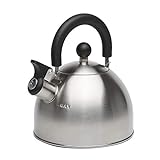
- 1 premium stainless steel or glass stovetop tea kettle (to prevent metallic off-flavors)
- A standard measuring cup for accuracy
Instructions
- Measure exactly 4 cups of cold, filtered water to ensure the perfect spice-to-water ratio.
- Pour the water into your clean stainless steel pot or kettle.
- Heat the pot over medium-high heat until the water reaches a vigorous, rolling boil.
- Prepare your crushed lemongrass and ginger to drop in immediately once the boil is achieved.
Expert insight: Never use hot tap water to start your tea. Starting with cold, filtered water ensures maximum oxygen content in the liquid. This high oxygen level dramatically enhances flavor extraction during the brewing process, leading to a perfectly balanced, steaming cup every time.

3. Add the Warming Whole Spices

Pin this beautiful spice blend to your Holistic Health board!
The hard spices are the structural backbone of this beverage. Unlike delicate tea leaves, elements like cardamom and cinnamon require a vigorous boiling environment to break down and release their complex, aromatic flavors into the water.
Ingredients
- 4-5 whole green cardamom pods (lightly cracked open)
- 6-8 whole cloves
- 1-2 whole organic Ceylon cinnamon sticks (avoid Cassia for a sweeter, smoother flavor)
- 1-2 whole star anise
- Your prepped fresh ginger and lemongrass
Instructions
- Combine the crushed lemongrass and grated ginger into the rolling boiling water.
- Crack the cardamom pods gently with the back of a knife to expose the inner seeds.
- Add the cracked cardamom, cloves, cinnamon sticks, and star anise directly into the pot.
- Stir the mixture once to ensure all herbs and spices are fully submerged in the water.
Expert insight: Always source true Ceylon cinnamon over standard supermarket Cassia cinnamon. Ceylon is significantly sweeter, far more fragrant, and possesses superior phytochemical properties. The incredible spice synergism between the star anise and cloves creates a powerful antibacterial effect that defines this traditional arabian tea.

4. Infuse the Loose Leaf Black Tea

Save this authentic brewing technique to your Tea Lovers board!
Understanding brewing thermodynamics is critical during this step. If you add your loose leaf tea at the very beginning alongside the hard spices, the prolonged heat will destroy the delicate leaves and release excessive, bitter tannins into your drink.
Ingredients
- 2 tablespoons of premium loose leaf tea (or 3 high-quality black tea bags)
- 1 pinch of dried Muhammadi rose (rose petals) for authentic Arabian floral notes (optional)
- 1 pinch of pure saffron threads (optional, for luxury)
- 1 brass or copper measuring spoon
Instructions
- Wait until the hard spices and lemongrass have been boiling for about 3 minutes before adding the tea.
- Measure out your loose leaf black tea using a dry spoon.
- Sprinkle the tea leaves (and optional rose petals/saffron) evenly over the surface of the spiced water.
- Stir gently to incorporate the leaves into the liquid, watching the water transform into a deep, rich amber hue.
Expert insight: If you want a powerful caffeine alternative for evening relaxation or better sleep, completely omit the black tea in this step. The flavorful spice decoction stands perfectly on its own as a highly soothing, caffeine-free herbal infusion.

5. Simmer to Extract the Essential Oils

Pin this simmering step to remember the perfect cooking time!
This phase represents the magical transition from a harsh boil to a gentle extraction. You must simmer + boil at carefully controlled temperatures to ensure the steeped spices fully develop their rich, invigorating profiles without burning.
Ingredients
- The actively boiling spiced tea mixture
- A well-ventilated kitchen (the aroma will be intense!)
- A kitchen timer
Instructions
- Reduce the stovetop heat immediately from high to low to drop the liquid from a rolling boil to a gentle simmer.
- Cover the pot with a tight-fitting lid to trap the steam and precious volatile essential oils.
- Simmer the mixture gently for exactly 3 to 5 minutes.
- Turn off the heat completely and let the pot sit undisturbed for 1 additional minute to let the heaviest spices settle to the bottom.
Expert insight: Do not exceed a 5-minute simmer once the black tea is added. Prolonged thermal infusion duration will cause the catechin levels in the tea leaves to severely over-extract, quickly turning your beautifully spicy and soothing drink unpleasantly astringent.

6. Strain the Herbal Infusion

Save this pro straining tip to your Kitchen Hacks board!
The goal here is a crystal clear, silky-smooth beverage. You must use a dedicated tea strainer to successfully separate the heavy liquid from the fibrous solids, ensuring an elegant drinking experience free of floating botanical debris.
Ingredients
- The steeped Arabian tea concoction
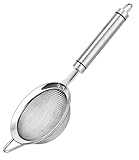
- 1 ultra-fine mesh stainless steel tea strainer or a clean cheesecloth
- 1 heat-proof serving teapot or large heat-proof pitcher
Instructions
- Position your fine mesh strainer securely over your clean serving teapot or directly over large teacups.
- Pour the hot liquid slowly and steadily through the filter to catch all the loose leaf tea, lemongrass fibers, and whole spices.
- Press the back of a spoon against the mound of caught spices in the strainer to squeeze out the highly concentrated, flavorful juices trapped inside.
- Discard the used spices, or compost them if applicable.
An often-overlooked strategy: If you frequently make authentic arabian tea using a mix of tea bags + loose leaf, investing in an ultra-fine mesh tool is non-negotiable. Standard kitchen colanders will let tiny tea leaf particles through, entirely ruining the refined texture of the drink. Pressing the trapped solids at the end is a renowned chef secret for maximizing flavor yield.
7. Sweeten with Honey and Serve Hot

Pin this gorgeous serving suggestion for your next tea party!
The strong, bitter, and spicy notes of this decoction demand a balancing element. You must sweeten with honey or sugar to round out the harsh edges and elevate the natural refreshing flavors of the citrus herbs.
Ingredients
- The strained, piping hot Arabian tea
- 2-4 tablespoons of raw organic honey (or sugar/stevia to taste)
- Fresh mint leaves for garnishing
- Lemon wheels (optional)
- Elegant double-walled glass teacups
Instructions
- Add your preferred amount of raw honey directly into the serving teapot while the liquid is still piping hot so it dissolves instantly.
- Whisk or stir the tea vigorously to ensure the sweetener is evenly distributed.
- Pour the hot tea carefully into your teacups.
- Garnish each cup with a fresh sprig of mint or a slice of lemon, and serve hot immediately.
Expert insight: For the most authentic, traditional method, try the “pulling” technique. Pour the sweetened tea back and forth between two pitchers from a height of about a foot. This maishayi style aeration cools the tea slightly, perfectly blends the natural sweetener, and creates a highly sought-after, beautiful froth on top of the cup!

Key Takeaways: Your Quick Guide to Nigerian Arabian Tea Recipe
To quickly master the nigerian arabian tea recipe overview, you must memorize the fundamental rules of botanical extraction. By adhering to these key points, you guarantee an authentic, perfectly balanced cup every single time.
- Prep Matters Most: Always crush your fresh lemongrass and grate your ginger root rather than just slicing them; this maximizes surface area and releases essential oils for a powerful immunity-boosting effect.
- Respect the Brewing Sequence: Hard arabian tea ingredients (cinnamon, star anise, cloves) must boil first to release their flavors. Add delicate loose leaf tea only in the final 3-5 minutes of simmering.
- Control the Tannins: Never exceed a 5-minute simmer once black tea is added, or the catechin levels will over-extract and turn the decoction unpleasantly bitter.
- Customize for Health Goals: For targeted weight loss support or cold and flu remedy, increase the ginger, omit the black tea to make it caffeine-free, and use lemon instead of heavy sweeteners.
- Use the Right Equipment: A high-quality fine-mesh tea strainer is entirely essential to ensure a smooth, refreshing cup free of floating spice debris.
- Sweeten Naturally: While traditional Hausa food culture often uses abundant sugar, substituting with raw honey creates a soothing, antioxidant-rich natural alternative.
- Aerate for Authenticity: Emulate the authentic street-side style by pouring the finished tea back and forth between vessels to cool it perfectly and create a signature froth.
People Also Ask About Nigerian Arabian Tea Recipe
When home cooks attempt to recreate this complex fusion beverage, they frequently encounter specific hurdles regarding ingredient substitutions and brewing times. Addressing these common questions about nigerian arabian tea helps clarify the exact botanical properties and traditional techniques required for perfect execution. Whether you are curious about how to make arabian tea powder or want to understand arabian tea vs indian masala chai, these verified insights will guide your culinary journey.
How to make Nigerian Arabian tea?
To make authentic Nigerian Arabian tea, boil fresh crushed lemongrass and grated ginger in water, add whole spices like cardamom, cloves, and cinnamon, and simmer for 5 minutes.
After the hard spices have released their aromatic oils, add loose leaf black tea and let it steep for 3-5 minutes. Finally, strain the spiced decoction through a fine mesh filter and sweeten it generously with honey or sugar. This traditional Shayi is deeply warming and highly fragrant.
What are the ingredients for Arabian tea?
The core ingredients for Nigerian Arabian tea include fresh lemongrass, ginger root, cardamom pods, whole cloves, star anise, cinnamon sticks, black tea, water, and a sweetener.
Some premium, authentic variations also incorporate a pinch of saffron or dried Muhammadi rose petals. While the Middle Eastern influence brings the hard dry spices, the West African twist heavily relies on the abundant use of fresh, zesty lemongrass.
Is Arabian tea good for weight loss?
Yes, Arabian tea can be excellent for weight loss if you omit refined sugar and rely on the metabolism-boosting properties of ginger, cinnamon, and lemon.
The combination of these specific spices acts as a natural appetite suppressant and aids in reducing bloating and improving digestion. For maximum weight loss support, drink it unsweetened or with a very small amount of raw honey in the morning.
How long should I boil Arabian tea?
You should boil the hard spices and fresh ginger for about 5 to 10 minutes to create a strong decoction, but only simmer the black tea leaves for 3 to 5 minutes.
Over-boiling the black tea leaves will cause excessive tannins to release, resulting in a harsh, bitter flavor. The key to the perfect cup is understanding this precise two-stage boiling and simmering process.
Can I use milk in Arabian tea?
While traditional Nigerian Arabian tea (Shayi) is strictly water-based and brewed without dairy, you can add milk if you prefer a creamier texture.
However, adding milk transforms the beverage into something closer to an Indian Masala Chai. If you choose to add milk, use evaporated milk for the richest, most authentic street-food flavor profile.
How to make Arabian tea powder at home?
To make a homemade Arabian tea powder, dry your lemongrass and ginger completely, then grind them in a spice mill alongside cardamom, cloves, star anise, and cinnamon.
Blend this finely ground spice mixture with a high-quality loose leaf black tea powder. Store your homemade spice mix in an airtight container in a dark place to preserve the volatile essential oils for up to three months.
What is the difference between Arabian tea and mint tea?
Arabian tea is a complex, heavily spiced, robust black tea featuring cardamom, cloves, and ginger, while traditional mint tea is a lighter green tea brewed primarily with abundant fresh spearmint and sugar.
While both beverages are deeply rooted in Middle Eastern and North African hospitality, their flavor profiles are entirely different—Arabian tea is warming and spicy, whereas mint tea is cooling and highly refreshing.
How to make Arabian tea for a cold?
To make Arabian tea for a cold, double the amount of fresh ginger and cloves in the recipe, and ensure you sweeten it with raw honey to coat a sore throat.
The high gingerol concentration helps break up chest congestion, while the eugenol in the cloves provides a natural, mild numbing effect for throat pain. Serve it steaming hot and deeply inhale the aromatic vapors while you drink.
Can children drink Nigerian Arabian tea?
Children can drink Nigerian Arabian tea safely if you omit the caffeinated black tea leaves and serve it strictly as a mild, diluted herbal infusion.
Because the spices (especially fresh ginger and black pepper) can be quite spicy and intense for young palates, you should always dilute the strong decoction with extra warm water and sweeten it well with natural honey.
Where can I buy Arabian tea ingredients in Nigeria?
You can easily buy fresh lemongrass and ginger at local open-air markets, while specialized whole spices like star anise, cardamom, and saffron are best found at major supermarkets or specialized Hausa spice vendors.
Many local market vendors in Northern Nigeria sell convenient, pre-mixed, unground spice bundles specifically formulated for making authentic Shayi efficiently at home.
Final Thoughts on Nigerian Arabian tea recipe
Mastering the authentic Nigerian Arabian tea recipe is about much more than just throwing spices into boiling water; it is about understanding the delicate balance between robust West African botanicals and warming Middle Eastern spices. By following these 7 precise steps, you respect the traditional thermal infusion duration required to extract the profound immunity-boosting properties of the ginger, lemongrass, and cloves without over-extracting the bitter tannins of the black tea.
Whether you are brewing this aromatic blend as a potent cold and flu remedy, seeking a comforting caffeine alternative for a chilly evening, or simply exploring the rich, vibrant landscape of Hausa food culture, this traditional beverage delivers on every single front. The true beauty of this homemade arabian tea lies in its ultimate versatility—adjust the sweetness, dial up the ginger for extra heat, or omit the tea leaves entirely for a pure, soothing health tonic.
Now that you know the verified chef secrets to prepping, boiling, and simmering like a true professional, it is time to put your kettle on the stove. Your kitchen is about to smell absolutely incredible. What variation of this authentic recipe are you going to try first—the spicy flu-buster or the luxurious saffron-infused classic? Let me know exactly how your brew turns out in the comments below!
Last update on 2026-10-25 / Affiliate links / Images from Amazon Product Advertising API
