

As an Amazon Associate CoffeeXplore.com earns from qualifying purchases.
Miso Caramel Latte: 5 Steps to Perfect Umami-Sweet Coffee
Tired of your usual salted caramel latte feeling a little one-note? You crave a coffee experience with more depth and complexity, but the idea of adding fermented soybean paste to your morning cup sounds more confusing than delicious. This is where the magic of the miso caramel latte comes in.
A miso caramel latte is a gourmet coffee beverage that masterfully blends bold espresso and steamed milk with a savory-sweet syrup made from caramelized sugar and white miso paste. This unique combination creates a velvety texture and an unforgettable umami-sweet flavor profile that is both comforting and sophisticated. It elevates a standard sweet latte into a complex culinary experience.
Drawing from established culinary flavor pairing theory, this guide breaks down the science behind this incredible fusion drink. You’ll discover not just a recipe, but the exact techniques to balance the fermented notes of miso with the sweetness of caramel. Prepare to craft a coffee that boasts a deep richness you won’t find anywhere else.
Contents
show
What is a Miso Caramel Latte? Exploring the Ultimate Umami-Sweet Coffee
At its core, a miso caramel latte is a pinnacle of Third Wave Coffee innovation, a fusion beverage where Eastern culinary staples meet Western café culture. It takes the familiar comfort of a caramel latte and introduces a profound layer of complexity using white miso paste, a fermented soybean product renowned for its savory umami flavor. The result is not a salty or soup-like coffee, but an incredibly decadent and balanced drink. The magic lies in how the fermented, salty notes of the miso deepens the richness of the sweet caramel, creating a sophisticated salty-sweet balance that is far more intriguing than simple salt. When combined with bold espresso shots that cuts through cream and the creamy consistency of steamed oat milk, you get a beverage with an exceptionally rich mouthfeel and subtle earthy undertones. This umami caramel latte is a testament to how contrasting flavors can create a harmonious and unforgettable sensory experience.
Miso Caramel Latte: 5 Steps to Perfect Umami-Sweet Coffee
Creating this café-quality beverage at home is an exercise in culinary precision, but it’s far from difficult. We’ve broken down the entire process into five distinct, manageable phases, from creating the foundational miso caramel syrup to the final, beautiful pour. This step-by-step guide will walk you through crafting the perfect house-made miso caramel, pulling robust shots of espresso, and steaming oat milk to a velvety texture. By focusing on key techniques like temperature control and proper ingredient preparation, you’ll avoid common pitfalls and achieve a perfectly balanced Japanese caramel latte on your very first try.
1. Whisk and Prepare the White Miso Paste Base

Save this essential umami flavor hack to your favorite Coffee Recipes board!
The foundation of your latte’s unique flavor is selecting the right kind of miso and preparing it correctly. This step is crucial for achieving a smooth, integrated syrup and avoiding unpleasant salty chunks in your final drink. We will be using shiro miso, also known as white miso, for its milder, sweeter profile which perfectly complements oat milk and coffee.
Ingredients
- 2 tablespoons white miso (Look for organic, culinary grade miso with a smooth, creamy consistency)
- 1 tablespoon warm filtered water (essential for pre-dissolving)
- 1 teaspoon pure vanilla extract
Instructions
- Measure out exactly two tablespoons of smooth white miso paste into a small ceramic prep bowl.
- Pour the warm filtered water over the miso paste to loosen its dense structure.
- Whisk vigorously until the paste completely breaks down into a smooth, liquid slurry.
- Incorporate the vanilla extract into the slurry and set aside.
- Check the mixture to ensure absolutely no lumps remain, preventing miso clumping in your final beverage.
Pro-Tip: In culinary practice, understanding the koji-kin influence is crucial. Always choose white miso (shiro miso) over red miso for lattes. Red miso undergoes a longer fermentation process, resulting in a much stronger, saltier profile that can easily overpower the delicate coffee notes and make your drink taste like soup.

2. Simmer and Reduce the Umami-Sweet Caramel Syrup

Pin this foolproof caramel technique to never burn sugar again!
Now we build the sweet and rich body of our syrup. The key to a perfect caramel is patience and temperature control. By using a wet caramel method and adding warmed cream, we can easily avoid the two most common frustrations: burnt sugar and a crystallized, grainy texture.
Ingredients
- 1 cup granulated sugar
- 1/4 cup filtered water
- 1/2 cup heavy cream, warmed (crucial step to prevent seizing)
- The prepared white miso slurry (from Step 1)
- Pinch of sea salt (optional, to taste)
Instructions
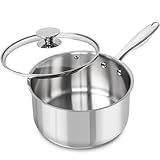
- Combine the granulated sugar and filtered water in a heavy-bottomed saucepan off the heat, gently stirring until it resembles wet sand.
- Place the saucepan over medium-high heat and simmer without stirring. You can gently swirl the pan if hotspots develop.
- Watch closely as the bubbling sugar turns from clear to a deep, golden amber color (typically 5-7 minutes).
- Remove the pan from the heat immediately to stop the cooking process and prevent burning.
- Carefully and slowly pour in the warmed heavy cream while whisking continuously (the mixture will bubble up violently).
- Once smooth, incorporate the miso slurry into the hot caramel until completely dissolved, achieving that perfect salty-sweet balance.
Pro-Tip: The secret to preventing a grainy texture is understanding the hygroscopic properties of sugar. Never stir the sugar once it begins boiling, as introducing a spoon can cause crystallization. If you struggle with your caramel seizing when adding cream, ensure the cream is heated slightly in the microwave first to reduce temperature shock.
3. Brew the Bold Espresso Base

Save this barista extraction tip for the perfect latte foundation!
The coffee itself is not an afterthought; it’s the critical backbone that must stand up to the intensely rich syrup. You need a strong, bold brew. Whether you’re using a professional espresso machine or convenient Nespresso capsules, the goal is a concentrated, low-acidity coffee base.
Ingredients
- 18-20 grams of fresh dark espresso roast whole beans (or 2 dark roast Nespresso capsules)
- Filtered water for brewing
Instructions
- Grind your whole beans fine, specifically dialed in for your espresso machine.
- Dose and tamp the grounds evenly into your portafilter to ensure uniform water distribution.
- Brew a double shot of espresso (yielding about 36-40 grams of liquid). The extraction should take between 25 and 30 seconds.
- If using a pod machine, extract two separate short espresso shots to ensure a robust, concentrated coffee base that won’t taste watered down.
- Immediately pour 1-2 tablespoons of your freshly made miso caramel into the bottom of your serving mug while the espresso is brewing.
- Stir the hot espresso directly into the syrup to melt and integrate the flavors seamlessly.
Pro-Tip: Because miso caramel is exceptionally rich, you need a coffee base that can stand up to it. I highly recommend a medium-dark to dark roast with chocolate or nutty tasting notes. A light, fruity roast will suffer a jarring flavor clash due to the competing acidity.

4. Steam and Froth the Oat Milk to Velvety Texture

Pin this milk steaming guide for cafe-quality microfoam at home!
The final component is perfectly steamed milk, which adds creaminess and volume. We recommend a barista-edition oat milk for this recipe because its natural nutty flavor pairs beautifully with miso. The goal is to create microfoam—a glossy, paint-like texture—not bubbly, airy foam.
Ingredients
- 6-8 ounces of high-quality oat milk (Barista edition preferred for superior microfoam)
Instructions
- Pour cold oat milk into a stainless steel frothing pitcher, filling it just below the spout base.
- Purge your steam wand, then submerge the tip just below the milk’s surface.
- Froth by turning on the steam and introducing air for 3-5 seconds until you hear a gentle tearing paper sound, creating micro-bubbles.
- Lower the wand slightly to create a rolling vortex, which breaks down large bubbles and polishes the milk into a velvety texture.
- Steam until the pitcher is hot to the touch but not burning (ideally between 140°F and 150°F).
- Tap the pitcher on the counter to pop any surface bubbles, then swirl until the milk looks like glossy wet paint.
Pro-Tip: If you’re struggling with milk curdling, pay close attention to your temperature. Heating plant milks past 150°F breaks down their stabilization, causing them to separate instantly when they hit the acidity of the espresso and the salinity of the miso. Barista recommended tools like a clip-on milk thermometer take the guesswork out of this step.

5. Combine, Drizzle, and Serve the Finished Fusion Beverage

Save this stunning latte presentation for your next slow morning!
This is the final assembly where all your careful preparation comes together. The key is to pour the milk correctly to achieve a blended body with a distinct foam top, finished with a beautiful caramel drizzle. This final touch not only looks professional but also elevates flavor with an extra hit of that umami-sweet goodness.
Ingredients
- The prepared espresso and miso caramel mixture in a serving mug
- The perfectly steamed oat milk
- Extra miso caramel (transferred to a squeeze bottle)
- Optional: Pinch of flaky sea salt or black sesame seeds for garnish
Instructions
- Swirl your espresso and melted miso caramel base one last time to ensure it is completely homogeneous.
- Hold your mug at a slight angle and slowly pour the steamed oat milk into the center of the espresso.
- As the cup fills, bring the pitcher closer to the surface to lay down a thick, creamy layer of microfoam on top.
- Take your squeeze bottle and drizzle extra miso caramel sauce over the foam in a crosshatch or spiral pattern.
- If desired, lightly sprinkle a pinch of flaky sea salt or roasted black sesame over the foam to accentuate the salty-sweet contrast.
- Serve immediately and enjoy the deep richness of your homemade specialty coffee.
Pro-Tip: Achieving a high-end cafe aesthetic is all about viscosity modulation. If your leftover caramel syrup cools and becomes too thick to drizzle beautifully, place your squeeze bottle in a cup of hot water for 3 minutes before decorating. This warms the syrup just enough to flow perfectly without melting your delicate milk foam.

Key Takeaways: Your Quick Guide to Miso Caramel Lattes
For those ready to start brewing, here is a quick-reference summary of the most critical insights from this guide. Mastering these six points will ensure you create a perfectly balanced and delicious umami-sweet coffee every single time.
- White miso paste is mandatory for coffee: Always use mild, sweeter white miso paste (shiro) rather than pungent red miso to avoid overpowering the delicate coffee notes and creating a soup-like flavor.
- The magic lies in the umami-sweet contrast: Miso adds deep fermented notes and a savory complexity that elevates traditional caramel, creating a far more sophisticated salty-sweet balance.
- Pre-dissolving is a critical step: You must violently whisk the miso paste with warm water before adding it to your hot caramel to prevent frustrating miso clumping in your finished syrup.
- Warmed cream prevents caramel seizing: When crafting the miso caramel syrup, slightly warming your heavy cream before adding it to the boiling sugar prevents dramatic temperature drops and crystallization.
- Oat milk is the ultimate pairing: The natural nutty flavor of high-quality steamed oat milk perfectly complements the earthy undertones of the fermented soybean paste better than standard dairy.
- Dark espresso anchors the drink: A bold, dark espresso roast is required to cut through the intense rich mouthfeel of the syrup and milk, ensuring the coffee flavor isn’t lost.
People Also Ask About Miso Caramel Lattes
Even with a detailed recipe, it’s natural to have questions about such a unique beverage. Here are direct answers to the most common queries about the miso caramel latte, from flavor profiles and dietary concerns to storage and preparation tips.
What does miso caramel taste like?
Miso caramel tastes like an incredibly rich, sophisticated version of salted caramel with deep, savory, and slightly nutty undertones. While traditional salted caramel relies on a sharp, one-dimensional saltiness to contrast the sugar, the fermented soybean paste adds complex umami-sweet layers. It provides a dense, velvety texture and an earthy richness that completely coats the palate without ever tasting like actual soup.
What is the difference between white miso and red miso for lattes?
White miso (shiro) is fermented for a shorter time and has a milder, sweeter profile, making it perfect for coffee, whereas red miso is fermented longer and is aggressively salty and pungent. Using a comparison of the two, white miso seamlessly integrates with caramelized sugar and vanilla to enhance sweetness. If you use red miso in a coffee beverage, it will aggressively clash with the espresso acidity and overpower the drink entirely.
How to avoid miso clumps in coffee?
To prevent miso clumping, you must pre-dissolve the dense paste in a small amount of warm water, whisking it into a smooth slurry before introducing it to your syrup or coffee. Miso paste is dense and fibrous. If you drop a spoonful directly into a hot latte or boiling sugar, the exterior will seize, creating unpleasant, salty chunks at the bottom of your mug that will ruin the smooth finish of the drink.
Is a miso caramel latte vegan?
A standard miso caramel latte is not vegan because traditional caramel requires heavy cream, but it can easily be adapted using plant-based alternatives. To make a dairy-free miso caramel latte recipe, substitute the heavy cream in the syrup with full-fat coconut milk or use a vegan miso date caramel blend. Combine this with oat milk or almond milk, as miso paste itself is naturally 100% vegan.
Does a miso caramel latte have caffeine?
Yes, a miso caramel latte contains caffeine, typically around 120-150 milligrams depending on if you use a double shot of espresso. The caffeine content comes entirely from the shots of espresso used as the base of the beverage. The miso paste, sugar, and milk are naturally caffeine-free. You can easily make this beverage caffeine-free by substituting the regular coffee for decaf espresso.
How do you store homemade miso caramel syrup?
Store your homemade miso caramel syrup in an airtight glass jar or squeeze bottle in the refrigerator, where it will remain fresh for up to two weeks. Because the syrup contains heavy cream and fermented paste, it must be refrigerated. The cold temperature will cause the viscosity to thicken significantly. Simply warm the jar in hot water or microwave it for 15 seconds to return it to a pourable consistency before making your coffee.
What milk pairs best with miso?
Oat milk is universally considered the best pairing for miso coffee beverages due to its natural toasted, nutty flavor profile and creamy texture. While whole dairy milk works fine, the earthy undertones of the fermented bean paste harmonize perfectly with oats. Furthermore, high-quality barista oat milk produces incredible microfoam that matches the decadent mouthfeel of the heavy syrup.
How many calories are in a miso caramel latte?
A standard 12-ounce homemade miso caramel latte contains approximately 250 to 350 calories, depending heavily on how much syrup and what type of milk is used. Two tablespoons of the rich syrup contribute roughly 120 calories (mostly from sugar and cream), while 8 ounces of whole milk or oat milk adds another 120-140 calories. You can create a low sugar miso caramel latte alternative by reducing the syrup pump volume.
Can you use Nespresso for miso lattes?
Yes, you can easily use a Nespresso machine to craft this beverage by brewing two dark roast pods over the miso syrup. Since you are mixing the coffee with a thick, heavy syrup and milk, you need a highly concentrated, bold coffee base. The convenience of pod machines works perfectly, provided you select an intense, low-acidity pod and extract it as a short espresso shot rather than a watery lungo.
Is a miso caramel latte better hot or iced?
Both variations are excellent, but an iced miso caramel latte often highlights the savory, salty notes more distinctly, while the hot version emphasizes the buttery, comforting sweetness. If you are making an iced citrus miso caramel latte, be sure to violently stir the thick syrup with the hot espresso before adding cold milk and ice. If you add cold liquids to the syrup first, the caramel will instantly harden and refuse to dissolve.
Final Thoughts on Miso Caramel Lattes
Stepping outside of your standard coffee routine to craft a miso caramel latte might seem intimidating at first, but it is truly one of the most rewarding culinary experiments you can undertake in your home kitchen. By combining the deep, earthy, fermented notes of white miso paste with the nostalgic comfort of caramelized sugar, you elevate a standard morning beverage into a specialty miso coffee experience that rivals the most exclusive third-wave cafes.
The secret to mastering this umami-sweet coffee lies entirely in the details we’ve covered: honoring the delicate nature of the sugar through gentle simmering, violently whisking the miso to prevent clumping, and pulling a bold enough espresso shot to cut through that decadent richness. Once you understand this balanced flavor profile, you’ll likely find that traditional salted caramel syrups taste disappointingly one-dimensional by comparison.
Whether you prefer it steamed to a cozy, velvety perfection on a crisp autumn morning or poured over ice for a refreshing afternoon pick-me-up, this tested recipe is guaranteed to impress. Gather your ingredients, trust the process, and don’t be afraid to adjust the salt-to-sweet ratios until it perfectly matches your palate.
Have you tried mixing savory culinary ingredients into your morning coffee routine before, or is this your first time experimenting with umami in a mug? Let me know how your syrup turns out in the comments below
Last update on 2026-08-17 / Affiliate links / Images from Amazon Product Advertising API
