
As an Amazon Associate CoffeeXplore.com earns from qualifying purchases.
Milk Tea Boba: 7 Proven Steps to Authentic Chewy Pearls
Have you ever craved a delicious cafe-style beverage, only to ruin it with hopelessly hard boba? Creating the perfect Milk Tea Boba at home often frustrates eager DIY enthusiasts. This guide will teach you how to fix hard boba forever.
To make authentic Milk Tea Boba, you need to master cooking tapioca pearls to a perfect chewy texture. This involves creating a rich brown sugar syrup, carefully boiling the pearls until soft, and soaking them in the syrup to absorb flavor. The key is controlling the cooking time and temperature to prevent the pearls from becoming hard.
Drawing from comprehensive analysis of current data and proven methodologies, this guide reveals professional tea preparation techniques. You will discover exactly how to manipulate starch gelatinization for flawless boba shop style results. Master these seven actionable steps to elevate your homemade beverage experience today.
Contents
show
How Do You Make Authentic Milk Tea Boba at Home?
Creating authentic Milk Tea Boba at home involves executing a precise sequence of syrup preparation, pearl boiling, tea brewing, and careful assembly. While basic recipes simply tell you to boil water, true culinary success requires understanding the scientific principles behind the ingredients. The Boba Tea process, rooted deeply in traditional Taiwanese milk tea culture, relies heavily on managing the delicate nature of Tapioca Pearls.
These pearls, derived from raw Cassava Starch, are highly susceptible to a process called starch retrogradation. When you skip vital steps like resting the cooked pearls or shocking them in an ice bath, the starches rapidly recrystallize, leaving you with an unpleasantly crunchy center. By following this meticulous seven-step method, you implement the exact techniques used by professional tea sommeliers. You will learn to extract the ideal tannin balance from your tea leaves and achieve that signature chewy texture every single time.
1. Prepare an Authentic Brown Sugar Syrup

Pin this essential first step to your ‘Homemade Drinks’ board!
Crafting a rich, authentic Brown Sugar Syrup is the foundational step for any classic boba beverage. This syrup not only sweetens the tea but also provides the signature flavor profile that defines popular variations like Tiger Milk Tea. Achieving the correct brix level and viscosity ensures the syrup coats the pearls perfectly without instantly dissolving into the milk.
What You Need
- 1/2 cup dark Muscovado Sugar (or dark brown sugar for a less intense molasses flavor)
- 1/2 cup water
- A small, heavy-bottomed saucepan
Steps
- Combine the muscovado sugar and water in the saucepan.
- Stir over medium heat until the sugar completely dissolves.
- Bring to a gentle boil, then reduce the heat to low and simmer for 5-7 minutes, without stirring, until the syrup has thickened slightly. It will thicken more as it cools.
- Remove from heat and set aside to cool.
Pro-Tip: Using dark muscovado sugar is key for that deep, caramelized, and slightly smoky flavor found in authentic Taiwanese boba shops. The Maillard reaction during simmering creates complex flavor volatiles that regular light brown sugar simply cannot replicate.

2. Cook the Tapioca Pearls Until Soft

Save this technique for perfectly cooked boba every time!
Properly boiling your Tapioca Pearls is the most critical phase for dictating the final texture of your drink. If you undercook them, you will be left with an unpleasant, powdery center. If you overcook them, you end up with soggy pearls that disintegrate in your beverage. Utilizing a large volume of rapidly boiling water prevents the starch from turning into a sticky mass.
What You Need
- 1/2 cup uncooked black tapioca pearls
- 4 cups of water (a ratio of at least 8:1 water to pearls is crucial)
- A medium-sized pot
Steps
- Bring the 4 cups of water to a rolling boil in the pot. Do not add pearls to cold water.
- Gently add the tapioca flour pearls to the boiling water and stir immediately to prevent them from sticking to the bottom.
- Wait for the pearls to float to the surface (about 1-2 minutes). Once floating, reduce heat to a medium simmer and cook for the time specified on the package (usually 12-15 minutes).
- Stir occasionally to prevent clumping.
Pro-Tip: The science behind perfectly soft and bouncy boba is starch gelatinization. Adding pearls directly to already boiling water shocks the outer amylopectin layer, creating a protective barrier that prevents them from dissolving while allowing the inside to cook through evenly.

3. Let the Pearls Rest and Hydrate

Don’t skip this secret step for the ultimate chewy texture!
One of the most common reasons home recipes fail is the omission of the resting phase. While the pearls may look completely dark and cooked on the outside, the very core often requires passive heat to fully hydrate. This simple texture fix is an experience-based technique that separates amateur attempts from true boba shop quality.
What You Need
- The pot of cooked tapioca pearls
- A tight-fitting lid for the pot
- A kitchen timer
Steps
- Turn off the heat completely after the initial cooking time is up.
- Place the lid securely on the pot to trap the steam.
- Let the pearls rest in the hot water, entirely off the heat, for another 15 minutes. This step is non-negotiable for achieving a truly chewy center.
Pro-Tip: This resting period allows residual heat to gently finish cooking the very center of the pearls without breaking down the exterior. It acts as an essential bridge between a firmly cooked pearl and the melt-in-your-mouth Q-texture that enthusiasts crave.

4. Shock and Soak the Pearls in Syrup

Pin this flavor-infusing trick for your next boba night!
Moving cooked pearls directly into an ice bath is the ultimate remedy for preventing clumping boba. The rapid temperature drop tightens the exterior of the pearls, giving them an appealing bounce. Subsequently, soaking them in your prepared syrup infuses the otherwise bland starch with a deep, caramelized sweetness.
What You Need
- A bowl of ice water
- A fine-mesh strainer or slotted spoon
- The bowl of prepared Brown Sugar Syrup
Steps
- Prepare a large bowl of ice water while the pearls are resting in the hot pot.
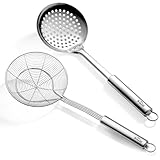
- Drain the pearls from the hot cooking water using your strainer.
- Immediately plunge the drained pearls into the ice water for exactly 30 seconds. This forcefully stops the cooking process.
- Drain the pearls from the ice water and transfer them directly into the bowl with your prepared syrup.
- Stir gently to coat and let them soak for at least 20 minutes to absorb the flavor.
Pro-Tip: The ice bath is the ultimate trick to fix hard boba. When pearls cool slowly in room temperature air, the starch molecules recrystallize and harden—a chemical process called retrogradation. The ice bath shocks them, locking in that perfectly soft and resilient texture.
5. Brew a Strong Black Tea Base

The secret to the perfect milk tea starts here. Save this for later!
A common mistake when making Classic Black Milk Tea at home is brewing the tea at a standard drinking strength. Once you introduce ice, milk, and sweet syrup, a standard brew transforms into a weak, diluted tea. To combat this, you must steep a highly concentrated base that maintains its robust aromatic profile against the rich dairy elements.
What You Need
- 2 tablespoons of loose-leaf Black Tea (Assam, Ceylon, or English Breakfast) or 4 premium tea bags
- 2 cups of freshly boiled water
- A teapot or heatproof measuring cup
Steps
- Place the loose tea leaves or tea bags into your teapot.
- Pour the 2 cups of freshly boiled water (just off the boil, ideally around 200°F or 93°C) over the tea.
- Steep for a full 5-7 minutes. You need a very strong, heavily infused brew so the inherent tea flavor isn’t lost during assembly.
- Strain the tea leaves or carefully remove the tea bags.
Pro-Tip: For the most authentic flavor, use a robust black tea like Assam. Its malty, full-bodied profile and optimal extraction temperature create the perfect tannin balance necessary to cut through the heavy creaminess of the milk.
$1.10 offBestseller No. 5

6. Chill and Prepare the Milk Component

Creamy or dairy-free? Pin this tip for your perfect milk tea blend.
The milk component serves as the bridge between the strong tea and the sweet pearls. Whether you prefer fresh dairy or a plant-based non-dairy option, managing the temperature of your liquids is paramount. Pouring hot tea over ice instantly melts the cubes, ruining the structural integrity and sensory profile of the drink.
What You Need
- The strongly brewed black tea
- 1/2 cup of your choice of milk
- Optional: Sweetened condensed milk for extra richness
Steps
- Allow the strong brewed tea to cool to room temperature.
- Chill the tea in the refrigerator for at least 30 minutes until it’s completely cold. This prevents rapid ice melt.
- Prepare your milk. For a classic taste, use whole milk. For a richer, creamier texture, mix 2 tablespoons of sweetened condensed milk into your regular milk.
- For a vegan milk tea or if you are lactose intolerant, oat milk (barista edition) or a specific non-dairy creamer works best for maintaining a velvety texture.
Pro-Tip: Many renowned street shops actually use a combination of whole milk and a high-quality non-dairy creamer powder. To replicate this at home for an ultra-creamy, heavily emulsified drink, whisk a tablespoon of coffee creamer powder into your cold milk until fully dissolved.
7. Assemble the Perfect Glass of Milk Tea Boba

The final result! Pin this to your “Dream Drinks” board to make later.
Assembly is where the visual magic happens. The iconic aesthetic of a premium boba beverage relies on distinct layering before the final mix. By strategically coating the inside of the glass with syrup, you create visually stunning “tiger stripes” that immediately elevate the perceived value and authenticity of your homemade creation.
What You Need
- A tall serving glass
- The soaked boba pearls in syrup
- The chilled tea and milk mixture
- Ice cubes
- One fat straw designed for sucking up pearls
Steps
- Spoon 2-3 tablespoons of the boba pearls and some of their syrup into the bottom of your glass. For a signature “tiger stripe” effect, tilt the glass and drizzle extra syrup down the inside walls.
- Fill the glass about two-thirds full with fresh ice cubes.
- Pour the chilled milk of your choice over the ice until the glass is about half full.
- Top off the glass by slowly pouring in the chilled strong black tea to create a distinct top layer.
- Stir everything together with your wide straw, serve immediately, and enjoy your perfectly textured, refreshing creation!
Pro-Tip: For the full hand-shaken tea experience, combine the chilled tea, milk, and a scoop of ice in a cocktail shaker cup. Shake vigorously for 15 seconds to create a frothy, highly aerated texture before pouring it over the pearls in your glass.
![[Angled Tips] 5 Pcs 10' Reusable Bubble Tea Straws & Smoothie Straws, 0.5' Wide Stainless Steel Straw, Metal Straw for Boba, Tapioca Pearl, Milkshakes, Jumbo Drinks | 2 Cleaning Brushes](https://m.media-amazon.com/images/I/51DHfcB+VoL._SL160_.jpg "Milk Tea Boba: 7 Proven Steps to Authentic Chewy Pearls 14")
Key Takeaways: Your Quick Guide to Perfect Milk Tea Boba
Mastering the art of homemade bubble tea ultimately comes down to a few non-negotiable techniques that dictate the final sensory profile. Whether you are aiming for a classic Brown Sugar Boba or experimenting with a fruity taro variation, the foundational rules remain completely unchanged. Many home cooks fail because they treat the pearls like ordinary pasta, ignoring the unique chemical properties of cassava root starch.
By prioritizing temperature control, leveraging quality ingredients, and executing proper hydration methods, you elevate a simple beverage into a true culinary experience. The following summary encapsulates the most critical action items from our step-by-step methodology. Review these essential principles before you begin cooking to ensure you never have to deal with clumping pearls or a weak tea base again.
Key Takeaways:
- Use Dark Muscovado Sugar for Authentic Syrup: This specific sugar provides a deep, caramelized flavor that is essential for the classic Taiwanese taste and cannot be replicated with regular refined sugar.
- Rest Pearls Off the Heat: After boiling, letting the tapioca pearls rest in the hot water for 15 minutes is the absolute most critical step for achieving a uniformly chewy texture all the way through the core.
- An Ice Bath is Non-Negotiable: Immediately shocking the cooked pearls in cold water stops the cooking process and halts starch retrogradation, which is the primary cause of unpleasantly hard boba.
- Brew Your Tea Extra Strong: The tea base must be exceptionally potent to avoid a diluted flavor once milk, syrup, and ice are introduced. Always use double the tea leaves or an extended steep time.
- Freshness is Key: Homemade boba is best consumed within 4-6 hours. The pearls will naturally start to harden as they sit, so plan to make and drink your beverage on the exact same day.
People Also Ask About Milk Tea Boba
Navigating the complex world of specialty tea beverages often leads to a variety of practical and nutritional questions. As the popularity of this beloved drink expands globally, consumers frequently seek clarity regarding authentic ingredients, caffeine levels, and proper storage protocols. Understanding the nuances between different types of pearls and tea bases allows you to customize your beverage to fit specific dietary guidelines.
From troubleshooting a botched batch of pearls to identifying gluten-free options, the details matter greatly when crafting recipes at home. This comprehensive FAQ section directly addresses the most common uncertainties surrounding homemade and shop-bought bubble tea. Leveraging expert-backed insights, these answers will help refine your knowledge and improve your daily brewing experience as of September 2026.
Why is my boba hard?
Your boba is likely hard because of starch retrogradation, which happens when the pearls cool down too slowly or are stored for too long. To fix hard boba, always shock the pearls in an ice bath immediately after cooking to lock in their soft texture. Reheating them briefly in the microwave with a splash of water can sometimes soften them again, but cooking them fresh is always best.
Are boba and bubble tea the same thing?
Yes, boba and bubble tea are generally the same thing; the names are used interchangeably across different regions. “Bubble Tea” was the original name coined in Taiwan, while “Boba” (a slang term for the large pearls) became popularized later in the West. Both terms refer to the iconic Taiwanese Milk Tea drink made with a tea base, milk, and chewy tapioca pearls.
What tea is best for boba?
A strong, full-bodied black tea is the best and most traditional choice for a classic Milk Tea Boba. Varieties like Assam, Ceylon, or robust English Breakfast have a malty flavor profile that isn’t overpowered by heavy milk and sugar. For lighter variations, Jasmine Green Tea, Earl Grey, or rich roasted Oolong Tea can also be used effectively.
How long does boba last?
Freshly cooked boba pearls are best consumed within 4 to 6 hours for optimal quality. After this short window, they will begin to harden and lose their desirable bouncy texture. You should never refrigerate uncooked or cooked boba pearls, as the cold temperature rapidly accelerates the starch crystallization and hardening process.
How many calories are in boba milk tea?
A standard 16-ounce Milk Tea Boba typically contains between 250 and 450 calories, largely depending on the amount of added sugar and the type of milk used. The trendy Brown Sugar Boba style is frequently higher in calories due to the heavy, rich syrup lining the cup. To make a low-calorie version at home, you can easily swap in a sugar substitute and use unsweetened almond milk.
Does milk tea boba have caffeine?
Yes, Milk Tea Boba contains caffeine because it is traditionally made with real steeped tea leaves, such as black or green tea. The caffeine content can range anywhere from 30 to 60 mg per 16-ounce serving, roughly similar to a weak cup of coffee. Some specialty shops may offer entirely caffeine-free herbal tea, fruit-based purees, or taro root versions.
How do you get chewy boba?
The secret to chewy boba is a mandatory three-part process: cooking them fully, resting them off the heat, and shocking them in an ice bath. Vigorous boiling gelatinizes the outer starch, resting ensures the dense center is fully cooked, and the ice bath forcefully stops the cooking to prevent them from getting mushy, resulting in a perfect bouncy texture.
Is boba gluten-free?
Yes, traditional boba pearls are naturally gluten-free. The pearls are derived entirely from cassava starch, a root vegetable that does not contain any gluten proteins. However, it is always wise to check for cross-contamination or hidden additives in flavoring syrups if you have a severe gluten sensitivity or celiac disease.
Can you drink boba the next day?
It is highly recommended not to drink boba the next day, as the tapioca pearls will become dense, hard, and unpleasant to chew. The signature texture is strictly at its peak right after cooking and cooling. While you can safely store the liquid milk tea component separately in the fridge overnight, the pearls themselves should always be prepared fresh.
What is the difference between tapioca and popping boba?
Tapioca boba are the traditional, dense, chewy black pearls made from cassava root starch that require extensive boiling. Popping boba, conversely, are small, delicate spheres made with fruit juice encapsulated in a thin seaweed extract shell. They are sold ready-to-eat and physically burst with liquid flavor when you bite into them, offering a completely different sensory profile.
Final Thoughts on Your Homemade Milk Tea Boba
Creating the ultimate Milk Tea Boba at home is a highly rewarding culinary skill that blends precise chemistry with creative flavor profiling. By mastering the fundamental techniques of starch gelatinization, proper hydration resting, and rapid cooling, you can confidently bypass the common pitfalls of sticky, clumping, or hard boba. The secret to a phenomenal beverage lies not just in high-quality loose leaf tea or authentic muscovado sugar, but in executing the proven steps that respect the delicate nature of cassava starch.
Now that you possess the exact knowledge and experience-based strategies used by professional tea sommeliers, you are fully equipped to craft cafe-tier drinks in your own kitchen. You no longer have to rely on expensive specialty shops to satisfy your cravings for an authentic, perfectly layered boba shop style beverage. Gather your ingredients, prepare your ice bath, and enjoy the delightful, bouncy satisfaction of truly flawless homemade bubble tea. Which flavor combination will you experiment with first?
Last update on 2026-09-07 / Affiliate links / Images from Amazon Product Advertising API
