
As an Amazon Associate CoffeeXplore.com earns from qualifying purchases.
Jasmine Tea Recipe: 7 Secrets to a Perfect, Bitter-Free Brew
Have you ever brewed a cup of tea only to cringe at the harsh, dry taste? Pouring a disappointing, bitter cup is incredibly frustrating when you crave something soothing. Finding an authentic jasmine tea recipe ends this struggle by giving you exact control over your brew.
The most common reason jasmine tea tastes bitter is due to the water temperature being too high (above 180°F or 82°C) or oversteeping the leaves. This critical mistake causes an over-extraction of tannins and polyphenols from the green tea base, resulting in a highly astringent, unpleasant flavor.
Drawing from comprehensive analysis of tea chemistry and proven traditional methodologies, this guide reveals the exact science of perfect extraction. You will discover seven professional secrets to crafting cafe-quality hot, iced, and milk teas right at home. Master these techniques today and elevate your daily tasting ritual.
Contents
show
Why Is Your Jasmine Tea Bitter? Unlocking the Perfect Brew
Understanding the science behind your daily cup is the first step to mastering a flawless beverage. When you pour boiling water directly over delicate jasmine green tea, you instantly scald the leaves. This rapid heat shock forces the Camellia sinensis plant base to release an excess of catechins and tannins into your cup. Our palate immediately perceives these extracted polyphenols as a harsh, astringent bitterness that completely overpowers the delicate floral notes.
By shifting to a more scientific approach with proper temperature control and precise steeping time, you can prevent this over-extraction entirely. A perfectly executed brew balances these elements, ensuring your authentic jasmine tea remains sweet, aromatic, and remarkably soothing. We have analyzed the core variables that cause weak flavor and astringency to provide you with a foolproof methodology.
Jasmine Tea Recipe: 7 Secrets to a Perfect, Bitter-Free Brew
Perfecting your brewing technique requires controlling several critical variables that work together in harmony. The brewing process is not just about dropping a tea bag into hot water; it demands precise temperature management and a careful balance of time. Each of the following seven secrets builds upon the next to enhance the sweet, floral aroma while actively preventing any harsh bitterness. Whether you are craving a soothing hot cup, a creamy jasmine milk tea, or a refreshing iced beverage, mastering these foundational steps guarantees cafe-quality results. Let’s explore these professional techniques to transform your daily tea ritual.
1. Master the Precise Water Temperature (175°F / 80°C)

Pin this essential brewing secret to your ‘Tea Time’ board!
Using the correct hot water temperature is the single most important factor for avoiding burned leaves and a ruined cup. At temperatures exceeding 180°F, you risk immediate over-extraction of bitter tannins. Maintaining a steady 175°F (80°C) allows the delicate floral compounds to gently release without unlocking the astringent elements.
What You Need
- Electric kettle with temperature setting OR a cooking thermometer
- Filtered water (for the purest flavor)
Steps
- Fill your kettle with fresh, cold filtered water.
- Set the temperature to 175°F (or 80°C). If you do not have a variable temperature kettle, bring the water to a boil and then let it cool for about 2-3 minutes before pouring.
- Verify the temperature with a thermometer for perfect accuracy if needed. Never pour boiling water directly onto jasmine green tea leaves.
Pro-Tip: Water quality dramatically affects flavor. Using filtered water, as opposed to hard tap water, prevents mineral interference and allows the tea’s subtle aromatic profile to shine. This is a common practice for any tea master.


2. Choose High-Quality Tea (Loose Leaf vs. Bags)

Save this quality guide for your next tea shopping trip!
The difference between loose leaf jasmine tea and standard jasmine tea bags dramatically impacts your final cup. Standard bags often contain “dust and fannings”—tiny broken pieces of leaves that release bitter compounds incredibly fast. Whole, intact leaves provide a much smoother, more complex flavor profile with a natural sweetness and lower astringency.
What You Need
- High-quality loose leaf jasmine tea (Jasmine Pearls or Yin Hao are excellent choices)
- OR Premium, full-leaf pyramid sachets
Steps
- Examine the tea. Look for whole, intact leaves. For jasmine pearls, they should be tightly rolled spheres. This indicates minimal breakage and higher quality standards.
- Smell the tea. It should have a strong, natural floral and sweet aroma, not an artificial, perfume-like scent.
- Choose loose leaf tea for the best flavor control and ability for the leaves to fully expand and release their flavor. Pyramid sachets are the next best option if you prefer convenience over traditional methods.
Pro-Tip: Jasmine Dragon Pearls are a specific type of moli hua cha where young green tea leaves are hand-rolled into small pearls and stored with fresh jasmine blossoms. They unfurl beautifully as they steep, creating a nuanced, delicate flavor that is impossible to achieve with tea bag fannings.

3. Perfect the Tea-to-Water Ratio

Pin this perfect ratio for a flawless brew every time.
Getting the tea to water ratio right ensures your drink is neither weakly flavored nor overpoweringly strong. This specific measurement balances the flavor extraction perfectly. By standardizing your measurements, you eliminate guesswork and create a consistently delicious cup of hot water infused with rich botanicals.
What You Need
- A teaspoon or tablespoon measure
- OR a digital kitchen scale (recommended for accuracy)
- Your chosen jasmine green tea leaves
Steps
- Measure by Volume: Use 1 heaping teaspoon (approximately 1 tbsp) of loose leaf jasmine tea for every 8 ounces (1 cup / 240ml) of hot water.
- Measure by Weight (for Perfection): For the most consistent results, use a digital scale to measure 2.5-3 grams of tea leaves per 8 ounces of water. This is the sommelier-approved method.
- Adjust to your preference. If you prefer a stronger tea, add more leaves rather than steeping for longer, which can easily cause unwanted bitterness.
Pro-Tip: The volume of tea leaves can vary greatly depending on how tightly they are rolled (pearls vs. loose leaves). This is exactly why weighing your tea is the single best way to guarantee a consistent, perfect cup every single time. It provides a highly scientific approach to brewing.

4. Nail the Exact Steeping Time (2-3 Minutes MAX)

Don’t oversteep! Pin this timing tip for the perfect pour.
Your steeping time dictates exactly which compounds are released from the leaves into your cup. Steeping for 2-3 minutes allows for the full release of sweet, aromatic compounds while effectively preventing the release of excess tannins that cause astringency. Longer steeping does not make the tea better; it simply makes it harsh.
What You Need
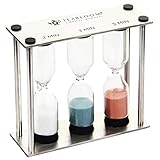
- A timer (your phone or a dedicated tea timer)
- Teapot with an infuser or a separate tea strainer
Steps
- Pour your 175°F (80°C) water over the measured tea leaves.
- Start your timer immediately.
- Steep for 2 to 3 minutes. For the first infusion, exactly 2 minutes is often perfect. Do not exceed 3 minutes.
- Strain the leaves completely from the water to stop the infusion process. Either lift out the infuser basket or pour the tea directly through a strainer into your cup.
Pro-Tip: High-quality jasmine green tea leaves can actually be re-steeped 2-3 times. For the second infusion, add 30-60 seconds to your steep minutes (e.g., 2.5-3.5 minutes). You will notice different, more subtle flavor notes emerge with each steep, showcasing true first-hand experience.
5. Create a Flawless Jasmine Milk Tea or Latte

Pin this cafe-quality Jasmine Milk Tea recipe for later!
Creating a jasmine milk tea or a creamy jasmine tea latte at home requires a slightly different approach than a standard hot brew. Because you are adding milk and ice, you must brew a highly concentrated tea base first so its delicate floral flavor is not entirely diluted.
Ingredients
- 2 tbsp loose leaf jasmine tea (double the normal amount)
- 1 cup (8 oz) hot water at 175°F (80°C)
- 1/2 cup milk of choice (whole milk, oat milk, or almond milk work well)
- 1-2 tbsp sweetener (simple syrup, honey, or condensed milk)
- Ice
- Optional: Cooked tapioca pearls (boba)
Instructions
- Brew a concentrated tea base. Steep the 2 tbsp of jasmine tea in 1 cup of hot water for 3-4 minutes, then strain thoroughly. Let it cool slightly.
- Fill a large glass with ice and add cooked boba pearls if using.
- Combine the ingredients. Pour the concentrated tea, milk, and sweetener into the glass.
- Stir well until everything is combined and beautifully chilled. Adjust sweetness to your exact taste.
Pro-Tip: For a richer, creamier texture remarkably similar to high-end boba shops, use a combination of oat milk and a splash of condensed milk as your primary sweetener. It creates an unbeatable mouthfeel and authentic boba pearl recipe experience.

6. Brew a Bright & Refreshing Iced Jasmine Tea

The perfect summer drink! Pin this refreshing iced tea recipe.
An iced jasmine tea is wonderfully soothing, but preparing it incorrectly often leads to a murky, cloudy beverage full of sediment. The secret to a crystal-clear pitcher lies in cooling the concentrated hot-brewed tea base slowly before it ever touches the ice.
Ingredients
- 4 tbsp loose leaf jasmine tea
- 4 cups (32 oz) hot water at 175°F (80°C)
- 1/4 cup simple syrup or honey, or to taste
- Garnish: Lemon juice slices, mint sprigs
Instructions
- Brew a concentrated tea base by steeping 4 tbsp of tea in 4 cups of hot water for exactly 3 minutes.
- Strain the tea leaves completely and stir in your sweetener while the tea is still warm so it dissolves easily.
- Cool the concentrate. This is the secret to clear, not cloudy tea. Let the tea concentrate cool to room temperature on the counter before refrigerating.
- Serve by pouring the cooled tea concentrate into a pitcher filled with fresh ice. Garnish with lemon and mint.
Pro-Tip: To avoid cloudy iced tea, never pour hot tea concentrate directly over ice. The rapid temperature change, known scientifically as thermal shock, causes the tea’s polyphenols to bind together and precipitate out of the liquid, making the tea look completely murky. Letting it cool first guarantees a crystal-clear pitcher.

7. The Ultimate Secret: DIY Scenting with Fresh Flowers

Unlock the ancient art of tea scenting. Pin this advanced guide!
For the true tea enthusiast, crafting homemade jasmine tea from scratch offers an unparalleled sensory experience. The traditional scenting process, known as enfleurage, relies on the fact that dry tea leaves are highly hygroscopic. They naturally absorb the aromatic volatile organic compounds released by fresh blossoms over several scenting cycles.
Supplies Needed
- 1 cup high-quality, plain loose leaf green tea
- 1 cup freshly picked, organic fresh jasmine flowers (picked at dusk as they begin to open)
- An airtight container
Step-by-Step Directions
- Layer the ingredients. Place a 1/2-inch layer of green tea leaves at the bottom of your airtight container. Cover with a thin, even layer of fresh jasmine blossoms.
- Repeat the layers until the container is full, ending with a final layer of flowers on top.
- Rest the tea. Seal the container tightly and leave it in a cool, dark place for 24-48 hours. During this time, the tea actively absorbs the jasmine’s potent fragrance.
- Remove the flowers. Carefully separate the now-wilted jasmine flowers from the tea leaves. The tea is now scented. For a more intense flavor profile, repeat the entire process with a new batch of fresh flowers.
Pro-Tip: This highly traditional method is exactly how authentic Moli Hua Cha has been manufactured for centuries, primarily originating in the Fujian province of China. The ultimate quality is determined by the purity of the base tea and the specific number of scenting cycles it undergoes.

Key Takeaways: Your Quick Guide to a Perfect Jasmine Tea Recipe
Mastering this delicate botanical infusion requires attention to detail. If you only remember a few key points from this extensive guide, make sure you focus on the variables that directly impact extraction. A flawless jasmine tea overview always returns to temperature control and strict timing.
Key Takeaways:
- Temperature is King: Always use water heated to 175°F (80°C) to brew jasmine green tea. This is the single most crucial step to creating a completely bitter-free brew.
- Time is Critical: Never steep your jasmine tea for more than 3 minutes on the initial infusion. Over-steeping, not the strength of the tea leaves themselves, is the primary cause of astringency.
- Quality In, Quality Out: Opt for loose leaf jasmine tea, like delicate Jasmine Pearls, over standard jasmine tea bags. The whole leaves provide a vastly more complex and delicate flavor profile.
- Concentrate for Cold Drinks: When making an iced jasmine tea or a creamy jasmine milk tea, always brew a double-strength concentrate first to ensure the delicate flavor isn’t diluted by ice and milk.
- Cool Before Chilling: To actively prevent cloudy iced tea, always let your hot tea concentrate cool completely to room temperature before pouring it over ice. This avoids thermal shock and preserves visual clarity.
People Also Ask About This Jasmine Tea Recipe
As you refine your brewing techniques, it is natural to encounter specific questions regarding variations and common pitfalls. Understanding these nuances helps bridge the gap between amateur brewing and professional-level tea mastery. Below are direct answers to the most common jasmine tea queries we receive.
How long should I steep jasmine tea?
You should steep jasmine green tea for exactly 2 to 3 minutes. For the first infusion, 2 minutes is often ideal to capture the most delicate floral aromas. Steeping longer than 3 minutes risks extracting too many tannins, which results in a bitter, astringent flavor. For subsequent infusions of the same leaves, you can safely add 30-60 seconds to the steep time.
What is the best jasmine tea to water ratio?
The best ratio is 1 heaping teaspoon (about 2.5-3 grams) of loose leaf jasmine tea per 8 ounces (1 cup) of water. This standard industry ratio ensures a well-balanced brew that is highly flavorful but not overpowering. If you prefer a stronger tea, it is better to add more tea leaves rather than increasing the steeping time, which can quickly lead to bitterness.
How do I make jasmine tea taste good without bitterness?
To make jasmine tea taste good and not bitter, you must control two critical factors: water temperature and steeping time. Use water that is precisely 175°F (80°C), not actively boiling, and steep the leaves for only 2-3 minutes. This extracts the sweet, floral flavors without releasing the excess tannins that cause bitterness. Using high-quality, whole-leaf tea also greatly contributes to a smoother taste.
Can I add milk to jasmine tea?
Yes, you can absolutely add milk to jasmine tea to create a delicious jasmine milk tea or latte. To do this properly, you must brew a double-strength concentration of the tea first. This ensures the tea’s delicate flavor isn’t lost when you add milk and ice. Oat milk and whole milk are popular choices as they beautifully complement the floral notes.
Is jasmine tea the same as green tea?
Jasmine tea is not exactly the same, but it is typically made with a green tea base. Authentic jasmine tea is a scented tea, where a base tea (usually green tea, but sometimes white or black) is carefully layered with fresh jasmine blossoms. The tea leaves naturally absorb the flowers’ aroma, creating the final product. So, most jasmine tea is essentially a type of flavored green tea.
How do I sweeten jasmine tea naturally?
You can sweeten jasmine tea naturally with raw honey, agave nectar, or pure maple syrup. For iced tea, it is best to create a simple syrup by dissolving your preferred sugar in hot water first. This allows it to mix evenly in a cold drink without graininess. Honey pairs particularly well with the bright floral notes of jasmine.
Why does my jasmine tea taste soapy?
A soapy taste in jasmine tea is almost always a sign of artificial flavoring or low-quality tea. Some budget brands use artificial jasmine scents or essential oils that can create a highly perfume-like, soapy aftertaste. To avoid this entirely, choose high-quality jasmine tea that is scented naturally with real jasmine blossoms and has no “artificial flavors” listed on the label.
What temperature should the water be for jasmine tea?
The ideal water temperature for jasmine tea is 175°F or 80°C. This specific temperature is hot enough to properly infuse the tea leaves and release their delicate floral aroma and flavor, but it is cool enough to prevent scalding the leaves. Using water hotter than 180°F is the primary, undeniable cause of bitterness in jasmine tea.
How do you make jasmine tea for Disney Dreamlight Valley?
To make jasmine tea in the game Disney Dreamlight Valley, you simply need two ingredients: one Jasmine and one Sugarcane. Combine these two gathered items at any cooking station in the game to craft the “Jasmine Tea” recipe. This is a highly useful 2-star recipe that restores a good amount of energy for your character.
What are the benefits of jasmine tea?
Jasmine green tea offers the combined health benefits of both green tea and natural jasmine. It is highly rich in antioxidants called polyphenols, which can help protect the body against free radicals and oxidative stress. Many people also find the natural aroma of jasmine to be highly calming and soothing, making it a popular choice for evening relaxation and stress relief.
Final Thoughts on Your Perfect Jasmine Tea Recipe
By implementing these professional techniques, you have officially moved beyond simple tea bags and boiling water. A proper homemade jasmine tea is a testament to the beauty of precision. By controlling your water temperature, honoring the two-to-three-minute steeping rule, and utilizing high-quality leaves, you guarantee a beautifully sweet and floral cup every single time.
Whether you are enjoying a quiet morning with a hot brew, cooling down with an iced pitcher in October 2026, or treating yourself to a creamy boba latte, these proven techniques will serve as your foundation. Tea brewing is an ancient art, but the science behind preventing bitterness is remarkably straightforward once you understand the variables.
Now that you have the ultimate blueprint for a perfect extraction, it is time to put this knowledge to use. Grab your kettle, measure your leaves, and start brewing. Which variation of this classic recipe will you try making first today?
Last update on 2026-10-22 / Affiliate links / Images from Amazon Product Advertising API
