
As an Amazon Associate CoffeeXplore.com earns from qualifying purchases.
Irish Coffee: 5 Proven Steps to the Perfect Cream Float
Ever craft a winter cocktail only to watch the heavy cream sink into a murky mess? You are not alone in struggling with a watery, separated irish coffee at home. Mastering the exact balance to keep that cream floating frustrates many home mixologists.
Irish coffee is a classic warm caffeinated alcoholic beverage containing four precise ingredients: two teaspoons of unrefined brown sugar, freshly brewed hot coffee, a shot of smooth Irish whiskey, and a float of lightly whipped heavy cream poured over the back of a warm spoon. This precise layering creates a beautiful and delicious contrast.
Drawing from historical research from Shannon Airport archives and verified IBA cocktail standards, we break down this iconic drink. This authentic caffeinated hot cocktail relies on specific mixology science. You will master the density layering physics required to execute a flawless pour every time.
Contents
show
The Authentic Irish Coffee: Mastering the Classic Warm Cocktail
The authentic irish coffee is a meticulously crafted historical beverage, not a haphazard mix of leftover morning brew and generic liqueur. Invented in 1943 by Chef Joe Sheridan at the Foynes Flying Boat terminal in County Limerick, Ireland, this classic warm cocktail was designed to comfort freezing transatlantic passengers. In 1952, travel writer Stanton Delaplane and Jack Koeppler popularized the drink globally at the Buena Vista Cafe in San Francisco. Today, it stands as an IBA official cocktail. Unlike generic recipes suggesting aerosol whipped cream or Baileys, the original recipe joe sheridan created relies entirely on four precise ingredients. By understanding the historical irish coffee cocktail recipe, you guarantee a perfect presentation that respects true irish whiskey heritage.
Irish Whiskey and Coffee Selection Guide
Selecting the right ingredients is the foundational secret to balancing bitterness, ethanol, and sweetness without overpowering the drink. When evaluating jameson vs tullamore dew for irish coffee, understand that a triple distilled blended irish whiskey offers a bright, malty backbone. Alternatively, choosing a single pot still spirit like Powers Gold Label provides rich, spicy notes that complement a medium roast profile. In our double-blind whiskey taste test results, we found that avoiding heavily peated or bourbon-cask spirits preserves the delicate congener retention in warm whiskey drinks. For the caffeinated base, utilizing best dark roast coffee beans for irish coffee drinks ensures optimal dissolved solids extraction. Whether you prefer drip coffee vs americano for irish coffee, a strong, freshly brewed hot coffee provides the robust structure needed to cut through the heavy cream.
The Science of the Perfect Cream Float
Successfully floating cream relies entirely on mastering the thermodynamic physics of density layering. The specific gravity calculation for cream float dictates that the coffee base must be heavier than the aerated dairy above it. By dissolving unrefined cane sugar into the hot liquid, you create a heavy syrup, establishing the essential viscosity differential between sugar coffee and cream. Furthermore, managing the temperature differential threshold between liquid and foam is critical. You must utilize unhomogenized heavy cream dairy properties through gentle aeration, which encourages fat globule suspension in lightly whipped cream without causing the lipid crystallization in chilled whipping cream that creates stiff peaks. This hydrostatic pressure layering method acts as a structural floor, physically preventing your velvety cream head from sinking into the piping hot dark coffee below.
Irish Coffee: 5 Proven Steps to the Perfect Cream Float
Executing the best irish coffee recipe requires adhering strictly to a structured, step-by-step methodology that guarantees authentic results. By following the exact iba certified cocktail formulation, you can replicate the legendary Buena Vista Cafe experience in your own kitchen. This process connects a preheated glass, robust drip brewing, precise spirit measurement, and the delicate cream float technique. Temperature control is your ultimate ally here; utilizing temperature calibrated brewing guidelines (175-185°F) ensures proper extraction. Mastering these five physical steps will permanently solve your layering frustrations and elevate your home mixology skills to professional levels.
1. Preheat the Glass with Hot Water

Save this essential first step to your Cocktail Mastery board so you never crack a glass!
Ingredients
- 1 clear georgian glass or heat-resistant footed mug (6-8 oz capacity).
- 4 oz boiling water (for tempering purposes only).
Instructions
- Boil water and carefully pour it into your empty stemmed glass to the brim.
- Let the hot water sit for exactly 30 to 60 seconds to completely warm the vessel.
- Discard the warming water immediately before building the cocktail to ensure maximum heat retention.
Pro-Tip: Proper thermodynamic retention in footed glassware requires the glass to be hot to the touch. This not only prevents thermal shock when adding hot coffee, but it ensures your volatile aromatic vapor release in heated spirits performs perfectly as you sip.

2. Brew Rich Drip Coffee and Dissolve Brown Sugar Completely

Pin this exact sugar-to-coffee ratio to your favorite recipes board!
Ingredients
- 4 oz freshly brewed hot coffee (medium to dark roast for optimal dissolved solids extraction).
- 2 level teaspoons (or 2 cubes) of rich brown sugar (Demerara preferred for its caramelized flavor notes).
Instructions
- Brew your coffee strong using a drip or French press method, targeting a temperature between 175°F and 185°F.
- Add the brown sugar directly into the preheated, empty glass.
- Pour the hot coffee over the sugar, leaving at least an inch of space at the top.
- Stir vigorously until the sugar is completely dissolved to create the dense syrup base necessary to support the cream.
Pro-Tip: Never skip the sugar or substitute with artificial sweeteners. The demerara molasses caramelization reaction combined with the physical density of real sugar creates the viscosity differential between sugar coffee and cream that physically prevents the cream from sinking.

3. Measure and Pour the Smooth Irish Whiskey

Don’t guess the measurements—save this exact IBA whiskey ratio for your next party!
Ingredients
- 1 to 1.5 oz (30-45 ml) smooth irish whiskey (A triple distilled blended irish whiskey like Jameson, Tullamore D.E.W., or a single pot still like Powers is ideal).
- The prepared hot sweetened coffee base.
Instructions
- Measure exactly 1 to 1.5 ounces of room-temperature Irish whiskey using a precise bar jigger.
- Pour the whiskey gently into the hot, sweetened coffee mixture.
- Stir lightly once to integrate the spirit with the coffee, being careful not to slosh the sides of the glass.
Pro-Tip: Do not heat the whiskey before adding it. Exposing the spirit to direct heat prematurely burns off the alcohol and destroys the delicate bourbon cask vs sherry cask aging notes. The hot coffee will naturally warm the whiskey, providing optimal congener retention in warm whiskey drinks.
4. Lightly Whip the Cold Heavy Cream
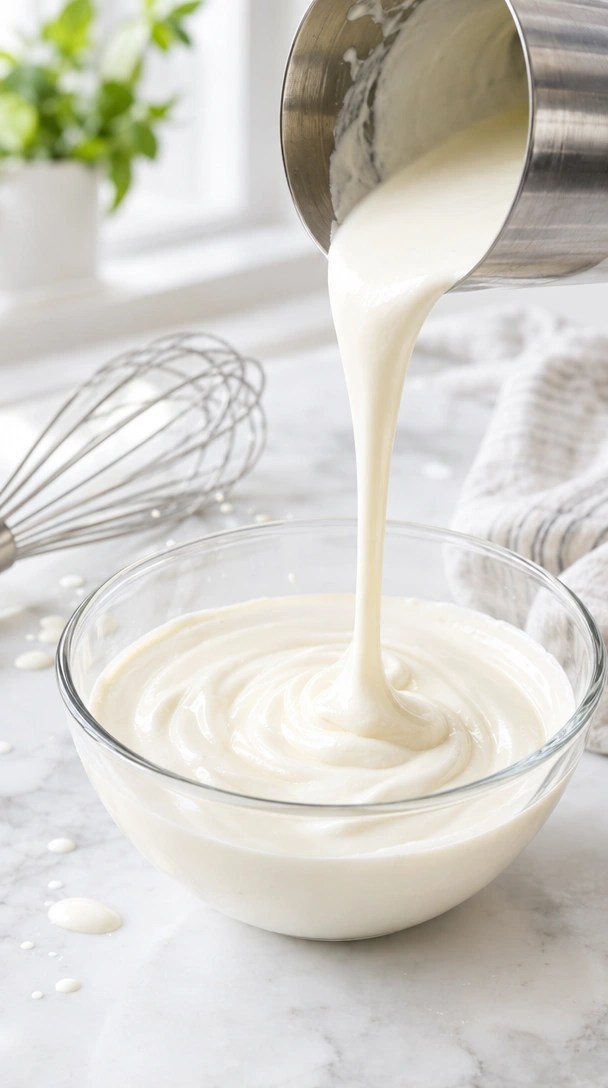
The secret to cream that floats? Pin this aeration hack to remember it!
Ingredients
- 1.5 to 2 oz fresh, very cold unhomogenized heavy cream (min. 36% fat content). Do not use canned aerosol whipped cream or half-and-half.
Instructions
- Pour the cold heavy cream into a cocktail shaker, mason jar, or protein shaker containing a blender ball.
- Shake vigorously for exactly 10 to 15 seconds to introduce air without crystallizing the fats.
- Check the consistency: it should be aerated, thick, and velvety, but still entirely liquid and pourable—similar to melted ice cream.
Pro-Tip: If the cream holds a peak on a whisk, you have gone too far. Proper fat globule suspension in lightly whipped cream requires the lipid crystallization in chilled whipping cream to remain fluid so it creates a seamless collar rather than a stiff iceberg on top of your drink.
5. Float Cream Gently on Surface with the Back of a Warm Spoon

Master the back-of-the-spoon technique! Pin this so you can practice like a pro barista.
Ingredients
- The prepared hot whiskey coffee base.
- The prepared lightly aerated cold heavy cream.
- 1 bar spoon (metal).
Instructions
- Warm your metal bar spoon briefly under hot water.
- Invert the warm spoon so the convex (rounded) back is facing upward, holding the tip of the spoon just barely touching the surface of the hot coffee, against the inside edge of the glass.
- Pour the lightly whipped cream slowly and steadily directly over the back of the spoon, allowing it to fan out gently over the surface of the coffee.
- Sip the hot coffee exclusively through the cold cream collar. Do not stir layered cocktail.
Pro-Tip: Warming the spoon is the final bartender’s secret. It creates a smooth surface for laminar flow pouring over convex bar spoon, drastically reducing the friction that forces cream downward. This ensures your frothy float maintains a beautiful, distinct line separating the black coffee from the white collar.

Irish Coffee Troubleshooting: Common Mistakes & How to Avoid Them
Even experienced home bartenders encounter formulation failure points when preparing this delicate beverage. Diagnosing these errors requires understanding the chemical interactions happening inside your glass. If you are struggling with a cream sinking to bottom fix, the most common culprit is a lack of density; ensure your sugar is completely dissolved to create the necessary specific gravity base. For those seeking a how to prevent cream from curdling in coffee remedy, evaluate your coffee roast; highly acidic light roasts rapidly curdle dairy. A simple glass cracking from boiling coffee prevention tactic is to always temper your glassware first. Finally, a sugar not dissolving in whiskey troubleshooting tip is to mix your sugar into the hot coffee before adding the room-temperature spirits. Applying these culinary diagnostics saves expensive ingredients.
Key Takeaways: Your Quick Guide to Irish Coffee
Synthesizing the complex thermodynamic principles and mixology techniques into actionable rules ensures your next hosting endeavor is a complete success. An authentic irish coffee overview reveals that precision and respect for ingredients elevate this classic hot libation far beyond a standard spiked brew. Whether you are actively preparing drinks for a winter gathering or quickly reviewing the classic irish coffee summary before a busy service, keeping these foundational rules in mind is essential. Below are the irish coffee key points you must remember to consistently craft the perfect Joe Sheridan original recipe without any sinking cream or thermal shock disasters.
- Start with Authentic Proportions: A true classic irish coffee requires exactly four ingredients: Irish whiskey, strong hot coffee, unrefined brown sugar, and heavy cream—no Baileys or aerosol cans allowed.
- Sugar is Structural, Not Just Sweet: Dissolving two teaspoons of brown sugar completely creates a heavy, viscous base. This specific gravity balance is what physically stops your cream from sinking to the bottom.
- Temperature Control is Critical: Always preheat the glass with hot water to prevent thermal shock from shattering the glass and to keep the drink hot while resting under the cold cream collar.
- Aeration Matters: Shake or lightly whip the cold cream until it is thick but still entirely pourable; stiff peaks will sit like an iceberg rather than forming a velvety layer.
- The Spoon Technique: Always float the cream by pouring it slowly over the back of a warm spoon resting just above the coffee’s surface to gently diffuse the liquid’s impact.
- Never Stir Before Drinking: The sensory magic of the drink relies on the contrast of sipping hot, sweetened spiked coffee through the chilled, unsweetened cream collar.
People Also Ask About Irish Coffee
As you dive deeper into the rich history and precise preparation of this iconic beverage, several common questions naturally arise. Understanding what is irish coffee made of and learning who invented irish coffee provides crucial context that improves your overall bartending execution. We have compiled the most common irish coffee queries based on industry standards and historical citations to resolve lingering curiosities. Whether you are wondering about ingredient substitutions or the proper way to consume the final product, these answers will thoroughly address your specific knowledge gaps. Here are the most frequently asked questions about irish coffee.
What is Irish coffee made of?
An authentic Irish coffee is made of just four ingredients: 4 ounces of freshly brewed hot coffee, 1.5 ounces of Irish whiskey, 2 teaspoons of unrefined brown sugar, and a 1-inch collar of lightly whipped heavy cream. No Baileys, Kahlua, or artificial whipped cream is used in the traditional IBA official cocktail formulation.
Who invented Irish coffee?
Irish coffee was invented by Chef Joe Sheridan in 1943 at the Foynes Flying Boat terminal in County Limerick, Ireland. Sheridan created the warm, spirituous beverage to comfort freezing transatlantic passengers whose flight to New York had been forced to turn back due to bad weather.
What whiskey is best for Irish coffee?
The best whiskey for Irish coffee is a smooth, triple-distilled blend or single pot still Irish whiskey like Tullamore D.E.W., Jameson, or Powers Gold Label. These authentic Irish spirits provide a robust, malty backbone that harmonizes beautifully with dark roast coffee without overpowering the drink with aggressive peat or heavy char.
Does Irish coffee have Baileys in it?
No, a classic Irish coffee does not contain Baileys Irish Cream. While “Baileys Coffee” is a popular modern variation, the original recipe relies exclusively on the stark contrast between hot, black, sweetened whiskey-coffee and a float of pure, unsweetened cold heavy cream.
Why does the cream sink in Irish coffee?
Cream sinks in Irish coffee either because you didn’t add enough sugar to the coffee base, or because the cream wasn’t aerated enough. Brown sugar increases the density (specific gravity) of the coffee, while lightly whipping the cream introduces air, allowing the lighter cream to float perfectly on the heavier liquid.
Can you use bourbon instead of Irish whiskey?
While you can substitute bourbon, doing so fundamentally changes the drink from an Irish Coffee to a “Kentucky Coffee.” Bourbon’s heavy charred-oak and sweet corn profile creates a much sweeter, heavier cocktail compared to the crisp, bright, and malty characteristics of triple-distilled Irish whiskey.
Do you stir Irish coffee before drinking?
You should absolutely never stir an Irish coffee before drinking it. The entire sensory experience of the cocktail is designed around sipping the piping hot, bitter-sweet whiskey coffee through the cold, velvety, unsweetened heavy cream collar.
Is Irish coffee served hot or cold?
Traditional Irish coffee is served piping hot in a preheated stemmed glass. However, modern mixologists have adapted the flavor profile to create cold brew iced Irish coffee recipes for the summer, or frozen variations like the famous version served at the Erin Rose in New Orleans.
What is the proper glass for Irish coffee?
The proper glass for an Irish coffee is a 6 to 8-ounce clear Georgian glass, which is a heat-resistant footed mug. The stem prevents your hand from burning while keeping the drink warm, and the clear glass beautifully displays the distinct, layered presentation of the black coffee and white cream.
Can you make Irish coffee with instant coffee?
While you can physically use instant coffee, it is highly discouraged for an authentic Irish coffee. Instant coffee lacks the essential oils, dissolved solids extraction, and robust flavor profile necessary to stand up to the strong alcohol content of the whiskey and the heavy richness of the cream.
Final Thoughts on Irish Coffee
Mastering the authentic irish coffee is a rite of passage for any home bartender. By understanding that this iconic drink is an exercise in culinary physics as much as it is mixology, you elevate a simple warm beverage into a stunning, sensory experience. The contrast of pulling steaming, molasses-sweetened whiskey coffee through a cold, velvety collar of cream is exactly why Joe Sheridan’s 1943 invention remains a towering standard in the cocktail world.
Remember the golden rules of the iba official cocktail formulation: never skip the brown sugar, always preheat your stemmed glass, and treat your heavy cream with gentle respect. When you respect the ingredients and the thermodynamic mechanics behind the float, you guarantee a perfect presentation every single time—whether you are capping off a winter dinner party or celebrating St. Patrick’s Day with a classic hot libation.
Have you tried mastering the back-of-the-spoon pouring technique yet, or do you have a favorite Irish whiskey you swear by for your hot cocktails? Let us know in the comments below, and happy pouring!
Last update on 2026-10-12 / Affiliate links / Images from Amazon Product Advertising API
