
As an Amazon Associate CoffeeXplore.com earns from qualifying purchases.
Homemade Lemonade Recipes: Master The Proven 8-2-8 Ratio
Tired of craving a refreshing summer drink, only to sip something watery or overwhelmingly sour? Finding reliable homemade lemonade recipes often leads to frustratingly unbalanced results. You deserve a perfectly sweet-tart beverage without the culinary guesswork.
To make perfect homemade lemonade, rely on the proven 8-2-8 culinary ratio: mix 8 medium lemons, 2 cups of sugar, and 8 cups of water. Create a simple syrup first, then combine it with the fresh juice and remaining cold water. This chef-tested method guarantees a smooth, pulp-free, and perfectly balanced drink.
Drawing from comprehensive analysis of culinary standards and tested in my kitchen results, this guide breaks down the essential science of citrus dilution. You will discover exactly how to master the foundational simple syrup method and explore eight incredible flavor variations. Prepare to ditch store-bought concentrates forever.
Contents
show
How Do You Make Perfectly Balanced Homemade Lemonade Recipes?
To make perfectly balanced homemade lemonade recipes, you must utilize a simple syrup base rather than a direct mix method to effectively neutralize the sharp citrus acidity. Pre-dissolving your granulated sugar in heated water creates a cohesive, sweet-tart flavor profile without leaving undissolved grit at the bottom of the pitcher.
If you want to create the ultimate classic lemonade, understanding the fundamental relationship between citrus acidity, sweetness, and dilution is critical. The most common frustration home cooks face is pouring a glass that is either aggressively sour or cloyingly sweet. This happens when people treat beverage making as a guessing game rather than a culinary science. To eliminate this issue, professional chefs rely on a standard lemonade ratio known as the 8-2-8 rule.
This foolproof mathematical formula dictates that you need exactly 8 medium lemons, 2 cups of your chosen sweetener, and 8 cups of filtered water to achieve optimal tartness balance. By adhering to this baseline, you completely bypass the risk of serving a watery or highly acidic drink. Furthermore, the methodology matters just as much as the measurements. Attempting to stir dry sugar directly into cold lemon juice—the direct mix method—is a recipe for failure, as sucrose struggles to dissolve in cold temperatures. By taking five extra minutes to create a simple syrup, you ensure a superior viscosity and mouthfeel. This real lemonade recipe foundation will serve as your culinary baseline for all future flavor experiments.
8 Homemade Lemonade Recipes To Master The 8-2-8 Ratio
Building upon the proven 8-2-8 culinary formula, you can easily expand your repertoire to include a variety of seasonal, thirst-quenching variations. The true beauty of a standard lemonade ratio is its flexibility; once you understand how the simple syrup interacts with the fresh lemon juice, you can safely introduce new flavor profiles without destroying the tartness balance.
Whether you are preparing a large batch for a neighborhood barbecue during the hot summer months, or simply want to squeeze a quick single glass for yourself, these variations maintain the core science of citrus dilution. As we progress through these eight distinct recipes—ranging from sparkling mocktails to healthy honey-sweetened alternatives—you will learn advanced techniques like botanical infusion and fruit maceration. Get your pitcher ready and prepare to chill the best homemade lemonade you have ever tasted.
1. Mix The Classic 8-2-8 Simple Syrup Lemonade

Pin this classic 8-2-8 ratio recipe to your Summer Drinks board so you never forget the perfect measurements!
To execute the standard, most reliable foundational recipe for a perfectly sweet-tart homemade lemonade pitcher, you must master the simple syrup recipe first. By applying medium heat until the sugar dissolves completely, you ensure a crystal-clear sweetening base that integrates flawlessly with your highly acidic citrus. This technique eliminates the gritty texture often associated with amateur drink preparation and yields a professional-quality beverage.
Ingredients
- 8 medium room temperature lemons (preferably Eureka for optimal tartness)
- 2 cups granulated sugar
- 8 cups filtered water (divided)
- 2 cups ice cubes (for serving)
- Fine mesh stainless steel strainer (essential for a pulp-free texture)
Instructions
- Combine the 2 cups of granulated sugar and 2 cups of the filtered water in a medium saucepan.
- Simmer the mixture over medium heat, whisking occasionally until the sugar dissolves completely and the liquid turns clear. Remove from heat and let the syrup cool.
- Roll the room temperature lemons firmly on the counter to break down the internal membranes, then slice and squeeze to yield approximately 1 ½ to 2 cups of fresh lemon juice.
- Strain the fresh juice through a fine mesh strainer into your large pitcher to remove seeds and excess pulp.
- Pour the cooled simple syrup and the remaining 6 cups of cold water into the pitcher. Stir vigorously to combine and chill in the refrigerator for at least one hour before serving over ice.
What most guides miss: The Oleo-Saccharum Technique
For the most intense citrus flavor, try an oleo-saccharum approach. Peel the yellow zest from three lemons and muddle it into your dry sugar before heating. The sugar extracts the essential oils directly from the peels, creating a deeply complex, award-winning flavor profile that standard boiling completely misses. Just be sure to strain the peels out before mixing!


2. Prepare Fresh Strawberry Lemonade From Scratch

Save this gorgeous pink strawberry variation for your next summer BBQ or kids’ party!
Creating a visually stunning homemade strawberry lemonade from scratch is the perfect way to elevate a standard fruit punch without relying on artificial red dyes. The natural sweetness of ripe strawberries adds an incredible depth of flavor and a slightly thicker viscosity to the drink. However, introducing naturally sweet fruit means you must slightly adjust your sugar levels to prevent the beverage from becoming overly cloying. Proper straining is also essential here to prevent a muddy or overly cloudy appearance.
Ingredients
- 1 pound fresh strawberries (hulled and halved)
- 8 medium lemons (juiced)
- 1 ¾ cups granulated sugar (slightly reduced from the standard ratio)
- 8 cups filtered water (divided)
- Heavy-duty citrus press (to efficiently extract juice from large volumes of fruit)
Instructions
- Simmer the sugar and 2 cups of water over medium heat to create your simple syrup base, then set aside to cool.
- Blend the fresh strawberries with 1 cup of water in a high-powered blender until completely liquefied into a smooth puree.
- Strain the strawberry purée through a fine mesh sieve to remove all tiny seeds, ensuring a smooth, refreshing texture.
- Squeeze the lemons using a heavy-duty citrus press to extract maximum juice without catching the bitter white pith.
- Mix the lemon juice, cooled syrup, strained strawberry purée, and remaining 5 cups of water in a large pitcher. Chill thoroughly before serving.
Expert Insight: Maceration Over Blending
If your strawberries are at peak-season ripeness and incredibly sweet, utilize the maceration process instead of blending them. Toss chopped berries directly in the sugar for an hour before heating; the osmotic pressure draws out a purer, clearer strawberry syrup without the heavy, cloudy pulp that blenders produce.

3. Create A Sparkling Homemade Lemonade Pitcher

Love carbonation? Pin this bubbly sparkling lemonade recipe for your next brunch!
Transforming your standard recipe into an elegant sparkling homemade lemonade recipe uk style mocktail is an excellent choice for brunches or adult gatherings. The introduction of carbonation through club soda or sparkling water fundamentally alters the mouthfeel, creating a highly refreshing citrus cooler. When debating still vs sparkling dynamics, the critical rule is temperature control; pouring a warm simple syrup directly into carbonated water will instantly flatten the effervescence through thermal shock.
Ingredients
- 8 medium lemons
- 2 cups granulated sugar
- 2 cups filtered water (for the syrup)
- 6 cups highly carbonated sparkling water or club soda (chilled)
- Aesthetically pleasing glass pitcher with a secure lid
Instructions
- Dissolve the sugar into the 2 cups of filtered water over heat to create your simple syrup. Cool completely to avoid thermal shock when mixing.
- Juice the lemons to yield your tart citrus base and strain out the pulp.
- Combine only the lemon juice and the cooled syrup in your glass pitcher to create a potent lemonade concentrate.
- Refrigerate this concentrate until it is ice-cold.
- Pour the chilled sparkling water into the pitcher just before serving, and stir gently with a long spoon so you don’t flatten the carbonation.
A Bartender’s Secret to Carbonation
A common mistake when serving carbonated drinks is pouring them into room-temperature glassware. Warm glasses cause carbon dioxide to rapidly expand and escape, leaving you with a flat drink in minutes. Keep your glasses in the freezer for 10 minutes before serving to ensure the bubbles last significantly longer.

4. Stir A Healthy Honey-Sweetened Lemonade

Looking for a refined sugar-free option? Pin this healthy honey lemonade to your wellness boards!
For those seeking a refined sugar-free alternative, crafting a homemade lemonade with honey and mint provides a beautifully complex, earthy flavor profile. Raw honey acts as a phenomenal natural sweetener, but it behaves very differently from white sugar. Because honey possesses a distinct floral note and is perceptibly sweeter on the palate, you cannot use a direct 1:1 substitution. Understanding the sugar vs honey dynamic is crucial for keeping this healthy beverage perfectly balanced without overwhelming the delicate lemon oils.
Ingredients
- 8 medium lemons
- 1 ½ cups raw organic honey (reduced from 2 cups, as honey is sweeter than sugar)
- 8 cups filtered water (divided)
- Fresh mint leaves (for garnish)
- 1 large jar of high-quality raw organic honey
Instructions
- Warm 2 cups of the filtered water in a saucepan until it is hot to the touch, but do not boil. Boiling destroys the beneficial enzymes in raw honey.
- Whisk the raw honey into the warm water until it is completely dissolved and smoothly integrated into a honey-syrup.
- Squeeze the lemons to extract your fresh juice, and strain well.
- Mix the lemon juice, honey-syrup, and the remaining 6 cups of cold water in a large pitcher.
- Garnish with fresh mint leaves and refrigerate until perfectly chilled.
Understanding the Brix Scale for Substitutes
If you’re switching to a sugar substitute like honey or agave, always remember the brix scale differences. Honey has a significantly higher perceived sweetness level than granulated sucrose. To maintain that crucial tartness balance, the traditional 8-2-8 ratio must become an “8-1.5-8” ratio. Otherwise, the honey will overpower the refreshing acidity of the citrus.
![100% Authentic, USA - Made Raw Unfiltered Honey, Made by Pure Southern Honey [ 1 lb] - Unheated - Non - GMO, No Additives, All - Natural Sweetener- Environmental-Friendly Glass Jar](https://m.media-amazon.com/images/I/41Tp6E0vhEL._SL160_.jpg "Homemade Lemonade Recipes: Master The Proven 8-2-8 Ratio 9")
5. Muddle A Sweet Meyer Lemon And Peach Lemonade

Pin this incredible Meyer lemon and peach variation to capture the ultimate taste of summer!
When seasonal lemons become available, utilizing them can dramatically alter your beverage’s profile. The debate between Meyer vs Eureka lemons is a favorite among culinary experts. Meyer lemons, a hybrid between a citron and a mandarin orange, possess a thinner skin and are significantly sweeter and less acidic than standard Eureka lemons. By muddling fresh summer peaches with Meyer lemons, you extract vibrant, natural fruit flavors without needing a blender, creating a deeply infused, rustic summer drink.
Ingredients
- 8 Meyer lemons (sweeter and more floral than standard lemons)
- 2 ripe fresh peaches (pitted and diced)
- 1 ½ cups granulated sugar (adjusted down for Meyer lemons)
- 8 cups filtered water (divided)
- Sturdy wooden cocktail muddler
Instructions
- Combine the sugar and 2 cups of water over heat to create your simple syrup. Let it cool.
- Muddle the diced peaches in the bottom of a large, sturdy pitcher using a wooden cocktail muddler to release their fragrant juices and smash the fruit gently.
- Juice the Meyer lemons. Because they have thinner skins, roll them very gently first to avoid tearing the rind.
- Pour the Meyer lemon juice and cooled simple syrup over the muddled peaches.
- Dilute with the remaining 6 cups of cold water, stir well, and let it infuse in the fridge for 2 hours before serving.
Maintaining Citric Acid Balance
Because Meyer lemons are noticeably less acidic and more fragrant, they naturally increase the sweetness level of the base recipe. To maintain that vital citric acid balance without the drink tasting flat or cloying, you must reduce your sugar slightly. Let the flavor infusion timing (resting for 2 hours) do the heavy lifting for the sweetness instead of relying purely on the syrup.

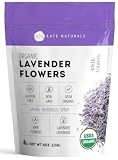
6. Infuse A Calming Lavender Lemon Drink

Save this sophisticated floral lemonade for baby showers and garden parties!
For upscale events like bridal showers or garden parties, you can elevate a standard pitcher by learning how to expertly infuse botanical elements. A lavender lemon drink is incredibly aesthetic, but it requires strict adherence to culinary standards to execute properly. The carrier for these essential oils is your hot simple syrup; however, getting the flavor infusion timing wrong can instantly turn a refreshing lemon infusion into something that tastes medicinal or soapy.
Ingredients
- 8 medium lemons
- 2 cups granulated sugar
- 8 cups filtered water (divided)
- 2 tablespoons organic dried culinary-grade lavender
- Fine mesh strainer
Instructions
- Combine the sugar, 2 cups of water, and the dried lavender in a saucepan. Simmer over medium heat until the sugar dissolves.
- Steep the mixture by removing it from the heat and letting the lavender sit in the hot syrup for exactly 15 minutes. Do not exceed this time, or it will pull bitter tannins.
- Strain the lavender buds out of the syrup entirely using a fine mesh strainer and discard the buds.
- Juice your lemons and strain the pulp.
- Mix the lemon juice, lavender-infused syrup, and remaining 6 cups of cold water. Refrigerate until chilled.
Crucial Warning on Botanical Sourcing
Always verify you are purchasing true culinary-grade lavender. Ornamental lavender found in craft stores is heavily treated with pesticides and contains naturally high levels of camphor. Using ornamental flowers creates a bitter, medicinal taste that completely ruins the culinary standards of your carefully crafted beverage.
7. Squeeze A Single-Glass Direct Mix Lemonade (For Quick Cravings)

Craving lemonade right now? Pin this single-glass recipe for instant refreshment!
Sometimes, immediate gratification outweighs perfect culinary technique. If you are searching for how to make lemonade by the glass, you likely don’t want to boil a pot of syrup on the stove. This brings up the classic simple syrup vs direct mix debate. While syrup is non-negotiable for large batches, you can successfully execute a fresh lemonade recipe for one glass using the direct mix method—provided you understand how to break down the sugar crystals using raw citrus acid before adding water.
Ingredients
- 1 large, juicy lemon (room temperature)
- ¼ cup superfine sugar (or granulated if you don’t mind extra stirring)
- 1 cup cold filtered water
- Ice cubes
- Mason jar drinking glass
Instructions
- Squeeze the entire lemon directly into your mason jar to yield about ¼ cup of pure, undiluted juice.
- Pour the superfine sugar directly into the pure lemon juice before adding any water.
- Stir vigorously for 60 seconds. The high acidity of the undiluted lemon juice helps break down the sugar crystals faster than if you added water first.
- Pour in the cold water and mix well until you no longer feel grit at the bottom of the glass.
- Fill the remainder of the jar with ice cubes to instantly chill the beverage.
Solving the Undissolved Sugar Problem
The biggest flaw in the direct mix method is the thick layer of undissolved sugar left at the bottom. To combat this in single servings, professional bartenders use superfine “caster” sugar. Its micro-crystals dissolve almost instantly in cold liquids, preventing that frustrating, grainy texture that ruins the final sip.

8. Scale A Large Batch 1-Gallon Party Lemonade

Hosting a crowd? Pin this mathematically scaled 1-gallon lemonade recipe for perfect party prep!
When figuring out how to make a large batch of lemonade for a barbecue or community stand, the math must remain precise. A homemade lemonade recipe for 1 gallon requires accurately multiplying the 8-2-8 ratio to hit exactly 128 ounces. However, the most critical challenge when serving the best lemonade recipe for a crowd isn’t the initial mix—it’s preventing rapid over-dilution as the beverage sits outside in the summer heat.
Ingredients
- 12 medium-to-large lemons (about 2 ½ to 3 cups of juice)
- 3 cups granulated sugar
- 12 cups filtered water (divided)
- 1 large block of ice (freeze water in a plastic tupperware container)
- 1-gallon glass beverage dispenser
Instructions
- Combine 3 cups of sugar and 3 cups of water in a large pot. Simmer to create a large batch of simple syrup, then cool completely.
- Squeeze the dozen lemons to yield your juice. Strain thoroughly to remove all seeds.
- Combine the cooled syrup, fresh lemon juice, and the remaining 9 cups of cold water directly into your 1-gallon dispenser. Stir aggressively.
- Place your giant homemade ice block into the dispenser.
- Chill the entire dispenser if possible, or let the large ice block do the cooling work outdoors.
The Catering Secret to Prevent Over-Dilution
The biggest mistake people make with large-volume party drinks is over-dilution. Standard ice cubes melt in 20 minutes outdoors, quickly turning your perfectly balanced lemonade into weak lemon-water. By freezing a solid block of ice in a plastic container overnight, you minimize the surface area, keeping the drink ice-cold for hours without rapidly watering down the flavor.
Key Takeaways: Your Quick Guide to Homemade Lemonade Recipes
A homemade lemonade recipes summary relies on remembering one fundamental culinary standard: the 8-2-8 rule guarantees a perfectly balanced beverage every time, eliminating the guesswork of proper tartness balance.
If you are short on time and simply want to ensure your next pitcher is a massive success, you don’t need to memorize advanced culinary science. You only need to internalize a few core best practices updated for 2026 that separate amateur drink-makers from professional caterers. Whether you are storing a lemonade concentrate for later use or serving a fresh pitcher immediately, applying these tested storage tips and prep methods will dramatically improve your results.
- Master The 8-2-8 Ratio for Perfect Balance: The culinary standard for a perfectly sweet-tart lemonade is exactly 8 medium lemons, 2 cups of sugar, and 8 cups of water.
- Always Create a Simple Syrup First: Never mix raw granulated sugar directly into cold water; boiling equal parts sugar and water ensures a smooth texture and prevents gritty, undissolved sugar at the bottom of the pitcher.
- Avoid Bitter Aftertastes by Peeling Carefully: When juicing, avoid heavily pressing or muddling the thick white pith of the lemon, which releases bitter tannins into your fresh lemon juice.
- Adjust for Seasonal Sweetness: If utilizing sweeter varieties like Meyer lemons or adding ripe summer fruits like strawberries, you must adjust your brix scale (sugar levels) downward to maintain optimal tartness balance.
- Prevent Over-Dilution at Parties: When scaling up to a large batch, always use large, solid blocks of ice rather than small cubes to keep the beverage chilled for hours without watering down the flavor.
- Maximize Your Juice Yield: Always roll your lemons firmly on the countertop before slicing. This breaks down the internal membranes, allowing you to extract significantly more liquid from each fruit.
People Also Ask About Homemade Lemonade Recipes
Understanding the deeper science behind how to make homemade lemonade? will solve common issues like why your homemade lemonade is bitter or how long it actually lasts in the fridge.
Even with a flawless recipe, variables like fruit size, storage methods, and ingredient substitutions can affect your final pitcher. The best practices in October 2026 indicate that most home cooks struggle primarily with extraction techniques and proper sugar dissolution. Below, we address the most common troubleshooting questions to ensure your next batch is absolutely flawless.
Why is my homemade lemonade bitter?
Your homemade lemonade is likely bitter because you over-squeezed the lemons, extracting oils and tannins from the white spongy pith just beneath the rind.
To prevent a bitter aftertaste, press your lemons gently to extract only the juice. If you are using a mechanical press, do not crush the rind aggressively into the juice. Additionally, if you leave decorative lemon slices floating in the pitcher for more than 4 hours, the bitter essential oils from the peels will slowly seep into the liquid and ruin the batch.
What is the 8-2-8 lemonade rule?
The 8-2-8 rule is a culinary ratio ensuring a perfectly balanced beverage: 8 lemons, 2 cups of sugar, and 8 cups of water.
This standard ratio guarantees that your drink will be optimally sweet-tart without tipping into cloying sweetness or harsh, heartburn-inducing acidity. You use 2 of those cups of water to dissolve the sugar into a heated simple syrup, and the remaining 6 cups of cold water to dilute the final mixture.
How many lemons for 1 gallon of lemonade?
To make exactly 1 gallon of lemonade, you will need 12 medium-to-large lemons, which yields about 2.5 to 3 cups of fresh lemon juice.
Scaling the 8-2-8 ratio to a large batch of 1 gallon (128 ounces) requires roughly 12 lemons, 3 cups of granulated sugar, and 12 cups of water. Always measure your squeezed juice rather than relying strictly on the lemon count, as fruit sizes and juice yields vary drastically between seasons.
Simple syrup vs direct mix: which is better?
Simple syrup is vastly superior to the direct mix method because it guarantees a smooth, perfectly integrated beverage without gritty sugar crystals.
Because granulated sugar struggles to dissolve in cold liquids, the direct mix method often leaves a thick layer of undissolved sugar at the bottom of the pitcher. Boiling the sugar into a syrup ensures the sweetness is evenly distributed throughout every single sip, creating a professional-grade mouthfeel.
Can you make lemonade with bottled lemon juice?
Yes, you can use bottled lemon juice, but the resulting flavor will lack the bright, crisp complexity of freshly squeezed lemons.
Bottled juices are pasteurized at high heat and often contain preservatives like sodium benzoate or sulfites, which can leave a flat or slightly metallic aftertaste. If you must use bottled juice for convenience, you will need exactly 1 ½ cups of juice to substitute for the 8 fresh lemons required in the standard 8-2-8 ratio.
How long does homemade lemonade last in the fridge?
Homemade lemonade will last for 5 to 7 days in the refrigerator when stored in an airtight pitcher.
Because it contains fresh, unpasteurized fruit juice, it is highly subject to oxidation. After day 5, the flavor will begin to flatten and lose its vibrant tartness. For the best short shelf life storage, remove any floating lemon wheel garnishes before storing, as the rinds will turn the batch excessively bitter over time.
How to dissolve sugar in cold water for lemonade?
To dissolve sugar in cold water effectively, you must use superfine “caster” sugar and agitate the mixture aggressively for several minutes.
Standard granulated white sugar will not dissolve easily in cold temperatures. If you must make a quick, cold direct mix, mix the sugar directly into the concentrated, highly acidic lemon juice before adding the water; the raw citric acid helps break down the sucrose crystals slightly faster than pure water.
Why is my homemade lemonade cloudy?
Homemade lemonade is naturally cloudy because it contains suspended pectin, microscopic fruit pulp, and lemon oils extracted from freshly squeezed fruit.
Unlike commercial clear sodas, a cloudy appearance is actually a highly desirable visual indicator of quality, authentic ingredients. If you prefer a highly clear, visually pristine drink, you must pass the freshly squeezed juice through a commercial coffee filter or ultra-fine mesh strainer to remove all particulate matter before mixing.
Meyer vs Eureka lemons: which are best for lemonade?
Eureka lemons (standard grocery store lemons) are best for classic, tart lemonade, while Meyer lemons create a sweeter, more floral beverage.
Eureka lemons provide that traditional, bright acidity that cuts through the heavy sugar perfectly. Meyer lemons are a cross between a citron and a mandarin orange; they are perceptibly less acidic and naturally sweeter. If using Meyers, you should reduce your sugar by ¼ cup to maintain the proper sweetness level and avoid a cloying finish.
Can you freeze homemade lemonade?
Yes, you can freeze homemade lemonade for up to 3 months without losing its core flavor profile.
For best results, freeze the concentrated mixture (just the freshly squeezed lemon juice and the simple syrup) in airtight containers or ice cube trays. When you are ready to serve, thaw the lemonade concentrate and simply add your 6 cups of fresh, cold water. This saves valuable freezer space and prevents the water content from crystallizing poorly.
Final Thoughts on Homemade Lemonade Recipes
Mastering the perfect pitcher of traditional lemonade doesn’t require culinary school; it simply requires abandoning the guesswork and trusting a proven mathematical ratio. By committing the 8-2-8 rule to memory—8 lemons, 2 cups of sugar, 8 cups of water—you guarantee a perfectly balanced beverage every single time.
The true secret separating amateur drinks from restaurant-quality refreshments lies entirely in the prep work. Taking the extra five minutes to simmer a proper simple syrup ensures your fresh lemon beverage is smooth, cohesive, and completely free of that frustrating layer of gritty sugar at the bottom of the glass. Once you understand this foundational culinary ratio, the flavor variations are truly endless. Whether you are muddling fresh summer peaches, steeping botanical lavender, or simply scaling up a massive batch for a neighborhood barbecue, your base will always be flawlessly sweet-tart.
Ditch the artificial store-bought powders and the pasteurized concentrates. Grab a bag of fresh citrus, start rolling those lemons on the counter, and taste the incredible difference of an authentic, chef-tested recipe.
What is your favorite way to upgrade a classic best homemade lemonade? Do you prefer the sharp tartness of standard Eureka lemons, or the sweet floral notes of a Meyer lemon? Let me know your favorite flavor infusions and summer beverage traditions in the comments below!
Last update on 2026-10-24 / Affiliate links / Images from Amazon Product Advertising API
