
As an Amazon Associate CoffeeXplore.com earns from qualifying purchases.
Coffee Bar Ideas for Home Cafe: 11 Stunning DIY Setups
Does fighting for counter space between a bulky toaster and loose coffee grounds completely ruin your morning vibe? Struggling to implement your Coffee Bar Ideas for Home Cafe in a cramped kitchen is a frustrating reality for many. You deserve a serene, perfectly organized daily coffee ritual space.
The best coffee bar ideas for a home cafe involve utilizing vertical space, repurposing awkward corners, or converting existing cabinetry into dedicated brew stations. By grouping your espresso machine, mugs, and syrups in one organized zone, you free up kitchen counters while creating a beautiful, café-like morning ritual.
Drawing from established interior designer coffee bar tips and proven data-driven space optimization, we have compiled actionable solutions for every layout. You will discover exactly how to craft an aesthetic and highly functional DIY coffee station. Let’s explore how to finally clear that counter clutter.
Contents
show
Are Cluttered Counters Ruining Your Coffee Bar Ideas for Home Cafe Dreams?
A dedicated home coffee bar transforms a chaotic, messy kitchen counter into an efficient, beautiful morning sanctuary. If you are constantly battling for workspace while trying to brew your morning cup, finding a messy coffee station solution is absolutely essential. Implementing smart coffee bar design principles can turn awkward corners or blank walls into a stunning feature that mimics a professional coffee bar look.
Imagine replacing a frantic, cluttered morning coffee rush with a serene, organized home cafe aesthetic. By applying expert ergonomic coffee station design concepts, you can optimize your brewing workflow seamlessly. Whether you prefer a minimalist countertop tray, a rustic rolling cart, or a high-end built-in cabinet setup, these solutions directly enhance your routine. Let’s mentally assess your kitchen bottlenecks right now. Moving your gear into a designated zone not only elevates your interior design but drastically improves your daily efficiency.
11 Stunning DIY Setups to Create Your Home Coffee Bar
Building the best home coffee bar setup requires combining aesthetic preferences with practical, step-by-step assembly guides. Creating a dedicated space does not mean you need a massive kitchen remodel; it simply requires the right custom coffee setup tailored precisely to your layout. From beginner-friendly rolling carts to advanced architectural built-ins, these budget-friendly home coffee station ideas offer something for every skill level and space constraint.
Unlike generic inspiration photos that leave you guessing, we have developed these plans using experienced DIYer coffee bar guides and rigorously tested coffee bar ideas. You will discover exactly how to create a coffee bar using safe, manageable steps with exact material recommendations. It is time to design home cafe spaces that physically work for your unique lifestyle. Below, we break down eleven unique blueprints to help you execute your vision perfectly.
1. Build a Custom Built-In Cabinet Espresso Station

Save this stunning built-in espresso station to your dream kitchen Pinterest board!
Transforming an existing kitchen cabinet into a built-in custom coffee setup maximizes your layout while hiding bulky machinery. If you want a seamless, high-end look, converting a pantry alcove into a dedicated home espresso station is an incredible project. This built-in coffee bar inspiration for custom homes focuses heavily on integrating proper lighting and heavy-duty support to combine style and function beautifully. Let’s look at how to properly transform cabinet space into a barista’s dream.
Materials Needed
- Warm white LED under-cabinet puck lights (plug-in or hardwired)
- Custom-cut butcher block or quartz countertop remnant
- Heavy-duty cabinet shelf brackets (rated for 100+ lbs to hold machines)
- High-end espresso machine suitable for daily use
- Cable management grommets for cord concealment
- Glass syrup dispensers with gold pumps
Step-by-Step Directions
- Clear a designated section of your cabinetry, removing standard shelving to accommodate tall appliances.
- Install a sturdy countertop insert using heavy-duty brackets to support the weight of the espresso maker.
- Drill a small hole in the back corner of the counter space and insert a cable management grommet to conceal cords.
- Mount the warm white LED puck lights under the upper cabinet to illuminate your brewing workspace.
- Arrange your espresso machine centrally, placing syrup dispensers and a dedicated knock box on either side for an efficient workflow.
Pro-Tip: Applying ergonomics in coffee bar design means placing your heaviest portafilter and tamper exactly at waist height (typically 36 inches from the floor) to prevent wrist strain during your daily tamping routine. Safety guidelines for electrical setups dictate ensuring your circuit can handle the heavy draw of a dual-boiler machine.


2. Design a Space-Saving Floating Shelf Coffee Corner

Pin this brilliant small-space floating shelf hack for your next weekend project!
Designing a corner with floating shelves is the ultimate way to maximize coffee space without sacrificing your primary kitchen counters. When figuring out how to create a compact coffee bar in a small space, vertical storage is your best friend. This approach works perfectly for manual brewing setups and easily adapts into minimalist coffee bar ideas for living room walls if your kitchen is completely full.
Materials Needed
- 2-3 thick natural wood floating shelves (minimum 1.5 inches thick)
- Heavy-duty hidden shelf brackets with wall anchors
- Stud finder and power drill
- Matte black gooseneck kettle
- Aesthetic pour-over coffee dripper
- Set of matching ceramic coffee mugs
Step-by-Step Directions
- Locate the wall studs in your chosen corner using a stud finder to ensure maximum weight-bearing capacity.
- Measure and mark your shelf placements, leaving at least 18 inches of clearance above your countertop appliance and 12-14 inches between the upper shelves.
- Drill the hidden brackets directly into the studs, using heavy-duty drywall anchors for any holes that don’t hit wood.
- Slide the floating shelves onto the brackets and secure them tightly from underneath.
- Style the shelves by placing heavy items (coffee beans, ceramic canisters) on the bottom, and lighter, decorative items (mugs, small plants) on top.
Pro-Tip: For optimal micro-layout efficiency for compact coffee bars, arrange your brewing tools sequentially from left to right—grinder, scale, brewer, and kettle—to mimic a professional barista’s smooth workflow. This data-driven space optimization ensures everything fits flawlessly.

3. Organize an Under-the-Stairs Coffee Nook

Transform your dead space! Pin this under-stairs coffee nook idea for your next remodel.
Converting the dead area beneath a staircase into a luxury home cafe provides brilliant awkward corner utilization for tight floor plans. If you are searching for coffee bar ideas for under the stairs area layouts, installing a tailored cabinet instantly elevates your home’s architecture. To successfully style a coffee nook here, you must address lighting and ventilation, creating one of the most unique coffee bar designs possible.
Materials Needed
- Narrow sideboard or base cabinet that fits your specific alcove width
- Battery-operated or plug-in brass wall sconce (if hardwiring isn’t possible)
- Peel-and-stick wallpaper for an accent backdrop
- Compact coffee maker or pod machine
- Custom-cut wooden tray to protect the cabinet top from spills
- Small decorative rug to define the zone
Step-by-Step Directions
- Measure the highest and lowest points of your under-stair clearance to ensure your chosen cabinet and appliances will fit comfortably.
- Apply a bold, patterned peel-and-stick wallpaper to the back wall of the alcove to define the space as a distinct architectural feature.
- Position your base cabinet or sideboard, ensuring it sits flush against the back wall.
- Mount your wall sconce above the coffee machine to provide essential task lighting in the traditionally dark space.
- Set up the coffee machine on the protective tray and store excess supplies (pods, filters) inside the closed cabinet doors to avoid visual clutter.
Pro-Tip: When planning flow optimization for home cafe installations under stairs, ensure you leave a minimum of 18 inches of clearance above your espresso machine’s water reservoir so you can refill it without having to drag the heavy machine forward. Architect-approved coffee nooks always prioritize moisture control to protect drywall.

4. Style a Rustic Farmhouse Coffee Cart

Love the farmhouse look? Save this stunning coffee cart idea to your decor board!
A rolling cart styled with galvanized metals and distressed wood offers the ultimate mobile, rustic home cafe solution. If you love the modern farmhouse coffee bar design for kitchen spaces, this setup blends seamlessly with existing decor. Exploring rustic coffee bar ideas through bar carts is perfect because they serve as space-saving coffee bar carts for small kitchens while providing incredible design flexibility.
Materials Needed
- 3-tier rustic wood and metal rolling bar cart
- High-quality glass or stainless steel French press
- Galvanized metal or wire baskets for storage
- S-hooks for hanging mugs from the cart’s handles
- Airtight mason jars for coffee beans and sugar
- Woven basket for the bottom tier
Step-by-Step Directions
- Assemble your rolling cart, ensuring the caster wheels are locked firmly in place once positioned against your wall.
- Organize the bottom tier using a large woven basket to conceal bulky items like extra bags of coffee, filters, and cleaning supplies.
- Arrange the middle tier with galvanized metal baskets holding your tea bags, hot cocoa packets, and napkins.
- Designate the top tier as the active brewing zone, placing your French press and airtight mason jars within easy reach.
- Hang your everyday ceramic mugs from the side handles using S-hooks to save shelf space and add rustic visual appeal.
Pro-Tip: For the safest mobile beverage preparation area, always use a non-slip silicone mat on the top tier of your cart. Applying proven organization hacks like this prevents expensive glass carafes from sliding if the cart is accidentally bumped during your morning routine.

5. Install a Hidden Appliance Garage Cafe

Hate counter clutter? Pin this hidden appliance garage hack to your kitchen layout board!
Installing a retractable pocket door cabinet conceals your daily coffee mess, instantly creating an ultra-minimalist kitchen aesthetic. Mastering unsightly appliance hiding is essential for those who hate messy counters. By utilizing appliance garages, you can seamlessly conceal cords and brewing equipment while avoiding visual clutter. This creates a brilliant integrated coffee unit that connects smoothly to pantry storage while remaining highly accessible.
Materials Needed
- Retrofit pocket door or tambour door hardware kit
- Heavy-duty sliding appliance tray
- Moisture-resistant cabinet liner
- High-quality coffee grinder
- Smart plugs for automated morning warm-up
- Cable ties and adhesive cord clips
Step-by-Step Directions
- Remove the standard hinges and doors from a counter-level cabinet and install a pocket door hardware kit allowing doors to slide back into the cabinet walls.
- Apply a moisture-resistant liner to the base of the cabinet to protect the wood from inevitable steam and spills.
- Mount a heavy-duty sliding appliance tray to the base so you can easily pull the heavy espresso machine forward during use.
- Route your power cables cleanly using adhesive cord clips along the back wall, plugging the machine into a smart plug.
- Configure the smart plug via your phone app so the espresso machine turns on and warms up 15 minutes before you wake up.
Pro-Tip: When dealing with thermal management for coffee equipment, never pull espresso or run steam wands while the sliding tray is pushed all the way into the cabinet. Professional cabinet makers warn that concentrated steam will quickly warp custom cabinetry finishes without proper ventilation and moisture management.

6. Create a Minimalist Countertop Brew Corner

Keep it simple and beautiful! Save this minimalist countertop coffee setup.
A highly curated, manual brewing corner reduces mechanical bulk while establishing a beautifully serene morning focal point. Embracing a minimalist coffee bar approach proves that less really is more. By implementing simple coffee ideas and utilizing manual tools like a Chemex, you quickly declutter your coffee area. This yields a highly aesthetic coffee station that serves as a visually quiet, mindful daily coffee ritual space.
Materials Needed
- High-quality manual brewer (e.g., glass Chemex or ceramic V60)
- Precision digital coffee scale with a built-in timer
- Variable temperature electric gooseneck kettle
- Minimalist ceramic or glass airtight bean canister
- Single, folded linen barista towel
- Narrow wooden tray to define the zone
Step-by-Step Directions
- Clear a small, 2×2 foot section of your countertop completely, wiping it down to create a blank canvas.
- Place your narrow wooden tray down first; this acts as the physical boundary for your minimalist zone to prevent scope creep.
- Position your manual brewer and digital scale centrally on the tray as the functional focal point.
- Tuck the gooseneck kettle just behind or to the immediate side of the tray, wrapping the cord neatly with a zip tie.
- Store all other clutter (filters, stirrers, extra beans) in a nearby drawer so the counter remains visually pure.
Pro-Tip: To maintain true flow optimization for home cafe minimalism, adopt the “one in, one out” rule for mugs and accessories on this tray. Utilizing sensory design for coffee experience principles highlights how a visually quiet space directly promotes a more relaxing brewing process.

7. Repurpose a Vintage Dresser into a Coffee Station

Upcycle your way to a stunning home cafe! Pin this vintage dresser coffee bar idea.
Modifying a vintage dresser creates a stunning, storage-heavy coffee bar that perfectly fits outside traditional kitchen boundaries. This is an incredible DIY coffee bar setup for small apartments where counter space is non-existent. Exploring furniture upcycling projects allows you to build a highly custom coffee bar home feature while navigating budget constraints for a coffee bar. It completely solves complex storage solutions by utilizing deep drawers.
Materials Needed
- Sturdy vintage dresser (mid-century or antique style)
- Water-based polyurethane clear coat and fine sandpaper
- 2-inch hole saw drill bit
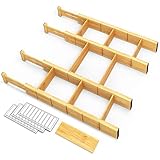
- Adjustable wooden drawer dividers
- Heavy silicone tamping mat
- Your preferred coffee appliances
Step-by-Step Directions
- Sand the top surface of the vintage dresser lightly, then apply three coats of water-based polyurethane to completely waterproof the wood against coffee spills and steam.
- Drill a 2-inch hole through the back panel of the dresser, just above the top drawer line, to allow appliance cords to pass through seamlessly to the wall outlet.
- Place a heavy silicone tamping mat on the newly sealed surface beneath your espresso machine or grinder to absorb vibrations and protect the finish.
- Install adjustable drawer dividers in the top drawer to create custom compartments for tea bags, coffee pods, stirrers, and specialized cleaning brushes.
- Dedicate the deeper bottom drawers to store bulky items like bags of backup beans, large carafes, and seasonal syrups.
Pro-Tip: When utilizing furniture upcycling projects for heavy espresso machines, always remove the back panel and check the corner bracing. Understanding basic material science for coffee bar surfaces ensures you protect antique wood from heat, while reinforcing joints protects against a 60-pound dual-boiler machine.
8. Set Up a Chic Coastal Flair Beverage Hub

Bring the beach house vibe home! Pin this coastal coffee bar for light and airy inspiration.
Blending whitewashed woods with woven rattan textures transforms harsh metal coffee appliances into a breezy, relaxed focal point. Designing coastal flair coffee bar designs for beach house themes requires softening industrial equipment. A chic coffee bar design focuses heavily on aesthetic room styling, where you carefully curate coffee items to match your living area. This cohesive home drink bar instantly improves overall home aesthetics.
Materials Needed
- Whitewashed oak or light wood sideboard
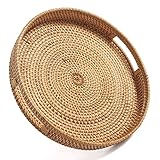
- Large woven rattan serving trays with handles
- Ceramic coffee canisters with bamboo lids
- Sea-glass inspired colored coffee mugs
- White or pastel-colored coffee machine
- Small dried floral arrangement (like pampas grass)
Step-by-Step Directions
- Position your whitewashed sideboard in a room that receives ample natural light to enhance the breezy coastal aesthetic.
- Place a large woven rattan tray in the center of the sideboard to act as a textural anchor for your brewing equipment.
- Set your white or pastel coffee machine directly onto the rattan tray, which softens the harsh industrial lines of the appliance.
- Group your sea-glass colored mugs together on a small wooden stand or corral them inside a secondary, smaller woven basket.
- Decant store-bought coffee bags and sugar boxes into matching white ceramic canisters with bamboo lids to remove distracting brand packaging.
Pro-Tip: Utilizing color palettes for kitchens is vital here. Professional styling tips suggest that if your espresso machine is dark black, you should surround it heavily with light woods, whites, and woven textures to absorb the visual weight and maintain the coastal warmth.
9. Build a Modern Industrial Pipe Shelving Bar

Give your space an urban loft vibe! Save this DIY industrial pipe shelving tutorial.
Mounting rugged iron pipes and stained walnut planks creates a highly durable, load-bearing display for heavy brewing equipment. If you want a bold, edgy aesthetic, a rustic industrial coffee bar design for home cafe setups is a fantastic choice. When you implement a coffee bar using heavy-duty shelving for a coffee bar, you are brilliantly maximizing vertical space while relying on exceptionally durable materials for coffee bars.
Materials Needed
- 1/2-inch black iron plumbing pipes, floor flanges, and end caps (degreased)
- Dark walnut-stained wooden planks (2×10 lumber works well)
- Heavy-duty drywall anchors and black wood screws
- Matte black clear coat spray paint (to seal the iron)
- Amber glass syrup bottles with matte black pumps
- Vintage Edison bulb pendant light (plug-in)
Step-by-Step Directions
- Clean the black iron plumbing parts thoroughly with mineral spirits to remove the factory grease, then spray with a matte black clear coat to prevent rust.
- Assemble the shelf brackets by screwing the floor flanges, pipe lengths, and end caps together tightly by hand.
- Mount the iron brackets to the wall studs, ensuring they are perfectly level across the span of your designated coffee zone.
- Rest the dark walnut planks across the iron brackets and secure them from underneath using C-clamps or specialized pipe straps.
- Organize your heavy glass jars, syrups, and the burr grinder directly onto the sturdy wooden planks, hanging the Edison bulb nearby for ambient warmth.
Pro-Tip: For true advanced storage solutions for baristas, use the underside of the lowest wooden plank. Quality craftsmanship coffee bars often incorporate heavy-duty magnetic strips screwed underneath to hold metal espresso tampers and brushes entirely out of sight but instantly accessible.

10. Design a Custom Pegboard Coffee Display

Obsessed with organization? Pin this aesthetic pegboard display wall to your projects!
A wall-mounted wooden pegboard offers an infinitely modular, highly visible storage system that adapts as your brewing collection grows. Looking for flexible coffee bar display ideas for mugs and syrups? A pegboard lets you beautifully display mugs and utilize clever organization hacks for a coffee bar. You can instantly arrange coffee supplies and reconfigure specialized shelving for brew methods whenever you buy new gear.
Materials Needed
- Large wooden pegboard panel (birch or ply)
- 1×2 inch wooden furring strips (for wall spacing)
- Assortment of wooden dowels (sized to fit pegboard holes)
- Small, custom-cut wooden planks for mini-shelves
- Wall anchors and screws
- Matte black hooks for mugs
Step-by-Step Directions
- Mount the 1×2 wooden furring strips directly to your wall studs; this creates the necessary gap behind the pegboard so the dowels can slide through.
- Secure the wooden pegboard firmly onto the furring strips, ensuring it is level and capable of holding weight.
- Cut your wooden dowels into 4-inch sections and sand the edges smooth.
- Insert the dowels into the pegboard to create custom resting spots for hanging tools like pour-over cones, measuring spoons, and milk frothing pitchers.
- Rest the small wooden planks across two parallel dowels to instantly create modular mini-shelves for displaying coffee bean bags or small plants.
Pro-Tip: To achieve flow optimization for home cafe setups using modular coffee station systems, trace the outline of your most-used tools lightly in pencil on the board. This “shadow board” guarantees you and your family always know exactly where the frother belongs.

11. Convert a Compact Wardrobe into a Coffee and Tea Bar

Hide your mess behind closed doors! Pin this brilliant coffee wardrobe conversion.
Transforming a freestanding armoire into a glowing, pull-out beverage station lets you close the doors on clutter when entertaining guests. If you are creating a stylish coffee and tea bar at home in a dining room, building a coffee bar with hidden storage solutions is genius. You can easily update a coffee bar armoire to serve as a comprehensive beverage preparation area dedicated equally to espresso and delicate teas and infusions.
Materials Needed
- Tall, narrow freestanding wardrobe or armoire
- Heavy-duty sliding drawer tracks (rated for 100 lbs)
- Motion-sensor LED light strips (battery or plug-in)
- Assortment of glass jars for teas and infusions
- Multi-tiered spice rack (repurposed for syrups or tea tins)
- Small, compact espresso or pod machine
Step-by-Step Directions
- Remove the clothing rod and existing weak shelving from the interior of your armoire. Paint the inside a bright white to reflect light.
- Install heavy-duty sliding drawer tracks on the main waist-height shelf, attaching a custom wooden plank. This allows you to pull the espresso machine out during use so steam doesn’t damage the wood above.
- Adhere motion-sensor LED light strips along the interior door frames so the station illuminates automatically when you open the doors.
- Mount a multi-tiered spice rack on the inside of the cabinet doors to hold small flavorings, tea tins, and stirring spoons.
- Arrange your coffee equipment on the pull-out shelf, and dedicate the fixed upper shelves to an organized display of your loose-leaf teas and glass mugs.
Pro-Tip: Utilizing multi-functional coffee bar concepts like an armoire requires excellent cable management. Adhere to ergonomics in coffee bar design by zip-tying appliance cables to the back of the sliding shelf with enough slack to allow full extension, preventing yanked cords.

Key Takeaways: Your Quick Guide to Coffee Bar Ideas for Home Cafe
Reviewing the core design principles ensures your new DIY coffee station is both visually stunning and mechanically safe for daily use. Before you break out the power tools to build your Coffee Bar Ideas for Home Cafe, it is essential to understand the overarching rules of an effective home coffee bar. Whether you are assembling a simple coffee station setup or crafting an elaborate DIY coffee station, success lies in the details. By synthesizing expert home cafe design insights, you can avoid common pitfalls related to space optimization, moisture control, and workflow ergonomics.
These critical takeaways distill the most important architectural advice from our detailed DIY guides. Keep these foundational rules in mind as you measure your space and plan your layout.
Key Takeaways:
- Maximize Vertical Space for Small Layouts: The best coffee bar ideas for home cafe setups in tight kitchens rely on floating shelves or pegboards. Going vertical keeps countertops clear while turning your coffee mugs and gear into aesthetic decor.
- Waterproof All DIY Furniture Surfaces: Before placing a heavy espresso machine on a vintage dresser or cart, you must customize coffee bar surfaces with a polyurethane clear coat. This prevents inevitable water spills and steam from ruining the wood.
- Prioritize Task Lighting in Dark Corners: Whether building an under-stairs nook or a hidden appliance garage, always incorporate plug-in sconces or under-cabinet LEDs. Proper lighting design for aesthetic and function is crucial for early morning brewing visibility.
- Utilize Pull-Out Shelving for Heavy Gear: When dealing with enclosed spaces or deep cabinets, expert home cafe design dictates using heavy-duty sliding trays. This allows you to pull heavy grinders and brewers out to counter-depth safely.
- Solve Visual Clutter with Closed Storage: If you prefer a minimalist coffee bar, utilize armoires or pocket-door cabinets. This organization hack for coffee bar design allows you to hide the mechanical mess of the brewing process when entertaining guests.
- Apply Ergonomics to Your Workflow: Arrange your station sequentially (grind, tamp, brew, serve) and keep heavy tampers at waist height. This flow optimization for home cafe routines mimics professional barista setups, saving time and physical strain.
People Also Ask About Coffee Bar Ideas for Home Cafe
Addressing specific layout and budget questions helps clarify the exact requirements needed for a successful DIY coffee station build. Even with vast inspiration, transitioning from planning to execution often brings up specific logistical concerns. You might wonder how to integrate a layout into a cramped kitchen, or what budget-friendly accessories are actually necessary. Understanding design principles for coffee bars and following industry standards for home bars ensures you don’t waste time or money on your build.
We have compiled answers to the most common questions regarding space management, essential gear, and stylistic choices. These expert insights will resolve any lingering doubts and help you confidently finalize your ultimate home cafe blueprint.
What are good coffee bar ideas for small kitchens?
For small kitchens, the best coffee bar ideas utilize vertical space, such as installing floating shelves or a wall-mounted pegboard over a narrow counter. You can also repurpose a rolling cart that can be tucked away, or use a sliding appliance tray under your existing cabinets. Maximizing vertical space ensures you keep your daily coffee station setup fully functional without sacrificing your valuable food prep areas.
How to set up a coffee bar at home?
To set up a coffee bar at home, choose a dedicated location near a water source and power outlet, clear the space, and establish a workflow from left to right: beans, grinder, brewer, and mugs. Next, add vertical storage solutions like shelves for your coffee beans and syrup dispensers. Finally, personalize your coffee bar with art, plants, and task lighting to create an inviting home cafe aesthetic.
What essentials do you need for a home coffee bar?
A professional home coffee bar requires a quality brewer (espresso machine or drip), a precision burr coffee grinder, a digital scale, airtight bean storage, and dedicated mugs. Secondary coffee bar accessories include a knock box, tamping mat, milk frother, and organizers for syrups. According to interior designer coffee bar tips, keeping these essentials corralled on a dedicated tray prevents visual clutter and streamlines your morning routine.
What’s the difference between a coffee bar and a coffee station?
A coffee bar is typically a larger, dedicated furniture piece or built-in architectural feature, while a coffee station is a smaller, designated zone on an existing kitchen counter. When comparing a coffee bar vs coffee station, a bar often includes seating, a mini-fridge, or a sink, acting as a complete beverage preparation area. A station is a compact coffee setup focused purely on the brewing equipment itself.
Can I build a coffee bar on a budget?
Yes, you can build a highly functional coffee bar on a budget by repurposing vintage furniture, like an old dresser or bookshelf, instead of paying for custom cabinetry. Using DIY pipe shelving or a simple pegboard are incredibly budget-friendly home coffee station ideas. By focusing on affordable DIY coffee bar projects and organizing what you already own, you can achieve a chic coffee bar design without breaking the bank.
How to organize a small coffee bar effectively?
To organize a small coffee bar effectively, use the “one in, one out” rule for accessories and utilize tiered spice racks to store syrups vertically. Addressing storage challenges in a coffee bar requires moving bulky backup supplies into lower drawers or pantry bins. Keep only your daily coffee makers and a few favorite mugs on the main counter to maintain a minimalist coffee bar appearance.
What kind of lighting works best for a home coffee bar?
The best lighting for a home coffee bar is layered: use warm-white under-cabinet LED puck lights for task brewing, combined with an overhead pendant or wall sconce for ambient warmth. Proper lighting design basics dictate avoiding harsh, cool-toned fluorescent lights. Opt for 2700K to 3000K temperature bulbs to evoke the cozy, inviting home cafe aesthetic you expect from your favorite local coffee shop.
How to hide coffee bar appliances?
To hide unsightly coffee appliances, install an appliance garage with a tambour pocket door, or set up your coffee bar inside a closed armoire or pantry cabinet. This cluttered counter fix is perfect for maintaining a minimalist home design. Be sure to install heavy-duty pull-out trays so you can easily access the heavy espresso machine for brewing, and ensure proper ventilation to prevent steam damage to the cabinetry.
What is the best location for a home coffee bar?
The ideal location for a home coffee bar is just outside the primary cooking triangle of the kitchen, preventing morning traffic jams between the chef and the coffee drinker. Great alternative locations include an unused dining room corner, a butler’s pantry, or an under the stairs area. A professional coffee bar layout prioritizes easy access to a water source and adequate power outlets without disrupting general home flow.
What are popular coffee bar styles for homes?
The most popular coffee bar styles include the Modern Farmhouse with rustic woods and metal carts, the Minimalist aesthetic featuring clean countertops and pour-over gear, and the built-in Transitional look. Other trending styles in 2026 include rustic industrial coffee bar designs utilizing iron pipes, and coastal flair setups featuring whitewashed woods and rattan textures. Your chosen style should naturally integrate with kitchen decor while still standing out as a special zone.
Final Thoughts on Coffee Bar Ideas for Home Cafe
Establishing a dedicated brewing space instantly transforms a chaotic morning chore into a highly anticipated, peaceful daily ritual. Creating the Ultimate Home Coffee Bar doesn’t require a massive kitchen renovation or an unlimited budget. As we’ve explored through these 11 stunning DIY setups, the best Coffee Bar Ideas for Home Cafe spaces rely on smart space utilization, clever upcycling, and strategic organization. Whether you decide to transform a cabinet into a hidden appliance garage, mount industrial pipe shelving on a blank wall, or simply curate a minimalist tray on your counter, the goal is to carve out a dedicated zone that brings joy to your routine.
Applying professional styling tips and prioritizing the ergonomics in coffee bar design ensures that your new space won’t just look like a Pinterest board—it will function beautifully during the chaotic morning rush and yield a professional coffee bar look. Remember to focus on the mechanical basics first: ensure you have safe access to power, consider how you will refill your water reservoirs, and protect your wooden surfaces from heat and steam. Once the foundation is solid, you can have fun layering in the aesthetic details.
Are you ready to design your home cafe? Your next step is simple: grab a tape measure and evaluate that awkward corner, blank wall, or cluttered counter you’ve been ignoring. Which of these 11 DIY coffee setups are you planning to tackle first in October 2026? Let us know in the comments below, and happy brewing!
Last update on 2026-10-25 / Affiliate links / Images from Amazon Product Advertising API
