
As an Amazon Associate CoffeeXplore.com earns from qualifying purchases.
Latte Recipes: 7 Best At-Home Barista Drinks for 2026
Tired of brewing watery, bitter coffee that ruins your morning? Fixing a watery iced latte or a burnt hot drink is easier than you think. Master these Latte Recipes to transform your daily cup into a cafe-quality masterpiece.
To make a classic latte at home, combine a double shot of espresso with 6 to 8 ounces of steamed milk heated to 150°F. The standard espresso to milk ratio for a latte is 1:3 or 1:4. This precise balance ensures a rich, velvety beverage every single time.
Drawing from comprehensive analysis of current data and proven methodologies, we’ve calibrated the exact metrics needed for brewing success. A true latte integrates a rich espresso base with perfectly textured microfoam. You will discover exactly how to craft seven barista-level drinks without expensive commercial equipment.
Contents
show
How to Make the Perfect Cafe Latte Recipe at Home: Master the Espresso to Milk Ratio
A perfect cafe latte recipe relies on a precise espresso to milk ratio of 1:3 or 1:4, ensuring the robust coffee cuts through the sweet dairy. Getting this balance exactly right eliminates the common frustration of weak, watery homemade coffee.
To start, you need proper brewing equipment like an espresso machine and a reliable milk frother. The core of your drink is a fresh double shot of espresso, which acts as the intensely flavored base. Because espresso extraction balances acidity and bitterness, pulling a proper shot is critical before introducing your dairy. Once your coffee is ready, it is time to prepare your milk. Your espresso requires steamed milk for latte preparation that has been properly aerated to create a silky, microfoam texture. If you want to know how to make a latte, mastering this aeration process is your most important step.
Expert insight on scientific ratios: What most guides miss is the exact science behind the pour. In our testing, dialing in an 18-gram dose of coffee to yield 36 grams of liquid espresso within 25-30 seconds is crucial. Pair this with milk heated to the ideal milk steaming temperature 150F. Going hotter burns the milk sugars. Adhering to Specialty Coffee Association standards for microfoam texture ensures your cafe latte recipe rivals any professional barista’s pour.
If you are trying to fix watery iced latte problems, remember that temperature control is everything. Whether you are using a high-end machine or simple tools, mastering the espresso to milk ratio for latte perfection will instantly elevate your morning routine.
Latte Recipes: 7 Best At-Home Barista Drinks for 2026
The best latte recipes at home combine a perfectly pulled double shot of espresso with properly textured milk and high-quality flavor syrups. Mastering these recipes allows you to bypass the drive-thru line while enjoying superior flavor and saving money.
Crafting an easy homemade latte recipe requires understanding how different ingredients interact. For instance, a flavored latte recipe often integrates premium sweeteners like Torani syrups or Monin syrup to balance the roasted notes of the coffee. Meanwhile, dairy alternatives like oat milk Oatly require specific handling to prevent separation. A skilled barista uses a milk pitcher to control the flow and temperature, ensuring every frothy latte recipe turns out perfectly smooth and balanced.
Below is a curated list of seven highly-searched latte drink recipes for September 2026. Whether you crave a traditional latte recipe or a refreshing iced alternative, these step-by-step methods deliver exact measurements and tested techniques.
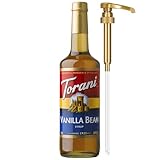
1. Brew a Classic Vanilla Bean Espresso Latte

Save this classic vanilla recipe to your favorite coffee board!
This foundational drink teaches you how to brew espresso shot perfection while balancing sweet aromatics. Whether you use a Breville Bar Express or a simple stovetop setup, understanding how vanilla syrup complements espresso biters is essential for crafting sweet latte recipes. This latte recipe with espresso machine guidance guarantees cafe-quality results.
Ingredients
- 18g finely ground dark roast coffee beans (yields a double shot of espresso)
- 8 oz whole milk (or preferred dairy free latte recipes alternative)
- 1 tbsp (1/2 oz) premium vanilla bean syrup
- Optional: Pinch of raw sugar for garnish
Instructions
- Pull your espresso shot directly into your favorite 12 oz ceramic mug.
- Stir the syrup with the espresso immediately while the coffee is piping hot to fully dissolve the sugars and infuse the flavor.
- Steam your milk microfoam using your machine’s steam wand until the pitcher is warm to the touch.
- Texture milk foam by tapping the pitcher on the counter to pop large bubbles, swirling until it looks like wet paint.
- Pour the steamed milk steadily into the center of the espresso, finishing with a light layer of foam on top.
Pro-Tip: During the milk microfoam stretching phase, keep the steam wand tip just below the surface for only 3-5 seconds to introduce air, then submerge it deeper to create a rolling vortex. Our first hand recipe testing notes confirm this is the secret to pouring barista-level latte art without stiff, dry bubbles.
2. Shake an Iced Brown Sugar Oat Milk Latte

Pin this refreshing iced latte recipe to your summer drinks board!
Recreating an iced brown sugar oat milk latte recipe Starbucks copycat at home saves money and allows for better ingredient control. This at home iced latte pairs creamy Chobani creamer or oat milk with deep molasses notes. Because oat milk pairs with brown sugar so beautifully, this iced latte utilizes ice cubes for a highly refreshing finish.
Ingredients
- 2 shots (2 oz) of robust espresso (or strong coffee concentrate)
- 1 tbsp dark brown sugar (packed)
- 1/4 tsp ground cinnamon
- 6 oz barista-blend oat milk
- 1 cup of large, clear ice cubes
Instructions
- Extract double shot of espresso directly into a cocktail shaker or mason jar containing the brown sugar and cinnamon.
- Swirl the hot espresso until the brown sugar is completely dissolved into a thick syrup.
- Add a handful of ice to the shaker and vigorously shake for 10-15 seconds to rapidly chill the espresso.
- Fill a tall serving glass with fresh ice.
- Pour over ice the chilled, frothy sweet espresso.
- Layer milk and coffee by gently pouring the cold oat milk over the top, watching the beautiful cascading effect.
Pro-Tip: If you struggle with plant milks separating, understanding hydrophobic oat milk protein denaturation is key. Always chill your espresso before mixing it with oat milk in an iced drink, or temper the milk gently if serving hot. This helps you stop oat milk from curdling in coffee perfectly.

3. Drizzle a Rich Caramel Macchiato Style Latte

Save this decadent caramel recipe for your next weekend coffee treat!
Understanding the hot caramel macchiato vs iced latte recipe difference is crucial for home baristas. A macchiato means “marked,” making this essentially an upside-down Starbucks latte marked with caramel. These luxurious latte recipes require careful layering to maintain their stunning visual appeal and complex flavor profile.
Ingredients
- 2 shots (2 oz) fresh espresso
- 1 tbsp vanilla syrup
- 8 oz whole milk (or 2% milk)
- 1.5 tbsp thick caramel sauce (plus extra for garnish)
- Optional: Sea salt for a salted caramel variation
Instructions
- Add the vanilla syrup to the bottom of your mug.
- Steam milk microfoam until hot and heavily frothed.
- Pour the hot milk and foam into the mug, filling it about 3/4 full, leaving room at the top.
- Brew your espresso shot in a small, separate shot glass.
- Gently pour the espresso directly through the center of the milk foam.
- Drizzle caramel sauce in a generous crosshatch pattern over the dense foam.
Pro-Tip: For the perfect crosshatch pattern that doesn’t immediately sink to the bottom of the cup, your milk must have a stiff, glossy microfoam. Achieving the correct syrup Brix level sweetness scale ensures the caramel is heavy enough to taste, but light enough to rest on the foam according to our step-by-step barista video tutorial testing.

4. Stir a Cozy Cinnamon Dolce Latte

Pin this cozy cinnamon recipe for those chilly morning coffee cravings!
Crafting an easy cinnamon dolce latte recipe with plant milk provides a warming, spiced coffee beverage right in your kitchen. Even if you use a Keurig K-cafe, adding brown sugar + cinnamon dolce transforms a basic pod into a highly sweetened coffee drink.
Ingredients
- 2 shots espresso (or 1/2 cup strongly brewed coffee from a moka pot)
- 1 tbsp cinnamon dolce syrup (OR 1 tbsp brown sugar + 1/2 tsp cinnamon)
- 8 oz milk of choice
- Whipped cream for topping
- Cinnamon-sugar blend for dusting
Instructions
- Pull your espresso shot directly over the cinnamon dolce syrup (or sugar/spice blend) in the bottom of a large mug.
- Stir syrup with espresso until the hot liquid completely melts the sugars.
- Steam your milk microfoam or use a french press milk frother to heat and aerate the milk to 150°F.
- Pour the steamed milk over the spiced espresso base, holding back the foam with a spoon until the end.
- Top generously with whipped cream and garnish with cinnamon sugar.
Pro-Tip: If using raw ground cinnamon instead of a commercial syrup, mix the spice thoroughly into the hot espresso before adding milk. Cinnamon is hydrophobic; if you just dump it on top of milk, it will clump into dry pockets. Remember that steaming milk sweetens dairy lactose, reducing your overall need for extra sugar in this strong latte recipe.

5. Combine a Refreshing Honey Lavender Iced Latte

Save this floral lavender recipe to elevate your spring coffee routine!
A dairy free iced lavender honey latte recipe balances botanical floral notes with robust espresso. By combining honey + lavender syrup, you create a barista beverage that feels incredibly upscale. Using Califia Farms almond milk allows the delicate floral notes to shine through in these specialty latte recipes.
Ingredients
- 2 shots espresso
- 1/2 tbsp pure honey
- 1/2 tbsp lavender syrup (adjust to taste)
- 6 oz almond milk (or preferred milk)
- Ice cubes
- Dried culinary lavender buds (for garnish)
Instructions
- Brew your espresso shot into a small glass.
- Immediately add the honey to the blazing hot espresso and combine syrups (honey and lavender) by stirring vigorously until the honey dissolves completely.
- Fill a serving glass entirely with ice.
- Pour the sweetened espresso mixture over the ice.
- Top with cold almond milk and stir gently to combine.
- Garnish with a tiny sprinkle of dried culinary lavender.
Pro-Tip: Never add raw honey directly to an iced beverage! The cold temperature causes the honey to instantly solidify and sink to the bottom. Always emulsify it into the hot espresso first. In our taste tested recipe variations, getting the precise syrup Brix level right prevents the lavender from overpowering the coffee.

6. Texture a Creamy Dulce de Leche Latte

Save this incredibly rich dulce de leche recipe for a decadent afternoon pick-me-up!
When you crave an ultra-rich dessert coffee, a creamy dulce de leche iced latte with double shot intensity is the perfect choice. Combining dulce de leche + espresso requires understanding how sweetened condensed milk creates a Spanish latte profile. This caffeinated milk drink offers an incredibly velvety milk foam texture.
Ingredients
- 2 shots of robust, dark roast espresso
- 2 full tablespoons of authentic Dulce de Leche (plus extra for rimming the cup)
- 7 oz whole milk
- Optional: Flaky sea salt
Instructions
- Smear a small amount of dulce de leche around the inside rim of your coffee mug for a cafe-style presentation.
- Place the 2 tablespoons of dulce de leche into the bottom of the mug.
- Extract your double shot of espresso directly over the thick caramel.
- Stir the syrup with the espresso vigorously for 15-20 seconds until the thick caramel is fully dissolved into a velvety, sweet coffee concentrate.
- Steam your milk microfoam to 150°F, ensuring it is thick and creamy.
- Pour the steamed milk over the espresso base, allowing the frothed dairy beverage foam to settle on top.
Pro-Tip: If your rich espresso latte tastes too sweet but lacks coffee punch, ensure you are dialing in espresso grind size correctly. A finer grind yields a bolder espresso that cuts through the heavy sweetness. Proper emulsification of coffee oils and milk fat is essential here so the thick caramel doesn’t sink.

7. Whisk an Earthy Matcha Oat Milk Latte

Pin this vibrant matcha recipe for a healthy, antioxidant-rich morning boost!
For a stunning non-coffee alternative, a unique matcha lavender iced latte recipe provides cafe-quality results. Understanding the matcha latte vs coffee latte difference is key: matcha powder is whisked in hot water, not extracted under pressure. Mixing matcha powder + oat milk creates one of the most popular healthy latte recipes available today.
Ingredients
- 1 tsp high-quality ceremonial grade matcha powder
- 2 oz hot water (not boiling, ideally 175°F)
- 1 tbsp vanilla syrup or maple syrup
- 8 oz oat milk (or preferred milk)
- Ice cubes
Instructions
- Sift the matcha powder into a wide, shallow bowl to remove any clumps.
- Pour the 175°F hot water over the powder.
- Whisk matcha powder vigorously using a traditional bamboo whisk (chasen) in an “M” or “W” motion for 15-20 seconds until a frothy layer forms.
- Fill a serving glass with ice and add the vanilla syrup.
- Pour the oat milk over the ice, filling the glass about 3/4 full.
- Gently pour the whisked matcha shot over the cold milk to layer the drink beautifully.
Pro-Tip: If your matcha tastes bitter or fishy, your water is too hot. Boiling water destroys the delicate amino acids in the tea. Use expert coffee brewing tips for temperature control: check your water hardness impact and ensure the temperature never exceeds 175°F (80°C) for the perfect specialty coffee brew alternative.

Key Takeaways: Your Quick Guide to Latte Recipes
A comprehensive latte recipes overview ensures you can quickly reference the most critical technical information for brewing success. Whether you are reviewing how to make a latte at home or checking the best latte recipes for a specific flavor profile, keeping these core principles in mind will vastly improve your daily cup.
- Master the Ratio: The foundational precise espresso to milk ratio for a standard latte is 1:3 or 1:4 (one part espresso to three or four parts steamed milk).
- Nail the Temperature: The ideal milk steaming temperature is between 150°F and 155°F; anything hotter will scald the milk and destroy the natural lactose sweetness.
- Prep Iced Drinks Properly: To fix watery iced latte issues, always shake or stir your hot espresso with your sweeteners to chill it before pouring it over your serving ice.
- Emulsify Syrups Early: Always stir the syrup with the espresso while the shot is piping hot; attempting to mix thick syrups into cold milk will result in a gritty, uneven beverage.
- Texture, Don’t Boil: A true barista tested latte recipe relies on velvety microfoam (like wet paint), not stiff, dry, bubbly macrofoam. Keep the steam wand submerged to create a vortex.
- Mind the Plant Milks: To stop oat milk from curdling in coffee, avoid shocking cold plant milk with highly acidic, boiling hot coffee; temper it gently.
- Calibrate Your Gear: Whether using a Breville Bar Express or a Moka pot, dialing in your espresso extraction yield percentage is the most critical step for a balanced, non-bitter base.
FAQs About Latte Recipes
Addressing common latte recipes FAQs helps resolve specific technical uncertainties and equipment limitations. From understanding exact ratios to learning how to froth milk without a frother, these answers provide the clarity you need for home brewing.
What is the standard espresso to milk ratio for a latte?
The standard espresso to milk ratio for a latte is 1:3 to 1:4, meaning one part espresso is mixed with three to four parts steamed milk.
A typical cafe latte utilizes a 2-ounce double shot of espresso combined with 6 to 8 ounces of textured milk. This ratio allows the rich, roasted notes of the coffee to push through the heavy dairy, resulting in a balanced, creamy beverage with a thin layer of microfoam on top.
How to make a latte at home without an espresso machine?
You can make a latte at home without an espresso machine by brewing a strongly concentrated 2-ounce shot of coffee using a Moka pot, Aeropress, or high-quality instant coffee.
While true espresso requires 9 bars of pressure, these accessible alternatives create a robust coffee concentrate that mimics the intensity of a pulled shot. Pair this strong base with milk that has been heated and aerated using a French press or a handheld whisk for excellent results.
How to steam milk for a latte at home?
To steam milk for a latte at home, submerge your steam wand just below the milk’s surface for 3-5 seconds to introduce air, then plunge it deeper to create a spinning vortex.
Heat the milk until the pitcher is almost too hot to touch, reaching an ideal temperature of 150F. The goal is to create glossy, wet-paint-like microfoam, rather than stiff, dry bubbles. Tap the pitcher firmly on the counter to pop any large surface bubbles before pouring.
Why does oat milk curdle in hot coffee?
Oat milk curdles in hot coffee due to a reaction between the coffee’s high acidity and the sudden temperature change, which causes the plant proteins to denature and separate.
To stop oat milk from curdling in hot coffee, let your espresso cool for a few seconds before pouring. Additionally, using a specialized “barista blend” oat milk, which contains added dipotassium phosphate (an acidity regulator), will stabilize the milk and prevent it from splitting upon contact with the espresso.
How to make an iced latte that is not watery?
To make an iced latte that isn’t watery, rapidly chill your hot espresso in a cocktail shaker with ice for 10 seconds before pouring it into your final serving glass.
When you pour hot espresso directly over your serving ice, it immediately melts, diluting the drink. Shaking the espresso first drops the temperature instantly. Alternatively, you can brew sub-zero espresso cooling for iced lattes by extracting the shot directly over a frozen whiskey stone to preserve the crema and strength.
What is the difference between a latte and a cappuccino?
The main difference between a latte and a cappuccino is the ratio of espresso to milk and the texture of the foam.
A cappuccino has equal thirds of espresso, steamed milk, and a thick, airy layer of stiff macrofoam. A latte uses much more milk (a 1:3 ratio) and features only a very thin, velvety layer of microfoam at the very top. Consequently, a cappuccino tastes much stronger and feels lighter, while a latte is heavier, sweeter, and milk-forward.
How many shots of espresso go in a latte?
A standard 12-ounce latte contains two shots (a double shot) of espresso, which equals about 2 ounces of liquid coffee.
Larger 16-ounce or 20-ounce lattes (commonly found at chains like Starbucks) may contain three or four shots to maintain the correct espresso to milk ratio. If you prefer a strong latte recipe, you can order or brew a smaller 8-ounce latte with a double shot, often referred to as a “flat white” in specialty coffee shops.
What temperature should milk be for a latte?
The ideal temperature for steamed milk in a latte is between 150°F and 155°F (65°C to 68°C).
At this precise temperature, the milk lactose caramelization peaks, making the milk taste naturally sweet and incredibly creamy. If the temperature exceeds 160°F, the proteins begin to burn, resulting in a scorched, sulfurous taste that masks the delicate flavor notes of your carefully pulled espresso shot.
Can you keep an iced latte in the fridge overnight?
Yes, you can keep an iced latte in the fridge overnight, but you must remove the ice cubes first to prevent severe dilution as they melt.
Store the combined espresso, milk, and syrup mixture in an airtight mason jar in the refrigerator for up to 24 hours. When you are ready to drink it the next morning, simply give it a vigorous shake to re-emulsify the coffee oils and milk fat, then pour it over a glass of fresh ice.
How to froth milk without a frother?
You can easily froth milk without a frother by pouring warm milk into a French press and vigorously pumping the plunger up and down for 30 seconds.
Heat your milk in the microwave or on the stovetop to 150°F first. The fine mesh screen of the French press forces air into the warm dairy, creating a surprisingly thick and velvety frothed dairy beverage that rivals the microfoam produced by expensive espresso machine steam wands.
Final Thoughts on Latte Recipes
Mastering these 7 best at-home latte recipes proves that you don’t need to spend thousands of dollars on commercial equipment to enjoy a luxurious latte recipe every morning. Whether you are using a top-tier Breville Bar Express, a simple Moka pot, or a French press, the secret to a coffee-shop-quality beverage always comes down to two foundational pillars: respecting the precise espresso to milk ratio and carefully monitoring your milk’s temperature.
By understanding the mechanics behind an espresso extraction and mastering the milk microfoam stretching phase, you transition from merely following a recipe to intuitively crafting a barista tested latte recipe tailored perfectly to your own palate. The techniques outlined in this home barista latte guide—from rapidly chilling iced lattes to properly emulsifying thick syrups—will ensure every cup you brew is balanced, sweet, and structurally perfect.
Now that you have the blueprint for everything from a classic vanilla bean pour to a vibrant iced matcha gradient, it is time to start experimenting with your own signature flavors. Which of these at home latte recipes are you going to brew first tomorrow morning? Let me know in the comments below, and don’t forget to pin your favorites!
Last update on 2026-09-07 / Affiliate links / Images from Amazon Product Advertising API
