
As an Amazon Associate CoffeeXplore.com earns from qualifying purchases.
Herbal Tea to Smell Good: 5 Internal Deodorant Recipes
Are you exhausted from topical deodorants failing to mask your pungent sweat? Finding a lasting solution for persistent body odor can feel incredibly frustrating. Fortunately, you can actually drink herbal tea to smell good from within.
Yes, you can drink specific herbal tea to smell good. By consuming aromatic botanicals like fenugreek, fennel, and hibiscus, your body metabolizes their volatile organic compounds. These compounds are then secreted through your apocrine sweat glands, effectively acting as an internal deodorant tea that naturally sweetens your body odor.
Drawing from established traditional medicine practices and clinical phytonutrient research, this metabolic scent alteration safely targets odor at its source. In this guide, you will discover five precise botanical infusions designed to neutralize bad odors systemically. Get ready to transform your natural scent signature today.
Contents
show
The Science of Scent: How Internal Deodorizing Works
Understanding how botanical infusions change your natural fragrance requires looking closely at the gut-skin axis. When you consume an internal deodorant tea, you are ingesting highly concentrated Volatile Organic Compounds (VOCs). Unlike typical food matter, specific VOCs like sotolon and anethole bypass complete digestive breakdown. Instead of being fully degraded in the stomach, these fragrant metabolic byproducts enter your bloodstream intact. From there, your body must eliminate them through natural physiological processes.
These potent phyto-scents are ultimately secreted through your apocrine glands alongside your sweat, as well as expelled through your breath. For individuals managing clinical odor conditions like bromhidrosis or even mild forms of Trimethylaminuria, this metabolic scent alteration provides a systemic solution. By leveraging these antimicrobial properties, you actively neutralize odor-causing bacteria internally while replacing pungent sweat with a sweeter olfactory profile. This scientific mechanism proves that you truly can drink your perfume.
What Tea Makes Your Sweat Smell Like Maple?
Fenugreek tea is the specific herbal infusion that makes your sweat smell like maple syrup. It contains a highly aromatic compound called sotolon. When you consume fenugreek, sotolon passes through your digestive tract into your bloodstream, eventually being secreted through your apocrine glands, creating a sweet, maple-like scent.
This viral natural scent alteration hack works specifically because fenugreek seeds are densely packed with sotolon, a chemical compound so potent it is often used in commercial flavorings. When you drink a strong Fenugreek decoction daily, the sotolon accumulates in your system, transforming your standard body effluvium into a distinctly sweet aroma. This makes it an incredibly powerful internal body deodorizer for heavy sweaters.
However, responsible herbalism requires careful dosage management. Because fenugreek acts as a phyto-estrogen that can influence hormonal balance and stimulate uterine contractions, it is explicitly contraindicated during pregnancy. Always consult your healthcare provider before utilizing high-dose fenugreek protocols for metabolic scent alteration, especially if you have hormone-sensitive conditions.
Fenugreek vs Fennel Seeds for Scent: Comparing Botanical Deodorizers
Choosing the right botanical deodorizer depends entirely on the specific type of odor you want to neutralize. While many people group all sweet smelling teas together, their active volatile oils target very different physiological exit routes. If your primary concern is pungent body odor and underarm perspiration, you need an herb that secretes heavily through the apocrine sweat glands.
Conversely, if you struggle with halitosis or bad breath originating from the stomach, you need a botanical that acts as a digestive antispasmodic to neutralize odors in the gut microbiome. The two most effective herbs for internal deodorization—fenugreek and fennel seeds—operate through completely distinct biological pathways. Below is a detailed comparative analysis to help you formulate the perfect internal perfume tea for your specific needs.
| Feature | Fenugreek Seeds | Fennel Seeds |
|---|---|---|
| Primary Active Compound | Sotolon | Anethole |
| Target Secretion Route | Apocrine sweat glands & urine | Breath & gut microbiome |
| Resulting Scent Profile | Spicy-sweet, maple syrup | Fresh, sweet licorice |
| Best Used For | Body odor, pungent sweat | Halitosis, digestive gas |
| Key Safety Warning | Avoid during pregnancy | Generally safe in moderation |
Herbal Tea to Smell Good: 5 Internal Deodorant Recipes
Creating an effective smell good tea recipe requires more than just tossing pleasant-smelling flowers into hot water. To successfully utilize herbs for metabolic scent alteration, you must apply precise extraction techniques that preserve the delicate volatile organic compounds. Boiling delicate petals can destroy their phyto-scent, while under-steeping dense seeds will leave the vital deodorizing oils trapped inside.
The following five therapeutic-grade recipes combine traditional herbalism with modern clinical understanding to target specific odor concerns. From sweetening your sweat to detoxifying your skin, these highly actionable aromatic herbal tea blends are designed to be easily incorporated into your daily clean beauty ritual. Follow the specific water temperatures and steeping times closely to maximize your internal deodorizing results in October 2026.
1. Brew The Viral “Smell Good” Tea Recipe with Hibiscus, Rose, and Fenugreek

Save this viral floral infusion to your Natural Wellness board to smell like flowers from the inside out!
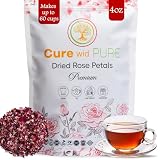
This incredible recipe combines the tart, vitamin C-rich profile of Hibiscus petals with the highly aromatic skin-detoxifying properties of Dried Rose Hips. When you blend the floral notes of hibiscus and rose with the dense sotolon compounds in fenugreek, you create a complex, multi-layered body fragrance. To ensure optimal safety and avoid synthetic pesticide ingestion, always use certified organic, edible-grade rose petals.
Ingredients
- 1 tablespoon organic dried Fenugreek seeds (whole, not powdered for a cleaner brew)
- 1 tablespoon dried Hibiscus petals (rich in vitamin C and tart flavor)
- 1 tablespoon edible dried Rose Hips or pink rosebuds
- 2 cups filtered water
- 1 teaspoon raw honey or agave (optional, to sweeten the tartness)
Instructions
- Boil the filtered water in a small saucepan over medium-high heat.
- Incorporate the fenugreek seeds first and allow them to simmer for 3-5 minutes to properly extract the dense sotolon compounds.
- Infuse the hibiscus petals and dried rosebuds, removing the pot from the heat immediately to protect the delicate floral volatile oils.
- Steep the botanical blend covered for 10-15 minutes to maximize the natural fragrance extraction.
- Strain the liquid through a fine-mesh sieve into your favorite mug, sweeten if desired, and consume daily for optimal metabolic scent alteration.
Pro-Tip: In my experience as a holistic practitioner, boiling fenugreek releases the maple aroma, but boiling rose or hibiscus will destroy their delicate floral notes. Always add the flowers after taking the water off the heat to preserve the phyto-scent.
2. Steep a Spiced Cinnamon and Clove Metabolic Scent Booster

Pin this warming spice recipe to boost your metabolism and naturally sweeten your scent!
If you prefer pantry spices over floral profiles, this metabolic scent tea is the ultimate solution. By combining Cinnamon sticks and metabolism-boosting heat, you actively increase blood circulation. Meanwhile, the powerful antimicrobial compound eugenol found in cloves works systemically to combat odor-causing bacteria linked to halitosis and bromhidrosis.
Ingredients
- 2 whole organic Ceylon cinnamon sticks (sweeter and safer than Cassia for daily use)
- 4-5 whole cloves (highly aromatic and antimicrobial)
- 1 slice fresh ginger root (for digestive support)
- 2 cups filtered water
Instructions
- Combine the cinnamon sticks, whole cloves, ginger, and water in a small pot.
- Boil the spices over medium heat, then reduce to a low simmer for 15-20 minutes to thoroughly extract the woody volatile oils.
- Steep the decoction for an additional 10 minutes off the heat to deepen the spicy-sweet flavor profile.
- Strain out the whole spices carefully.
- Consume this warming blend in the morning; the metabolic boost will help your body effectively metabolize and secrete the fragrant oils throughout the day.
Pro-Tip: Always choose Ceylon cinnamon (true cinnamon) over Cassia cinnamon if you plan to drink this internal deodorant tea daily. Cassia contains high levels of coumarin, which can stress the liver when consumed in large, daily doses.

3. Infuse a Fresh Breath Fennel and Star Anise Botanical Blend

Save this gut-soothing recipe to your tea boards to eliminate bad breath from the inside out!
Internal deodorizing extends far beyond just sweat—it is critical for breath freshness, too. When fennel seeds and Star Anise meet, their high concentrations of the volatile oil ‘anethole’ provide an incredible sweet licorice scent. This blend acts as a powerful digestive antispasmodic, neutralizing stomach gasses and completely transforming halitosis originating from a poor gut microbiome.
Ingredients
- 1 teaspoon organic whole Fennel seeds (crushed slightly to release oils)
- 2 whole Star Anise pods
- 1 sprig fresh mint (optional, for an extra cooling effect)
- 2 cups boiling water
Instructions
- Crush the fennel seeds gently using a mortar and pestle just until they crack open to release their potent anethole oils.
- Place the crushed fennel seeds and whole star anise pods into a French press or a teapot with a fine infuser.
- Pour rapidly boiling water over the seeds and pods.
- Steep for a full 10-12 minutes to ensure the licorice-like sweet aroma is fully extracted into the water.
- Strain and drink after meals; this botanical deodorizer works best when it can actively aid digestion and neutralize odor-causing stomach gasses.
Pro-Tip: If you suffer from halitosis that brushing doesn’t fix, the issue is likely in your gut microbiome. The anethole in fennel seeds specifically targets and neutralizes these digestive odors before they can travel up to your breath.

4. Formulate a Jasmine Pearl and Chlorophyll Skin Detox Tea

Pin this brilliant skin detox and internal deodorizing hack to your Clean Beauty board!
Merging two incredibly potent clean beauty trends, this recipe uses fragrant Jasmine pearls alongside powerful liquid Chlorophyll. Chlorophyll is clinically recognized for binding to odor-causing toxins in the digestive tract. By pairing this internal cleansing agent with green tea’s astringent properties, you naturally manage excessive perspiration (hyperhidrosis) while exuding a delicate floral fragrance.
Ingredients
- 1 teaspoon premium Jasmine Dragon Pearls (green tea tightly rolled with jasmine blossoms)
- 10-15 drops of liquid Chlorophyll (unflavored or mint-flavored)
- 1.5 cups hot water (not quite boiling, roughly 175°F / 80°C)
Instructions
- Heat your water until just before boiling; pouring rapidly boiling water on green tea will burn the leaves and create a bitter, rather than sweet, aroma.
- Steep the jasmine pearls for 3-4 minutes, watching as the pearls beautifully unfurl to release their highly fragrant floral notes.
- Strain the jasmine green tea into your favorite glass or mug.
- Incorporate the liquid chlorophyll drops into the brewed tea, stirring well until the liquid turns a beautiful, vibrant green.
- Consume this blend mid-morning; the chlorophyll acts as an internal cleansing agent binding to toxins, while the jasmine provides a lingering, elegant phyto-scent.
Pro-Tip: Chlorophyll is essentially a highly concentrated green pigment that acts as a powerful internal deodorizer. By pairing it with the astringent tannins in green tea, you naturally reduce excessive perspiration while ensuring the sweat you do produce smells incredibly fresh.

5. Simmer a Rooibos and Cardamom Floral Body Aroma Decoction

Don’t just drink your tea—breathe it! Save this caffeine-free body aroma recipe for a long-lasting fragrance.
For those seeking a powerful body fragrance tea to drink before bed without disrupting sleep, earthy Rooibos paired with whole Cardamom pods is unmatched. Cardamom boasts an incredibly complex terpene profile, including terpinen-4-ol—a volatile organic compound scientifically proven to safely alter body effluvium, yielding a sweet-spicy, long-lasting fragrance that develops overnight.
Ingredients
- 1 tablespoon organic loose-leaf Rooibos tea (naturally caffeine-free and rich in antioxidants)
- 3-4 whole Green Cardamom pods (gently crushed to expose the inner seeds)
- 1 teaspoon dried rose petals (optional, for added floral complexity)
- 2 cups filtered water
Instructions
- Crush the green cardamom pods gently with the flat side of a knife until they split, revealing the highly fragrant black seeds inside.
- Simmer the crushed cardamom pods in the filtered water for 5-7 minutes to fully extract their sweet, spicy, eucalyptus-like terpenes.
- Turn off the heat, then add the loose-leaf rooibos and optional rose petals to the hot water.
- Steep the mixture for an additional 7-8 minutes. Rooibos has zero tannins, so it will never turn bitter no matter how long you steep it.
- Strain and enjoy this caffeine-free botanical infusion before bed, allowing your body to metabolize the aromatic compounds overnight for a sweet morning scent.
Pro-Tip: Cardamom is one of the most chemically complex spices on earth. It contains high levels of cineole and terpinyl acetate—compounds that are so powerful they are frequently extracted for use in high-end synthetic perfumes. Drinking it allows those exact same compounds to exit through your pores organically.

Key Takeaways: Your Quick Guide to Herbal Tea to Smell Good
Mastering the art of internal deodorization comes down to understanding which botanicals target your specific odor concerns. Before you begin your daily ritual, review these fundamental principles of metabolic scent alteration. This quick-reference guide distills the most critical insights for time-pressed holistic wellness enthusiasts looking to start brewing today.
- Drink Fenugreek to achieve a sweet, maple-like body scent. Contains a potent compound called sotolon that survives digestion and is secreted through your sweat glands, naturally sweetening your body odor.
- Consume Fennel and Star Anise to neutralize bad breath from the gut. The compound anethole in these seeds acts as a powerful digestive antispasmodic, neutralizing halitosis and sweetening breath from the inside out.
- Blend Hibiscus and Rose for a floral, vitamin C-rich internal perfume. Proper extraction preserves phyto-scents; never boil delicate flowers like hibiscus or rose. Always steep them off the heat to prevent destroying the fragile volatile oils.
- Combine Jasmine Green Tea with Chlorophyll to detoxify the skin and reduce odor. Adding liquid chlorophyll to astringent teas like green jasmine helps bind to odor-causing toxins in the digestive tract while reducing excessive perspiration.
- Simmer Cardamom and Rooibos for a caffeine-free, terpene-rich body fragrance. Consistency is key for metabolic scent alteration. To truly smell like flowers from the inside, these botanical infusions must be consumed daily to allow the volatile organic compounds to build up in your system.
- Safety matters with daily herbalism: Always consult a doctor before consuming high daily doses of fenugreek, especially if you are pregnant or have hormone-sensitive conditions, as it can act as a phyto-estrogen.
People Also Ask About Herbal Tea to Smell Good
Even with complete recipes in hand, making the switch from topical deodorants to an internal botanical strategy often raises important questions about biological timing and safety. Below are evidence-based answers to the most common queries regarding how quickly these infusions work and how they interact with your body’s natural physiological processes.
How long does it take for tea to change your smell?
It typically takes 3 to 5 days of daily consumption for herbal tea to noticeably change your natural body scent.
Your body needs time to process the botanicals through the gut-skin axis and build up sufficient levels of volatile organic compounds in your bloodstream. Once these levels are adequate, the fragrant oils will begin to secrete continuously through your apocrine sweat glands, providing a lasting, sweet aroma.
Does green tea help with body odor?
Yes, green tea significantly helps reduce body odor due to its high levels of astringent tannins and antibacterial catechins.
When consumed daily, green tea helps regulate excessive perspiration (hyperhidrosis) by gently tightening sweat glands from within. Additionally, its antibacterial properties help neutralize odor-causing bacteria in the gut and mouth, acting as a highly effective baseline internal body deodorizer before adding sweeter floral notes.
Can tea improve vaginal freshness?
Yes, specific herbal infusions like fenugreek, hibiscus, and cranberry teas can positively influence vaginal freshness by supporting a healthy internal pH and microbiome.
Because the vagina is a mucous membrane that naturally secretes fluids based on your internal metabolic state, consuming antioxidant-rich, hydrating botanical infusions helps flush out toxins. The fragrant compounds in sweet-smelling teas are distributed systemically, which can subtly improve overall intimate odor.
Are there teas that make your urine smell good?
No tea will make your urine smell “good” like perfume, but drinking highly aromatic teas can subtly change its scent profile.
Urine is a primary waste elimination route. When you consume high amounts of fenugreek, the sotolon compound often causes urine to take on a distinct maple syrup smell. Conversely, drinking ample amounts of hydrating herbal tea dilutes uric acid, which neutralizes the pungent, strong ammonia smell of concentrated urine.
Is it safe to drink fenugreek every day for scent?
For most healthy adults, drinking 1 to 2 cups of fenugreek tea daily is safe for scent alteration, but it should be avoided by pregnant women.
Fenugreek acts as a phyto-estrogen and can influence hormonal balance. It is also known to stimulate uterine contractions, making it contraindicated during pregnancy. Always consult with a healthcare provider or certified herbalist before making potent metabolic herbs a daily ritual.
Which herbal tea is best for body odor?
A blend of peppermint and chlorophyll is widely considered the best foundational herbal tea for neutralizing pungent body odor.
While fenugreek and rose add a new sweet scent, peppermint and chlorophyll actively work to eliminate bad odors. Chlorophyll binds to toxins in the digestive tract, and peppermint’s high menthol content provides a systemic cooling effect that refreshes the breath and cools the skin, reducing the volume of sweat produced.
How many cups of tea to drink for scent?
To successfully alter your body fragrance, you should aim to drink 2 to 3 cups of your chosen aromatic herbal tea daily.
Drinking just one cup occasionally is not enough to saturate your bloodstream with the necessary volatile organic compounds. For the best results, drink one cup in the morning to boost your metabolic scent throughout the day, and one in the evening to allow your body to process the herbs overnight.
What causes the maple syrup smell in sweat?
The maple syrup smell in sweat is caused by a chemical compound called sotolon, which is found in high concentrations in fenugreek and lovage.
Sotolon is an extremely potent aromatic chemical that does not get completely broken down during human digestion. It enters the bloodstream intact and is eventually excreted by the apocrine sweat glands and through urine, resulting in a sweet, maple-like body fragrance.
Can herbal tea replace topical deodorant?
Herbal tea cannot entirely replace topical deodorant for heavy sweaters, but it can significantly reduce the pungency of your natural odor.
Internal deodorant teas work by changing the scent of the sweat you produce, making it smell sweeter or more floral. However, they do not stop the underarm bacteria from breaking down that sweat over time. Most holistic practitioners recommend using a natural, aluminum-free topical deodorant in conjunction with scent-altering teas.
Does peppermint tea help with body smell?
Yes, peppermint tea is highly effective at improving body smell by acting as a powerful internal antibacterial agent and digestive aid.
Poor body odor often originates from poor digestion and lingering bacteria in the gut. Peppermint tea soothes the digestive tract, eliminates stomach-based halitosis, and its strong menthol oils are absorbed and partially secreted through the skin, leaving a subtly fresh, clean scent on the body.
Final Thoughts on Herbal Tea to Smell Good
Transforming your natural body scent doesn’t have to rely on harsh synthetic chemicals or expensive topical perfumes. By understanding the science of the gut-skin axis and how our bodies metabolize volatile organic compounds, you can strategically use herbal tea to smell good from the inside out. When you harness evidence-based phytonutrient science, you empower your body’s natural physiology to work for your personal hygiene rather than against it.
Whether you choose to brew the viral fenugreek blend to naturally sweeten your sweat with a maple-like scent, or you prefer to steep fennel and star anise for incredibly fresh breath, these internal deodorant recipes offer a beautiful, holistic approach to natural scent alteration. Remember that consistency is your best tool—these botanical infusions require a few days of daily consumption to build up the fragrant oils in your system.
By making these aromatic teas a part of your daily clean beauty ritual, you are not just masking odors; you are fundamentally altering your metabolic scent profile while hydrating and detoxifying your body.
Which of these 5 internal deodorant teas are you going to brew first? Have you ever tried fenugreek and noticed the maple syrup effect? Let me know in the comments below!
Last update on 2026-10-14 / Affiliate links / Images from Amazon Product Advertising API
