
As an Amazon Associate CoffeeXplore.com earns from qualifying purchases.
Ginger Tea: 7 Soothing Benefits and Easy Recipes for 2026
Struggling with an upset stomach or a wave of nausea? You’re looking for a natural, comforting solution that actually works. The search for a simple, effective remedy can be frustrating when you just want to feel better.
Ginger tea is a soothing herbal beverage made by steeping fresh ginger root in hot water, widely used to relieve nausea, aid digestion, reduce inflammation, and boost the immune system. To make ginger tea, simply slice one inch of fresh ginger, boil it in water for 10 minutes, and strain. This simple preparation unlocks a wealth of wellness benefits.
Drawing from established best practices and evidence-based research, this guide will show you exactly how to harness the power of this incredible root. You’ll discover 7 targeted recipes designed to soothe specific symptoms and upgrade your wellness routine for 2026. Get ready to transform a simple spice into your go-to natural remedy.
Contents
show
How Does Ginger Tea Support Your Body and How Do You Make It?
The incredible power of ginger root tea comes from its rich concentration of bioactive compounds, primarily gingerols and shogaols. These potent substances are responsible for the therapeutic ginger tea benefits recognized by both traditional folk medicine and modern scientific studies. When you drink a warming ginger tea, these compounds interact with your body on a biochemical level, acting as powerful anti-inflammatories and antioxidants. This is why a simple ginger infusion can effectively soothe an upset stomach, calm nausea, and reduce the pain associated with inflammation. The process of making fresh ginger tea is designed to extract these beneficial compounds into a delicious, easy-to-digest liquid. By simply simmering fresh ginger in hot water, you create a powerful natural ginger remedy that supports your body’s wellness from the inside out. Which symptom are you trying to relieve today?
7 Soothing Benefits and Easy Recipes To Upgrade Your Routine
Understanding the science is one thing, but putting it into practice is what brings real relief. This section moves beyond theory to provide seven distinct, actionable recipes. Each one is specifically designed to leverage the benefits of ginger for a particular health concern, from instant nausea relief to long-term immune support. We’ll show you exactly how to make ginger tea that is not only effective but also perfectly tailored to your body’s needs. By combining ginger root with other powerful ingredients like lemon, turmeric, and peppermint, you can create a personalized wellness toolkit right in your own kitchen.
1. Brew Lemon Ginger Tea For Instant Nausea Relief

Pin this soothing nausea remedy to your Natural Wellness board for the next time your stomach feels unsettled!
When nausea, motion sickness, or morning sickness strikes, you need fast and reliable relief. This classic lemon ginger tea is a trusted remedy that works quickly. The potent antiemetic properties of gingerols directly calm the stomach, while the bright, fresh scent of lemon provides additional aromatherapy benefits. This recipe takes only 10 minutes to prepare, making it the perfect go-to for immediate comfort. For those who are pregnant, clinical trials have shown ginger to be highly effective, and this gentle preparation is a safe way to ease discomfort.
Ingredients
- 1 inch fresh ginger root, peeled and thinly sliced
- 1 cup filtered water
- 1 tablespoon fresh lemon juice
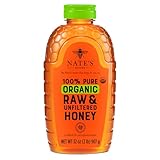
- 1 teaspoon organic raw unfiltered honey (adjust to taste)
- 1 thin lemon wheel for garnish
Instructions
- Boil the filtered water in a small saucepan over medium-high heat.
- Add the freshly sliced ginger root to the boiling water and immediately reduce the heat to a gentle simmer.
- Steep the ginger for 5 to 10 minutes, depending on how potent you want the flavor.
- Strain the liquid through a fine mesh sieve into your favorite mug, discarding the ginger solids.
- Stir in the fresh lemon juice and organic raw honey until completely dissolved, then serve warm.
Pro-Tip: Maximizing the antiemetic properties ginger offers requires precise steeping. If you suffer from severe morning sickness, grating the ginger instead of slicing it releases more gingerol compounds, though you should steep it for only 3 minutes to prevent the flavor from becoming too overwhelmingly spicy.

2. Make Peppermint Ginger Tea To Soothe Digestive Discomfort

Save this digestive aid recipe to your Healthy Habits board to banish after-dinner bloating!
After a heavy meal, bloating and indigestion can leave you feeling sluggish and uncomfortable. This mint ginger tea is the perfect post-dinner ritual to settle your stomach. The magic is in the synergy: ginger works to speed up gastric emptying, moving food through your system more efficiently, while peppermint relaxes the digestive tract muscles. This combination provides a powerful two-pronged attack against gas and bloating, making it an essential upset stomach remedy.
Ingredients
- 1/2 inch fresh ginger root, grated
- 1 organic peppermint tea bag (or 1 tbsp loose leaf peppermint)
- 1.5 cups boiling water
- Optional: A splash of fresh lemon juice
Instructions
- Place the grated ginger and organic peppermint tea bag into a large heat-safe mug or teapot.
- Pour the rapidly boiling water directly over the herbs to immediately begin the extraction process.
- Cover the mug with a small saucer or lid to trap the essential oils from escaping with the steam.
- Steep the ginger tea infusion for exactly 7 minutes for the perfect balance of spicy and cooling flavors.
- Remove the tea bag, filter out the grated ginger pieces, and drink slowly while warm.
Pro-Tip: The combination of peppermint and ginger is powerful because it specifically targets gastric motility. The carminative properties ginger naturally possesses help expel gas, while peppermint relaxes the esophageal sphincter. Note: Skip the peppermint if your indigestion is caused by severe acid reflux, as it can occasionally trigger heartburn.

3. Prepare Turmeric Ginger Tea To Boost Your Immune System

Pin this immune-boosting powerhouse recipe so you’re ready for cold and flu season!
When you feel the first signs of a cold or flu, you need a powerful defense. This turmeric ginger tea is the ultimate immune system booster. Both ginger and turmeric are celebrated for their incredible anti-inflammatory and antioxidant properties. Gingerols in ginger and curcumin in turmeric work together to fight off pathogens and reduce the inflammation that causes sore throats and body aches. This recipe includes a crucial ingredient—black pepper—to ensure your body can fully absorb and utilize the benefits of the turmeric.
Ingredients
- 1 inch fresh ginger, finely chopped
- 1/2 teaspoon organic ground turmeric powder (or 1 inch fresh turmeric root)
- A pinch of freshly cracked black pepper (crucial for absorption)
- 1.5 cups water
- 1 teaspoon raw honey
Instructions
- Combine the chopped ginger, organic turmeric powder, and black pepper in a small pot with the water.
- Bring the mixture to a rolling boil, then reduce the heat to low.
- Simmer gently for 10 to 15 minutes to fully extract the beneficial compounds from both roots.
- Filter the vibrant orange liquid through a fine mesh strainer into a mug.
- Stir in the raw honey once the tea has slightly cooled to preserve the honey’s antibacterial enzymes.
Pro-Tip: Never skip the black pepper in this recipe! Piperine (the active compound in black pepper) increases the bioavailability of turmeric’s curcumin by up to 2,000%. When combined with the inflammatory cytokine modulation ginger provides, this brew becomes a scientifically-backed immune powerhouse.

4. Steep A Strong Ginger Decoction For Joint Pain Relief

Save this intensive pain-relief decoction technique to your Natural Remedies board!
For chronic conditions like arthritis, muscle soreness, or severe menstrual cramps, a standard tea infusion may not be strong enough. This recipe guides you through making a ginger decoction, a more potent preparation that involves simmering the root for an extended period. This method extracts a higher concentration of ginger’s anti-inflammatory compounds, creating a powerful pain-relieving tea. This strong ginger tea can be made in a larger batch and stored in the refrigerator for daily therapeutic use to manage joint pain.
Ingredients
- 1/4 cup fresh ginger root, thoroughly washed and roughly chopped (no need to peel)
- 4 cups cold filtered water
- Optional: Cinnamon stick for added flavor and anti-inflammatory benefits
Instructions
- Place the roughly chopped ginger and cold filtered water into a medium-sized saucepan (starting with cold water pulls out more compounds).
- Bring the water to a boil, then immediately turn the heat down to the lowest simmer setting.
- Cover the pot tightly with a lid and let the ginger decoct (simmer slowly) for 30 to 45 minutes.
- Turn off the heat and allow the strong ginger tea concentrate to cool in the pot for 15 minutes.
- Pour the liquid through an ultra-fine mesh strainer into a large glass mason jar for immediate drinking or refrigerator storage.
Pro-Tip: A true decoction is necessary for chronic pain because prolonged heat is required to extract the heavier compounds from hard roots. Clinical trials show that ginger acts as a natural cyclooxygenase inhibitor, blocking the exact same inflammatory pathways in the body as ibuprofen, making this strong ginger tea highly effective for joint pain.

5. Combine Chamomile And Ginger For Nighttime Acid Reflux Aid

Struggle with nighttime heartburn? Pin this gentle stomach-soothing recipe for your bedtime routine!
While ginger is a digestive hero, its spiciness can sometimes aggravate severe acid reflux or heartburn, especially at night. This chamomile ginger tea is the perfect solution. It uses a minimal amount of ginger to harness its digestive benefits without causing irritation. The chamomile flowers provide a calming, anti-inflammatory effect that soothes the stomach lining and promotes relaxation, making it an ideal bedtime beverage to prevent nighttime heartburn and encourage restful sleep.
Ingredients
- 3 paper-thin slices of fresh ginger (use sparingly)
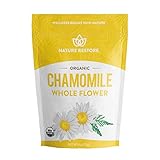
- 1 tablespoon organic whole flower chamomile loose leaf tea
- 1 cup hot (not quite boiling) water
- Optional: 1/2 teaspoon manuka honey for throat coating
Instructions
- Place the very thin ginger slices and organic chamomile flowers into a tea infuser or directly into a mug.
- Pour the hot water over the ingredients—ensure it is slightly off the boil to prevent burning the delicate chamomile flowers.
- Steep the gentle herbal blend for exactly 5 minutes (do not over-steep, as the ginger will become too spicy for acid reflux).
- Remove the infuser or strain the tea to halt the extraction process immediately.
- Sip slowly 30 to 60 minutes before going to bed to allow your stomach time to settle.
Pro-Tip: When dealing with GERD or acid reflux, moderation is critical. While ginger generally helps digestion, high ginger tea dosage can actually relax the lower esophageal sphincter too much. Blending a minimal amount of ginger with the carminative properties of chamomile creates the perfect, safe acid reflux natural remedy.
6. Blend Green Tea With Ginger For A Metabolism Boost

Pin this metabolism-boosting wellness drink to your Fitness & Health board!
For those looking for a weight loss drink that supports their fitness goals, combining green tea with ginger creates a thermogenic powerhouse. Green tea is rich in antioxidants called catechins (like EGCG), which are known to boost metabolism and increase fat oxidation. Ginger adds its own metabolism-enhancing and digestive-aiding properties. This blend is the perfect morning or pre-workout beverage to energize your body and support your weight management journey.
Ingredients
- 1/2 inch fresh ginger, finely julienned (cut into tiny matchsticks)
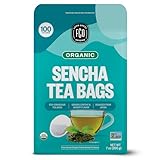
- 1 premium organic sencha green tea bag
- 1 cup water heated to 175°F (80°C) – do not use boiling water!
- A squeeze of fresh lemon to stabilize antioxidants
Instructions
- Place the finely julienned ginger into the bottom of your favorite teacup.
- Pour the 175°F water over the ginger and let it steep alone for 3 minutes to start extracting the flavors.
- Add the organic green tea bag to the hot ginger water.
- Steep the green tea and ginger together for an additional 2 to 3 minutes (steeping green tea too long causes severe bitterness).
- Remove the tea bag, squeeze in the fresh lemon juice, and drink in the morning or before a workout.
Pro-Tip: To maximize the thermogenic effects ginger and green tea provide for weight loss, never use boiling water. Boiling water destroys the delicate catechins (EGCG) in green tea and creates a bitter taste. The phytochemical profile of both ingredients works best when brewed gently at around 175°F.
7. Create A Cinnamon Ginger Infusion For Blood Sugar Regulation

Save this warming, blood-sugar-balancing recipe to your Healthy Recipes board!
Managing cravings and maintaining stable blood sugar levels is key to overall health. This cinnamon ginger tea is a delicious, naturally sweet beverage that can help. Both ginger and Ceylon cinnamon have been shown in metabolic studies to improve insulin sensitivity and help regulate blood glucose. This warming drink is perfect for sipping after a meal to help prevent an energy crash or in the evening as a dessert-like treat that actively works to support your metabolic health without any added sugar.
Ingredients
- 1 inch fresh ginger, sliced into thick coins
- 1 organic Ceylon cinnamon stick (do not use powdered cinnamon, it creates a slimy texture)
- 2 cups filtered water
- Optional: 1 slice of orange for natural sweetness without added sugar
Instructions
- Add the fresh ginger coins and the whole Ceylon cinnamon stick to a small saucepan.
- Pour in 2 cups of filtered water and bring the mixture to a brisk boil.
- Turn the heat down to low, cover the pan, and simmer for exactly 15 minutes.
- Turn off the heat, drop in the orange slice, and let it infuse as the tea cools for 5 minutes.
- Strain the spiced tea into a large mug. Drink plain to maximize blood sugar benefits.
Pro-Tip: Always source “Ceylon” cinnamon rather than standard grocery store “Cassia” cinnamon. Scientific literature indicates that while both types assist with blood sugar regulation, Cassia contains high levels of coumarin, which can be harsh on the liver when consumed daily. Paired with the bioactives in ginger, Ceylon cinnamon makes this the ultimate daily metabolic tonic.

Key Takeaways
- Immediate Nausea Relief: Fresh ginger tea is clinically proven to alleviate morning sickness, motion sickness, and general nausea due to its potent antiemetic properties and gingerol compounds.
- Targeted Digestive Support: Drinking a warm ginger infusion after meals accelerates gastric emptying, significantly reducing bloating, indigestion, and uncomfortable gas.
- Maximize Immune Benefits: Always pair turmeric ginger tea with a pinch of black pepper; the piperine increases the bioavailability of the anti-inflammatory compounds by up to 2,000%.
- Temperature Matters: When blending green tea with ginger, never use boiling water (keep it around 175°F) to preserve the delicate, metabolism-boosting antioxidants and prevent bitterness.
- Adjust Brewing for Pain: For chronic joint pain or muscle soreness, a quick steep isn’t enough; you must simmer the root for 30+ minutes to create a strong ginger tea decoction that acts as a natural anti-inflammatory.
- Nighttime Caution: If you suffer from severe acid reflux, use ginger very sparingly at night and pair it with soothing herbs like chamomile, as large doses of ginger can sometimes relax the esophageal sphincter.
FAQs About Ginger Tea
What is ginger tea good for?
Ginger tea is primarily good for soothing digestive discomfort, relieving severe nausea, and reducing systemic inflammation throughout the body. Due to its high concentration of gingerol compounds, it acts as a powerful natural remedy for motion sickness, morning sickness, and general upset stomachs. Additionally, regular ginger tea consumption supports the immune system, helps regulate blood sugar levels, and can relieve pain associated with menstrual cramps and osteoarthritis.
Is ginger tea safe during pregnancy?
Yes, ginger tea is generally considered safe and highly effective for pregnant women experiencing morning sickness, provided it is consumed in moderation. According to health expert recommendations, pregnant women should limit their intake to approximately 1 gram of ginger extract per day, which equates to about 1 to 2 cups of fresh ginger tea. However, it is a crucial safety guideline to always consult with an obstetrician before adding regular herbal remedies to a pregnancy diet.
How often can you drink ginger tea?
Most healthy adults can safely drink 1 to 3 cups of ginger tea per day to experience optimal health benefits without negative side effects. Drinking ginger tea daily is an excellent way to maintain digestive health and keep inflammation at bay. However, exceeding 4 cups daily (or consuming more than 4 grams of active ginger extract) may lead to mild side effects like heartburn, gas, or stomach upset in sensitive individuals.
What are the side effects of ginger tea?
The most common side effects of drinking too much ginger tea include heartburn, diarrhea, stomach cramping, and mild mouth irritation. While ginger is a soothing natural remedy, it is naturally spicy and thermogenic. Consuming it in excessive amounts, or drinking highly concentrated decoctions on a completely empty stomach, can irritate the gastric lining. It may also interact with blood-thinning medications, so medical consultation is advised for those on prescription drugs.
Which ginger tea is best for acid reflux?
The best ginger tea for acid reflux is a heavily diluted, weak ginger infusion blended with soothing herbs like chamomile or marshmallow root. While ginger aids digestion, highly concentrated or spicy ginger tea can actually relax the lower esophageal sphincter, allowing stomach acid to creep up and worsen GERD symptoms. If you have acid reflux, use only 1 or 2 thin slices of fresh ginger and steep it for no longer than 3 to 5 minutes.
Can ginger tea help with weight loss?
Yes, ginger tea can aid weight loss by mildly boosting metabolism, increasing fat oxidation, and promoting feelings of fullness. The thermogenic effects of ginger slightly increase your body’s calorie-burning rate. When consumed as a sugar-free beverage, especially when paired with green tea or lemon, it serves as an excellent, low-calorie alternative to sugary drinks that helps stabilize blood sugar and reduce mid-day cravings.
When is the best time to drink ginger tea?
The best time to drink ginger tea is roughly 30 minutes after a meal to aid digestion, or first thing in the morning to stimulate the metabolism. If you are drinking it specifically for morning sickness or motion sickness, consume it at the very first sign of nausea. To prevent potential heartburn, avoid drinking highly concentrated, spicy ginger tea directly before lying down to sleep.
Does ginger tea have caffeine?
No, pure ginger tea is completely naturally caffeine-free because it is made from an herbal root, not the Camellia sinensis tea plant. You can enjoy a pure ginger infusion at any time of day, including right before bed, without disrupting your sleep cycle. However, if you purchase commercial tea bags, check the label carefully—brands often blend ginger with green tea or black tea, which do contain caffeine.
Is fresh ginger tea better than tea bags?
Fresh ginger tea is generally superior to tea bags because it contains a significantly higher concentration of active gingerols and essential volatile oils. When ginger root is dried and processed into powder for commercial tea bags, it loses some of its delicate aromatic compounds. While reputable ginger tea brands offer a convenient, shelf-stable alternative that is still healthy, brewing from the fresh rhizome provides the most potent flavor and immediate therapeutic benefits.
How to make ginger tea with powder?
To make ginger tea with powder, briskly whisk 1/4 to 1/2 teaspoon of high-quality organic ginger powder into one cup of boiling water until fully dissolved. Because ground ginger is highly concentrated, you need significantly less than when using fresh root. It’s best to add a teaspoon of honey and a squeeze of lemon to help balance the intense, earthy bite of the powder. Keep in mind that powdered ginger tea may leave a slight sediment at the bottom of your mug.
Final Thoughts
Incorporating ginger tea into your daily routine is one of the simplest, most cost-effective ways to proactively support your body’s natural systems. Whether you are seeking a natural ginger remedy to calm severe pregnancy nausea, looking to soothe an inflamed digestive tract after a heavy meal, or simply wanting a comforting, warming beverage on a cold afternoon, this humble root provides profound, evidence-based relief.
The beauty of a homemade ginger tea lies in its absolute versatility. By mastering the seven simple recipes outlined above, you transform a basic kitchen staple into a targeted wellness tool. Remember that preparation matters—a quick 3-minute steep with lemon yields a gentle stomach soother, while a 40-minute simmer produces a potent, pain-relieving decoction. Listen to your body, respect the root’s potency, and don’t be afraid to experiment with adding complementary herbs like turmeric, mint, or chamomile.
Ready to put this knowledge into practice? Head to your kitchen, grab a fresh rhizome, and brew ginger tea tailored perfectly to how you feel today.
Which of these 7 ginger tea recipes are you planning to try first? Let us know your favorite flavor combination in the comments below!
Last update on 2026-10-25 / Affiliate links / Images from Amazon Product Advertising API
