
As an Amazon Associate CoffeeXplore.com earns from qualifying purchases.
Hibiscus Tea: 7 Proven Health Benefits & Recipes 2026
Are you struggling to manage hypertension while fighting a stubborn caffeine addiction? You are not alone in searching for natural, heart-healthy alternatives. Discover how Hibiscus Tea offers a scientifically backed solution to these common wellness frustrations.
Hibiscus tea, also known as Roselle tea or Agua de Jamaica, is a caffeine-free herbal infusion made by steeping the dried calyces of the Hibiscus sabdariffa plant in water. Clinical studies demonstrate that drinking this antioxidant-rich, magenta red beverage daily can naturally lower blood pressure and support robust cardiovascular health.
Drawing from comprehensive analysis of peer-reviewed data and proven naturopathic methodologies, we evaluate this potent botanical drink. You will discover exactly how to brew this therapeutic red tea to maximize its incredible health benefits. Start optimizing your daily hydration habits with these proven recipes today.
Contents
show
What Is Hibiscus Tea And Can It Really Lower Blood Pressure?
Yes, clinical trials confirm that hibiscus tea can significantly lower systolic blood pressure when consumed daily. This vibrant beverage directly impacts your cardiovascular system by acting as a natural diuretic and relaxing your blood vessels.
Originating in regions of Africa and widely celebrated globally as Agua de Jamaica, this deeply colored herbal drink bridges the gap between traditional phytotherapy and modern clinical cardiology. It is crafted from the dried calyces (the protective layer around the flower) rather than the petals themselves. The result is a stunning magenta red color paired with a distinctly tart flavor that rivals cranberry juice.
According to peer-reviewed studies in the Journal of Nutrition, the health benefits of hibiscus are profound. The high levels of Vitamin C and unique polyphenolic compounds give the tea exceptional hypotensive properties. This makes it an ideal, caffeine-free alternative for those seeking natural hypertension relief.
Did you know? You cannot use the ornamental hibiscus flowers blooming in your front yard to brew this tea. Edible Roselle tea requires the specific Hibiscus sabdariffa species, which produces the fleshy, nutrient-dense calyx needed for clinical health benefits!
Hibiscus Tea vs Green Tea: Which Is Better For Your Health?
Pure hibiscus tea is better for immediate hypertension relief and caffeine-free hydration, while green tea excels at providing a gentle energy focus. Both botanical beverages provide incredible immune support, but they interact with your body in fundamentally different ways.
If you are evaluating an alternative to soda or an evening beverage, understanding the unique bioactive compounds in each cup is vital. Green tea is globally praised for its EGCG antioxidants and mild caffeine boost. However, a pure hibiscus infusion boasts superior levels of L-ascorbic acid and anthocyanins without a single drop of caffeine.
This makes hibiscus the undisputed champion for individuals dealing with caffeine sensitivity or late-night sugar cravings. To help you choose the best daily brew for your specific wellness profile, review our comprehensive comparison matrix below.
| Feature | Hibiscus Tea | Green Tea |
|---|---|---|
| Caffeine Content | 100% Caffeine-free | Mild to Moderate |
| Primary Antioxidant | Anthocyanins & Vitamin C | EGCG (Catechins) |
| Flavor Profile | Tart, cranberry-like, tangy | Earthy, grassy, mild |
| Primary Benefit | Lowers blood pressure naturally | Gentle energy and mental focus |
| Best Time To Drink | Afternoon or late evening | Early morning or mid-day |
7 Proven Health Benefits & Recipes For Hibiscus Tea 2026
The specific health benefits you extract from hibiscus depend entirely on how you prepare it. From hot steeps that maximize hypotensive properties to slow cold brews that preserve delicate vitamins, preparation is everything.
Simply knowing the benefits is not enough. You need the exact brewing instructions to unlock them. We have designed an ultimate brewing guide disguised as a benefits listicle to help you optimize your daily routine. Each unique organic hibiscus tea recipe targets a distinct wellness goal using scientifically validated extraction methods.
Whether you need to manage your cholesterol, support liver detoxification, or reduce oxidative stress, there is a specific method for you. Let us explore the seven best ways to prepare your hibiscus beverage for maximum medicinal impact.
1. Preparing A Hot Steep To Naturally Lower Blood Pressure

Pin this heart-healthy brewing hack to your Wellness & Tea boards!
A concentrated hot steep rapidly extracts the polyphenolic compounds necessary to lower systolic blood pressure. This classic method is the clinically proven standard for achieving measurable hypertension relief at home.
The best hibiscus tea for high blood pressure requires precise temperature control. You want to extract the ACE inhibitory activity compounds without making the final cup overwhelmingly bitter. This specific hot steep recipe ensures maximum bioavailability of those crucial heart-healthy elements.
Ingredients
- 2 tablespoons of Organic dried hibiscus flowers (ensure they are USDA Organic certified)
- 2 cups of filtered water
- 1 teaspoon of natural sweetener like raw honey (optional, to balance the tart flavor)
Instructions
- Boiling the filtered water until it reaches exactly 200°F (just off a rolling boil to protect the delicate flavonoids).
- Steeping the loose leaf hibiscus in a teapot or mug infuser for 5 to 7 minutes.
- Straining the deep crimson liquid carefully to remove all floral remnants.
- Sweetening lightly with honey while hot, then drinking one cup morning and evening for optimal hypertension relief.
Pro-Tip: In clinical settings analyzing ACE inhibitory activity, researchers found that consistent daily consumption of a highly concentrated, 6-minute hot steep yielded the most reliable reductions in systolic blood pressure. Do not boil the flowers directly in the water, as this destroys the delicate L-ascorbic acid.

2. Chilling A Cold Brew To Support Weight Loss

Save this refreshing metabolism-boosting cold brew recipe for summer!
A slow cold brew method acts as a powerful natural diuretic that supports healthy weight management. By eliminating hot water, this technique naturally results in a smoother, sweeter beverage that crushes sugar cravings instantly.
Understanding the best time of day to drink hibiscus tea for weight loss is critical. A mid-afternoon glass of cold brew hibiscus perfectly bridges the gap between lunch and dinner. Phytochemical screening shows that cold water extraction prevents the degradation of heat-sensitive anthocyanin bioactivity, maximizing its metabolic benefits.
Ingredients
- 1/4 cup of pure hibiscus whole calyces
- 4 cups of cold, filtered water
- 1 glass pitcher with an ultra-fine mesh strainer
- Ice cubes for serving
Instructions
- Mixing the dried flowers directly into the pitcher of cold water.
- Infusing the mixture by placing the pitcher in the refrigerator for 12 to 24 hours.
- Filtering the steeped tea using the fine mesh strainer to achieve a crystal-clear, tangy beverage.
- Serving over ice in the afternoon as a caffeine free tea alternative to sugary sodas, aiding in fluid retention reduction.
Pro-Tip: Cold brewing dramatically reduces the release of tannins, resulting in a naturally sweeter, smoother cup. This is the best time of day to drink hibiscus tea for weight loss if you are trying to overcome a mid-afternoon caffeine addiction or sugar craving without adding extra caloric sweeteners.

3. Infusing Citrus & Hibiscus To Boost Antioxidants

Pin this ultimate immune-boosting citrus tea blend for cold season!
Pairing eco-conscious hibiscus tea bags with fresh citrus creates a synergistic reaction that aggressively neutralizes free radicals. This simple combination drastically improves the antioxidant capacity of your morning routine.
When you blend the rich flavonoids of the flower with the L-ascorbic acid found in fresh lemon juice, you unlock exceptional immune support. This fast, convenient method utilizes high-quality tea bags, making it the perfect defense against oxidative stress during the cold season.
Ingredients
- 1 Organic, eco-conscious hibiscus tea bag (ensure it is bleach-free)
- 1 cup of near-boiling water
- 1 fresh orange slice
- 1 teaspoon of fresh lemon juice
Instructions
- Steeping the tea bag in hot water for 4 minutes to release the floral aroma and deep color.
- Removing the tea bag gently without squeezing it (which can release bitter tannins).
- Mixing in the fresh lemon juice while the tea is still warm.
- Garnishing with a fresh orange slice to double down on the Vitamin C + Immune benefits before drinking.
Pro-Tip: Using eco-conscious tea bags made from abacá hemp fiber ensures you aren’t leaching microplastics into your hot, acidic beverage. The acid in the lemon juice actually helps stabilize the anthocyanin bioactivity in the tea, keeping its color vibrant and its antioxidants potent!

4. Simmering A Ginger Blend For Liver Detoxification

Save this powerful ginger and hibiscus detox decoction for your morning routine!
Simmering tough ginger root before adding delicate hibiscus flowers creates a potent decoction that gently stimulates liver detox processes. This spicy, robust beverage acts as a functional tonic to enhance overall kidney health.
According to foundational toxicology basics, this specific botanical pairing safely enhances renal filtration. It helps flush built-up toxins from the body without placing unnecessary strain on your kidneys. Using ginger transforms your standard cup into a powerful hibiscus tea for liver and kidney health.
Ingredients
- 2 tablespoons of pure hibiscus flowers
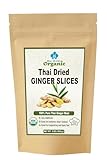
- 1 tablespoon of dried organic ginger slices (or 1 inch of fresh ginger root, thinly sliced)
- 3 cups of water
- A dash of black pepper (to enhance absorption)
Instructions
- Preparing the ginger by slicing it thinly to expose maximum surface area.
- Simmering the ginger in the water on the stove for 10 minutes to create a strong base decoction.
- Removing from heat and immediately infusing the dried hibiscus into the hot ginger water for 5 minutes.
- Straining the dark, spicy liquid into a mug, creating a powerful daily tonic for liver and kidney health.
Pro-Tip: For maximum phytotherapy benefits, always simmer hard roots (like ginger) first before adding delicate flowers (like the calyx of the hibiscus). Boiling the hibiscus directly will result in a severely degraded antioxidant capacity.
5. Brewing A Cinnamon Roselle Tea To Manage Cholesterol

Pin this delicious cinnamon spiced tea to naturally support healthy cholesterol!
Blending true Ceylon cinnamon with tart red tea creates a botanical drink that actively regulates your lipid profile. This comforting herbal pairing is a scientifically backed approach to naturally reducing bad cholesterol.
When looking for a hibiscus tea recipe with cinnamon and cloves, the goal is often blood sugar regulation. This spiced evening replacement for sugary desserts targets both high cholesterol and high blood sugar simultaneously. The peer-reviewed nutritional data supporting this blend makes it essential for long-term cholesterol management.
Ingredients
- 1.5 tablespoons of Karkade (hibiscus flower tea)
- 1 true Ceylon cinnamon stick
- 2 whole cloves
- 2 cups of boiling water
Instructions
- Preparing your cup by placing the dry hibiscus tisane, cloves, and the Ceylon cinnamon stick directly into a French press.
- Pouring the boiling water over the spices and flowers, ensuring everything is fully submerged.
- Steeping for a full 8 minutes to allow the hard cinnamon bark time to release its essential oils.
- Filtering by plunging the French press and pouring the rich, spiced red tea into your favorite mug for optimal cholesterol management.
Pro-Tip: Always verify you are using Ceylon cinnamon (true cinnamon) rather than Cassia cinnamon when making daily herbal teas. Cassia contains high levels of coumarin, which can burden the liver if consumed in large quantities daily, whereas Ceylon supports a healthy lipid profile safely.

6. Sourcing A Rosehip Blend To Ease Inflammation

Save this powerful anti-inflammatory herbal blend to your natural remedies board!
Combining rosehips with Hibiscus sabdariffa creates a potent anti-inflammatory cascade that naturally relieves joint pain. These two tart botanicals work together perfectly to drastically reduce systemic inflammation markers throughout the body.
The classic combination of Hibiscus + Rosehip is a cornerstone of any holistic anti-inflammatory diet. The scientific evidence indicates that the dense polyphenolic compounds found in these plants neutralize the exact enzymes responsible for chronic joint swelling. Sourcing a high-quality blend is a simple but highly effective health intervention.
Ingredients
- 1 tablespoon of dried hibiscus
- 1 tablespoon of dried Rosehips
- 2 cups of filtered water
- 1 teaspoon of raw local honey (optional)
Instructions
- Sourcing a high-quality, pre-mixed organic blend, or combining equal parts of both dried botanicals in a tea infuser.
- Boiling water and pouring it over the herbal blend.
- Steeping the mixture for 10 full minutes—rosehips are dense and require a longer steep time than the delicate calyx to release their anti-inflammatory properties.
- Drinking warm as a cornerstone of your daily anti-inflammatory diet.
Pro-Tip: If you are blending this yourself, briefly crush the dried rosehips in a mortar and pestle before steeping. This breaks the outer shell and exponentially increases the bioavailability of the Vitamin C and antioxidants in your cup!

7. Straining An Agua De Jamaica To Promote Healthy Digestion

Pin this traditional Agua de Jamaica recipe for incredible gut health and digestion!
Meticulously straining a highly concentrated Agua de Jamaica creates a soothing digestive tonic that rapidly relieves post-meal bloating. This traditional Mexican preparation method transforms the tart flower into a powerful, refreshing digestion aid.
Understanding the difference between hibiscus tea and agua de jamaica usually comes down to concentration, serving temperature, and precise straining. In traditional medicine practices, these Aguas frescas were used not just for hydration, but strategically after heavy meals to soothe the digestive tract. The addition of fresh mint enhances this gut-healing effect immensely.
Ingredients
- 1 cup of Flor de jamaica (dried flowers)
- 8 cups of water
- 1 handful of fresh mint leaves
- 1 ultra-fine mesh strainer
Instructions
- Boiling 4 cups of water and pouring it over the large batch of Flor de jamaica in a heat-safe bowl.
- Steeping for 15 minutes to create a highly concentrated, dark red tea base.
- Straining the liquid through the fine mesh strainer into a large pitcher to remove all grit.
- Mixing in the remaining 4 cups of cold water, tossing in the fresh mint leaves, and chilling before serving as a powerful digestion aid.
Pro-Tip: The key to authentic, smooth Agua de Jamaica that aids digestion without causing acid reflux is meticulous straining. Using an ultra-fine stainless steel mesh prevents micro-particles of the sepals from irritating the digestive tract!

Crucial Safety Warnings & Side Effects of Hibiscus Tea
While generally safe, hibiscus tea side effects can include stomach upset and dangerous drops in blood pressure if combined with hypertension medications like Losartan. Furthermore, hibiscus tea is not safe during pregnancy because it can stimulate uterine contractions and affect estrogen levels. Always consult a doctor before daily use.
Navigating the true safety profile of this powerful plant is critical for your well-being. Because this herbal tisane acts as a potent natural diuretic, it directly interacts with pharmaceutical drugs. You must exercise extreme caution if you are currently treating cardiovascular or renal conditions.
Based on strict toxicology guidelines and clinical scientific evidence, here are the crucial medication and health warnings you must consider:
- Blood Pressure Medication Interactions: Never combine heavy hibiscus consumption with prescribed diuretics (like Hydrochlorothiazide) or ACE inhibitors. The combined hypotensive properties can cause your blood pressure to drop to dangerously low levels, resulting in dizziness or fainting.
- Pregnancy and Breastfeeding Contraindications: Hibiscus tea and pregnancy are highly incompatible. The plant contains compounds known to stimulate blood flow to the uterus, which can trigger menstruation or early contractions. It is entirely unsafe for expectant mothers.
- Blood Sugar Medications: Diabetics taking medication to lower blood sugar should monitor their levels closely. The tea naturally reduces blood glucose, which could lead to hypoglycemia when combined with prescriptions.
- Medical Disclaimer: The information provided here is for educational purposes only. Always consult with a licensed healthcare provider before using herbal supplements as a substitute for professional medical treatment.
Key Takeaways: Your Quick Guide to Hibiscus Tea
Here is a rapid summary of the most important botanical insights and brewing rules for maximizing your health results:
- It’s A Cardiovascular Powerhouse: Clinical studies confirm that drinking pure hibiscus tea daily can significantly lower both systolic and diastolic blood pressure due to its high anthocyanin content.
- Hot vs. Cold Brewing Matters: Steeping the tea hot (200°F) rapidly extracts hypotensive compounds, while cold brew hibiscus creates a sweeter, smoother drink perfect for weight management and hydration.
- It Rivals Green Tea for Health: As a naturally caffeine-free beverage, hibiscus offers a superior Vitamin C profile and is an excellent alternative to soda or late-night coffee.
- Targeted Ingredient Pairings Enhance Benefits: Mixing your organic hibiscus tea with ginger, lemon juice, or rosehips can exponentially boost its liver detox and inflammation reduction properties.
- Quality Sourcing is Essential: Always choose USDA Organic certified, eco-conscious loose leaf or unbleached tea bags to avoid ingesting pesticides and microplastics.
- Beware of Medication Interactions: Because of its potent hypotensive properties, hibiscus can dangerously compound the effects of prescribed blood pressure medications and chemical diuretics.
- Strictly Avoid During Pregnancy: Due to its potential to stimulate uterine contractions and alter hormonal balances, hibiscus tea side effects during pregnancy make it unsafe for expectant mothers.
People Also Ask About Hibiscus Tea
Addressing the most common questions about sourcing, brewing, and consuming this vibrant red tea safely.
Many users encounter conflicting information online regarding caffeine content, taste profiles, and safety guidelines. Drawing from expert-reviewed traditional medicine and modern nutritional science, we have compiled direct, factual answers to resolve your lingering uncertainties.
What does hibiscus tea taste like?
Hibiscus tea has a distinctly tart, cranberry-like taste with a rich, fruity, and slightly floral aroma.
Because of its high levels of natural acids (like citric and malic acid), the pure hibiscus infusion is very tangy and astringent when brewed strong. Most people enjoy balancing this naturally sour tea with a touch of honey, agave, or fresh citrus to smooth out the flavor profile.
Does hibiscus tea have caffeine?
No, pure hibiscus tea is 100% naturally caffeine-free.
Because it is an herbal tisane made from the flower calyces of the Hibiscus sabdariffa plant rather than the Camellia sinensis tea plant, it contains zero stimulants. This makes it an excellent better than coffee evening alternative for those looking to improve their hydration habits without disrupting their sleep cycle.
How much hibiscus tea is too much?
According to most naturopathic guidelines, drinking more than 2 to 3 cups of strong hibiscus tea per day is considered too much.
Because of its potent diuretic effect mechanism and ability to lower blood pressure, excessive consumption can lead to dizziness, dehydration, or an upset stomach. It is best to stick to moderate daily consumption to enjoy the health benefits of hibiscus safely.
Is hibiscus tea a diuretic?
Yes, hibiscus tea acts as a mild, natural diuretic.
The botanical drink naturally stimulates the kidneys to increase renal filtration, helping the body flush out excess sodium and fluids. This is why it is highly effective for reducing fluid retention, alleviating bloating, and assisting in natural weight management.
Can I make hibiscus tea from any hibiscus?
No, you cannot use just any ornamental hibiscus flower from your garden to make tea.
Traditional hibiscus flower tea is made specifically from the Hibiscus sabdariffa species (also known as the Roselle plant). Ornamental varieties (like Hibiscus rosa-sinensis) do not produce the fleshy, deep red calyx required for the tea and do not possess the same medicinal or flavor properties.
When is the best time to drink hibiscus tea?
The best time to drink hibiscus tea depends on your health goals; morning is great for antioxidants, while afternoon is ideal for a caffeine-free energy lift.
If you are using it for hypertension relief, splitting your intake into one cup in the morning and one in the evening is clinically optimal. For weight loss, a cold glass in the mid-afternoon helps curb sugar cravings.
Can dogs have hibiscus tea?
No, you should not give hibiscus tea to dogs.
While the Hibiscus sabdariffa plant is not highly toxic to canines, the extreme tartness and potent botanical acids can easily cause gastrointestinal upset, diarrhea, and vomiting in pets. Stick to plain water for your dog’s hydration.
Why is hibiscus tea red?
Hibiscus tea gets its deep magenta red color from high concentrations of anthocyanins.
Anthocyanins are powerful water-soluble pigments and polyphenolic compounds found in the plant’s sepals. These are the exact same bioactive antioxidants that give blueberries and cranberries their rich colors, and they are responsible for the tea’s immense antioxidant capacity.
Is hibiscus tea good for diabetics?
Yes, unsweetened hibiscus tea is excellent for diabetics because it helps regulate blood sugar and supports a healthy lipid profile.
Clinical phytotherapy studies suggest that the tea may help decrease insulin resistance and manage high cholesterol—two common struggles for diabetics. However, it must be consumed sugar-free or with a diabetic-friendly sweetener to maintain these benefits.
Will hibiscus tea break a fast?
No, drinking pure, unsweetened hibiscus tea will not break a fast.
A standard cup of plain hibiscus tea contains roughly 0 to 2 calories and no macronutrients that would trigger an insulin response or interrupt autophagy. In fact, drinking it during a fasting window can actually help suppress appetite and support liver detox processes.
Final Thoughts on Hibiscus Tea
Whether you know it as Agua de Jamaica, Roselle tea, or simply hibiscus tea, there is no denying that this vibrant, magenta red infusion is one of the most powerful functional beverages available in the botanical world. From its clinically proven ability to naturally lower blood pressure to its immense antioxidant capacity, integrating this tart, refreshing drink into your daily routine is a brilliant step toward long-term cardiovascular health.
The beauty of the Hibiscus sabdariffa plant lies in its incredible versatility. Whether you are steeping a hot cup blended with cinnamon on a cozy winter evening to manage your lipid profile, or chilling a refreshing cold brew hibiscus with fresh mint to aid digestion in the summer, the health benefits of hibiscus are always accessible.
Just remember the golden rules of herbal wellness: always prioritize USDA Organic certified loose leaves or eco-conscious tea bags to avoid toxins. If you are currently taking medications for hypertension, you must clear your new daily tea habit with your primary care physician first to ensure your ultimate safety.
Are you planning to try a hot steep for your heart health, or a refreshing cold brew to combat afternoon sugar cravings? Let us know which organic loose leaf hibiscus tea benefits you are most excited to experience first!
Last update on 2026-09-09 / Affiliate links / Images from Amazon Product Advertising API
