
As an Amazon Associate CoffeeXplore.com earns from qualifying purchases.
Cold Brew vs Iced Coffee 7 Proven Differences for Beginners 2026
Ever wonder why that cold coffee you make at home tastes nothing like the smooth, rich drink from your favorite cafe? You’re not alone in the cold brew vs iced coffee confusion. It’s a common frustration to expect one and get the other, especially when dealing with price differences and varying levels of bitterness.
The primary difference is the brewing process: cold brew is made by steeping coffee grounds in cold water for 12-24 hours, while iced coffee is brewed hot and then rapidly cooled over ice. This fundamental difference in preparation dictates everything from flavor and acidity to caffeine content and shelf life.
Drawing from established best practices and the science of coffee extraction, this guide will clarify the seven proven differences. You’ll learn exactly why they taste, feel, and cost differently. By the end, you’ll be able to confidently choose the perfect chilled coffee for your taste and lifestyle.
Contents
show
What’s the Real Difference Between Cold Brew and Iced Coffee?
The heart of the difference between cold brew and iced coffee lies entirely in the brewing process. One uses time and cold water, while the other uses heat and speed. This initial step creates a chemical chain reaction that defines every other characteristic, from the flavor profile and acid levels to the final caffeine content. Understanding this core distinction is the key to finally solving the puzzle of why two drinks that look so similar can be worlds apart in taste and effect. We will break down how this single variable—water temperature—leads to seven distinct outcomes you can taste, feel, and even see in your wallet.
7 Proven Differences: Cold Brew vs Iced Coffee for Beginners
To truly settle the cold brew vs iced coffee comparison, we need to go beyond a simple definition and look at the practical outcomes for you, the drinker. This section breaks down the seven most important differences in a clear, side-by-side format. Each point will not only explain the “what” and “why” but also provide actionable tips and simple how-tos, so you can immediately apply this knowledge whether you’re ordering at a cafe or home brewing. From taste and health impacts to cost and convenience, this is your definitive guide to choosing your ideal chilled coffee.
1. The Core Difference: Brewing Process & Time Commitment

Pin this simple brewing guide to your “Coffee Recipes” board!
What You Need
- For Cold Brew: A large jar or pitcher, a fine mesh filter or cheesecloth, and coarsely ground coffee beans. A dedicated cold brew maker combines these.
- For Iced Coffee (Japanese Method): A pour-over dripper (like a V60 or Chemex), a paper coffee filter, finely ground coffee beans, and plenty of ice cubes.
Steps
- Cold Brew Method (Steeping): Combine coarse coffee grounds and cold, filtered water in a jar at a 1:8 coffee to water ratio. Stir gently, cover, and let it steep at room temperature or in the fridge for 18-24 hours.
- Iced Coffee Method (Flash-Brewing): Place ice in the bottom of your carafe. Place the dripper on top, add your filter and coffee grounds. Pour hot water over the grounds in concentric circles. The hot coffee brews and drips directly onto the ice, chilling it instantly. This is the Japanese method.
Pro-Tip: The slow, cold extraction process for cold brew pulls out fewer volatile oils and acids from the bean. Hot water brewing for iced coffee is a rapid, aggressive extraction that pulls out everything, including the compounds that can taste bitter or acidic upon cooling. This is the key to their different flavor profiles.

2. The Taste Test: Flavor Profile & Smoothness

Save this flavor guide to find your perfect coffee match!
What You Need
- A glass of freshly made Cold Brew Coffee, diluted 1:1 with water or milk.
- A glass of freshly made Iced Coffee.
- Optional Flavor Enhancers: A splash of sweet cream for cold brew, a caramel syrup for iced coffee.
Steps
- Tasting the Cold Brew: Take a sip of the cold brew. Notice the full-bodied, smooth texture. Look for notes of chocolate, nuts, and a deep natural sweetness. It should have very little sharp “bite” or bitter aftertaste.
- Tasting the Iced Coffee: Now taste the iced coffee. Notice the lighter body and the brighter, more “lively” taste on your tongue. You may detect more floral or citrus notes. It will have a more traditional “coffee” flavor profile, including some level of bitterness and acidity.
Pro-Tip: The reason why cold brew tastes sweeter is because up to 67% fewer acids are extracted. Our taste buds perceive high acidity as sour or bitter, so with less acid, the inherent sweetness of the coffee bean shines through without needing to add sugar.

3. The Health Angle: Acidity Levels & Stomach Sensitivity

Pin this tip if you’re looking for a stomach-friendly coffee!
What You Need
- A log or journal to track your symptoms.
- Your preferred low acid coffee choice (likely cold brew coffee).
- Optional: pH testing strips for a home science experiment.
Steps
- The 7-Day Challenge: Switch your daily coffee from a hot-brewed or iced coffee to only drinking cold brew for one week.
- Monitor & Record: Note any changes in stomach irritation, heartburn, or acid reflux symptoms in your journal. Many people report a significant improvement due to the lower acidity.
- The Science: Hot water extracts more acidic compounds from coffee grounds. Because cold brew uses only cold water, it’s naturally much less acidic and therefore gentler on your digestive system.
Pro-Tip: For the ultimate low-acid coffee, choose dark roast beans for your cold brew. The roasting process itself reduces the amount of chlorogenic acid in the beans, so you get a double benefit: less acid from the roast and less extraction from the cold brewing process.

4. The Energy Boost: Caffeine Content & Strength

Need a stronger kick? Save this caffeine guide!
What You Need
- Cold brew concentrate (homemade or store-bought).
- Water, milk, or a milk alternative.
- A measuring cup.
Steps
- Understand the Concentrate: Cold brew concentrate is very strong because it’s made with a high ratio of coffee to water (e.g., 1:4). This means the liquid itself has higher caffeine.
- Diluting for Strength: To make a standard drink, you must dilute it. For a standard caffeine kick, use a 1:1 ratio (4 oz concentrate + 4 oz water). For a stronger drink, use a 2:1 ratio (4 oz concentrate + 2 oz water).
- Iced Coffee Comparison: A standard iced coffee is not a concentrate and is typically less caffeinated than an undiluted cold brew, but can be stronger than a heavily diluted cold brew.
Pro-Tip: If you see Nitro Cold Brew on a menu, it will typically have more caffeine than regular cold brew or iced coffee. The nitrogen infusion process allows for less dilution without tasting harsh, and it’s often made from an even stronger base concentrate. For example, a grande Starbucks Nitro has 280mg of caffeine, while a regular cold brew has 205mg.

5. The Home Barista: Equipment & Ease of Preparation

Pin this guide to see what gear you need to start brewing at home!
What You Need
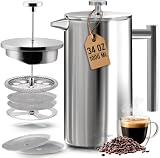
- For Easiest Cold Brew: A French Press.
- For Easiest Iced Coffee: A standard drip coffee machine and a heat-proof pitcher.
Steps
- Cold Brew in a French Press: Add 1 cup of coarse coffee grounds and 4 cups of cold water to your French Press. Stir, then place the plunger on top but DO NOT press it down. Let it steep in the fridge for 18 hours. When ready, slowly press the plunger down to filter the grounds.
- Simple Iced Coffee: Brew a strong batch of coffee in your drip machine. Let it cool on the counter for 30 minutes, then transfer to a pitcher and refrigerate for 2-3 hours. (Note: this method increases oxidation and can lead to a stale taste, which is why the Japanese method is preferred for flavor).
Pro-Tip: While a simple jar works for cold brew, using a French Press is the ultimate hack. It acts as your brewing vessel and your filter all in one, eliminating the messy step of straining the grounds through cheesecloth. It’s the cleanest and easiest home brewing method.

6. The Price Tag: Cost Per Cup & Convenience

Save money on your coffee habit! Pin this cost-saving tip.
What You Need
- A bag of your favorite whole bean coffee.
- A home coffee grinder.
- Reusable to-go coffee cups.
Steps
- Analyze Cafe Costs: At most cafes (Starbucks, Dunkin), cold brew costs more than a standard iced coffee. This is because it takes 24 hours to make and uses more coffee grounds per batch.
- Calculate Home Brew Cost: A bag of coffee can make about 128 oz of cold brew concentrate. That’s sixteen 8oz drinks (after dilution), costing much less per drink.
- The Verdict: While iced coffee is cheaper at a cafe, making large batches of cold brew concentrate at home is the most cost-effective way to get premium-tasting coffee for a fraction of the price.
Pro-Tip: To save even more, buy your coffee beans in bulk from a local roaster or a warehouse club. The cost per pound drops significantly, and you can grind just what you need for each batch to maintain freshness.

7. The Long Game: Shelf Life & Batch Prepping

Love meal prepping? Pin this coffee batching guide!
What You Need
- An airtight glass pitcher or large mason jar with a secure lid.
- Labeling tape and a marker.
Steps
- Storing Cold Brew: After filtering your cold brew concentrate, transfer it to an airtight pitcher. Store it in the refrigerator. The undiluted concentrate will stay fresh and delicious for 7-10 days.
- Storing Iced Coffee: Hot-brewed coffee that has been cooled should be consumed the same day, ideally within a few hours. After that, oxidation causes it to develop a sour taste and stale flavor. It is not ideal for batch prepping.
- Labeling: Always label your cold brew pitcher with the date you made it so you know when it’s time to make a new batch.
Pro-Tip: Do not dilute your entire batch of cold brew concentrate at once. Only dilute the amount you plan to drink for each serving. The undiluted concentrate is more stable and will maintain its flavor integrity much longer in the fridge.

Key Takeaways
- Brewing Method is Key: The #1 difference is that cold brew is steeped with cold water for 12+ hours, while iced coffee is brewed hot and cooled down fast. This one difference causes all the others.
-
Choose Cold Brew for Smooth & Sweet: If you dislike bitter or acidic coffee, cold brew is your answer. Its slow, gentle extraction results in a smoother taste with natural sweetness.
-
Choose Iced Coffee for Bright & Classic: If you enjoy the bright, crisp, and slightly acidic taste of traditional hot coffee, you’ll prefer iced coffee. It preserves the classic flavor profile of a hot brew.
-
Cold Brew is Better for Sensitive Stomachs: Due to its significantly lower acidity, cold brew is the clear winner for anyone who experiences acid reflux or stomach irritation from coffee.
-
Cold Brew is Made for Batch Prepping: Cold brew concentrate lasts for 7-10 days in the fridge, making it perfect for a “make once, drink all week” routine. Iced coffee is best consumed the same day it’s made.
People Also Ask About Cold Brew vs Iced Coffee
Which is stronger, cold brew or iced coffee?
In its concentrated form, cold brew is significantly stronger than iced coffee. This is because it’s made with a much higher ratio of coffee to water. However, a final drink’s strength depends entirely on how much the cold brew concentrate is diluted. A heavily diluted cold brew can easily be weaker than a standard iced coffee.
Is cold brew healthier than iced coffee?
Cold brew is often considered healthier for those with stomach sensitivity due to its lower acidity. It can be up to 67% less acidic, which helps prevent stomach irritation and acid reflux. For calorie content, both are virtually zero when served black. Healthiness depends on what you add, like sugar or cream.
Why is cold brew more expensive?
Cold brew is more expensive primarily due to the time and resources required to make it. A single batch takes 12-24 hours to brew, tying up space and equipment. It also typically uses more coffee grounds to create a concentrate, increasing the ingredient cost. This combination of time, labor, and materials results in a higher price tag at cafes.
Can you use regular coffee beans for cold brew?
Yes, you can absolutely use any type of coffee bean for cold brew. However, the best results often come from medium to dark roasts, as their deep, chocolaty, and nutty notes are highlighted well by the cold brewing process. The most important factor is the grind size—you must use a coarse grind to prevent a cloudy, over-extracted brew.
Is an Iced Americano the same as an Iced Coffee?
No, they are different. A standard iced coffee is made with brewed drip coffee that is cooled down. An Iced Americano is made by pouring shots of espresso over cold water and ice. This gives it a bolder, richer, and more robust flavor profile that is distinctly different from a drip-based iced coffee.
Final Thoughts on Choosing Your Perfect Chilled Coffee
Ultimately, the debate of cold brew vs iced coffee has no single winner—only what’s best for you. If you crave a smooth, naturally sweet, and low-acid drink that you can prep for the week, cold brew coffee is your perfect match. If you prefer the bright, crisp, and nuanced flavor of a classic coffee and need a quick, budget-friendly option, traditional iced coffee is the way to go.
Now that you’re armed with the facts, you can walk into any cafe with confidence or start brewing at home like a pro. The best choice is the one that brings you the most enjoyment. Which one will you try first?
Last update on 2026-10-23 / Affiliate links / Images from Amazon Product Advertising API
