
As an Amazon Associate CoffeeXplore.com earns from qualifying purchases.
Coffee Sommelier Guide: 5 Steps to Q-Grader Certification
Do you want to master coffee tasting at a professional level? Transitioning from casual drinking to scientific evaluation often feels overwhelming. Every aspiring coffee sommelier struggles to find a clear certification pathway.
A coffee sommelier is officially known as a Q-Grader. Certified globally by the Coffee Quality Institute (CQI), a Q-Grader evaluates specialty coffee based on sensory attributes like aroma and flavor using standardized cupping protocols. This rigorous testing transforms enthusiastic coffee lovers into highly trained sensory experts.
Drawing from comprehensive analysis of current data and proven methodologies, we map this elite journey. You will discover the exact steps required to pass the notoriously difficult Q-Grader exam. Mastering these precise evaluation techniques will permanently elevate your professional coffee career.
Contents
show
What Exactly Is A Coffee Sommelier (Q-Grader)?
A coffee sommelier is a highly trained professional officially known as a Q-Grader. While the term “sommelier” evokes romanticized images of fine dining and wine pairing, the specialty coffee industry demands a much more scientific approach. The Coffee Quality Institute (CQI) developed the Q Coffee System to create a universal language for grading Arabica coffee. Achieving this elite Q-Grader certification requires passing a notoriously difficult exam, which historically holds a first-time pass rate of around 40%. Moving beyond simply enjoying a morning brew, a certified Q-Grader uses strict sensory evaluation to objectively score coffee based on globally recognized standards. Unlike a wine sommelier who focuses heavily on hospitality and consumer pairing, this professional functions more like an agricultural quality control scientist. By mastering these strict evaluation protocols, you transition from casually liking coffee to scientifically grading it at the highest possible level.
Coffee Sommelier Guide: 5 Steps to Q-Grader Certification
To become a certified Q-Grader, follow these steps: master the coffee flavor wheel, perfect standard cupping protocols, learn roast identification, study green coffee grading, and enroll in a CQI training course. The pathway to becoming a recognized specialty coffee expert involves mastering highly specific disciplines. The daunting Q-Grader exam preparation can feel overwhelming, but breaking the 20-part test into manageable phases ensures steady progress. Each distinct phase targets a unique aspect of coffee evaluation, from foundational olfactory skills to identifying complex roast defects. By structuring your daily routine around these core disciplines, you build the necessary sensory memory and technical precision. This actionable roadmap transforms a highly complex specialty coffee education journey into five practical, linear steps. You can start practicing these crucial cupping skills and sensory tests right in your own kitchen today.
1. Master the Coffee Flavor Wheel and Sensory Calibration

Save this sensory training setup to your Coffee Education board for your study routine!
Building an expansive aroma memory is the absolute foundation of your sensory calibration. The Q-Grader exam features a grueling four-part olfactory test that utilizes 36 distinct scents. Before spending thousands on a formal course, you must undertake olfactory training to recognize these specific aromatic compounds instantly. Developing this specialized vocabulary using the coffee flavor wheel allows you to map complex flavor compounds scientifically.
Tools & Resources Needed
- Coffee Aroma Training Kit: Specifically a 36-scent kit (like Le Nez du Cafe) used for calibrating aroma memory to standard industry references.
- SCA Coffee Taster’s Flavor Wheel: A high-resolution printed poster to visually map flavor compounds.
- Organic Acid Samples: Food-grade citric (lemon), malic (apple), and acetic (vinegar) acids for blind water testing.
- Glass Snifter Cups: Small glasses to concentrate aromas during blind smell tests.
Daily Sensory Routine
- Isolate specific aromas: Blindfold yourself and smell individual vials from your aroma kit, attempting to name the scent without looking at the label.
- Memorize the flavor wheel categories: Group your scent training by enzymatic (fruity/floral), sugar browning (nutty/chocolate), and dry distillation (spicy/carbon) categories.
- Spike purified water: Mix faint amounts of organic acids into cups of purified water to practice identifying acidity types blindly.
- Practice flavor recall in daily life: Actively smell your groceries, spices, and fruits to build a real-world sensory vocabulary outside of coffee.
What most guides miss: The most commonly failed section of the Q-Grader certification is the sensory skills test involving identifying organic acids. Start diluting food-grade malic and citric acid into distilled water at home and practice identifying them blindly at varying intensities to gain a massive advantage over other candidates.

2. Perfect the Standardized Coffee Cupping Protocol

Pin this professional cupping setup to remember your essential gear list!
Standardized coffee cupping is the universal evaluation method utilized by every professional coffee sommelier. A true sensory expert doesn’t simply drink coffee; they systematically slurp and use a coffee scoring system to evaluate intrinsic qualities like fragrance, flavor, aftertaste, and acidity. Perfecting this strict physical routine ensures your evaluations remain objective and aligned with global standards. Mastering the exact SCA methodology builds the foundational muscle memory required for the intense examination environment.
Tools Required
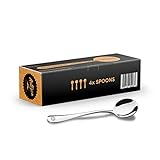
- Professional Cupping Spoons: Deep, round-bowled silver or stainless steel spoons designed specifically for aspirating coffee.
- SCA-Standard Cupping Bowls: 5 to 6 identical ceramic or tempered glass bowls holding exactly 150-200ml of water.
- Precision Coffee Scale: A highly responsive digital scale measuring to 0.1 grams for exact coffee-to-water ratios.
- SCA Cupping Forms: Printed scorecards used to grade aroma, flavor, aftertaste, acidity, body, and balance.
Cupping Routine Steps
- Weigh and grind: Measure exactly 8.25 grams of whole bean coffee per 150ml of water. Grind slightly coarser than a paper filter drip setting directly into the cupping bowls.
- Evaluate dry fragrance: Pick up the bowl and deeply inhale the dry grounds before adding any water.
- Pour and steep: Pour water heated to 200°F (93°C) directly over the grounds, ensuring all are saturated. Let it steep undisturbed for exactly 4 minutes.
- Break the crust: Using your cupping spoon, gently push the floating layer of grounds to the back of the bowl three times while leaning in to inhale the wet aroma.
- Skim and slurp: Remove the remaining floating foam. Dip your spoon, bring it to your lips, and violently slurp the coffee to spray it across your entire palate.
- Score the attributes: Immediately mark your initial impressions of flavor and aftertaste on the SCA cupping form while the coffee is hot, then re-evaluate as it cools to room temperature.
Expert insight: The “slurp” isn’t just for show. By sharply aspirating the liquid, a coffee sommelier vaporizes the coffee, pushing the aromatic compounds up through the retro-nasal passage where true flavor is actually perceived.
3. Learn to Identify Coffee Roast Levels and Defects

Save this visual guide to roast profiling for your Q-Grader study boards!
A master evaluator must accurately distinguish between coffee that inherently lacks quality versus coffee ruined during the roasting process. Coffee roast identification requires you to pinpoint precise errors made by the sample roasting professional. Understanding how organic acids shift and degrade as the roast profile changes is a mandatory skill for certification. You must train your palate to recognize these structural chemical changes without relying on visual cues.
Supplies Needed
- High-Quality Burr Grinder: Essential for creating a perfectly uniform grind size so you are tasting the roast, not grind inconsistencies.
- Roast Defect Samples: Small batches of intentionally under-roasted, baked, perfectly roasted, and over-roasted beans.
- Red Tasting Lights: Red lightbulbs used during exams to mask the visual color of the coffee, forcing you to rely solely on taste.
Roast Evaluation Steps
- Source varied roasts: Obtain the same single-origin coffee roasted to four different specifications: under-developed, baked, standard SCA sample roast, and dark roast.
- Set up a blind triangulation: Place three cups of coffee in a triangle. Two cups contain the standard roast, and one contains a roast defect.
- Mask the color: If possible, perform this under red lighting so you cannot visually see which coffee is darker or lighter.
- Taste for development: Slurp to find the odd cup out. Look for grassy, peanut-like flavors (under-developed roast), flat, bread-like flavors (baked coffee), or ashy, carbon notes (over-roasted).
- Log the results: Document how the acidity and sweetness shift dramatically between the different development levels.
An often-overlooked strategy: In the actual Q-Grader exam, you must identify these roast defects blindly under red lighting. Training your palate to ignore visual bias early on is a critical step in becoming an elite sensory professional.

4. Study Green Coffee Grading Standards

Pin this green bean grading guide to your specialty coffee resources!
A professional coffee sommelier evaluates the raw agricultural product long before it reaches the roaster. Green coffee grading involves meticulous physical and visual inspection to determine if a batch qualifies as true specialty grade coffee. Mastering this textbook-level CQI knowledge guarantees you can accurately assess raw beans for devastating agricultural flaws. This granular inspection protects roasters from purchasing defective lots that would ultimately ruin the final cup profile.
Materials Needed
- Green Coffee Samples: Unroasted coffee beans sourced from home-roasting suppliers.
- SCA Green Coffee Defect Handbook: The official visual guide showing what insect damage, fungus, and sour beans look like.
- Black Grading Mat: A matte black surface used to reduce eye strain and provide contrast when inspecting pale green beans.
- Precision Sorting Tweezers: For picking out and isolating defective beans without disturbing the pile.
Grading Instructions
- Weigh the sample: Measure exactly 350 grams of raw, unroasted green coffee beans onto your black grading mat.
- Illuminate the workspace: Ensure you have full-spectrum, bright daylight bulbs above your workspace (the SCA recommends at least 4000 Kelvin lighting).
- Sort by category: Move the beans systematically across the mat, using tweezers to pull out any bean that looks irregular.
- Identify primary defects: Look for full black beans, full sour beans, dried cherry pods, or severe fungus. Finding even one of these primary defects immediately disqualifies the batch from being specialty grade.
- Count secondary defects: Identify partial black beans, insect damage, or broken beans. Tally these secondary defects according to the SCA equivalent defect system (maximum 5 allowed).
Expert insight: Don’t forget the roasted grading phase! A Q-Grader must also roast a 100g sample of that green coffee and search for “quakers“—unripe beans that remain pale after roasting and taste exactly like dry peanut shells. A specialty grade coffee must contain zero quakers.

5. Enroll in a CQI Q-Grader Training Course

Save this certification roadmap to your coffee career goals board!
After completing extensive independent preparation, you must attend an official 6-day CQI Q-Grader course to earn your credential. This intensive coffee certification program typically features three days of rapid learning followed immediately by three days of brutal testing. Managing severe sensory fatigue becomes just as critical as your technical knowledge during this endurance gauntlet. Understanding the exact logistics of the 20 distinct exams helps mitigate test anxiety and sets realistic expectations for success.
Resources Needed
- CQI Global Course Calendar: Access to the official database to find a certified lab near you.
- Water Optimization Minerals: Precise mineral packets used to create SCA-standard water for practicing at home, ensuring your palate is calibrated to exam conditions.
- Unsalted Water Crackers: The industry-standard palate cleanser used between intense cupping rounds.
- Sensory Stamina: A well-rested palate free from spicy foods, smoking, or heavy perfumes.
Certification Workflow
- Locate a certified lab: Search the Coffee Quality Institute website for upcoming 2026 “Q Arabica Combo Training and Exam” courses in your region.
- Optimize your home water: Before the course, brew all your practice coffees using specialized brewing minerals to match the exact water chemistry used in the exam labs.
- Prepare for the 6-day gauntlet: Clear your schedule entirely. The course is typically structured as 3 days of calibration and review, followed by 3 days of intense testing.
- Manage sensory fatigue: During the exam days, rely heavily on spittoons. Swallowing 50+ cups of coffee a day will wreck your palate and cause severe caffeine intoxication.
- Plan for retakes: Don’t panic if you fail a section. The CQI allows you to retake specific failed tests within an 18-month window without having to redo the entire course.
Pro-Tip: Start weaning yourself off very hot foods and spicy meals a week before your exam. A professional coffee taster relies entirely on their taste buds, and burning your tongue right before an expensive exam is a common, easily avoidable mistake.

Key Takeaways: Your Quick Guide to Coffee Sommelier Certification
Reviewing the core requirements of the specialty coffee career pathway ensures you stay focused on the most critical skills. The CQI certification demands rigorous dedication, transforming a casual passion into a globally recognized profession. By internalizing these foundational Q-Grader takeaways, you can structure a highly effective study plan that prioritizes the most heavily weighted exam criteria. Use this quick reference guide to keep your daily sensory training aligned with official industry standards.
Key Takeaways:
- Understand the Title: The industry term for a coffee sommelier summary context is a certified Q-Grader, regulated globally by the Coffee Quality Institute (CQI).
- Train Your Nose First: Passing the exam requires memorizing 36 specific aromas from the Le Nez du Café kit and blindly identifying organic acids.
- Standardize Your Tasting: Master the strict SCA cupping protocol, including weighing exact ratios, breaking the crust, and properly slurping to aerate the coffee.
- Identify Roasting Errors: You must be able to blindly taste the difference between a coffee’s natural flavor profile and defects caused by the roaster (like baked or under-developed beans).
- Grade the Raw Product: A true professional grades green, unroasted coffee by visually sorting through a 350g sample to identify primary and secondary agricultural defects.
- Prepare for Endurance: The actual Q-Grader exam consists of 20 grueling tests over three days; managing sensory fatigue and caffeine intake is just as important as studying.
People Also Ask About Coffee Sommeliers
Navigating the complex landscape of a specialty coffee career naturally generates numerous logistical and financial questions. Prospective students frequently seek clarity regarding the wine sommelier vs coffee sommelier distinction, salary expectations, and examination difficulty. Addressing these common inquiries provides a comprehensive understanding of what this elite certification truly entails. Explore these detailed answers to resolve any lingering doubts before committing to your advanced sensory evaluation journey.
What is the official name for a coffee sommelier?
The official, industry-recognized title for a coffee sommelier is a “Q-Grader.” While the general public uses the term what is a coffee sommelier called to describe an expert in coffee tasting, the specialty coffee industry relies on the Q-Grader certification issued by the Coffee Quality Institute (CQI). These professionals are rigorously trained to evaluate and score Arabica coffee using standardized sensory protocols.
How hard is the Q-Grader exam?
The Q-Grader exam is notoriously difficult, with a historical first-time pass rate of around 40%.
The certification consists of 20 distinct, highly scientific tests taken over three days. Candidates must pass every single section, which includes blindly identifying organic acids, sorting microscopic defects in green coffee, and performing complex triangulations under red lighting to prevent visual bias.
How much does it cost to become a coffee sommelier?
Enrolling in a CQI Q-Grader Combo Training and Exam course typically costs between $1,800 and $2,500 USD.
This price covers the 6-day intensive course and the examination fees. However, prospective students should also budget for home training equipment like aroma kits, cupping spoons, and specialty coffee samples, which can add an additional $500 to $1,000 to their total preparation costs.
What is the difference between a barista and a Q-Grader?
A barista specializes in brewing and extracting coffee, while a Q-Grader specializes in evaluating and scoring the raw and roasted bean.
Think of a barista as the chef who prepares the final meal, and the Q-Grader as the food critic and agricultural inspector. Many top-tier baristas eventually become Q-Graders to deepen their palate, but the daily job functions are entirely different.
How much does a Q-Grader make?
A certified Q-Grader typically earns between $60,000 and $100,000+ per year, depending on their specific job role.
Because “Q-Grader” is a certification rather than a specific job title, Q-Grader salary expectations vary. Those who use their certification to work as Green Coffee Buyers for massive roasting companies or as Directors of Coffee often command salaries at the higher end of the spectrum.
Do I need to be a coffee roaster to become a Q-Grader?
No, you do not need to be a roaster, but you must thoroughly understand the roasting process.
The exam requires you to identify roast defects like baked or under-developed beans blindly. While hands-on roasting experience is incredibly helpful for context, many baristas, green coffee importers, and cafe owners successfully pass the exam purely through rigorous sensory training.
How long does the Q-Grader certification last?
A Q-Grader certification remains valid for 36 months (3 years) before requiring renewal.
To maintain their status, a coffee sommelier must attend a CQI calibration course every three years. During this one-day session, they must successfully evaluate coffees alongside other professionals to prove their palate has not drifted from global specialty coffee standards.
What is the difference between a coffee sommelier and a wine sommelier?
Both evaluate agricultural beverages, but a coffee sommelier (Q-Grader) focuses heavily on scoring raw, unroasted product, while a wine sommelier focuses on the finished, bottled product.
Wine sommeliers also place a massive emphasis on hospitality, service etiquette, and food pairing. Q-Graders are primarily quality control scientists ensuring the coffee meets specialty grade before it is ever sold to a cafe.
Can I practice for the Q-Grader exam at home?
Yes, you can and should practice extensively at home before taking the course.
You can set up your own cupping bowls, practice triangulations, and use the Le Nez du Café aroma kit to build your scent memory. Practicing the strict SCA cupping protocol daily in your own kitchen is the best way to build the sensory stamina needed for the grueling exam.
What happens if I fail a section of the Q-Grader exam?
If you fail certain sections, you do not have to retake the entire course; you have an 18-month window to retake only the failed tests.
Most certified Q-Graders had to retake at least one or two tests (often the sensory or triangulation sections). You can schedule retakes at any certified CQI lab around the world during their regularly scheduled exam days.
Final Thoughts on Becoming a Coffee Sommelier
The journey to becoming a coffee sommelier—a certified Q-Grader—is one of the most rigorous and rewarding paths in the culinary world. It strips away the pretentious jargon often associated with beverage tasting and replaces it with measurable, globally recognized scientific CQI standards. By mastering the SCA flavor wheel, perfecting your cupping protocol, and learning to identify both roast and green bean defects, you elevate yourself from an enthusiastic coffee drinker to an indispensable specialty coffee industry professional.
While the 20-part exam is undeniably daunting, remember that a refined palate is not an innate magical gift; it is a muscle built through daily, disciplined repetition. Every time you consciously smell a spice in your kitchen or slurp a morning brew with intention, you are actively calibrating your sensory memory. This continuous Q-Grader journey builds profound confidence in your daily evaluations.
Whether your goal is to travel the world as a green coffee buyer, elevate your local roastery’s quality control, or simply achieve the highest echelon of personal coffee mastery, the roadmap is clear. Grab a cupping spoon, set up your bowls, and start tasting with purpose. The global specialty coffee community is constantly seeking calibrated palates to help push the industry forward as of August 2026. What steps will you take today to begin training your palate for the ultimate coffee test?
Last update on 2026-08-27 / Affiliate links / Images from Amazon Product Advertising API
