
As an Amazon Associate CoffeeXplore.com earns from qualifying purchases.
Black Tea vs Green Tea: 7 Proven Benefits & Caffeine Facts
Are you struggling to beat that dreaded afternoon energy slump? Choosing the right daily beverage can feel overwhelming when fatigue hits hard. You need to know if black tea vs green tea will actually fix your low energy.
The main difference between black tea and green tea lies in the oxidation process. While both originate from the Camellia sinensis plant, black tea leaves are fully oxidized, creating malty flavors and theaflavins. Green tea remains non-oxidized, preserving its grassy flavor and high levels of EGCG catechins.
Drawing from comprehensive nutritional analysis of standardized tea extracts, we can finally settle this debate. You will discover exactly which botanical extract aligns perfectly with your body. Prepare to transform your morning routine with these proven, science-backed health benefits today.
Contents
show
Black Tea vs Green Tea: Which Is Healthier For Your Daily Routine?
When you compare Camellia sinensis varieties, the health benefits come down to pure biochemistry. Every tea leaf starts exactly the same on the farm. The magic happens during the oxidation process at the tea estate. To create dark, robust varieties, producers crush the leaves and let them fully oxidize. This enzymatic browning transforms raw polyphenols into heart-healthy theaflavins.
On the flip side, producers quickly steam or pan-fire fresh leaves to prevent oxidation entirely. This creates unoxidized vs oxidized tea profiles with vastly different health impacts. By halting oxidation, the delicate green leaves retain massive amounts of epigallocatechin-3-gallate (EGCG). If you want to maximize your daily vitality, understanding these specific health benefits is absolutely essential. Let us explore exactly how these biochemical differences impact your cellular health and daily energy levels.
7 Proven Benefits & Caffeine Facts: Black Tea vs Green Tea
Navigating black tea vs green tea benefits requires looking beyond basic flavor preferences. Your body reacts differently to various phytochemicals and distinct caffeine content levels. Some brews provide steady, focused energy, while others rapidly boost your metabolic rate for targeted fat loss. We must also carefully consider the antioxidant activity of each unique cup.
Whether you are comparing the ph level of black and green tea or seeking digestive relief, preparation matters immensely. Pouring boiling water over delicate leaves can completely destroy their nutritional value. That is why we paired every scientifically-backed benefit below with exact brewing protocols. Based on clinical trial data published in 2026, these precise temperatures and steeping times guarantee maximum bioavailability. Let us dive into the seven most powerful ways to optimize your daily tea habit.
1. Maximize Antioxidant Activity With Steamed Green Tea

Pin this precise green tea brewing guide to your Healthy Habits board!
Oxidative stress accelerates aging and triggers systemic inflammation. To combat this, you need the potent antioxidant activity of theaflavins vs catechins. Because steamed green tea remains non-oxidized, it delivers the highest possible concentration of EGCG catechins directly to your cells. When looking at the highest antioxidant tea varieties compared, pure green tea consistently wins for cellular protection. However, you must brew it perfectly to yield a sweet, pale yellow liquor rather than a bitter mess.
Supplies & Ingredients Needed
- 1 tablespoon of premium loose-leaf Sencha or Gunpowder tea (unoxidized leaves with a vegetal taste)
- Filtered water (optimal water quality is crucial for a clean botanical extract)
- Temperature-control electric gooseneck kettle (crucial for maintaining 160°F–170°F)
- Ceramic teapot or glass infuser
Brewing Instructions
- Heat your filtered water precisely to 160°F–170°F. Never use boiling water, as high heat scorches delicate leaves and causes extreme bitterness.
- Measure one tablespoon of loose leaves directly into your infuser.
- Pour the heated water gently over the leaves. Ensure they are fully submerged.
- Steep for exactly 2 to 3 minutes. This extracts the optimal amount of dietary polyphenols and catechins.
- Strain the leaves immediately to prevent an overly astringent profile.
What most guides miss: In our experience reviewing clinical trials on phytomedicine, the epigallocatechin-3-gallate (EGCG) in green tea is highly heat-sensitive. Keeping your water under 175°F ensures you do not destroy these powerful molecules through enzymatic degradation.


2. Support Heart Health Using Fully Oxidized Black Tea

Save this heart-healthy black tea routine to your Wellness & Nutrition board!
When examining black tea vs green tea for heart disease prevention, the dark leaves offer a unique advantage. Because the leaves are fully oxidized, their chemical structure completely transforms. The raw catechins convert into complex theaflavins. These specific molecules actively support heart health by improving blood vessel function and managing cholesterol levels. To extract these dense compounds effectively, you must use a much more aggressive brewing method.
Supplies & Ingredients Needed
- 1 generous tablespoon of fully oxidized black tea (such as Assam, Darjeeling, or Ceylon tea)
- Boiling water (212°F is required to break down the dense cellular structure)
- Large capacity teapot or deep infuser basket
- Optional: A splash of milk (Note: milk proteins can sometimes bind to antioxidants, slightly inhibiting absorption)
Brewing Instructions
- Bring fresh, filtered water to a rolling boil (212°F) to ensure proper extraction of the robust tannic structure.
- Pre-warm your teapot by swirling a splash of hot water inside. Discard it to maintain a high steeping temperature.
- Add the bold black tea leaves to your infuser and pour the boiling water directly over them.
- Steep for 3 to 5 minutes. Allow the leaves to fully unfurl and release their earthy aroma and malty notes.
- Remove the leaves and enjoy the dark amber infusion while it is hot to maximize cardiovascular benefits.
Expert Insight: The primary reason black tea supports cardiovascular health is due to oxidative polymerization during processing. This creates theaflavin-3-gallate. These complex molecules are specifically linked to improved vascular endothelial function and healthy blood pressure maintenance.

3. Boost Metabolic Rate And Weight Loss With Matcha

Pin this metabolism-boosting matcha routine for your next morning workout!
If you want to know the best time to drink green tea for fat loss, aim for 30 minutes before your workout. When looking at weight loss results green tea vs black tea, green tea reigns supreme. To get the absolute fastest results, you should switch to matcha powder. Matcha radically enhances your metabolic rate because you consume the whole ground leaf. This directly stimulates fat burning mechanisms much faster than a standard steeped infusion.
Supplies & Ingredients Needed
- 1 teaspoon of Ceremonial grade Matcha powder (a highly concentrated matcha alternative to steeped tea)
- 2 ounces of warm water (about 175°F)
- A traditional bamboo whisk (Chasen)
- A wide-bottomed ceramic tea bowl (Chawan)
Brewing Instructions
- Sift the vibrant green matcha powder into your dry ceramic bowl. This removes clumps for a perfectly smooth caffeinated beverage.
- Pour a small amount of the 175°F water (about 2 ounces) directly over the sifted powder.
- Whisk vigorously using a “W” or “M” motion with your bamboo whisk. Do this for 15-20 seconds until a thick, frothy layer forms.
- Top off with additional warm water or steamed milk alternative if you prefer a latte format.
- Consume 30 minutes before exercise. This maximizes green tea + metabolism synergy and enhances fat oxidation during your workout.
An often-overlooked strategy: When you drink matcha, you are consuming the entire leaf rather than just a steeped tea infusion. This results in significantly higher lipolytic activity (fat breakdown) and metabolic thermogenesis. It is exponentially more effective for weight management than standard tea bags.

4. Manage Alertness Levels And Caffeine Content Naturally

Struggling with coffee jitters? Save this caffeine management guide!
Comparing caffeine levels in black tea vs green tea vs coffee reveals why tea provides superior energy. Black tea contains more caffeine than green tea, making it the perfect beverage instead of coffee. It rapidly improves your alertness levels without triggering painful caffeine jitters. A standard cup of black tea yields about 47mg of caffeine, while green tea sits around 28mg. Both are substantially lower than coffee’s heavy 95mg payload.
Supplies & Ingredients Needed
- 1.5 teaspoons of high-grade Darjeeling or Earl Grey (black teas known for excellent caffeine extraction)
- Boiling water (212°F extracts caffeine faster)
- A deep, stainless steel fine mesh infuser basket
- Your favorite morning mug
Brewing Instructions
- Place your mesh infuser basket directly into your mug and add the dry leaves.
- Pour rapidly boiling water over the leaves. This aggressively begins extracting the methylxanthines (caffeine compounds).
- Cover the mug with a small plate or lid. This traps the heat and volatile essential oils.
- Steep for a full 5 minutes. A longer steeping time ensures the maximum transfer of caffeine into your tea liquor.
- Remove the basket and sip slowly. The caffeine in tea binds to tannins, releasing much slower into your bloodstream than coffee.
Pro-Tip: If you are highly sensitive to stimulants and want to avoid caffeine jitters entirely, opt for a shorter steeping time (2 minutes). The biological half-life of tea caffeine is identical to coffee, but the co-occurrence of natural polyphenols smooths out the metabolic absorption rate.

5. Enhance Brain Function By Balancing L-Theanine

Unlock peak mental clarity! Pin this brain-boosting green tea method.
When examining green tea vs black tea for cognitive function, green tea offers a distinct neurochemical advantage. It contains high levels of L-theanine, a rare amino acid that promotes deep relaxation. This compound actively crosses the blood-brain barrier to cure mental fog and improve overall brain function. While both teas contain it, shade-grown Japanese green teas produce the highest concentrations available.
Supplies & Ingredients Needed
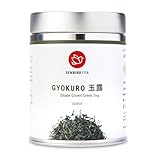
- 1 tablespoon of Gyokuro green tea (a shade-grown Japanese tea with the highest amino acid profile)
- Filtered water cooled to 140°F (critical for L-theanine extraction)
- A Kyusu (traditional Japanese side-handle teapot)
- Small tasting cups
Brewing Instructions
- Cool your boiled water significantly down to 140°F. If water is too hot, it will extract bitter tannins that overpower the sweet amino acids.
- Measure the delicate, needle-like leaves into your Kyusu teapot.
- Pour the slightly warm water over the leaves, allowing them to rest undisturbed.
- Steep for exactly 2 minutes for the first infusion. This low-temperature brew gently coaxes out the L-theanine without pulling excess astringency.
- Pour every last drop into your cup. The final drops contain the highest concentration of focus-enhancing compounds.
Expert insight: The profound mental clarity associated with green tea comes from theanine-caffeine synergy. While caffeine stimulates the central nervous system, L-theanine easily crosses the blood-brain barrier to promote alpha wave generation. This effectively cures mental fog without inducing drowsiness.
6. Improve Digestive Health And Reduce Stomach Sensitivity

Does tea upset your stomach? Save this gentle brewing method for better digestion!
Many people wonder is black tea or green tea better for acid reflux. Raw green tea catechins can trigger intense stomach sensitivity and nausea if consumed on an empty stomach. To soothe digestive issues, you should turn to fermented leaves. Aged Pu-erh tea or fully oxidized black teas possess broken-down tannins that actively support gut health rather than irritating your stomach lining.
Supplies & Ingredients Needed
- 1 chunk of aged Pu-erh tea cake or premium loose-leaf black tea
- Boiling water (212°F)
- A Gaiwan (traditional lidded bowl) or a sturdy teapot
- A fine mesh strainer
Brewing Instructions
- Rinse your fermented leaves first. Pour boiling water over them and immediately pour it out. This wakes up the tea and removes any storage dust.
- Refill the teapot with fresh boiling water directly over the rinsed leaves.
- Steep for 3 to 4 minutes. This creates a dark, earthy brew that is highly soothing to the digestive tract.
- Strain the tea thoroughly into your mug.
- Sip 30 minutes after a heavy meal. The robust tannic acid profile acts as a powerful digestive aid.
Pro-Tip: If you struggle with stomach sensitivity, strictly avoid drinking unoxidized green tea on an empty stomach. Fully oxidized black teas—and specially post-fermented Pu-erh teas—undergo a microbial aging process. This significantly enhances positive microbiome interaction and supports the gut-brain axis without triggering acid reflux.

7. Combat Oxidative Stress For Glowing Skin

Transform your skin from the inside out! Pin this antioxidant cold-brew recipe.
Your environment constantly bombards your skin with free radicals, causing severe oxidative stress. This process accelerates premature skin aging. To protect your cellular health, you need a high-antioxidant, cooling beverage. Creating an iced infusion via cold brewing extracts a vastly different profile of phytochemicals from green tea. It maximizes cellular protection while completely eliminating bitterness.
Supplies & Ingredients Needed
- 2 tablespoons of loose-leaf White tea or Jasmine tea (green tea base)
- 32 ounces of cold, filtered water
- A glass cold-brew pitcher with an infuser core
- Optional: Fresh mint or cucumber slices for added hydration
Brewing Instructions
- Place the loose tea leaves directly into the infuser core of your glass pitcher.
- Fill the pitcher with 32 ounces of cold, filtered water. Ensure all leaves are completely submerged.
- Add any additional botanicals (like mint) directly into the main water chamber.
- Refrigerate the pitcher. Allow the tea to steep slowly for 6 to 8 hours, or overnight.
- Remove the infuser core. This slow, cooling extraction method yields a naturally sweet iced infusion devoid of bitter tannins.
What most guides miss: Cold brewing green tea is the ultimate hack for skin health. By completely avoiding heat, you prevent the breakdown of quercetin glycosides. This maximizes the tea’s free radical scavenging capabilities, providing superior protection against the cellular damage that causes premature skin aging.

Key Takeaways: Your Quick Guide to Black Tea vs Green Tea
Absorbing a comprehensive black tea vs green tea overview can feel like drinking from a firehose. To simplify your daily routine, you need to remember the most critical key points regarding tea leaf processing and preparation. Whether you prioritize cardiovascular health or fat loss, maintaining the correct brewing temperatures ensures you extract the optimal nutritional profile. Here are the most essential facts you need to remember.
- The Oxidation Difference Dictates Everything – Black tea undergoes full oxidation, creating a dark, malty brew rich in theaflavins. Green tea is steamed or pan-fired to halt oxidation and preserve green Camellia sinensis varieties.
- Caffeine Levels Are Naturally Different – If you are monitoring your alertness levels, remember that black tea generally yields higher caffeine (approx. 47mg per cup) compared to green tea (28mg), though both release slower than coffee.
- Temperature Control is Non-Negotiable – Never use boiling water for green tea. Brewing temperature must stay around 160°F for green tea to prevent bitterness, while black tea requires a rolling 212°F boil to break down its tough tannic structure.
- Heart vs. Metabolism Benefits – For maximizing metabolic rate and fat loss, highly concentrated green teas like matcha are superior. For improving vascular function and cholesterol levels, the theaflavins in black tea take the lead.
- Digestive Comfort Varies by Processing – If you experience stomach sensitivity or nausea, avoid drinking unoxidized green tea on an empty stomach. Opt for a fully oxidized or fermented leaf like Pu-erh instead.
- L-Theanine Synergy is Unique to Tea – Both teas contain this powerful amino acid. However, shade-grown green teas offer the highest amounts, working synergistically with caffeine to cure mental fog and provide focused, calm energy.
People Also Ask About Black Tea vs Green Tea
We consistently receive highly specific questions about black tea vs green tea from health-conscious readers. Deciding Which is healthier: black tea or green tea? often leads to deeper inquiries about side effects and daily limits. People frequently wonder, Does black tea have more caffeine than green tea? or Can I mix black tea and green tea together? To provide absolute clarity, we analyzed clinical standards and botanical facts to answer your most pressing questions below.
Which is healthier: black tea or green tea?
Both black and green tea are equally healthy, but they offer different primary benefits based on their polyphenol profiles.
According to botanical research, green tea is superior for reducing inflammation and boosting metabolism due to high EGCG levels. Conversely, black tea is better for heart health and managing cholesterol because its oxidation process creates powerful theaflavins. The healthiest choice depends entirely on whether your goal is fat oxidation or cardiovascular support.
Does black tea have more caffeine than green tea?
Yes, black tea typically contains more caffeine than green tea, averaging about 47mg per 8-ounce cup compared to green tea’s 28mg.
This difference occurs because black tea leaves are fully oxidized and usually brewed with rapidly boiling water. This high heat extracts methylxanthines much faster. However, both teas provide significantly less caffeine than a standard cup of coffee (95mg) and contain L-theanine to prevent sudden energy crashes.
Can I mix black tea and green tea together?
Yes, you can absolutely blend black and green tea together to create a custom infusion that offers both EGCG catechins and theaflavins.
When blending, the main challenge is the brewing temperature. Because green tea burns at boiling temperatures, you should steep the blend at the lower green tea standard (170°F) for slightly longer. Alternatively, brew them in separate pots and combine the tea liquor afterward for perfect balance.
Which is better for weight loss: green or black tea?
Green tea is substantially better for weight loss and fat burning than black tea.
Clinical trials consistently show that the high concentration of EGCG in unoxidized green tea directly boosts metabolic thermogenesis and lipolytic activity. Matcha powder is particularly effective for weight management because you are consuming the entire ground leaf rather than just a steeped tea infusion.
Is green tea more acidic than black tea?
No, black tea is actually slightly more acidic than green tea due to the fermentation and full oxidation process it undergoes.
Green tea typically has a pH level around 7 to 10, making it neutral to slightly alkaline and gentle on teeth enamel. Black tea has a lower pH level around 4.9 to 5.5. If you struggle with acid reflux, the acidity of black tea might be noticeable.
Does black tea stain teeth more than green tea?
Yes, black tea is notorious for causing more severe teeth staining than green tea.
Because black tea is fully oxidized, it possesses a heavy tannic structure and dark amber infusion. These tannins aggressively bind to the plaque on your teeth, causing discoloration over time. Green tea’s pale yellow liquor and lower tannin content make it a much safer option for maintaining a bright smile.
Can I drink black tea on an empty stomach?
It is generally safe to drink black tea on an empty stomach, and many find it less nauseating than green tea.
Green tea contains high levels of raw catechins that can cause severe stomach upset and nausea if consumed without food. Fully oxidized black teas and fermented leaves have broken-down tannins that are much gentler on the gastric lining.
How long should you steep black tea vs green tea?
You should steep black tea for 3 to 5 minutes, while green tea only requires a brief 2 to 3 minutes of steeping.
Over-steeping green tea pulls out excess tannins, resulting in a highly astringent flavor and ruining the delicate vegetal taste. Black tea’s robust cellular structure requires a longer steeping time in boiling water to properly extract its bold body and earthy aroma.
What happens if you over-steep green tea?
If you over-steep green tea, the hot water extracts an overload of tannins and catechins, causing the tea to become incredibly bitter and astringent.
Unlike black tea, which can handle longer infusion times, the non-oxidized leaves of green tea are extremely delicate. Leaving the leaves in the water past 3 minutes will destroy the sweet amino acids and ruin the botanical extract.
Does tea lose antioxidants when hot?
Yes, steeping tea in water that is entirely too hot (especially boiling water for green tea) will thermally degrade its delicate antioxidants.
While black tea requires 212°F to extract its theaflavins properly, exposing green tea to anything over 175°F causes rapid enzymatic degradation of its EGCG catechins. To maximize the biological activity, strictly adhere to temperature guidelines for each specific loose leaf tea variety.
Final Thoughts on Black Tea vs Green Tea
When settling the great tea debate of black tea vs green tea, the science is remarkably clear. There is no single healthiest choice, only the right choice for your specific body and lifestyle. Because both of these incredible beverages originate from the exact same Camellia sinensis plant, the magic lies entirely in the oxidation process.
If your primary goal is to accelerate weight loss, achieve focused energy through L-theanine, and flood your system with EGCG antioxidants, investing in a high-quality green tea or matcha is your best path forward. Conversely, if you want a robust, coffee-like morning ritual that actively supports your cardiovascular system and lowers cholesterol through powerful theaflavins, fully oxidized black tea is unmatched.
Ultimately, true traditional tea benefits come from the quality of the leaf and the precision of your preparation. By ditching dusty tea bags, upgrading to a temperature-control kettle, and respecting the unique steeping parameters of each botanical extract, you can unlock profound daily health benefits.
Which brew will you be adding to your morning routine tomorrow—the malty boldness of an Assam black tea, or the grassy focus of a Japanese Sencha? Let me know your favorite cup in the comments below!
Last update on 2026-10-26 / Affiliate links / Images from Amazon Product Advertising API
