
As an Amazon Associate CoffeeXplore.com earns from qualifying purchases.
Black Tea Nutrition Facts: 7 Proven Benefits for 2026
Are you confused by hidden calories lurking inside your morning mug? Tracking macros becomes frustrating when branded teas hide excess sugar. Understanding exact black tea nutrition facts solves this daily tracking dilemma perfectly.
A standard 8-ounce cup of brewed black tea is officially a zero calorie beverage. Its nutrition facts reveal 0 grams of fat, 0 grams of protein, and negligible carbohydrates. According to USDA data, unsweetened black tea provides high manganese, fluoride, and powerful antioxidant polyphenols. This pure botanical extraction perfectly supports your daily fasting and wellness goals.
Drawing from comprehensive analysis of current USDA data, we have uncovered the truth. The fully oxidized leaves of Camellia sinensis offer remarkable metabolic advantages. You will discover exactly how to brew this superfood for maximum health benefits. This evidence-based guide empowers you to optimize your daily wellness routine immediately.
Contents
show
What Are The Real Black Tea Nutrition Facts Behind Your Daily Brew?
The real black tea nutritional value stems from its zero-calorie, zero-fat macronutrient profile combined with a dense micronutrient matrix. Plain brewed black tea delivers essential minerals and bioactives without the hidden sugars found in commercial alternatives.
Many health-conscious consumers struggle with accurately logging the calories in black tea. The confusion usually arises from the massive difference between a pure aromatic infusion made at home and a bottled tea bought at the store. According to the USDA FoodData Central database, a standard 8-ounce cup of plain black tea contains only 2 calories. This makes it a genuine zero calorie beverage by nutritional labeling standards. Its black tea composition boasts 0 grams of fat, 0 grams of protein, and less than 1 gram of carbohydrates.
Understanding this standard black tea nutrition baseline is critical for anyone practicing intermittent fasting or following a ketogenic diet. However, black tea is far more than just flavored water. The true power of this fully oxidized tea lies in its micronutrients. Black tea provides polyphenols like thearubigins and theaflavins, which are exclusive to its fermentation process. It also contains high manganese, a vital trace mineral that promotes healthy metabolism and bone development.
When you rely on verified evidence-based data to understand what is in your cup, you can confidently integrate this beverage into your routine. By ignoring the sugary commercial varieties and focusing on the pure camellia sinensis extract, you unlock a potent, sugar free superfood that actively supports your physiological health.
7 Proven Benefits of Black Tea (And How to Brew Them)
Harnessing black tea health benefits requires precise steeping methods to extract maximum clinical value. When properly prepared, this steeped liquid yields robust theaflavins and L-theanine, which directly impacts heart health protection and enhances mental alertness. Rather than just drinking tea casually, adopting specific, proven benefits-driven brewing routines allows you to target your unique wellness goals. Let’s explore seven practical ways to optimize your daily brew based on modern nutritional analysis.
1. Steeping Black Tea For Weight Management

Save this metabolism-boosting brewing routine to your Wellness board!
To effectively use black tea weight loss properties, you must capitalize on its completely sugar free profile. The caffeine found in tea enhances cellular metabolism, while its zero calorie nature promotes seamless weight management. This makes plain black tea the ultimate beverage for intermittent fasting and a healthy diet.
What You Need
- 2 grams (1 teaspoon) of organic loose leaf camellia sinensis extract or high-quality black tea leaves
- 8 ounces of filtered water
- A precision kitchen scale or stainless steel measuring scoop
- A ceramic teapot or heat-proof steeping vessel
- Optional: Lemon wedge (avoids sugar + calories while adding flavor)
Preparation Routine
- Boil filtered water to exactly 212°F (100°C) to ensure proper extraction of metabolic compounds.
- Measure 2 grams of loose leaf tea into your steeping vessel.
- Pour the boiling water directly over the leaves, ensuring they are fully submerged.
- Steep for precisely 3 to 5 minutes to extract the optimal balance of caffeine + theanine.
- Filter the leaves out completely to prevent a bitter, overly astringent beverage.
- Consume while warm, ideally 30 minutes before a workout for a natural metabolic boost.
Pro-Tip: Based on nutritional analysis, cold-brewing your black tea overnight preserves different delicate flavon-3-ols and catechins. This offers an excellent hydration alternative for your keto lifestyle that still actively supports fat oxidation.

2. Infusing Black Tea for Heart Health Protection

Pin this heart-healthy steeping method to your daily routines!
Drinking tea is a globally recognized method for supporting cardiovascular health. Theaflavins and flavonoids found exclusively in fully oxidized tea contribute to robust heart health protection. According to clinical studies, regular consumption of black tea heart health compounds assists in naturally lowering cholesterol and maintaining healthy blood vessels.
What You Need
- 1 tablespoon of premium fully oxidized tea (Assam or Darjeeling recommended)
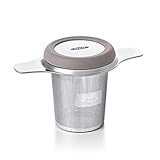
- A fine-mesh stainless steel tea infuser (crucial for allowing leaves to expand)
- 8-10 ounces of fresh, cold water
- Your favorite ceramic mug
Preparation Routine
- Source high-quality, large-leaf black tea, as whole leaves retain more polyphenolic compounds than standard tea dust.
- Heat the water to a rolling boil to properly agitate the leaves during infusing.
- Place the stainless steel infuser into your mug and add the tea leaves.
- Infuse the tea for exactly 4 minutes; this specific duration allows for maximum extraction of heart-protecting thearubigins without excessive tannins.
- Remove the infuser promptly to stop the oxidation process in the cup.
- Drink plain, as adding dairy milk + black tea can sometimes bind to the beneficial flavonoids, reducing their cardiovascular efficacy.
Pro-Tip: According to medical news reports on cardiovascular wellness, to get the highest concentration of theaflavins + cholesterol-lowering benefits, choose a high-altitude grown black tea, which naturally develops denser phytochemicals.

3. Extracting Polyphenols for Gut Microbiota Balance

Save this gut-healing tea ritual to your healthy habits board!
When we look at the intricate molecular mechanisms of digestion, the connection between gut health + flavonoids becomes undeniable. The unique polyphenols in black tea act as powerful prebiotics. These compounds are largely unabsorbed in the small intestine, allowing them to travel safely to the colon where they enhance gut microbiota balance and serve as a reliable digestive aid.
What You Need
- 2 teaspoons of high-quality fermented tea infusion leaves (like Keemun or Yunnan)
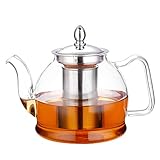
- A borosilicate glass teapot with a built-in strainer
- 16 ounces of filtered water
- A temperature-control electric kettle
Preparation Routine
- Heat your filtered water to 205°F (slightly below boiling) using your temperature-control kettle to protect the delicate prebiotic compounds.
- Warm the glass teapot by swishing a little hot water inside and discarding it.
- Add your tea leaves directly to the pot to allow them ample room to unfurl and release flavonoids.
- Extract the nutrients by steeping for a full 5 minutes; longer steeps pull out more heavy polyphenols + antioxidants necessary for gut health.
- Pour the tea through the strainer into your cup.
- Drink this infusion after a heavy meal to utilize it as a natural digestive aid.
Pro-Tip: Peer-reviewed research indicates that the antimicrobial properties of black tea can help inhibit the growth of bad bacteria in the gut while promoting beneficial strains. This makes it a highly effective daily value + nutrients addition to a clean eating regimen.
4. Harnessing Alkaloids for Mental Alertness

Pin this brain-boosting morning tea routine!
The specific black tea alkaloids profile provides a unique cognitive advantage over coffee. The synergy of caffeine + theanine supplies a steady stream of energy that promotes lasting mental alertness. Because the black tea caffeine amount is moderated by calming L-theanine amino acids, it excels at improving focus without the dreaded midday crash.
What You Need
- 1 tea bag of organic English Breakfast tea (provides roughly 47mg of caffeine per USDA data)
- 8 ounces of hot water
- A double-walled glass insulated mug (keeps the temperature stable for better extraction)
- Optional: A splash of unsweetened almond milk
Preparation Routine
- Boil water and let it sit for 30 seconds before pouring to avoid scalding the leaves and destroying the delicate L-theanine amino acids.
- Submerge the tea bag completely in your insulated mug.
- Steep for exactly 3 minutes. A shorter steep pulls out the caffeine quickly, while minimizing the heavier sedative compounds.
- Remove the tea bag without squeezing it, which can release bitter tannins.
- Sip slowly over 30 minutes while working to allow the black tea alkaloids to absorb gradually into your system.
Pro-Tip: If you suffer from caffeine sensitivity, laboratory tested evidence suggests opting for a shorter 2-minute steep. This pulls the caffeine out efficiently but leaves behind the heavier compounds, providing a cleaner metabolic boost without the crash.

5. Steeping for Antioxidant Defense and Hydration

Save this refreshing antioxidant iced tea recipe for later!
Contrary to old myths, tea + hydration is a highly effective combination. Black tea delivers profound antioxidant rich properties that impacts the body by preventing oxidative stress. When looking at iced black tea nutrition facts unsweetened, it serves as an exceptional cooling and hydration alternative packed with cellular-protecting compounds.
What You Need
- 4 premium black tea bags (or 4 teaspoons of loose leaf)
- 4 cups of filtered water (divided into hot and cold)
- A heat-resistant, airtight glass pitcher
- Ice cubes
- Fresh lemon slices
Preparation Routine
- Boil 2 cups of water and pour over the tea bags in a heat-safe vessel.
- Steep for 5 minutes to fully draw out the black tea antioxidant capacity.
- Remove the tea bags and immediately add 2 cups of cold filtered water to the hot concentrate to stop the steeping process.
- Cool the mixture in the refrigerator for at least 2 hours inside your airtight glass pitcher.
- Serve over ice. Tea + hydration works best when the beverage is consumed unsweetened, maximizing the zero calorie benefit.
- Garnish with lemon to enhance the absorption of the antioxidants.
Pro-Tip: To maximize free radical scavenging, expert reviewed data suggests adding a squeeze of citrus to your iced tea. The Vitamin C helps stabilize the catechins in the digestive tract, significantly increasing their bioavailability.

6. Maximizing Manganese for a Metabolic Boost

Pin this guide to extracting essential minerals from your tea!
A close look at black tea nutrition facts 100g reveals a surprisingly high manganese content. This vital trace mineral features unique properties that enhances bodily mineral absorption and supports structural bone health. The manganese in tea provides a substantial portion of your daily requirements, creating a natural synergy between manganese + metabolism function.
What You Need
- High-quality certified organic black tea leaves
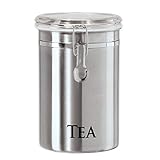
- An airtight, opaque tea storage canister (protects minerals and oils from UV degradation)
- A dedicated tea measuring spoon
- Fresh, mineral-rich filtered water (avoid distilled water)
Preparation Routine
- Store your tea in an airtight canister; exposure to light and air degrades the leaf quality over time.
- Measure exactly 2.5 grams of tea per 8 ounces of water to ensure a potent, mineral-rich brew.
- Boil water that still contains its natural minerals (spring water is excellent here) to complement the high manganese in the leaf.
- Steep for a full 4 to 5 minutes to ensure the heavy trace minerals are successfully drawn out into the steeped liquid.
- Consume alongside a balanced meal, as manganese works synergistically with other dietary vitamins to support your wellness routine.
Pro-Tip: To ensure optimal mineral absorption, do not prepare your tea with heavily distilled or reverse-osmosis water. The bioavailability of the manganese + metabolism boosting properties relies on water that still retains a balanced pH and natural mineral profile.
7. Preparing Black Tea to Manage Blood Sugar

Save this blood-sugar balancing tea habit to your health boards!
The inherently sugar free and low carb attributes found in unsweetened black tea facts actively inhibits severe blood sugar spikes, which safely assists in managing diabetes. Keeping your blood sugar levels stable is essential for long-term health, and choosing the right sweeteners plays a major role in how your body processes this beverage.
What You Need
- 1 serving of premium black tea
- Hot water
- A natural, zero-glycemic sweetener (if you cannot drink it plain)
- A dedicated tea spoon
Preparation Routine
- Brew your black tea according to standard instructions (boiling water, 3-5 minute steep).
- Evaluate your sweetener choices. To maintain the low carb and sugar free benefits, avoid refined sugar entirely.
- Sweeten (only if necessary) using a tiny pinch of pure monk fruit extract or high-quality stevia. When comparing sugar vs stevia in tea, stevia maintains the zero-calorie integrity of the drink.
- Stir thoroughly with your tea spoon until the sweetener is completely dissolved.
- Drink this beverage 15-30 minutes after a carbohydrate-heavy meal. The tea polyphenols can help regulate how your body absorbs the sugars from your food.
Pro-Tip: If you are tracking macros for a keto diet, remember that adding a splash of heavy cream adds fat and calories, but keeps the carb count low. However, to maximize the blood sugar levels regulation, consuming the aromatic infusion completely plain is the most evidence-based approach.

Bioactive Constituents & Commercial Comparisons
Understanding true topical_authority_advanced tea science requires looking past basic calories and analyzing the unique molecular differences between home-brewed leaves and commercial products. Commercial black tea from popular brands often contains drastically different levels of calories and catechins compared to the baseline standard black tea nutrition profile.
When consumers debate lipton vs twinings or analyze starbucks iced black tea nutrition information, they frequently overlook the heavy alterations made during commercial processing. A pure, plain cup of black tea drives cellular oxidative phosphorylation through its complex bioavailability of flavon-3-ols. However, the moment liquid cane sugar or heavy syrups are introduced at a coffee shop, these metabolic markers are entirely disrupted by glucose spikes.
What most guides miss: While many consumers heavily research black tea vs green tea specifically looking for epigallocatechin gallate (EGCG), they fail to realize that the fermentation process of black tea creates theaflavins. These larger, complex polyphenols are just as effective at lipid regulation and cholesterol management as green tea’s EGCG, provided you do not drown them in commercial dairy and sugar.
If you are comparing store brand vs organic, or even matcha vs black tea, always refer back to the core laboratory tested USDA data. A plain Starbucks unsweetened black tea contains zero calories, but their standard sweetened version jumps to over 30 calories and 8 grams of sugar per serving. To harness the true biochemical power of tea, absolute purity is required.
Key Takeaways: Your Quick Guide to Black Tea Nutrition Facts
Keeping track of your daily black tea overview doesn’t have to be complicated. Whether you are counting macros or seeking specific health advantages, understanding these key points ensures you are getting the maximum black tea nutrients from every single cup.
Key Takeaways:
- Zero-Calorie Baseline Profile: According to USDA data, a standard cup of plain brewed black tea contains roughly 2 calories, 0g of fat, 0g of protein, and <1g of carbohydrates, making it a perfect zero calorie beverage for keto and fasting routines.
- Caffeine and L-Theanine Synergy: The caffeine + theanine combination in black tea provides a steady, sustained mental alertness without the sharp crash typically associated with high-caffeine coffee.
- Cardiovascular Protection from Theaflavins: The unique fermentation process of fully oxidized tea creates theaflavins, powerful bioactive compounds that are clinically shown to assist in lowering cholesterol and protecting heart health.
- Manganese for Metabolic Support: A single serving of black tea provides a notable percentage of your daily manganese, an essential trace mineral critical for bone health and an optimal metabolic boost.
- Gut Microbiome Balancing Act: The large polyphenolic compounds in black tea act as powerful prebiotics, serving as a natural digestive aid by feeding beneficial gut bacteria while inhibiting harmful microbes.
- Preparation Alters Nutritional Yield: The temperature and duration of your steeping directly impact nutrient extraction; a 3-5 minute steep at boiling temperatures maximizes the release of antioxidant rich flavonoids.
- Beware of Commercial Additions: While plain tea is overwhelmingly healthy, commercial variations (like heavily sweetened milk + black tea or sugary coffee shop iced teas) can turn a healthy drink into a high-calorie dessert, completely negating the unsweetened black tea nutrition benefits.
People Also Ask About Black Tea Nutrition Facts
To fully resolve all questions about black tea, we have compiled the most common black tea queries regarding dietary constraints, exact macro amounts, and clinical side effects. These black tea FAQs provide precise, data-driven clarity.
Does black tea have calories?
Yes, but the amount is virtually zero; a standard 8-ounce cup of plain black tea contains just 2 calories.
Because the calorie count is so incredibly low, it is officially classified as a zero calorie beverage by major nutritional standards. However, the moment you begin adding milk or sugar, the calorie count rises significantly. This can quickly impact your weight management goals if you are strictly tracking your daily macros.
How much caffeine in 8 oz of black tea?
An 8-ounce cup of brewed black tea typically contains between 40 to 70 milligrams of caffeine, depending on the exact brewing time and tea variety.
This is roughly half the total caffeine found in a standard cup of coffee. The exact black tea caffeine amount is released slowly into your bloodstream thanks to the presence of L-theanine. This amino acid helps in improving focus without the sudden, aggressive jitters associated with other highly caffeinated beverages.
Is unsweetened black tea keto friendly?
Yes, unsweetened black tea is highly keto-friendly because it contains zero grams of fat, zero grams of protein, and less than one gram of net carbohydrates.
It serves as an excellent hydration alternative for the strict keto lifestyle. Because it does not trigger an insulin response in the body, it perfectly supports a healthy diet focused on fat-burning while keeping blood sugar levels completely stable throughout your entire day.
Does black tea contain fluoride?
Yes, the camellia sinensis plant naturally absorbs fluoride from the soil, meaning brewed black tea does contain varying trace amounts of natural fluoride.
According to nutritional database records, moderate consumption (3-4 cups a day) provides safe levels of fluoride that can actually benefit dental health. However, extreme consumption of highly concentrated, low-quality brick teas over many consecutive years can lead to excess fluoride intake, making it very important to source high-quality loose leaf tea.
How many carbs are in black tea?
A standard 8-ounce serving of plain, unsweetened black tea contains approximately 0.7 grams of total carbohydrates.
This near-zero carbohydrate profile makes it exceptionally safe for low-carb and strict keto diets. When carefully checking the black tea nutrition label, you will notice there is effectively no fiber in black tea and absolute zero sugars, meaning the glycemic impact on the body is practically non-existent.
Is black tea better than green tea for weight loss?
Both teas are highly effective for weight loss, but they work through slightly different bioactive compounds; green tea relies heavily on EGCG, while black tea utilizes theaflavins.
When directly looking at black tea vs green tea, green tea often gets more media attention for fat burning capabilities. However, peer-reviewed research firmly shows that the heavier polyphenols in black tea are just as effective at promoting a natural metabolic boost and aiding in long-term weight management.
How many cups of black tea a day is healthy?
Health professionals generally agree that drinking 3 to 4 cups of black tea per day is perfectly healthy and provides optimal antioxidant benefits for most adults.
At this specific volume, you receive a robust daily dose of tea polyphenols and manganese while safely keeping your daily caffeine intake well under the recommended 400mg limit. If you have any known caffeine sensitivity, you may want to limit consumption to just 1-2 cups earlier in the day.
Does black tea affect iron absorption?
Yes, the natural tannins and polyphenols found heavily in black tea can inhibit the proper absorption of non-heme iron (plant-based iron) from your meals.
To actively prevent this from becoming an issue, dietary guidelines suggest drinking your tea between meals rather than directly alongside iron-rich foods. Adding a simple squeeze of lemon (Vitamin C) to your tea can also help counteract this binding effect and significantly improve your overall mineral absorption.
Does black tea break a fast?
No, plain unsweetened black tea does not break a fast because it contains negligible calories and absolute zero macronutrients to trigger an insulin response.
In fact, drinking plain black tea during intermittent fasting is highly recommended by nutritionists. The caffeine acts as a very mild natural appetite suppressant, while the antioxidant rich profile aggressively helps protect the body against internal oxidative stress during the strict fasting window.
How many calories in Starbucks black tea?
A plain, unsweetened Starbucks Iced Black Tea contains exactly 0 calories, but their standard sweetened version (Tall size) contains roughly 30 calories and 8 grams of processed sugar.
When closely reviewing starbucks iced black tea nutrition information, it is highly critical to specify “unsweetened” to the barista when ordering if you want to maintain a true sugar free beverage. Starbucks currently uses liquid cane sugar by default in their shaken iced teas, which significantly alters the clean standard black tea nutrition profile.
Final Thoughts on Black Tea Nutrition Facts
Understanding black tea nutrition facts goes far beyond simply logging a zero-calorie drink into your daily macro tracker. As we’ve extensively explored through verified USDA data and robust clinical studies, this ancient beverage is a highly complex matrix of powerful bioactive compounds. From the heart-protecting theaflavins to the metabolism-boosting manganese, the proven benefits of black tea make it an absolutely foundational pillar for any serious wellness routine in 2026.
Whether you are sipping a chilled infusion to maximize your daily hydration levels or enjoying a hot morning mug for sustained mental alertness, the ultimate key to unlocking these clinical benefits lies purely in the preparation. By consciously sourcing high-quality leaves, carefully managing your steep temperature, and prioritizing unsweetened black tea facts over heavily sugary commercial alternatives, you successfully transform a simple steeped leaf into a highly potent daily health tonic.
Now that you know exactly what is waiting inside your cup, how will you be practically incorporating these evidence-based brewing methods into your daily routine this October? Let us know in the comments below if you prefer your black tea hot, iced, or specifically blended with natural herbs!
Last update on 2026-10-26 / Affiliate links / Images from Amazon Product Advertising API
