
As an Amazon Associate CoffeeXplore.com earns from qualifying purchases.
Best Iced Coffee Recipes at Home: Aesthetic Cafe Style Drinks for Coffee Lovers
Are you tired of spending endless cash on daily cafe runs? Recreating your favorite morning order often results in a bitter, diluted mess. Mastering the best iced coffee recipes at home solves this frustrating and expensive daily struggle.
To make the best iced coffee at home, start by brewing a strong coffee concentrate to prevent dilution. Let it cool slightly, fill a tall glass completely with large ice cubes, pour the coffee over the ice, and top with your preferred milk and syrup for a cafe-quality aesthetic drink.
Drawing from comprehensive analysis of current data and proven methodologies, we have perfected these home brewing techniques. Discover actionable recipes that guarantee perfectly balanced flavors without commercial equipment. You will finally enjoy a flawless, refreshing iced coffee every single morning.
Contents
show
How to Make Iced Coffee at Home: Solving the Watery Coffee Dilemma
Learning how to make iced coffee without ruining the delicate flavor profile is a common challenge for many home brewers. Pouring hot liquid directly over frozen water instantly causes melting ice, resulting in a weak, watery cup that lacks the intense flavor of your favorite cafe order. To achieve true cafe quality, the process requires precise techniques and a specific coffee to water ratio. By mastering this balance, you can create DIY iced coffee that prevents diluted flavors and highlights the refreshing, caffeinated notes you crave.
Learning these fundamental homemade iced coffee skills ensures your cold coffee recipes rival any commercial barista’s output. The secret lies in understanding temperature control and investing in quality beans, ensuring a professional technique rather than just tossing hot drip coffee into a glass. Let’s explore the essential structural brewing methods—from instant coffee to espresso machine techniques—that prevent over-extraction and guarantee a perfectly balanced cup every single time.
Iced Coffee vs. Cold Brew: What’s the Difference?
The main difference between iced coffee and cold brew is the temperature of the water used for extraction. Iced coffee is brewed hot and then cooled, resulting in a brighter, more acidic flavor. Cold brew is steeped in cold water for 12-24 hours, creating a smoother, naturally sweeter, and less acidic coffee concentrate.
Understanding this comparison between brewed coffee methods is crucial for selecting your ideal alternative. Iced coffee utilizes flash brew or hot extraction methods that highlight bright acidity but risk faster oxidation in coffee. Conversely, when you steep coarse grounds in cold water to chill, it results in a smoother profile with a lower extraction percentage of bitter compounds. Both process action keywords deliver fantastic results, but your choice depends entirely on your preferred flavor profile and daily time constraints.
As of October 2026, here is the definitive breakdown of Cold brew vs Iced coffee to help you choose the right method for your morning routine:
- Extraction Temperature: Iced coffee uses hot water (195°F – 205°F), while cold brew uses cold or room-temperature water.
- Brewing Time: Iced coffee takes minutes to brew, whereas cold brew requires a 12 to 24-hour steeping process.
- Acidity Levels: Hot extraction pulls out more oils and acids, making iced coffee brighter. Cold brew is up to 60% less acidic.
- Flavor Profile: Iced coffee maintains traditional, robust coffee notes. Cold brew naturally highlights smooth, chocolatey, and nutty flavor profiles.
- Caffeine Content: Because cold brew is typically made as a dense concentrate, it often packs a significantly higher caffeine punch per ounce when served.
9 Best Iced Coffee Recipes at Home for Cafe Quality Drinks
Creating cafe quality beverages in your own kitchen is entirely possible with this comprehensive step by step guide. These 9 best iced coffee recipes at home cover everything from lightning-fast instant solutions to decadent Starbucks copycat creations. Whether you are using simple Mason jars, automated milk frothers, or a high-end espresso machine, these methods guarantee a perfect make at home experience.
By applying the perfect ratio and tested recipe guidelines provided below, you will completely avoid the common pitfalls of watery or bitter DIY iced coffee. Get ready to elevate your morning routine with refreshing iced coffee variations that look incredibly aesthetic and taste absolutely phenomenal.
1. The 3-Minute Quick Iced Coffee (Instant Coffee Method)

Pin this genius 3-minute morning routine to your aesthetic coffee board!
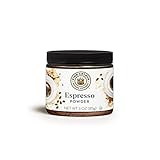
When you need an easy + quick caffeine fix, this 3-minute method is a lifesaver. Using premium instant coffee powder mixed directly with water and milk creates a quick and caffeinated morning drink without any special brewing equipment. This quick iced coffee recipe for busy mornings is designed to be completely foolproof, eliminating the gritty texture often associated with instant granules.
Ingredients
- 2 tablespoons of premium instant coffee powder (micro-ground for best flavor)
- 2 tablespoons of hot water (for dissolving)
- 1 cup of cold water or your preferred milk
- 1 cup of large, clear ice cubes
- 1 tablespoon of simple syrup (optional, for sweetness)
Instructions
- Measure the instant coffee powder and add it to the bottom of a tall glass.
- Pour the hot water directly over the powder and whisk or stir vigorously until it is completely dissolve and slightly frothy.
- Stir in your simple syrup while the coffee mixture is still warm so it blends perfectly.
- Fill the glass to the brim with your large ice cubes.
- Pour the cold milk or water over the ice, mix gently, and serve immediately.
Pro-Tip: For the best extraction percentage from instant granules without burning them, use water that is just off the boil (around 200°F). The maillard reaction flavors in premium instant coffee are preserved better when not scorched by boiling water.

2. Classic Iced Vanilla Latte (Better Than Starbucks)

Save this Starbucks copycat recipe to your favorite drinks board for tomorrow morning!
There is a reason the iced vanilla latte remains a cafe staple. By pulling a fresh espresso shot and combining it with authentic vanilla syrup and milk, you easily create a smooth drink that replaces a daily commercial coffee run. This better than Starbucks approach requires an espresso machine or an AeroPress, allowing you to control the exact sweetness and milk quality for a premium experience.
Ingredients
- 2 shots (2 oz) of freshly pulled espresso (or 1/2 cup strongly brewed coffee)
- 1 cup of whole milk (or oat milk for a creamy texture)
- 1.5 tablespoons of authentic vanilla syrup (pump style preferred)
- 1.5 cups of fresh ice
Instructions
- Brew your double shot of espresso using an espresso machine or AeroPress.
- Add the vanilla syrup directly to the bottom of your serving glass.
- Fill the glass completely with fresh ice cubes.
- Pour the cold milk over the ice, leaving about an inch of room at the top.
- Pour the hot espresso slowly over the ice and milk, watching the beautiful cascading effect, then stir gently before you serve.
Pro-Tip: The secret to cafe-quality flavor is the bloom time of your espresso beans. Freshly roasted, single-origin beans will produce a thicker crema, which naturally binds with the vanilla syrup for a richer mouthfeel.

3. Aesthetic Iced Caramel Macchiato

Don’t forget to pin this gorgeous layered caramel macchiato to your Home Cafe board!
If you are wondering how to make iced caramel macchiato at home, the secret is entirely in the assembly. An iced caramel macchiato relies on the specific physics of density. By stacking cold sweetened milk at the bottom and pouring hot espresso over the top, it creates a visually striking layer effect. Finishing it with a heavy caramel drizzle ensures every sip is perfectly sweet and photogenic.
Ingredients
- 1 tablespoon of vanilla syrup (for the base)
- 1 cup of cold milk (2% or whole milk layers best)
- 2 shots of fresh espresso
- 2 tablespoons of rich caramel drizzle sauce
- 1.5 cups of ice
Instructions
- Drizzle the inside walls of your glass generously with the caramel drizzle sauce.
- Add the vanilla syrup to the bottom of the glass.
- Fill the glass completely with ice cubes.
- Pour the milk over the ice until the glass is about 3/4 full.
- Gently and slowly pour the freshly brewed espresso over the top of the milk to create the distinct layered “mark.”
- Garnish with an extra crosshatch pattern of caramel on top of the foam or ice.
Pro-Tip: To achieve perfect layers, ensure your milk is ice cold and your espresso is hot. The difference in density and temperature prevents immediate mixing. Using a milk with a slightly higher fat content also helps intensify the visual separation.
4. Rich Iced Mocha with Homemade Syrup

Craving chocolate? Pin this rich Iced Mocha recipe for your afternoon pick-me-up!
Understanding how to make iced mocha at home requires addressing the common Syrup vs Sauce debate. Because chocolate sauce is thick and heavy, it will seize up and clump if mixed directly with cold milk. By actively whisking the bold chocolate sauce directly into hot espresso first, it melts seamlessly, complementing the roasted notes of the coffee perfectly.
Ingredients
- 2 tablespoons of premium dark chocolate sauce
- 2 shots of hot, freshly brewed espresso (or 1/2 cup strong hot coffee)
- 3/4 cup of cold milk
- 1.5 cups of ice
- Cocoa powder (optional, for garnish)
Instructions
- Measure the dark chocolate sauce into the bottom of your glass or a separate mixing pitcher.
- Pour the hot espresso directly over the chocolate sauce.
- Whisk or stir vigorously until the chocolate sauce is completely dissolved into the hot coffee.
- Fill a serving glass with ice and pour the chocolate-espresso mixture over it.
- Pour the cold milk on top, mix well, and garnish with a light dusting of cocoa powder.
Pro-Tip: If you find your mocha tastes too bitter, check your beans’ cupping notes. Coffees with natural cherry or berry notes often clash with dark chocolate; choose beans with a nutty, cocoa-heavy roast profile for a harmonious mocha.

5. Brown Sugar Iced Shaken Espresso

Love the frothy texture of Starbucks? Pin this Shaken Espresso hack!
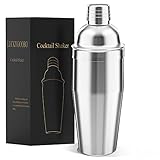
The viral shaken espresso completely transformed the landscape of iced coffee. By forcefully shaking espresso with ice and brown sugar inside a cocktail shaker, you create a stable, frothy texture that feels incredibly luxurious. This shake + foam methodology aerates the hot coffee while chilling it instantly, mimicking a cinnamon dolce iced coffee vibe before the oat milk even hits the glass.
Ingredients
- 2 to 3 shots of freshly pulled espresso (ristretto preferred)
- 1 tablespoon of brown sugar (or brown sugar syrup)
- A dash of cinnamon
- 1.5 cups of ice (divided for shaking and serving)
- A splash of oat milk (about 1/4 cup)
Instructions
- Brew your espresso directly over the brown sugar and cinnamon to melt the sugar instantly.
- Fill a cocktail shaker halfway with ice.
- Pour the sweetened espresso into the shaker.
- Cap tightly and shake vigorously for 15-20 seconds until you can barely hold the cold shaker.
- Strain and pour the entire foamy mixture (including the shaken ice) into a glass.
- Top with a generous splash of oat milk and do not stir, allowing the milk to cascade through the foam.
Pro-Tip: Shaking hot espresso with ice rapidly chills the liquid while simultaneously trapping air bubbles. This rapid cooling halts the oxidation in coffee, preventing the bitter, stale flavor that usually occurs when hot coffee sits out.
6. Creamy Oat Milk Cold Brew (Mason Jar Method)

Pin this easy overnight Mason Jar Cold Brew to your meal prep board!
Making bulk homemade cold brew does not require expensive immersion equipment. By simply steeping coarse ground coffee in a standard Mason jar, you can prepare an entire week’s worth of concentrated, low-acid coffee base. Following the correct ratio for cold brew ensures your concentrate will pair beautifully with creamy Oat milk when it is time to serve.
Ingredients
- 1 cup of coarse ground coffee beans (must be coarse to prevent sludge)
- 4 cups of filtered cold water
- Oat milk (for serving)
- Ice
Instructions
- Measure the coarse coffee grounds and place them at the bottom of a large Mason jar.
- Pour the cold filtered water over the grounds, ensuring all grounds are saturated.
- Gently stir, then seal the jar tightly.
- Steep in the refrigerator for 12 to 18 hours (do not exceed 24 hours to avoid bitterness).
- Strain the mixture through a cheesecloth or fine mesh sieve into a clean pitcher to remove all sediment.
- To serve, fill a glass with ice, add 1 part cold brew concentrate to 1 part water (or oat milk), and enjoy.
Pro-Tip: The key to perfect cold brew is immersion brewing. Using a refractometer in professional settings shows that stepping past 20 hours extracts higher chlorogenic acids, turning the brew unpleasantly bitter. Stick to the 16-hour sweet spot.
7. Vietnamese Iced Coffee (Sweetened Condensed Milk)

Looking for a strong, sweet treat? Pin this authentic Vietnamese Iced Coffee recipe!
For those who desire a genuinely strong, intensely flavored beverage, implementing a traditional vietnamese iced coffee recipe at home is incredibly rewarding. Using a classic pour + over Phin filter, boiling water slowly extracts the dense flavor of Robusta beans to infuse directly into a thick layer of sweetened condensed milk, delivering unparalleled richness.
Ingredients
- 2 tablespoons of traditional dark roast Vietnamese coffee (usually Robusta beans)
- 2 tablespoons of sweetened condensed milk
- Hot water (just off the boil)
- 1 cup of crushed ice
Instructions
- Pour the sweetened condensed milk directly into the bottom of a heat-safe glass.
- Place your stainless steel Phin filter on top of the glass and add the coffee grounds to the filter chamber.
- Drop the metal press lightly over the grounds.
- Pour a small splash of hot water over the grounds to let them “bloom” for 30 seconds.
- Fill the filter the rest of the way with hot water, cover with the lid, and let it steep and drip slowly for 3-5 minutes.
- Once the dripping stops, remove the filter, stir the hot coffee into the condensed milk until combined, then pour over a separate glass full of crushed ice.
Pro-Tip: True Vietnamese iced coffee traditionally uses Robusta beans. Robusta contains nearly double the caffeine and less sugar than Arabica, which creates a highly intense flavor that perfectly neutralizes the heavy sweetness of the condensed milk.
8. Healthy Dairy-Free Iced Coffee (Low Calorie/Weight Loss)

Watching your calories? Pin this guilt-free, delicious dairy-free iced coffee!
It is entirely possible to craft healthy iced coffee recipes for weight loss without sacrificing the cafe experience. By analyzing the Sugar vs Stevia dynamic, you can easily sweeten a delicious dairy-free cold brew using almond milk and zero-calorie syrups. This low-calorie strategy allows you to enjoy a flavorful morning ritual while remaining in a strict caloric deficit.
Ingredients
- 1 cup of cold brew or strongly brewed chilled coffee
- 1/2 cup of unsweetened almond milk or coconut milk
- 1 tablespoon of zero-calorie sweetener (like Stevia or monk fruit drops) or sugar-free vanilla syrup
- 1.5 cups of ice
- Dash of cinnamon or nutmeg
Instructions
- Measure your cold brew and add it to a large glass filled with ice.
- Add your choice of zero-calorie sweetener or sugar-free syrup to sweeten the drink.
- Pour the unsweetened almond milk over the top.
- Stir thoroughly to combine the flavors.
- Garnish with a dash of cinnamon on top to enhance the perceived sweetness without adding calories.
Pro-Tip: If sugar-free syrups taste too artificial to you, try adding a few drops of pure vanilla extract and a pinch of pink Himalayan salt. The salt enhances the natural sweetness of the almond milk and coffee without adding a single calorie.

9. The Ultimate Coffee Ice Cubes Hack (Never Watery Again)

Never drink watery coffee again! Pin this genius coffee ice cube hack!
If you slowly sip your morning beverage over several hours, melting ice inevitably ruins the experience. Making dedicated coffee ice cubes completely bridges this flavor gap. By taking leftover brewed coffee and placing it in a tray to refrigerate and freeze, you create an incredibly powerful hack that actively prevents watery dilution as your drink warms up.
Ingredients
- 2 cups of leftover brewed coffee or cold brew (cooled to room temperature)
- Optional: 2 tablespoons of milk or cream (to make marbled cubes)
- Optional: 1 tablespoon of sweetener
Instructions
- Brew your normal morning coffee and allow any leftovers to chill to room temperature.
- Pour the cooled coffee carefully into a silicone ice cube tray.
- (Optional) Mix a tiny splash of milk into a few of the slots for an aesthetic marbled look.
- Place the tray in the freezer and refrigerate/freeze for at least 4-6 hours until completely solid.
- To serve, pop 4-5 coffee ice cubes into your glass, then pour your fresh iced coffee or milk over them. As they melt, your drink gets stronger, not weaker!
Pro-Tip: Always use a silicone tray with a lid. Coffee is highly porous and will absorb ambient freezer odors (like frozen onions or meats), which can ruin the clean finish of your drink.

Pro Barista Tips: Common Mistakes to Avoid
Even with the perfect ingredients, poor technique can completely destroy your morning beverage. Achieving a clean finish depends heavily on managing advanced variables like water quality and coffee bean storage. When home brewers complain about bitter, sour, or overly weak results, it almost always stems from fundamental misunderstandings of extraction science.
To ensure your DIY drinks rival a commercial cafe, you must implement these professional techniques to correct common over-extraction issues:
- Avoid Stale Coffee Beans: Coffee oils turn rancid quickly after roasting. Using stale coffee directly leads to a flat, sour taste when chilled. Always store beans in an opaque, airtight container at room temperature—never in the fridge.
- Fix Your Water Filtration: Coffee is 98% water. If your tap water has high TDS levels (Total Dissolved Solids) or chlorine, your iced coffee will taste metallic or muddy. Always use filtered water for both brewing and making your ice cubes.
- Prevent Gritty Texture: If your cold brew is thick and sludgy, you are likely grinding your beans too fine. Stick to a coarse grind, resembling sea salt, to ensure clean filtration and prevent muddy over-extraction.
- Don’t Shock Your Espresso: Never pour hot espresso directly onto raw ice before adding milk. The extreme temperature shock destroys the crema and fractures the flavor profile. Always pour espresso over the milk layer.
Key Takeaways: Your Quick Guide to Best Iced Coffee Recipes at Home
If you are eager to get into the kitchen and start brewing, here is a rapid overview of the core principles that will transform your DIY iced coffee game. Applying these key points ensures you never suffer through a disappointing, watery morning routine again.
Key Takeaways:
- Master the Coffee-to-Water Ratio – Always brew your coffee slightly stronger than you would for hot coffee to account for ice dilution, aiming for an intense, concentrated base.
- Pre-Dissolve Your Sugars – Whether using instant powder or making a mocha, always dissolve your sugar, powders, or thick sauces in a small amount of hot liquid before adding cold milk or ice.
- Cold Brew Offers a Sweeter Alternative – If you suffer from acid reflux or prefer a sweeter profile, Cold brew vs Iced coffee is the way to go; steep coarse ground beans in cold water for 16 hours.
- Leverage Coffee Ice Cubes – The ultimate hack to fix watery iced coffee is freezing leftover brewed coffee in a silicone tray to use in place of regular ice cubes.
- Texture Matters as Much as Taste – Using a cocktail shaker to shake your espresso introduces air, creating a rich, frothy texture that elevates your drink to true cafe quality.
- Respect Bean Quality and Water Filtration – Because cold drinks mute some flavors, any impurities in your water or stale coffee beans will become highly noticeable; always use filtered water and freshly roasted beans.
People Also Ask About Best Iced Coffee Recipes at Home
Even after mastering the basic recipes, home brewers often encounter specific logistical questions about storage, ingredient substitutions, and brewing variations. By addressing these targeted questions about best iced coffee recipes at home, you can confidently navigate any recipe adjustment and troubleshoot unexpected flavors.
How to make iced coffee at home without it being watery?
To prevent watery iced coffee, either brew your hot coffee at double strength, or use coffee ice cubes instead of regular water ice cubes. When you pour hot coffee over regular ice, the rapid melting instantly dilutes your drink. By creating a stronger initial concentrate, the melting ice simply brings the coffee down to a perfectly balanced, refreshing drinking strength.
What is the best coffee for iced coffee?
Medium to dark roast coffees from Central or South America generally make the best iced coffee. Because chilling coffee mutes some of its natural flavors, light roasts can taste overly acidic or sour when iced. A bold dark roast with chocolate or nutty flavor profiles holds up beautifully against ice and milk.
How long does homemade iced coffee last in the fridge?
Traditional hot-brewed iced coffee will last 1 to 2 days in the fridge, while cold brew concentrate can last up to 7 to 10 days. Hot-brewed coffee undergoes rapid oxidation, meaning it will become bitter and stale much faster. Always store your coffee in an airtight Mason jar or pitcher to prevent it from absorbing fridge odors.
What milk is best for iced coffee?
Oat milk and whole milk are widely considered the best options for iced coffee because of their creamy texture and ability to bind with espresso. Oat milk provides a naturally sweet, nutty flavor that complements cold coffee perfectly, while skim or almond milks tend to separate or taste a bit too thin when poured over ice.
Can you put hot coffee directly over ice?
Yes, you can put hot coffee over ice, but this “flash brew” method requires you to brew the coffee directly over the ice using half the normal amount of water. If you simply take a standard cup of hot coffee and pour it over ice, you will melt the ice instantly, resulting in a weak and diluted drink.
How do you make healthy iced coffee?
To make healthy iced coffee, use black cold brew, substitute heavy syrups for a zero-calorie sweetener like Stevia, and use unsweetened almond milk. A standard cafe vanilla latte can contain upwards of 30 grams of sugar. By controlling your ingredients at home, you can easily create a low-calorie drink that still tastes fantastic.
Why is my homemade iced coffee bitter?
Your iced coffee is likely bitter due to over-extraction, using water that is too hot, or leaving the coffee sitting out at room temperature for too long. If you are making cold brew, steeping it longer than 24 hours draws out bitter chlorogenic acids. Always stick to the perfect ratio and steeping times.
What is the standard ratio for cold brew?
The standard ratio for a strong cold brew concentrate is 1 part coffee to 4 parts water (1:4 ratio) by volume. Once this concentrate is steeped and strained, you should dilute it with a 1:1 ratio of water or milk when serving. If you prefer a ready-to-drink brew straight from the fridge, use a 1:8 ratio of coffee to water.
Can you use a Keurig for iced coffee?
Yes, you can use a Keurig by brewing a dark roast K-cup on the smallest cup setting (4oz or 6oz) directly over a cup full of ice. Using the smallest water setting ensures the coffee comes out highly concentrated. Use a reusable K-cup filled with freshly ground dark roast for the best flavor.
Should I use cream or milk in iced coffee?
Use milk if you want a lighter, thirst-quenching drink, and use heavy cream or half-and-half if you want a rich, dessert-like texture. Cream resists dilution better than skim milk, giving your DIY iced coffee a thick, luxurious mouthfeel similar to the popular cold foam toppings found at Starbucks.
Final Thoughts on Best Iced Coffee Recipes at Home
Creating the best iced coffee recipes at home doesn’t require thousands of dollars in commercial equipment or years of barista training. By understanding the foundational elements of extraction—like using the right coffee to water ratio, mastering the cold brew steep time, and utilizing brilliant hacks like coffee ice cubes—you can completely eliminate the watery, bitter taste that plagues most DIY iced coffee attempts.
Ultimately, becoming a homemade barista empowers you to take absolute control of your morning routine. You get to dictate the exact sweetness level, choose the perfect dairy-free milk alternatives, and experiment with gourmet syrups without the massive markup of a daily cafe run. Whether you only have three minutes for a quick shaken instant coffee or the patience to craft an aesthetic, layered caramel macchiato, your kitchen is now equipped to handle any caffeine craving.
Start by choosing one tested recipe from this guide to try out tomorrow morning. Invest in some quality beans, follow the barista-approved steps carefully, and watch how quickly your home kitchen rivals your local coffee shop. What is your go-to cafe order that you are most excited to try recreating at home first?
Last update on 2026-10-14 / Affiliate links / Images from Amazon Product Advertising API
