
As an Amazon Associate CoffeeXplore.com earns from qualifying purchases.
Yerba Mate Tea Recipe: 3 Perfect Brews for Clean Energy
Are you tired of brewing a yerba mate tea recipe that tastes overwhelmingly bitter? That first harsh sip of poorly prepared mate can easily ruin your morning. You want sustained natural energy, not a mouthful of burnt leaves and grit.
To make the perfect yerba mate tea recipe, fill your gourd or French press with loose leaf yerba mate, moisten the leaves with cool water, and steep using hot water between 160°F and 175°F. Never use boiling water, as this scorches the leaves and creates a harsh, bitter taste profile.
Drawing from centuries of authentic South American traditions and proven botanical science, we know exactly how to extract these nutrients properly. You will discover three foolproof brewing methods that guarantee a smooth, energizing cup every single time. Which method will transform your daily routine?
Contents
show
How To Make Yerba Mate: Stop Bitterness & Unlock Clean Energy
Understanding how to make yerba mate correctly is the key to unlocking its incredible benefits. For centuries, the indigenous people of South America have cultivated Yerba Mate (Ilex paraguariensis) as a medicinal herb. This South American holly tree produces a deeply nutrient-dense tea known for its powerful energy-boosting properties. However, many beginners completely misunderstand the brewing science. They treat it like standard black tea, dump boiling water over the leaves, and immediately regret the resulting swampy, extremely bitter brew.
The secret to a perfect traditional mate brew lies entirely in temperature management. To properly extract the polyphenols and beneficial antioxidants without destroying the delicate flavor, your water must never reach a rolling boil. Maintaining a strict temperature zone between 160°F and 175°F prevents the leaves from scorching. This careful process protects the natural compounds that boost metabolism and create a smooth, earthy flavor profile.
Furthermore, properly brewed mate dispels the common “mateine myth” once and for all. Early marketers claimed mate contained a unique chemical called “mateine” that didn’t cause jitters. Modern science proves mate actually contains a powerful synergy of standard caffeine, theobromine, and theophylline. This natural combination delivers a steady, focused buzz without the anxiety of coffee. By mastering the core brewing rules, you will finally unlock these profound natural energy boosters and enjoy a truly authentic South American tea ritual.
3 Perfect Yerba Mate Brews For Clean Energy
Now that we understand the vital importance of temperature control, let’s explore three distinct preparation methods. Your choice of brewing equipment directly impacts your daily experience. Whether you want a deeply cultural morning routine or a rapid infusion before a workout, there is a perfect technique for you.
The following methods cover everything from the ancient traditional yerba mate preparation to modern conveniences. We will walk through the exact process and action keywords—like mountain building, shaking, filtering, and steeping—required for success. No matter which path you choose, remember that protecting your leaves with cool water first is the non-negotiable golden rule of brewing.
1. How To Brew Traditional Yerba Mate With A Gourd And Bombilla

Save this authentic traditional mate ritual to your healthy habits Pinterest board!
Mastering the traditional yerba mate preparation connects you directly to a vibrant cultural history. The traditional method utilizes a hollowed-out mate gourd and a specialized metal filter called a bombilla straw. This ancient setup perfectly holds the infusion and defines the ritual itself. As the designated server, or Cebador, your goal is to manage the “cycle of the mate” so the flavor lasts through multiple pours without becoming washed out (lavado). Properly curing the gourd beforehand ensures your organic certified leaves retain their stunning vibrant green color and complex taste.
Ingredients
- 1/2 to 2/3 cup of organic loose leaf yerba mate (preferably an Argentinian yerba mate with stems/palo for easier filtering)
- 1-2 tablespoons of cool filtered water
- 16 oz of hot water (strictly heated to 160°F – 175°F to maintain a smooth, earthy flavor profile)
- 1 authentic mate gourd (calabash, wood, or ceramic)
- 1 stainless steel or alpaca silver bombilla straw
- 1 insulated thermos for precision pouring
Instructions
- Fill your mate gourd approximately one-half to two-thirds full with your chosen loose leaf yerba mate.
- Cover the opening of the gourd completely with the palm of your hand, invert it, and begin shaking vigorously for 10 seconds. This forces the fine yerba mate dust (polvo) to the top, preventing a clogged bombilla.
- Tilt the gourd at a 45-degree angle to gather all the yerba onto one side, creating the traditional “mountain” (mountain building).
- Pour a small splash of cool filtered water gently into the empty space at the bottom of the slope. Let it rest for 2 minutes. This crucial step protects the nutrient-dense tea leaves from being shocked and scorched by hot water.
- Insert the filtered end of your bombilla straw into the moistened trough at the bottom of the gourd, pressing it firmly against the wall. Do not stir.
- Pour your hot water (160°F – 175°F) directly next to the bombilla, filling it just below the top of the dry mountain.
- Sip immediately through the straw, sharing with friends and continually re-steeping by pouring more hot water from your thermos until the flavor fades.
Pro-Tip: Proper polvo importance cannot be overstated. While westerners often try to sift out the dust, traditional South American Cebadors know that the dust provides the full-bodied texture and thick foam (espuma) that defines a premium traditional mate brew. If your straw clogs, you are likely using a Brazilian Chimarrão cut in an Argentinian-style bombilla.

2. How To Make Yerba Mate In A French Press (Convenient Hot Brew)

Pin this easy French press mate recipe for your busy morning routine!
Learning how to make yerba mate in a French press is the ultimate life hack for busy professionals. This yerba mate morning routine recipe brilliantly simplifies brewing and cleanly filters leaves without requiring specialized South American tools. If you are transitioning from daily coffee to tea, the French press offers unparalleled convenience. It expertly extracts nutrients while delivering the signature high caffeine content you need. The key difference here is managing your steep time; because the leaves sit fully submerged, precision is vital to prevent severe over-extraction.
Ingredients
- 3 to 4 tablespoons of roasted yerba mate or standard green loose leaf yerba mate
- 2 tablespoons of cool filtered water
- 30 oz of hot water (heated to 160°F – 170°F using an electric gooseneck kettle)
- Optional: 1 teaspoon of raw honey or agave (for sweetening mate naturally)
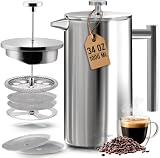
- 1 standard 34 oz glass or stainless steel French press
Instructions
- Measure 3 to 4 tablespoons of your preferred yerba mate blend and pour it directly into the bottom of the empty French press glass carafe.
- Moisten the dry leaves with just enough cool filtered water to coat them. Let sit for 1 to 2 minutes. This pre-infusion step expands the vitamin-rich infusion and prevents the boiling water from shocking the antioxidants.
- Heat your water to a maximum of 170°F. If you do not have a temperature-controlled kettle, bring the water to a boil and let it sit off the heat for 5 full minutes before pouring.
- Pour the hot water gently over the expanded leaves in a circular motion, ensuring all leaves are saturated.
- Stir gently with a wooden spoon, then place the lid on top with the plunger pulled all the way up.
- Steep the mixture for exactly 4 to 5 minutes depending on your desired strength. Preventing over-steeping is vital for avoiding bitterness.
- Press the plunger down slowly and evenly to filter the leaves, pouring immediately into your mug to stop the extraction process.
Pro-Tip: When using a French press, opt for a “Con Palo” (with stems) cut rather than a “Sin Palo” (without stems) cut. The stems act as a natural structural barrier, making it much easier for the metal mesh screen to cleanly push the leaves to the bottom without fine dust escaping into your cup, preserving that mental clarity enhancement without the gritty texture.
3. Refreshing Cold Brew Tereré (Iced Yerba Mate)

Save this refreshing cold brew mate recipe for your next summer workout!
When the weather turns warm, a cold brew yerba mate provides incredible, cooling hydration. Originating as traditional Paraguayan tereré, this refreshing iced yerba mate tea recipe completely transforms the beverage. By using ice and cold water, this passive brewing method creates a remarkably smooth, sweet profile while dramatically lowering the astringency. It serves as the ultimate homemade yerba mate energy drink for fitness enthusiasts. The long steeping process boosts metabolism and supports digestion, offering a potent dose of sustained energy perfectly suited for a heavy summer workout.
Ingredients
- 1/2 cup of organic yerba mate tea (traditional cut or a specific mint/citrus yerba mate blend)
- 48 oz of pure, cold filtered water
- 2 cups of ice cubes
- 1 fresh lemon or lime, sliced into wheels
- 1 handful of fresh mint leaves or lemongrass
- Optional: 2 tablespoons of agave syrup (for balancing flavor profiles)
- 1 large glass cold brew pitcher with a fine mesh infuser core
Instructions
- Load the stainless steel infuser core of your pitcher with the 1/2 cup of loose leaf yerba mate.
- Layer your fresh mint leaves and sliced citrus wheels directly into the main glass pitcher body alongside the ice cubes.
- Insert the tea-filled infuser core into the pitcher.
- Pour the cold filtered water steadily through the top of the infuser, allowing it to slowly cascade through the yerba leaves and fill the pitcher.
- Stir in your liquid sweetener if using, ensuring it dissolves into the cold water.
- Steep the pitcher in the refrigerator for a minimum of 8 to 12 hours. Unlike hot water, cold brewing takes significantly longer to extract the xanthines and caffeine content, but results in a naturally sweeter, zero-bitterness profile.
- Remove the infuser core to prevent the tea from becoming overly astringent over the next few days. Serve over fresh ice.
Pro-Tip: Cold brewing naturally extracts lower levels of tannins compared to hot water extraction. If you suffer from mate acidity relief issues or severe bitterness aversion, this cooling tereré method will completely transform your experience while still delivering the potent thermogenic effect ideal for a yerba mate weight loss recipe.

Advanced Yerba Mate Mastery: Troubleshooting & Comparisons
Now that we have covered the foundational brewing methods, let’s explore how to overcome the most common hurdles beginners face. Even with detailed instructions, managing your brewing variables—specifically water temperature and steep time—can require a slight learning curve. Frustrations like a mouthful of bitter grit or sudden energy spikes are incredibly common but easily fixable.
Furthermore, as you transition into this healthy lifestyle, you might wonder how mate stacks up against other popular morning beverages. Understanding how this ancient tea compares to coffee, green tea, and matcha will confidently validate your choice. Let’s diagnose your brewing failures and examine why mate remains the reigning champion of natural stimulants.
Fixing The 3 Most Common Yerba Mate Mistakes
Even with the best yerba mate tea recipe, beginners often run into a few structural hurdles. Here is exactly how to fix them:
1. “My Mate is Unbearably Bitter!”
The Fix: You are scorching the leaves. Ensure you are managing temperature control strictly between 160°F and 175°F. Furthermore, never skip the “dummy pour” (moistening the leaves with cool water first). If it’s still too bitter, try switching from an unsmoked green mate to a roasted yerba mate, or experiment with sweetening mate naturally using honey or agave.
2. “I’m Getting a Mouthful of Leaves / Clogged Straw!”
The Fix: You need to focus on fixing a clogged straw by improving your mountain building technique. Always shake the gourd upside down first to move the fine powdery dust to the top. When inserting the bombilla straw, place your thumb tightly over the mouthpiece to create a vacuum seal, insert it firmly to the bottom, and never stir the leaves.
3. “I’m Getting Caffeine Jitters!”
The Fix: You are over-extracting the brew. Reduce your steep time in a French press to exactly 3 minutes, or use less loose leaf herb in your gourd. Reducing caffeine jitters is easy because mate contains both caffeine and theobromine, which naturally smooths out the energy curve when brewed correctly.
The Stimulant Showdown: Yerba Mate vs. The Alternatives
When looking at best yerba mate alternatives and general caffeine alternatives, how does this South American tea ritual stack up against your morning staples? Best practices in October 2026 indicate that consumers are increasingly prioritizing sustained mental clarity over harsh energy spikes. Here is the biochemical breakdown:
- Yerba Mate vs Coffee: Coffee provides a rapid spike in energy followed by a steep crash, largely due to its high acidity and solitary reliance on caffeine. Yerba mate vs coffee is a fascinating debate. Yerba mate provides similar caffeine levels (roughly 70-85mg per cup) but pairs it with theobromine (the relaxing alkaloid found in chocolate), resulting in sustained mental clarity enhancement without the crash.
- Yerba Mate vs Matcha: Both are highly nutritious, shade-grown, and rich in polyphenols. Matcha is whisked and consumed whole, leading to a potent grassy flavor. Yerba mate is infused and strained, offering a more earthy flavor profile and a much stronger thermogenic effect for those seeking a rapid metabolic boost.
- Yerba Mate vs Green Tea: Standard green tea is much lighter in body and lower in caffeine (around 30-50mg). Yerba mate is fundamentally more robust. It utilizes powerful compounds like ursolic acid to provide a full-bodied texture and significantly higher stimulation levels than regular green tea.
Key Takeaways: Your Quick Guide to Yerba Mate Tea Recipes
To ensure your next brew is absolutely flawless, we have condensed the most critical rules into a quick-reference guide. Reviewing these foundational principles will prevent ruined batches and help you master how to make yerba mate effectively. These actionable takeaways highlight the essential relationship between temperature control, proper equipment usage, and achieving the ultimate clean energy buzz.
Key Takeaways:
- Temperature is Everything: Never use boiling water. Keep your water between 160°F and 175°F to preserve the nutrient-dense tea properties and prevent severe bitterness.
- Protect the Leaves First: Always moisten your dry loose leaf yerba mate with a splash of cool water before introducing hot water. This prevents scorching the antioxidants.
- Don’t Stir the Straw: When using a traditional mate gourd and bombilla straw, insert the straw once and leave it alone. Stirring disrupts the filter and results in a mouthful of grit.
- Match the Method to the Moment: Use the traditional gourd for authentic communal rituals, the French press for a quick morning caffeine + energy boost, and the cold brewed yerba mate (Tereré) for refreshing summer hydration.
- Embrace the Dust: The fine powder (polvo) in Argentinian yerba mate is intentional. It creates the desirable frothy foam (espuma) and provides a full-bodied texture.
- Clean Energy Synergy: The unique combination of caffeine, theobromine, and theophylline provides sustained mental clarity enhancement without the aggressive jitters or crash associated with coffee.
FAQs About yerba mate tea recipe
What is yerba mate tea?
Yerba mate tea is a traditional South American infusion made from the dried, naturally caffeinated leaves of the Ilex paraguariensis holly tree.
Unlike standard tea (Camellia sinensis), mate boasts a uniquely robust, earthy flavor profile and is celebrated for offering the strength of coffee, the health benefits of tea, and the euphoria of chocolate. It is deeply embedded in the cultural traditions of Argentina, Uruguay, Paraguay, and Southern Brazil.
How much caffeine is in yerba mate?
A standard 8-ounce cup of yerba mate contains roughly 70 to 85 milligrams of caffeine, placing it slightly below coffee but significantly higher than green or black tea.
However, because traditional communal sharing involves continuously re-steeping the leaves in a gourd, a single sitting can result in consuming upwards of 200mg of caffeine over several hours. This provides a steady, prolonged natural stimulant effect that lasts throughout your day.
How to make yerba mate tea taste better?
To make yerba mate taste better, ensure your water temperature never exceeds 175°F, and naturally sweeten the brew with raw honey, agave nectar, or a splash of fruit juice.
If you struggle with the strong herbaceous quality, try blending your organic yerba mate tea with fresh peppermint, dried hibiscus, or lemon verbena. Additionally, switching to a roasted yerba mate provides a smoother, chocolate-like finish that is considerably less grassy.
Does yerba mate help with weight loss?
Yes, yerba mate can aid in weight loss by boosting metabolism, increasing fat oxidation during exercise, and acting as a mild appetite suppressant.
Its high chlorogenic acid content and thermogenic effect make it a highly effective natural energy booster for fitness enthusiasts. Consuming a yerba mate weight loss recipe (like cold brew tereré) before a workout provides the clean energy needed for endurance without breaking a fast.
How long should I steep yerba mate?
If using a French press or tea infuser, you should steep yerba mate for 3 to 5 minutes in hot water (160°F – 175°F).
If you are using the traditional gourd and bombilla method, steeping is virtually instantaneous; you pour the water and sip immediately. If you are making a cold brewed yerba mate, the leaves should steep in the refrigerator for 8 to 12 hours for maximum flavor extraction.
Can I use a French press for yerba mate?
Yes, a French press is an excellent, convenient tool for brewing yerba mate, especially for beginners transitioning from coffee.
Simply add 3 to 4 tablespoons of loose leaf yerba mate to the carafe, moisten with cool water, add 170°F water, steep for 4 minutes, and press. Using a French press perfectly filters leaves and allows you to brew multiple servings at once without specialized equipment.
What temperature should water be for yerba mate?
The ideal water temperature for yerba mate is strictly between 160°F and 175°F (70°C to 80°C).
Using boiling water (212°F) will immediately scorch the delicate leaves, destroying the beneficial polyphenols and resulting in an intensely harsh, bitter taste profile. If you don’t have a temperature-controlled kettle, simply bring your water to a boil and let it sit uncovered for about 5 minutes before pouring.
How do you clean a mate gourd?
To clean a traditional calabash mate gourd, immediately scoop out the used wet leaves, rinse the interior with warm water only, and dry it thoroughly with a paper towel.
Never use soap on a natural wood or calabash mate gourd, as the porous material will quickly absorb the chemical taste. To prevent mold, store the gourd in a well-ventilated, dry area, preferably resting on its side or in a sunny spot to ensure complete air-drying.
How to prevent a clogged bombilla?
To prevent a clogged bombilla straw, always shake your dry yerba mate upside down in the gourd to force the fine dust to the top, and never stir the straw once it is inserted.
Ensure you are purchasing high-quality South American tea with a good balance of leaves, stems (palo), and dust. The stems naturally create a filtration matrix around the base of the bombilla straw, keeping the fine particles completely out of your mouth.
Is roasted yerba mate different from green?
Yes, roasted yerba mate (mate tostado) undergoes an additional roasting process that darkens the leaves, changing its flavor from grassy and earthy to a rich, nutty, and chocolate-like profile.
Roasted vs green yerba mate is a highly common comparison for beginners. Roasted mate is often preferred by coffee drinkers looking for a robust, familiar substitute. It also pairs beautifully in a warm yerba mate latte with steamed milk and a touch of sugar.
Final Thoughts on Yerba Mate Tea Recipes
Mastering the perfect yerba mate tea recipe is about much more than simply combining hot water and leaves. It is about embracing a centuries-old South American tea ritual specifically designed to foster community, sharpen mental focus, and deliver sustainable vitality. Whether you choose to honor the ancient traditions with a cured mate gourd and silver bombilla, opt for the streamlined convenience of a French press, or cool down with a refreshing pitcher of iced tereré, you now possess the technical knowledge to extract the perfect cup every single time.
By respecting the golden rules of temperature control and learning how to properly pre-infuse your organic yerba mate tea, you have unlocked the absolute secret to avoiding bitterness. The result is a profound mental clarity enhancement and a sustainable, jitter-free buzz that easily rivals your strongest cup of coffee.
As you transition into these new healthy morning rituals, don’t be afraid to experiment with different leaf cuts, trusted brands, and natural sweeteners until you find your ultimate clean energy sources. The cycle of the mate is a highly personal journey. Which brewing method will you experiment with for your first perfect cup tomorrow morning?
Last update on 2026-10-08 / Affiliate links / Images from Amazon Product Advertising API
