
As an Amazon Associate CoffeeXplore.com earns from qualifying purchases.
Yellow Root Tea Recipe: 5 Easy Steps for Sore Throats
Have you ever woken up with a scratchy, fiercely painful throat that makes swallowing feel like swallowing glass? When cold symptoms strike hard, you need a proven yellow root tea recipe to naturally soothe that intense soreness.
A traditional yellow root tea recipe is an herbal decoction made by simmering the chopped, woody stems of the yellowroot plant (Xanthorhiza simplicissima) in water for 15 to 20 minutes. The resulting bright yellow tea contains berberine, a powerful natural compound that helps soothe sore throats and reduce inflammation.
Drawing from comprehensive analysis of established botanical methodologies, this herbal decoction leverages tested, data-driven insights. In this guide, you will discover the exact five-step process for extracting these potent healing compounds. Master this traditional remedy today to find fast, natural relief from stubborn throat discomfort.
Contents
show
How Does A Traditional Yellow Root Tea Recipe Soothe Sore Throats?
Yellow root tea soothes sore throats by releasing berberine, a potent anti-inflammatory and antimicrobial alkaloid found inside the plant’s woody stems.
When you brew this traditional Appalachian folk medicine correctly, the bright yellow interior of the root infuses the water with powerful healing properties. Unlike delicate herbal leaves, Xanthorhiza simplicissima is a dense, woody botanical. This means a simple steep will not work. You must perform a proper herbal decoction, slowly simmering the plant material to break down its tough cell walls. This time-tested natural sore throat remedy directly targets inflamed tissues while helping your body fight off localized bacterial growth. It is crucial to correctly identify true yellow root rather than confusing it with Goldenseal, which is an at-risk species. By understanding the underlying pharmacology, you can maximize the effectiveness of your brew and find genuine relief.
Yellow Root Tea Recipe: 5 Easy Steps for Sore Throats
Making yellow root tea requires precision, patience, and the right temperature control to succeed. If you boil the water too aggressively, you risk destroying the delicate berberine alkaloids. If you do not sweeten it properly, the notoriously bitter taste will make it impossible to drink. This comprehensive 5-step guide removes all the guesswork from your herbal tea preparation. By following this sequential method, you will safely extract the medicinal compounds without ruining the final product. Let’s explore exactly how to prepare a yellowroot decoction that effectively soothes your scratchy throat.
1. Step 1: Gather & Prep the Raw Yellow Root

Pin this authentic herbal preparation step to your Natural Remedies board!
Preparing your raw yellow root correctly is the most critical foundation of this entire process. Because this authentic Appalachian dried herb consists of thick, woody stems, you must physically break it down before cooking. Chopping the clean yellowroot stems exposes the vibrant interior surface area, which allows the water to pull out the maximum amount of medicinal berberine. Properly preparing woody herbs ensures you get the strongest medicinal benefit possible.
Ingredients & Supplies Needed
- Dried or Fresh Yellow Root: 1/4 ounce (about 1-2 tablespoons) of high-quality, sustainably harvested root.
- Heavy-Duty Herb Shears or Sharp Knife: To cut through the dense, woody stems.
- Kitchen Scale (Optional): For precise 1/4 ounce measurements.
- Fine Colander: For rinsing dust or dirt off wild-harvested roots.
Preparation Steps
- Measure out roughly 1/4 ounce of the dried yellow root stems.
- Rinse the roots thoroughly under cool running water to remove any lingering soil or dust from the harvesting process.
- Chop the woody stems into smaller, 1/2-inch pieces using your herb shears. Exposing the bright yellow interior is crucial for extracting the beneficial berberine.
- Crush the thicker pieces slightly with the flat side of your knife to further break down the tough plant fibers.
Pro-Tip: Because yellow root is a dense, woody botanical rather than a delicate leaf, simply steeping it like green tea won’t work. Chopping it finely increases the surface area, which is essential for a proper herbal decoction.

2. Step 2: The Core Decoction & Simmering Phase

Save this crucial simmering technique to your Healing Teas Pinterest board!
Now that your herbs are prepped, it is time to extract the berberine through a controlled cooking phase. To make a decoction properly, you must carefully manage your heat levels. You will first boil water to jumpstart the process, but then immediately reduce the heat to simmer yellow root gently. This sustained 20-minute simmer safely transfers the medicinal properties from the tough plant material directly into your liquid without scorching the alkaloids.
Equipment & Ingredients Needed
- Filtered Water: 16 ounces (2 cups) for a strong, concentrated brew.
- Stainless Steel or Glass Saucepan: A non-reactive 1-quart pot is ideal. Avoid cast iron or aluminum as they can react with herbal alkaloids.
- Chopped Yellow Root: From Step 1.
- Wooden Spoon: For gentle stirring.
Decoction Steps
- Pour the 16 ounces of filtered cold water into your non-reactive saucepan.
- Add the chopped yellow root directly into the cold water.
- Bring the water to a rapid, rolling boil over medium-high heat.
- Reduce the heat immediately to low once the water boils.
- Simmer the mixture gently for 15 to 20 minutes with the lid slightly ajar. You will see the water transform into a vibrant, golden-yellow color as the berberine is released.
Pro-Tip: Starting herbs in cold water rather than dropping them into already-boiling water allows for a slower, more complete extraction of the tough plant cell walls, creating a much more potent medicinal tea.

3. Step 3: Proper Straining & Temperature Control

Don’t forget to pin this perfect pouring technique to your Holistic Health boards!
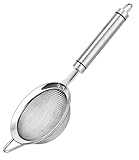
Once your steeped herbal tea finishes simmering, you must carefully separate the healing liquid from the spent plant matter. You need to strain the tea immediately to stop the extraction process and prevent the brew from becoming overly astringent. Using a fine mesh strainer will easily remove woody pieces, ensuring a smooth, splinter-free drinking experience. Most importantly, you must let tea cool slightly to protect your already inflamed throat tissues from scalding temperatures.
Tools Required
- Fine Mesh Strainer: To catch even the smallest woody splinters.
- Heat-Proof Ceramic Mug: Large enough to hold the finished liquid.
- Hot Pads: For safely handling the saucepan.
Straining Steps
- Remove the saucepan from the heat source carefully once the 20-minute simmer is complete.
- Place your fine mesh strainer directly over your ceramic mug.
- Pour the hot golden liquid slowly through the strainer, allowing the mesh to catch all the spent woody root pieces.
- Discard or compost the leftover yellow root pieces (they have been fully extracted and cannot be reused effectively).
- Allow the tea to sit and cool for 5 to 10 minutes.
Pro-Tip: Never drink scalding hot tea when you have a sore throat. Extreme heat will further inflame and irritate the delicate, already-damaged tissues in your throat. Let it cool to a warm, comforting temperature before proceeding.
4. Step 4: Flavor Enhancements to Balance Bitterness

Pin these brilliant flavor hacks to make bitter herbs taste amazing!
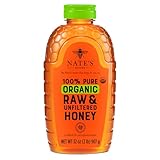
Yellow root is infamous for its incredibly harsh, puckering flavor profile. To transform this intense brew into a palatable herbal remedy, you must actively mask bitter taste notes. Incorporating high-quality raw local honey and fresh lemon juice does more than just fix the flavor. These specific additions create a synergistic effect, providing deep, coating relief to further soothe a scratchy throat alongside the medicinal berberine.
Flavor Ingredients Needed
- Raw, Unfiltered Honey: 1 to 2 tablespoons (crucial for coating the throat).
- Fresh Lemon Juice: 1/2 tablespoon (helps cut the intense bitterness).
- Fresh Ginger Slice (Optional): Adds warmth and anti-nausea properties.
- Pinch of Cinnamon (Optional): Enhances flavor profile.
Mixing Instructions
- Wait until the tea is warm, but no longer boiling hot, before adding your honey.
- Stir in 1 to 2 tablespoons of raw honey until completely dissolved.
- Squeeze the fresh lemon juice into the mug.
- Taste the tea carefully. Yellow root is incredibly astringent and bitter; do not be afraid to add more honey if you cannot tolerate the taste.
- Sip the tea slowly, allowing the warm liquid to wash over and coat the back of your sore throat.
Pro-Tip: Never add raw honey to boiling water. High heat destroys the natural enzymes and beneficial antibacterial properties present in raw honey that are vital for fighting off throat infections.
5. Step 5: Storage & Reheating for Later Use

Save this herbal storage hack to your Wellness Prep board!
When you feel terrible, making a fresh batch of medicine every few hours is exhausting. By making a larger batch, you can easily store leftover tea for your required daily dosage. You must refrigerate herbal decoction liquids quickly in proper mason jar storage to maintain their freshness. Learning how to safely reheat yellowroot ensures you do not degrade the active compounds when warming up your next serving.
Storage Supplies Needed
- Glass Mason Jar: 16 oz capacity with a tight-fitting, airtight lid.
- Funnel: To prevent spills when pouring from the mug or pot.
Storage & Reheating Steps
- Cool any leftover tea completely to room temperature before attempting to store it to prevent glass breakage or condensation buildup.
- Pour the cooled yellow root tea into your glass mason jar using the funnel.
- Seal the jar tightly with the lid.
- Refrigerate the tea immediately. An unpreserved herbal water decoction will stay fresh in the fridge for 2 to 3 days maximum.
- Reheat single servings as needed by pouring them into a saucepan and warming gently on the stove. Avoid microwaving if possible, as it heats unevenly.
Pro-Tip: If you feel a cold coming on, you can double or triple the ingredients in Step 1 and Step 2 to make a large batch. Keep it in the fridge and sip 1/2 cup portions warm throughout the day.

Key Takeaways: Your Quick Guide to Yellow Root Tea
When you are feeling under the weather, you likely just want the most vital facts quickly without reading complex procedures. This yellow root overview highlights the most important best practices from traditional medicine. Review these main takeaways to ensure your herbal preparation is safe, effective, and as palatable as possible.
Key Takeaways:
* Yellow Root Contains Berberine: The vibrant yellow color of the stems comes from berberine, a potent natural alkaloid known for its anti-inflammatory and antimicrobial properties that directly target throat bacteria.
* It Must Be Simmered, Not Stepped: Because the plant material is a tough, woody stem, you must create a decoction (simmering for 15-20 minutes) rather than a standard tea infusion to extract the medicine.
* The Taste is Intensely Bitter: Yellow root is famously astringent. You will almost certainly need to add raw honey and lemon to make the tea palatable enough to drink.
* Honey Soothes the Throat: Adding raw, unfiltered honey not only masks the bitter taste but physically coats the scratchy, inflamed tissues in your throat, providing immediate physical relief.
* Cool Before Drinking: Never consume scalding hot liquids when suffering from a sore throat, as extreme heat will further irritate the delicate mucosal lining.
* Store Safely in the Fridge: You can prepare batch decoctions of this recipe and store them in an airtight glass jar in the refrigerator for up to 3 days, reheating gently as needed.
FAQs About yellow root tea recipe
Before you begin brewing, it is completely normal to have lingering questions about yellow root. Many users want to know exactly how to make yellow root tea safely, or if yellow root is safe to consume regularly. These yellow root tea FAQs provide definitive answers to resolve common misunderstandings and guarantee your recipe’s success.
Is yellow root the same as goldenseal?
No, yellow root (Xanthorhiza simplicissima) and goldenseal (Hydrastis canadensis) are different botanical plants, though they share similar properties.
Both plants contain the alkaloid berberine, which gives them their signature bright yellow color and bitter taste. However, goldenseal is currently an at-risk, over-harvested species, making the much more abundant Appalachian yellow root a highly preferred, sustainable alternative for herbalists making sore throat remedies.
What does yellow root tea taste like?
Yellow root tea has an incredibly sharp, earthy, and intensely bitter taste that causes your mouth to pucker.
Because it is so high in astringent alkaloids, it is rarely consumed for pleasure. Most people find the straight decoction too harsh to drink on its own, which is why traditional recipes heavily rely on generous amounts of raw honey, lemon, or ginger to make the medicine go down easier.
How often can I drink yellow root tea for a sore throat?
For acute sore throat relief, adults typically drink 1/2 cup to 1 cup of warm yellow root tea up to three times a day.
It is generally recommended to only use this herbal remedy short-term (for a few days up to a week) while symptoms persist. Because berberine is highly potent, consuming large quantities over long periods can cause stomach upset or disrupt your natural gut flora.
Where can I buy authentic yellow root?
You can purchase dried, chopped yellow root from reputable online herbal apothecaries, specialized Etsy foragers, or local Appalachian farmers markets.
When buying, look for the botanical name Xanthorhiza simplicissima to ensure you aren’t accidentally buying an endangered substitute. The dried roots should look like small, woody twigs with a distinctly vibrant, mustard-yellow core.
Can I chew on raw yellow root instead of making tea?
Yes, traditional Appalachian folk medicine often involves chewing directly on a small piece of the raw or dried yellow root stick to numb a sore throat.
Chewing the root releases the bitter juices directly onto the affected tonsils and throat tissues. However, this method delivers an unfiltered blast of extreme bitterness that many modern users find overwhelming compared to a sweetened tea.
Is yellow root tea safe for children?
It is generally not recommended to give potent berberine-containing herbs like yellow root to small children or infants without consulting a pediatrician.
Furthermore, the recipe requires raw honey (which carries a botulism risk for babies under 1 year old) and the extreme bitterness usually causes children to reject the tea immediately. Stick to simple warm lemon water and honey for kids.
Can I make yellow root tea in a coffee maker?
No, a standard drip coffee maker does not expose the woody root to boiling water for a long enough period to extract the medicine.
Yellow root requires a 15 to 20-minute continuous simmer (a decoction) on the stovetop to break down the tough plant cell walls. Hot water simply passing over the roots for a few seconds will result in a weak, ineffective brew.
Does yellow root tea help with a cough?
While yellow root specifically targets throat inflammation and bacterial presence, the added raw honey in the recipe acts as an excellent natural cough suppressant.
The tea itself helps calm the tickle in the back of your throat that triggers dry coughing, while the warm liquid helps break up mucus congestion associated with head colds.
Why did my yellow root tea turn brown instead of yellow?
If your tea turns dark brown or black, you likely used a cast iron or aluminum pot, which reacts negatively with the herbal alkaloids.
Always use non-reactive cookware, such as stainless steel, glass, or ceramic enamel, when simmering herbal medicines. A proper yellow root decoction should yield a liquid that is vibrant golden-yellow to slightly green-yellow in hue.
Can I drink yellow root tea cold?
Yes, you can drink the tea cold, but warm liquids are vastly superior for soothing sore throat pain and breaking up congestion.
Warm liquids increase blood flow to the throat tissues, accelerating the healing process, and help the raw honey coat the throat more effectively. If you must drink it cold, use it more as a gargle than a beverage.
Final Thoughts on This Traditional Remedy
When that familiar, painful scratchiness settles into the back of your throat, turning to a traditional Appalachian remedy offers a powerful, natural line of defense. By understanding the science behind the yellow root tea conclusion—specifically the need to slowly simmer the woody roots to extract the golden berberine—you can create a potent home remedy that actually works. While there is no denying that the intense bitterness of Xanthorhiza simplicissima is an acquired taste, the natural sore throat relief it provides when properly balanced with raw honey and fresh lemon is well worth the effort.
By following these five easy steps, you ensure you aren’t just making a cup of hot water, but crafting a proper medicinal decoction that targets inflammation at its source. Keep a small jar of dried roots in your herbal pantry, and you will always be prepared at the first sign of a cold.
Have you ever tried traditional Appalachian yellow root before, or do you have your own secret ingredient for masking bitter herbal teas? Let me know your experience in the comments below!
Last update on 2026-08-27 / Affiliate links / Images from Amazon Product Advertising API
