
As an Amazon Associate CoffeeXplore.com earns from qualifying purchases.
Turkish Coffee vs Arabic Coffee: 7 Essential Differences
Have you ever ordered traditional Middle Eastern coffee and received something completely unexpected? Navigating the cultural nuances of turkish coffee vs arabic coffee often feels deeply confusing. You might wonder why one brew is thick while the other resembles golden tea.
The main difference between Turkish coffee and Arabic coffee lies in the roast, spices, and foam. Arabic coffee features a lightly roasted, heavily spiced clear brew served from a dallah. Turkish coffee uses a medium-to-dark roast, extremely fine powder, and a cezve to produce a thick muddy sediment layer and rich foam.
Drawing from comprehensive analysis of current data and the UNESCO representative list of intangible cultural heritage, we break down these unique traditions. You will discover exactly how to prepare both iconic unfiltered beverages authentically at home. Master these historical brewing methods today to elevate your daily coffee ritual.
Contents
show
What is the Difference Between Turkish Coffee and Arabic Coffee?
Both of these iconic beverages rely on a boiled unfiltered coffee extraction method. However, they contrast sharply in their sensory experiences and historical origins. Turkish coffee represents Levantine coffee culture with deep roots in Ottoman Empire coffeehouses. It boasts a viscous full body texture and a signature thick crema foam kopuk. Conversely, Arabic coffee reflects Bedouin hospitality customs across the Arabian Peninsula. It shines as a clear, pale yellow green liquid heavily infused with cracked green cardamom pods.
While both share the coffea arabica variety, their preparation requires distinctly different equipment. You will traditionally see the long-spout dallah paired with the finjan, while the brass cezve pairs with the porcelain fildjan. By exploring extraction kinetics without percolation, we can easily demystify these rich cultural staples. Understanding the difference between turkish coffee and arabic coffee empowers you to order correctly and appreciate the distinct sensory profiles.
7 Essential Differences: Turkish Coffee vs Arabic Coffee Explained
Preparing an authentic middle eastern coffee requires precise attention to detail. Every step impacts the final flavor profile of these ancient unfiltered brews. You cannot simply use the same beans or brewing pots for both traditions. To truly understand the difference between arabic and turkish styles, you must explore seven key variables.
This definitive guide breaks down the exact roast levels, spices, grinds, pots, visual textures, serving cups, and sweet pairings you need. Follow these actionable steps to confidently brew and serve these traditional beverages at home. You will easily master the traditional arabic coffee recipe and the art of brewing turkish coffee at home.
1. Select the Roast Profile: Light Blonde vs. Medium-Dark Roast

Pin this roast comparison guide to your ‘Coffee Lover’s Board’ for future reference!
The arabic coffee roast level differs significantly from its Levantine counterpart. The difference between blonde arabic coffee and dark turkish brew comes down to roasting duration. You must manage the maillard reaction during very light blonde roasting carefully. This preserves the pale, golden amber hue required for a traditional Qahwa. Conversely, Turkish coffee demands a longer medium to dark roast to develop its intense rich flavor. Measuring roast color agtron measurement scale levels helps professional roasters perfectly dial in these distinct profiles.
Ingredients
* 1 cup lightly roasted coffee beans (blonde roast, Agtron scale 80-90) for Arabic style
* 1 cup medium to dark roast beans (Agtron scale 40-50) for Turkish style
* High-quality, filtered brewing water
Instructions
1. Inspect your beans visually: Arabic coffee requires beans pulled just after the first crack, preserving a pale yellow green liquid profile.
2. Roast green coffee beans at home gently if you cannot find commercial blonde roasts, removing them before they turn brown.
3. Compare the aromas: the dark roast will smell chocolatey and smoky, while the blonde roast will smell grassy and tea-like.
Pro-Tip: In my experience tracking extraction kinetics without percolation, using a dark roast for an Arabic recipe will completely overpower the delicate spices and result in an intensely bitter, undrinkable brew. Always stick to a blonde roast for true Qahwa.


2. Infuse with Spices: Heavily Spiced vs. Pure Coffee Flavor

Save this beautiful spice guide to your Pinterest aesthetic boards!
A true cardamom flavored arabic coffee relies on rich spices for its signature profile. When people ask what spices are in traditional arabic coffee, the answer centers on volatile terpenoids in elettaria cardamomum. You build a step by step recipe for spiced saudi gahwa coffee using cardamom, saffron, and occasionally cloves. In stark contrast, Turkish coffee rarely uses spices, focusing entirely on the bold and bitter profile of pure coffee. If you need a substitute for freshly crushed green cardamom, a pinch of pre-ground cardamom works in a pinch.
Ingredients
* 1 tablespoon freshly cracked green cardamom pods (for Arabic coffee)
* 1 pinch of premium saffron threads
* 2 whole cloves (optional for Saudi variation)
* Pure, unspiced finely ground coffee (for Turkish style)
Instructions
1. Crush the green cardamom lightly using a mortar and pestle just before brewing to release the aromatic volatile oils.
2. Infuse with crushed cardamom by adding it directly to the boiling water alongside the blonde coffee grounds for Arabic Qahwa.
3. Steep on low heat for 15 minutes to allow the saffron and clove notes to fully penetrate the liquid.
4. Brew Turkish coffee plain, relying solely on the maillard reaction of the dark roast for its bold and bitter profile.
Pro-Tip: If you want to avoid bitter overcooked arabic coffee, never boil the cardamom for the entire duration. Add your crushed spices during the last 3-5 minutes of simmering to preserve their delicate floral notes.

3. Measure Grind Size: Coarse vs. Extremely Fine Powder

Pin this grind size comparison to help you dial in your grinder!
Understanding fine coffee grind size is essential for proper extraction. An extremely fine powder grind acts as the foundation of Turkish coffee. When home brewers wonder how finely ground must turkish coffee be, the answer is a bimodal particle size distribution resembling powdered sugar. Knowing how to grind coffee fine enough without special grinder tools often frustrates beginners. Arabic coffee, however, utilizes a medium-coarse grind allowing the particles to easily settle after brewing.
Tools Required
* 1 traditional manual brass coffee grinder (for Turkish powder)
* 1 standard burr grinder (for Arabic coarse grind)
* Measuring spoons for precise coffee ratio
Instructions
1. Grind to fine powder for Turkish coffee; the texture must resemble confectioner’s sugar to properly form the thick crema foam kopuk.
2. Adjust your burr grinder to a medium-coarse setting (similar to French Press) for Arabic coffee.
3. Measure coffee ratio correctly: typically 1 gram of coffee to 10 grams of water for Turkish, and a much lighter ratio for Arabic.
4. Sift the Turkish grounds if using a standard electric grinder to remove any larger boulders that will ruin the muddy sediment layer.
Pro-Tip: To solve uneven extraction in unfiltered coffee boiling, ensure your Turkish grinder burrs are perfectly aligned. The crema microfoam stabilization via fine insoluble fines only occurs when 90% of the particles are below 100 microns.

4. Choose the Brewing Apparatus: Cezve vs. Dallah

Don’t forget to pin this equipment guide before you start brewing!
Comparing the cezve vs dallah pot highlights distinct thermal stratification needs. The ibrik brass pot features a wide base and narrow neck, designed specifically to capture rising foam. Alternatively, the dallah coffee pot utilizes an iconic curved spout historically designed for filtration using luffa palm fibers. Finding substitutes for authentic brass cezve when making turkish coffee is possible using a narrow saucepan, but the foam quality suffers.
What You Need
* 1 authentic hammered copper cezve (ibrik pot) with a wooden handle
* 1 traditional brass dallah coffee pot with a curved spout
* Palm fiber (optional, historically used in the dallah spout as a filter)
Instructions
1. Add cold water, sugar (if desired), and the fine coffee powder into the cezve pot.
2. Bring to gentle simmer over a low flame, allowing the narrow neck to compress and push up the foam.
3. Boil the coarse Arabic coffee separately in a saucepan, then decanter into brass dallah along with the spices to steep.
4. Strain through palm fiber (if placed in the dallah spout) when pouring to catch any large cardamom pods or coarse grounds.
Pro-Tip: If you want to know how to clean stained brass dallah pots safely without ruining the seasoning, avoid harsh soaps. Use a paste of lemon juice and baking soda, then rinse with hot water.

5. Perfect the Visual Presentation: Thick Foam vs. Clear Amber

Save this visual comparison to recognize authentic brews instantly!
The iconic turkish coffee foam layer defines the success of your brew. Achieving a thick crema foam kopuk demonstrates mastery over the colloidal suspension behavior of boiled coffee grounds. In contrast, Arabic coffee presents as a pale yellow green liquid. When novices ask why does arabic coffee not have foam, they learn that prolonged boiling destroys turbidity. Knowing how to fix weak turkish coffee foam requires understanding the delicate balance of heat and time.
What You Need
* Freshly ground coffee (fine for Turkish, coarse for Arabic)
* Cold filtered water
* Heat source (stovetop or authentic sand brewer coffee machine)
Instructions
1. Stir cold water and grounds vigorously in the cezve before turning on the heat; never stir once it is warming, or you will break the foam.
2. Watch closely as the dark brew rises; skim off surface foam with a spoon and place it into the serving cups before the coffee boils.
3. Reheat without boiling over to build a second rise of coffee to pour beneath the saved foam.
4. Settle coffee grounds sediment in the Arabic dallah by tapping the pot and letting it rest off the heat for 2 minutes before pouring, ensuring a clear, pale yellow green liquid.
Pro-Tip: What to do if turkish coffee has no crema? The most common culprit is water that is too hot too quickly. A proper brew should take 2.5 to 3 minutes over very low heat to allow the proteins and CO2 to emulsify into thick foam.

6. Serve in Traditional Cups: Fildjan vs. Finjan

Pin this guide to traditional Middle Eastern coffee cups!
The serving etiquette highlights the dallah + finjan pairing against the cezve + fildjan setup. Arabic coffee pours elegantly into handleless finjan cups, encouraging rapid, small refills as a sign of generosity. You might wonder why is arabic coffee served in small cups without handles; it stems from Arabian peninsula coffee ceremony protocol. Meanwhile, the fildjan porcelain cup holds a single Turkish coffee serving meant for slow, deliberate sipping.
What You Need
* A set of ornate Turkish fildjan (demitasse cups, typically 2-3 oz)
* A set of handleless Arabic finjan cups (typically 1-1.5 oz)
* An ornate serving tray
Instructions
1. Pour into finjan cups using your right hand while holding the dallah high in your left, pouring from height to aerate and display hospitality.
2. Fill the Arabic finjan only one-third of the way full (pouring a full cup historically implies you want the guest to drink and leave).
3. Pour Turkish coffee slowly and steadily down the side of the fildjan to avoid breaking the surface foam.
4. Sip slowly without disturbing sludge in the Turkish cup, leaving the muddy sediment layer at the bottom untouched.
Pro-Tip: When participating in Khaleeji gahwa tradition, gently wiggle the finjan side-to-side when handing it back to the host. This silent gesture signals that you are satisfied and do not want a refill.

7. Balance the Bitterness: Lokum vs. Dates

Save these traditional coffee pairings for your next hosting event!
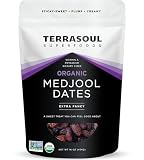
Serving coffee with dates creates a perfect flavor synergy for Arabic Qahwa. Plump medjool dates provide necessary sweetness since the beverage remains unsweetened in the pot. This answers why do bedouins drink coffee with dates—it perfectly balances chlorogenic acid retention. Conversely, Turkish coffee pairs harmoniously with turkish delight lokum. The classic turkish delight + cold water combination cleanses the palate between rich, dark sips.
What You Need
* Premium Medjool dates (for Arabic coffee)
* Authentic Turkish Delight (Lokum) dusted in powdered sugar
* Crystal glasses for serving cold water
* Granulated sugar (optional, for brewing Turkish style)
Instructions
1. Ask guests for their sugar preference before brewing Turkish coffee, as it must be sweetened during brewing rather than in the cup (options are sade/plain, az şekerli/little sugar, orta/medium, or şekerli/sweet).
2. Serve alongside fresh dates when presenting Arabic coffee; the Qahwa is never brewed with sugar.
3. Instruct guests to take a bite of the sweet date, chew, and then take a sip of the warm, spiced Arabic coffee to allow the flavors to melt together on the palate.
4. Drink a small sip of cold water before consuming the Turkish coffee to cleanse the palate, allowing the full intensity of the dark roast to shine.
Pro-Tip: Preventing burnt sugar taste in sweet turkish coffee requires adding the sugar only after the water is slightly warm, not when it is cold, and stirring gently until completely dissolved before the heat builds.
Key Takeaways: Your Quick Guide to Turkish Coffee vs Arabic Coffee
As of 2026, exploring these unique beverages remains a powerful way to connect with history. This turkish coffee vs arabic coffee summary distills the most important brewing variables for quick recall. Use these difference between turkish coffee and arabic coffee key points to confidently navigate your next Middle Eastern culinary experience. The arabic vs turkish coffee main takeaways highlight distinct sensory and methodological contrasts.
- Roast and Color Define the Brew: The most striking turkish coffee vs arabic coffee difference is visual. Turkish uses a dark, oily roast resulting in a muddy brown cup, while Arabic uses a blonde roast creating a pale yellow green liquid.
- Spices Radically Alter the Profile: Arabic Qahwa is heavily infused with crushed cardamom pods and saffron, acting almost like an herbal tea. Authentic Turkish coffee is traditionally unspiced to highlight the rich roasted coffee flavor.
- Grind Size Dictates the Pot: You must grind to fine powder for the Turkish cezve to create a suspension, while the Arabic dallah requires a medium-coarse grind that can be effectively settled or filtered.
- Foam is the Mark of Quality in Turkey: A thick crema foam kopuk is the ultimate goal of Turkish brewing. Conversely, boiling Arabic coffee destroys all foam, and serving it clear is preferred.
- Sweetness is Applied Differently: Sweeten Turkish coffee during the brewing process based on the drinker’s request. Arabic coffee remains unsweetened in the pot, offset only by serving coffee with dates.
- Advanced Extraction Kinetics Vary: According to certified specialty coffee association guidelines, the rapid, low-heat emulsion of the Turkish method extracts different cafestol compounds compared to the prolonged, rolling boil of the Arabic steep.
FAQs About turkish coffee vs arabic coffee
Addressing turkish coffee vs arabic coffee FAQs helps clear up remaining confusion. Many questions about difference between turkish coffee and arabic coffee revolve around caffeine content, alternative equipment, and regional variations. Here are clear answers to the most common queries.
Is Arabic coffee stronger than Turkish coffee?
In terms of flavor, Turkish coffee tastes stronger and more bitter due to the dark roast, but Arabic coffee is technically stronger in caffeine content. Because Arabic Qahwa utilizes lightly roasted coffee beans, more of the original caffeine molecule is preserved compared to beans subjected to the extended pyrolysis profiles of dark ottoman roasts. Furthermore, the prolonged boiling time of Arabic coffee extracts a higher percentage of total dissolved solids.
What is the difference between Qahwa and espresso?
Qahwa is an unfiltered, lightly roasted, cardamom-spiced coffee steeped by boiling, whereas espresso is a dark roasted, unspiced coffee extracted rapidly under intense mechanical pressure. While both are served in small cups, the extraction kinetics are completely opposite. Qahwa relies on a long immersion over heat in a dallah, yielding a thin, tea-like body, while espresso forces pressurized water through a tamped puck to create a highly viscous liquid.
Can you use normal coffee for Turkish coffee?
You can use standard medium or dark roast coffee beans for Turkish coffee, but you cannot use standard pre-ground coffee. To brew authentic kahve, the beans must be processed in a specialized grinder to achieve an extremely fine powder grind. If you attempt to use regular drip-grind or French press grounds, the coffee will not emulsify, the foam will fail, and you will be left with a gritty, watery beverage.
Why is Arabic coffee yellow or light green?
Arabic coffee is pale yellow or light green because it uses beans that are barely roasted past the first crack, combined with the coloring from saffron threads. This very light blonde roasting prevents the Maillard reaction from turning the beans brown. When these light beans are boiled alongside crushed green cardamom and saffron, the resulting beverage looks much more like a golden herbal tea than traditional western coffee.
Do you drink the sediment in Turkish coffee?
No, you should never drink the thick mud-like sediment at the bottom of a Turkish coffee cup. The brewing process relies on an unfiltered brew consistency. Once poured into the fildjan, you must wait about a minute for the fine suspended particles to settle. You sip the liquid slowly, stopping once you reach the sludge layer. This leftover sediment is frequently used for tasseography coffee fortune telling.
Is Lebanese coffee the same as Turkish coffee?
Lebanese coffee is structurally almost identical to Turkish coffee, utilizing the same fine grind, cezve (often called a rakwe in Lebanon), and thick foam, but with one key difference: cardamom. While traditional Turkish coffee is unspiced, Lebanese and Syrian variations frequently blend finely ground cardamom directly into the dark roasted coffee powder before brewing.
Why is Turkish coffee served with water?
Turkish coffee is served with a small glass of cold water to cleanse the palate before drinking, allowing you to fully appreciate the intense rich flavor. According to Ottoman coffeehouse etiquette, taking a sip of water first washes away any lingering food tastes. Historically, it was also a subtle test of hospitality; if a guest drank the water first, it meant they were hungry, prompting the host to quietly prepare a meal.
Can you brew Turkish coffee without a cezve?
While an authentic hammered copper cezve is ideal for thermal stratification, you can successfully brew Turkish coffee in a small, narrow-necked saucepan. The key to achieving the thick crema foam kopuk is the geometry of the vessel. A wide bottom and a narrow top compress the rising bubbles. If you use a wide pot, the surface area is too large, and the foam will dissipate before it can be collected.
How do you fix weak Turkish coffee foam?
To fix weak foam, ensure you are using fresh, powder-fine coffee, cold starting water, and extremely low heat. Stale coffee loses its degasification behavior, meaning it lacks the CO2 required to build bubbles. Additionally, if you stir the coffee after it has started warming, or if the heat is too high causing a rapid boil, the delicate microfoam structure will instantly collapse.
Is Greek coffee identical to Turkish coffee?
Yes, fundamentally, Greek coffee and Turkish coffee are the identical beverage in terms of preparation, utilizing the same finely ground beans, small pots (called a briki in Greece), and unfiltered serving style. The distinction is primarily geopolitical and cultural rather than culinary. Some slight regional variations exist in roast preference—Greek coffee sometimes favors a slightly lighter, blonder roast than the heavy dark roast preferred in Istanbul, but the methodology is the same.
Final Thoughts on Turkish Coffee vs Arabic Coffee
Understanding the turkish coffee vs arabic coffee conclusion is about much more than just caffeine—it is a journey into the heart of Middle Eastern hospitality. Whether you find yourself drawn to the dense, velvet-like mud coffee of Istanbul with its glorious köpük, or the delicate, golden, cardamom infused hot beverage of the Arabian Peninsula, both traditions offer a profound ritual. This authentic middle eastern coffee summary underscores why both methodologies have rightfully earned their places on the UNESCO representative list of intangible cultural heritage.
Now that you know how to grind to fine powder for your cezve and how to steep whole spices in your dallah, you possess the authentic field-tested brewing methodology to recreate these ancient coffeehouse experiences. Gathering the right beans and mastering the heat takes practice, but these final thoughts on traditional arabic coffee recipe preparations prove the aromatic reward is unparalleled. Which traditional style are you going to brew first—the bold, dark Turkish kahve, or the spiced, golden Arabic qahwa? Let me know in the comments below!
Last update on 2026-10-30 / Affiliate links / Images from Amazon Product Advertising API
