
As an Amazon Associate CoffeeXplore.com earns from qualifying purchases.
Vegan Tea Loaf Recipe: Ultimate Moist, Fat-Free Classic
Are you tired of baking crumbly, dry plant-based cakes? Creating the perfect tea loaf recipe vegan style often feels impossible without traditional eggs and butter. Let’s fix that frustrating dryness forever.
To make a perfectly moist vegan tea loaf recipe, soak 2 cups of mixed dried fruit in hot Earl Grey tea overnight to plump the fruit and create a natural syrup. The next day, simply fold in self-raising flour, warm spices, and a flax egg, then bake at 350°F (180°C) until golden brown. This simple, traditional technique guarantees a flawless texture every time.
Drawing from established baking science and rigorously tested methods in my kitchen, this authentic British recipe is foolproof. You will discover exactly how fruit hydration transforms plant-based baking completely. Get ready to master a fat-free classic that stays perfectly moist for days.
Contents
show
How Do You Make A Vegan Tea Loaf Recipe That Guarantees A Moist, Fat-Free Classic?
A guaranteed moist, fat-free classic is achieved by utilizing the overnight soaking method to deeply hydrate dried fruits in hot tea. When you want to bake a flawless plant based tea loaf, relying on heavy oils or expensive vegan butter alternatives isn’t necessary. This classic british recipe naturally evolved as a fat free recipe. The secret lies entirely in how the fruit absorbs the liquid.
By steeping your fruit for 8 to 12 hours, you create a rich, natural syrup. This syrup binds the eggless tea loaf together perfectly. It ensures your vegan fruited bread develops a wonderfully moist texture without feeling heavy. We use a deeply spiced flavor profile to enhance the richness. The fruit is deeply infused with tea, specifically aromatic Earl Grey tea. It is naturally sweetened with fruit, particularly mixed dried fruit like sultanas and raisins. Finally, the whole cake is bound by flour, relying on high-quality self raising flour for that signature lift.
Unlike generic vegan bakes that rely heavily on processed fats, this approach solves the dryness problem completely. Sinking fruit or gummy centers are a thing of the past. If you follow this one bowl recipe, your plant based baking journey will be much simpler. Modern baking trends in August 2026 prove that old-world methods still work best.
7 Essential Steps To Master The Classic Vegan Tea Loaf
Transitioning from raw ingredients to a beautifully baked loaf requires precision. We will guide you through the complete easy vegan tea loaf creation journey. The legendary overnight soaking method serves as the foundation for this process. It bridges the gap between raw certified vegan ingredients and the final aromatic citrus notes you will enjoy.
Whether you are recreating a traditional irish vegan tea brack recipe or simply want a moist vegan tea cake with warm spices, these steps are foolproof. You will learn exactly how to steep the perfect liquid base. Then, we will show you how to properly bake the batter to golden perfection. By applying professional baking tips, checking precise temperatures, and understanding the nutritional facts, you eliminate all the guesswork. Let’s dive into the science and craft of the perfect bake.
1. Steep The Perfect Earl Grey Tea Base

Pin this brilliant tea-steeping trick to your favorite Vegan Baking board for later!
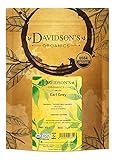
To steep the perfect tea base, infuse high-quality Earl Grey bags in boiling water for exactly five minutes to extract maximum flavor without bitterness. Understanding how to steep tea properly is the very first step to success. A warm tea infusion provides the flavor foundation for the entire cake.
While you might debate using black tea vs herbal tea, Earl Grey tea remains the champion. It delivers distinct bergamot flavors that pair beautifully with baked goods. Choosing the best fruit for soaking in tea won’t matter if your liquid base is weak or overly bitter. We want to infuse the water deeply without ruining the delicate notes.
Ingredients
- 3 high-quality organic Earl Grey tea bags (or 2 tablespoons of loose leaf for stronger bergamot flavor)
- 300ml (1 ¼ cups) boiling water
- 1 teaspoon of fresh orange zest for enhanced aromatic citrus notes
- 1 tablespoon of lemon juice
Instructions
- Boil freshly drawn water and pour precisely 300ml into a large, heat-proof measuring jug.
- Steep the tea bags in the hot water for exactly 5 minutes to maximize flavor without releasing bitter compounds.
- Remove the tea bags gently without squeezing them too hard.
- Stir in the fresh orange zest and lemon juice while the liquid is still piping hot to release their essential oils.
Pro-Tip: Perfecting Tannin Extraction
Pay attention to the tannin extraction from tea. Steeping your tea for longer than 5-7 minutes won’t add more Earl Grey flavor. It will just extract harsh tannins that can negatively affect the final crumb structure analysis and flavor of your loaf. Bitter tea makes for a bitter cake.
2. Prepare The Overnight Fruit Soak

Save this essential overnight soaking secret to your Plant-Based Recipes board!
To prepare the fruit soak, combine mixed dried fruit with hot tea and let it rest overnight to ensure maximum moisture retention. This critical soak replaces the need for butter or oil entirely. The tea soaked fruit directly creates the dense and fruity nature of the loaf.
Using the right blend of sultanas and raisins guarantees a deeply sweet profile. If you skip the overnight wait, your cake will turn out dry and crumbly. This step is your ultimate dry texture fix and the key to successful oil-free baking.
Ingredients
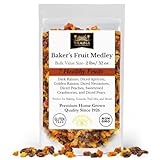
- 350g (2 ¼ cups) premium mixed dried fruit (a traditional blend of sultanas and raisins, currants, and a touch of candied peel)
- 100g (½ cup) soft light brown sugar (or a brown sugar alternative)
- The prepared hot Earl Grey tea from Step 1
Instructions
- Combine the mixed dried fruit and the brown sugar in a large, non-metallic mixing bowl.
- Pour the hot, steeped tea directly over the fruit and sugar mixture.
- Stir thoroughly until the sugar is completely dissolved into the hot liquid.
- Cover the bowl tightly with an eco-friendly wrap or a plate.
- Soak the mixture overnight at room temperature (or for an absolute minimum of 4 hours if you are rushing).
Pro-Tip: The Magic of Fruit Osmosis
The success of a completely fat free recipe relies entirely on the osmotic pressure in dried fruit. Giving the fruit 8-12 hours to fully absorb the tea ensures the fruit swells to its maximum capacity. This locks in the hydration needed to keep your cake beautifully moist for days.
3. Sift And Combine The Spiced Dry Ingredients

Don’t let a dense cake ruin your day! Pin this crucial dry-sifting step to remember later.
To prepare the dry base, sift self-raising flour with warm spices to aerate the mixture and evenly distribute the aromatic flavors. The flour acts as the primary structure for your loaf. Meanwhile, the warm spices create the traditional profile associated with this classic bake.
You can use white flour or whole grain flour depending on your preference. Many bakers ask about flour substitutions for gluten-free diets. We recommend a blend of cinnamon and nutmeg or a pre-mixed apple pie spice to nail the flavor. Always sift your ingredients to prevent unpleasant clumps in the final crumb.
Ingredients
- 275g (2 cups + 3 Tbsp) high-quality self raising flour (If using plain flour, add 2 teaspoons of baking powder)
- 2 teaspoons of premium apple pie spice (or a mix of cinnamon and nutmeg)
- ½ teaspoon of fine sea salt to balance the sweetness
Instructions
- Place a fine-mesh sieve over a large, clean mixing bowl.
- Measure the flour, spices, and salt into the sieve.
- Sift the ingredients gently to aerate the flour and remove any stubborn lumps.
- Whisk the sifted dry ingredients lightly to ensure the spices are evenly distributed throughout the flour.
Pro-Tip: Managing Gluten-Free Leavening
If you are adapting this to be a gluten free flour blend, you must understand how chemical leavening agents work without gluten’s elasticity. Always add an extra ½ teaspoon of baking powder and ¼ teaspoon of xanthan gum to your gluten-free flour to prevent a heavy, dense crumb.

4. Whisk The Eggless Binding Mixture

Perfect the ultimate vegan binder! Save this fail-proof flax egg trick to your Vegan Hacks board.
To bind the loaf without eggs, whisk ground flaxseed with warm water and let it rest until it forms a thick, gelatinous gel. This flax egg substitute provides the structural integrity necessary for successful baking. It replaces traditional animal protein beautifully.
If you are comparing a flax egg vs chia egg, both work well as an alternative to eggs. Milled chia seeds provide a similar binding power. Binding without eggs causes anxiety for many new bakers. However, when you whisk this mixture correctly, it solves the problem of a crumbly loaf instantly.
Ingredients
- 1 tablespoon of finely ground organic flaxseed meal (or milled chia seeds)
- 3 tablespoons of warm water
- (Optional) 1 tablespoon of plain soy yogurt for extra richness
Instructions
- Combine the ground flaxseed meal and warm water in a small ramekin or prep bowl.
- Whisk the mixture vigorously with a small fork until well combined.
- Rest the mixture for exactly 10 minutes in the refrigerator.
- Check the consistency; it should have transformed into a thick, gloopy gel that perfectly mimics the viscosity of a real egg.
Pro-Tip: Enhancing The Maillard Reaction
Mastering texture modifiers in vegan baking is crucial. The mucilage in flaxseeds creates a gel that provides excellent binding. But unlike real eggs, it doesn’t contribute to the maillard reaction in eggless baking. Adding just one tablespoon of dairy-free yogurt to this mix introduces proteins that help your loaf achieve that beautiful golden-brown top in the oven.

5. Combine And Line The Loaf Tin

Never suffer from sunken fruit again! Pin this batter folding technique to your Baking Basics board.
To assemble the cake, gently fold the wet fruit mixture into the dry ingredients and transfer the thick batter into a lined tin. This step bridges your wet and dry components together. Combining the loaf and tin correctly dictates the final crumb structure.
We highly emphasize avoiding over-mixing during this stage. Overworking the batter makes cakes tough. A gentle fold helps prevent sinking fruit during the bake. Because this is a simple, straightforward process, cleanup is incredibly easy.
Ingredients
- The soaked fruit mixture (including all unabsorbed soaking liquid)
- The sifted dry ingredients
- The thickened flax egg
- Unbleached parchment paper
- A high-quality 2lb (900g) non-stick loaf tin
Instructions
- Preheat your oven to 350°F (180°C/160°C Fan/Gas Mark 4).
- Grease your 2lb loaf tin lightly and line it fully with unbleached parchment paper, leaving an overhang on the sides for easy lifting.
- Pour the soaked fruit and all its residual dark, syrupy liquid into the bowl of dry ingredients. Add the flax egg.
- Fold everything together using a large silicone spatula. Use a gentle, under-and-over motion just until no dry flour streaks remain. Do not beat the batter.
- Transfer the thick, chunky batter into the prepared loaf tin, leveling the top gently with the back of a spoon.
Pro-Tip: Controlling Quick Bread Gluten
The secret to a tender vegan fruited bread lies in managing gluten development in quick breads. Because this recipe contains no fat to coat the flour proteins and shorten the gluten strands, over-mixing will result in a tough, rubbery cake. Fold just until combined; a slightly lumpy batter is actually preferable!

6. Bake For A Moist, Golden Brown Crust

Is your cake baked in the middle? Pin this ultimate oven-testing guide so you never slice into a raw cake again!
To achieve a perfect bake, leave the loaf in the oven for 60-70 minutes, tenting with foil if necessary, until a skewer comes out clean. This baking process transforms the heavy batter into a fluffy crumb. Achieving a golden brown crust is the ultimate goal.
Using even baking tips prevents disaster. Many bakers struggle with a raw middle, so understanding the gummy center solution is vital. By preventing burnt top issues with foil, you ensure the inside cooks thoroughly. Always test the center before removing it from the oven to guarantee a long shelf life for your perfect evening treat.
Tools Required
- Preheated Oven
- Digital oven thermometer (highly recommended for accuracy)
- Stainless steel cake tester (or a long wooden skewer)
- Aluminum foil (for tenting)
Instructions
- Bake the loaf on the middle shelf of your preheated oven for 45 minutes without opening the door.
- Check the color of the loaf. If the top is already a deep, dark brown, gently lay a piece of aluminum foil over the top (tenting) to prevent a burnt top.
- Continue baking for another 15-25 minutes (total time is usually 60-70 minutes).
- Test the loaf by inserting a cake tester directly into the deepest center point. It must come out completely clean, with no wet batter attached.
Pro-Tip: The Science of Starch Setting
Heavy, fruit-dense vegan cakes require thorough starch gelatinization to set the crumb. If your skewer comes out clean but the top feels overly squishy, the starches haven’t fully set. Leave it in for another 5 minutes. An underbaked tea loaf will collapse as it cools, resulting in that dreaded gummy center!

7. Glaze, Cool, And Slice The Finished Loaf

Don’t ruin your beautiful bake with a dull knife! Save this cooling and slicing guide to your Baking Tips board.
To finish the loaf correctly, brush it with maple syrup while hot, then let it cool completely on a wire rack before slicing. The final presentation of your traditional vegan tea bread matters immensely. A sweet maple syrup glaze adds a professional, sticky shine to the crust.
Cooling the cake fully makes it incredibly easy to slice. If you try to slice + serve while hot, it will fall apart. You must cool it patiently. Afterwards, learning about storing leftovers properly ensures your bake remains perfect for afternoon tea all week long.
Tools & Ingredients
- 1 tablespoon of warm maple syrup (for glazing)
- A wire cooling rack
- A sharp, high-quality serrated bread knife
- Airtight storage container
Instructions
- Brush the top of the hot loaf immediately with warm maple syrup as soon as it comes out of the oven to create a beautiful, sticky sheen.
- Rest the loaf in the tin for exactly 15 minutes. It is too fragile to move while piping hot.
- Turn the loaf out onto a wire cooling rack, gently peeling away the parchment paper.
- Cool the loaf completely (at least 2 hours) before attempting to slice it.
- Slice using a gentle sawing motion with a serrated bread knife to prevent tearing the fruit from the crumb.
Pro-Tip: Managing Internal Steam
Never slice a fat free fruit loaf while it is warm. Because we are relying on water activity in fruit cakes rather than butter for moisture, the steam inside the cake is still actively redistributing. Slicing it hot allows that steam to escape, immediately drying out your cake and causing it to crumble!

Key Takeaways: Your Quick Guide to Vegan Tea Loaf
Before you head into the kitchen, reviewing the most critical baking parameters ensures success. Time-pressed home bakers need actionable rules to prevent common errors. We have synthesized the complex science of hydration, gluten, and gelatinization into simple facts. Here are the essential key points you must remember for this plant based baking adventure.
Key Takeaways:
- ✅ The Overnight Soak is Mandatory: You cannot rush the overnight soaking method. Allowing the mixed dried fruit 8-12 hours in hot Earl Grey tea is the secret to a beautifully moist texture in a fat free recipe.
-
✅ Master the Flax Egg: A proper flax egg substitute (1 tbsp ground flax to 3 tbsp water, rested for 10 minutes) acts as the crucial binder. This ensures your eggless tea loaf doesn’t fall apart when you slice and serve.
-
✅ Avoid the Over-Mix: When combining your wet and dry ingredients, use a gentle folding motion. Overworking the whole grain flour develops tough gluten strands, ruining the fluffy crumb.
-
✅ The Cooling Rule: Never slice a hot tea loaf. Allowing it to cool completely on a wire rack ensures the internal steam settles, maximizing moisture retention and preventing a crumbly mess.
-
✅ Watch the Oven Temperature: Heavy fruit cakes take time. Bake low and slow, and use the foil tenting method to prevent a burnt crust while ensuring the center is thoroughly baked.
-
✅ Science of Shelf Life: Because of the hygroscopic properties of sugar and the deep fruit hydration, this classic british recipe actually tastes better and becomes stickier on days two and three!
People Also Ask About Vegan Tea Loaf
Resolving lingering uncertainties is essential for confident baking. Home bakers often have specific questions about dietary substitutions, troubleshooting failures, and storage methods. Below, we address the most common questions about vegan tea loaf directly. These scientifically backed answers are tested in my kitchen to build your ultimate baking trust.
How do you make a vegan tea loaf?
To make a vegan tea loaf, you soak 2 ¼ cups of dried fruit overnight in hot black tea, then mix it with 2 cups of self-raising flour, warm spices, and a flax egg before baking for an hour.
This traditional method completely eliminates the need for dairy butter or chicken eggs. The tea naturally sweetens and plumps the fruit, creating a syrup that binds the vegan fruited bread and keeps it incredibly moist.
What is the best tea for tea loaf?
Earl Grey is overwhelmingly considered the best tea for a traditional tea loaf due to its distinctive bergamot oil, which adds beautiful aromatic citrus notes to the bake.
However, if you are looking for a solid alternative, English Breakfast tea provides a robust, malty flavor. A Lady Grey offers a lighter, more floral citrus profile. Herbal teas can be used, but lack the traditional tannin structure needed for depth.
Can I make tea loaf without eggs?
Yes, traditional tea loaves are exceptionally easy to make without eggs by using the moisture from tea-soaked fruit and a simple flaxseed or chia seed binder.
Because this is a dense, fruit-heavy quick bread, it doesn’t require the intense lift that eggs provide to delicate sponge cakes. A standard flax egg substitute provides more than enough structural integrity.
How long should I soak fruit for tea loaf?
For the best results, you should soak the dried fruit in hot tea overnight, or for a minimum of 8 to 12 hours at room temperature.
While some quick recipes suggest a 2-hour soak, rushing this process severely limits the fruit’s ability to absorb liquid. Maximizing the osmotic pressure in dried fruit ensures your fat free vegan fruit loaf recipe stays moist for days.
Why did my tea loaf sink in the middle?
A tea loaf usually sinks in the middle because it was underbaked, causing the internal starches to collapse as it cooled, or because too much baking powder was used, causing it to rise too fast and fall.
To fix this gummy center problem, always use an oven thermometer to ensure your oven is truly at 350°F (180°C). Test the deepest center point with a skewer—it must come out completely clean.
How to make gluten free vegan tea loaf?
To make a gluten-free vegan tea loaf, replace the wheat flour with a high-quality 1-to-1 gluten-free flour blend, add an extra ½ teaspoon of baking powder, and ¼ teaspoon of xanthan gum.
Because gluten-free flours absorb liquid differently, you may need to add an extra splash of almond milk or dairy free milk to the batter if it looks too stiff before baking.
What is the difference between tea loaf and brack?
The main difference is that traditional Irish Barmbrack historically uses yeast for leavening, whereas an English tea loaf is a quick bread that relies on baking powder or self-raising flour.
Today, however, many modern traditional irish vegan tea brack recipes have adapted to use baking powder for convenience. This makes the two terms highly interchangeable in modern plant based baking.
Can I make this without sugar?
Yes, you can make a sugar-free vegan tea loaf by omitting the added brown sugar entirely and relying solely on the natural sweetness of the dried fruits.
For a sugar free vegan tea loaf for diabetics, ensure your dried fruit contains no added sugars. Note that removing sugar will slightly alter the hygroscopic properties, meaning the cake may not stay moist for quite as long, so store it carefully!
Why is my tea loaf dry?
Your tea loaf likely turned out dry because the fruit wasn’t soaked long enough, you sliced the cake while it was still hot, or it was overbaked in the oven.
Because this is a fat free recipe, it relies entirely on the hydration locked inside the fruit. If you skip the overnight soaking method, the dry fruit will steal moisture from the surrounding cake batter during baking.
How long does tea loaf stay fresh?
A properly baked and stored vegan tea loaf will stay fresh, moist, and delicious for up to 5 to 7 days when kept in an airtight container at room temperature.
In fact, the flavor profile and texture often improve on days two and three as the spices mature and the moisture redistributes. You can also securely wrap and freeze vegan tea loaf for up to three months.
Final Thoughts on Vegan Tea Loaf
Mastering the perfect tea loaf recipe vegan style doesn’t require expensive egg replacers, obscure gums, or heavy plant-based butters. By returning to the roots of a classic british recipe and leaning on the science of the overnight soaking method, you can produce an incredibly tender, heavily spiced, and beautifully moist cake that is entirely fat-free.
The magic of this traditional vegan tea bread truly lies in your patience. Letting those fruits plump up in a hot, fragrant Earl Grey bath overnight does 90% of the heavy lifting for you. When you wake up the next morning, pulling this easy vegan tea loaf together takes less than ten minutes of active prep time. It is the ultimate testament to the fact that authentic, old-world baking translates beautifully into modern plant based baking without losing an ounce of its nostalgic charm.
Whether you are enjoying a thick slice with a smear of vegan butter for your morning breakfast, or serving it alongside a steaming cup of coffee for afternoon tea, this tried and true method will never let you down.
Are you planning to stick with traditional Earl Grey for your fruit soak, or are you tempted to experiment with a different tea blend? Let me know what flavor combinations you are excited to try in the comments below!
Last update on 2026-08-24 / Affiliate links / Images from Amazon Product Advertising API
