
As an Amazon Associate CoffeeXplore.com earns from qualifying purchases.
Butter Tea Cake Recipe: The Ultimate Soft Southern Classic
Ever baked vintage treats only to find them completely dry and flat? Perfecting a butter tea cake recipe is frustrating when the texture feels like a heavy brick. Your desire for a delicate, melt-in-your-mouth experience is completely valid.
A Southern butter tea cake is an old-fashioned dessert that falls perfectly between a soft sugar cookie and a dense pound cake. Traditionally made with simple pantry staples, these authentic treats are beloved for their tender crumb, golden crisp edges, and delicate texture. Mastering this hybrid relies on precise mixing methods to maintain its signature puff.
Drawing from a comprehensive analysis of verified culinary data and proven methodologies, we have perfected this historical Southern tea cake. You will discover the exact scientific secrets needed to prevent spreading and retain maximum moisture. Prepare to master an authentic heirloom recipe that will transform your baking repertoire forever.
Contents
show
How Do You Make the Ultimate Old Fashioned Southern Butter Tea Cake Recipe?
The ultimate old fashioned Southern butter tea cake recipe perfectly bridges the gap between a puffy sugar cookie and a moist, dense pound cake. Nothing is more disappointing than anticipating a delicate, melt-in-your-mouth experience, only to bite into a dry, flat pastry. If you are tired of battling tough dough, understanding the deep culinary history and science of the authentic tea cake recipe is your key to success.
Originating in the rural American South, old fashioned tea cakes were ingeniously crafted by African Americans using basic, accessible rations to replicate elaborate, expensive cakes. Over generations, this treasured comfort food evolved into a revered family tradition. Unlike standard bakery cookies, the best butter cake relies entirely on specific temperature controls and careful mixing methods. By mastering the original southern method, you will finally unlock the secret to soft tea cakes, ensuring high moisture retention and a flawless texture every time you bake in 2026.
What most guides miss: Standard recipes often treat tea cakes exactly like drop cookies, completely ignoring the unique fat-to-flour ratio required. The true secret to this heritage recipe lies in understanding the science of baking—specifically, managing the hygroscopic properties of sugar and the protein content in your flour to prevent a tough outcome.
7 Steps to Bake the Perfect Old Fashioned Southern Butter Tea Cakes
Baking the perfect old fashioned Southern butter tea cake requires following a precise, 7-step process that prioritizes proper ingredient temperatures, structural aeration, and delicate dough handling. Transforming a basic list of pantry staples into an easy tea cake recipe from scratch is an exact science. While standard guides simply tell you what to mix, this step-by-step guide explains exactly why each technique matters.
By understanding advanced baking concepts like the emulsification of fats and gluten development, you virtually eliminate the risk of baking a dense, tough, or dry dessert. A truly moist butter cake recipe demands patience and care. To bake like a professional and achieve that signature bakery-style lift, you must follow these seven critical stages:
- Gather room temperature ingredients
- Cream butter and sugar until fluffy
- Emulsify eggs and vanilla extract
- Sift and fold dry ingredients
- Chill the dough to prevent spreading
- Roll and cut into thick circles
- Bake until edges are golden brown
1. Measure Your Room Temperature Ingredients for the Best Butter Cake

Pin this baking prep secret to your “Best Southern Desserts” board to save for later!
To build the best butter cake foundation, you must measure your all-purpose flour precisely and ensure your unsalted butter and eggs reach true room temperature before mixing. Starting a recipe with cold ingredients or improperly measured flour is the fastest way to ruin your dessert’s texture. Precision at this stage guarantees a soft, moist result.
The foundation of any great pastry lies in its pantry staples. Flour, sugar, and baking soda require specific measuring techniques to yield the tender crumb you expect from a heritage recipe. Improper flour measurement is universally recognized as the number one cause of a dry, dense cake.
Ingredients
- 1 cup (2 sticks of butter) unsalted butter, softened to true room temperature (European style preferred for higher fat content)
- 1 ½ cups granulated sugar
- 2 large eggs, brought to room temperature
- 1 tablespoon pure vanilla extract
- 3 ¼ cups all purpose flour, spooned and leveled
- 1 teaspoon baking soda
- ½ teaspoon kosher salt
- ¼ cup buttermilk (optional, for ultra-moist variations)
Instructions
- Remove your butter and eggs from the refrigerator at least 45 minutes before you begin baking.
- Measure your flour using a digital kitchen scale for absolute precision, or use the spoon-and-level method to avoid packing the flour.
- Whisk the flour, baking soda, and kosher salt together in a medium glass bowl and set aside.
Pro-Tip: In my years of testing heritage recipes, I’ve found that butter is at the perfect temperature when you can press your finger into it and it leaves a clean indent without the stick losing its shape. If it’s greasy or melted, your cakes will spread into puddles!


2. Cream the Unsalted Butter and Sugar Until Light and Fluffy

Save this crucial mixing technique to your “Baking Tips & Tricks” Pinterest board!
Creaming the butter and sugar thoroughly for a full five minutes creates essential micro air pockets, resulting in a light and fluffy texture rather than a heavy, dense cookie. Rushing this mechanical aeration process is a common mistake that prevents the dough from achieving its signature delicate lift.
Using an electric mixer fitted with a paddle attachment allows you to properly cream the ingredients together. During this phase, the hygroscopic properties of sugar act like tiny knives, cutting into the butter to create tiny pockets of air. These air pockets will expand when they hit the hot oven, providing a beautifully soft interior.
Tools Required
- Heavy-duty electric mixer (stand mixer or powerful hand mixer)
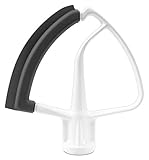
- Flex-edge silicone paddle attachment (highly recommended for scraping the bowl)
- Flexible silicone baking spatula
Instructions
- Place your softened unsalted butter into the bowl of your mixer fitted with a paddle attachment.
- Beat the butter alone on medium speed for 1 minute until it becomes smooth and creamy.
- Pour in the granulated sugar gradually while the mixer runs on low.
- Cream the butter and sugar together on medium-high speed for a full 4 to 5 minutes.
- Stop the mixer halfway through to scrape down the sides and bottom of the bowl with a silicone spatula.
- Watch for the mixture to transform from a grainy, yellow paste into a light and fluffy, pale ivory cloud.
Pro-Tip: Proper creaming method execution is what gives these Southern style tea cakes their signature cake-like texture. The sugar crystals are literally punching tiny air pockets into the butter—don’t rush this step, or you’ll end up with hard, heavy cookies!
3. Emulsify the Room Temperature Eggs and Vanilla Extract

Pin this flavor-boosting step to your “Favorite Comfort Food Recipes” board!
Adding room temperature eggs one at a time ensures a smooth emulsification of fats, creating a rich, glossy batter without breaking the creamed butter base. If you add cold eggs to room temperature butter, the mixture will curdle, resulting in a greasy, unpleasant texture.
The eggs act as a crucial binding agent and moisture provider, while the vanilla extract delivers that classic, aromatic flavor profile. This step is all about the emulsification of fats; the protein structures in the eggs carefully bind the water and fat content together.
Ingredients
- 2 large eggs (must be room temperature)
- 1 tablespoon high-quality pure vanilla extract
- Optional flavor variations: 1 teaspoon lemon zest or ½ teaspoon grated nutmeg
Instructions
- Turn your mixer down to the lowest speed setting.
- Incorporate the first egg, allowing it to mix completely until the yellow yolk disappears into the batter (about 20 seconds).
- Add the second egg and beat just until combined.
- Pour in the vanilla extract (and lemon zest if you prefer a bright, citrusy variation).
- Whip for another 15 seconds to ensure the liquid is fully emulsified into the fat, creating a smooth, glossy, and highly aromatic base.
Pro-Tip: If your batter suddenly looks curdled, separated, or cottage cheese-like when you add the eggs, it means your eggs were too cold! To fix this, beat in one tablespoon of your measured flour to help bind the water and fat back together smoothly.

4. Sift and Fold the All Purpose Flour to Prevent a Tough Dough

Don’t let your tea cakes get tough—Pin this folding technique to remember for later!
Sifting and gently folding the dry ingredients prevents excessive gluten development, saving your delicate tea cakes from becoming tough, chewy, and completely overmixed. Taking the bowl off the electric mixer and finishing the dough by hand is the ultimate safeguard against a dry, ruined dessert.
This is a critical troubleshooting stage. The protein content in flour dictates how much gluten develops once it touches a liquid. The mechanical action of beating activates these gluten strands rapidly. While robust gluten networks are fantastic for bread, they will completely destroy the tender, crumbly crumb of a classic tea cake.
Tools Required
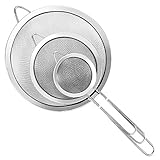
- Fine mesh stainless steel sieve or crank flour sifter
- Large, flexible silicone spatula (do not use the electric mixer for this step!)
Instructions
- Remove the bowl from your electric mixer—it is too easy to overmix at this stage.
- Sift one-third of your dry ingredient mixture (flour, baking soda, and salt) directly over the wet batter.
- Fold the flour into the batter gently using a silicone spatula. Scrape the bottom of the bowl and bring the batter up and over the flour in a continuous ‘J’ motion.
- Repeat this process two more times until no dry streaks of white flour remain.
- Stop mixing immediately once incorporated. The dough will be very thick and slightly sticky—this is exactly what you want!
Pro-Tip: The number one reason bakers end up with tough, dry tea cakes is overmixing the flour. All-purpose flour has a moderate protein content; the more you stir it once it touches liquid, the more gluten development occurs, turning your soft cake into a chewy hockey puck.
5. Chill the Sticky Dough: The Secret to Soft Tea Cakes

Stop your cookies from spreading! Pin this essential chilling step to your “Baking Hacks” board.
Chilling the sticky dough for at least two hours is the ultimate secret to soft tea cakes, allowing the flour to fully hydrate while solidifying the fats to prevent spreading. Skipping this temperature control step will inevitably result in flat, crispy puddles instead of thick, puffy cakes.
A true Southern tea cake dough is considerably softer than a traditional rolled sugar cookie dough. This sticky dough requires strict temperature control. Chilling the dough actively enhances moisture retention by giving the dry ingredients time to absorb the liquids evenly. Furthermore, solidifying the butter ensures it melts slower in the hot oven, which preserves the structural integrity of the bake.
Supplies Needed
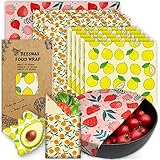
- Reusable beeswax food wraps or heavy-duty plastic wrap
- A clean, flat surface in your refrigerator
Instructions
- Divide the soft dough equally into two halves.
- Form each half into a round, flat disc about 1-inch thick. (Wetting your hands slightly with water can prevent the dough from sticking to your palms).
- Wrap each disc tightly in beeswax wrap or plastic wrap, ensuring no air can reach the dough to prevent it from drying out.
- Chill the wrapped dough in the refrigerator for an absolute minimum of 2 hours. For the best flavor development, chill overnight (up to 24 hours).
Pro-Tip: Do not be tempted to add more flour just because the dough feels sticky! Adding flour will ruin the moisture retention. The secret to a perfectly soft bakery-style tea cake is embracing the high moisture content and using temperature to make it workable.
6. Roll, Cut, and Space on the Baking Sheet

Ready to roll? Pin these cutting tips for thick, bakery-style cakes!
Rolling the chilled dough thickly and cutting it with a floured biscuit cutter ensures a substantial cake-like center and a dramatic, beautiful oven spring. Rolling the dough too thin is a common pitfall that produces a crispy cookie rather than the traditional, soft Southern treat.
Handling the dough correctly before it hits the baking sheet is imperative. Many grandmother’s recipes historically called for using a floured glass rim instead of a standard cutter, adding a touch of rustic charm. Regardless of your tool, pressing straight down without twisting is necessary to keep the edges unsealed, allowing the chemical leaveners to lift the dough fully.
Tools Required
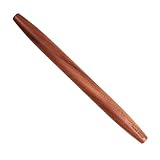
- Tapered wooden French rolling pin
- Heavy-duty aluminum baking sheet
- Unbleached parchment paper or silicone baking mats
- 3-inch round biscuit cutter (or a floured drinking glass)
Instructions
- Line two large baking sheets with parchment paper.
- Dust a clean work surface and your rolling pin generously with all-purpose flour.
- Roll one chilled disc of dough out to exactly ¼ to ⅓-inch thickness. Do not roll it thinner, or you will lose the signature cake-like center!
- Cut the dough into circles using your biscuit cutter. Press straight down and pull straight up—do not twist the cutter, as twisting seals the edges and prevents proper rising.
- Transfer the cut circles to your prepared baking sheet, spacing them about 2 inches apart, as they will spread and puff up slightly.
- Gather the dough scraps gently, press them together, chill for 10 minutes if they’ve gotten too warm, and re-roll once more.
Pro-Tip: If your kitchen is very warm, place your entire baking sheet of cut, raw tea cakes back into the refrigerator for 10 minutes before baking. Cold dough entering a hot oven creates the best oven spring, ensuring a puffy, thick cake.
7. Bake on a Cooling Rack for Soft, Melt-in-Your-Mouth Centers

Look at those golden edges! Pin these baking instructions for the perfect finish.
Baking the tea cakes just until the edges are golden brown and transferring them to a wire cooling rack guarantees a soft, melt-in-your-mouth center. Relying solely on a timer instead of visual cues is dangerous; overbaking quickly ruins the moisture profile of this delicate dessert.
Because home ovens vary wildly, mastering the visual cues of doneness is your best defense against a dry center. Due to the high sugar content, the maillard reaction (the rapid browning of edges and bottoms) occurs quickly. We rely heavily on carryover cooking—where the cakes continue to bake gently on the hot pan after being removed from the oven—to finish the internal structure perfectly.
Tools Required
- Preheated oven (calibrated with an oven thermometer for accuracy)
- Sturdy wire cooling rack
- Thin metal spatula
Instructions
- Preheat your oven to 350°F (175°C) at least 20 minutes before baking to ensure even heat distribution. (If using a convection oven, drop the temp to 325°F).
- Bake on the middle rack for 8 to 11 minutes.
- Monitor them closely after the 8-minute mark. Do not wait for the centers to turn brown! They are done when the centers look puffy and slightly underbaked, but the edges are set and tinged with a delicate golden brown.
- Remove from the oven and let the cakes sit on the hot baking sheet for exactly 2 minutes. The residual heat will finish setting the centers without drying them out.
- Transfer the cakes carefully using a thin metal spatula to a wire cooling rack to cool completely.
Pro-Tip: Overbaking is the absolute enemy of a moist tea cake. Pull them out when they look almost done; carryover cooking on the hot pan will perfectly finish the job, locking in that soft, delicate texture forever!

Key Takeaways: Your Quick Guide to the Ultimate Butter Tea Cake Recipe
A flawless butter tea cake recipe relies on precise flour measurement, room temperature ingredients, proper creaming, gentle folding, mandatory dough chilling, and careful visual monitoring while baking. Before you pull out your mixing bowls, reviewing these core principles ensures you avoid the most common pitfalls that plague home bakers.
This highly scannable summary provides immediate troubleshooting value for time-pressed bakers. By synthesizing the science of baking—specifically temperature control, gluten management, and aeration—into simple, actionable steps, you can confidently execute this expert advice without having to re-read the entire step-by-step process.
Key Takeaways:
- Precise Measurement is Non-Negotiable: Over-packing your measuring cup with flour alters the fat-to-flour ratio, which is the leading cause of a dry, heavy cake. Always spoon and level, or better yet, use a kitchen scale.
- Temperature Dictates Texture: Your butter and eggs must be at room temperature. Cold ingredients will break the emulsion, resulting in a greasy dough and flat baked goods.
- Don’t Rush the Creaming Process: Taking 4 to 5 minutes to fully cream your butter and sugar together incorporates essential air pockets (aeration), providing the light and fluffy lift characteristic of a classic southern dessert.
- Fold, Don’t Beat, the Dry Ingredients: Once flour hits the liquid, gluten development begins. Gently folding the flour rather than using a mixer ensures your cakes stay tender instead of chewy and tough.
- Chilling is Mandatory, Not Optional: Wrapping and resting the sticky dough in the fridge for at least 2 hours allows the flour to hydrate, increasing moisture retention and solidifying the butter to prevent spreading in the oven.
- Watch the Edges, Not the Clock: Because ovens vary, rely on visual cues. Pull the cakes out the moment they exhibit crisp edges with a golden brown hue, even if the centers look slightly pale; carryover cooking will finish them on the pan.
- Embrace the Buttermilk Substitute: If you want an exceptionally moist butter cake variation, swap the optional 1/4 cup of regular milk for buttermilk; the acidity reacts beautifully with the baking soda for a softer crumb and nostalgic tang.
FAQs About butter tea cake recipe
Understanding the nuances, historical context, and troubleshooting methods for butter tea cakes elevates you from a recipe-follower to a true baking expert. Whether you are curious about ingredient substitutions, dealing with unexpected baking failures, or wanting to learn more about the deep cultural roots of this heritage dessert, these answers will resolve your lingering uncertainties.
The following questions draw directly from professional baker tips and tested methodologies. By reviewing these solutions, you can guarantee a perfect outcome while paying proper homage to the rich culinary history behind every bite.
A traditional Southern tea cake is a dense, soft baked good that perfectly bridges the gap between a puffy sugar cookie and a moist pound cake.
Unlike crisp sugar cookies, tea cakes contain less sugar and more flour, resulting in a thicker, cake-like interior with a tender crumb. They are leavened by baking soda, rolled out, and cut like biscuits, making them sturdy enough to dunk into a hot beverage without crumbling apart immediately.
Why did my tea cakes go flat and spread in the oven?
Tea cakes usually go flat because the butter was too warm when mixed, or the dough was not chilled long enough before baking.
When making this authentic tea cake recipe, you must chill the dough for at least two hours. If the dough enters the oven warm, the fat melts before the flour has a chance to set its structure, resulting in thin, crispy puddles instead of thick, soft cakes. Furthermore, ensure your baking soda is fresh, as expired chemical leaveners won’t provide the necessary lift.
Why is my tea cake dry and tough?
A dry and tough tea cake is almost always the result of adding too much flour or overmixing the dough once the flour has been added.
If you scoop flour directly from the bag with your measuring cup, you compress it, accidentally adding up to 25% more flour than needed, throwing off the fat-to-flour ratio. Additionally, if you use an electric mixer to heavily beat the dough after adding the flour, you overdevelop the gluten. Always spoon and level your flour, and gently fold it in.
How do I keep tea cakes soft after baking?
To keep tea cakes perfectly soft and moist, store them in an airtight container at room temperature with a slice of sandwich bread placed inside.
The baked goods will naturally absorb the moisture from the bread, maintaining their melt-in-your-mouth texture for up to 5 days. You should never store them in the refrigerator, as the cold air alters the starch molecules (retrogradation) and dries them out prematurely.
Can I use salted butter for tea cakes instead of unsalted?
Yes, you can use salted butter for tea cakes, but you must reduce or completely omit the additional salt called for in the recipe.
Professional bakers generally recommend using unsalted butter because salt content varies wildly between brands, giving you full control over the flavor profile. If you only have salted butter on hand, skip the 1/2 teaspoon of kosher salt in the dry ingredients to prevent the cakes from tasting overly savory.
Can you freeze tea cakes?
Yes, tea cakes freeze beautifully both as unbaked raw dough and as fully baked cakes.
To freeze the dough, wrap the chilled discs tightly in two layers of plastic wrap and freeze for up to 3 months; thaw overnight in the fridge before rolling. To freeze baked tea biscuits, let them cool completely on a cooling rack, place them in a freezer-safe zip-top bag with parchment paper between the layers, and freeze. Thaw at room temperature for a couple of hours before serving.
What is the difference between Southern and Irish tea cakes?
Southern tea cakes resemble thick, soft, hand-held sugar cookies, while a traditional Irish tea cake is a dense, moist, single-layer sponge cake often dusted with powdered sugar.
The debate between these two styles comes down to form and serving style. The Southern version is a rolled-out dough cut into circles (like a sweet biscuit), whereas the Irish version is poured into a round cake pan, baked as a loaf or round cake, and served in slices alongside English Breakfast tea or Earl Grey.
Can I use margarine or shortening instead of butter?
While you can substitute margarine or butter-flavored shortening, using real, high-quality butter yields a vastly superior flavor and texture.
Comparing butter to margarine, margarine contains higher water content which can alter the moisture retention and cause unpredictable spreading. Old fashioned Southern tea cakes rely on the rich, distinct flavor of real butter as their primary aromatic profile. If you want the most authentic culinary experience, stick to real butter.
Where did tea cakes originate, and why are they significant in Black history?
Southern tea cakes originated in the rural American South and hold deep historical significance within African American culinary history as a cherished comfort food.
During and after slavery, enslaved and newly freed African Americans created these sweetmeats using basic, accessible rations (flour, butter or lard, sugar, and eggs) as an affordable alternative to expensive, elaborate cakes. They became a staple of hospitality, family gatherings, and Juneteenth celebrations, passed down through generations as a symbol of resilience, love, and community.
What tea goes best with tea cakes?
Due to their rich, buttery, and slightly sweet profile, tea cakes pair beautifully with robust black teas like English Breakfast, Earl Grey, or a strong Southern sweet tea.
The astringency and tannins in a bold black tea perfectly cut through the rich, dense crumb of the cake, cleansing the palate between bites. They are also phenomenal served with a dark roast coffee, or simply a tall glass of cold milk for a nostalgic, comforting snack.
Final Thoughts on the Ultimate Butter Tea Cake Recipe
Mastering this butter tea cake recipe is about respecting proven technique and temperature control to yield a consistently soft, moist, and buttery dessert. The magic of this heirloom recipe does not lie in expensive, complicated ingredients; rather, it shines through the careful attention paid to the mixing and baking process itself.
By prioritizing the temperature of your ingredients, taking the necessary time to deeply cream your butter and sugar, and having the patience to let your dough chill, you guarantee a flawless result every single time you preheat your oven. These homemade treats are more than just a classic southern dessert; they are a direct bite into profound culinary history, serving as a testament to the magic of transforming simple pantry staples into something deeply comforting.
Whether you are baking them for a sophisticated afternoon tea party paired with a hot pot of Earl Grey, or simply whipping up a quick batch for your family to enjoy with a cold glass of milk, this authentic heirloom recipe is sure to become a treasured staple in your kitchen. Baking is a timeless journey of creating memories, and there is nothing quite like the aromatic smell of vanilla and golden butter filling your home on a quiet afternoon.
Have you ever tried baking a recipe passed down from your grandmother, or is this your first time trying a traditional Southern tea cake? Let me know in the comments below how your batch turned out, and don’t forget to rate the recipe!
Last update on 2026-10-09 / Affiliate links / Images from Amazon Product Advertising API
